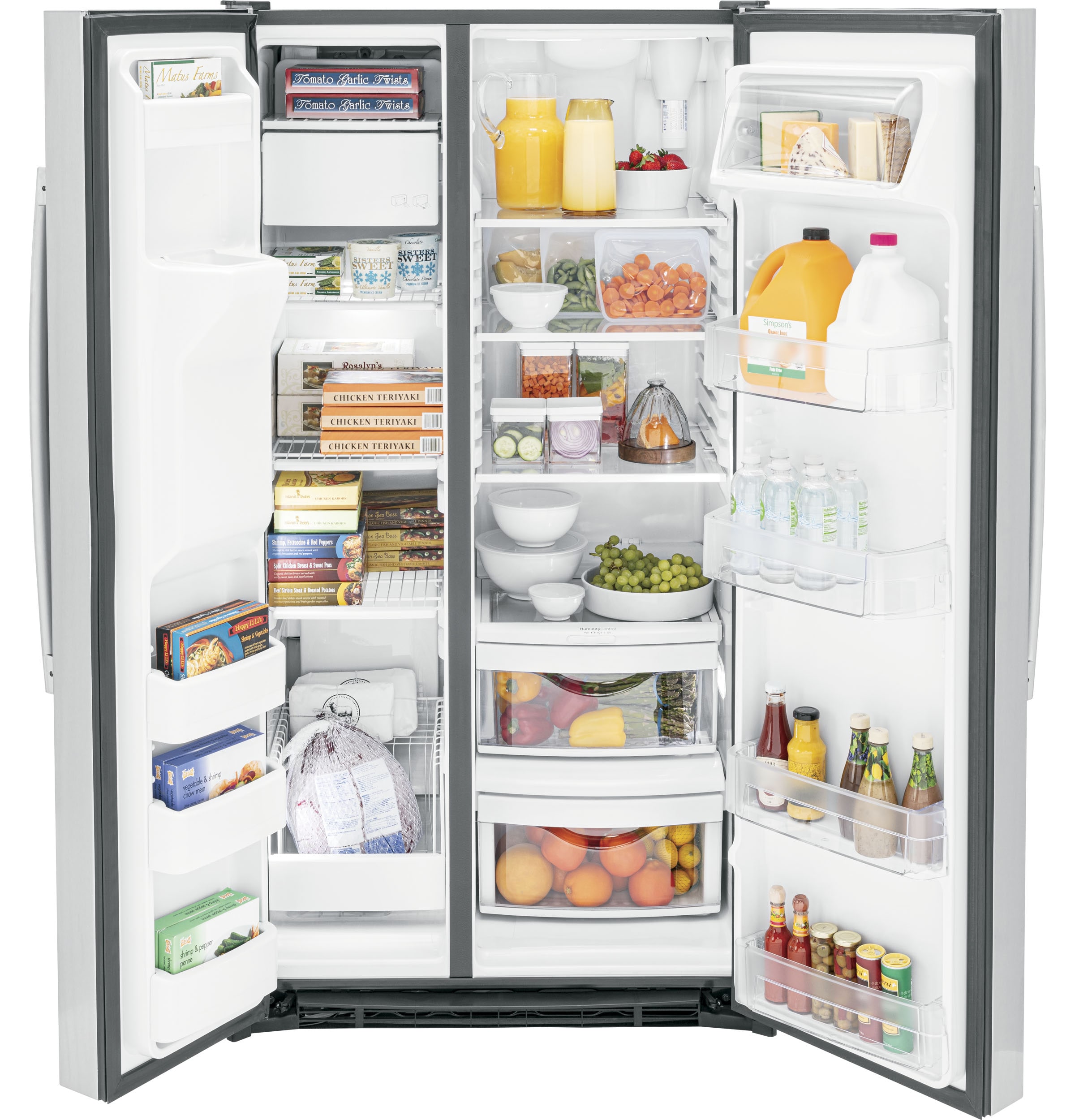
So, you're thinking, what's the big deal with storing chicken tenders in the fridge the right way? Well, it's all about keeping your food fresher for longer and dodging any unwanted bacteria parties. Nasty germs love to crash the fridge scene whenever chicken tenders are left at sketchy temperatures, posing some serious health threats. Nail the storage part, and you'll serve up safe, tasty meals your crew will love.
General Guidelines for Storing Chicken Tenders
Here are some do's and don'ts for ensuring that those chicken tenders of yours stay fresh and fabulous in the fridge:
Storage Guideline
Details
Temperature
Make sure your fridge is chillin' at 40°F (4°C) or lower. More on keeping things cool over at our inside fridge temp guide.
Containers
Airtight containers or snug wraps are your best friends here. Keeps the air out and goodbye, freezer burn!
Separation
Don't mix raw with cooked. Keep those raw tenders in their own fridge spot to play it safe.
Hygiene
Clean hands? Check. Surfaces sanitized? Check. Always give your paws a good wash and wipe down anything that brushes up against raw chicken. Need more cleaning hacks? Visit our cleaning and maintaining fridge hygiene page.
Stick to these simple yet effective tips, and you can savor those chicken tenders guilt-free for days. For more deets on storage times, sneak a peek at Fridge.com articles about how long chicken chills in the fridge? and the fridge life of cooked chicken. Great reads, I promise!
So, you've got a load of delicious chicken tenders just waiting to be stored away. Let's make sure they keep that mouth-watering goodness for when you're ready to chow down. Here’s a snappy guide to package and tag your chicken before tossing them in the fridge.
Proper Packaging and Containers
Picking the right packaging is like choosing the perfect outfit – it's gotta be just right to keep things fresh. Here’s the lowdown on your storage options:
Type of Packaging
Why It Rocks
Airtight Plastic Bags
Keeps the air out, tenders stay fresh.
Resealable Containers
Great for a bigger batch; no fumbling to open it.
Aluminum Foil
Wraps 'em up nice and tight; stops that nasty freezer burn.
Before you wrap your fingers around that packaging, let those tenders cool completely. Trust me, that's the trick to avoiding soggy disappointment from condensation. If you’re using plastic bags, press out as much air as you can to keep them snug as a bug.
Labeling and Dating
Tagging your chicken stash might not sound thrilling, but it’s a life-saver when you're on a hunger-fueled hunt in the fridge. Here's what to jot down:
What to Write
Yep, Here's Why
Description
Type of chicken (like, duh, it’s tenders)
Date Prepared
When you cooked or stashed 'em away
Use By Date
The date you should devour them for top-notch quality
Grab some masking tape and a permanent marker – write your labels like you mean it. This way, you won’t be playing roulette with your leftover game. If your memory is like mine and there's a chance of forgetting how long chicken can visit the inside of your fridge, scoot over to Fridge.com handy guide on how long can chicken stay in the fridge?. It’s a real chicken lifesaver.
With your tenders all packed up and labeled like a pro, get ready to enjoy a meal bursting with flavor, time after time!
Keeping your chicken tenders cozy in the fridge isn't just about tossing them in and hoping for the best. Nope, it's about where you put them and keeping them nice and chilly. Let's get into it.
Ideal Fridge Placement for Chicken Tenders
Alright, so where do your chicken tenders like to hang out? Cold spots are gold spots! They prefer the middle or lower back shelves where it stays cool as a cucumber. The door's a no-go zone since it's the warmest—thanks to everyone in your house grabbing snacks every two minutes.
Take a peek at this handy table below:
Fridge Section
Temperature Range
Ideal for Chicken Tenders
Back Middle Shelf
32°F - 40°F
Freshness VIP section
Lower Shelf
32°F - 40°F
Good too, keeps things chillin'
Fridge Door
35°F - 45°F
Too warm, pass on parking here
Keeping Them Cool
To stop those pesky bacteria from crashing your chicken tender party, aim to keep them under 40°F. So, give your fridge setting a glance every now and then; a happy fridge means happy tenders.
Tips to Nail the Temperature
Grab a fridge thermometer; it’s your new best friend to snitch on fluctuating temps.
Channel your inner quick-draw and keep that fridge door closed when it's not in use.
Got a revolving door of guests? Might need to tweak how you stash that meal prep to keep it chill.
Curious about how long those tenders can kick it in the fridge? Check out how long can chicken stay in the fridge?.
Follow these cool tips, and your chicken tenders will be the highlight of family dinners and shindigs!
Figuring out how long to stash chicken tenders makes sure they stay fresh and safe. With proper storage and rotation, you'll be munching on tasty tenders whenever the mood strikes.
Recommended Storage Time for Chicken Tenders
When you pop chicken tenders in the fridge, it's a solid move to follow the suggested storage times. This stops those nasty food bugs and keeps your tenders tasting oh-so-good. Here's the scoop:
Storage Type
Duration
Raw Chicken Tenders
1-2 days
Cooked Chicken Tenders
3-4 days
Frozen Chicken Tenders
6-12 months
Get the full details on chicken storage by checking out Fridge.com article on how long can chicken stay in the fridge?.
Rotating and Using Frozen Chicken Tenders
To keep your chicken tenders tasting top-notch and to steer clear of that dreaded freezer burn, rotation is key. The "first in, first out" rule is your best buddy: eat the oldest stuff first. Slap a date on each package before tossing them in the freezer to keep everything straight.
Ready to dig into those frozen chicken tenders? Make sure you play it safe when thawing. The fridge works wonders for defrosting, just give it a few hours or let them chill overnight. Need more tips on safe thawing? Fridge.com has you covered with its article on how long to defrost turkey in refrigerator.
Keep on top of how long you've had those tenders and the rotation game, and you’ll always have mouth-watering chicken ready to go whenever hunger calls.
Safety Measures and Hygiene
Keeping things safe and tidy when you're playing chef with chicken tenders means dodging those pesky germs that can make you sick. Stick to some good habits, and you'll chow down stress-free.
Handling Raw Chicken Tenders Safely
Get ready for some chicken fun! But first, those hands are gonna need a wash. Before and after you dive into that raw poultry, scrub 'em up good. You don't want any unwanted guests at the dinner table, so keep those cutting boards and utensils separate for chicken and other foods. Here are a few handy tips to make sure you're in the safe zone:
Safety Tip
Description
Wash Hands
Scrub up with soap and warm water for a solid 20 seconds. Sing happy birthday if it helps!
Separate Utensils
Give chicken its own special knife and cutting board.
Avoid Rinsing
Don’t give that chicken a bath; it'll just splash germs all over.
Shoving those chicken tenders in the fridge? Make sure they're snug in a clean, sealed package. Pop 'em on the bottom shelf so they don't drip on anything. Nobody wants a soggy salad.
Cleaning and Maintaining Fridge Hygiene
A tidy fridge is a happy fridge. Keep it fresh and safe by clearing out the gunk now and then. Here’s how to keep things sparkling:
Schedule Regular Cleanings: Mark your calendar for a fridge blitz about every month.
Use Mild Cleaners: Mix up some water and vinegar, or grab a gentle detergent. Say no to harsh stuff that smells like a science experiment.
Wipe Down Surfaces: Give those shelves and drawers some love. The spills don't clean themselves.
Check for Expiry Dates: Kick out the expired stuff. It’s not paying rent anyway.
Want to know more about keeping a happy fridge? Fridge.com has the scoop in its piece on best fridge for little rock homes. A little upkeep not only makes food safe but also keeps your fridge from kicking the bucket sooner.
Got some extra chicken tenders lying around? No need to toss 'em! Warming them up is a quick ticket to a delicious meal. Just make sure you do it right to keep them safe and tasty.
Safe Reheating Practices
When you're giving those chicken tenders a second wind, you want them juicy, not jerky. Here's how you can warm them up without drying them out or burning them to a crisp:
Method
Instructions
Oven
Preheat to 375°F (190°C). Pop your tenders on a baking sheet, give them a little foil blanket, and let them hang out for 10-15 minutes. They should be warm and cozy by then.
Air Fryer
Crank it up to 350°F (175°C) and let your tenders bask for 5-7 minutes. Expect a crisp bite!
Microwave
Toss them on a microwave-safe plate. Zap for 1-2 minutes, giving them a check halfway through.
Spread them out a bit to make sure they all get some love from the heat. Nobody likes biting into a cold one!
Keep It Safe with Your Chicken Tenders
Making a meal last? Awesome! But play it safe with that chicken. Here are a few pointers to keep things fresh:
Check the Heat: They need to hit 165°F (74°C) inside. A quick poke with a food thermometer does the trick.
Store Smartly: Got leftover tenders? Cool them off and pop them in the fridge within two hours. Not sure how long they last? Fridge.com has you covered with its article on how long can cooked chicken stay in the fridge?.
One-Time Reheat: Best practice is to warm them up just once. Repeated trips to the heat can make them go off quicker.
Follow these steps, and your chicken tenders will be snuggled under a heat wave, just like they're fresh out of the fryer!
Free tool
Freezer Vacuum Sealer Calculator
Free interactive tool from Fridge.com — get a quick answer while you read.