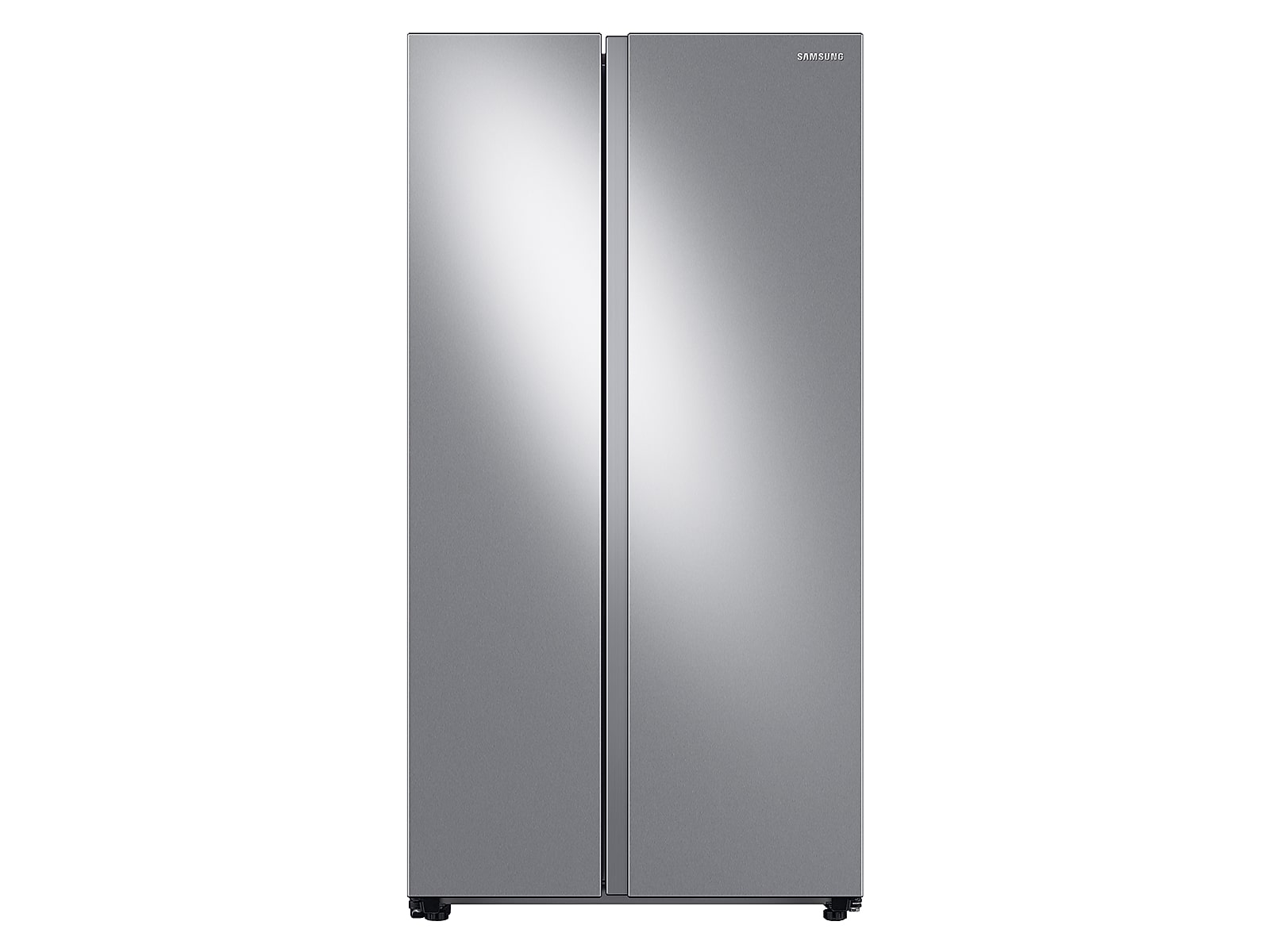
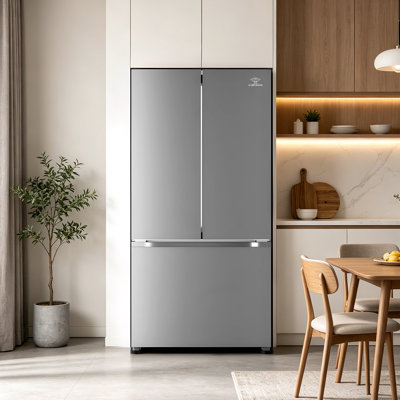
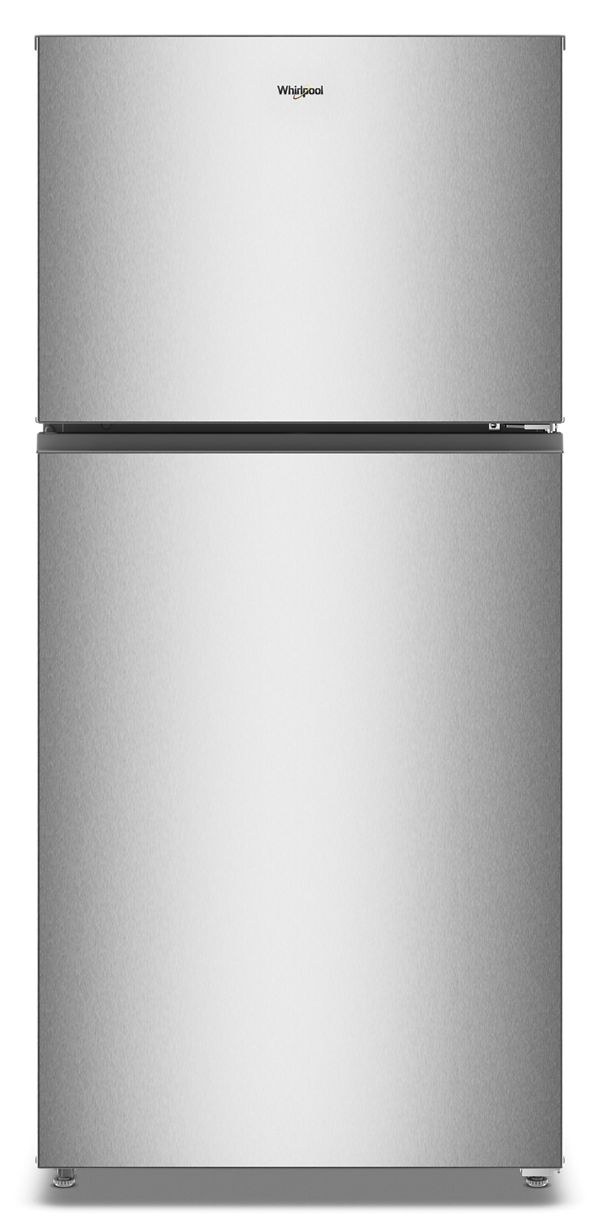
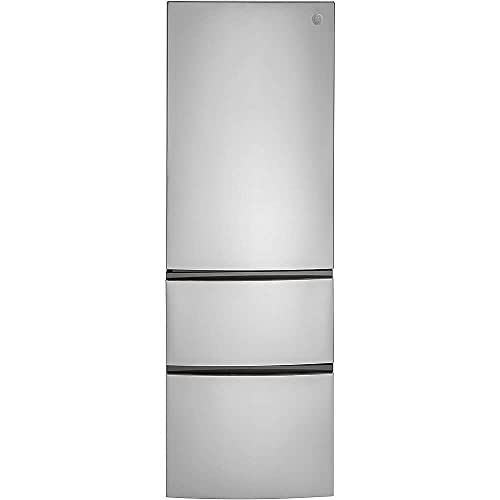
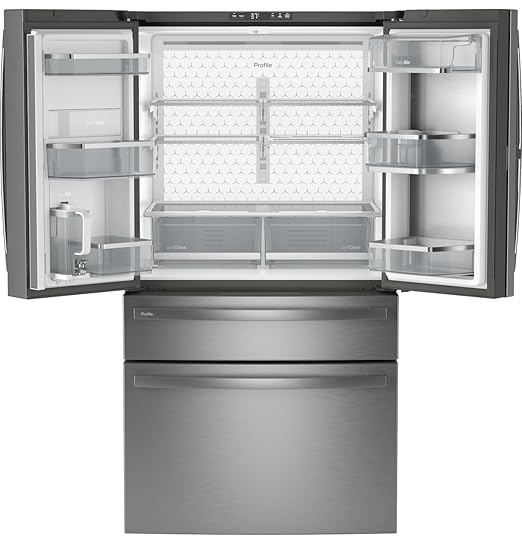
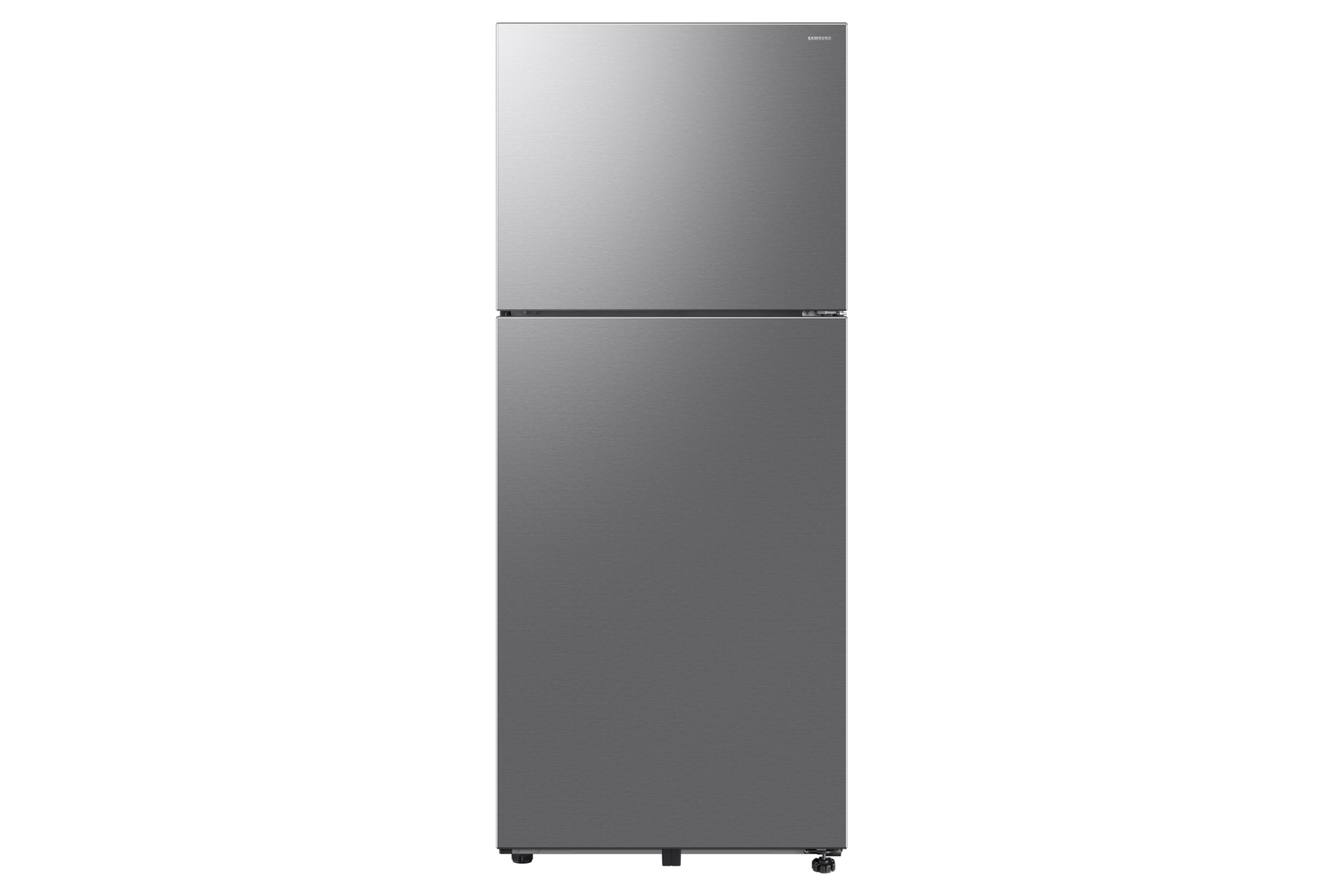
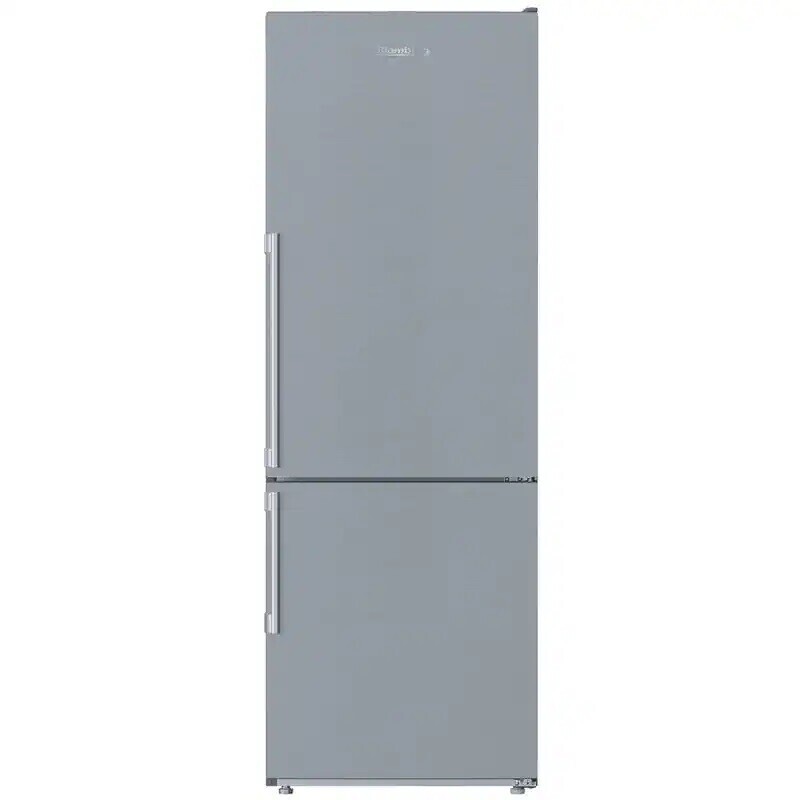
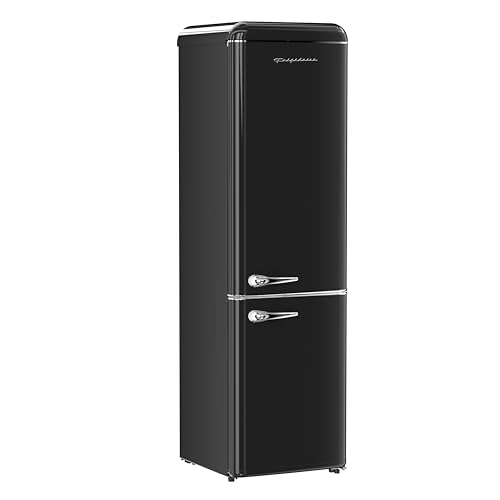
Built-in refrigerators typically offer a larger capacity, making them ideal for families or those who entertain frequently.
Built-in refrigerators usually come with multiple compartments and adjustable shelves, allowing you to customize the space according to your needs.
They are ideal for storing large quantities of food and beverages, making them perfect for a busy household.
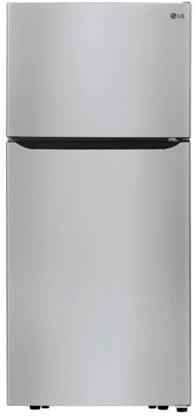
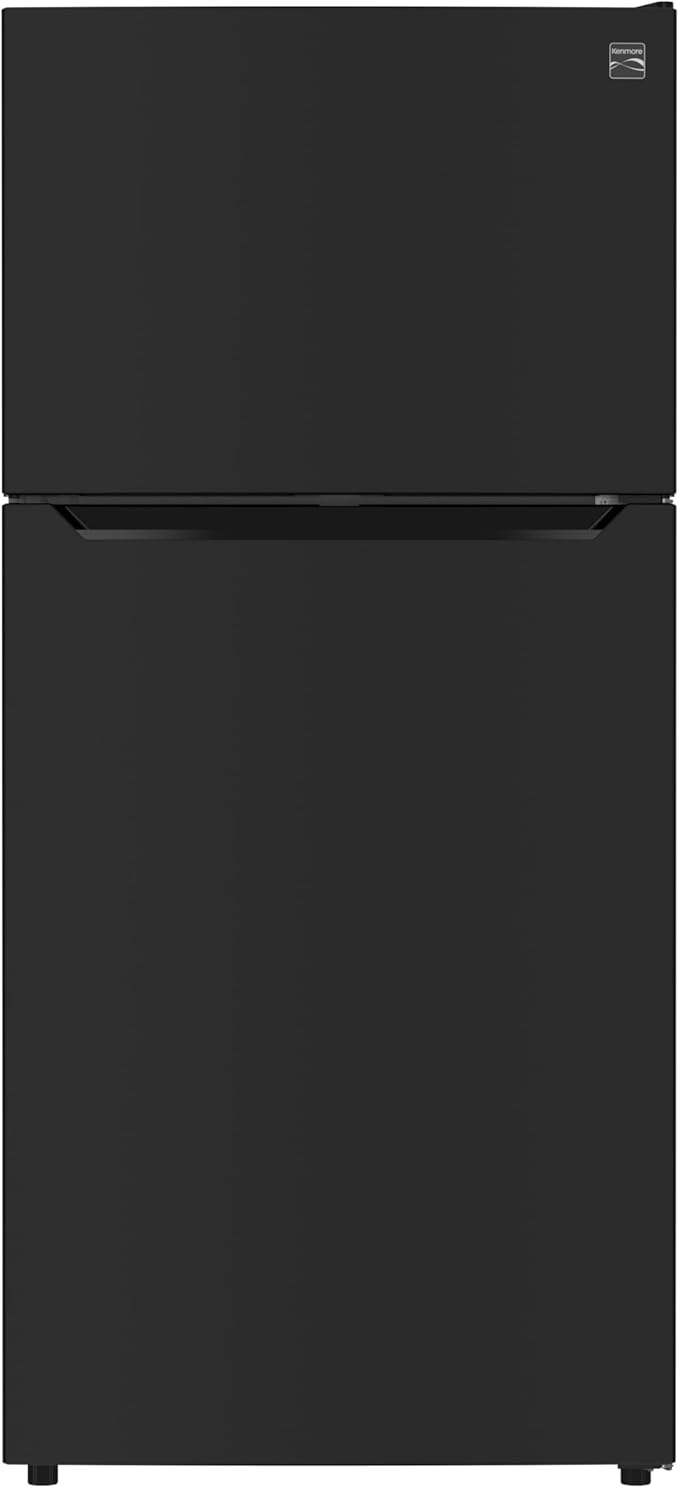
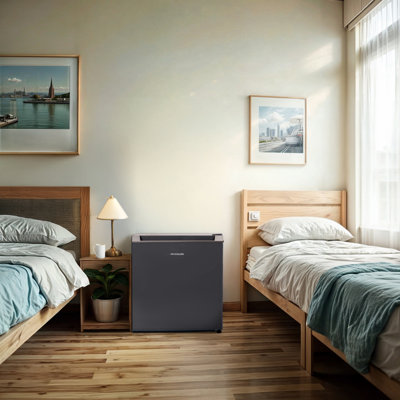
Small refrigerators, often referred to as compact or mini fridges, are ideal for limited spaces such as apartments, offices, dorm rooms, or secondary storage in homes.
When it comes to selecting a refrigerator, you are faced with various choices. Two popular options are built-in refrigerators and small refrigerators. Each type has its own unique features and benefits to consider.
Built-In Refrigerator Overview
A built-in refrigerator is designed to blend seamlessly with your kitchen cabinetry. These refrigerators are installed flush with your cabinets, giving your kitchen a sleek, integrated look. Built-in refrigerators typically offer a larger capacity, making them ideal for families or those who entertain frequently. They come with advanced features, such as customizable temperature zones and high-end finishes.
Feature
Built-In Refrigerator
Installation
Integrated with cabinetry
Capacity
Large
Features
Advanced (e.g., temperature zones)
Aesthetics
Seamless, custom look
Small Refrigerator Overview
A small refrigerator, often referred to as a mini-fridge or compact refrigerator, is a versatile and convenient option. These refrigerators are perfect for smaller spaces like apartments, dorm rooms, offices, and garages. Small fridges are easy to move and install, making them a flexible choice for various settings. While they offer less storage capacity, they are energy-efficient and budget-friendly.
Feature
Small Refrigerator
Installation
Freestanding
Capacity
Small
Features
Basic (e.g., adjustable shelves)
Aesthetics
Compact, various styles
When deciding between a built-in refrigerator and a small refrigerator, consider your specific needs and space constraints. Each option offers unique benefits, so choose the one that best fits your lifestyle and kitchen layout. For more comparisons, explore Fridge.com article on standard fridge size Vs. upright freezer.
When considering a refrigerator, size and capacity are essential factors. This section explores the size and capacity considerations for built-in refrigerators and small refrigerators.
Built-In Refrigerators: Size and Capacity Considerations
Built-in refrigerators are designed to blend seamlessly with your kitchen cabinetry, offering a sleek and integrated look. They are typically larger than small refrigerators and provide ample storage space for families and those who entertain frequently.
Feature
Built-In Refrigerators
Typical Width
30 - 48 inches
Typical Height
80 - 84 inches
Capacity Range
20 - 30 cubic feet
Built-in refrigerators usually come with multiple compartments and adjustable shelves, allowing you to customize the space according to your needs. They are ideal for storing large quantities of food and beverages, making them perfect for a busy household.
Small Refrigerators: Size and Capacity Considerations
Small refrigerators, also known as mini fridges or compact refrigerators, are designed for smaller spaces such as apartments, offices, dorm rooms, or as a secondary fridge in a garage or basement. They are much more compact and offer less storage capacity compared to built-in refrigerators.
Feature
Small Refrigerators
Typical Width
18 - 24 inches
Typical Height
30 - 40 inches
Capacity Range
1.7 - 4.5 cubic feet
Small refrigerators are perfect for storing essentials like beverages, snacks, and a limited amount of fresh food. They are highly portable and can be easily moved from one location to another, making them versatile for various uses.
By understanding the size and capacity differences between built-in and small refrigerators, you can make a more informed decision based on your space and storage needs. Whether you need a large, integrated solution or a compact, portable option, there's a refrigerator to fit your requirements.
Installation and Space
When deciding between a built-in refrigerator and a small refrigerator, it's crucial to consider the installation requirements and space-saving features of each option. Both types cater to different needs and preferences, making them suitable for various environments.
Built-In Refrigerators: Installation Requirements
Built-in refrigerators are designed to blend seamlessly into your kitchen cabinetry, providing a sleek and integrated look. However, this integration comes with specific installation requirements. Built-in refrigerators typically require professional installation to ensure a precise fit and proper ventilation.
Key installation considerations for built-in refrigerators:
Cabinetry Modifications: You may need to modify or custom-build cabinets to accommodate the dimensions of the built-in refrigerator.
Electrical and Plumbing: Ensure proper electrical outlets and, if applicable, water lines for ice makers and water dispensers.
Ventilation: Adequate ventilation is necessary to prevent overheating and ensure optimal performance.
Space Allocation: Built-in refrigerators come in various sizes, so measure the available space carefully to select the right model.
Small Refrigerators: Space-Saving Features
Small refrigerators, often referred to as compact or mini fridges, are ideal for limited spaces such as apartments, offices, dorm rooms, or secondary storage in homes. These refrigerators are designed to be versatile, offering various features to maximize space efficiency.
Key space-saving features of small refrigerators:
Compact Dimensions: Small refrigerators are designed to fit in tight spaces, making them ideal for areas with limited square footage.
Portability: Many small refrigerators are lightweight and easy to move, allowing you to reposition them as needed.
Flexible Storage: Adjustable shelves and door bins help you organize your items efficiently, making the most of the available space.
Energy Efficiency: Compact refrigerators often consume less energy than larger models, contributing to lower electricity bills.
Feature
Built-In Refrigerators
Small Refrigerators
Installation
Requires professional installation
Generally easy to set up
Space Requirements
Custom cabinetry and ventilation needed
Fits in tight spaces
Portability
Fixed position
Easily movable
Storage Flexibility
Customizable with large capacity
Adjustable shelves and bins
When comparing a built-in refrigerator Vs. small refrigerator, consider the installation requirements and space-saving features that best match your needs. For more information on different types of refrigerators, explore Fridge.com articles on counter depth refrigerator Vs. portable freezer and refrigerator freezer combo Vs. small upright freezer.
When evaluating built-in refrigerators versus small refrigerators, understanding their features and functionality is crucial. These appliances serve different purposes, and their capabilities reflect their intended use.
Built-In Refrigerators: Advanced Features
Built-in refrigerators are designed to offer a seamless look and advanced functionalities that cater to modern needs. They often come with a range of sophisticated features aimed at enhancing convenience and performance.
Temperature Zones: Built-in refrigerators frequently have multiple temperature zones, allowing you to store different types of food at their ideal temperatures.
Smart Technology: Many built-in models incorporate smart technology, enabling you to control settings via a smartphone app.
Customizable Interiors: Adjustable shelves, door bins, and storage solutions make it easier to organize and access your food.
Humidity-Controlled Drawers: These drawers help keep fruits and vegetables fresher for longer periods.
Water and Ice Dispensers: Integrated water and ice dispensers provide added convenience.
Energy Efficiency: Advanced built-in refrigerators often feature energy-efficient technologies that reduce power consumption.
Below is a quick comparison table for some advanced features commonly found in built-in refrigerators:
Feature
Availability
Temperature Zones
Multiple Zones
Smart Technology
Yes
Customizable Interiors
Yes
Humidity-Controlled Drawers
Yes
Water and Ice Dispensers
Yes
Small Refrigerators: Essential Features
Small refrigerators, also known as mini-fridges, are designed to be compact and functional, making them ideal for limited spaces such as offices, dorm rooms, or small apartments. While they may not have as many advanced features as built-in models, they offer essential functionalities that cater to basic refrigeration needs.
Compact Size: Small refrigerators are designed to fit in tight spaces, offering flexibility in placement.
Basic Temperature Control: These units usually come with a simple dial to adjust the internal temperature.
Freezer Compartment: Many small refrigerators include a small freezer compartment for ice and frozen foods.
Removable Shelves: Adjustable or removable shelves provide some level of customization for storing different items.
Door Storage: Door bins and shelves maximize storage space, allowing for the efficient organization of beverages and small food items.
Energy Efficiency: Many small refrigerators are designed to be energy-efficient, although they may not feature the same advanced energy-saving technologies as built-in models.
Below is a quick comparison table for some essential features commonly found in small refrigerators:
Feature
Availability
Compact Size
Yes
Basic Temperature Control
Yes
Freezer Compartment
Yes
Removable Shelves
Yes
Door Storage
Yes
For further reading, you might find Fridge.com articles on standard fridge size Vs. upright freezer and counter depth refrigerator Vs. portable freezer helpful in understanding other refrigerator options.
When choosing between a built-in refrigerator and a small refrigerator, design and aesthetics play a significant role. Each type offers unique characteristics that can complement different styles and needs.
Built-In Refrigerators: Design Integration
Built-in refrigerators are designed to seamlessly integrate into your kitchen cabinetry. They offer a sleek, custom look that can enhance the overall aesthetic of your kitchen. These refrigerators are often installed flush with your cabinets, providing a streamlined appearance.
Built-in refrigerators come in various styles, including French door, side-by-side, and bottom-freezer models. They can be customized with panel-ready options to match your kitchen decor. The integration allows the refrigerator to blend in, making it an excellent choice for those who prioritize a cohesive kitchen design.
Feature
Description
Installation
Flush with cabinetry
Customization
Panel-ready options available
Styles
French door, side-by-side, bottom-freezer
Small Refrigerators: Stylish Options
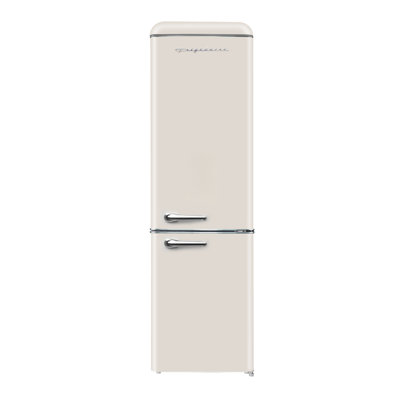
Small refrigerators, while compact, can also offer stylish options for various spaces. These refrigerators are available in a range of colors and finishes, allowing you to choose one that fits your personal style. Whether you prefer a modern stainless steel look or a retro-inspired design, small refrigerators can add a touch of personality to your space.
Small refrigerators are ideal for areas with limited space, such as apartments, offices, and dorm rooms. Their compact size makes them versatile and easy to place in different settings without compromising on aesthetics.
Feature
Description
Size
Compact and versatile
Colors
Various colors and finishes
Ideal Spaces
Apartments, offices, dorm rooms
For more information on different refrigerator options, check out Fridge.com articles on drawer fridge freezer Vs. refrigerator cooler and counter depth refrigerator Vs. portable freezer. These resources can help you make an informed decision based on your specific needs and preferences.
Energy Efficiency
When comparing built-in refrigerators and small refrigerators, energy efficiency is a crucial factor. Both types of refrigerators have unique features that contribute to their energy consumption and overall efficiency.
Built-In Refrigerators: Energy Efficiency
Built-in refrigerators are designed to seamlessly integrate with your kitchen cabinetry, offering a sleek and cohesive look. These refrigerators often come with advanced energy-saving features to offset their typically larger size and capacity. Here are some key points regarding their energy efficiency:
Energy Star Rating: Many built-in refrigerators are Energy Star certified, meaning they meet strict energy efficiency guidelines set by the EPA.
Variable Speed Compressors: These compressors adjust their speed based on the cooling demand, reducing energy consumption during periods of low usage.
Advanced Insulation: Superior insulation materials help maintain optimal internal temperatures, minimizing the need for the compressor to work harder.
LED Lighting: Energy-efficient LED lighting reduces electricity usage compared to traditional incandescent bulbs.
Feature
Built-In Refrigerators
Variable Speed Compressors
Yes
Advanced Insulation
Yes
LED Lighting
Yes
Small Refrigerators: Energy-Saving Features
Small refrigerators are designed to be compact and space-saving, making them ideal for apartments, offices, and other tight spaces. Despite their smaller size, they can still offer excellent energy efficiency. Here are some key features:
Energy Star Rating: Many small refrigerators also carry the Energy Star certification, ensuring they consume less energy.
Thermoelectric Cooling: Some small refrigerators use thermoelectric coolers, which are generally more energy-efficient but best suited for smaller cooling needs.
Adjustable Thermostats: These allow you to set the temperature according to your needs, reducing unnecessary energy use.
Low-Noise Operation: Efficient motors and compressors not only save energy but also operate quietly, making them ideal for shared spaces.
Feature
Small Refrigerators
Thermoelectric Cooling
Sometimes
Adjustable Thermostats
Yes
Low-Noise Operation
Yes
When deciding between a built-in refrigerator Vs. small refrigerator, consider the energy efficiency features that best meet your needs. For other comparisons, such as standard fridge size Vs. upright freezer or counter depth refrigerator Vs. portable freezer, check out Fridge.com related articles.
Built-in refrigerators are a significant investment for any home. These appliances are designed to seamlessly integrate into your kitchen cabinetry, providing a sleek and customized look. The cost of built-in refrigerators can vary widely depending on size, features, and brand. Typically, they are more expensive than their freestanding counterparts due to the specialized installation and advanced features.
Feature
Built-In Refrigerator
Average Cost
$5,000 - $10,000
Installation Cost
$1,000 - $2,000
Lifespan
15 - 20 years
Maintenance Cost
$100 - $300 annually
The higher initial cost of a built-in refrigerator can be justified by its long-term benefits. These refrigerators often come with advanced features like dual cooling systems, humidity control, and customizable storage options. Additionally, they can increase the resale value of your home by offering a premium, integrated look that appeals to potential buyers. For more details on different refrigerator styles, visit standard fridge size Vs. upright freezer.
Small Refrigerators: Budget-Friendly Options
Small refrigerators, also known as compact or mini-fridges, are more budget-friendly options. These appliances are ideal for small spaces such as apartments, dorm rooms, offices, and even basements. They offer essential refrigeration without the high price tag associated with larger, built-in models.
Feature
Small Refrigerator
Average Cost
$150 - $500
Installation Cost
$0 (freestanding)
Lifespan
5 - 10 years
Maintenance Cost
$50 - $100 annually
The lower cost of small refrigerators makes them an attractive option for those on a tight budget or those needing a secondary fridge. While they may lack the advanced features and larger capacity of built-in models, they are highly portable and easy to install. For more space-saving refrigerator options, check out apartment size refrigerator Vs. beer fridge.
When comparing the cost considerations of built-in refrigerators versus small refrigerators, it's essential to weigh the initial investment against the long-term benefits and your specific needs. Whether you prioritize the integrated design and advanced features of a built-in refrigerator or the affordability and convenience of a small refrigerator, understanding these cost factors will help you make an informed decision. For more comparisons, you can explore counter depth refrigerator Vs. portable freezer.
Compare prices on Fridge.com
Compare current prices and specifications on Fridge.com, then buy from the retailer you choose; delivery, installation and warranty terms are the retailer’s.
It also has tons of awesome articles about kitchen stuff and home news. Enhance your home, garage, backyard, patio, and office with the coolest essentials. With every necessary type of residential refrigerator or freezer in the collection, you're covered.
From Fridge.com research
Figures below come from data Fridge.com builds and maintains. Each links to the record behind it.
Fridge.com Energy Index, built on U.S. EPA and DOE ENERGY STAR records
Across 5,455 ENERGY STAR certified refrigerators and freezers from 263 brands, median use is 360 kWh per year.