Built-in kegerators typically have a lifespan of 5 to 10 years.
On the other hand, an upright refrigerator offers versatility, capable of storing not only beverages but also food items across multiple shelves and compartments.
There are several critical factors you should consider before choosing between a built-in kegerator and an upright refrigerator:.
side by side refrigerator or 3 door refrigerator vs.
When you're considering whether to invest in a built-in kegerator or an upright refrigerator, understanding your specific cooling requirements is paramount. If your focus is on preserving and serving draft beer at the optimal temperature, a built-in kegerator might be the specialized appliance you need. On the other hand, an upright refrigerator offers versatility, capable of storing not only beverages but also food items across multiple shelves and compartments.
Before making a decision, assess how often you entertain guests with draft beer, the variety of beverages you wish to store, and the amount of food preservation you require. Your lifestyle and entertaining habits will greatly influence your choice between these two cooling solutions.
Factors to Consider Before Choosing
There are several critical factors you should consider before choosing between a built-in kegerator and an upright refrigerator:
Space: How much room do you have available in your home, apartment, or office for a new appliance? A built-in kegerator typically requires custom cabinetry work for seamless integration, while an upright refrigerator might offer more flexibility in placement.
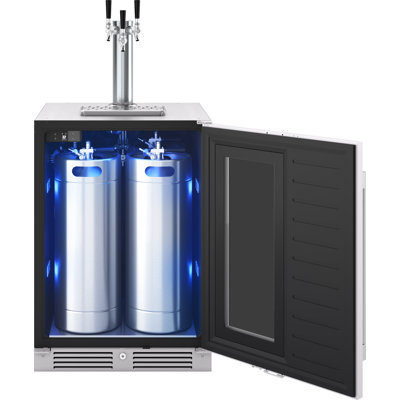
Capacity: Consider the volume of beverages you plan to store. Kegerators are designed to hold kegs of various sizes, while upright refrigerators can accommodate a diverse range of items in different quantities.
Temperature Control: Precise temperature settings are essential for draft beer storage in kegerators, whereas an upright fridge offers broader temperature ranges for different food and beverage types.
Budget: Built-in kegerators can be a significant investment due to installation costs, whereas upright refrigerators range in price and can be more cost-effective.
Usage: How frequently will you use the appliance? If you entertain often and require easy access to draft beer, a kegerator might be more suitable. For general use, an upright fridge could be more practical.
Factor
Built-In Kegerator
Upright Refrigerator
Space
Custom cabinetry needed
Flexible placement
Capacity
Specific to keg sizes
Varies, multiple shelves
Temperature Control
Precise for beer
Range for different items
Budget
Higher initial cost
Wide price range
Usage
Frequent entertaining
General use
Considering these factors will help you make an informed decision tailored to your cooling needs. Whether you opt for a built-in kegerator or an upright refrigerator, ensure it aligns with your lifestyle and the space you have available. Explore comparisons such as built in refrigerator vs. side by side refrigerator or 3 door refrigerator vs. shallow depth refrigerator for further insights into your options.
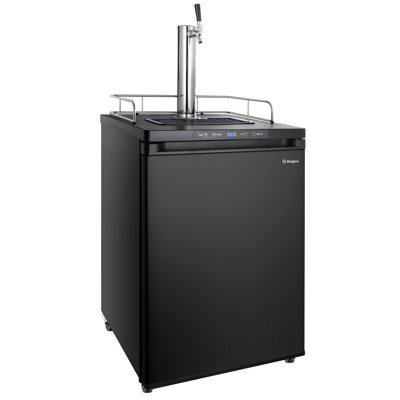
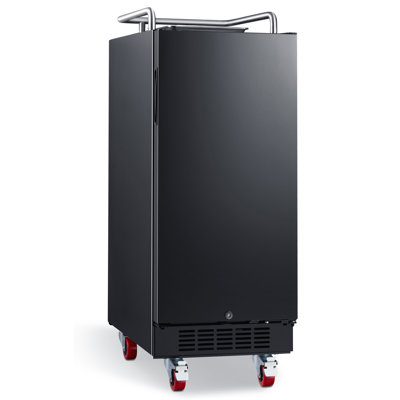
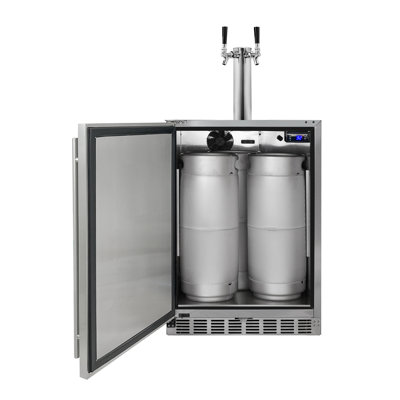
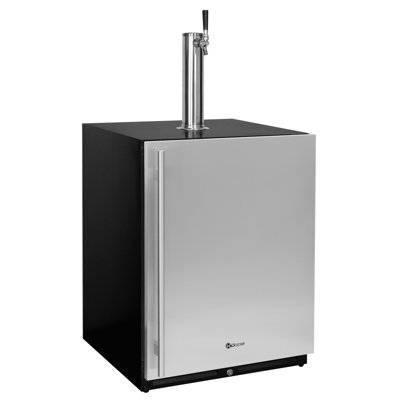
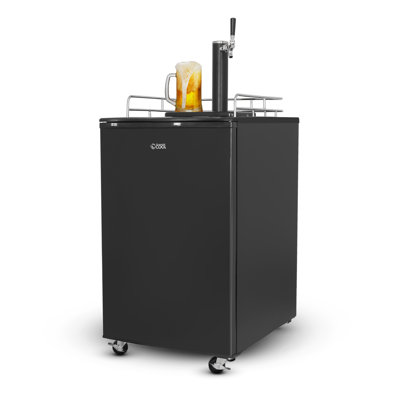
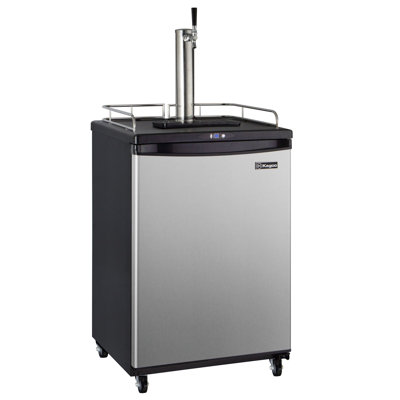
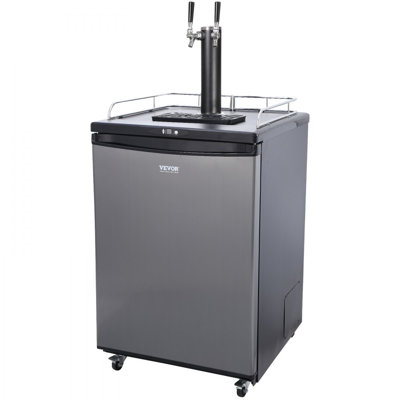
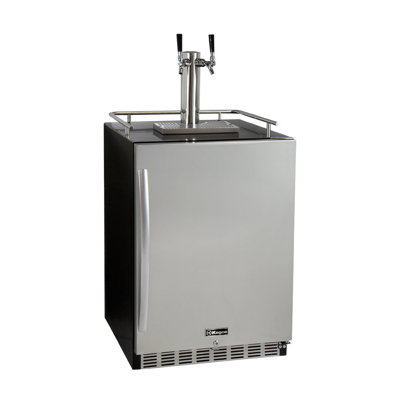
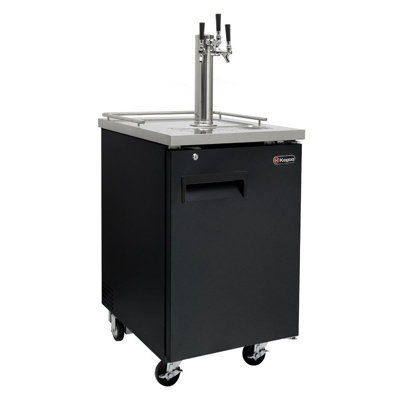
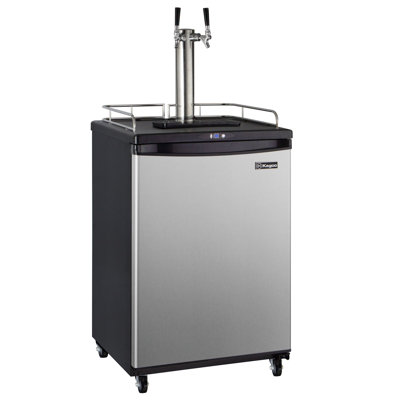
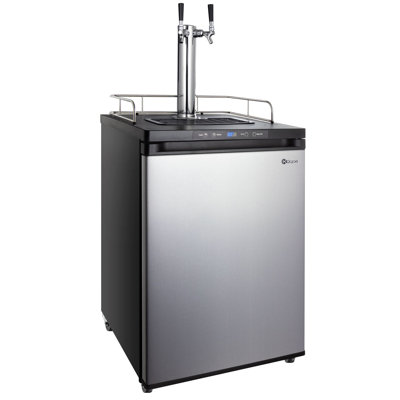
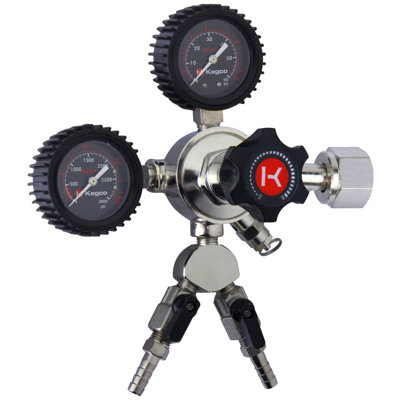
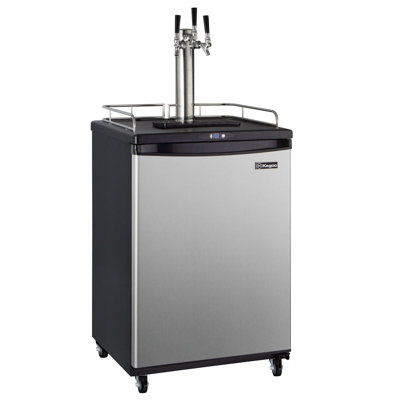
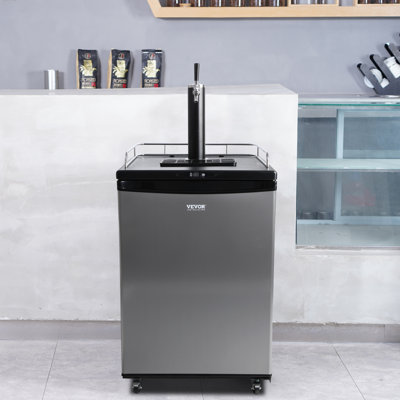
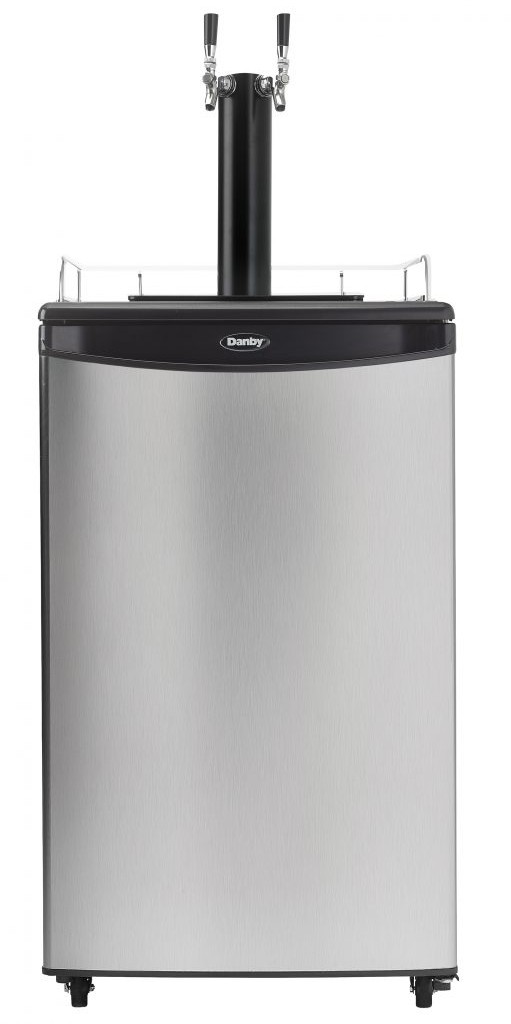
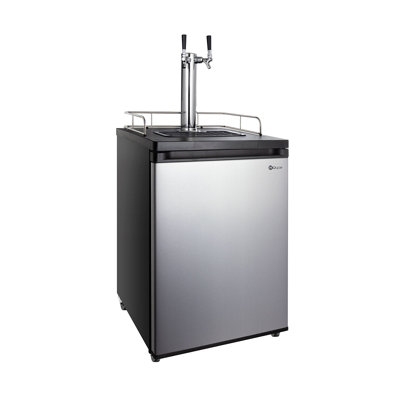
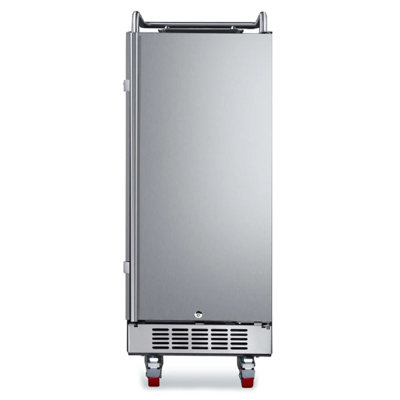
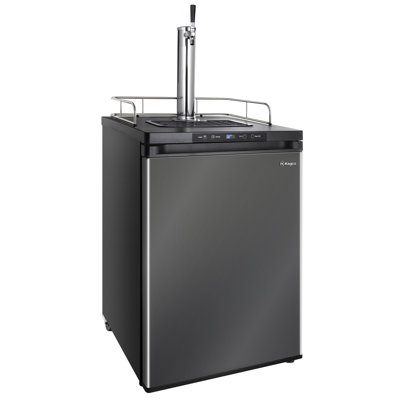
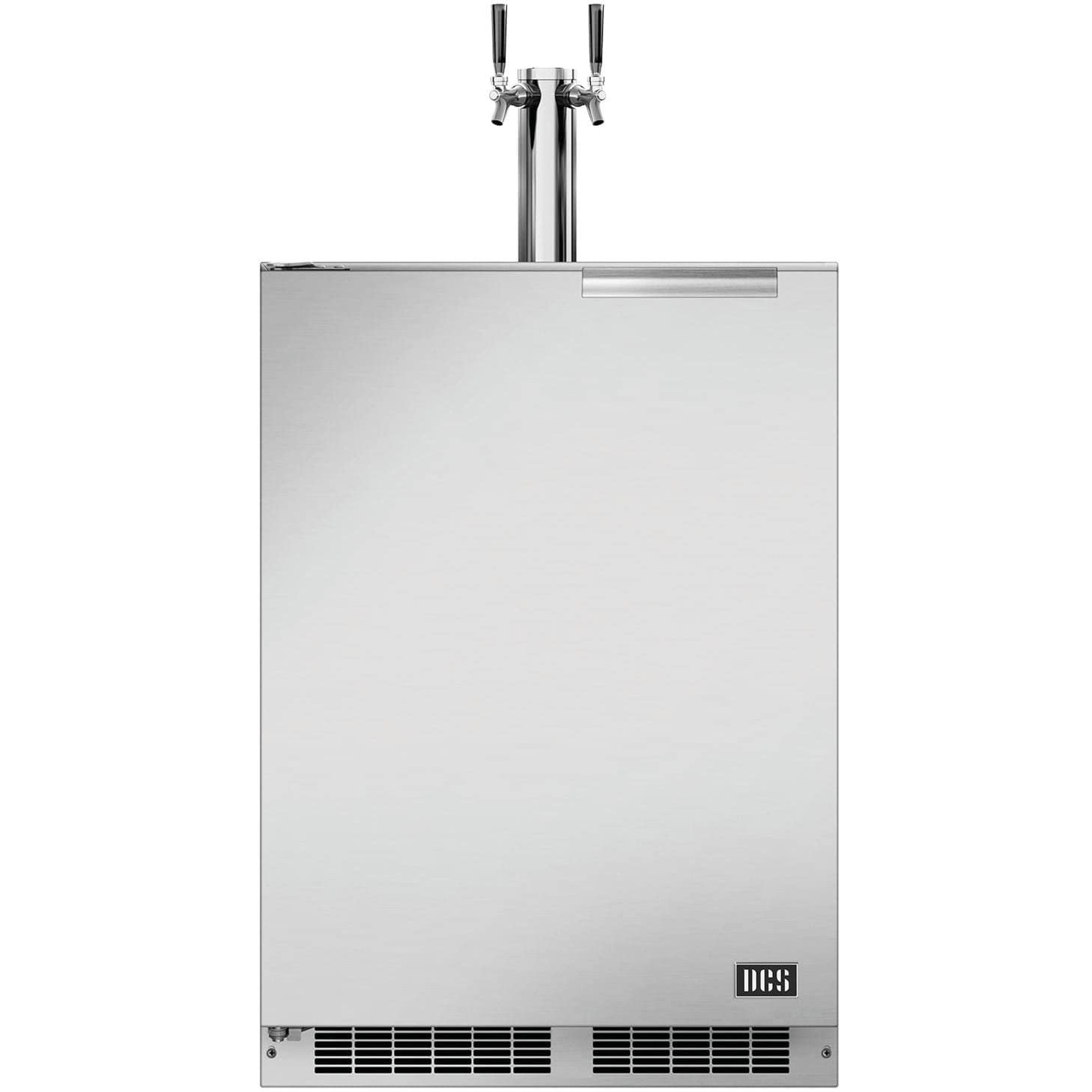
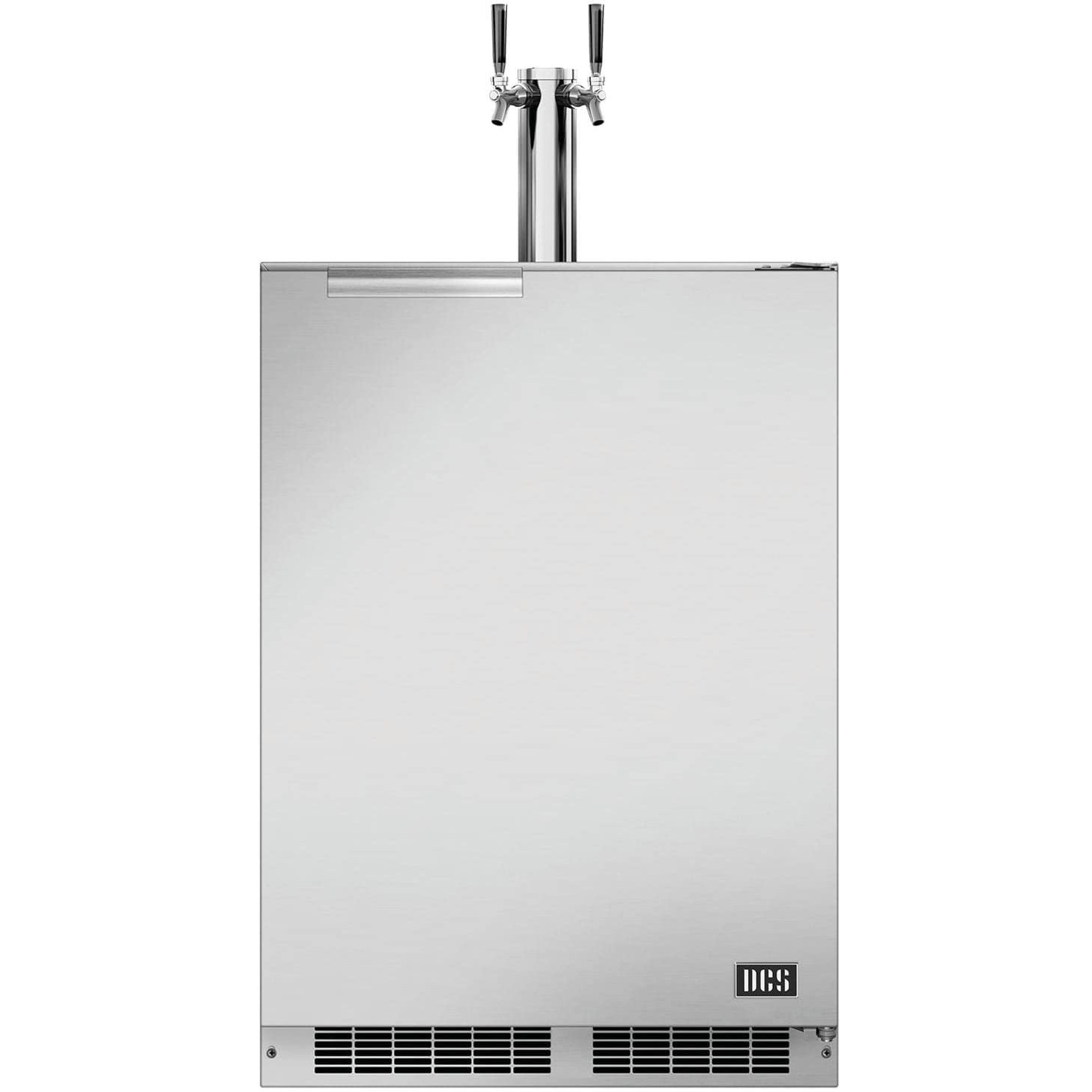
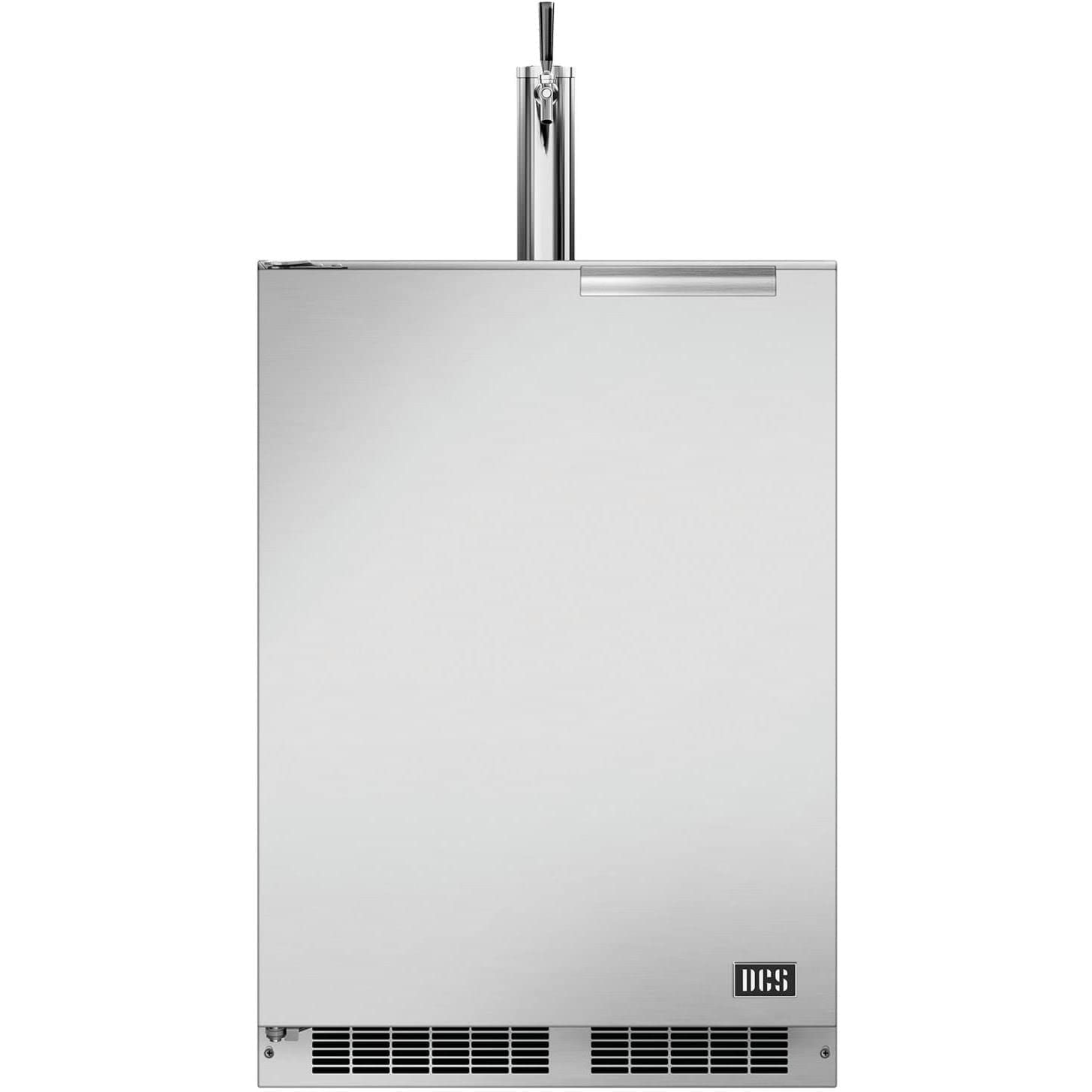
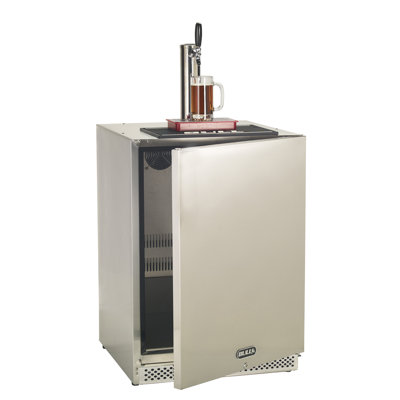
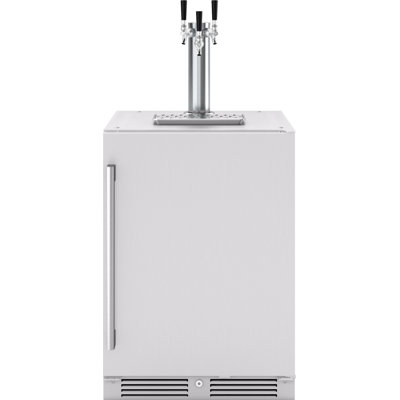
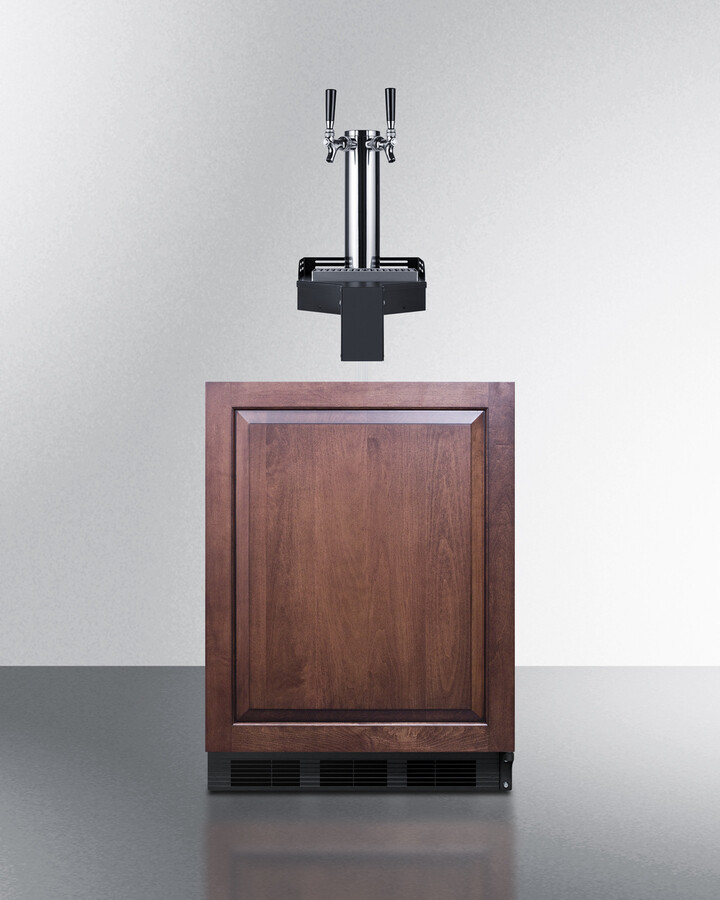
A built-in kegerator is a specialized refrigeration appliance designed to store and dispense kegs of beer. It seamlessly integrates into your home's cabinetry or under counter spaces, providing a sleek and unobtrusive look. Built-in kegerators are equipped with taps, pressure regulators, and CO2 tanks, offering a pub-like experience right in the comfort of your home.
Pros of Using a Built-In Kegerator
Built-in kegerators offer several advantages that cater to beer enthusiasts and entertainers alike:
Space Efficiency: Designed to fit under counters, they save valuable floor space in your kitchen, bar area, or entertainment room.
Aesthetic Appeal: Their ability to blend with existing cabinetry enhances the overall design of your interior space.
Temperature Control: Precise temperature settings ensure that each variety of beer is dispensed at its optimal serving temperature.
Convenience: Providing on-tap beer eliminates the need for bottles and cans, reducing waste and the need for recycling.
Increased Home Value: Installing a built-in kegerator can be an attractive feature for potential homebuyers who enjoy entertaining.
Customization: You can choose from various models and options to match your preferences and decor style.
Feature
Benefit
Under Counter Design
Saves space, integrates with cabinetry
Temperature Settings
Keeps beer at ideal temperatures
On-Tap System
Reduces waste, convenient for serving
Customizability
Tailored to individual tastes and interior design
Cons of Using a Built-In Kegerator
While built-in kegerators are appealing, they also come with certain drawbacks:
Higher Cost: They can be more expensive than their portable or freestanding counterparts due to the installation and integration requirements.
Complex Installation: Professional installation may be necessary, which could incur additional costs.
Limited Portability: Once installed, they are not easily moved, which could be a drawback for those who prefer flexibility.
Maintenance: Regular cleaning of the lines, taps, and other components is essential to maintain the quality and taste of the beer.
Challenge
Description
Cost
Typically higher than other types of beer dispensers
Installation
May require professional help, increasing expenses
Portability
Difficult to relocate after installation
Upkeep
Consistent maintenance needed for optimal performance
When comparing a built-in kegerator vs. upright refrigerator, consider your lifestyle, entertaining habits, and design preferences. For those who frequently host gatherings and appreciate draft beer, a built-in kegerator may be a worthwhile investment, despite the higher cost and maintenance. On the other hand, if you need versatility and lower maintenance, an upright refrigerator might be more suitable. Explore Fridge.com comparisons, such as beverage center vs. silver refrigerator and energy efficient refrigerator vs. mini freezer, to gauge which appliance aligns best with your cooling needs and living space.
Upright Refrigerator
Overview of Upright Refrigerators
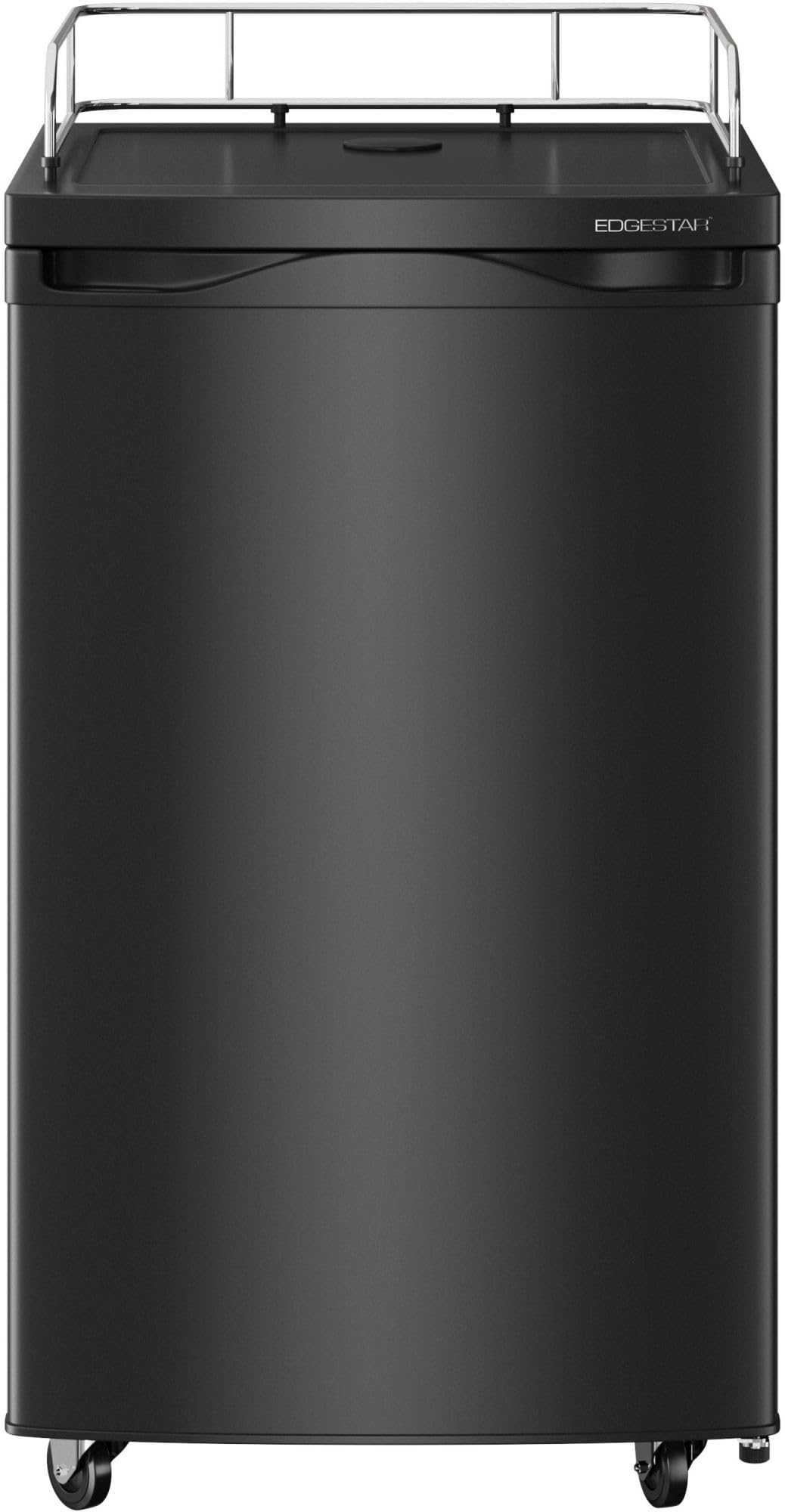
Upright refrigerators are a common sight in many households and businesses due to their traditional design and versatility. These vertical units often feature a combination of refrigeration and freezer compartments, offering ample storage for a variety of food and beverage items. With a range of sizes and feature sets, upright refrigerators are designed to meet the diverse needs of users and fit into various kitchen layouts.
Pros of Using an Upright Refrigerator
The advantages of opting for an upright refrigerator are numerous. They are typically more spacious, providing more room for food storage, organization, and accessibility. Many models come with adjustable shelving, door bins, and drawers that help you keep your groceries organized and easily reachable.
Space Optimization: Upright refrigerators are ideal for maximizing vertical space in your kitchen.
Energy Efficiency: Many modern upright refrigerators are designed to be energy efficient, potentially lowering utility bills.
Ease of Cleaning: These refrigerators often feature removable shelves and bins for easier cleaning.
Versatility: Suitable for a range of uses from residential to commercial, including garage refrigerators and basement refrigerators.
Cons of Using an Upright Refrigerator
Despite their benefits, there are some downsides to consider when choosing an upright refrigerator. They may require more floor space compared to built-in options, which could be a disadvantage in smaller kitchens. Moreover, the cost of operation can be higher, especially for older models that lack energy-saving features.
Larger Footprint: Can take up more floor space, which might not be ideal for smaller areas.
Potential for Higher Energy Consumption: Older models may be less energy efficient compared to newer energy-efficient refrigerators.
Noise Level: Depending on the model, some upright refrigerators may operate louder than built-in options.
Cost: High-end models with advanced features may come with a steeper price tag.
When deciding between a built-in kegerator and an upright refrigerator, your choice will ultimately depend on your specific cooling needs, space constraints, and personal preferences. Consider the pros and cons of each option to determine which appliance will best suit your lifestyle and accommodate your food and beverage storage needs.
When deciding between a built-in kegerator and an upright refrigerator, you must consider both space and aesthetics. A built-in kegerator is designed to fit seamlessly into cabinetry, offering a streamlined look that can complement your home decor. They are typically front-vented, which allows them to be enclosed without the need for additional space for air circulation.
Upright refrigerators, on the other hand, offer more flexibility in placement. They can stand alone or, in some cases, be built into a space with proper ventilation. You'll need to ensure there is enough room for door clearance and air circulation to prevent overheating.
Consideration
Built-In Kegerator
Upright Refrigerator
Space Efficiency
High (fits within cabinetry)
Variable (depends on installation)
Aesthetic Integration
Seamless
Flexible
Ventilation Requirements
Front-vented
Requires space for air flow
Installation Requirements
The installation process for built-in kegerators versus upright refrigerators varies significantly. Built-in kegerators require a dedicated space within your cabinetry and may need custom fittings or cabinetry adjustments. It is important to measure the dimensions carefully and consult an installation professional to ensure a proper fit.
Upright refrigerators are generally easier to install as they do not require custom cabinetry. However, if you opt for a freestanding model and wish to have it built into your space, similar considerations as the built-in kegerator need to be made regarding fit and ventilation.
Both types of appliances will require access to an electrical outlet and, in the case of kegerators, a CO2 tank and lines for the beer. Ensure that these requirements are factored into your installation plan.
Requirement
Built-In Kegerator
Upright Refrigerator
Electrical Outlet
Yes
Yes
Custom Cabinetry
Often required
Sometimes required
Professional Installation
Recommended
Recommended for built-in
Ventilation
Front-vented
Space needed around unit
For more detailed comparisons of different types of refrigeration units and their installation requirements, check out Fridge.com comparisons like built in refrigerator vs. side by side refrigerator and upright freezer vs. bottle refrigerator. Whether you are a chef, a family that loves to entertain, or someone looking to optimize space in a smaller living situation, considering the design and installation requirements will help ensure you make the right choice for your cooling needs.
When choosing between a built-in kegerator and an upright refrigerator, considering how each will fare over time in terms of maintenance and longevity is key. These factors can affect overall satisfaction and the cost of ownership.
Cleaning and Upkeep
Proper cleaning and regular upkeep are essential to ensure both the built-in kegerator and the upright refrigerator function effectively.
Appliance
Frequency
Cleaning Requirements
Built-In Kegerator
Bi-monthly
Sanitizing beer lines, cleaning drip trays, checking CO2 levels
Upright Refrigerator
Monthly
Wiping shelves, defrosting freezer compartment, cleaning door seals
For a built-in kegerator, you need to regularly sanitize the beer lines to prevent bacterial growth and maintain the quality of the beer. The drip tray also requires frequent cleaning to avoid sticky residue buildup. Additionally, monitoring the CO2 tank levels ensures consistent beer flow and carbonation.
Upright refrigerators require monthly cleaning, which includes wiping down the interior shelves and surfaces. If your model has a freezer compartment, you may need to defrost it periodically to prevent ice buildup. Cleaning the door seals is also necessary to maintain efficient energy use and cooling effectiveness.
Both appliances will benefit from a semi-annual deep clean and inspection to address any potential issues early on. For more detailed information on cleaning your cooling appliances, explore articles like beer fridge vs. skincare fridge and deep freezer vs. wine chiller.
Durability and Long-Term Performance
The durability and long-term performance of your appliance depend on the quality of construction and how well you maintain it.
Appliance
Expected Lifespan
Performance Factors
Built-In Kegerator
5-10 years
Consistent temperature, seal integrity, component quality
Upright Refrigerator
10-15 years
Energy efficiency, motor health, usage patterns
Built-in kegerators typically have a lifespan of 5 to 10 years. Factors such as maintaining a consistent temperature, the integrity of the seals, and the quality of the components play crucial roles in its longevity.
Upright refrigerators generally last longer, with an expected lifespan of 10 to 15 years. Key performance factors include energy efficiency, the health of the motor, and the usage patterns—how often the doors are opened and closed, for example.
It's worth noting that both types of appliances will last longer with proper maintenance. To ensure your appliance operates efficiently for as long as possible, consider resources like energy efficient refrigerator vs. mini freezer for tips on energy conservation and appliance care.
By understanding the maintenance requirements and the factors that contribute to durability and performance, you can make an informed decision between a built-in kegerator and an upright refrigerator that best suits your lifestyle and needs.
Compare prices on Fridge.com
Compare current prices and specifications on Fridge.com, then buy from the retailer you choose; delivery, installation and warranty terms are the retailer’s.
It also has tons of awesome articles about kitchen stuff and home news. Enhance your home, garage, backyard, patio, and office with the coolest essentials. With every necessary type of residentialrefrigeratoror freezer in the collection, you're covered.
Free tool
Kegerator Size Calculator
Free interactive tool from Fridge.com — get a quick answer while you read.