These fridges are typically smaller than standard refrigerators, making them ideal for compact spaces such as apartments, condos, and tiny homes.
Both options offer unique benefits and considerations, making it important to evaluate which appliance aligns best with your lifestyle and home environment.
Built-in kegerators are ideal for those who enjoy hosting gatherings or simply prefer the taste of draft beer over bottled or canned options.
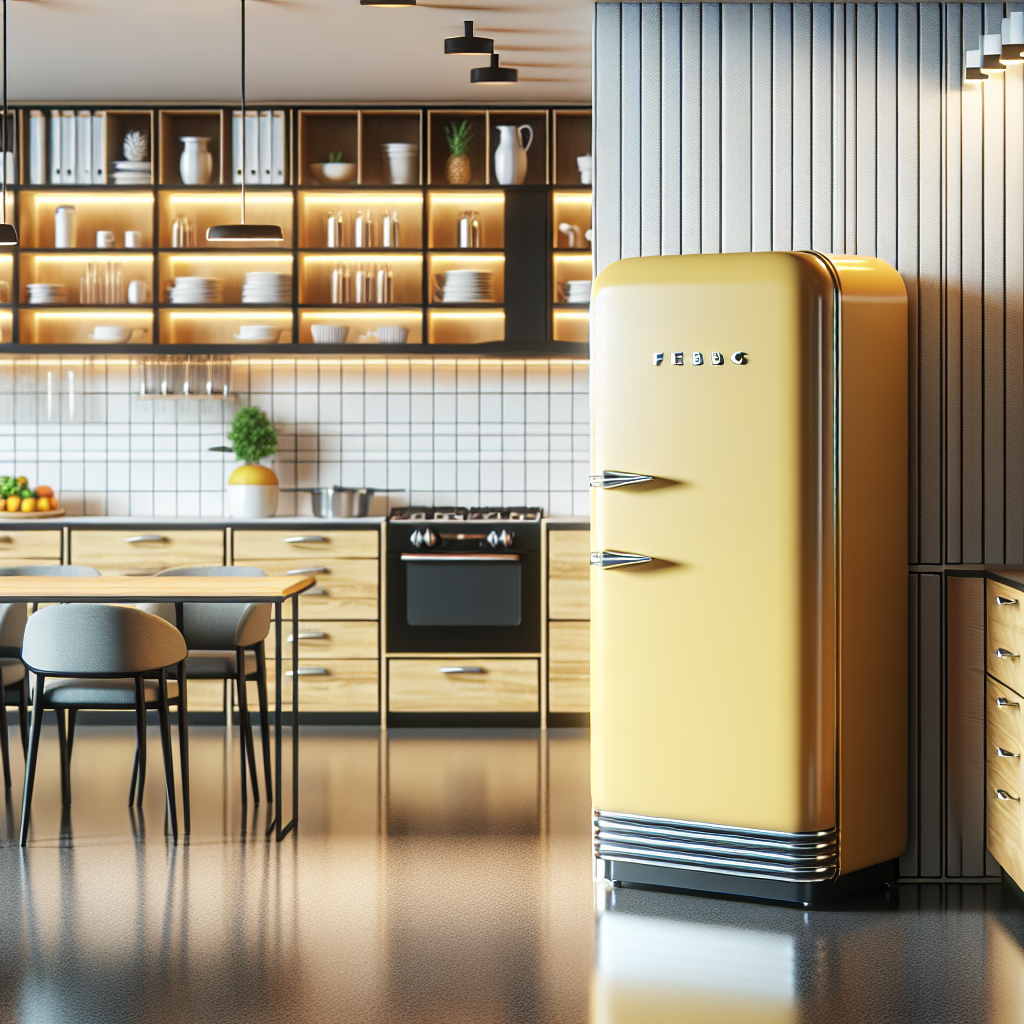
Retro fridges come in various sizes and colors, often featuring rounded edges, chrome handles, and bold color schemes reminiscent of the 1950s and 60s.
When considering the right fridge for your needs, two popular choices often come up: the built-in kegerator and the retro fridge. Both have their unique features and benefits, making them suitable for different purposes and aesthetics.
Built-In Kegerator Overview
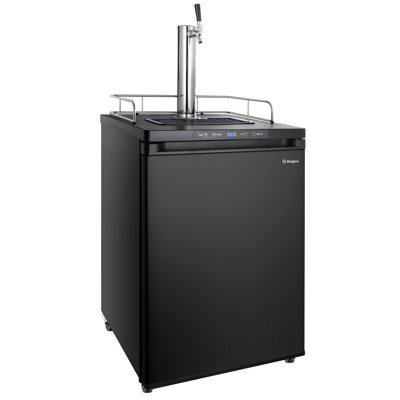
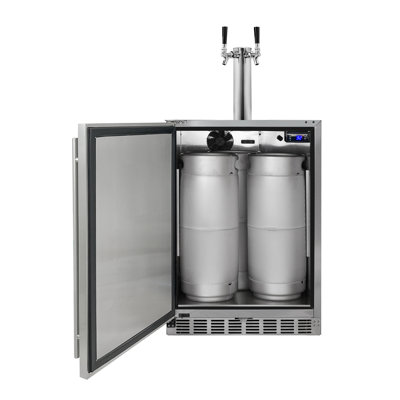
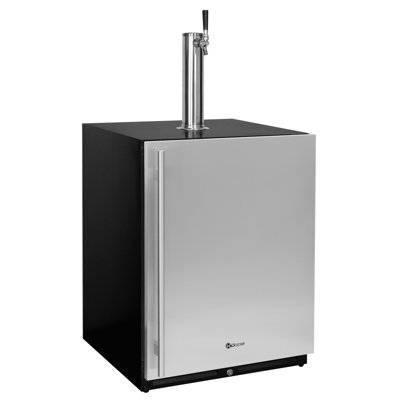
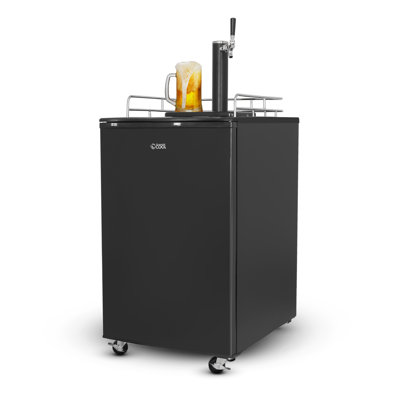
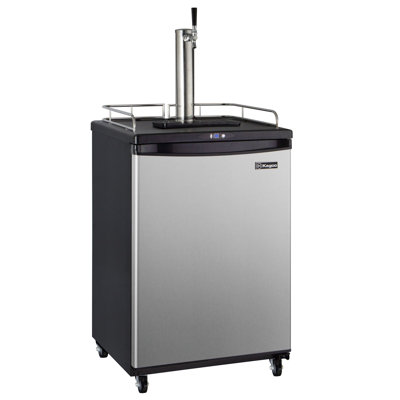
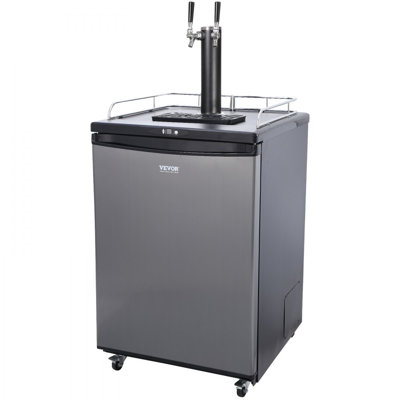
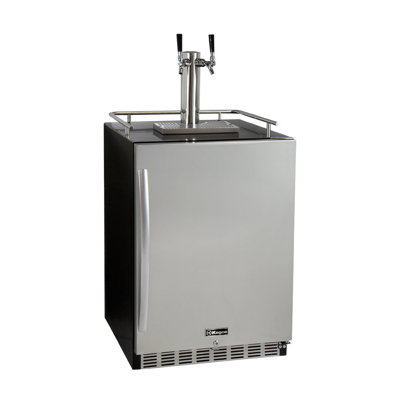
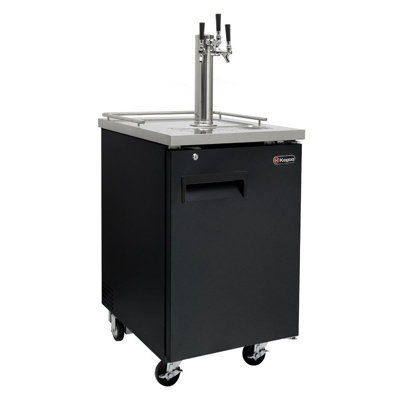
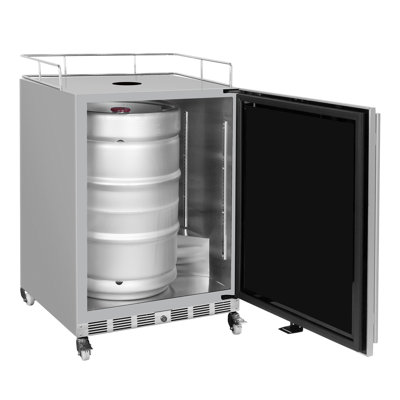
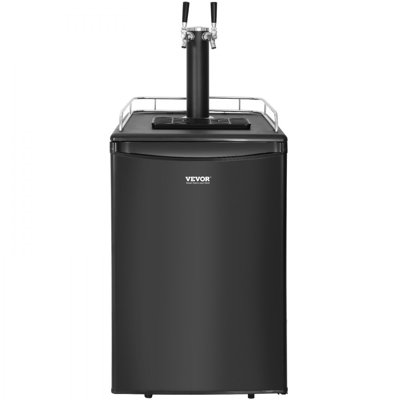
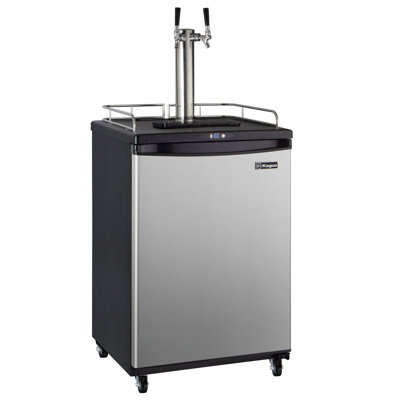
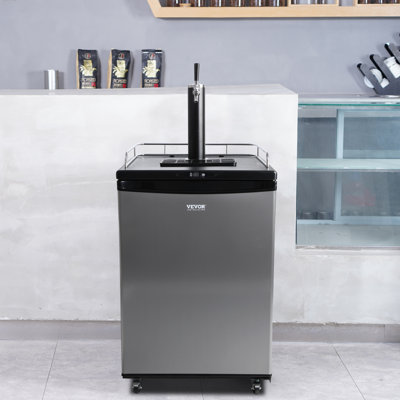
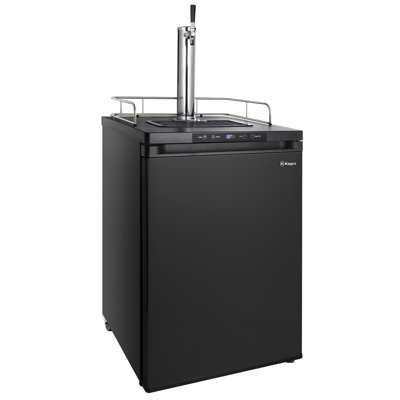
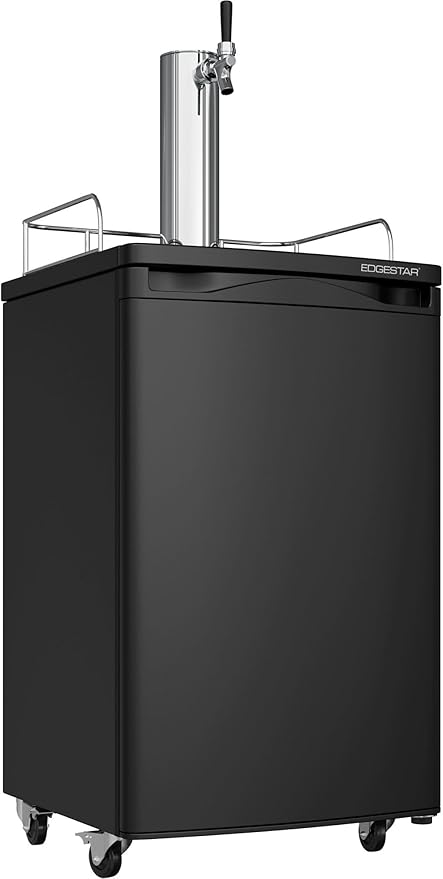
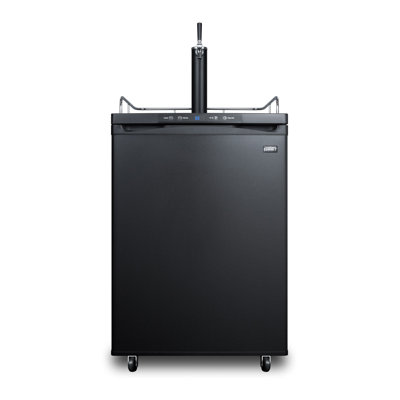
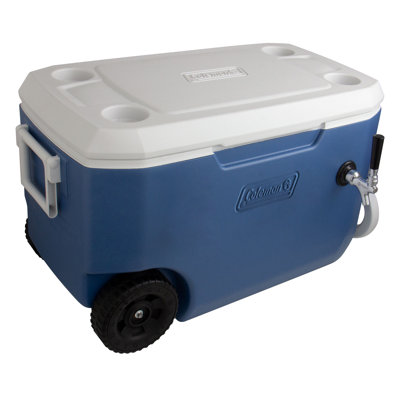
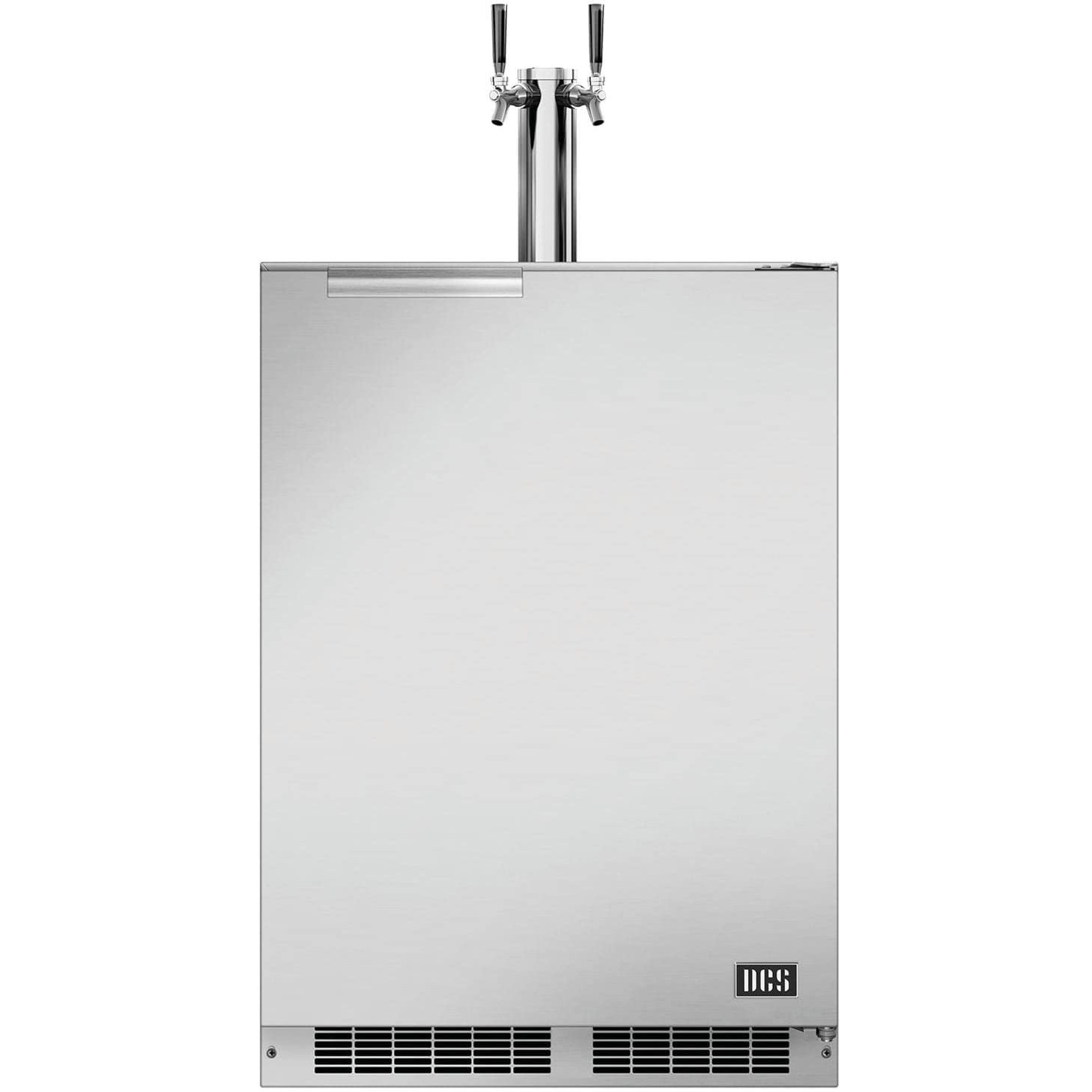
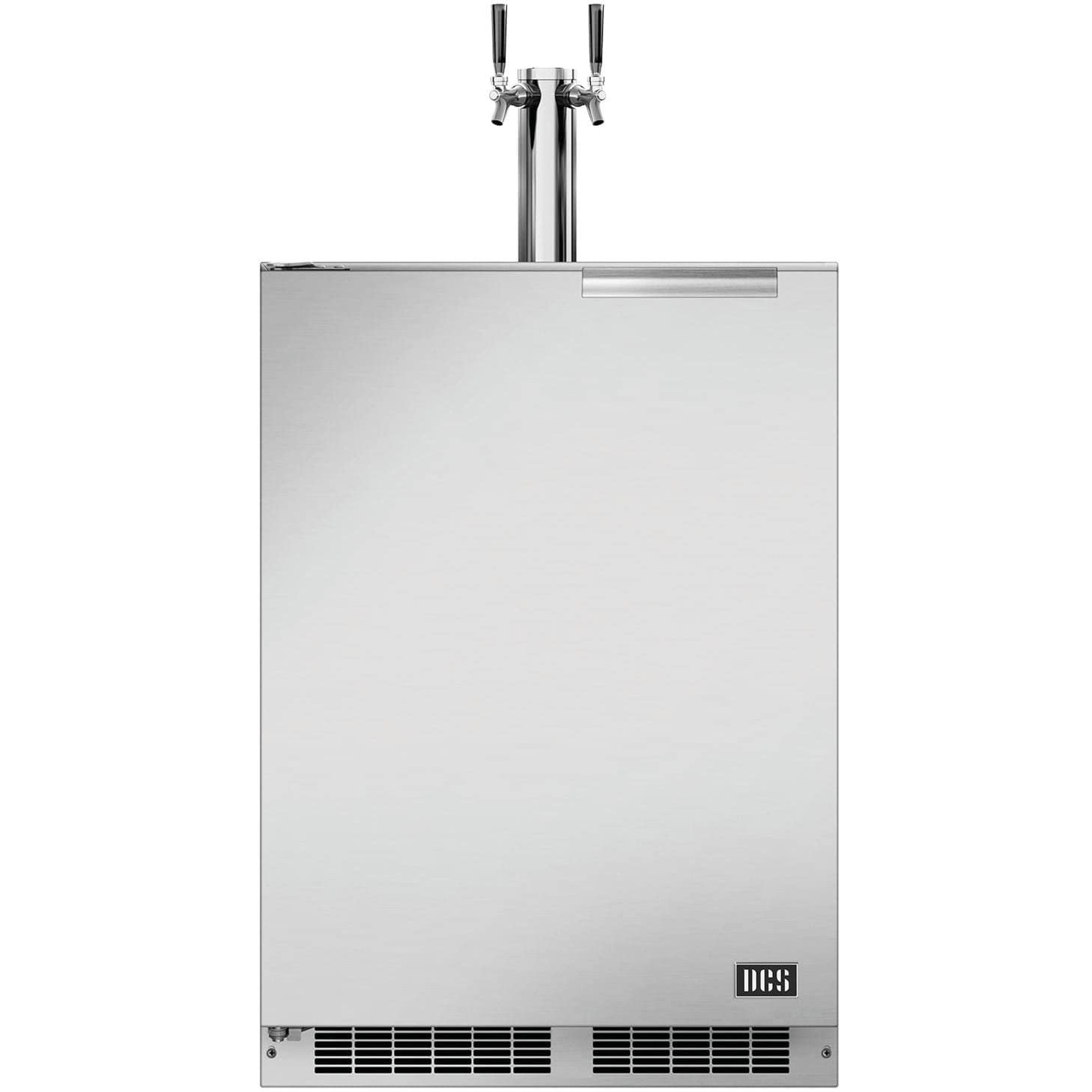
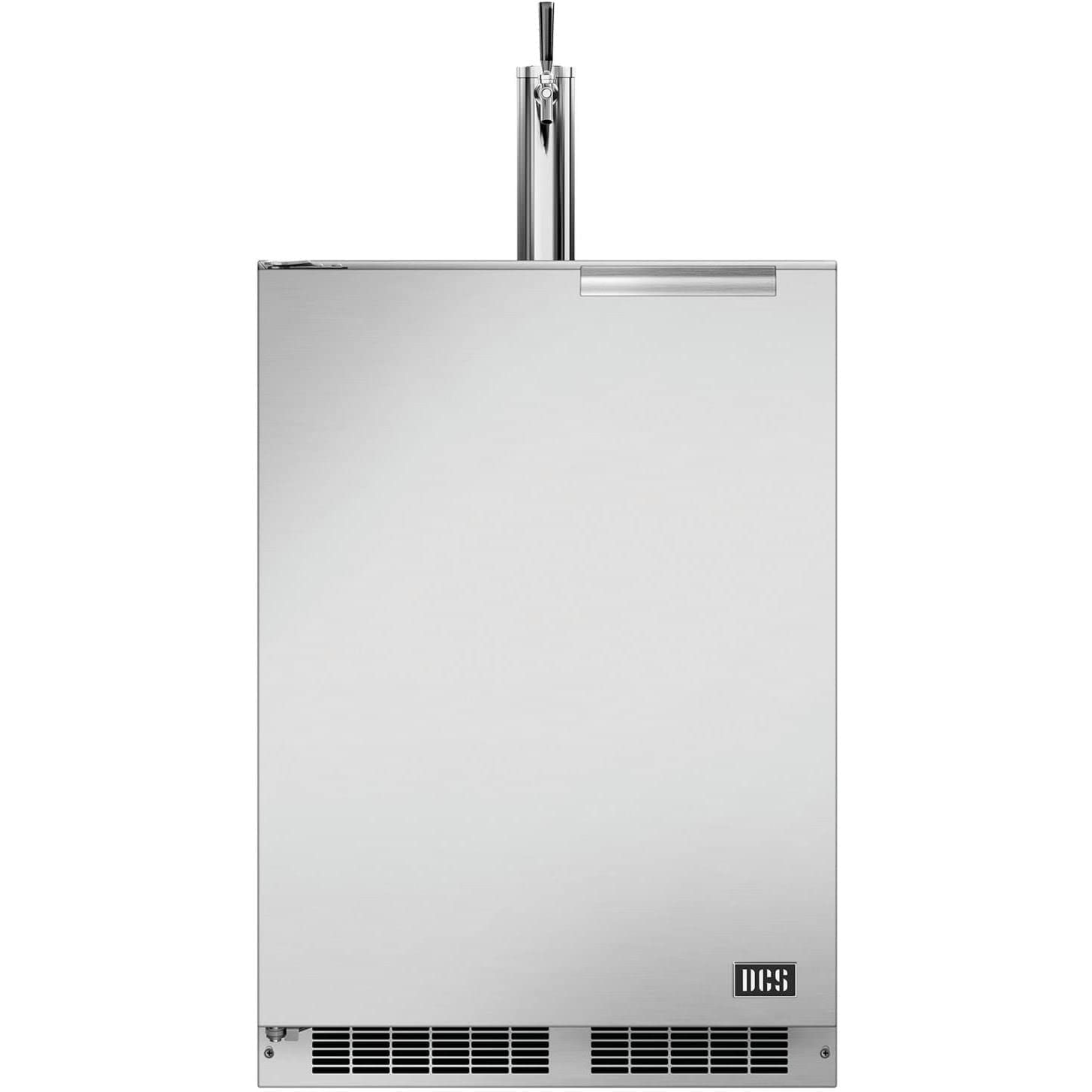
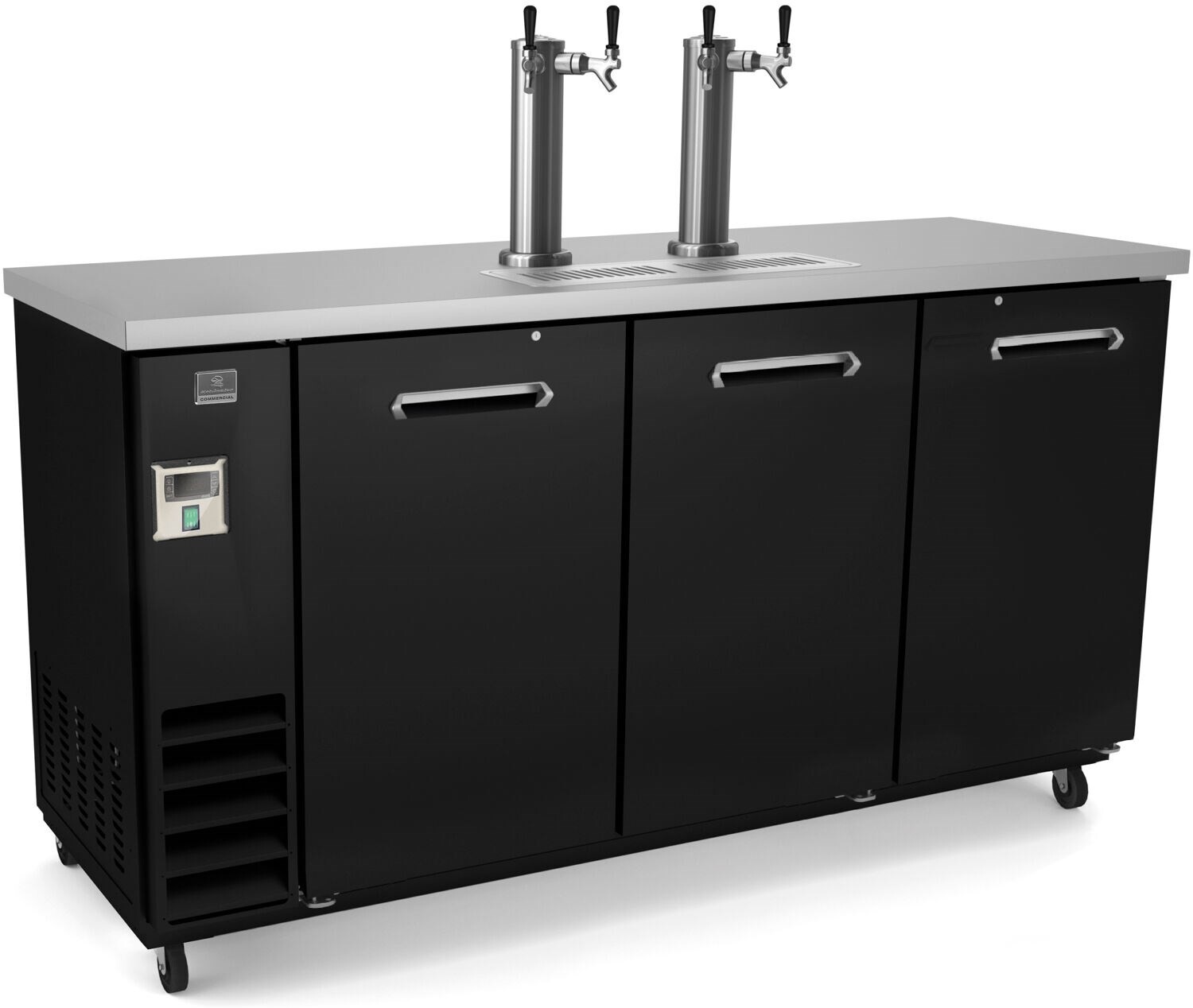
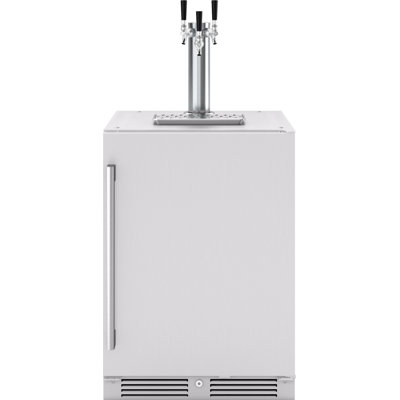
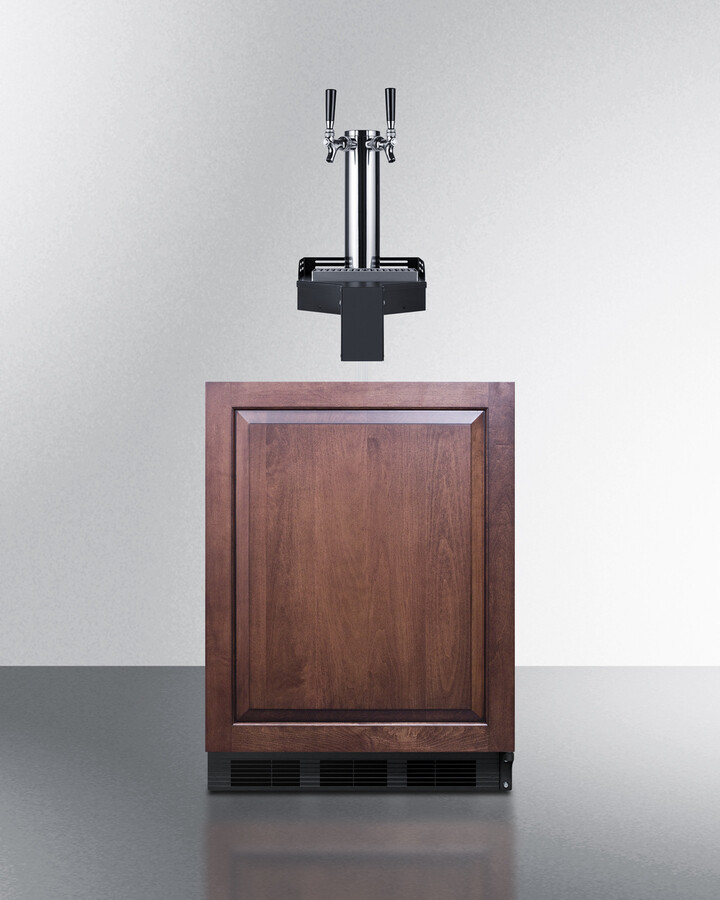
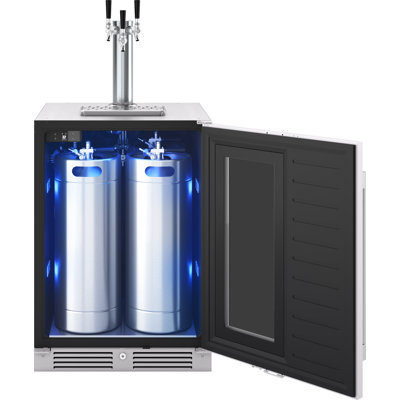
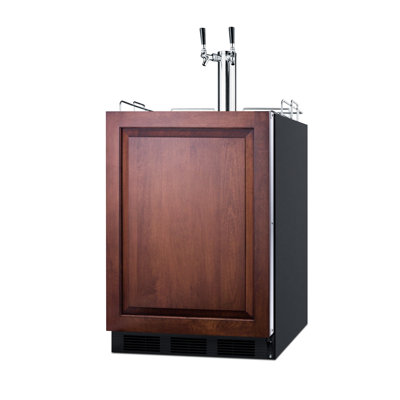
A built-in kegerator is specifically designed for dispensing draft beer at home. It typically features a refrigeration unit that houses one or more kegs, along with a tap system for easy pouring. Built-in kegerators are ideal for those who enjoy hosting gatherings or simply prefer the taste of draft beer over bottled or canned options.
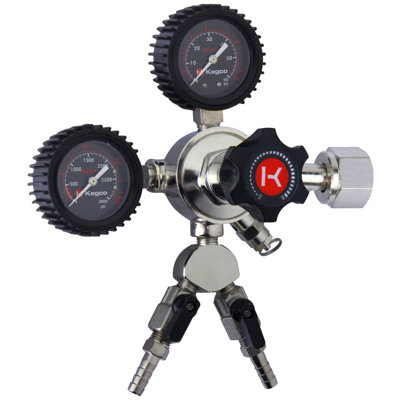
Key features include precise temperature control to keep your beer at the perfect serving temperature, a CO2 tank to maintain carbonation, and a sleek design that integrates seamlessly into your home bar or kitchen setup. For more information on comparing different fridge options, visit Fridge.com article on the beverage fridge Vs. built in kegerator.
Feature
Built-In Kegerator
Primary Use
Dispensing draft beer
Temperature Control
Precise
CO2 Tank
Yes
Integration
Seamless
Retro Fridge Overview
A retro fridge combines modern refrigeration technology with a nostalgic, vintage design. These fridges are perfect for adding a touch of classic charm to your kitchen or living space. Retro fridges come in various sizes and colors, often featuring rounded edges, chrome handles, and bold color schemes reminiscent of the 1950s and 60s.
While they excel in style, retro fridges also offer practical storage solutions with adjustable shelving, door bins, and freezer compartments. They are suitable for everyday use, providing ample space for your groceries while enhancing your decor. Explore more on different fridge styles in Fridge.com article on the retro mini fridge Vs. stainless steel refrigerator.
Feature
Retro Fridge
Primary Use
Everyday refrigeration
Design
Vintage
Color Options
Various
Storage Solutions
Adjustable
Understanding these options can help you determine which type of fridge best suits your needs and lifestyle. Whether you prioritize functionality with a built-in kegerator or style with a retro fridge, each option offers unique benefits. Consider your space, aesthetic preferences, and refrigeration needs when making your decision.
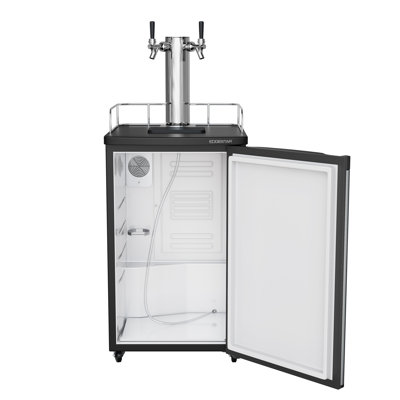
A built-in kegerator is designed to store and dispense draft beer efficiently. These units are equipped with various features that enhance both functionality and convenience. Key features include:
Temperature Control: Precise temperature regulation to keep beer at the optimal serving temperature.
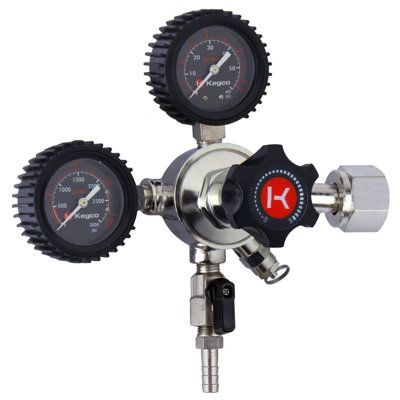
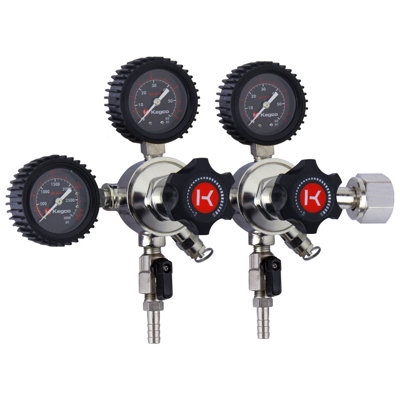
CO2 System: Integrated CO2 tanks and regulators to maintain carbonation and dispense beer smoothly.
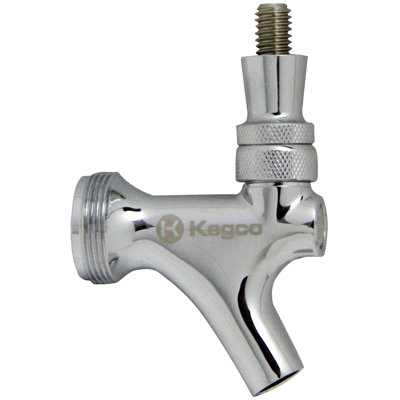
Tap System: One or more taps for dispensing different types of beer.
Storage Capacity: Space to hold one or more kegs, depending on the model.
Drip Tray: A tray to catch spills and minimize mess.
These features make built-in kegerators an excellent choice for those who enjoy draft beer at home or frequently host gatherings.
Installation Considerations
Installing a built-in kegerator requires some planning and preparation. Here are some important factors to consider:
Space Requirements: Ensure you have enough space for the kegerator, including ventilation clearance.
Electrical Outlet: A nearby electrical outlet is necessary for powering the unit.
CO2 Refill: Access to CO2 refills is essential for maintaining the dispensing system.
Plumbing (Optional): Some models may require a water line for cleaning purposes.
Proper installation ensures the kegerator operates efficiently and integrates seamlessly into your space. If you're considering other types of refrigeration units, check out Fridge.com comparison on fridge freezer Vs. shallow depth refrigerator.
Pros and Cons
A built-in kegerator offers several advantages and a few drawbacks:
Pros
Cons
Convenient access to draft beer
Requires dedicated space
Maintains optimal beer temperature
Initial installation can be complex
Enhances entertainment value
Ongoing maintenance needed
Reduces bottle and can waste
Higher initial cost
Understanding these pros and cons can help you decide if a built-in kegerator is the right choice for your home. For a comparison with other refrigeration options, visit Fridge.com article on beverage fridge Vs. built in kegerator.
Retro Fridge Details
Features and Aesthetics
Retro fridges are known for their nostalgic charm and distinctive aesthetics. These appliances often feature vibrant colors, rounded edges, and chrome accents, making them a focal point in any room. The design elements of retro fridges are inspired by mid-20th-century styles, offering a unique blend of vintage appeal and modern functionality.
Feature
Description
Colors
Bright and bold hues, pastels
Design
Rounded edges, chrome handles
Size
Compact to medium-sized
Interior Layout
Adjustable shelves, door bins
For those who appreciate a touch of the past in their home decor, retro fridges can be an excellent choice.
Functionality and Storage
While retro fridges excel in aesthetics, they also offer practical functionality and adequate storage for everyday use. These fridges are typically smaller than standard refrigerators, making them ideal for compact spaces such as apartments, condos, and tiny homes.
Functionality
Description
Cooling
Efficient cooling system
Storage Capacity
Varies from 4 to 12 cubic feet
Shelving
Adjustable glass or wire shelves
Compartments
Separate freezer section in some models
Despite their compact size, retro fridges often include adjustable shelving and door bins to maximize storage efficiency. Some models also feature a separate freezer compartment, providing additional versatility.
Pros and Cons
When considering a retro fridge, it's essential to weigh the advantages and disadvantages to determine if it meets your needs.
Pros:
Unique and stylish design
Space-saving for small living areas
Adjustable shelving for flexible storage
Adds a vintage touch to home decor
Cons:
Smaller storage capacity compared to standard refrigerators
May lack advanced features found in modern fridges
Higher cost for vintage aesthetics
Limited color and design options
For a more detailed comparison of retro fridges with other refrigerator styles, visit Fridge.com article on retro mini fridge Vs. stainless steel refrigerator.
Choosing between a built-in kegerator and a retro fridge depends on your specific needs, style preferences, and available space. Both options offer unique benefits and considerations, making it important to evaluate which appliance aligns best with your lifestyle and home environment. For further comparisons, check out Fridge.com articles on beverage fridge Vs. built in kegerator and built in refrigerator Vs. deep freezer.
When comparing a built-in kegerator to a retro fridge, design and style play a significant role in the decision-making process. Both options offer unique aesthetics and can integrate seamlessly into your home decor with the right approach.
Integration into Home Decor
A built-in kegerator is designed for a sleek and modern look, often fitting flush with cabinetry and other appliances. This integration can enhance the overall aesthetic of your kitchen, bar area, or entertainment space. Built-in kegerators are typically available in neutral colors like stainless steel or black, making them versatile enough to match various design themes.
On the other hand, a retro fridge brings a nostalgic charm to any room. These fridges come in vibrant colors and vintage styles, adding a pop of personality to your space. They are perfect for kitchens or areas where a touch of retro flair is desired. Retro fridges can become a focal point in your home decor, drawing attention and sparking conversations.
Customization Options
Built-in kegerators offer several customization options to suit your needs. You can choose different tap configurations, allowing for multiple types of beverages to be dispensed. Some models also offer customizable temperature settings for different types of drinks. Additionally, you can personalize the exterior with various finishes and handle styles to match your existing decor.
Retro fridges, while not as customizable in terms of functionality, offer a wide range of aesthetic options. You can select from numerous colors and finishes to complement your interior design. Some retro fridges also come with customizable features like adjustable shelving and door configurations, allowing you to optimize storage space according to your needs.
Feature/Option
Built-In Kegerator
Retro Fridge
Color Options
Limited (Neutral tones)
Extensive (Vibrant colors)
Tap Configurations
Multiple
N/A
Temperature Settings
Customizable
Standard
Shelving
Fixed
Adjustable
Finishes
Various
Various
Both built-in kegerators and retro fridges offer unique design and style benefits. For those who prioritize a seamless and modern look, a built-in kegerator may be the better choice. Meanwhile, those who want to make a bold statement with their appliance will likely appreciate the charm and color options of a retro fridge.
For more details on different types of refrigerators and their design options, you can explore articles like fridge freezer Vs. shallow depth refrigerator and 5 door refrigerator Vs. freestanding beverage center.
When comparing a built-in kegerator and a retro fridge, it's essential to consider their practicality and maintenance requirements. These factors can significantly influence your decision based on your lifestyle and needs.
Energy Efficiency and Cost
Energy efficiency is a crucial factor when choosing between a built-in kegerator and a retro fridge. Both appliances have different energy consumption patterns, which can impact your utility bills.
Appliance
Average Energy Consumption (kWh/year)
Average Annual Cost ($)
Built-In Kegerator
310
37
Retro Fridge
400
48
A built-in kegerator generally consumes less energy compared to a retro fridge. This is primarily due to the fact that kegerators are designed to maintain a single temperature for beverage storage, whereas retro fridges often have multiple compartments with varying temperature requirements. Additionally, kegerators typically have insulation specifically designed to maintain temperature efficiently.
Maintenance and cleaning are vital aspects to consider when evaluating a built-in kegerator and a retro fridge. Each appliance has its own set of requirements to keep it functioning optimally.
Built-In Kegerator:
Regular cleaning of the beer lines and taps to prevent clogs and maintain hygiene.
Periodic inspection of the CO2 tank and regulators to ensure proper carbonation levels.
Cleaning the interior with mild detergent to prevent mold and bacteria growth.
Retro Fridge:
Defrosting the freezer compartment periodically to avoid ice buildup.
Cleaning the shelves and compartments with a gentle cleaner to remove spills and odors.
Checking and cleaning the condenser coils to maintain efficient cooling performance.
Both appliances require regular maintenance, but the specifics can vary significantly. For instance, a built-in kegerator demands more attention to its dispensing system, while a retro fridge requires more effort in managing multiple compartments and defrosting.
By considering the energy efficiency and maintenance requirements of both the built-in kegerator and the retro fridge, you can make a more informed decision based on your needs and preferences. For further comparisons, check out Fridge.com article on built in kegerator Vs. standard refrigerator size.
Suitability for Different Spaces
Selecting the right appliance for your space involves considering various factors such as size, aesthetics, and functionality. Both built-in kegerators and retro fridges have unique characteristics that make them suitable for different environments.
Ideal Locations for Built-In Kegerators
Built-in kegerators are designed to be seamlessly integrated into your home or commercial space. These appliances are typically installed under counters or in custom cabinetry, making them a popular choice for those who want a sleek, modern look. Here are some ideal locations for built-in kegerators:
Home Bars: Perfect for those who entertain frequently, offering easy access to draft beer.
Kitchens: Fits seamlessly under countertops, providing a convenient beverage solution.
Basements: Ideal for creating a home entertainment area with a professional touch.
Outdoor Patios: Weather-resistant models can be a great addition to outdoor kitchens or bar areas.
Game Rooms: Enhances the fun factor by providing draft beer during gatherings.
Ideal Locations for Retro Fridges
Retro fridges are known for their nostalgic design and vibrant colors, making them a stylish addition to any space. Unlike built-in kegerators, retro fridges are freestanding units that can be placed almost anywhere. Here are some ideal locations for retro fridges:
Kitchens: Adds a unique, vintage flair to any kitchen decor.
Dorm Rooms: Provides a fun and functional appliance for students.
Home Offices: Offers a stylish way to keep beverages and snacks cold while working.
Living Rooms: Acts as both a conversation piece and a convenient beverage cooler.
Garages: Perfect for storing drinks and snacks in a visually appealing manner.
By understanding the suitability of each appliance for different spaces, you can make an informed decision that meets both your aesthetic and functional needs. Whether you choose a built-in kegerator or a retro fridge, each option has its own set of advantages that can enhance your living or entertaining space. For more comparisons, check out Fridge.com articles on beverage fridge Vs. built in kegerator and retro mini fridge Vs. stainless steel refrigerator.
When deciding between a built-in kegerator and a retro fridge, it's important to consider the costs involved. These costs can be broken down into the initial investment and long-term expenses.
Initial Investment
The initial investment for a built-in kegerator and a retro fridge can vary significantly based on a variety of factors, such as features, size, and brand. Here's a comparison table to illustrate the typical range of initial costs for each option:
Appliance Type
Price Range ($)
Built-In Kegerator
500 - 2,000
Retro Fridge
300 - 1,500
A built-in kegerator generally requires a higher initial investment compared to a retro fridge. This is due to the specialized features of kegerators, such as refrigeration units designed for kegs, tap systems, and CO2 tanks. Retro fridges, on the other hand, often cost less initially but can vary based on their vintage appeal and unique aesthetics.
Long-Term Expenses
Long-term expenses encompass maintenance, energy consumption, and potential repair costs. Here’s a breakdown of these ongoing costs:
Appliance Type
Energy Consumption (kWh/year)
Average Annual Cost ($)
Maintenance Costs ($/year)
Built-In Kegerator
250 - 400
30 - 50
50 - 100
Retro Fridge
200 - 350
25 - 45
30 - 70
Energy Consumption: Built-in kegerators tend to consume more electricity compared to retro fridges due to their cooling systems and additional components. This can lead to higher annual energy costs.
Maintenance Costs: Both appliances require regular maintenance. Built-in kegerators may incur higher maintenance costs due to parts like CO2 tanks and taps that need periodic checks and replacement. Retro fridges mainly require general upkeep and occasional repairs.
For more detailed comparisons on other types of refrigerators and freezers, visit Fridge.com articles on column freezer Vs. ice machine and beverage fridge Vs. built in kegerator.
In summary, considering both the initial investment and long-term expenses is crucial when choosing between a built-in kegerator and a retro fridge. Each option offers unique benefits and costs that can impact your decision based on your specific needs and budget.
Compare prices on Fridge.com
Compare current prices and specifications on Fridge.com, then buy from the retailer you choose; delivery, installation and warranty terms are the retailer’s.
It also has tons of awesome articles about kitchen stuff and home news. Enhance your home, garage, backyard, patio, and office with the coolest essentials. With every necessary type of residential refrigerator or freezer in the collection, you're covered.
Free tool
Kegerator Size Calculator
Free interactive tool from Fridge.com — get a quick answer while you read.