Temperature Monitoring: Regularly check and adjust the temperature settings to ensure the beer is stored at the ideal temperature, typically between 36°F and 40°F.
Temperature Control: Regularly monitor and adjust the temperature settings to ensure the freezer maintains the ideal temperature, typically 0°F or lower.
They often come with precise temperature control settings that allow you to adjust the temperature to your preferred level, typically ranging from 34°F to 45°F.
They generally offer a broader temperature range, usually from -10°F to 10°F.
Built-In Kegerator Vs. Outdoor Freezer: A Comparison
When deciding between a built-in kegerator and an outdoor freezer, several factors come into play. Each option has its own set of advantages and considerations, making it essential to understand the differences before making your choice.
Introduction to Built-In Kegerators and Outdoor Freezers
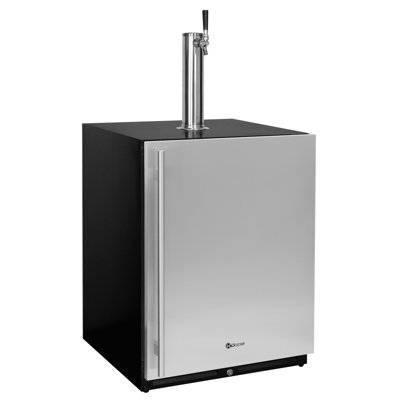
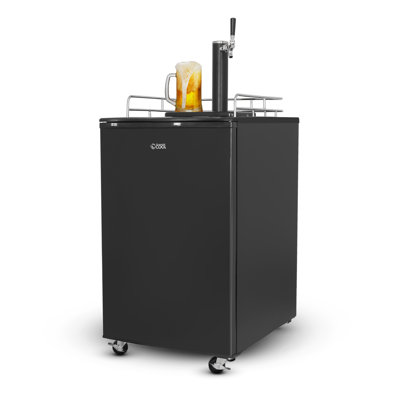
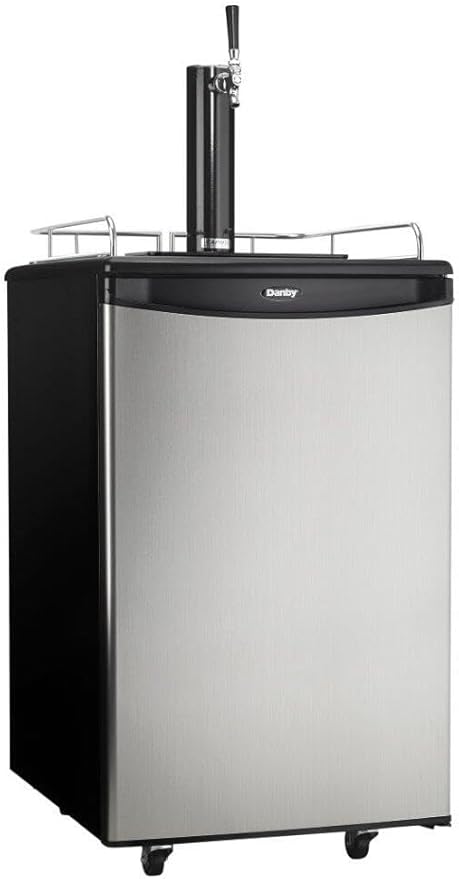
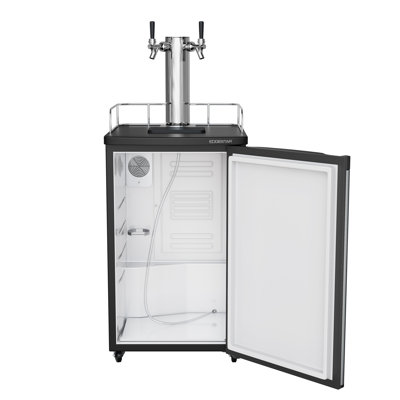
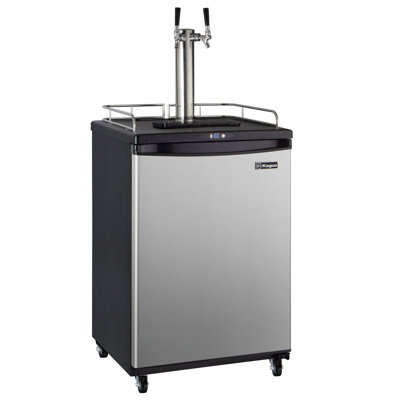
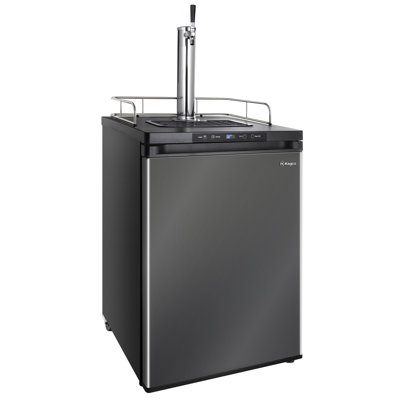
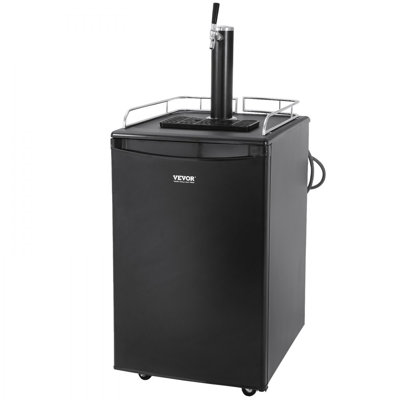
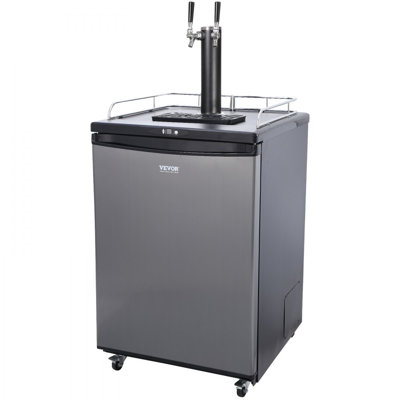
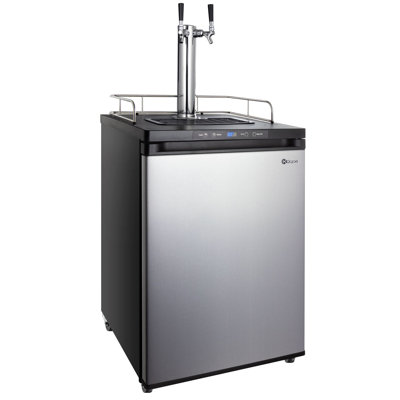
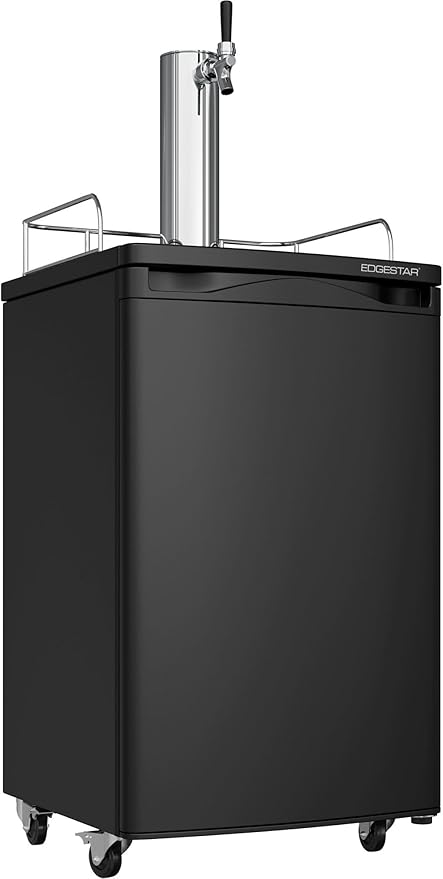
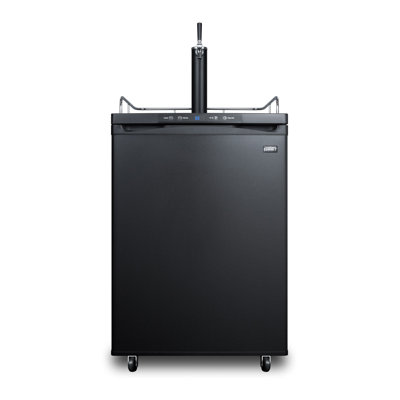
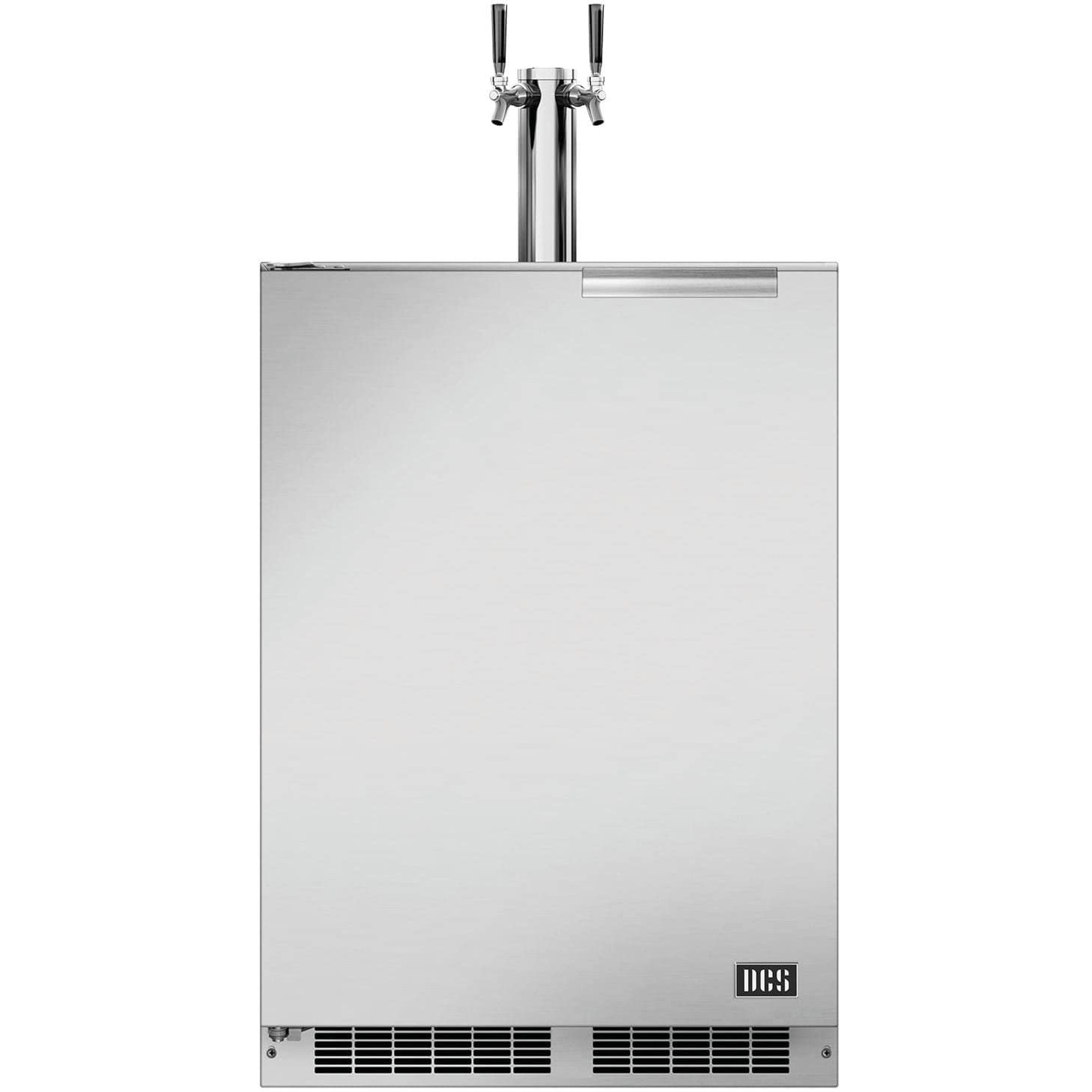
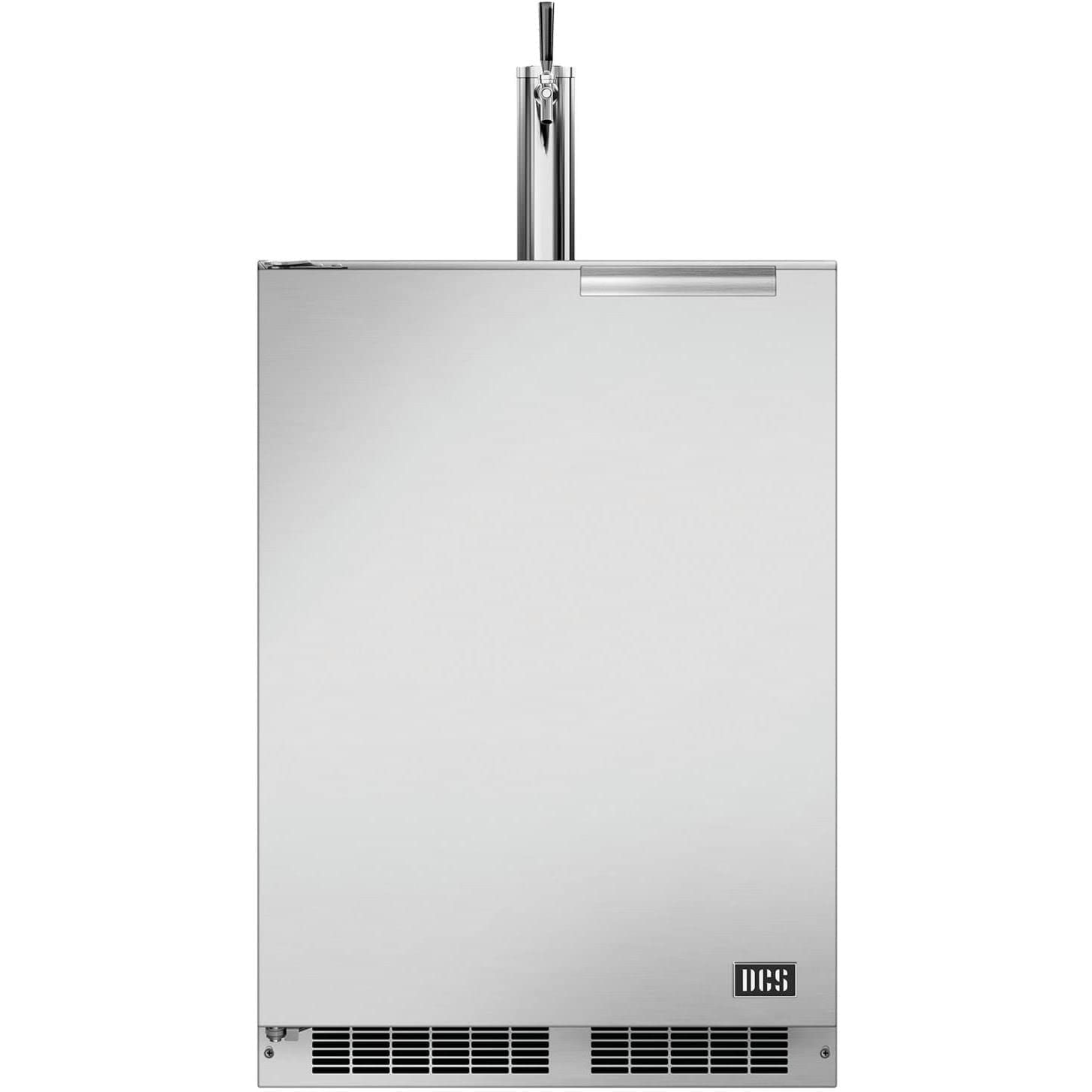
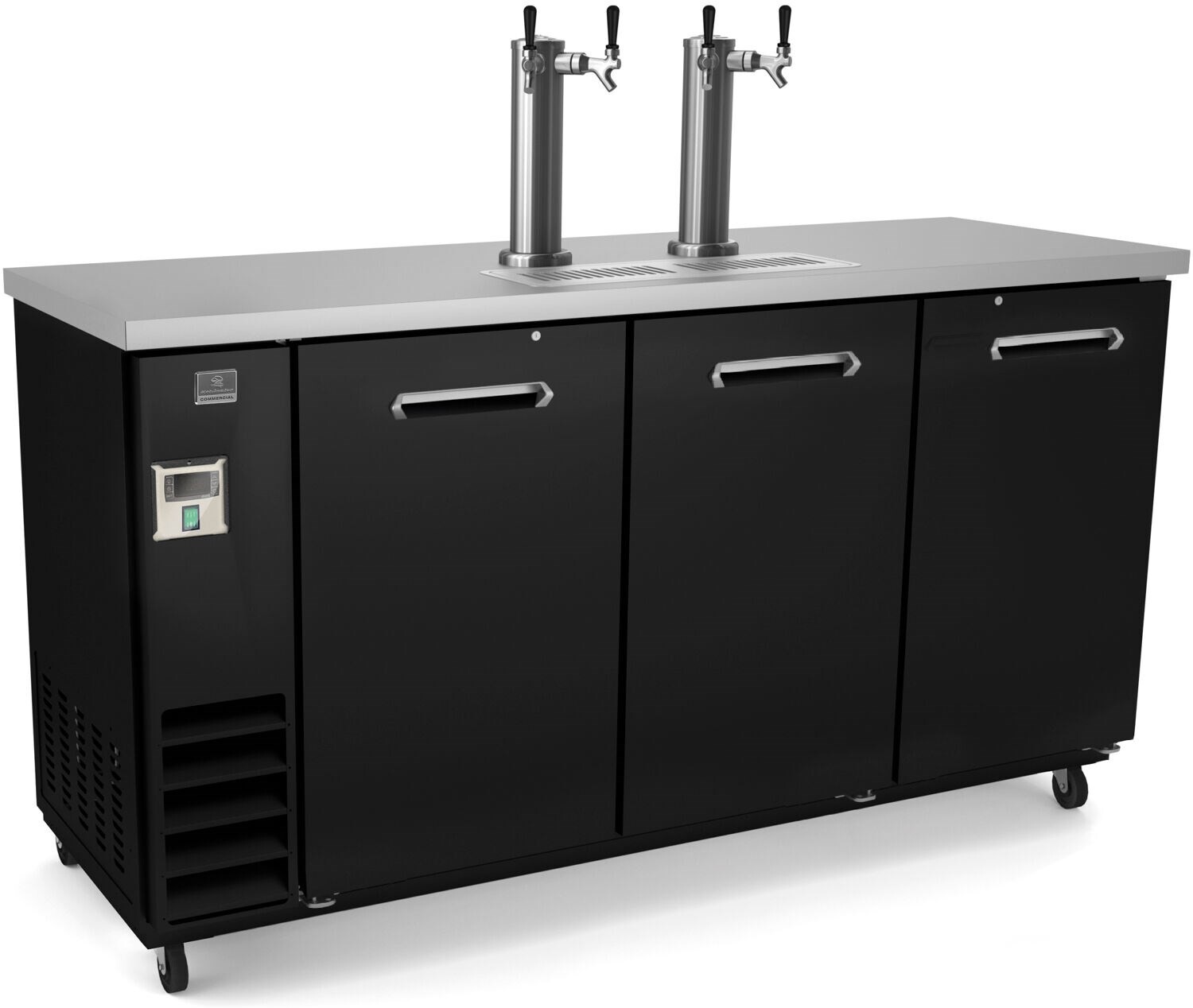
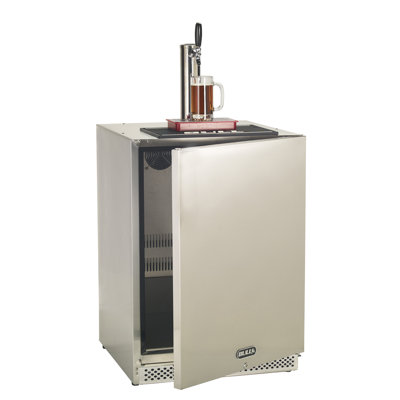
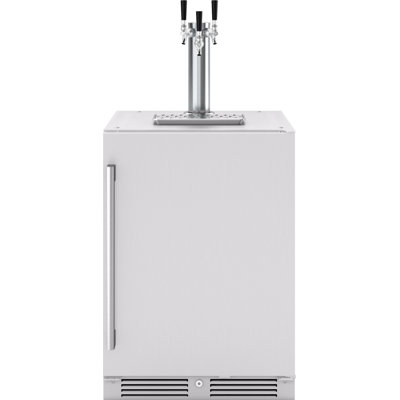
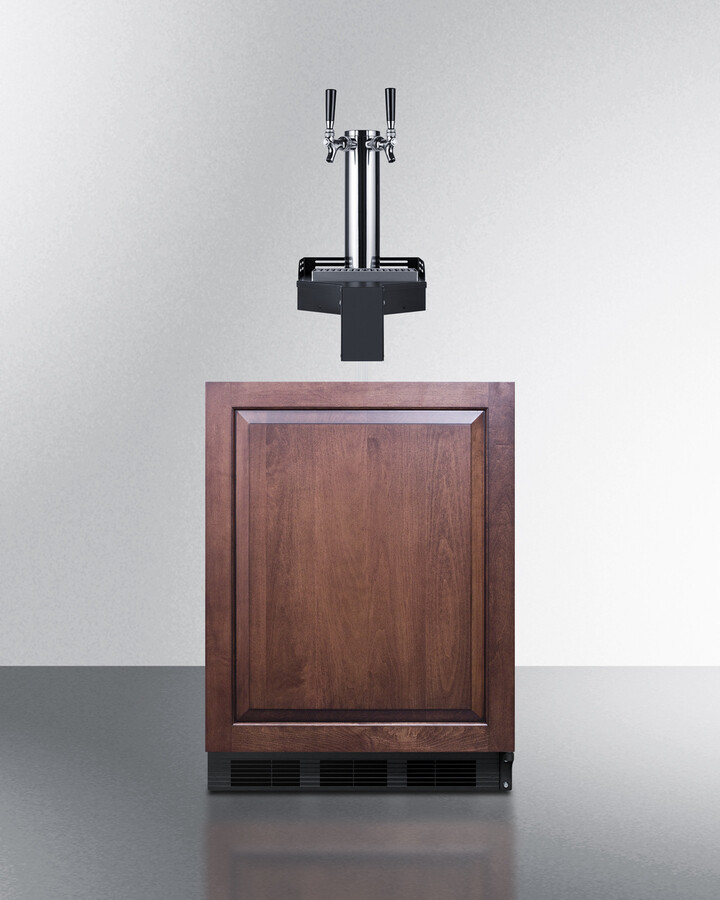
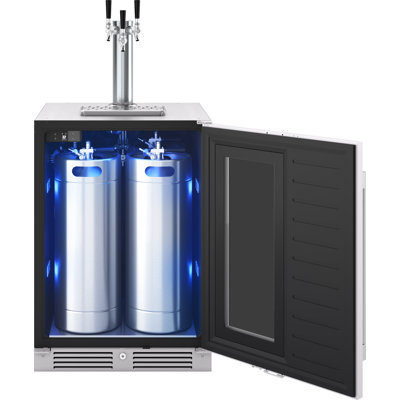
A built-in kegerator is a specialized refrigeration unit designed to store and dispense draft beer. It typically features a tap system, cooling mechanism, and space for kegs. Built-in kegerators are popular among beer enthusiasts and are often installed in home bars, kitchens, or entertainment areas.
An outdoor freezer, on the other hand, is a versatile appliance designed to store a wide range of frozen goods outside your home. These freezers are built to withstand various weather conditions and are ideal for those who need additional freezer space for items like meats, vegetables, and other perishables.
Factors to Consider Before Making Your Choice
When choosing between a built-in kegerator and an outdoor freezer, consider the following factors:
Purpose: Determine the primary use of the appliance. If you enjoy hosting parties and serving draft beer, a built-in kegerator might be the better choice. If you need extra storage for frozen goods, an outdoor freezer is more suitable.
Space: Assess the available space in your home. Built-in kegerators require a designated area with proper ventilation, while outdoor freezers can be placed in various locations, such as garages, patios, or sheds.
Cost: Consider both the initial investment and long-term costs. Built-in kegerators may have higher upfront costs due to the specialized equipment, whereas outdoor freezers might be more affordable initially but could incur higher energy costs over time.
Maintenance: Evaluate the maintenance requirements for each option. Built-in kegerators need regular cleaning of the tap lines and refrigeration system, while outdoor freezers require maintenance to ensure they operate efficiently in different weather conditions.
Energy Efficiency: Compare the energy consumption of both appliances. Built-in kegerators generally consume less energy compared to outdoor freezers, but it's essential to check the energy ratings of specific models.
Capacity: Consider the storage capacity you need. Built-in kegerators are designed for kegs and may have limited space for other items, while outdoor freezers offer more storage flexibility for a variety of frozen goods.
Built-in kegerators offer a convenient and stylish way to enjoy draft beer at home. Let's explore their features, benefits, and installation considerations.
Features and Benefits of Built-In Kegerators
Built-in kegerators are designed to seamlessly integrate into your kitchen, bar, or entertainment area. They come with several features that make them an attractive option for beer enthusiasts.
Space Efficiency: Built-in kegerators are designed to fit under countertops or within cabinetry, making efficient use of space.
Temperature Control: They offer precise temperature control to keep your beer at the optimal serving temperature.
Aesthetic Appeal: These units blend seamlessly with your existing decor, offering a clean and professional look.
Convenience: Having draft beer on tap at home is convenient for entertaining and personal enjoyment.
Installation Considerations for Built-In Kegerators
When installing a built-in kegerator, there are several factors to keep in mind to ensure proper functionality and longevity.
Ventilation: Proper ventilation is crucial to prevent overheating. Make sure there is adequate airflow around the unit.
Power Supply: Ensure the location has an accessible power outlet.
Dimensions: Measure the space where you plan to install the kegerator to ensure a proper fit.
Level Surface: Install the kegerator on a level surface to prevent any operational issues.
Plumbing (if needed): Some built-in kegerators may require water lines for certain features.
Consideration
Detail
Ventilation
Adequate airflow
Power Supply
Accessible outlet
Dimensions
Proper fit
Level Surface
Prevent operational issues
Plumbing
Water lines for features
For more information on different types of refrigeration units, check out Fridge.com comparison of panel ready refrigerator Vs. refrigerator drawer.
Understanding these features and installation considerations will help you make an informed decision when choosing a built-in kegerator. For additional insights, visit Fridge.com article on built in refrigerator Vs. upright freezer.
Outdoor Freezers
Outdoor freezers are versatile appliances that can be a valuable addition to your home, especially if you need extra storage space for frozen goods. This section will explore the features and benefits of outdoor freezers, as well as provide tips on their placement and maintenance.
Features and Benefits of Outdoor Freezers
Outdoor freezers come with several features that make them suitable for use in various environments. Here are some of the key benefits:
Durability: Outdoor freezers are designed to withstand different weather conditions, including extreme temperatures, rain, and humidity. Their robust construction ensures long-lasting performance.
Temperature Control: Many outdoor freezers come with adjustable temperature settings, allowing you to store a variety of items at the optimal temperature.
Energy Efficiency: Modern outdoor freezers are built with energy-efficient technology, helping you save on electricity bills while keeping your items frozen.
Capacity: Outdoor freezers typically offer ample storage space, making them ideal for bulk storage of food and other items.
Versatility: These freezers can be used in various settings, such as garages, basements, and even outdoor kitchens.
For those interested in a detailed comparison of different refrigeration options, visit Fridge.com article on 2 door refrigerator Vs. outdoor freezer.
Placement and Maintenance Tips for Outdoor Freezers
Proper placement and maintenance are crucial for the optimal performance and longevity of your outdoor freezer. Here are some tips to help you get the most out of your appliance:
Placement Tips
Location: Choose a shaded area that is protected from direct sunlight and extreme weather conditions. This helps maintain the freezer's efficiency and prevents overheating.
Ventilation: Ensure there is adequate space around the freezer for proper air circulation. This helps prevent the unit from overheating and ensures efficient operation.
Level Surface: Place the freezer on a flat, level surface to avoid any operational issues and ensure stability.
Maintenance Tips
Regular Cleaning: Clean the interior and exterior of the freezer regularly to prevent the buildup of dirt and grime. This helps maintain optimal performance and extends the lifespan of the appliance.
Defrosting: Manual defrost outdoor freezers should be defrosted periodically to prevent ice buildup, which can affect efficiency. Follow the manufacturer's instructions for defrosting.
Check Seals: Inspect the door seals regularly to ensure they are in good condition. Damaged seals can lead to air leaks, causing the freezer to work harder and consume more energy.
Temperature Monitoring: Use a thermometer to monitor the internal temperature of the freezer. This helps ensure that your items are stored at the correct temperature.
For more information on how to properly maintain various types of refrigeration units, check out Fridge.com article on deep freezer Vs. glass door mini fridge.
By following these tips, you can ensure that your outdoor freezer operates efficiently and lasts for many years. Whether you are considering a built-in kegerator or an outdoor freezer, understanding the features, benefits, and maintenance requirements can help you make an informed decision. For a comprehensive comparison of different refrigeration options, visit Fridge.com article on countertop refrigerator Vs. shallow depth refrigerator.
When considering a built-in kegerator versus an outdoor freezer, capacity and storage are crucial factors. Each appliance offers different benefits in terms of storing beverages and food items, which can influence your decision.
Comparing Storage Capacities of Kegerators and Freezers
Built-in kegerators are designed primarily for storing and dispensing beer. They typically have the capacity to hold one or more kegs, depending on the size and design. On the other hand, outdoor freezers are more versatile, offering ample storage space for various food items and beverages.
Appliance Type
Average Capacity (Cubic Feet)
Example Storage Items
Built-In Kegerator
4 - 6
1-2 kegs, beer bottles, soda cans
Outdoor Freezer
10 - 20
Meat, frozen meals, ice cream, bulk food
Efficient Use of Space for Your Needs
Maximizing space efficiency depends on your storage requirements. For those who frequently entertain or enjoy draft beer, a built-in kegerator offers a convenient solution. It allows you to store and serve beer directly from the tap, making it perfect for parties and gatherings.
Outdoor freezers, however, provide a more flexible storage option. They can accommodate a variety of frozen goods, making them ideal for families or those who like to buy in bulk. Additionally, outdoor freezers often come with adjustable shelves and compartments for better organization.
To make the most out of your appliance, consider your specific needs and how each option can cater to them. For further insights into choosing the right appliance, explore Fridge.com comparison articles such as 2 door refrigerator Vs. outdoor freezer and beer fridge Vs. refrigerator drawer.
When deciding between a built-in kegerator and an outdoor freezer, temperature control and energy efficiency are key factors to consider.
Understanding Temperature Control in Kegerators and Freezers
Built-in kegerators are specifically designed to maintain the ideal temperature for storing and serving beverages, particularly beer. They often come with precise temperature control settings that allow you to adjust the temperature to your preferred level, typically ranging from 34°F to 45°F. This ensures that your beverages are kept at the optimal temperature for freshness and taste.
Outdoor freezers, on the other hand, are versatile appliances that can be used to store a variety of frozen goods. They generally offer a broader temperature range, usually from -10°F to 10°F. While they are not specifically designed for beverages, they can be used to store kegs, but you may need to monitor the temperature more closely to ensure it stays within the desired range.
Appliance Type
Temperature Range (°F)
Suitable for Beverages
Built-In Kegerator
34°F - 45°F
Yes
Outdoor Freezer
-10°F - 10°F
No (requires monitoring)
Energy Efficiency Comparison between the Two Options
Energy efficiency is an important consideration when choosing between a built-in kegerator and an outdoor freezer. Kegerators are typically more energy-efficient for their specific purpose of keeping beverages cool. They are designed with energy-saving features such as insulated doors and efficient compressors that optimize energy use while maintaining a consistent temperature.
Outdoor freezers, while efficient in their own right, often consume more energy due to their need to maintain much lower temperatures. They are built to handle the demands of freezing and storing a wide range of food items, which can require more power, especially in warmer outdoor environments.
Appliance Type
Average Energy Consumption (kWh/year)
Energy Efficiency
Built-In Kegerator
150 - 300
High
Outdoor Freezer
300 - 600
Moderate
When comparing the two options in terms of energy efficiency, kegerators generally come out on top for beverage storage due to their specialized design. For more information on similar comparisons, you can check out Fridge.com articles on 2 door refrigerator Vs. outdoor freezer and energy efficient refrigerator Vs. stainless look refrigerator.
Maintenance and Cleaning
Proper maintenance and cleaning are essential for ensuring the longevity and optimal performance of both built-in kegerators and outdoor freezers.
Maintenance Requirements for Kegerators
Maintaining a kegerator involves several key steps to keep it running smoothly. Regular cleaning is crucial to prevent any buildup of mold, bacteria, or yeast, which can affect the taste of the beer and the efficiency of the unit.
Cleaning the Lines: The beer lines should be cleaned every two weeks using a cleaning solution specifically designed for kegerators. This helps to remove any beer residue and prevent bacterial growth.
Sanitizing the Components: All components that come in contact with beer, including the faucet, coupler, and keg, should be sanitized regularly.
Checking the CO2 Levels: The CO2 tank should be checked periodically to ensure proper carbonation levels. It’s also important to inspect the connections for any leaks.
Temperature Monitoring: Regularly check and adjust the temperature settings to ensure the beer is stored at the ideal temperature, typically between 36°F and 40°F.
Outdoor freezers require regular maintenance to ensure they function correctly in various weather conditions and provide efficient cooling.
Defrosting: If your outdoor freezer is not frost-free, it will require manual defrosting to prevent ice buildup. This should be done whenever the frost reaches a thickness of about a quarter-inch.
Cleaning the Condenser Coils: The condenser coils, usually located at the back or bottom of the freezer, should be cleaned every six months to remove dust and debris, which can hinder cooling efficiency.
Checking the Door Seals: Inspect the door seals regularly to ensure they are tight and free of cracks. Poor seals can lead to energy loss and inefficient cooling.
Temperature Control: Regularly monitor and adjust the temperature settings to ensure the freezer maintains the ideal temperature, typically 0°F or lower.
Understanding the maintenance requirements of both built-in kegerators and outdoor freezers is essential for making an informed decision. Each appliance has its own set of tasks to ensure optimal performance and longevity. For a comprehensive comparison of different refrigerators and freezers, explore Fridge.com articles on deep freezer Vs. glass door mini fridge and beverage cellar Vs. convertible refrigerator.
When comparing a built-in kegerator to an outdoor freezer, it is essential to consider both the initial investment and the long-term costs associated with each option. This will help you make an informed decision based on your budget and needs.
Initial Investment and Long-Term Costs for Kegerators
A built-in kegerator typically requires a higher initial investment compared to an outdoor freezer. This is due to the specialized design and features that cater to beer storage and dispensing. Here is a breakdown of the costs involved:
Cost Component
Built-In Kegerator
Initial Purchase Price
$800 - $2,500
Installation Costs
$100 - $500
Annual Maintenance
$50 - $100
Over time, the costs of maintaining and operating a kegerator can add up. However, the convenience of having draft beer readily available might justify the expense for avid beer enthusiasts. For more information on different refrigeration options, check out Fridge.com article on beer fridge Vs. refrigerator drawer.
Initial Investment and Long-Term Costs for Freezers
Outdoor freezers generally have a lower initial investment compared to kegerators. These freezers are designed to store a variety of items, making them a versatile option for households. Here is a breakdown of the costs involved:
Cost Component
Outdoor Freezer
Initial Purchase Price
$400 - $1,200
Installation Costs
$0 - $200
Annual Maintenance
$20 - $50
While the initial cost is lower, the versatility and storage capacity of an outdoor freezer might appeal to those who need more than just beer storage. For further comparisons, you can read Fridge.com article on 2 door refrigerator Vs. outdoor freezer.
By evaluating these cost components, you can determine which option best suits your budget and storage needs. Whether you are leaning towards a built-in kegerator or an outdoor freezer, understanding the financial implications will help you make an informed decision. For additional comparisons of refrigeration options, visit Fridge.com article on countertop refrigerator Vs. shallow depth refrigerator.
Compare prices on Fridge.com
Compare current prices and specifications on Fridge.com, then buy from the retailer you choose; delivery, installation and warranty terms are the retailer’s.
It also has tons of awesome articles about kitchen stuff and home news. Enhance your home, garage, backyard, patio, and office with the coolest essentials. With every necessary type of residential refrigerator or freezer in the collection, you're covered.
Free tool
Kegerator Size Calculator
Free interactive tool from Fridge.com — get a quick answer while you read.