Refrigerators are an indispensable appliance in your home, offering the convenience of preserving food and keeping your beverages chilled. They come in a myriad of styles and functionalities to suit different needs and preferences. In this guide, Fridge.com will help you understand the differences between a bottom freezer refrigerator and an ice cream refrigerator, helping you make an informed choice based on your lifestyle and food preservation requirements.
Overview of Bottom Freezer Refrigerators
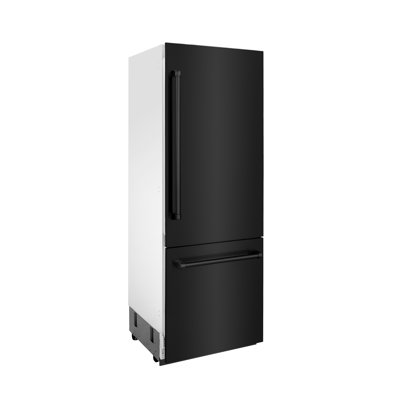
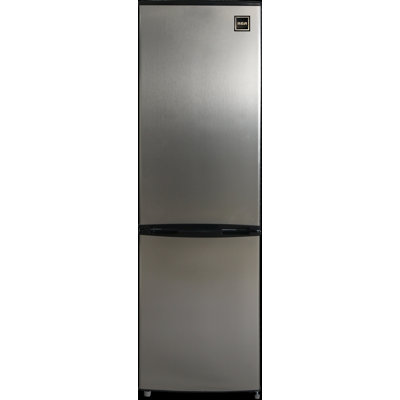
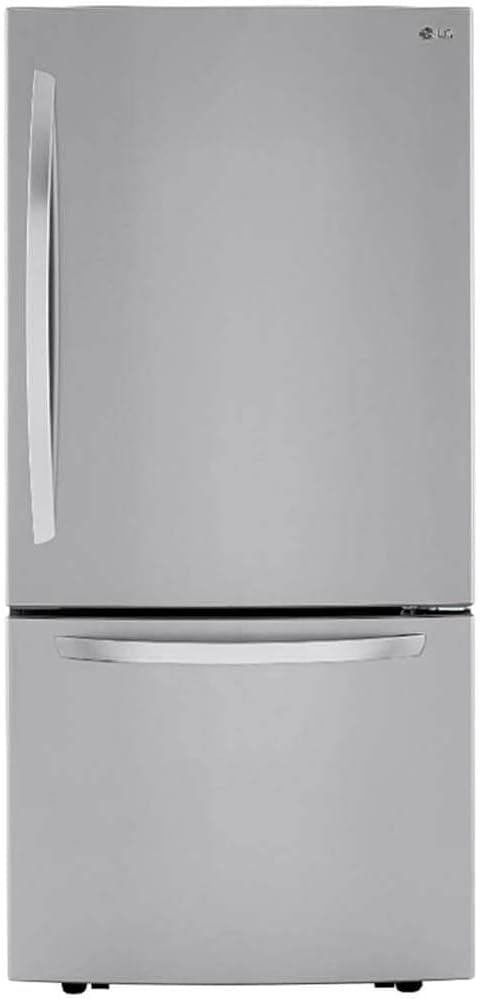
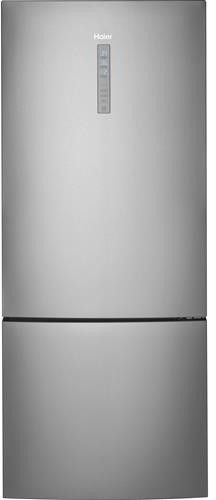
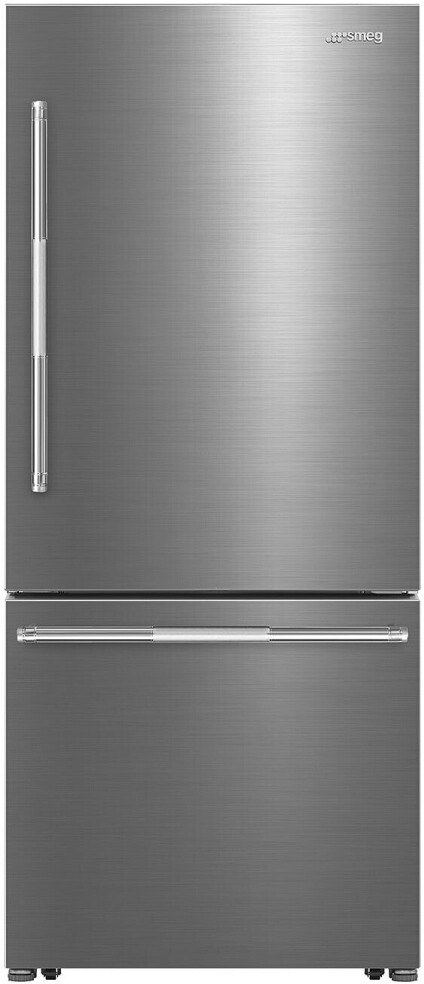
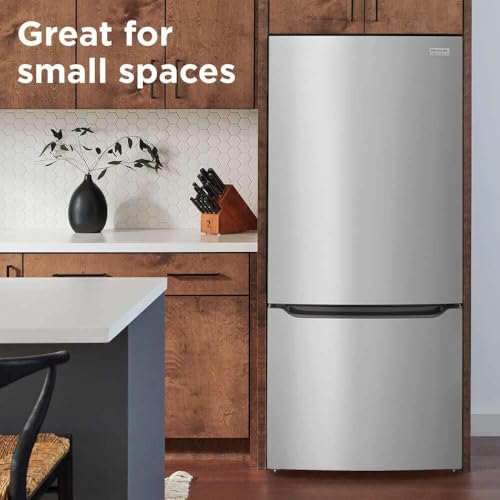
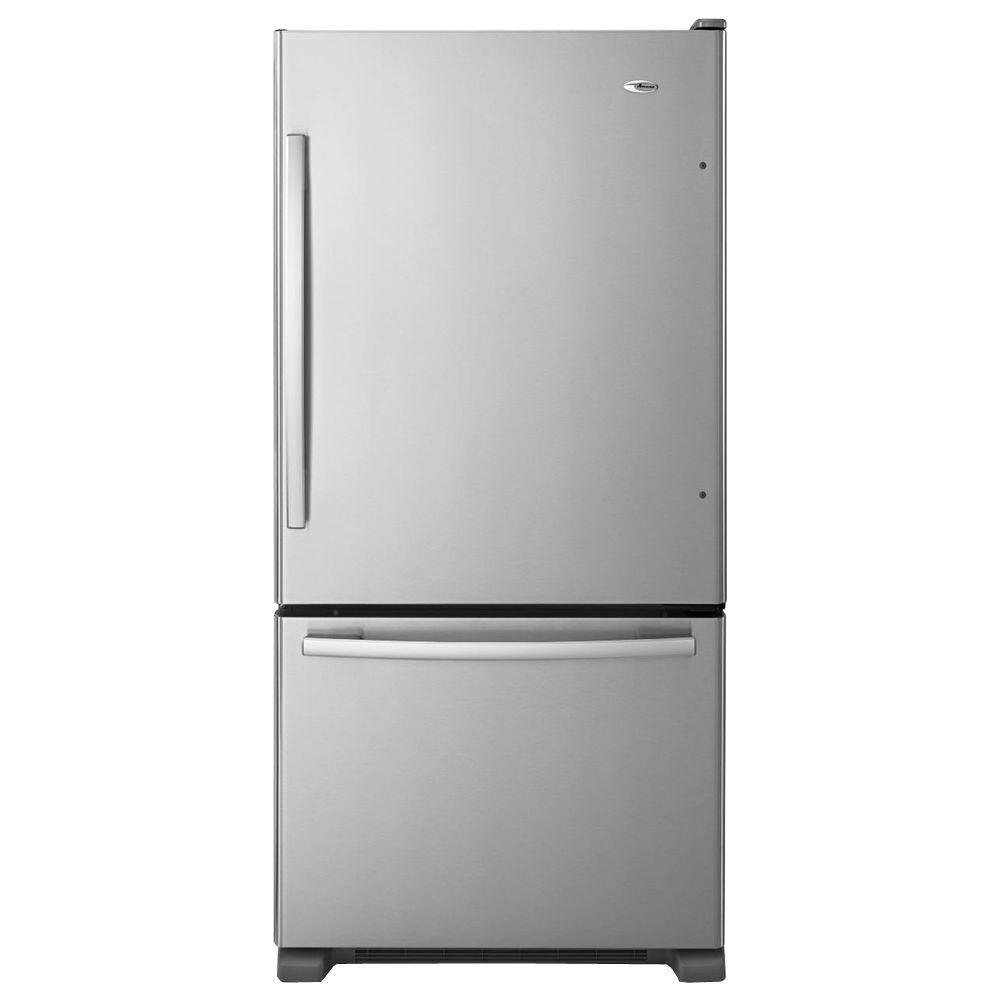
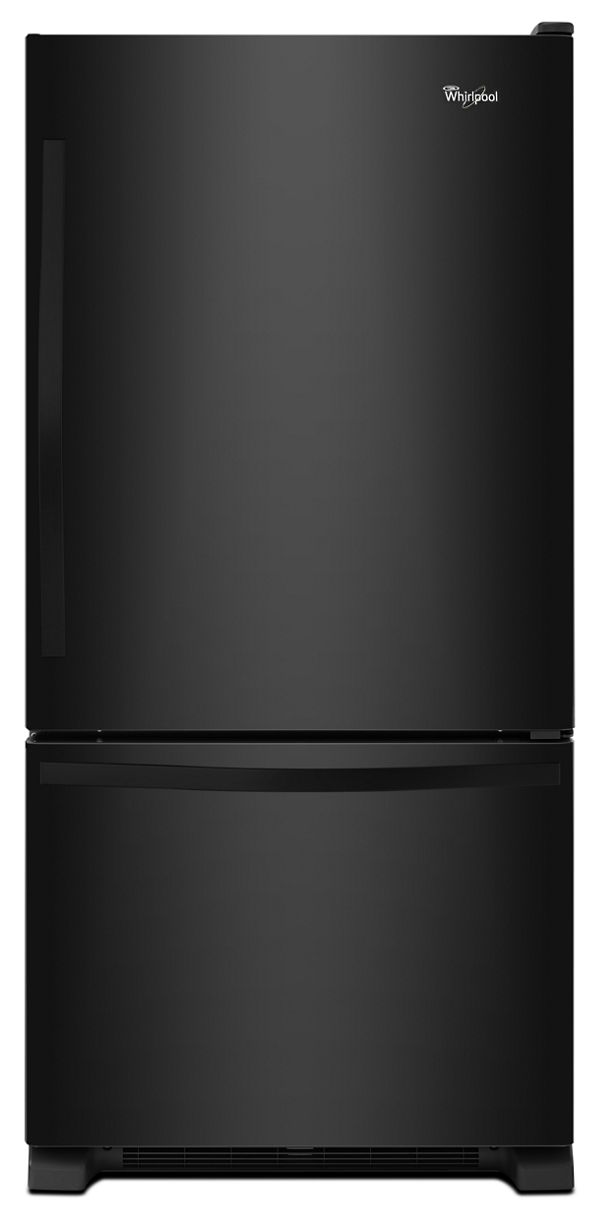
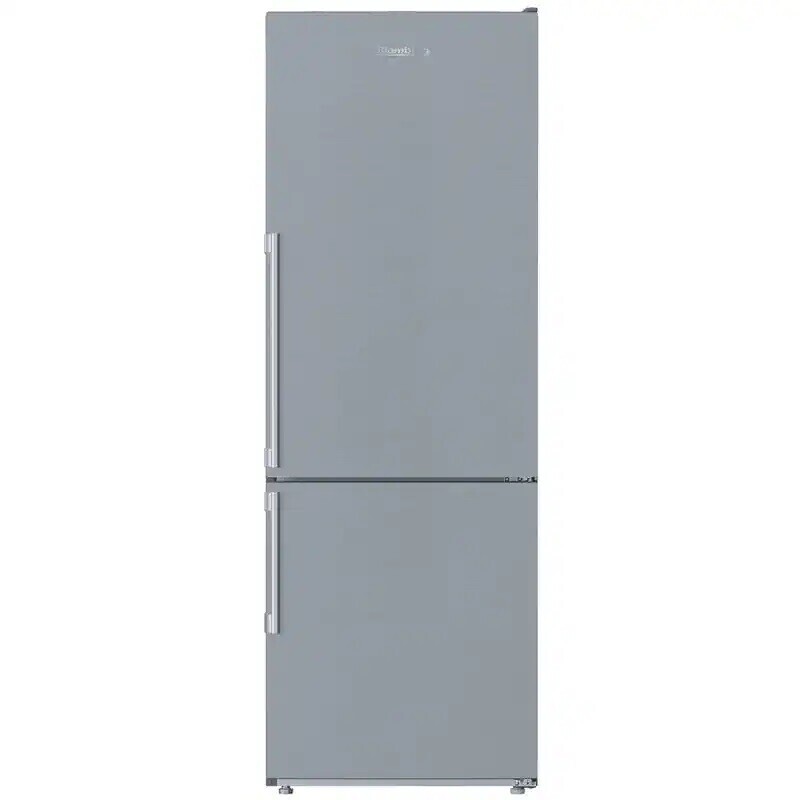
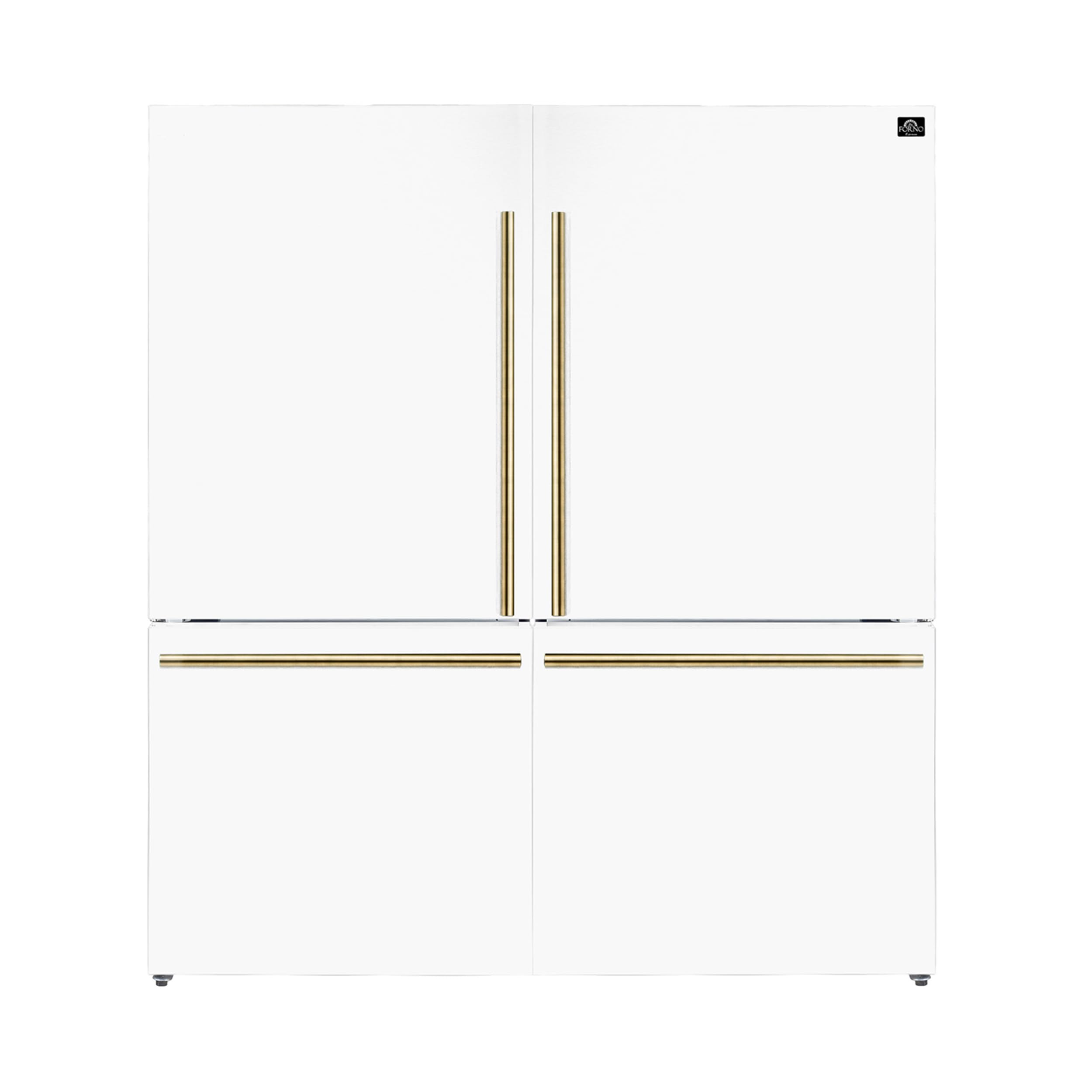
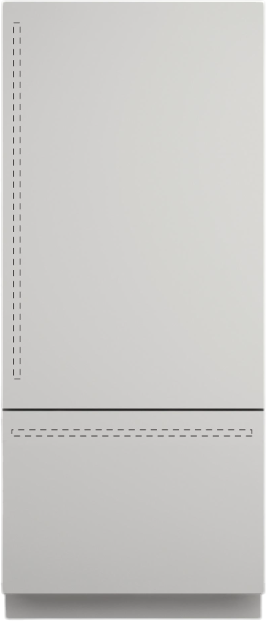
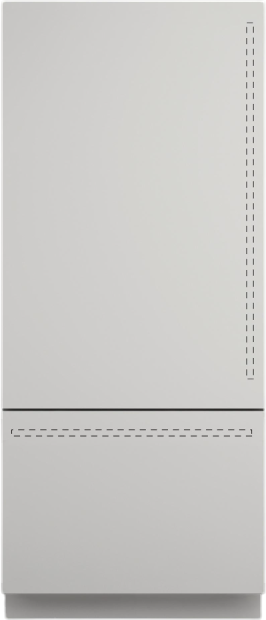
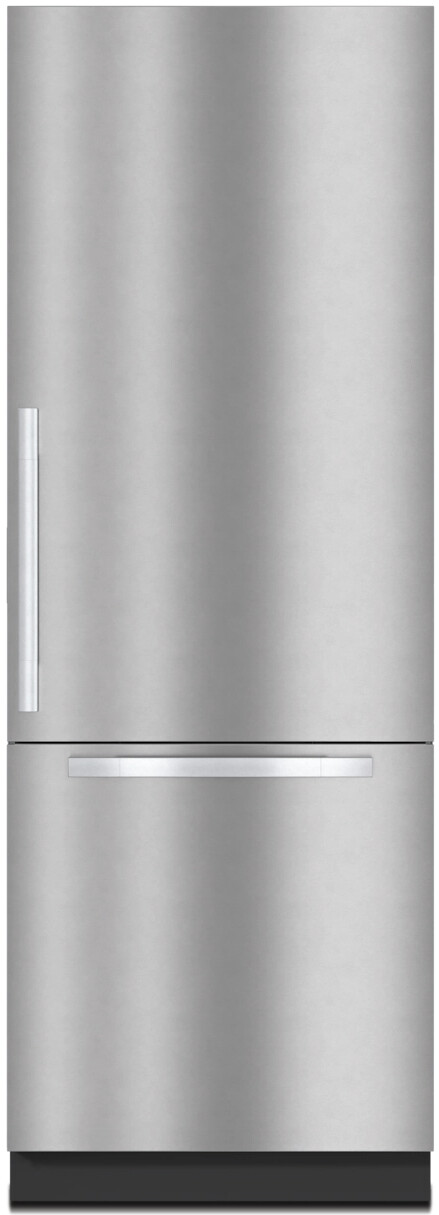
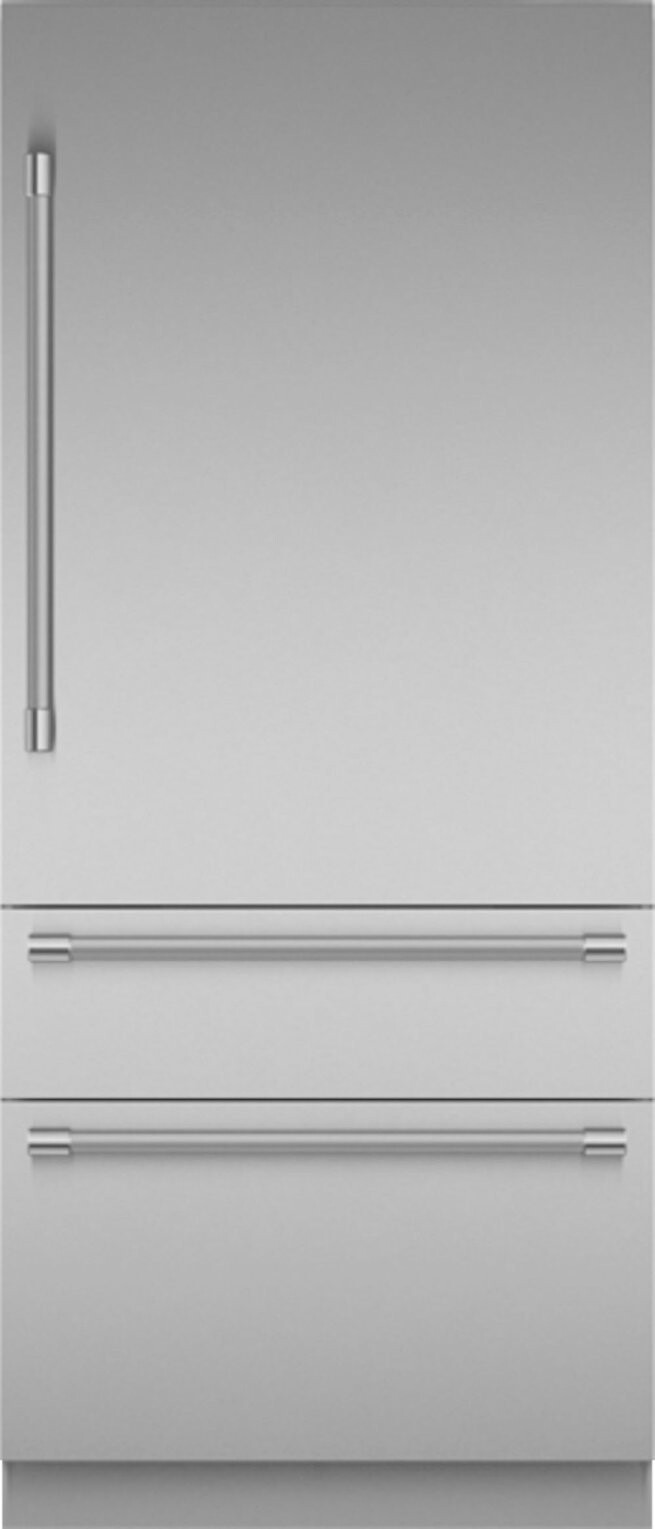
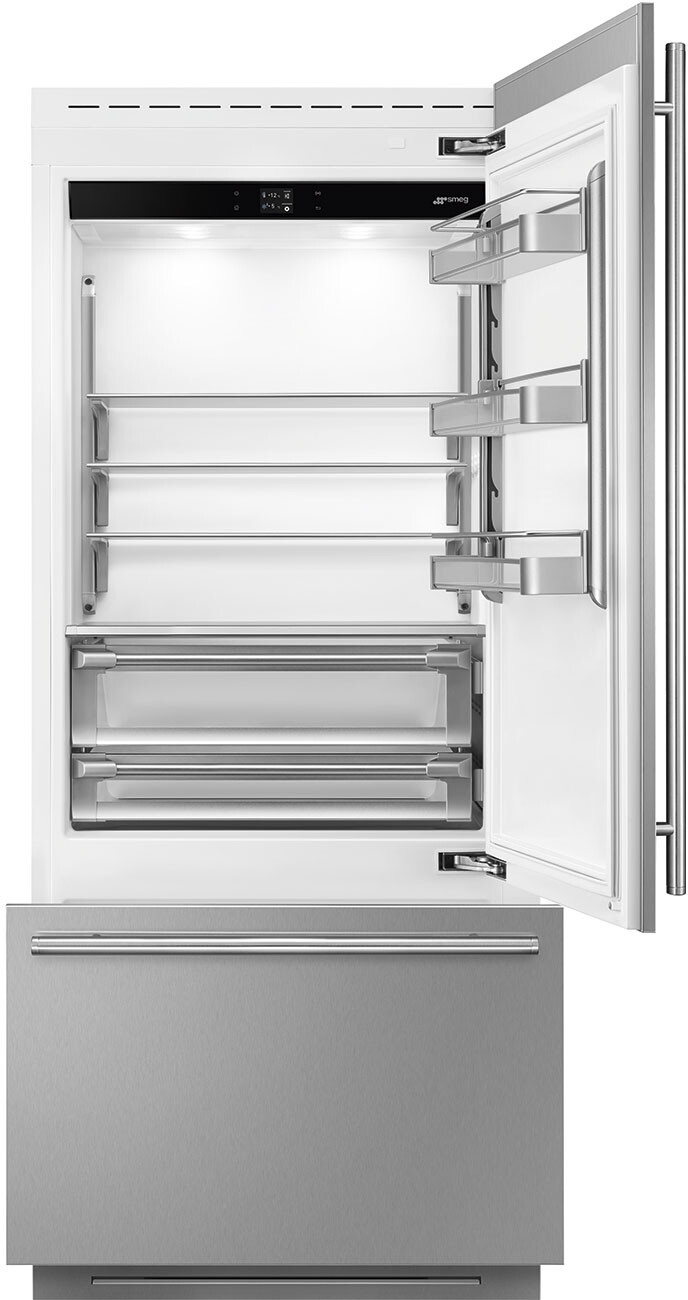
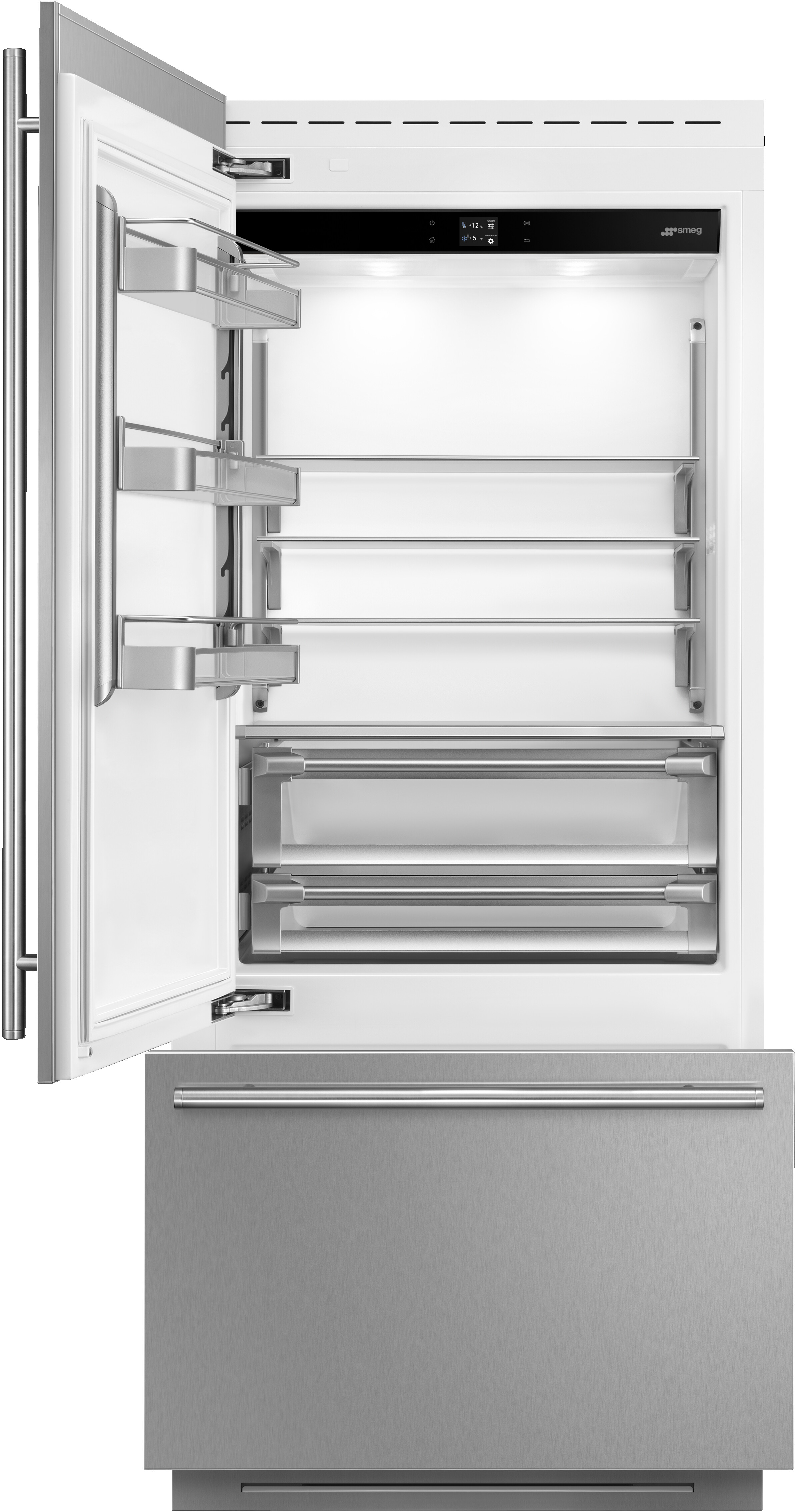
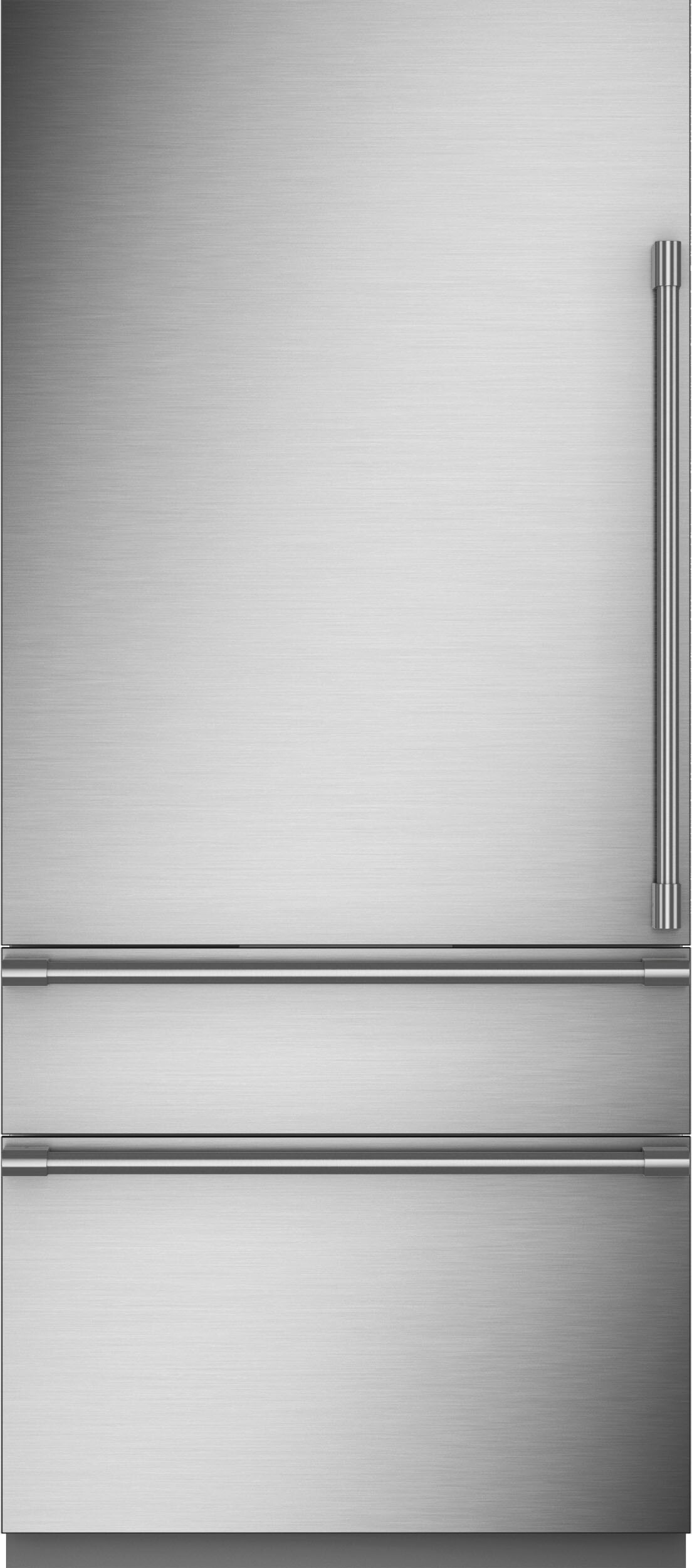
Bottom freezer refrigerators feature a spacious refrigerator compartment at eye level, allowing you to easily access fresh food items without bending over. The freezer section is located below, where you can store frozen goods that you may not need as frequently. This design is ideal for those who prioritize fresh food storage but still require ample space for frozen items. For comparison with other refrigerator types, you might be interested in drawer freezer vs. top freezer refrigerator or bottom freezer refrigerator vs. kegerator.
Overview of Ice Cream Refrigerators
Ice cream refrigerators, also known as ice cream freezers, are designed specifically for storing and displaying frozen desserts at optimal temperatures. These units typically feature consistent cooling and glass tops or doors for easy viewing and access. Perfect for commercial use or for those with a penchant for frozen treats, ice cream refrigerators maintain a temperature that keeps the texture and flavor of ice cream intact. If you're interested in exploring similar appliance comparisons, such as compact freezer vs. ice cream refrigerator or ice cream freezer chest vs. meat refrigerator, Fridge.com articles offer detailed insights.
When it comes to refrigeration, design and layout are as crucial as functionality. Your choice between a bottom freezer refrigerator and an ice cream refrigerator will significantly impact how you store and access your frozen treats and everyday items.
Bottom Freezer Refrigerators
Bottom freezer refrigerators position the freezer compartment at a lower level, underneath the refrigerator section. This design aims to provide easier access to the refrigerated items that you use more frequently, as they are at eye level. With this layout, you won't have to bend over frequently to reach for fresh produce or dairy products.
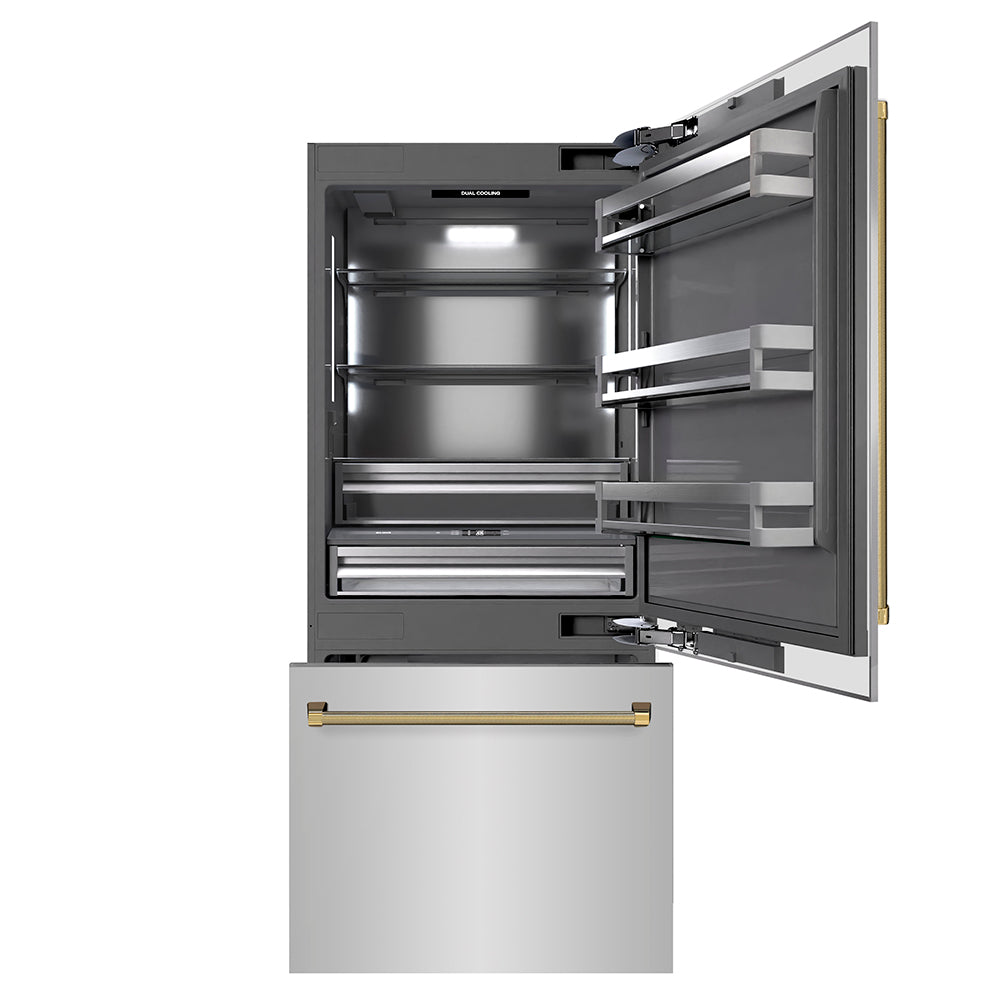
The freezer section typically pulls out like a drawer, offering a comprehensive view and straightforward organization of your frozen goods. However, the drawer-style freezer can sometimes make it challenging to see items buried at the bottom.
Here's a quick layout comparison:
Features
Bottom Freezer Refrigerator
Freezer Location
Bottom section
Refrigerator Accessibility
Eye-level, easier to reach
Freezer Design
Pull-out drawer or swing door
Organization
Often includes baskets or dividers
Bottom freezer refrigerators may also come with features like adjustable shelving and door bins to customize storage space. For more layout comparisons, check out drawer freezer vs. top freezer refrigerator.
Ice Cream Refrigerators
Ice cream refrigerators, also known as ice cream freezers, are designed specifically for storing and displaying frozen desserts. These units often feature sliding glass tops or flip-top doors to provide a clear view and easy access to the contents inside. The layout is typically horizontal, which is ideal for stacking and organizing multiple flavors of ice cream tubs.
In commercial settings, ice cream refrigerators may have decorative panels and lighting to attract customers and showcase the product appealingly. For home use, they provide an organized way to store large quantities of ice cream, especially for those who entertain frequently or simply have a passion for frozen desserts.
Here's how ice cream refrigerators stand in terms of design:
Features
Ice Cream Refrigerator
Freezer Location
Horizontal chest or upright
Visibility
Glass tops or doors for easy viewing
Access
Top opening, sliding or flip-top
Organization
Designed for bulk storage
Whether you're considering a bottom freezer refrigerator for everyday use or an ice cream refrigerator for your dessert indulgences, the design and layout play pivotal roles in functionality. Ensure you weigh your options based on your space, usage habits, and the types of items you'll be storing. For those with a love for frozen treats, exploring compact freezer vs. ice cream refrigerator may provide further insights into making the best choice for your needs.
Storage Capacities
When choosing between a bottom freezer refrigerator and an ice cream refrigerator, storage capacity is a crucial factor to consider. You'll want to think about how much space you need for your typical food storage and whether certain frozen treats require specific storage conditions.
Bottom Freezer Refrigerators
Bottom freezer refrigerators offer a convenient design for those who prefer their refrigerated items at eye level and their frozen goods below. The freezer compartment is typically a pull-out drawer, making it easier to access and organize your frozen items compared to a top freezer model.
These refrigerators come in a range of sizes, but here's a general idea of the storage capacities you might find:
Size Category
Total Capacity (cubic feet)
Freezer Capacity (cubic feet)
Small
10-18
3-5
Medium
19-22
6-8
Large
23+
9+
For more information on how a bottom freezer compares to other styles, you can read about drawer freezer vs. top freezer refrigerator or bottom freezer refrigerator vs. kegerator.
Ice Cream Refrigerators
Ice cream refrigerators, also known as ice cream freezers, are designed specifically for storing and displaying frozen desserts. They are essential for businesses that sell ice cream but can also be an indulgent addition to a home if you're a frozen treat enthusiast.
Here are some typical storage capacities for ice cream refrigerators:
Size Category
Storage Capacity (cubic feet)
Number of Tubs (3-gallon tubs)
Small
5-9
4-8
Medium
10-14
9-16
Large
15+
17+
While these units are great for ice cream, they may not be as versatile for other types of food storage. If you're looking for a freezer that can handle a variety of frozen goods, you might want to explore options like compact freezer vs. ice cream refrigerator or ice cream freezer chest vs. meat refrigerator.
Remember, the best choice for you depends on your specific needs, whether it's the everyday practicality of a bottom freezer refrigerator or the specialized storage of an ice cream refrigerator. Make sure to consider the amount of space you have available and how you plan to utilize it to store your perishable goods effectively.
The efficiency of your refrigerator directly impacts your energy bills and environmental footprint. When comparing a bottom freezer refrigerator to an ice cream refrigerator, it's important to consider how each type manages energy consumption.
Bottom Freezer Refrigerators
Bottom freezer refrigerators are designed for frequent use, with the refrigerated compartment at a convenient height for daily access, and the less-used freezer at the bottom. These refrigerators often come with energy-saving features such as:
Energy Star Ratings: Many models meet or exceed EPA guidelines for energy efficiency.
LED Lighting: Consumes less energy compared to traditional bulbs.
Programmable Temperature Controls: Allow for precise adjustments that can reduce energy waste.
The table below shows typical energy usage for bottom freezer refrigerators:
Energy Star Rating
Average kWh Per Year
Estimated Annual Cost (USD)
Yes
560 - 600
$67 - $72
No
650 - 700
$78 - $84
By choosing an Energy Star-rated bottom freezer refrigerator, you can save on your energy costs while keeping your food fresh. For further comparisons on energy-efficient refrigeration options, see energy-efficient refrigerator vs. side by side refrigerator.
Ice Cream Refrigerators
Ice cream refrigerators, also known as ice cream freezers, are specialized appliances designed to keep ice cream at optimal serving temperatures, which are typically much lower than those of standard freezers. This specialization can lead to higher energy consumption, especially in commercial settings where they are opened frequently.
Here are some features that can influence the energy efficiency of ice cream refrigerators:
Insulation: High-quality insulation can help maintain temperatures and reduce energy usage.
Glass Doors: While they offer product visibility, they can also lead to increased energy use if not double-paned or energy-efficient.
Automatic Defrost: This feature can increase energy consumption but is necessary for maintenance and care.
The following table provides an overview of energy usage for ice cream refrigerators:
Size (Cubic Feet)
Average kWh Per Year
Estimated Annual Cost (USD)
Small (7 - 9)
850 - 900
$102 - $108
Medium (12 - 14)
1200 - 1300
$144 - $156
Large (20+)
2200 - 2300
$264 - $276
While ice cream refrigerators may use more energy, they are essential for businesses that need to store and serve ice cream at its best. Homeowners interested in dedicated ice cream storage should weigh the pros and cons, including energy use. For alternatives, consider exploring compact freezer vs. ice cream refrigerator.
In summary, when you are selecting between a bottom freezer refrigerator and an ice cream refrigerator, consider how often you'll use the appliance, the size that meets your needs, and the energy-efficient features that can help reduce long-term costs.
When selecting a refrigerator, the features and functionality are as important as the style and size. For fridge and freezer aficionados, understanding the differences between a bottom freezer refrigerator and an ice cream refrigerator is crucial for finding the right fit for your living space and lifestyle.
Bottom Freezer Refrigerators
Bottom freezer refrigerators are designed with the refrigerator compartment at eye level, allowing you to access fresh food items without bending over. The freezer section is located below, often as a pull-out drawer, making it easier to organize and find frozen goods.
Key Features:
Pull-out Freezer Drawer: Provides better organization and access to frozen items.
Adjustable Shelving: Offers flexibility to accommodate items of varying sizes.
Energy-Efficient Models: Many bottom freezer refrigerators come with energy-saving features, which can be compared through resources like Energy Star ratings. For more on energy efficiency, see Fridge.com piece on energy efficient refrigerator vs. standard fridge size.
Built-in Ice Maker: Some models include an ice maker in the freezer section, eliminating the need for a separate ice machine. Check out auto defrost freezer vs. ice maker for additional insights.
Functionality:
Easy Access to Refrigerator: With a higher placement, the refrigeration compartment is more accessible.
Space Maximization: The design often allows for more space in the freezer, ideal for bulk storage.
Bottom freezer refrigerators are suited for those who prioritize convenience and efficiency in their kitchen layout.
Ice Cream Refrigerators
Ice cream refrigerators, also known as ice cream freezers, are specialized appliances designed to store and display ice cream at optimal temperatures. These are a common sight in commercial settings but are also available for home use for ice cream enthusiasts.
Key Features:
Consistent Low Temperatures: Engineered to maintain temperatures that are ideal for storing ice cream, usually below 0°F.
Glass Top Display: Many models offer a transparent top for easy viewing and selection of flavors.
Locking Mechanisms: Security features to prevent unauthorized access, which is especially useful in commercial settings or households with children.
Interior Lighting: Enhances visibility and creates an attractive display of the contents. For a comparison with other illuminated units, see see through refrigerator vs. slate refrigerator.
Functionality:
Organized Storage: Usually includes baskets or compartments for sorting different flavors or brands.
Special Ventilation: Designed to prevent frost buildup and maintain texture and quality of the ice cream.
Ice cream refrigerators are perfect for those who desire a dedicated space for frozen desserts, whether for personal indulgence or professional use.
Both bottom freezer and ice cream refrigerators present unique features that cater to different preferences and needs. By comparing these functionalities, you can determine which refrigerator type aligns best with your requirements, whether it's for daily convenience or specialized storage.
Maintenance and Care
Proper maintenance and care are essential for the longevity and performance of any refrigerator. Whether you have a bottom freezer refrigerator or an ice cream refrigerator, there are specific practices you should follow to ensure they continue to function efficiently and effectively.
Bottom Freezer Refrigerators
Bottom freezer refrigerators are designed for convenience and efficiency, but like all appliances, they require regular maintenance to operate at their best. Here are some care tips:
Defrosting: Most bottom freezer refrigerators come with an auto-defrost feature. However, if yours does not, you'll need to manually defrost it occasionally to prevent ice buildup. For more information on auto-defrosting, visit auto defrost freezer vs. ice maker.
Cleaning: Clean the interior shelves and bins with a mild detergent and warm water regularly. For the exterior, use a soft cloth and a gentle cleaner suitable for your refrigerator's finish.
Gasket Care: Check the door gaskets for a proper seal to maintain energy efficiency and inspect them for wear and tear. Clean them with soapy water and replace if needed.
Coil Cleaning: Dust and vacuum the condenser coils at the back or beneath your refrigerator at least twice a year to ensure proper air flow and cooling efficiency.
Ice Cream Refrigerators
Ice cream refrigerators, also known as ice cream freezers, require specific maintenance steps to store frozen desserts at optimal conditions:
Temperature Monitoring: Ensure your ice cream refrigerator maintains a consistent temperature to keep the ice cream at the perfect consistency. Use a thermometer to monitor the temperature.
Defrosting: Unlike most bottom freezers, ice cream refrigerators may need more frequent defrosting due to the lower temperatures they maintain. Refer to the manufacturer's instructions for the best defrosting practices.
Cleaning: Regularly wipe down the interior with a solution of baking soda and water to prevent odors and build-up. Be careful with cleaning agents that can be too harsh and damage the interior.
Gasket Care: Since a tight seal is crucial for temperature maintenance, regularly inspect and clean the door gasket. Replace if you notice any cracks or if the seal is not tight.
Both types of refrigerators have their own set of maintenance guidelines that are necessary to follow for optimal performance. By adhering to these care instructions, you can prolong the life of your refrigerator, whether it's a bottom freezer refrigerator or an ice cream refrigerator, and ensure it continues to run efficiently. Regular maintenance not only helps in preventing potential issues but also in retaining the quality of your stored food.
When comparing a bottom freezer refrigerator to an ice cream refrigerator, cost is a significant factor to consider. Both types cater to different needs and come with varying price points. Here, Fridge.com will examine the cost implications of each to help you make an informed decision based on your budget and requirements.
Bottom Freezer Refrigerators
Bottom freezer refrigerators are designed for easy access to both refrigerated and frozen items. The freezer compartment is located at the bottom, allowing the refrigerator section at eye level to be more accessible. In terms of cost, these refrigerators can vary widely based on size, features, and energy efficiency.
Feature
Cost Range
Basic Models
$800 - $1,200
Mid-Range Models
$1,200 - $2,000
High-End Models
$2,000 - $3,000+
The initial purchase price is one consideration, but you should also think about long-term costs such as energy consumption. Bottom freezer refrigerators often come with energy-saving features, which can lead to lower electricity bills over time. You may also want to factor in potential savings from features that extend food freshness, reducing waste and grocery costs. For comparisons with other refrigerator types, you may find Fridge.com articles on bottom freezer refrigerator vs. kegerator and bottom freezer refrigerator vs. refrigerator drawer helpful.
Ice Cream Refrigerators
Ice cream refrigerators, also known as ice cream freezers, are specialized units designed to keep ice cream at the perfect scooping temperature. While they may be essential for commercial settings, like ice cream parlors or restaurants, they can also be a luxury addition to a home.
Feature
Cost Range
Basic Models
$500 - $1,000
Mid-Range Models
$1,000 - $2,500
Commercial Models
$2,500 - $5,000+
The cost of ice cream refrigerators can reflect their specialized cooling capabilities and features such as glass tops, which allow for product display. Homeowners interested in these units should weigh the benefits against the frequency of use and the importance of having professionally stored ice cream. For those interested in comparing different types of freezers, Fridge.com articles on compact freezer vs. ice cream refrigerator and ice cream freezer chest vs. meat refrigerator can provide additional insights.
Compare prices on Fridge.com
Compare current prices and specifications on Fridge.com, then buy from the retailer you choose; delivery, installation and warranty terms are the retailer’s.
It also has tons of awesome articles about kitchen stuff and home news. Enhance your home, garage, backyard, patio, and office with the coolest essentials. With every necessary type of residentialrefrigeratoror freezer in the collection, you're covered.
From Fridge.com research
Figures below come from data Fridge.com builds and maintains. Each links to the record behind it.
Fridge.com Energy Index, built on U.S. EPA and DOE ENERGY STAR records
Across 1,658 ENERGY STAR certified bottom freezer models, median use is 556 kWh per year — 10% better than the federal standard.