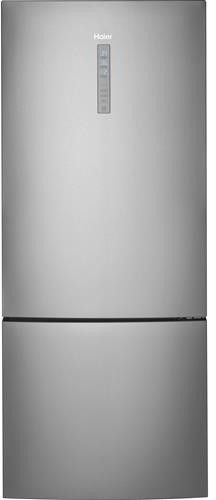
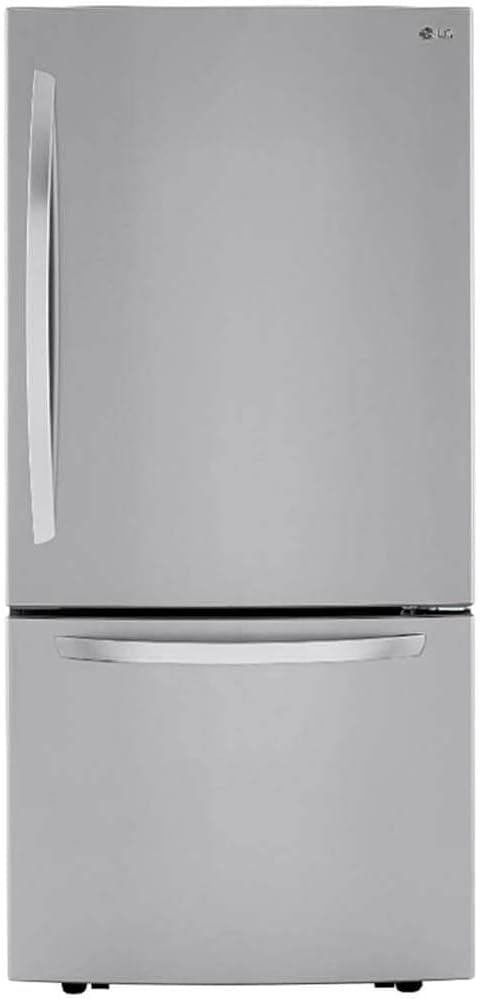
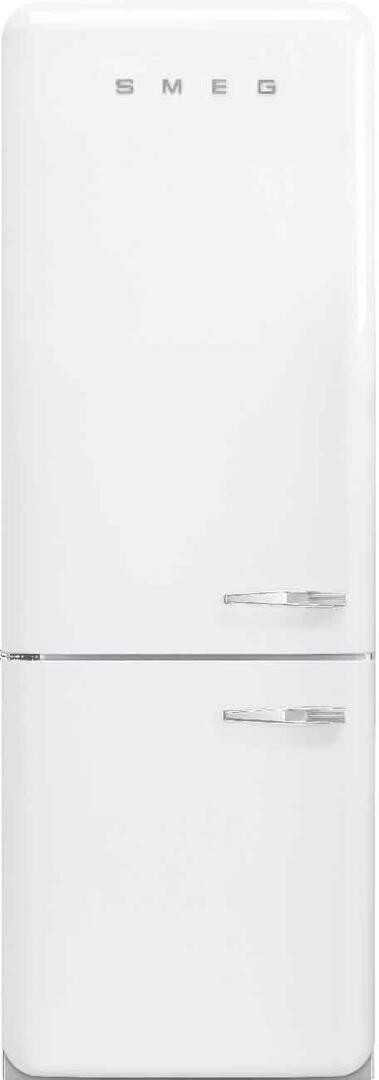
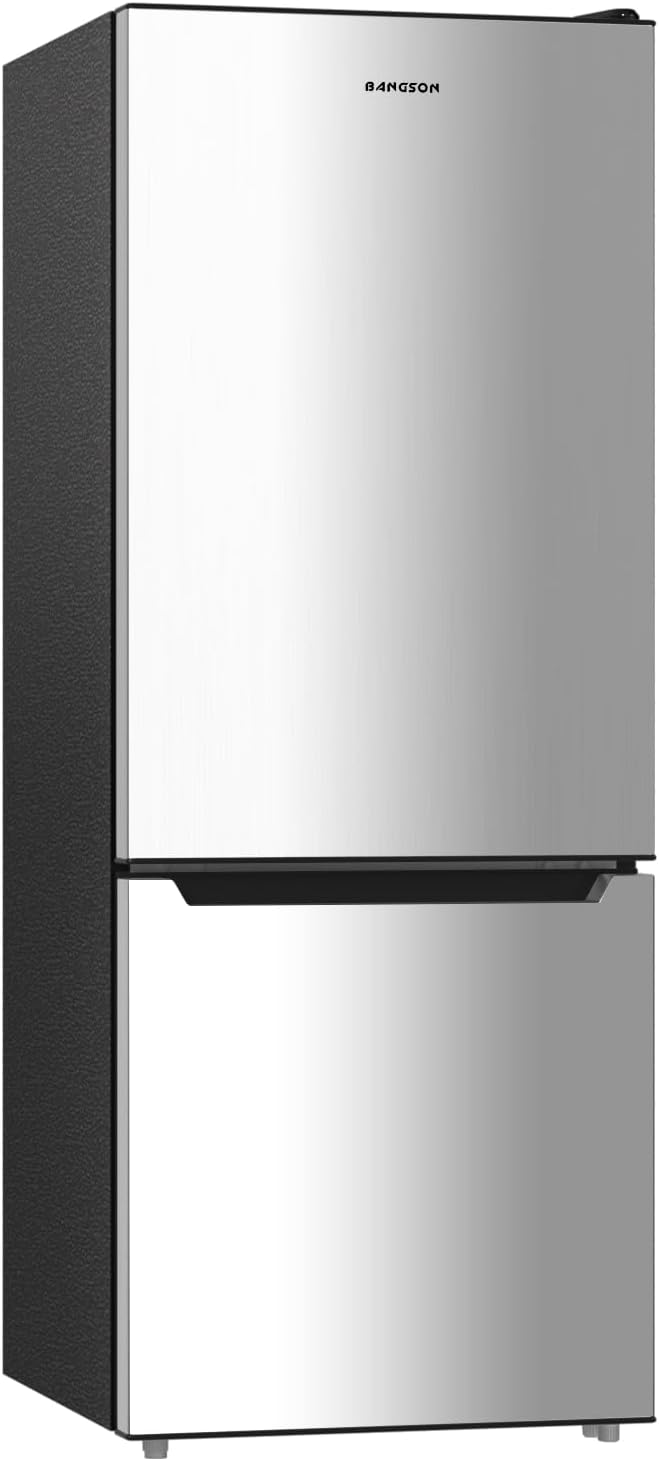
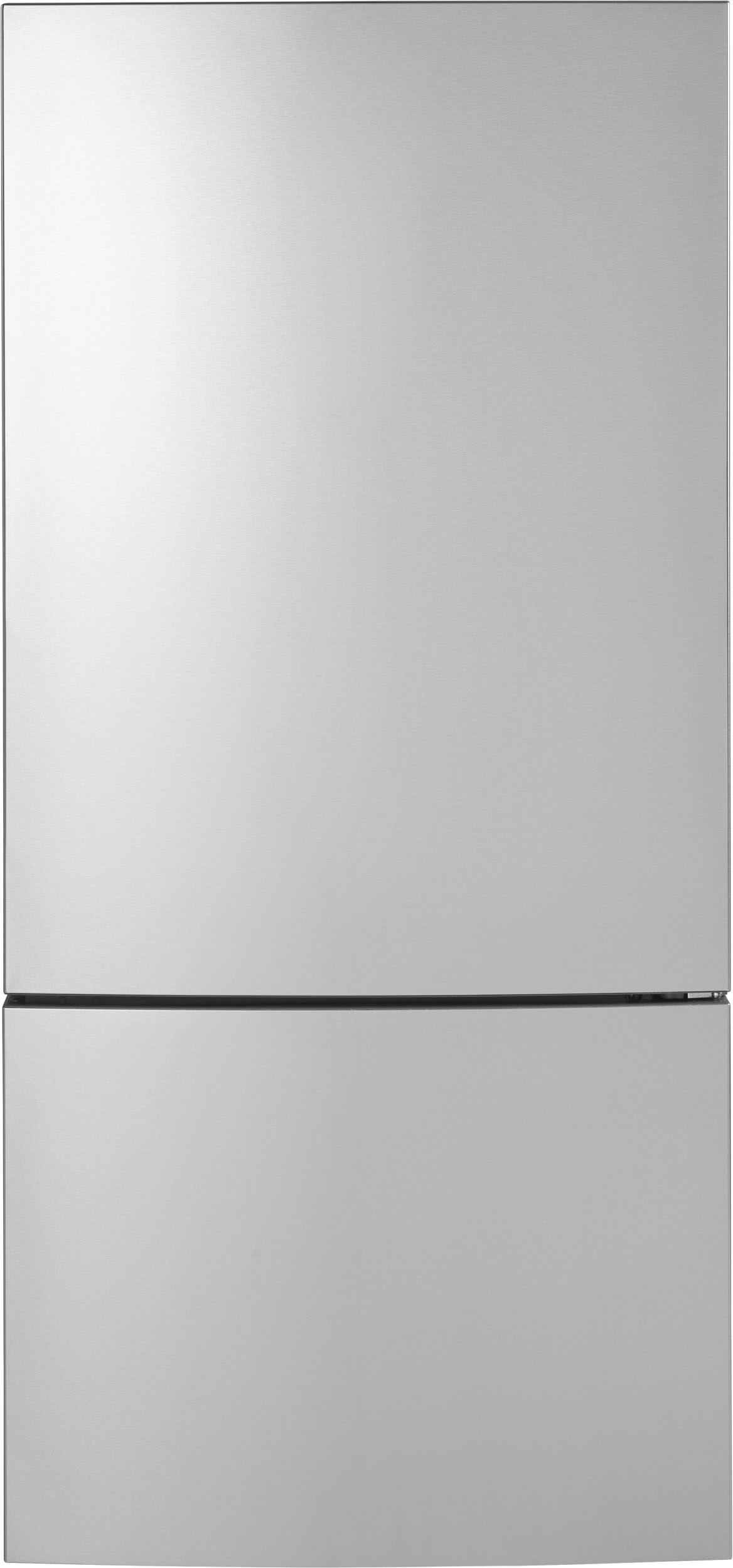
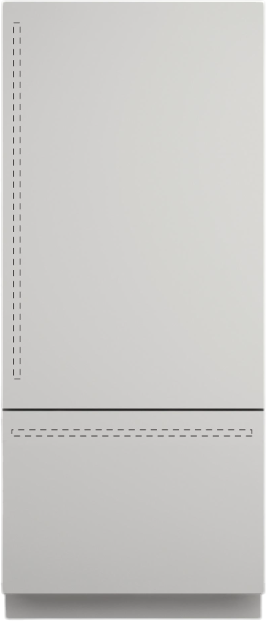
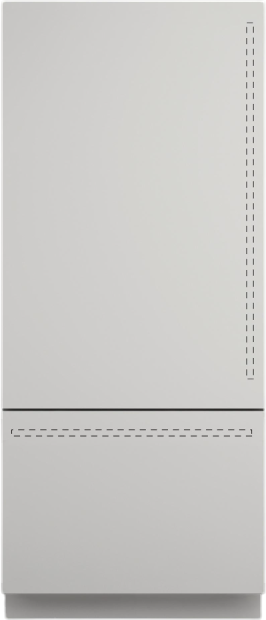
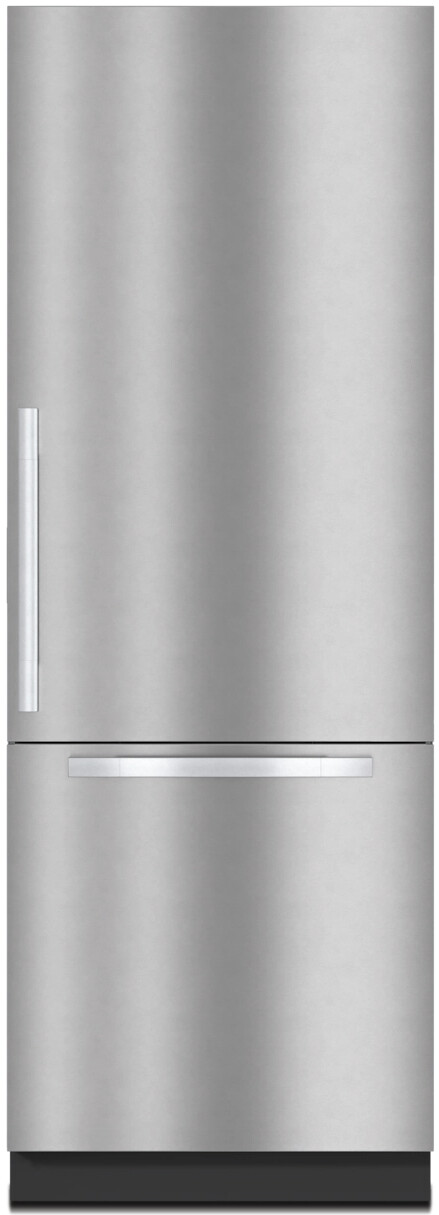
When deciding on the ideal refrigerator for your space, whether it's a cozy apartment or a bustling family kitchen, understanding the differences between bottom freezer refrigerators and fridge freezers is vital. Both have their unique advantages and can cater to your specific needs and preferences.
Bottom Freezer Refrigerators
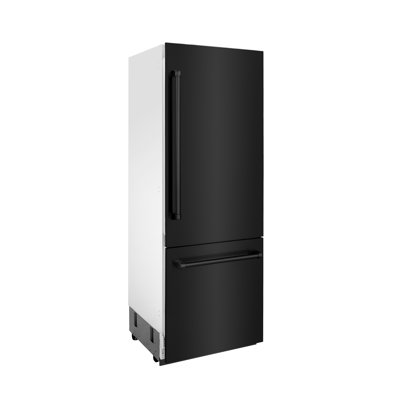
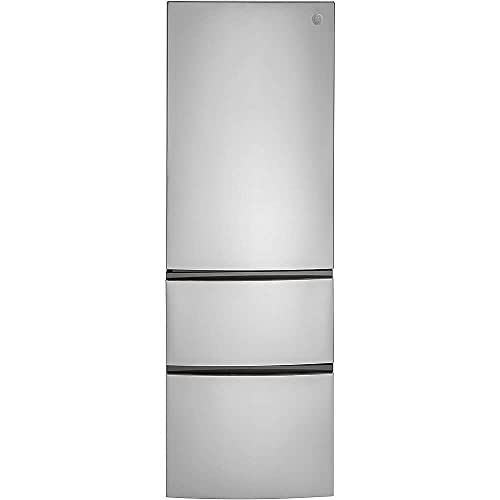
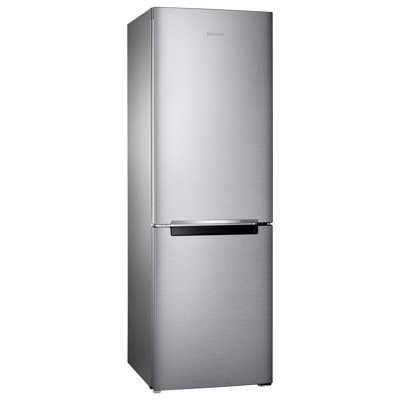
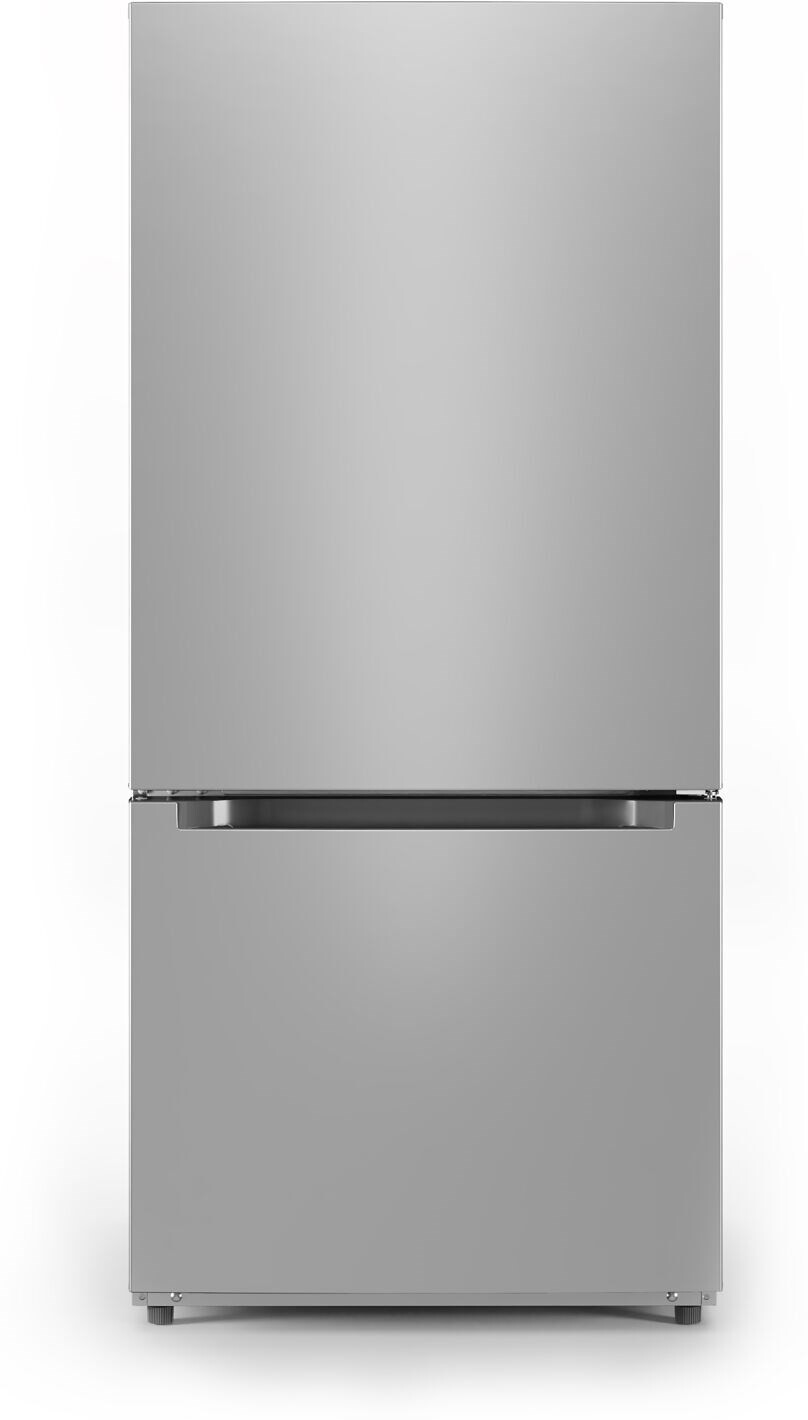
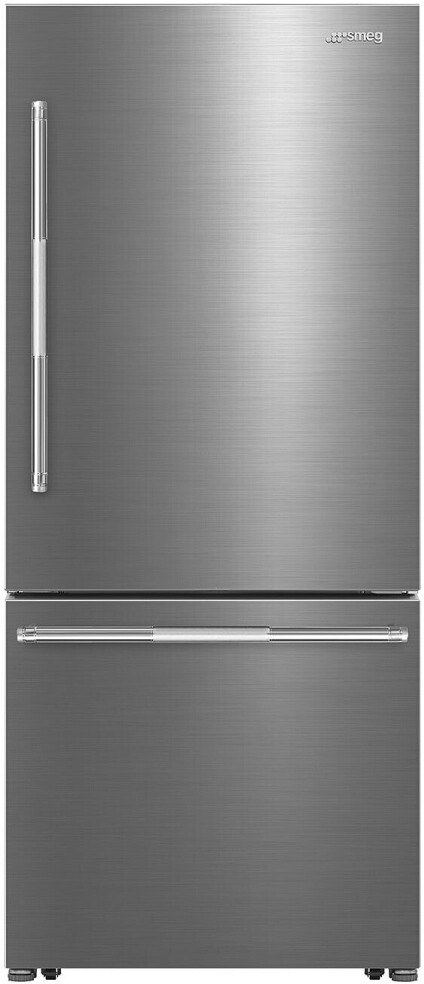
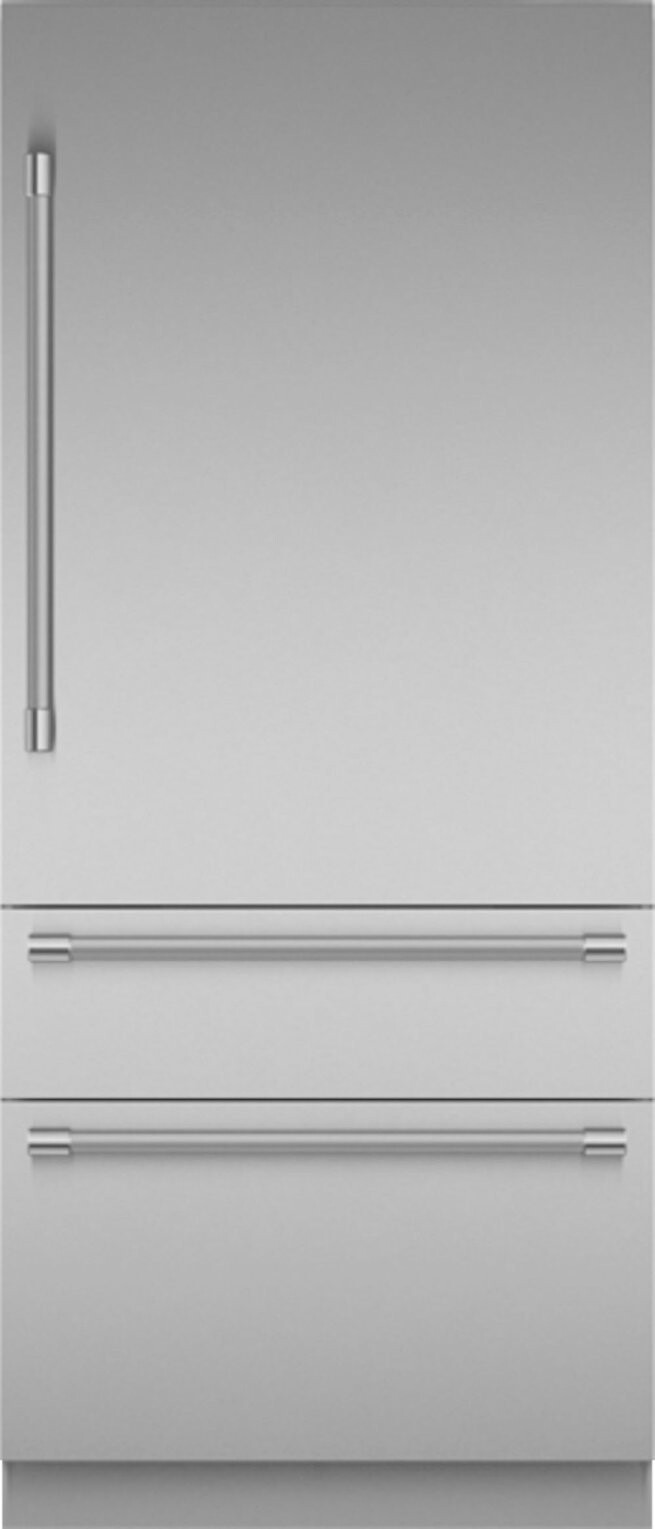
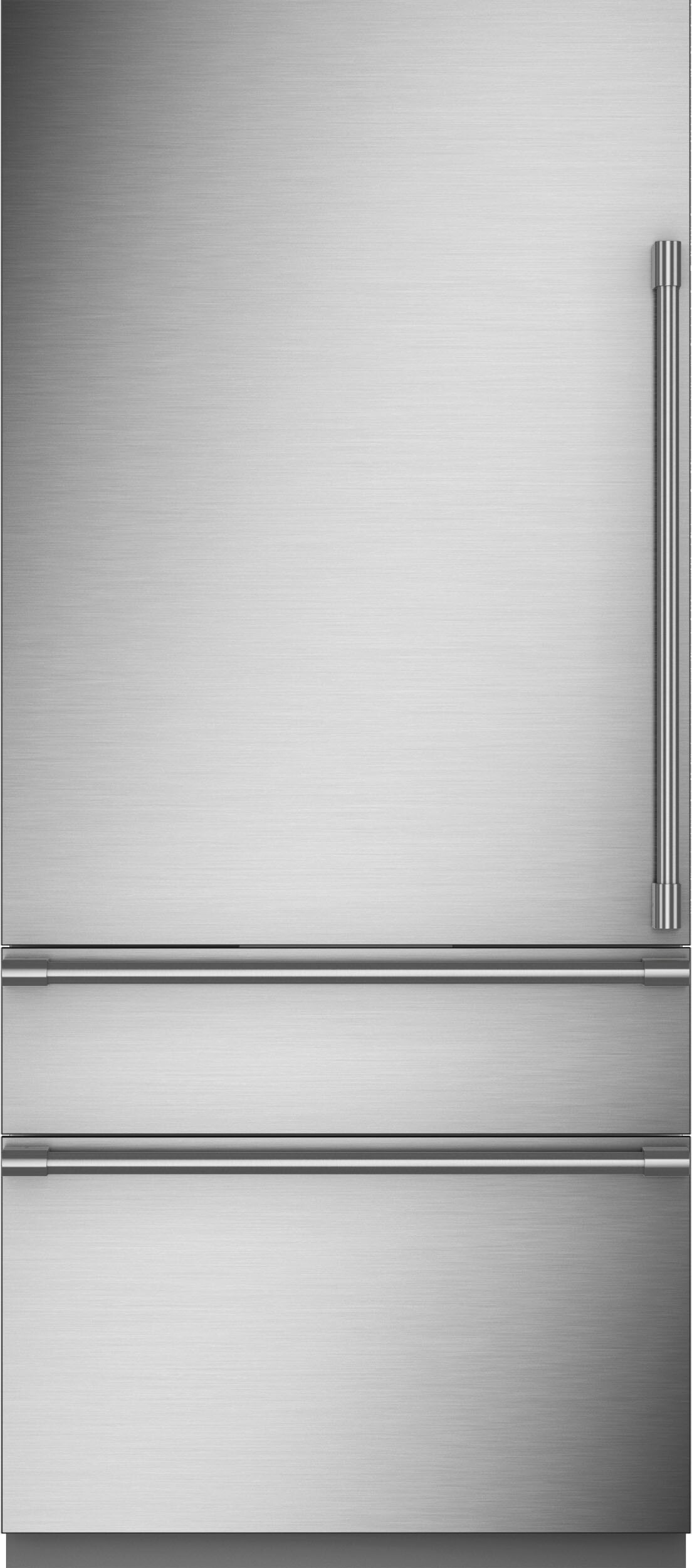
Bottom freezer refrigerators feature the freezer compartment situated below the refrigerator section. This design prioritizes easy access to the refrigerator compartment, which is used more frequently than the freezer by most people. With the freezer at the bottom, you no longer have to bend down to reach for fresh produce or daily essentials.
These units often come with pull-out drawers in the freezer section, making it more organized and easier to find frozen items. The refrigeration space at eye level allows for better visibility and less strain on your back when reaching for items. If you're considering a bottom freezer refrigerator, it's important to assess your kitchen's layout for proper door clearance and workflow. For other placement options, explore Fridge.com article on standard refrigerator size vs. undercounter freezer.
Fridge Freezers
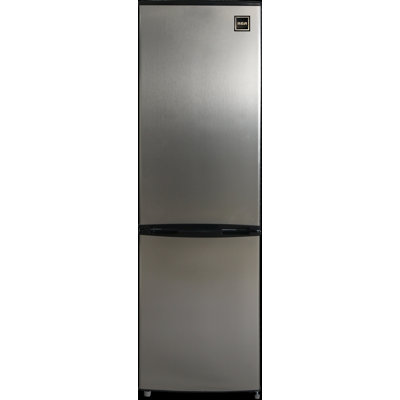
Fridge freezers, also known as top freezer refrigerators, have a more traditional design with the freezer compartment located above the refrigerator section. This type of refrigerator is often favored for its affordability and efficient use of vertical space. With the freezer on top, frozen goods are kept at eye level, which can be convenient if you use your freezer as much as your refrigerator.
This configuration may be more suitable for individuals who prefer a classic design and do not mind reaching or bending to access refrigerated items frequently. When considering a fridge freezer, take into account the ergonomics and how often you reach for frozen versus fresh foods. If you're interested in comparing different configurations, Fridge.com article on fridge freezer combo vs. undercounter refrigerator can offer additional insights.
In the quest to find the 'bottom freezer refrigerator vs. fridge freezer' that aligns with your lifestyle, it's essential to reflect on your daily habits, kitchen space, and storage preferences. Both types offer a range of features and benefits that can enhance your kitchen experience, so take the time to weigh your options carefully. Further comparisons between different types of refrigerators and freezers can be found in Fridge.com comprehensive guides, such as drawer refrigerator vs. retro fridge and compact freezer vs. mini fridge.
Layout and Design
Configuration of Bottom Freezer Refrigerators
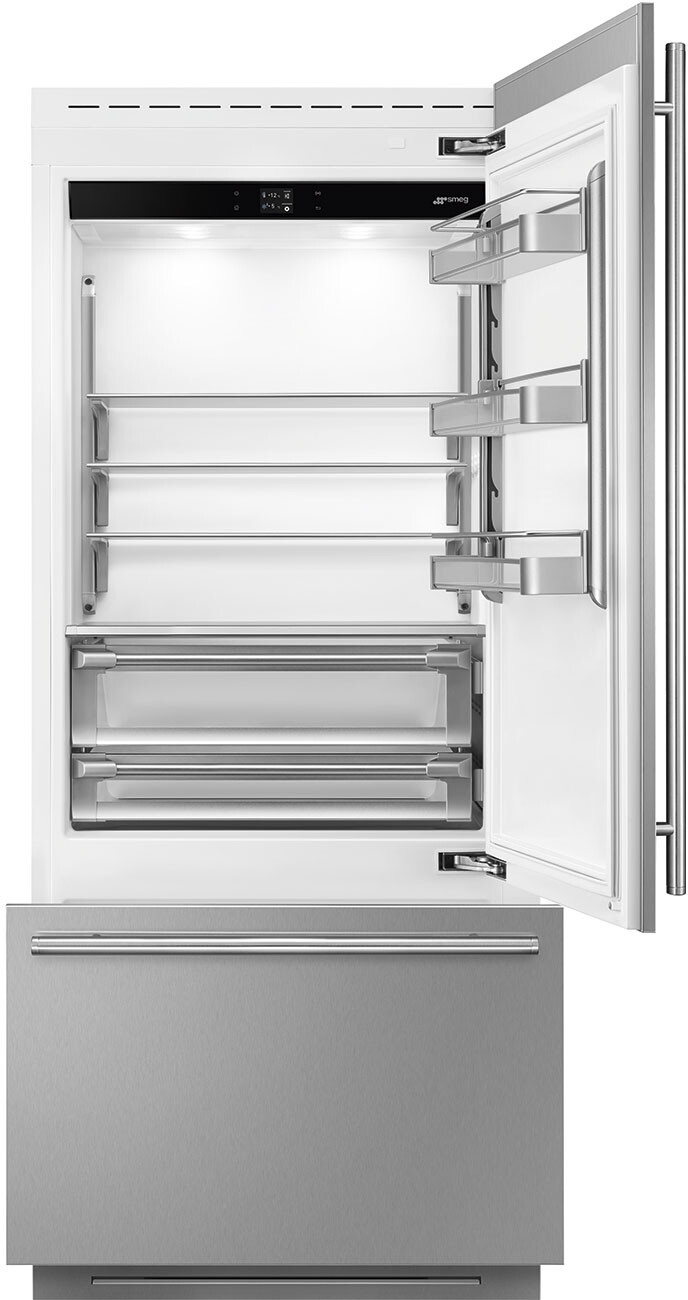
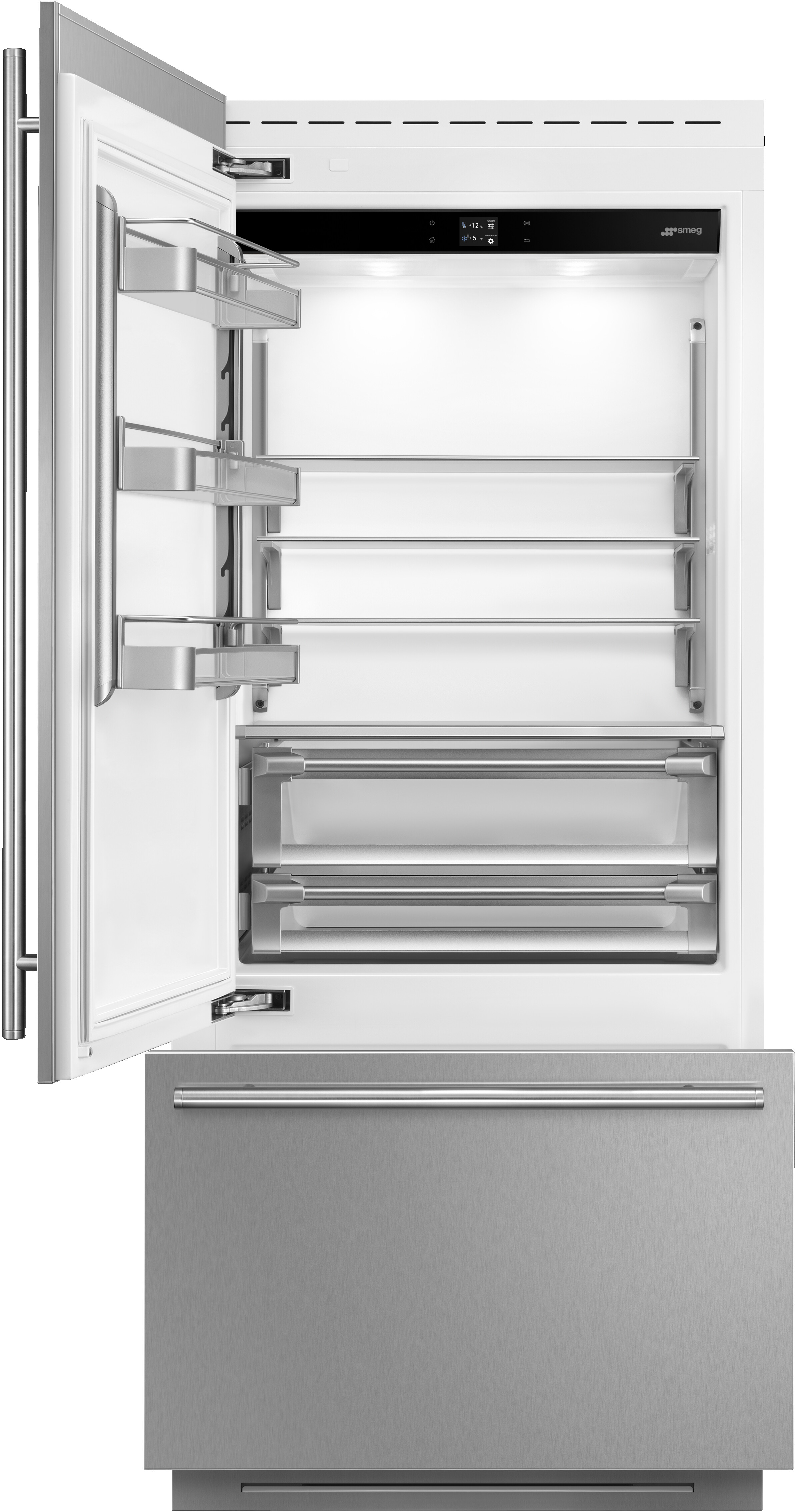
Bottom freezer refrigerators feature a lower compartment dedicated to frozen goods, with the refrigeration unit positioned above. This design prioritizes easy access to the refrigerator section, which is used more frequently, thereby reducing the need to bend down for fresh food items. The freezer compartment typically pulls out like a drawer or opens with a door.
Feature
Description
Refrigerator Position
At eye level for convenience
Freezer Position
Below the refrigerator section
Door Style
Single top refrigerator door, pull-out or swing-out freezer door
Shelf Arrangement
Adjustable, often includes spill-proof glass shelves
Bottom freezer refrigerators often provide a wider space in both compartments, which can be beneficial for storing larger items like pizza boxes or sheet cakes. This layout may be more suitable for individuals who prefer a tidy and organized refrigeration space. Enhance your understanding by exploring the differences between built in wine cooler vs. outdoor refrigerator and portable refrigerator vs. small chest freezer.
Configuration of Fridge Freezers
Fridge freezers, also known as top freezer refrigerators, have the freezer compartment situated above the refrigeration unit. This traditional design has been a staple in many households due to its familiarity and straightforward layout.
Feature
Description
Refrigerator Position
Below the freezer section
Freezer Position
At the top of the unit
Door Style
Separate doors for refrigerator and freezer
Shelf Arrangement
Fixed or adjustable, may include wire or glass shelves
The fridge freezer configuration is often more compact, which may be a better fit for smaller living spaces, such as apartments or condos. This design is generally a cost-effective option that provides sufficient storage for everyday refrigeration needs. For those interested in specialized storage options, you may consider comparing countertop freezer vs. see through refrigerator or counter depth refrigerator vs. shallow depth refrigerator.
When considering a new refrigerator, accessibility and convenience are significant factors that can influence your daily routine. In this section, you'll learn about the benefits of a bottom freezer refrigerator compared to a traditional fridge freezer, to help you decide which might better suit your lifestyle.
Benefits of a Bottom Freezer Refrigerator
Bottom freezer refrigerators place the freezer section at a lower level, with the refrigerated compartment stacked on top. This design offers several advantages:
Easy Access to Refrigerator: Since the refrigerator compartment is at eye level, you don’t have to bend down frequently to reach for commonly used items.
Larger Freezer Space: Bottom freezers typically provide more space, making it easier to store bulky items and organize your frozen goods.
Ergonomic Design: Retrieving heavy items from the freezer is less straining on the back, as you can slide them out rather than lifting them up.
Variety of Layouts: Many bottom freezer models come with drawer designs, allowing for better categorization and access to different types of frozen foods.
This design can be particularly beneficial if you are someone who uses the refrigerator more often than the freezer. It's a practical choice for families, those who cook with fresh produce frequently, and individuals with mobility issues.
Benefits of a Fridge Freezer
Fridge freezers, often referred to as top freezer refrigerators, have the freezer compartment situated above the refrigerated section. Here are the conveniences they offer:
Cost-Effectiveness: Fridge freezers are generally more affordable and offer a variety of budget-friendly options.
Energy Efficiency: They are typically more energy-efficient than their bottom freezer counterparts, which may lead to lower utility bills.
Space-Saving Design: The compact nature makes them suitable for smaller kitchens, apartments, and areas with limited space.
Convenience for Frozen Food Lovers: If you frequently reach for frozen goods, having the freezer at eye level can be more convenient.
Choosing between a bottom freezer refrigerator and a fridge freezer can be influenced by personal preferences, kitchen layout, and your specific needs. Consider how often you use the freezer, your physical comfort, and the importance of energy conservation in your decision.
For more insights on various types of refrigeration and their benefits, you might find Fridge.com comparisons like built in wine cooler vs. outdoor refrigerator and portable refrigerator vs. small chest freezer helpful in making an informed choice.
When selecting a refrigerator, how you plan to store and organize your food is a critical factor. Both bottom freezer refrigerators and fridge freezers offer unique features that cater to different storage needs and preferences.
Interior Features of Bottom Freezer Refrigerators
Bottom freezer refrigerators are designed with a freezer compartment situated below the refrigerator section. This setup prioritizes refrigerated items, placing them at eye level and within easy reach. Here are some common organizational features you might find in bottom freezer models:
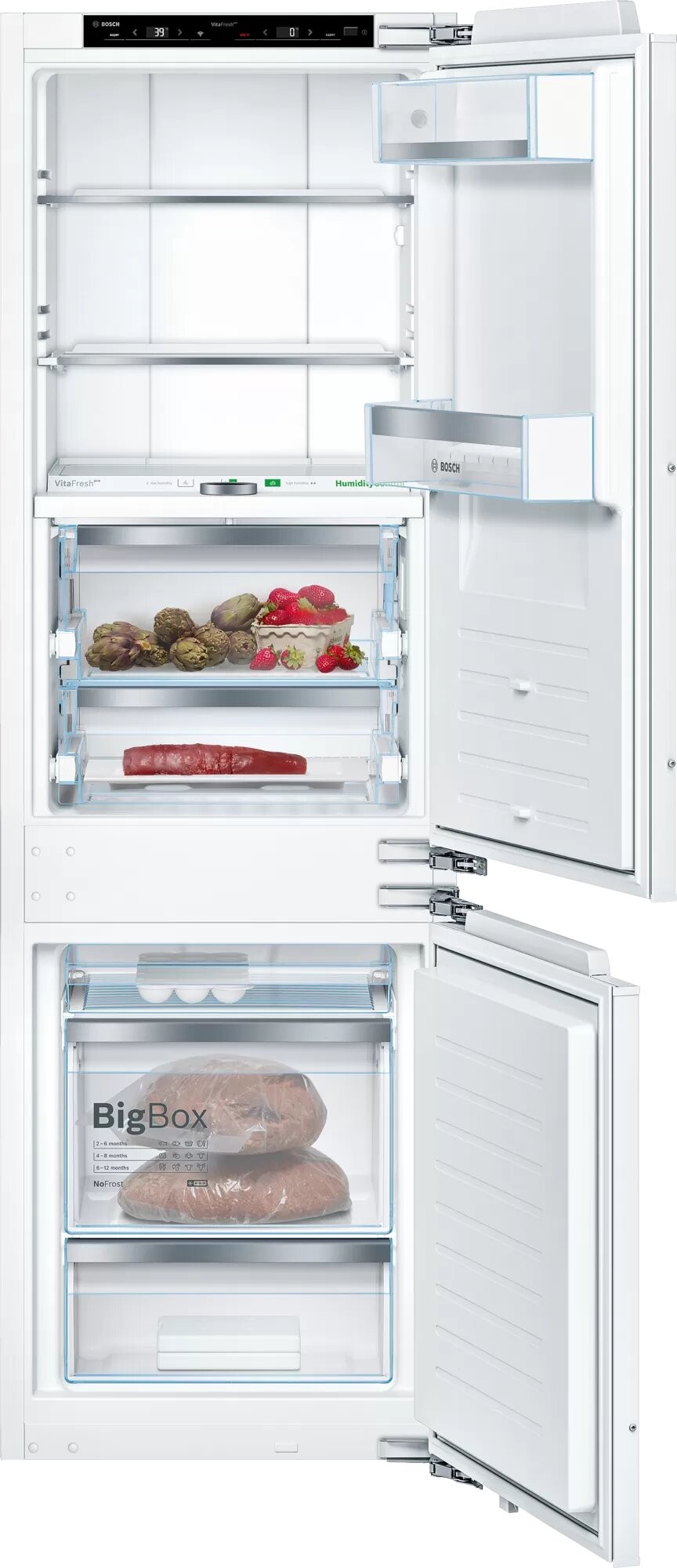
Pull-out Drawers: Many bottom freezer refrigerators are equipped with drawers that slide out for easy access to frozen items.
Adjustable Shelving: The refrigerator compartment often includes adjustable glass shelves, allowing you to customize the interior layout to suit your storage needs.
Door Bins: These bins can typically hold larger containers such as milk jugs, freeing up shelf space for other items.
To help you compare different models and their storage capacities, consider the following table:
Fridge freezers, often known as top freezer refrigerators, feature a freezer compartment above the refrigerator section. This traditional design is familiar to many and provides a balance between refrigerated and frozen storage. Notable features include:
Shelf Dividers: These help to segregate different types of frozen foods in the upper freezer compartment.
Crisper Drawers: Located in the refrigerator section, crispers are designed to store fruits and vegetables in an environment that maintains their freshness.
In-door Storage: These compartments are ideal for storing condiments, butter, and smaller items for quick access.
Here's a simple table to illustrate common features of fridge freezers:
Feature
Fridge Freezer
Shelf Dividers
Often included
Crisper Drawers
Yes
In-door Storage
Varied sizes available
Understanding the storage and organization options available in each type of refrigerator can help you decide which is the best fit for your lifestyle and food habits. Whether you prefer a bottom freezer refrigerator or a fridge freezer, both can be efficient in their own ways. For further insights on refrigeration solutions, explore Fridge.com comparisons, such as built in wine cooler vs. outdoor refrigerator or portable refrigerator vs. small chest freezer.
When choosing between a bottom freezer refrigerator and a fridge freezer, energy efficiency is a key factor that can impact your utility bills and environmental footprint. Understanding the energy consumption of these appliances can help you make an informed decision that aligns with your household needs and sustainability goals.
Energy Efficiency of Bottom Freezer Refrigerators
Bottom freezer refrigerators are designed with the freezer compartment at the bottom and the refrigerator section on top. This configuration can contribute to better energy efficiency for several reasons. First, since the refrigerator compartment is accessed more frequently than the freezer, having it at eye level reduces the amount of cold air that escapes when the door is opened. Cold air sinks, so the freezer at the bottom is naturally better insulated.
Additionally, many bottom freezer models come with features such as energy-saving modes, improved insulation, and more precise temperature controls that can further enhance their efficiency. The table below shows average energy consumption for bottom freezer refrigerators:
Size (Cubic Feet)
Average Annual Energy Consumption (kWh)
18-22
450-550
23-25
550-650
26-28
650-750
Remember to look for the ENERGY STAR label when shopping for a bottom freezer refrigerator, as this indicates the appliance meets or exceeds federal guidelines for energy efficiency.
Energy Efficiency of Fridge Freezers
Fridge freezers, or top freezer refrigerators, feature the freezer compartment above the refrigerator. This traditional layout can also be energy efficient, as the cold air from the freezer naturally cools the refrigerator compartment below, requiring less energy to maintain the desired temperature.
While fridge freezers generally consume less energy than their bottom freezer counterparts due to their simpler design, the actual efficiency can vary based on the model, size, and features. Here's a table presenting the average energy consumption for fridge freezers:
Size (Cubic Feet)
Average Annual Energy Consumption (kWh)
18-22
400-500
23-25
500-600
26-28
600-700
To maximize energy savings with a fridge freezer, consider models with adjustable temperature controls, energy-saving modes, and good insulation. ENERGY STAR certified models are also a great choice for reducing energy consumption.
In conclusion, both bottom freezer refrigerators and fridge freezers have their own energy efficiency advantages. Your final choice will depend on your personal preferences, kitchen layout, and the specific features you value most. For more comparisons and considerations, you may find it useful to explore articles such as apartment size refrigerator vs. energy efficient refrigerator or counter depth refrigerator vs. shallow depth refrigerator to help guide your decision.
Installation and Placement
The installation and placement of your refrigerator are just as important as choosing the right type. Whether you're deciding on a bottom freezer refrigerator or a traditional fridge freezer, there are several considerations to keep in mind to ensure that the appliance fits well in your space and operates efficiently.
Considerations for Installing a Bottom Freezer Refrigerator
When installing a bottom freezer refrigerator, consider the following:
Space Requirements: Bottom freezer refrigerators may require more floor space due to their wider doors. Ensure that there is enough room to fully open the refrigerator and freezer compartments.
Door Swing: The direction in which the door swings open is crucial. Check for any obstructions that may hinder the door's movement and consider the flow of kitchen traffic.
Ergonomics: Since the refrigerator section is at eye level, you'll want to ensure that the placement of the unit makes it easy to reach and view your refrigerated items without stooping.
Ventilation: Proper ventilation is required for optimal performance. Leave a gap of at least one inch on all sides of the refrigerator for adequate air circulation.
Floor Leveling: Bottom freezer refrigerators need to be level for the doors to seal properly. Most units come with adjustable feet to help achieve this balance.
Accessibility: Consider the accessibility of the freezer compartment, especially if you frequently use frozen goods. The drawer-style freezer should be easy to slide out and access.
Considerations for Installing a Fridge Freezer
For a traditional fridge freezer, keep in mind these factors:
Vertical Space: Since fridge freezers often have a more compact footprint, they may fit better in kitchens with limited horizontal space but sufficient vertical room.
Freezer Access: With the freezer located at the top, ensure that it is reachable without difficulty. This may not be the ideal choice for those who have trouble reaching high places.
Door Clearance: Similar to bottom freezer models, check the clearance for the door swing and ensure it doesn't block walkways when open.
Installation Height: Some fridge freezers can be installed on top of or underneath countertops, depending on the design. Verify the height requirements and restrictions for built-in options.
Utility Connections: Ensure that electrical outlets and water lines (if you're installing a model with an ice maker or water dispenser) are in close proximity and easily accessible.
Both refrigerator types require careful consideration of space, layout, and functionality. It's also important to review the manufacturer's installation guide for specific requirements and instructions. If you're interested in exploring other refrigeration options, check out Fridge.com comparisons such as built in wine cooler vs. outdoor refrigerator and portable refrigerator vs. small chest freezer to find the perfect match for your space and lifestyle.
Cleaning and Maintenance Tips for Bottom Freezer Refrigerators
Maintaining a bottom freezer refrigerator involves a few key steps to ensure it runs efficiently and stays clean:
Defrosting: While many models come with frost-free technology, if manual defrosting is needed, ensure to power off the refrigerator and remove all items before starting the process.
Cleaning the Interior: Use a solution of warm water and mild soap to wipe down the interior walls. Avoid harsh chemicals that could damage surfaces.
Replacing Filters: If your refrigerator has a built-in water dispenser or ice maker, replace the water filter according to the manufacturer's recommendations.
Seals and Gaskets: Check the door seals for any food particles that might cause air leaks and clean them with soapy water. Inspect for wear and tear to maintain proper insulation.
Coils and Condenser: Vacuum the condenser coils at the back or bottom of the refrigerator to remove dust and improve efficiency.
Freezer Baskets and Drawers: Remove and wash all removable components with soapy water.
Regular maintenance can improve your refrigerator's performance and longevity. For more on the differences between various refrigerator configurations, visit Fridge.com comparison on bottom freezer refrigerator vs. fridge freezer.
Cleaning and Maintenance Tips for Fridge Freezers
Fridge freezers, with the freezer section located at the top, also require regular maintenance:
Defrosting: If your fridge freezer isn't frost-free, schedule regular defrosting to prevent ice buildup.
Interior Cleaning: Use a gentle cleaner to wipe down the shelves and walls. Baking soda can help to neutralize odors.
Door Seals: Clean the door seals with a damp cloth to ensure they are free from debris and check for any signs of damage.
Ventilation: Ensure there's enough space around your fridge freezer for air to circulate. This helps the appliance to cool more efficiently.
Coil Maintenance: Dust off the condenser coils every few months to keep your fridge freezer running smoothly.
Organize Contents: Keep the freezer well-organized to prevent door openings from being prolonged, which can lead to increased energy use and frost accumulation.
By following these tips, you can help extend the life of your fridge freezer and improve its efficiency. Explore related topics, such as portable refrigerator vs. small chest freezer and counter depth refrigerator vs. shallow depth refrigerator, to make informed decisions about your refrigeration needs.
Final Considerations
When you're evaluating the choice between a bottom freezer refrigerator and a fridge freezer, there are several factors to consider. This decision will influence your daily routine, kitchen layout, and even your budget.
Making the Right Choice for Your Needs
Choosing between a bottom freezer refrigerator and a fridge freezer should align with your lifestyle and preferences. Consider your kitchen's space, your shopping and cooking habits, as well as how often you use frozen goods versus fresh produce. If you find yourself reaching for fresh fruits and vegetables more frequently, a bottom freezer refrigerator might be more convenient, keeping refrigerated goods at eye level.
Conversely, if your diet includes more frozen foods or you prefer to buy in bulk and freeze for later, a fridge freezer with a more accessible freezer compartment might suit your needs better. Take a moment to think about your daily interactions with your refrigerator and which configuration would streamline your kitchen activities.
Factors to Consider Before Making a Purchase
Before making your purchase, carefully weigh the following factors to ensure you're selecting the best refrigerator for your home:
Space and Layout: Measure your kitchen space to determine which refrigerator size and door swing will fit without obstructing areas of your kitchen. Some links that may help include standard refrigerator size vs. undercounter freezer and apartment size refrigerator vs. energy efficient refrigerator.
Budget: Refrigerators come in a wide range of prices. Assess your budget to find a balance between the features you want and what you can afford.
Energy Consumption: Look for energy-efficient models to save on electricity bills and reduce your environmental footprint. Comparisons like energy efficient refrigerator can guide you.
Usage Habits: Consider how often and how much you cook, as this will impact the size and type of refrigerator you need. For instance, chest refrigerator vs. fridge freezer combo might offer insights.
Maintenance: Research the maintenance and cleaning requirements for each type. Fridge.com articles on cleaning and maintenance, like cleaning and maintenance tips for bottom freezer refrigerators, will provide valuable information.
Features: Decide which features are a must-have for you, such as ice makers, water dispensers, or smart technology. Compare features with articles like ice maker vs. outdoor fridge.
By taking the time to assess these factors and how they relate to your personal needs and kitchen space, you'll be well-equipped to make an informed decision that will serve you well for years to come. Remember, the right refrigerator can make a significant difference in your daily life, influencing both your diet and the functionality of your kitchen.
Compare prices on Fridge.com
Compare current prices and specifications on Fridge.com, then buy from the retailer you choose; delivery, installation and warranty terms are the retailer’s.
It also has tons of awesome articles about kitchen stuff and home news. Enhance your home, garage, backyard, patio, and office with the coolest essentials. With every necessary type of residentialrefrigeratoror freezer in the collection, you're covered.
From Fridge.com research
Figures below come from data Fridge.com builds and maintains. Each links to the record behind it.
Fridge.com Energy Index, built on U.S. EPA and DOE ENERGY STAR records
Across 1,658 ENERGY STAR certified bottom freezer models, median use is 556 kWh per year — 10% better than the federal standard.