For more detailed troubleshooting tips, you can refer to Fridge.com article on best fridge warranty for more information on how to handle these issues.
They can help you stay organized and ensure that you always have enough room for leftovers, meal prep, and bulk purchases.
Larger capacities are ideal for families and those who prefer to shop in bulk.
A large refrigerator can be a valuable addition to your home, especially if you entertain guests frequently, have a large family, or simply love to cook and store food. The biggest refrigerators provide ample space for all your food storage needs, from fresh produce to frozen items. They can help you stay organized and ensure that you always have enough room for leftovers, meal prep, and bulk purchases.
Having the biggest refrigerator can also be advantageous if you host large gatherings or celebrations. With more storage space, you can keep a variety of foods and beverages chilled and ready to serve. Additionally, these refrigerators often come with advanced features that enhance their functionality, making your life easier and more convenient.
Factors to Consider Before Purchasing
When selecting the biggest refrigerator, there are several factors to keep in mind to ensure you make the right choice for your needs. Here are some key considerations:
Space Availability: Measure the area where you plan to place the refrigerator to ensure it fits comfortably. Consider the door swing and any obstacles that might interfere with opening and closing the doors.
Capacity Requirements: Determine how much storage space you need based on your lifestyle and family size. Larger capacities are ideal for families and those who prefer to shop in bulk.
Energy Efficiency: Look for refrigerators with energy-efficient features to reduce electricity consumption and save on utility bills. Energy Star-rated models are a good starting point.
Temperature Control: Opt for a refrigerator with precise temperature control to keep your food fresh for longer. Adjustable settings allow you to customize the temperature according to your needs.
Shelving and Compartments: Consider the interior layout, including the number and type of shelves, drawers, and compartments. Adjustable shelves and specialized storage options can help you organize your food more effectively.
Ice and Water Dispenser: Decide if you need an ice and water dispenser. These features add convenience but may take up additional space within the refrigerator.
Feature
Consideration
Space Availability
Measure dimensions and door swing
Capacity Requirements
Assess based on family size and lifestyle
Temperature Control
Choose models with adjustable settings
Shelving and Compartments
Evaluate interior layout and storage options
Ice and Water Dispenser
Decide based on convenience needs
By keeping these factors in mind, you can find the biggest refrigerator that perfectly suits your requirements. For more information on different types of refrigerators and their features, explore Fridge.com articles on big fridges for home and best high end fridge.
When looking for the biggest refrigerator that fits your needs, it's essential to understand the different types available. Each type offers unique features, storage capacities, and benefits. Here, Fridge.com explores four popular types of large refrigerators: side-by-side, French door, bottom freezer, and top freezer refrigerators.
Side-by-Side Refrigerators
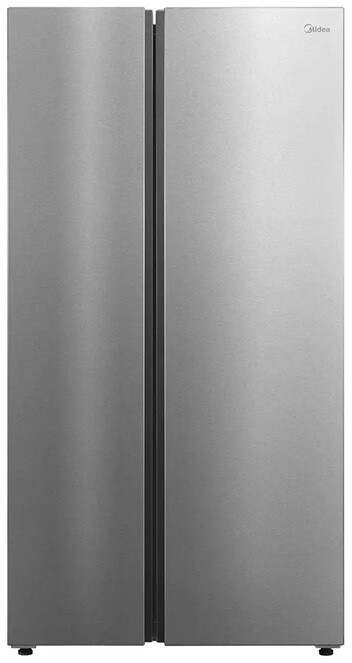
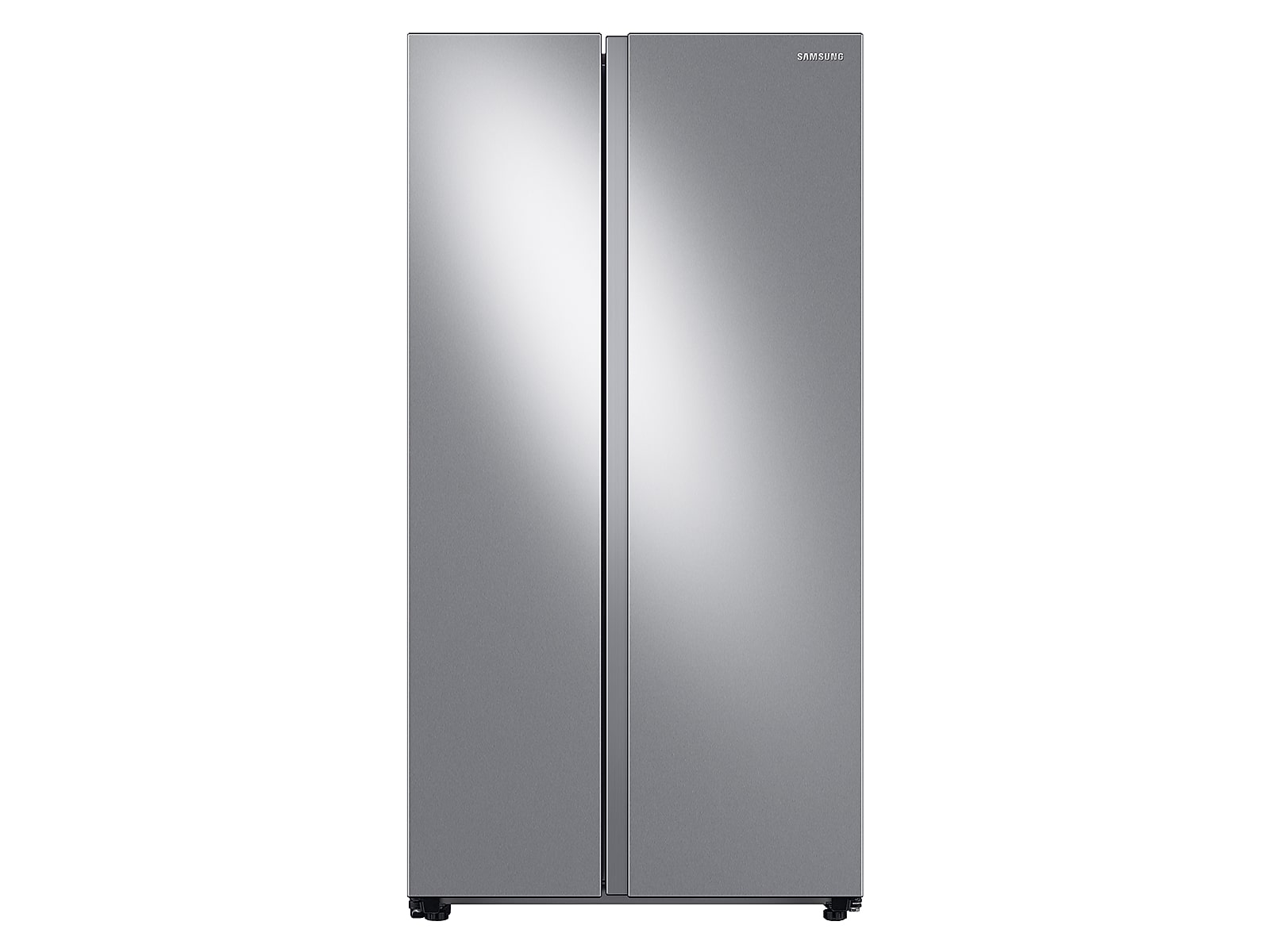
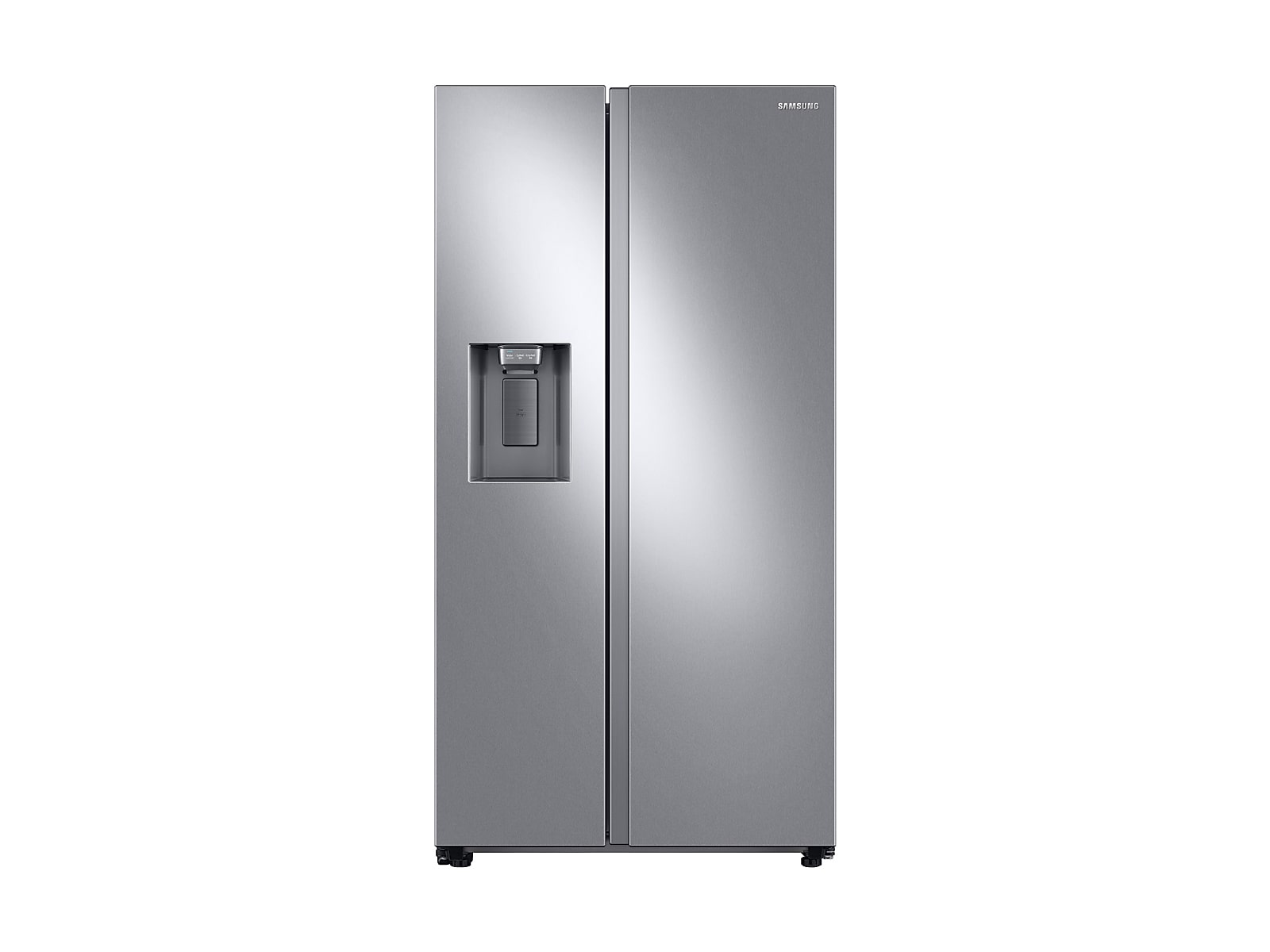
Side-by-side refrigerators feature two vertical compartments, with the freezer on one side and the refrigerator on the other. This design provides easy access to both fresh and frozen foods without bending down.
Advantages:
Equal access to both fridge and freezer sections.
Often include features like ice and water dispensers.
More shelving options for better organization.
Disadvantages:
Narrow compartments may limit storage for wide items.
Typically less energy-efficient compared to other types.
Feature
Details
Capacity
20 - 30 cubic feet
Width Range
30 - 36 inches
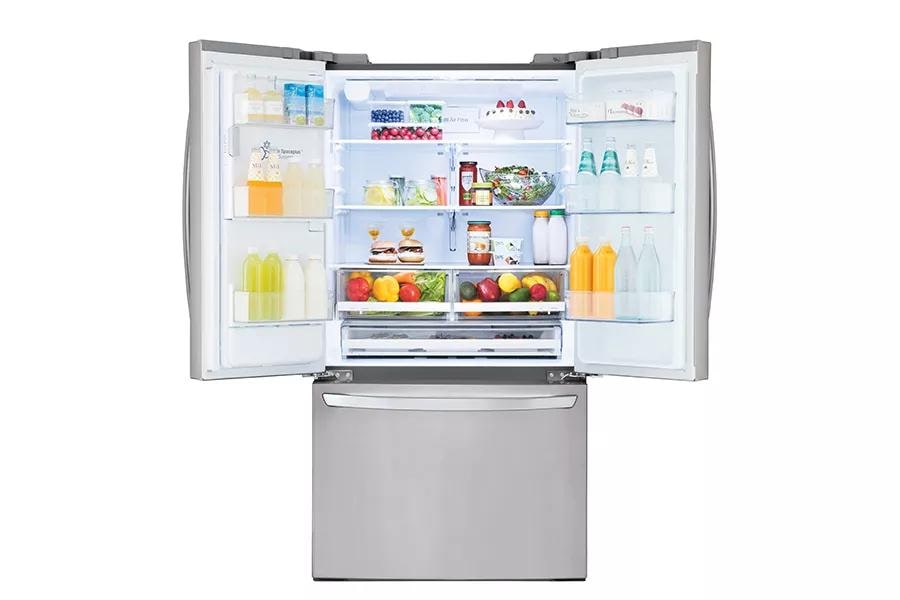
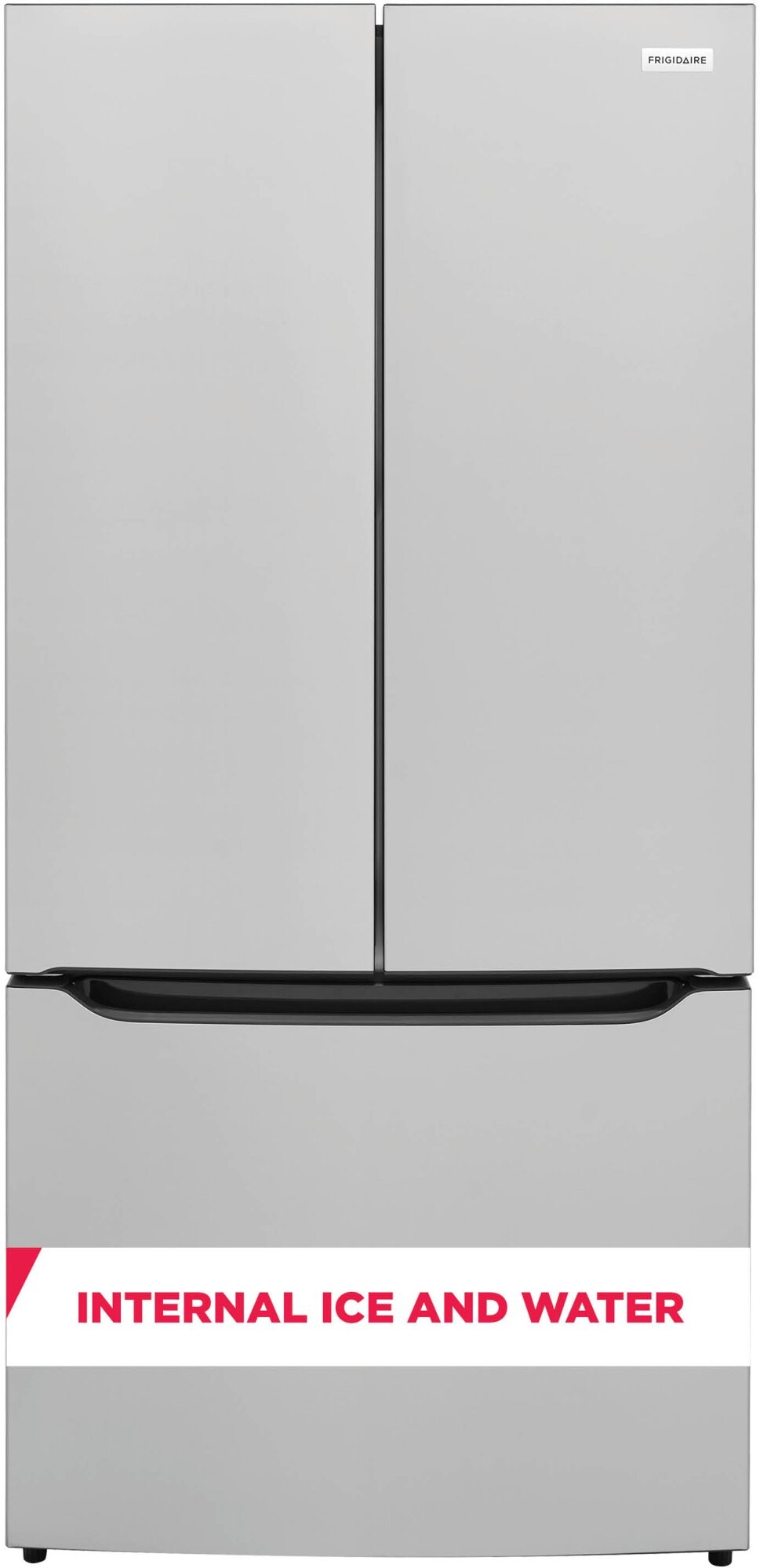
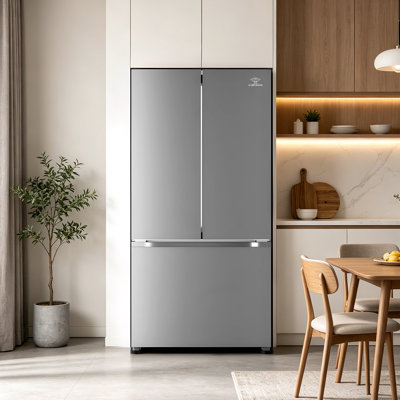
French Door Refrigerators
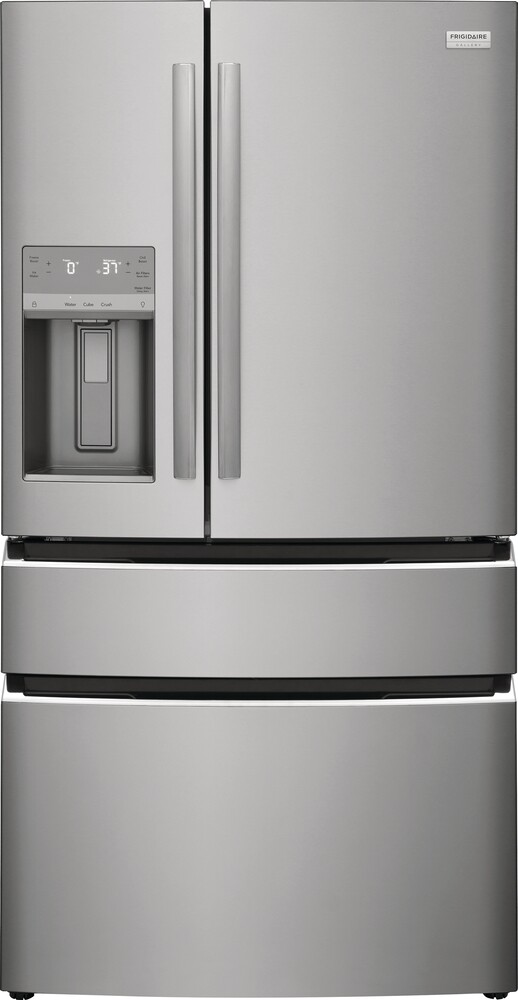
French door refrigerators combine the benefits of a side-by-side refrigerator and a bottom freezer. They feature two doors that open to a single refrigerator compartment on top and a pull-out freezer drawer at the bottom.
Advantages:
Wide shelves for storing large items.
Energy-efficient due to the smaller doors.
Often come with advanced features like smart technology.
Disadvantages:
More expensive than other types.
Requires more space for door clearance.
Feature
Details
Capacity
20 - 32 cubic feet
Width Range
30 - 36 inches
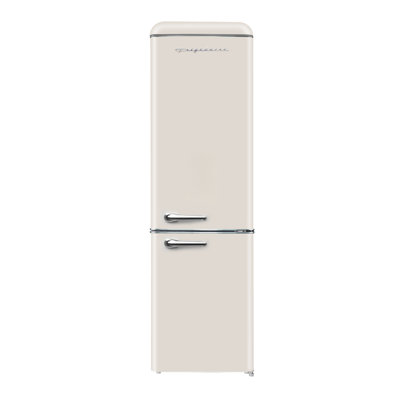
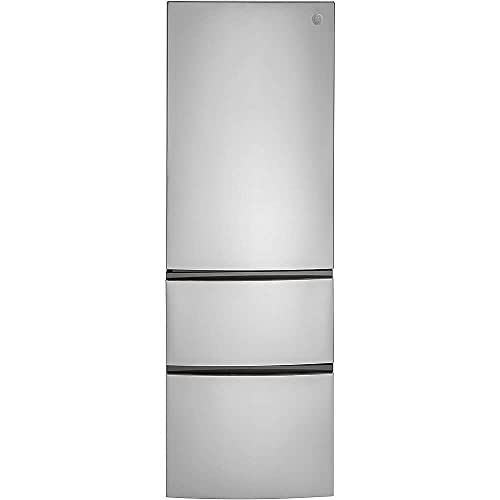
Bottom Freezer Refrigerators
Bottom freezer refrigerators have the refrigerator compartment on top and the freezer at the bottom. This design makes it easier to access fresh foods, as they are at eye level.
Advantages:
Convenient access to fresh food.
Larger freezer compartment.
Often more energy-efficient.
Disadvantages:
Bending required to access the freezer.
Fewer options for built-in ice and water dispensers.
Feature
Details
Capacity
18 - 30 cubic feet
Width Range
29 - 36 inches
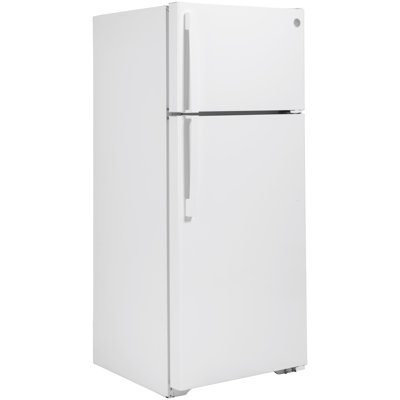
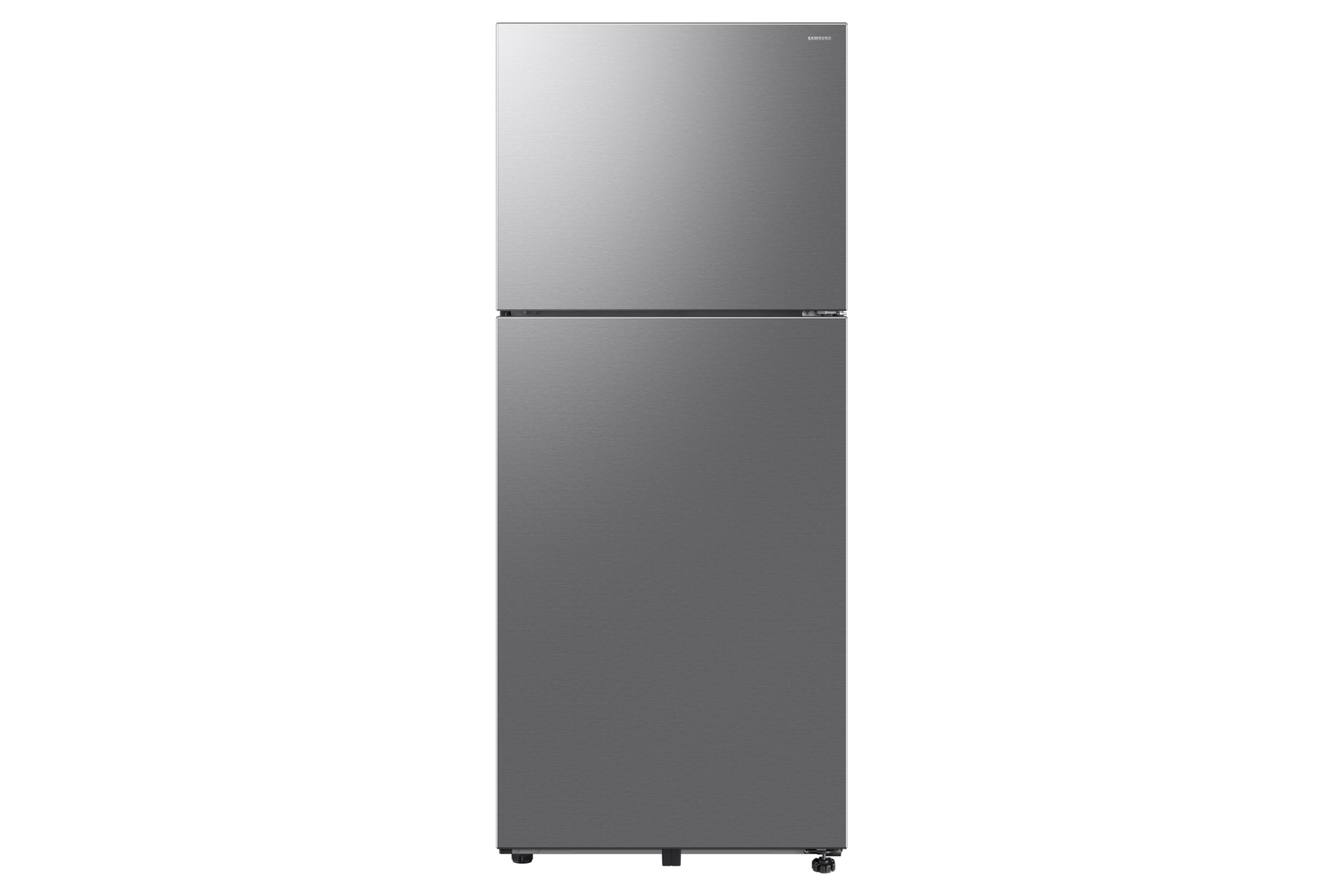
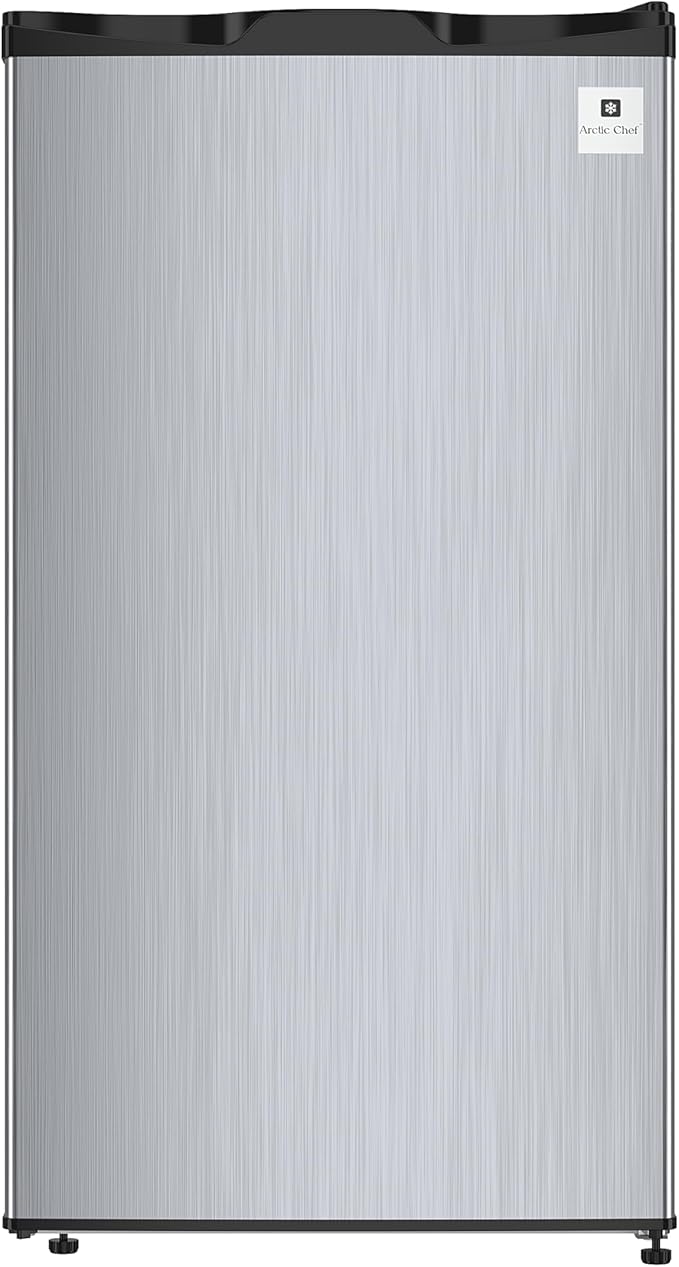
Top Freezer Refrigerators
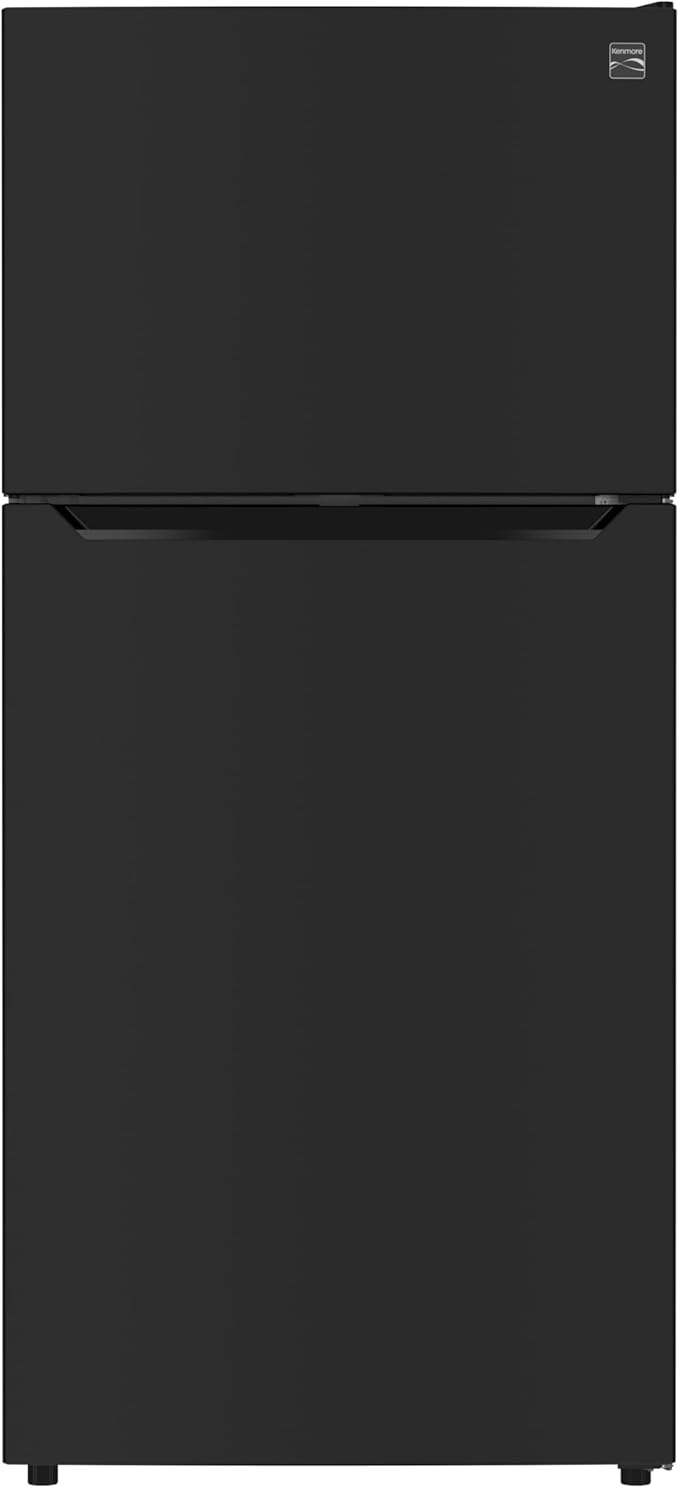
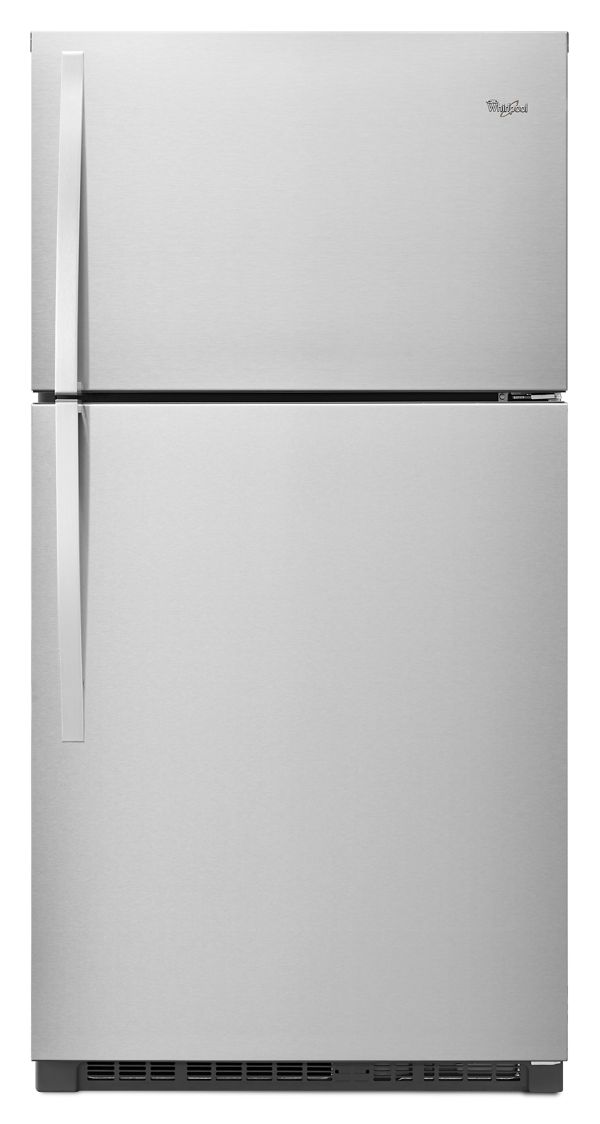
Top freezer refrigerators feature a freezer compartment on top and a refrigerator compartment below. This traditional design remains popular due to its simplicity and cost-effectiveness.
Advantages:
Generally more affordable.
Simple design with fewer components to maintain.
Often more energy-efficient.
Disadvantages:
Less convenient access to fresh food.
Limited advanced features.
Feature
Details
Capacity
14 - 25 cubic feet
Width Range
28 - 34 inches
Choosing the right type of large refrigerator depends on your specific needs and kitchen layout. Whether you prioritize convenience, capacity, or energy efficiency, there are options to suit every preference. For more information on refrigerator features and best practices, explore Fridge.com articles on best high end fridge and best fridge warranty.
When considering the biggest refrigerator for your needs, it's essential to balance capacity and space effectively.
Determining the Right Size for Your Needs
Understanding your storage requirements is crucial when choosing a large refrigerator. The right size depends on various factors such as the number of household members, the type of food you store, and your lifestyle.
Household Size
Recommended Refrigerator Capacity
1-2 people
18-22 cubic feet
3-4 people
22-26 cubic feet
5+ people
26+ cubic feet
For those who frequently entertain guests or have larger families, a higher capacity is beneficial. Additionally, consider your culinary habits. If you enjoy preparing meals in bulk or storing seasonal produce, a spacious fridge can accommodate your needs more effectively.
Balancing Capacity and Space
While a large refrigerator offers ample storage, it's important to ensure it fits comfortably within your kitchen layout. Here are a few considerations:
Kitchen Layout: Measure the available space in your kitchen. Ensure there’s enough clearance for the refrigerator doors to open fully without obstructing pathways or cabinets.
Ventilation: Adequate ventilation is essential for optimal performance. Ensure there’s enough space around the refrigerator for air circulation.
Accessibility: Consider how easily you can access items stored in the fridge. A well-organized interior with adjustable shelves and compartments can enhance accessibility.
When evaluating the balance between capacity and space, think about additional storage solutions. For instance, a separate best compact freezer or best upright freezer can complement your main refrigerator, providing extra storage without compromising kitchen space.
Balancing your storage needs with available space ensures you choose the best refrigerator to suit your lifestyle while maintaining an organized and efficient kitchen environment. For further insights on selecting the right refrigerator, explore Fridge.com articles on big fridges for home and best high end fridge.
When shopping for the biggest refrigerator, several key features can enhance the functionality and convenience of your appliance. Here’s what to consider:
Energy Efficiency
Energy efficiency is a crucial factor in selecting a large refrigerator. Look for models with high Energy Star ratings, which indicate lower energy consumption and reduced utility bills. Energy-efficient fridges not only save money but also help in reducing the environmental footprint.
Feature
Benefit
LED Lighting
Efficient and long-lasting illumination
Inverter Compressor
Consistent temperature control and energy savings
Temperature Control
Precise temperature control ensures your food stays fresh longer. Modern refrigerators come with advanced temperature control features, allowing you to set different temperatures for various compartments.
Feature
Benefit
Digital Thermostat
Accurate temperature settings
Multi-Zone Cooling
Different temperatures for different sections
Smart Cooling
Automatic adjustments based on usage
For optimal temperature settings, refer to Fridge.com guide on the best temp for fridge.
Shelving and Compartments
The organization within a refrigerator can significantly impact its usability. Adjustable shelves and a variety of compartments allow for better organization and efficient use of space.
Feature
Benefit
Adjustable Shelves
Customizable storage space
Pull-Out Drawers
Easy access to items
Door Bins
Convenient storage for smaller items
For more on organizing your fridge, you might find Fridge.com article on best freezer storage helpful.
Ice and Water Dispenser Options
Ice and water dispensers add convenience and functionality to your refrigerator. Consider models with built-in dispensers that offer filtered water and various ice options.
Feature
Benefit
Built-In Ice Maker
Constant supply of ice
Water Dispenser
Easy access to filtered water
Ice Options
Crushed, cubed, or nugget ice
For more on ice-making capabilities, refer to Fridge.com discussion on the best rated ice maker.
By considering these features, you can ensure that your biggest refrigerator not only meets your storage needs but also provides maximum efficiency and convenience. For more refrigerator options and features, explore related articles on big fridges for home and best high end fridge.
Placement and Installation Considerations
When it comes to installing the biggest refrigerator, proper placement and installation are key to ensuring efficiency and convenience. Here are several crucial factors to consider.
Measuring Your Space
Before purchasing your biggest refrigerator, it is essential to measure the space where it will be placed. This includes not only the width, height, and depth but also the clearance needed for doors to open fully.
Measurement
Description
Width
Measure the width of the space from one side to the other.
Height
Measure the height from the floor to the bottom of any overhead cabinets.
Depth
Measure the depth from the back wall to the front edge of the counter or nearby objects.
Door Clearance
Ensure there is enough space for doors to open without hitting surrounding furniture or walls.
Ventilation Requirements
Adequate ventilation is crucial for the efficient operation of your refrigerator. Without proper airflow, the appliance can overheat, leading to inefficient cooling and potential damage.
Ventilation Area
Recommended Space
Top
At least 1 inch of space above the refrigerator.
Sides
At least 1/2 inch of space on both sides.
Back
At least 1 inch of space behind the refrigerator.
Ensuring these clearances allows for proper airflow and helps maintain the optimal performance of your refrigerator.
Accessibility and Convenience Factors
Accessibility and convenience play a significant role in the placement of your biggest refrigerator. Consider the following factors to ensure ease of use:
Proximity to Cooking Area: Place the refrigerator near the cooking area for easy access to ingredients while preparing meals.
Accessibility for All Family Members: Ensure that all family members can easily reach the refrigerator, including children and elderly individuals.
Door Swing Direction: Check the direction in which the doors open to ensure they do not obstruct pathways or other appliances.
Lighting: Adequate lighting around the refrigerator area can enhance visibility and ease of use, especially in dimly lit kitchens.
By considering these factors, you can ensure that your biggest refrigerator is conveniently placed and easily accessible for daily use. For more tips on selecting the right refrigerator for your space, visit Fridge.com article on big fridges for home.
Proper placement and installation are crucial to maximizing the efficiency and lifespan of your refrigerator. For additional information on maintaining your refrigerator and other kitchen appliances, explore Fridge.com guides on best freezer storage and best fridge warranty.
Regular maintenance and proper care can significantly extend the lifespan of your biggest refrigerator. Here are some essential tips to keep your refrigerator running efficiently.
Cleaning and Organization Strategies
Keeping your refrigerator clean and well-organized is crucial for maintaining its performance and efficiency. Here are some strategies to help you with this task:
Regular Cleaning: Clean the interior and exterior of your refrigerator at least once a month. Use a mild detergent and warm water to wipe down shelves, drawers, and walls.
Defrosting: If your refrigerator does not have an automatic defrost feature, make sure to defrost it regularly to prevent ice build-up.
Organize Shelves: Keep similar items together to make it easier to find what you need and reduce the amount of time the door stays open.
Check Expiry Dates: Regularly check the expiry dates of food items and dispose of anything that is past its prime.
Proper Airflow: Avoid overloading your refrigerator to ensure proper air circulation. This helps maintain an even temperature throughout the unit.
Troubleshooting Common Issues
Even the best refrigerators can encounter problems. Here are some common issues and their potential solutions:
Issue
Possible Cause
Solution
Refrigerator Not Cooling
Dirty condenser coils
Clean the coils
Water Leakage
Clogged defrost drain
Clear the drain
Strange Noises
Loose parts or debris
Inspect and tighten or remove debris
Ice Maker Not Working
Water supply issue
Check the water line and valve
For more detailed troubleshooting tips, you can refer to Fridge.com article on best fridge warranty for more information on how to handle these issues.
Extending the Lifespan of Your Biggest Refrigerator
To ensure your refrigerator serves you well for many years, consider the following tips:
Temperature Settings: Maintain the recommended temperature settings to ensure efficiency. For more details on the ideal settings, check out Fridge.com article on best temp for fridge.
Gasket Maintenance: Regularly inspect the door gasket for cracks or wear. A faulty gasket can cause cool air to escape, making the refrigerator work harder.
Ventilation: Ensure there is adequate space around the refrigerator for proper ventilation. This helps in maintaining optimal performance.
Professional Servicing: Schedule regular professional maintenance to keep your refrigerator in top condition. This can help identify potential issues before they become serious problems.
By following these maintenance and care tips, you can keep your biggest refrigerator functioning efficiently and extend its lifespan. For more information on different types of refrigerators and their features, explore Fridge.com articles on best high end fridge and best home bar fridge.
Compare refrigerator prices on Fridge.com
Compare current prices and specifications on Fridge.com, then buy from the retailer you choose; delivery, installation and warranty terms are the retailer’s.
It also has tons of awesome articles about kitchen stuff and home news. Enhance your home, garage, backyard, patio, and office with the coolest essentials. With every necessary type of residential refrigerator or freezer in the collection, you're covered.
From Fridge.com research
Figures below come from data Fridge.com builds and maintains. Each links to the record behind it.
Fridge.com Energy Index, built on U.S. EPA and DOE ENERGY STAR records
Across 5,455 ENERGY STAR certified refrigerators and freezers from 263 brands, median use is 360 kWh per year.