When deciding between a beverage cellar and a wine cooler, several factors should be considered to ensure you make the best choice for your needs and your home.
Beverage cellars typically have a broader temperature range, whereas wine coolers are designed to maintain the ideal wine storage temperature.
They maintain a consistent and precise temperature that is ideal for preserving the taste and quality of wine.
To make an informed decision between a beverage cellar and a wine cooler, it's vital to understand their functions and purposes.
Function and Purpose of Beverage Cellars
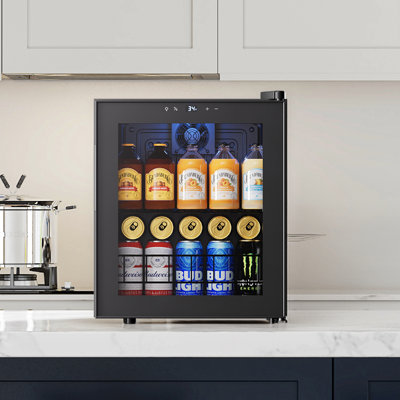
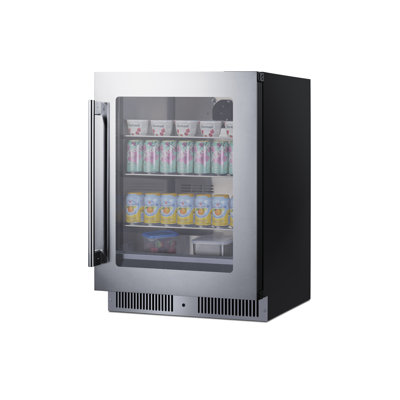
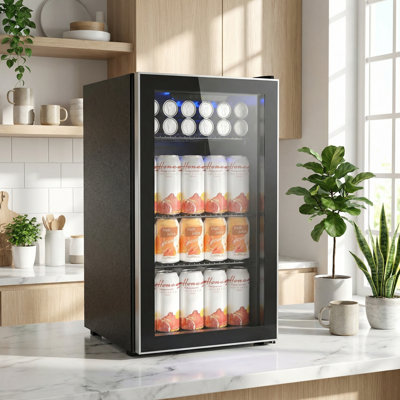
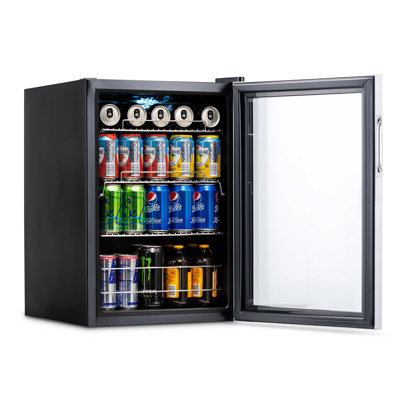
A beverage cellar is designed to store various types of drinks at optimal temperatures. These cellars are versatile and can accommodate a wide range of beverages, from sodas and juices to craft beers and sparkling water. The primary function of a beverage cellar is to provide a controlled environment that maintains the quality and flavor of different drinks.
Beverage cellars typically offer adjustable temperature settings, allowing you to customize the storage conditions for each type of beverage. This flexibility is particularly useful if you have a diverse collection of drinks that require different storage temperatures.
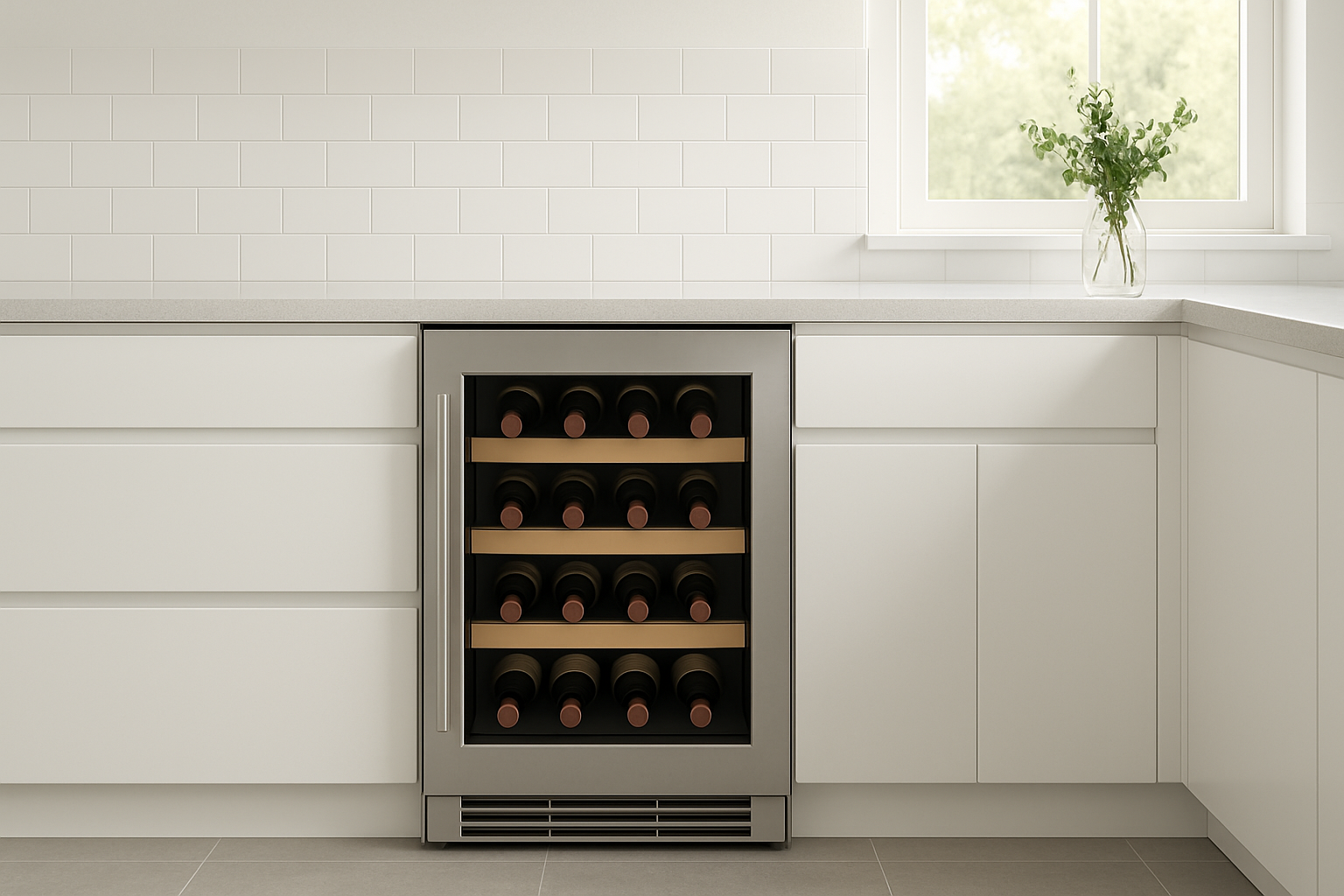
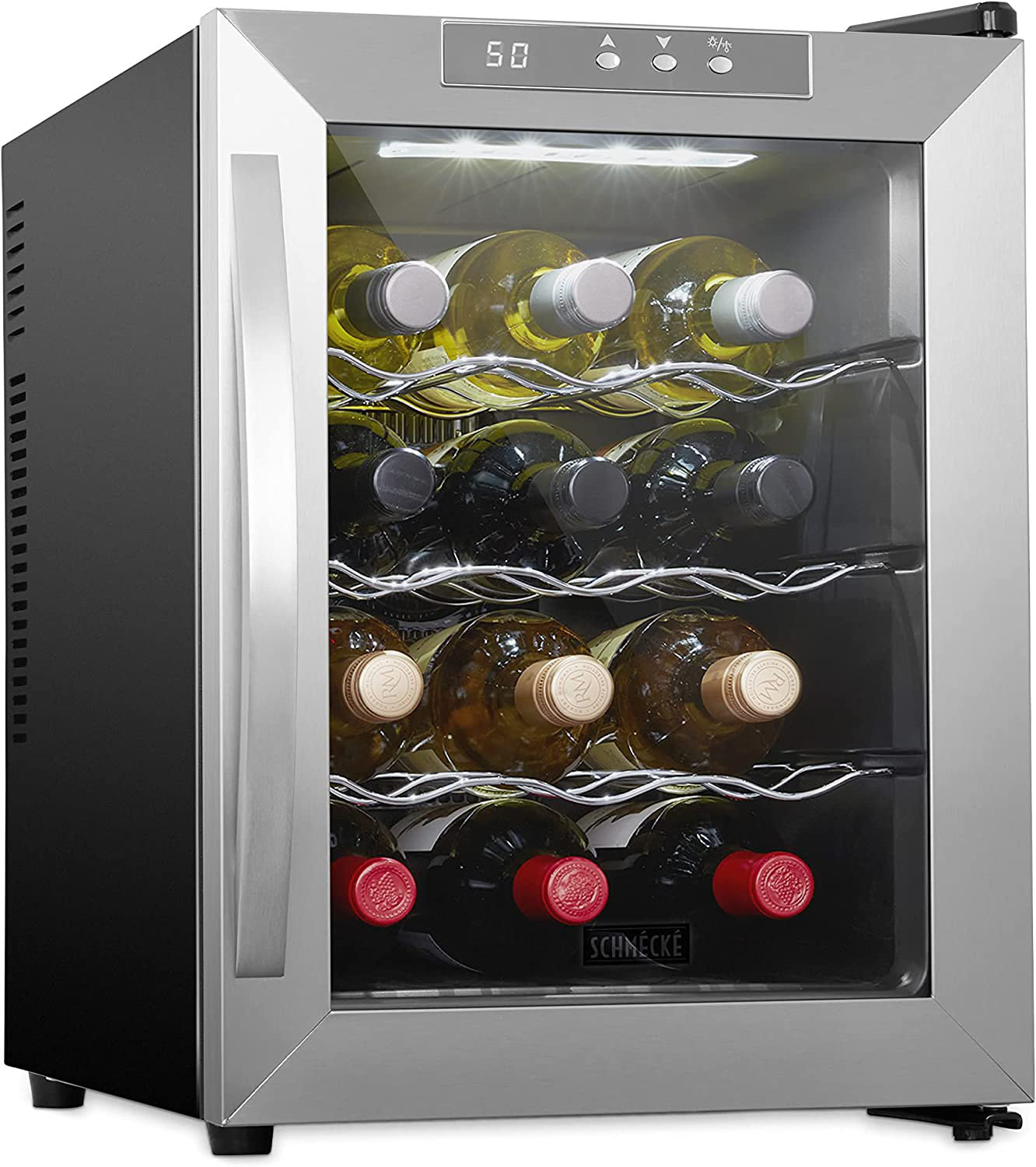
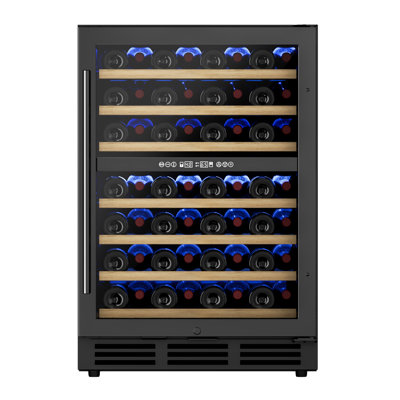
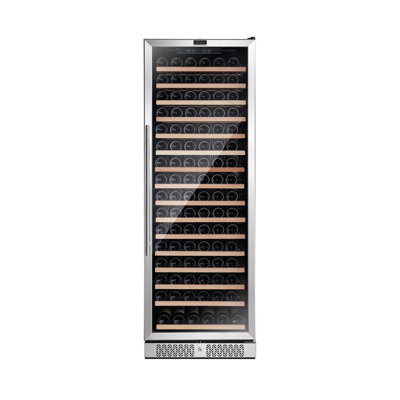
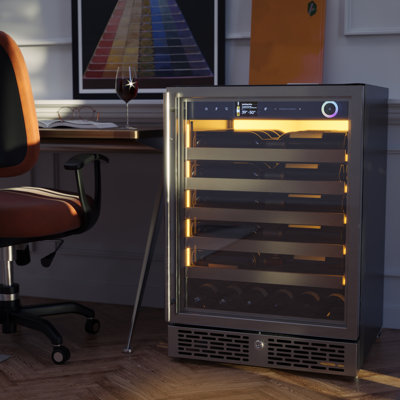
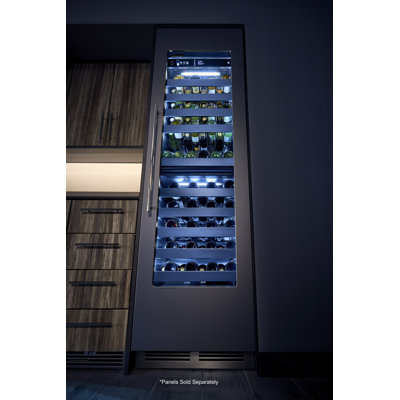
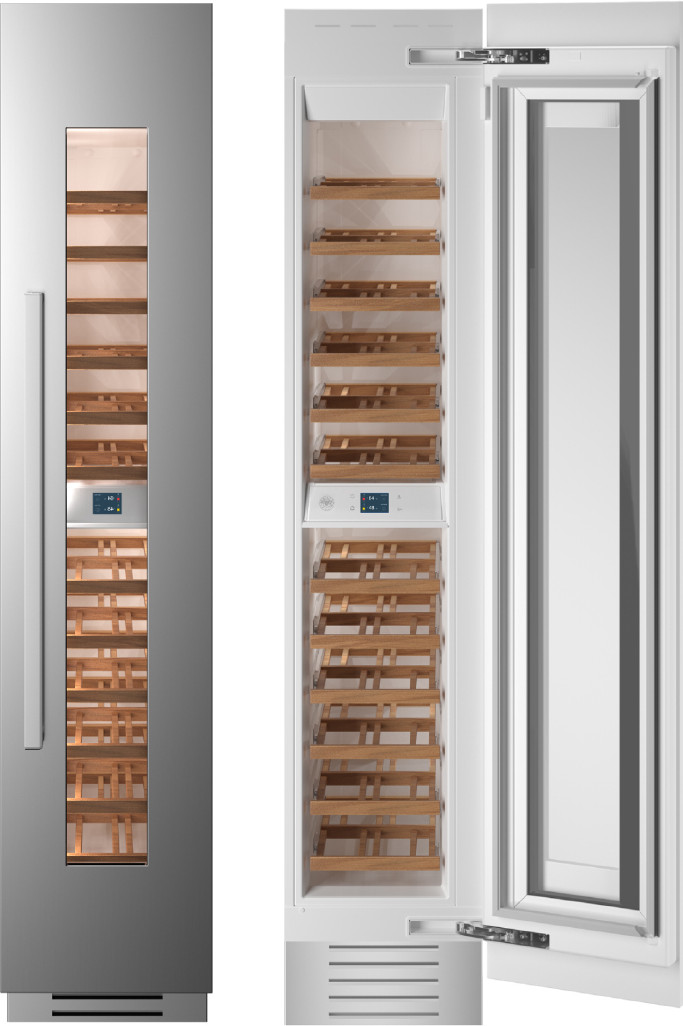
Wine coolers, also known as wine fridges, are specifically designed for storing wine. They maintain a consistent and precise temperature that is ideal for preserving the taste and quality of wine. Wine coolers often come with features like humidity control and UV-resistant glass doors to protect your wine collection from harmful light and moisture.
The primary purpose of a wine cooler is to create an environment that mimics a traditional wine cellar, ensuring that wines age properly and remain at their best. Wine coolers are generally set to a narrow temperature range that is perfect for both red and white wines.
Understanding the distinct functions and purposes of beverage cellars and wine coolers will help you determine which option best suits your needs. Whether you require versatile storage for various drinks or a specialized environment for your wine collection, both appliances offer unique benefits. For further comparisons, check out Fridge.com articles on convertible freezer refrigerator Vs. wine cooler and bar fridge Vs. kimchi refrigerator.
When comparing a beverage cellar to a wine cooler, it's crucial to understand how their designs and features differ. These differences can impact their functionality and suitability for your specific needs.
Differences in Design
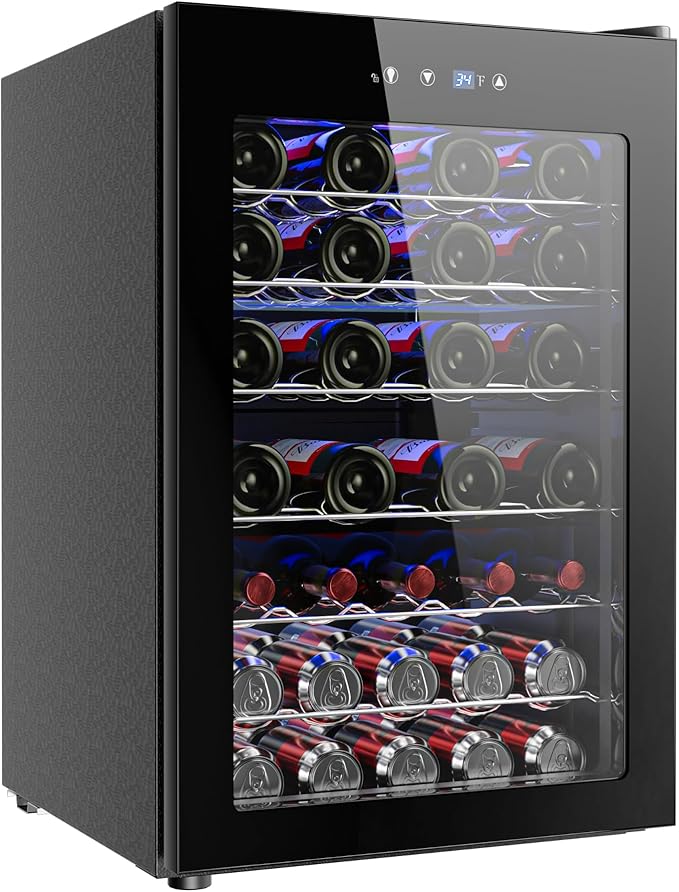
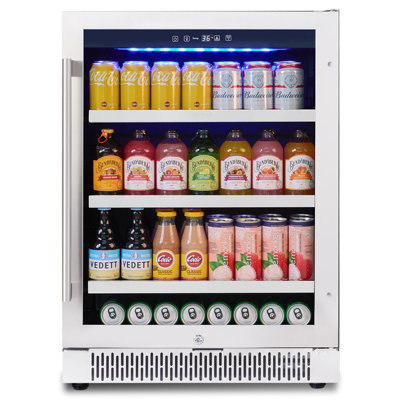
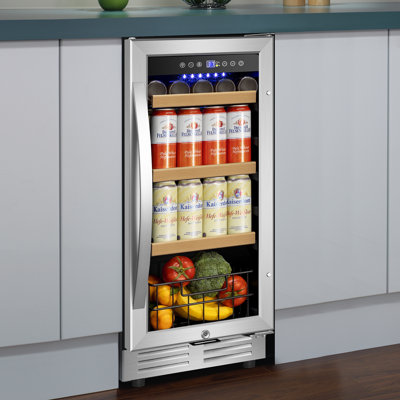
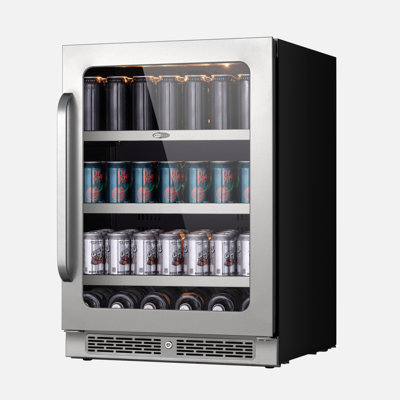
Beverage cellars and wine coolers may appear similar at first glance, but their designs cater to different purposes. Beverage cellars are typically designed to store a variety of beverages, including beer, soda, and bottled water. This makes them versatile for homeowners who entertain frequently or have diverse beverage preferences.
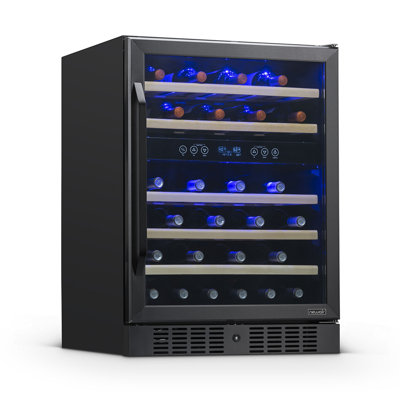
Wine coolers, on the other hand, are specifically designed to store wine. They often include features that cater to the unique storage requirements of wine, such as horizontal shelving to keep corks moist and prevent oxidation.
Feature
Beverage Cellar
Wine Cooler
Purpose
General beverage storage
Wine storage only
Shelving
Adjustable, mixed types
Horizontal, wine-specific
Temperature Zones
Multiple (for different drinks)
Single or dual (for red and white wines)
Humidity Control
Not always included
Often included to preserve wine quality
Key Features of Beverage Cellars
Beverage cellars offer several key features that make them a great choice for storing a variety of drinks. These features include:
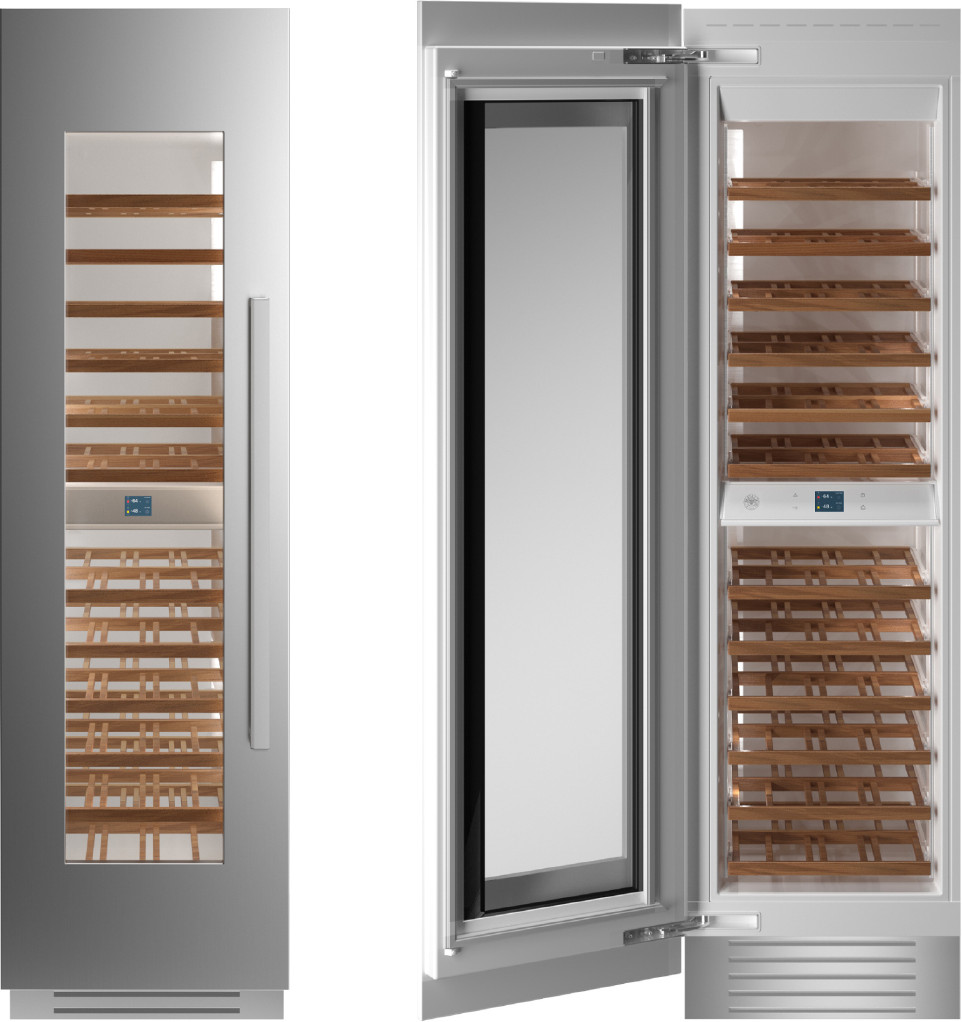
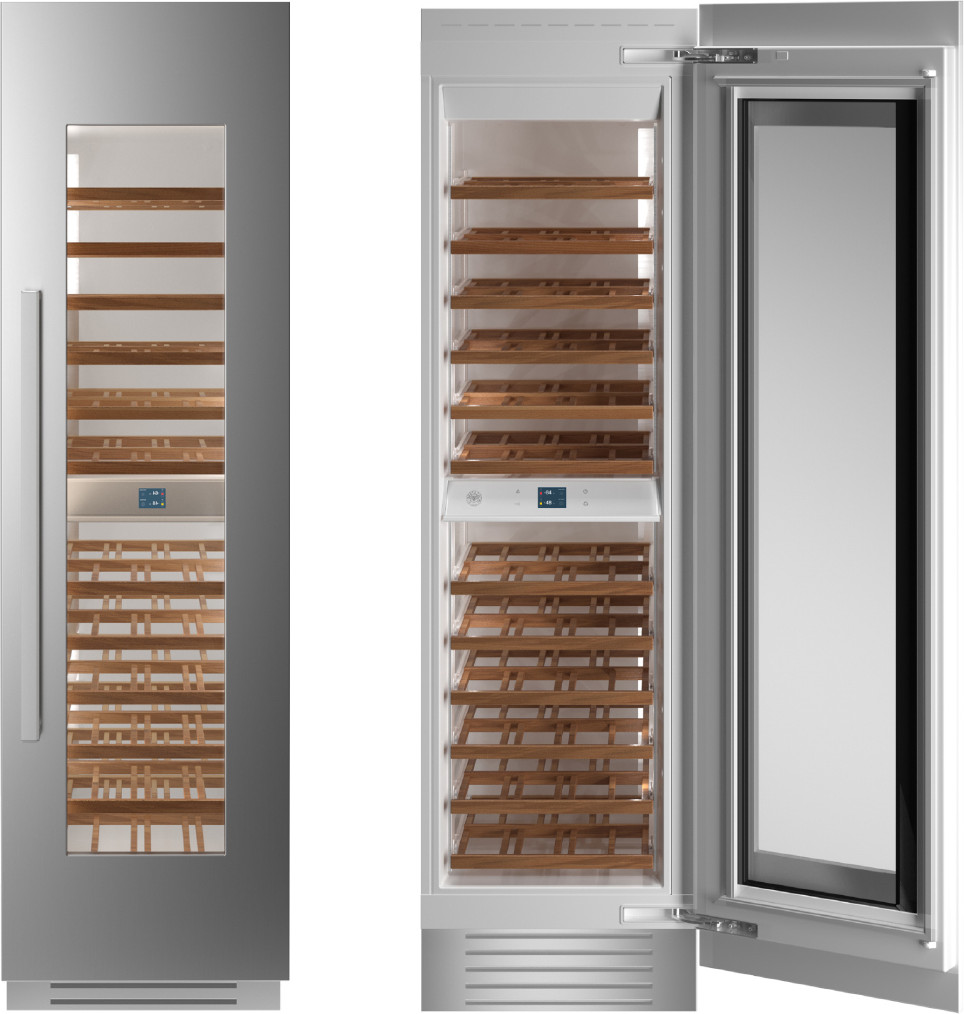
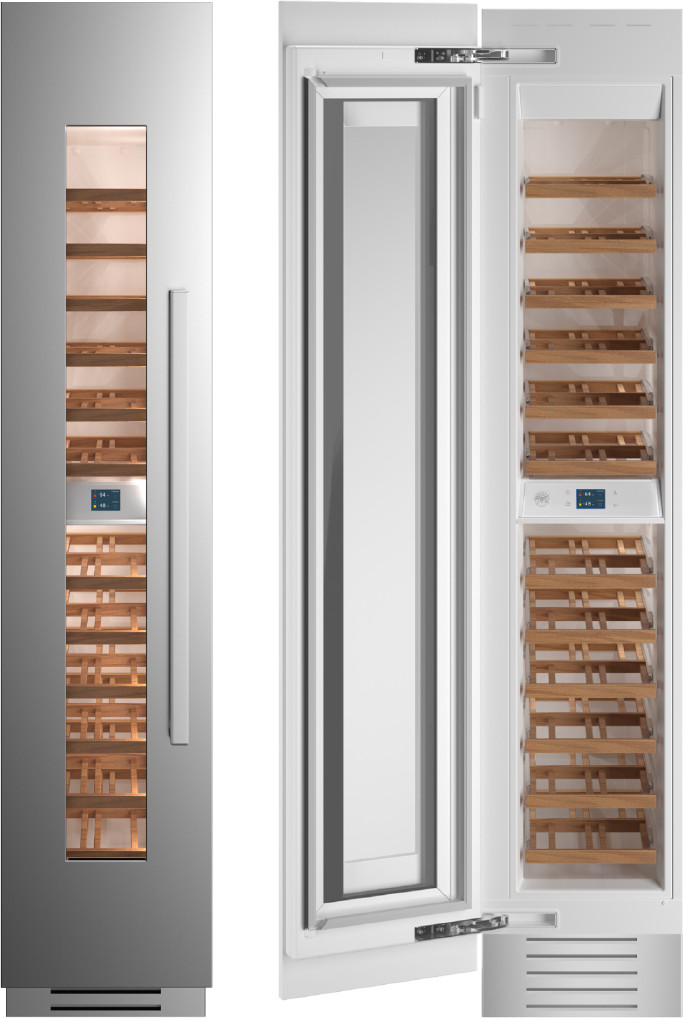
Adjustable Shelves: Beverage cellars often come with adjustable shelves, allowing you to customize the interior layout to fit different types of bottles and cans.
Multiple Temperature Zones: Some beverage cellars have multiple temperature zones, enabling you to store different beverages at their optimal temperatures. For instance, you can keep beer colder while maintaining a slightly warmer zone for soda or water.
LED Lighting: Many beverage cellars feature LED lighting, which not only enhances visibility but also adds a modern aesthetic to your kitchen or bar area.
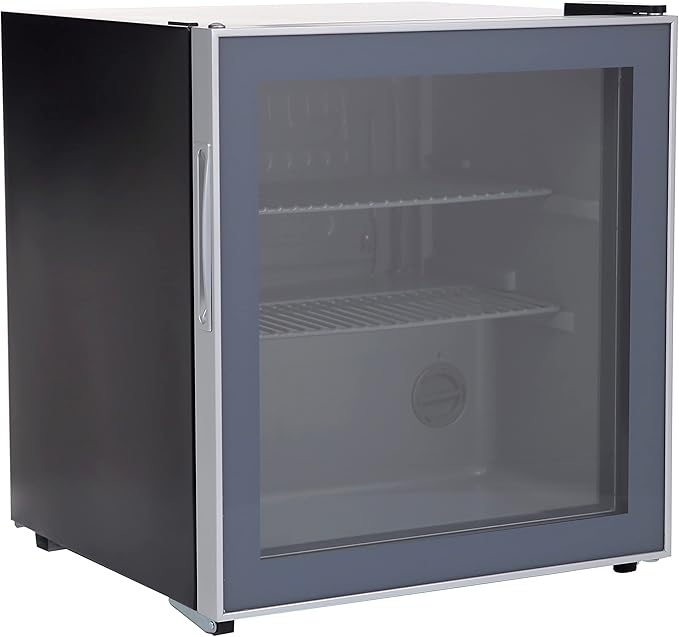
Glass Doors: Beverage cellars often have glass doors, allowing you to easily see the contents without opening the door. This helps maintain the internal temperature and reduces energy consumption.
Security Locks: Some models come with security locks, making them ideal for homes with children or for use in public spaces like offices or basements.
By understanding the design and key features of beverage cellars, you can make an informed decision about which type of storage solution best meets your needs. Whether you're a foodie, entertainer, or simply need a versatile beverage storage option, a beverage cellar might be the perfect addition to your home.
Temperature control is a critical aspect when comparing a beverage cellar and a wine cooler. Proper temperature regulation ensures that your drinks are stored in optimal conditions, preserving their quality and taste.
Importance of Temperature Control
Maintaining the right temperature is essential for both beverages and wines. Incorrect storage temperatures can lead to spoilage, loss of flavor, and diminished quality. For wines, temperature fluctuations can cause premature aging or hinder the development of complex flavors. Beverages like soda, beer, and water need consistent cooling to stay refreshing and enjoyable.
Temperature Ranges for Beverages and Wines
Different beverages and wines require specific temperature ranges to maintain their best taste and quality. Below is a table outlining the ideal temperature ranges for various drinks.
Beverage Type
Ideal Temperature Range (°F)
Red Wine
55 - 65
White Wine
45 - 55
Sparkling Wine
40 - 50
Beer
35 - 45
Soda
35 - 40
Water
35 - 40
Beverage cellars typically offer a wider temperature range to accommodate various drinks, making them versatile for mixed storage. Wine coolers, on the other hand, are designed with specific temperature settings ideal for preserving different types of wine.
For more information on other refrigerator types and their features, visit Fridge.com articles on counter depth refrigerator Vs. humidor refrigerator and convertible freezer refrigerator Vs. wine cooler.
When comparing beverage cellars and wine coolers, capacity and storage options play a significant role in determining which appliance best suits your needs. Both units are designed to keep your drinks at optimal temperatures, but they differ in their storage capabilities.
Capacity Differences
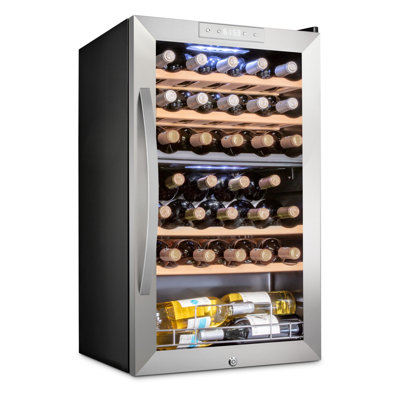
Beverage cellars and wine coolers come in various sizes and capacities, catering to different storage needs. Beverage cellars generally offer more versatility in storing a variety of drinks, including sodas, beers, and wines. Wine coolers, on the other hand, are specifically designed to hold wine bottles, often with specialized racks.
Appliance Type
Capacity (Bottles)
Capacity (Cans)
Beverage Cellar
Up to 120
Up to 300
Wine Cooler
Up to 50
N/A
The capacity of a beverage cellar tends to be higher due to its flexible shelving and larger interior space. Wine coolers, although smaller in capacity, are optimized for wine storage, often featuring adjustable racks to accommodate different bottle sizes.
Storage Options for Beverages and Wines
Beverage cellars and wine coolers offer distinct storage solutions suited to their primary functions. Understanding these options can help you make an informed decision.
Beverage Cellars:
Adjustable Shelves: Allows for storage of various drink types and sizes.
Mixed Storage: Suitable for sodas, beers, and wines.
Versatile Racking: Can hold cans, bottles, and other containers.
Wine Coolers:
Specialized Racks: Designed to hold wine bottles securely.
Horizontal Storage: Keeps wine in the optimal position to maintain cork moisture.
Dual Zones: Some models feature separate temperature zones for red and white wines.
For those who entertain frequently or have diverse beverage needs, a beverage cellar offers the flexibility to store a wide range of drinks. If you are a wine enthusiast focused on proper wine storage, a wine cooler provides the specialized environment needed for preserving wine quality.
To further explore the differences between various refrigeration options, you can read about the top freezer refrigerator Vs. bottom freezer refrigerator and other comparisons.
Understanding the capacity and storage options of beverage cellars and wine coolers can help you choose the right appliance for your home. Whether you need a versatile beverage cellar or a specialized wine cooler, knowing these details will guide you in making the most suitable choice. If you're still unsure, check out Fridge.com article on beverage cellar Vs. wine fridge for more insights.
Placement and Installation
When deciding between a beverage cellar and a wine cooler, it’s crucial to consider the optimal placement and installation of each appliance. Proper placement ensures functionality, efficiency, and accessibility.
Ideal Locations for Beverage Cellars
Beverage cellars are designed to store a variety of drinks, from sodas and beers to juices and water. Their versatile nature makes them suitable for several locations. Here are some ideal places to install your beverage cellar:
Basement: Provides a stable, cool environment ideal for maintaining consistent temperatures.
Garage: Offers additional storage space separate from the main living areas.
Kitchen: Convenient access to beverages for daily use and entertaining.
Home Bar: Perfect for social spaces where drinks are frequently served.
Backyard or Pool Area: Ideal for outdoor entertaining, ensuring beverages are always within reach.
These locations cater to different needs, from everyday family use to special occasions and gatherings.
Ideal Locations for Wine Coolers
Wine coolers are specifically designed to store wine at optimal temperatures, preserving the quality and taste of your collection. Some ideal locations for wine coolers include:
Dining Room: Convenient access during meals, allowing for proper serving temperatures.
Kitchen: Easy access for cooking and entertaining, particularly if you frequently use wine in recipes.
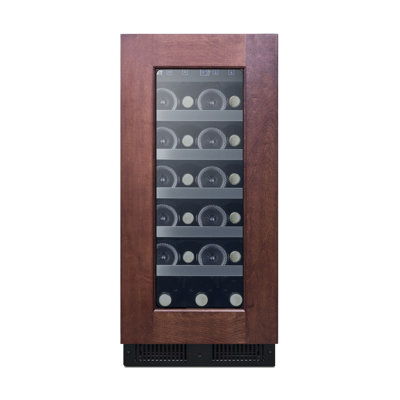
Wine Cellar: For serious collectors, a dedicated space that maintains consistent temperature and humidity.
Living Room: Allows for immediate access when entertaining guests.
Home Office: Adds a touch of luxury and convenience to your workspace.
Placing your wine cooler in these locations ensures that your wine is stored correctly and is always ready to be enjoyed.
Both beverage cellars and wine coolers require careful consideration of their surroundings to ensure optimal performance. Factors such as temperature stability, humidity control, and ease of access should guide your decision. For more guidance on choosing the best appliance for your needs, consider reading Fridge.com articles on top freezer refrigerator Vs. bottom freezer refrigerator and 5 door refrigerator Vs. built in kegerator.
When deciding between a beverage cellar and a wine cooler, several factors should be considered to ensure you make the best choice for your needs and your home.
Factors to Consider for Your Needs
Purpose: Determine whether you need to store a variety of beverages or specifically wine. A beverage cellar offers versatility, while a wine cooler is tailored for wine storage.
Temperature Range: Consider the optimal temperature for the beverages you plan to store. Beverage cellars typically have a broader temperature range, whereas wine coolers are designed to maintain the ideal wine storage temperature.
Capacity: Assess how much storage space you need. Beverage cellars often have larger capacities to accommodate various drink types, while wine coolers focus on bottle storage.
Design and Features: Look at the design and features that fit your lifestyle. Beverage cellars may come with adjustable shelves for different beverage sizes, while wine coolers often have racks specifically for wine bottles.
Energy Efficiency: Consider the energy consumption of each option. Look for energy-efficient models to save on electricity bills.
Budget: Evaluate your budget. Beverage cellars and wine coolers come in a range of prices, so choose one that fits your financial plan.
Making the Right Choice for Your Home
Space Availability: Identify where you plan to place the unit. Beverage cellars can be larger and may require more space, while wine coolers can fit into smaller, more specific areas.
Aesthetic Appeal: Choose a unit that complements your home decor. Beverage cellars and wine coolers come in various styles and finishes.
Convenience: Consider how often you will access the stored beverages. A more accessible location may be preferable for frequent use.
Installation: Some models require professional installation, while others are plug-and-play. Decide based on your comfort level with installation.
Additional Features: Look for features like dual zones for different temperature settings, digital controls, and security locks.
Feature
Beverage Cellar
Wine Cooler
Purpose
Versatile beverage storage
Specific for wine
Temperature Range
Broad, adjustable
Ideal for wine storage
Capacity
Large, varied
Focused on wine bottles
Design
Adjustable shelves
Wine racks
For more comparisons, check out articles like top freezer refrigerator Vs. bottom freezer refrigerator and 5 door refrigerator Vs. built in kegerator. Understanding these factors will help you make an informed decision between a beverage cellar and a wine cooler, ensuring you select the option that best fits your needs and home.
Compare prices on Fridge.com
Compare current prices and specifications on Fridge.com, then buy from the retailer you choose; delivery, installation and warranty terms are the retailer’s.
It also has tons of awesome articles about kitchen stuff and home news. Enhance your home, garage, backyard, patio, and office with the coolest essentials. With every necessary type of residential refrigerator or freezer in the collection, you're covered.
Free tool
Wine Refrigerator Calculator
Free interactive tool from Fridge.com — get a quick answer while you read.