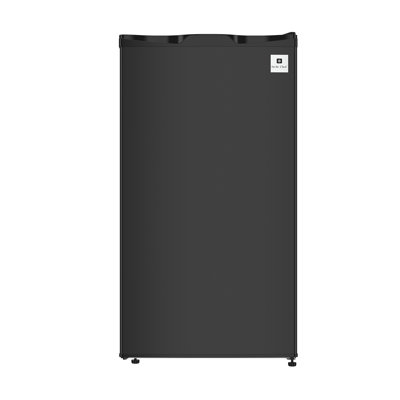
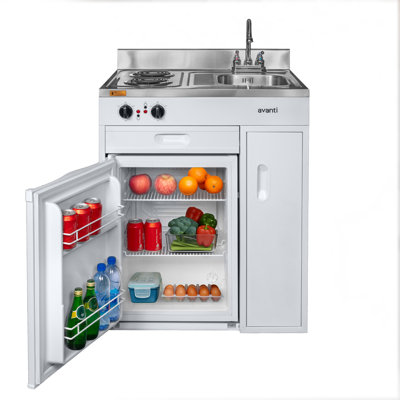
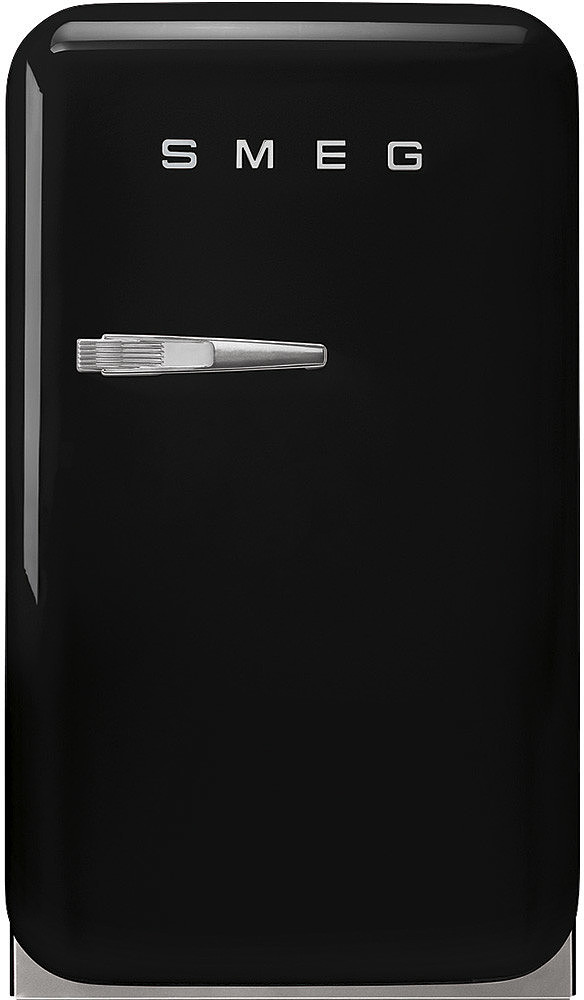
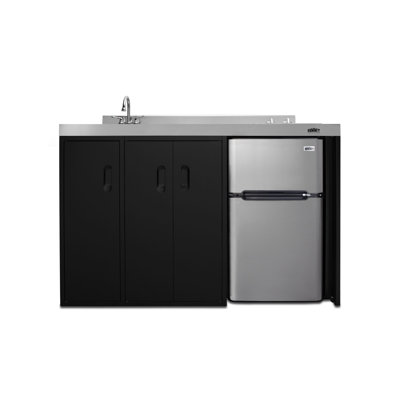
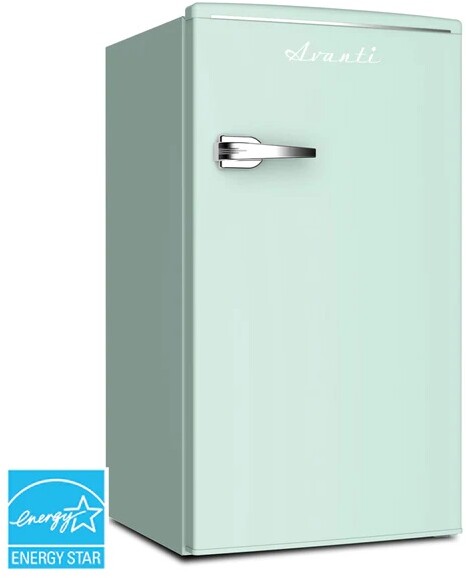
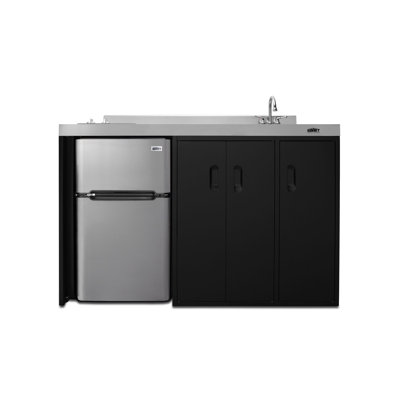
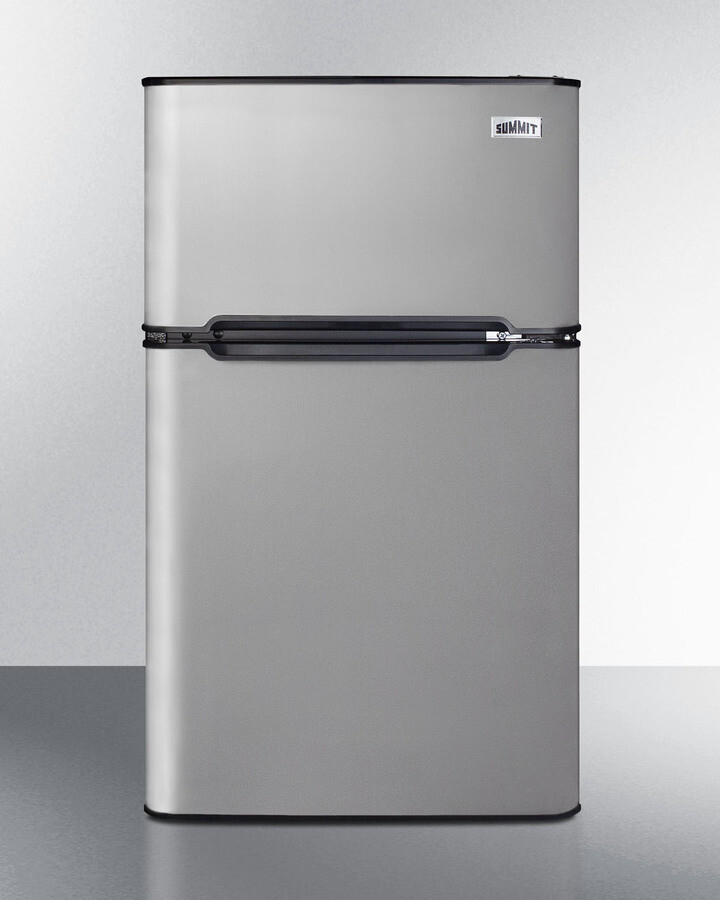
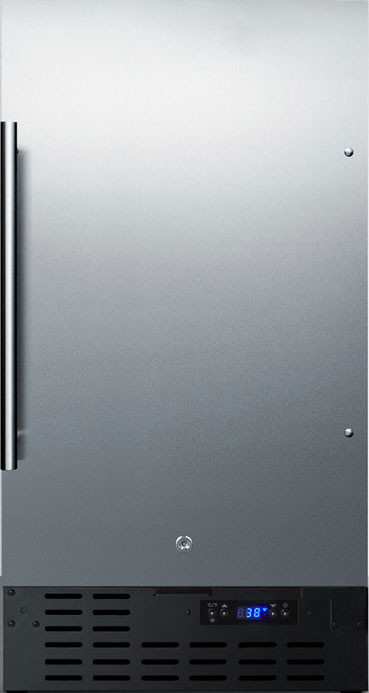
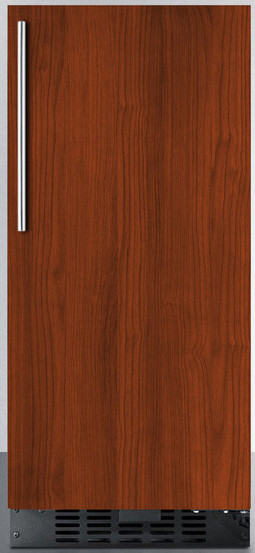
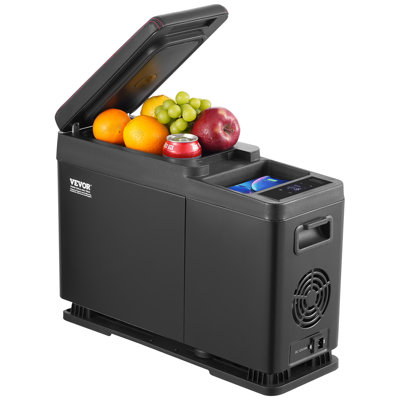
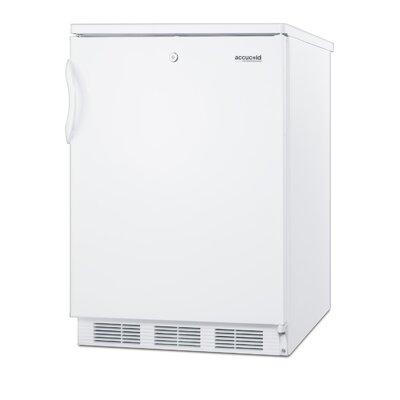
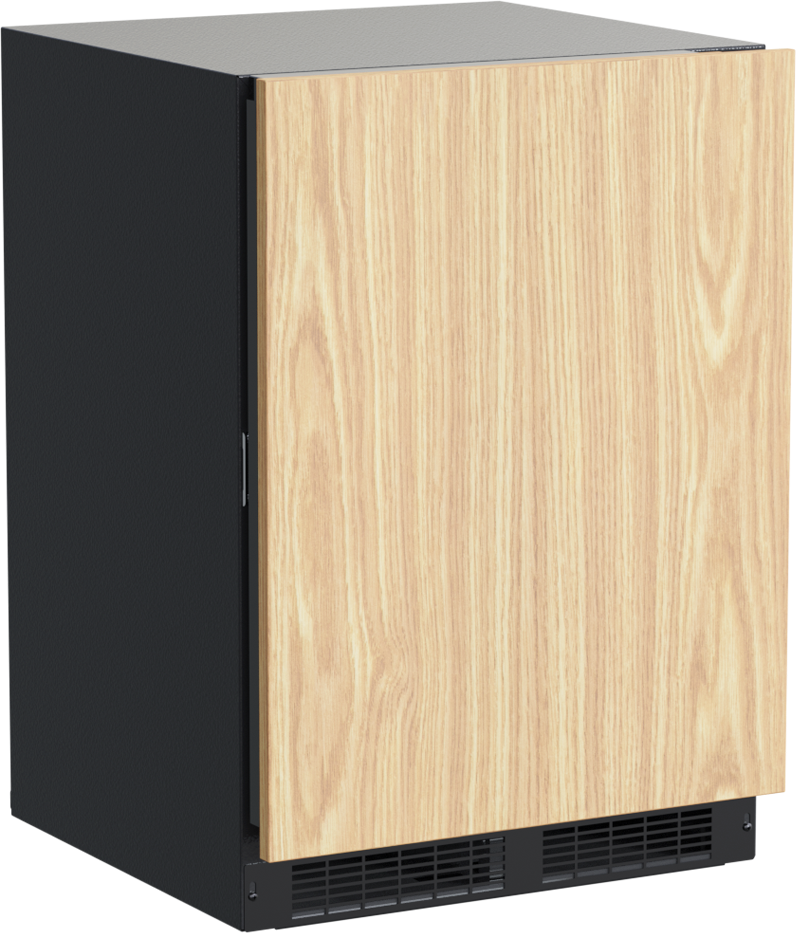
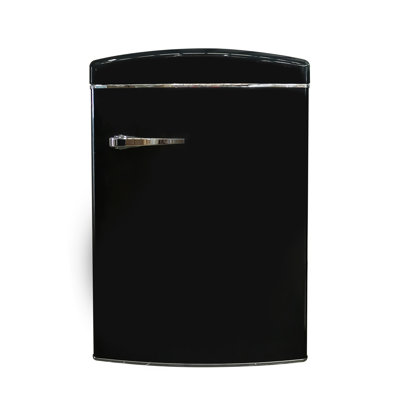
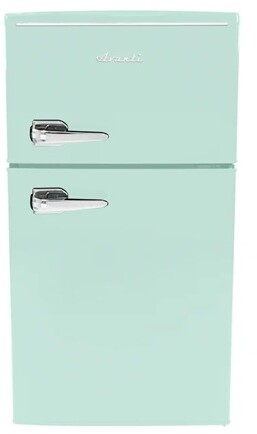
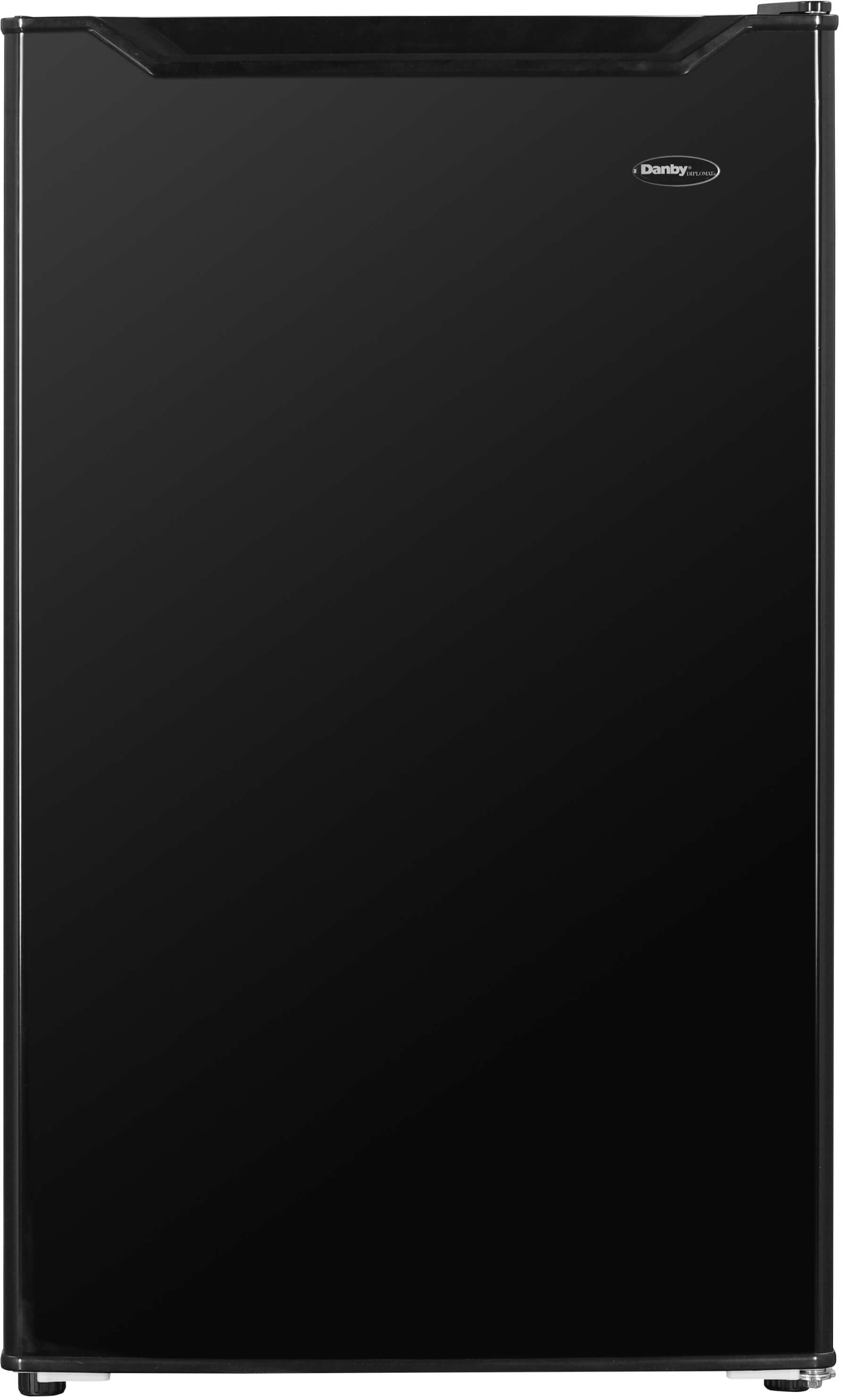
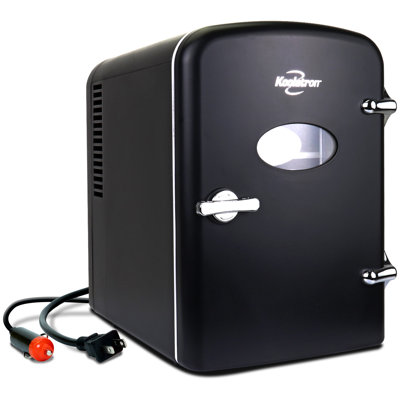
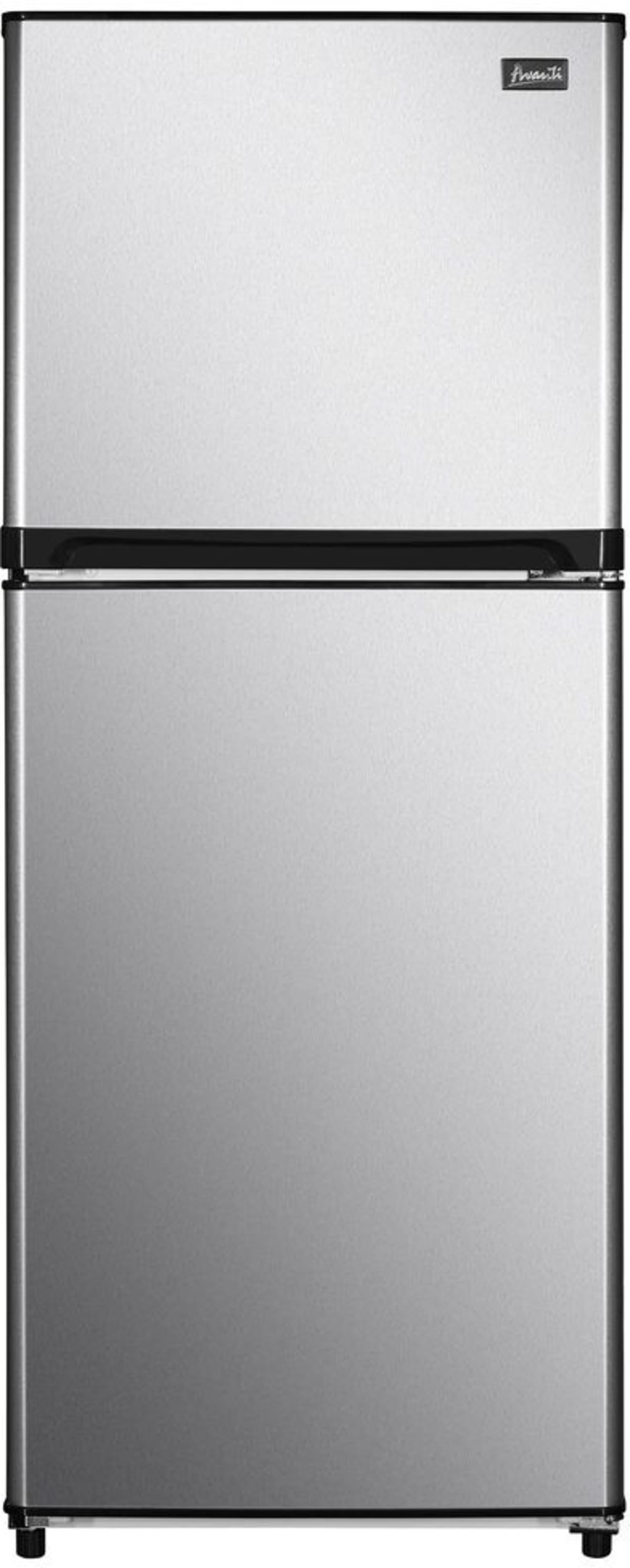
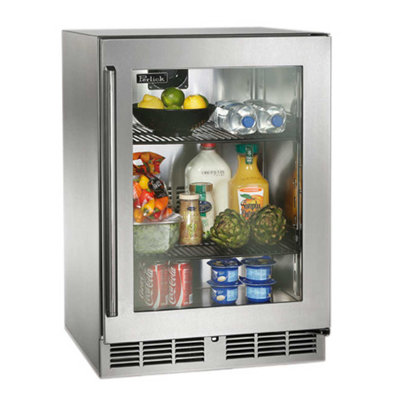
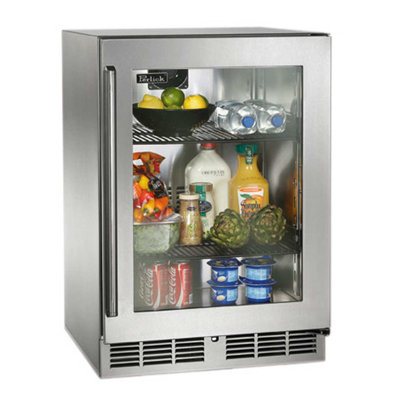
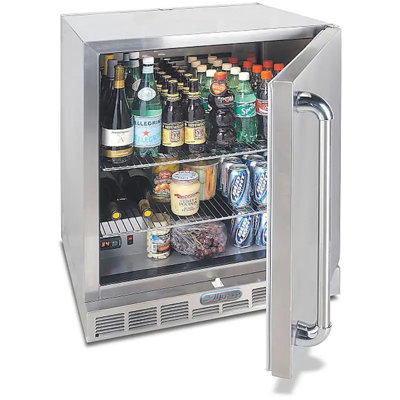
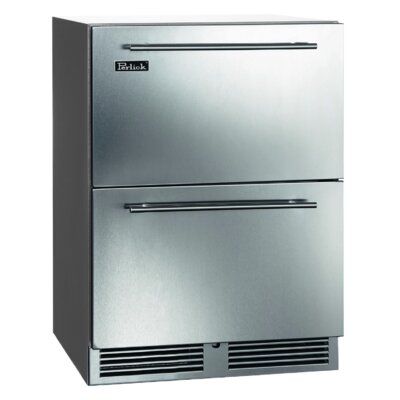
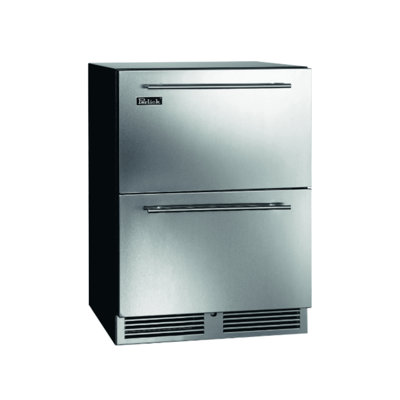
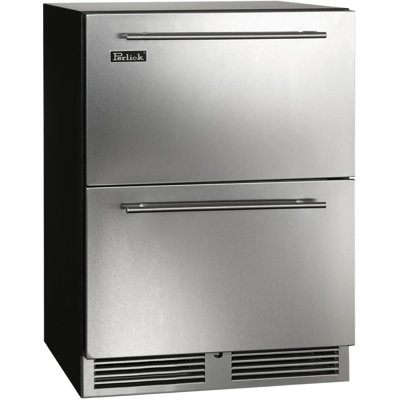
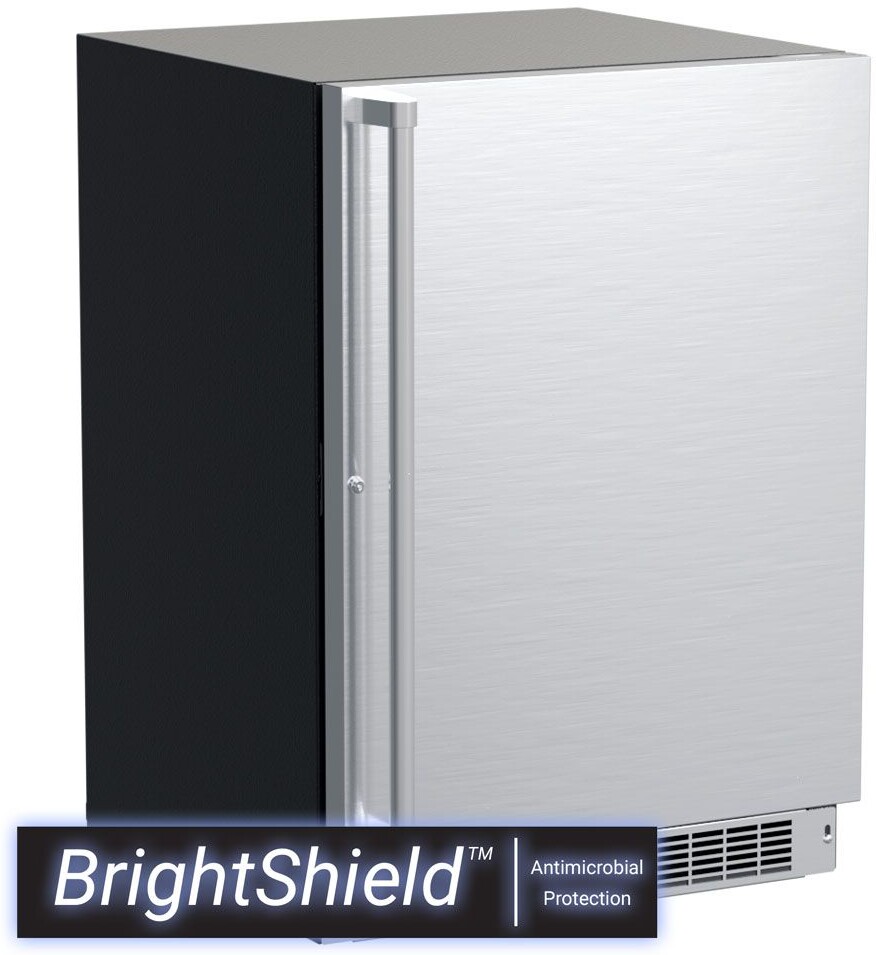
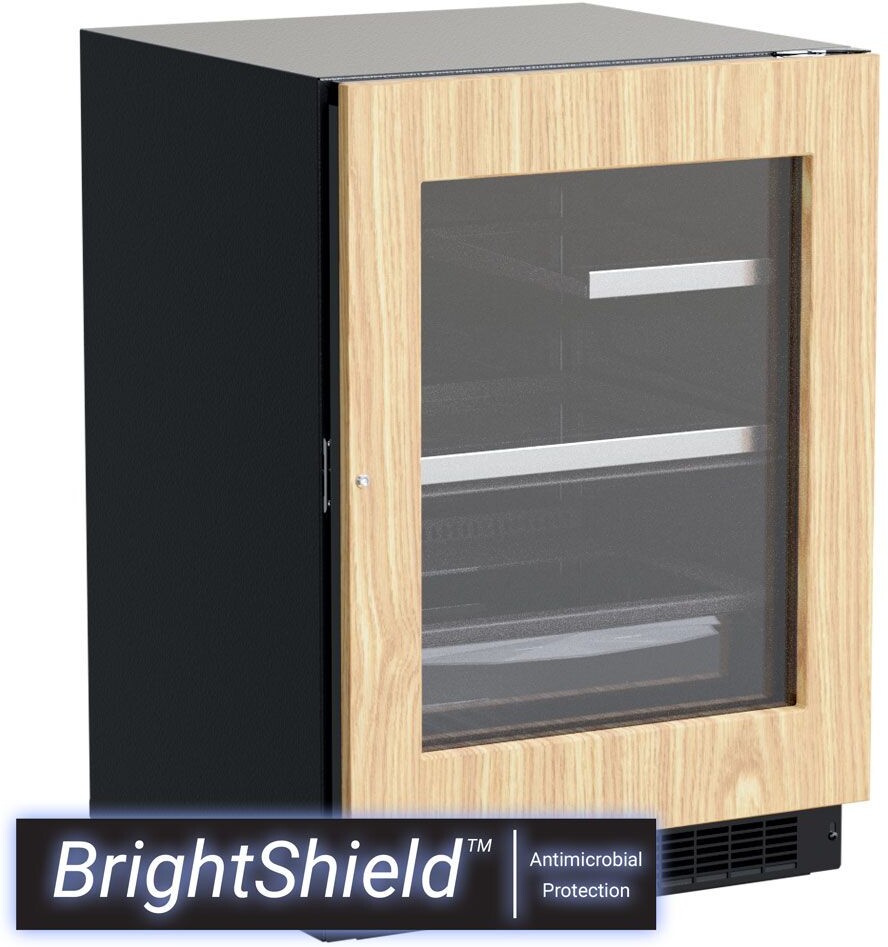
Independence Day often means parties, cookouts, and extra drinks and food. A mini fridge can keep beverages cold, hold condiments and sides, or serve as a dedicated drink cooler so the main fridge stays free for food. This guide covers what to look for in a mini fridge for Fourth of July and summer entertaining.
Capacity and Use
For a party, you need enough space for drinks, ice, or snacks. Mini fridges range from about 1.5 to 4.5 cubic feet. A 2–3 cu ft unit can hold a good supply of cans and bottles; a 4+ cu ft unit can add space for condiments, fruit, or a small ice bucket. Decide whether the mini fridge will sit outdoors (patio, deck) or indoors (garage, kitchen) and choose a size that fits the spot and your guest count.
A typical 24-pack of cans takes about 1.5 cubic feet. A 2- to 3-cubic-foot unit can hold 2 to 3 cases plus some bottles or condiments. For a small gathering, that may be enough. For a larger party, consider 4 cubic feet or more, or plan to restock from the main fridge. The USDA recommends keeping beverages at 40°F or below for food safety; a mini fridge can maintain that.
Condiments, sides, and fruit need space too. If the mini fridge will hold only drinks, 2 to 3 cubic feet may suffice. If you want to keep potato salad, fruit, and condiments cold alongside beverages, 4 cubic feet or more gives flexibility. Match capacity to your typical party size and menu.
Portability and Placement
Many mini fridges are light enough to move. For a one-day party, you can place one near the grill or seating. Ensure the location has a safe outlet and is out of direct sun so the unit does not overwork. If the fridge will stay outdoors for the season, choose one rated for the conditions or keep it under cover. Do not place it where it can be tipped or where water can pool.
Portable mini fridges (20 to 40 pounds) can be carried to a patio or deck for the day. Ensure the outlet is GFCI-protected if the unit will be outdoors or near water. Extension cords can be a tripping hazard; use them only if necessary and choose a cord rated for the appliance's power draw.
Direct sunlight makes the compressor work harder and can cause the unit to fail. Place the fridge in shade—under a canopy, umbrella, or awning. If it will stay outdoors for the summer, check whether the unit is rated for outdoor use. Many compact refrigerators are designed for indoor use only; exposure to rain or extreme heat can damage them.
Stability matters. A mini fridge on an uneven surface can tip if the door is opened with weight on it. Place it on a flat, stable surface. Avoid locations where guests might bump it or where children could pull it over.
Freezer or Fridge-Only
Fridge-only models maximize cold drink space. Units with a small freezer compartment can hold ice packs or a bag of ice. For a drink-focused party, fridge-only is usually enough; for longer use or ice storage, a small freezer is handy.
Fridge-only units give you the most beverage capacity. Every cubic foot goes to cold drinks. For a one-day party where you can get ice from the main freezer, fridge-only works well. For a unit that will stay on the patio all summer, a small freezer for ice or ice packs can be useful.
The freezer in a compact unit is usually small—enough for an ice tray or a few items. It may not hold a full bag of ice. If you need a lot of ice, plan to get it from the main freezer or buy bags. The mini fridge can keep a bag of ice cold once it is placed inside.
Noise
If the mini fridge will sit near the party, a quieter model is better. Check reviews for noise level. Some units hum or click; others run quietly. ENERGY STAR models often run efficiently and may be less noticeable.
Compressor noise can be distracting during a party. Some units have a noticeable hum; others are quiet enough to ignore. Defrost cycles may produce clicking. Read reviews and, if possible, listen to the unit before buying. A quieter model improves the experience when the fridge is near the main gathering area.
ENERGY STAR compact refrigerators often use more efficient compressors that run less frequently and more quietly. The certification does not guarantee quiet operation, but efficient units tend to have shorter run times, which can mean less noise overall.
Safety and Setup
Ensure the outlet is GFCI-protected if the mini fridge will be outdoors or near water. Extension cords can be a tripping hazard at parties; use them only if necessary and choose a cord rated for the appliance's power draw. Place the unit on a stable, level surface. Avoid locations where it could be tipped—a crowded patio with active guests requires a stable base. Keep the fridge away from grills and open flames; heat and grease can damage the cabinet and affect cooling.
The USDA recommends keeping perishables at 40°F or below. For a party, that means drinks and any food (condiments, fruit, sides) stay safe. Do not overload the fridge—blocking airflow causes uneven cooling. If you need to chill many bottles quickly, add ice to a cooler and use the mini fridge for what fits. Restock from the main fridge as needed.
After the Party
If the mini fridge will stay outdoors for the season, ensure it is rated for that use. Clean it periodically—dust and pollen can accumulate on the coils. If it will return indoors, wipe it down, let it dry, and store with the door slightly open to prevent mold. When you use it again, let it run for an hour or two before loading so it can reach temperature. The U.S. Department of Energy (DOE) notes that refrigerators in hot environments use more energy; a unit that spends the summer outdoors will cost more to run than one in an air-conditioned kitchen.
Summary
For Independence Day and summer parties, pick a mini fridge with enough capacity for drinks (and optionally ice or snacks), place it in a shaded spot with power, and consider portability and noise. Compare compact refrigerators by size and features at Fridge.com.