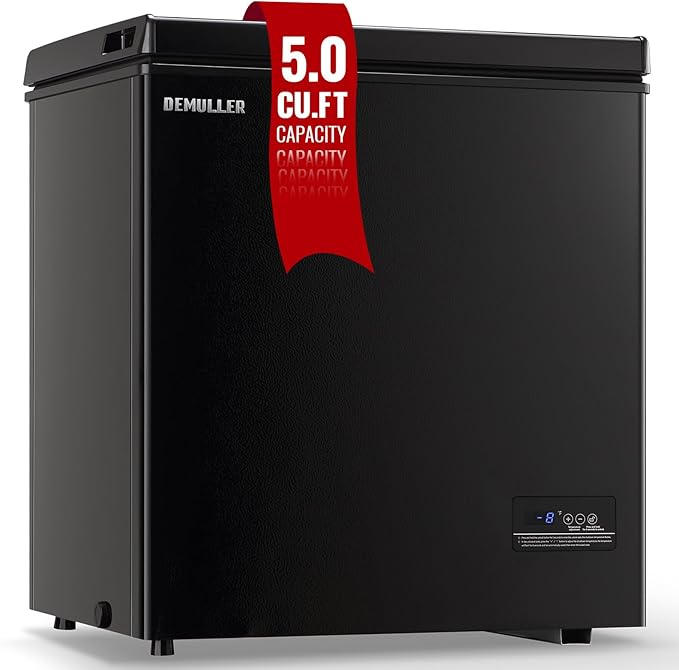
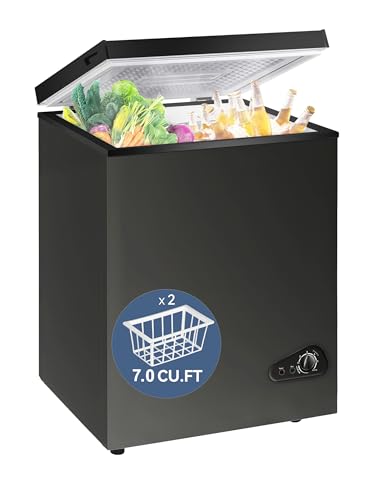
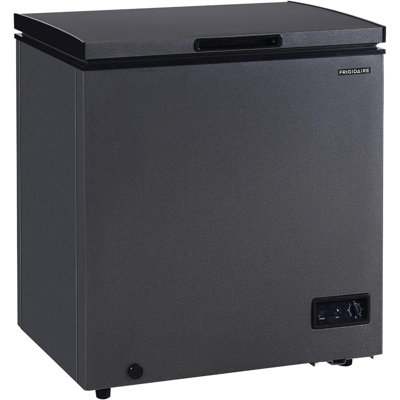
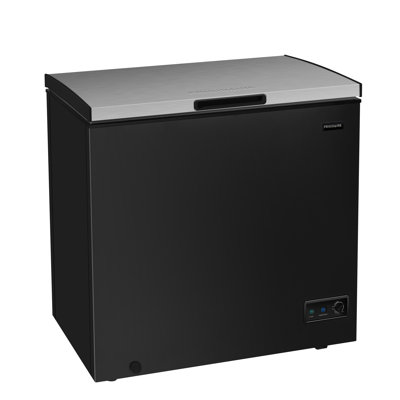
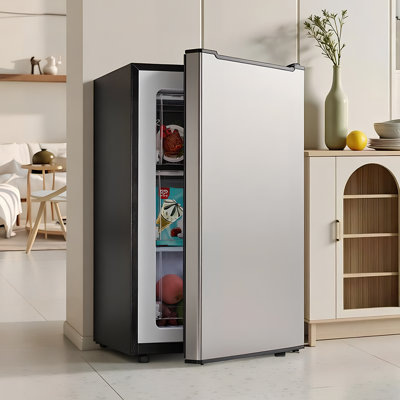
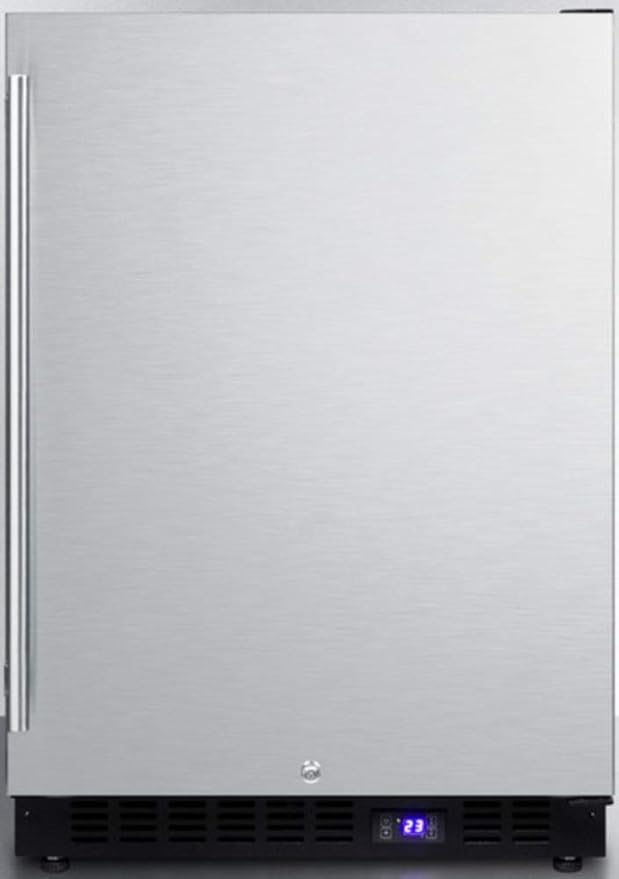
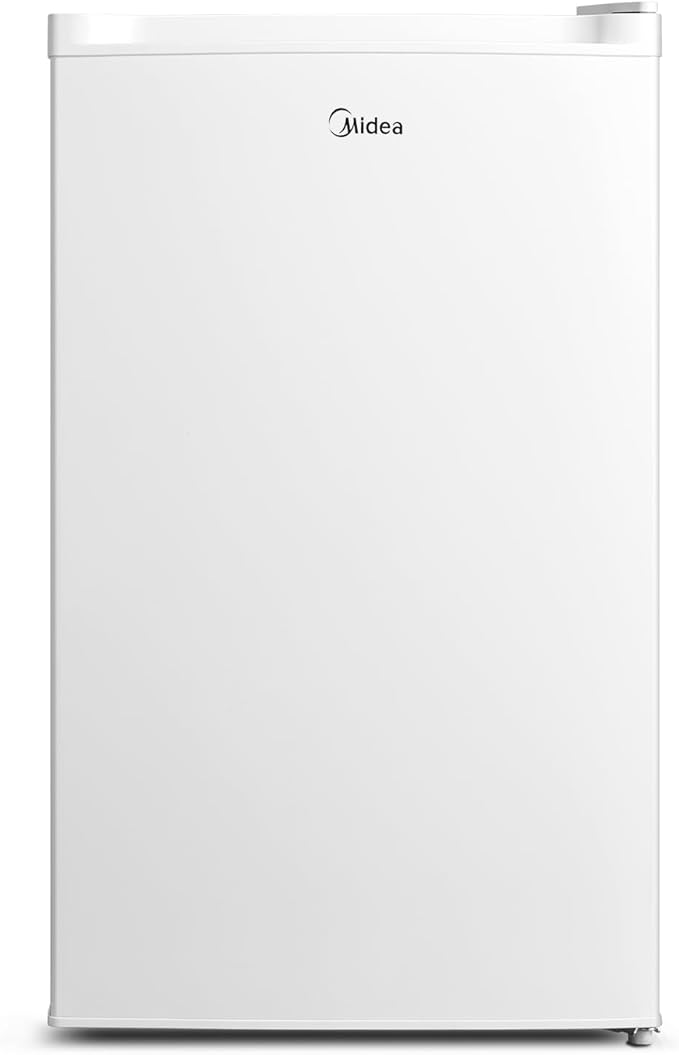
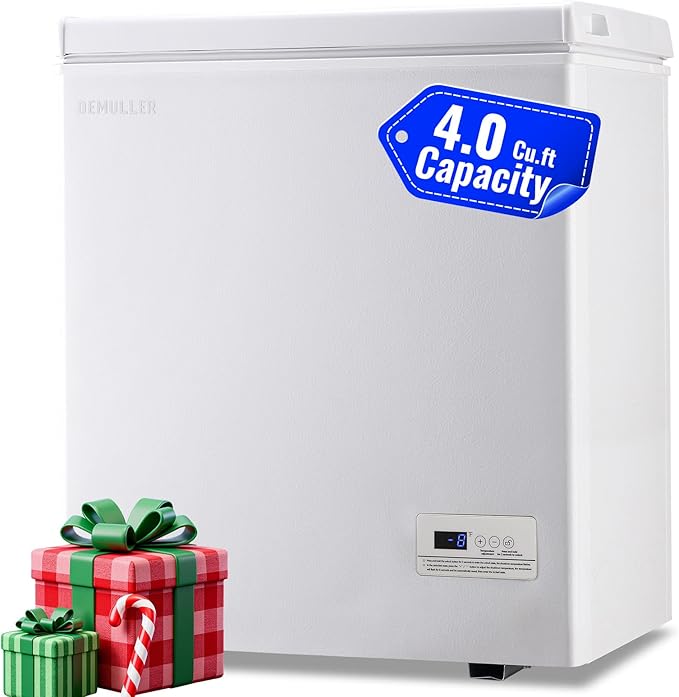
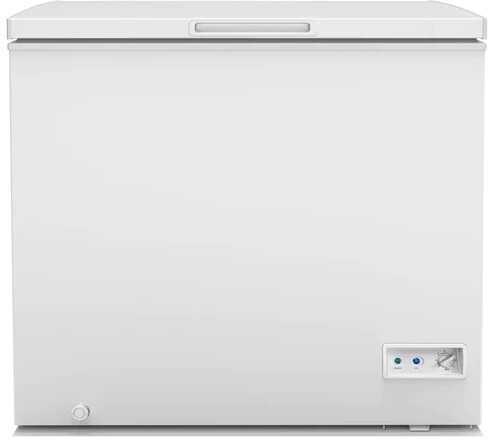
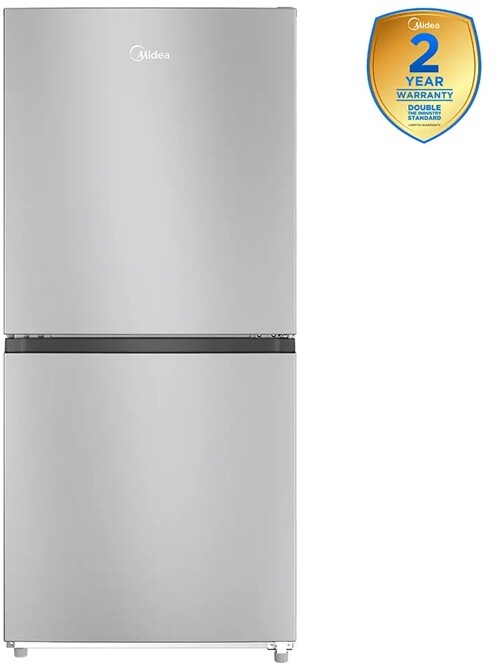
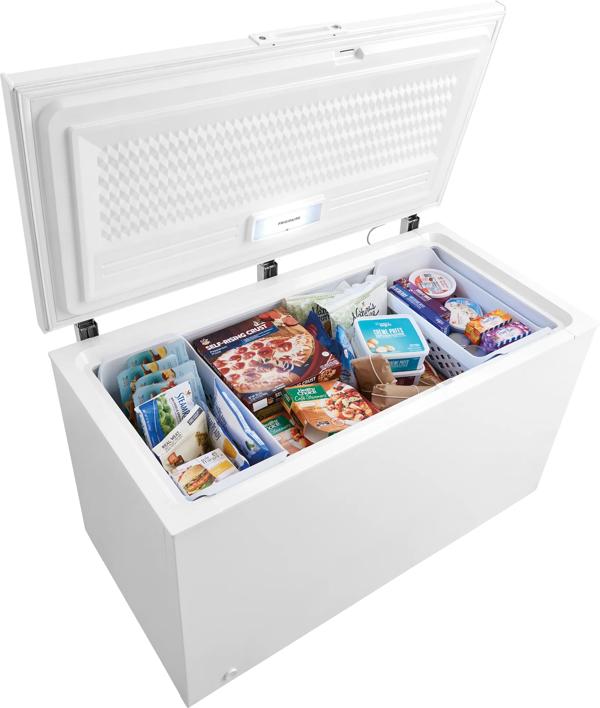
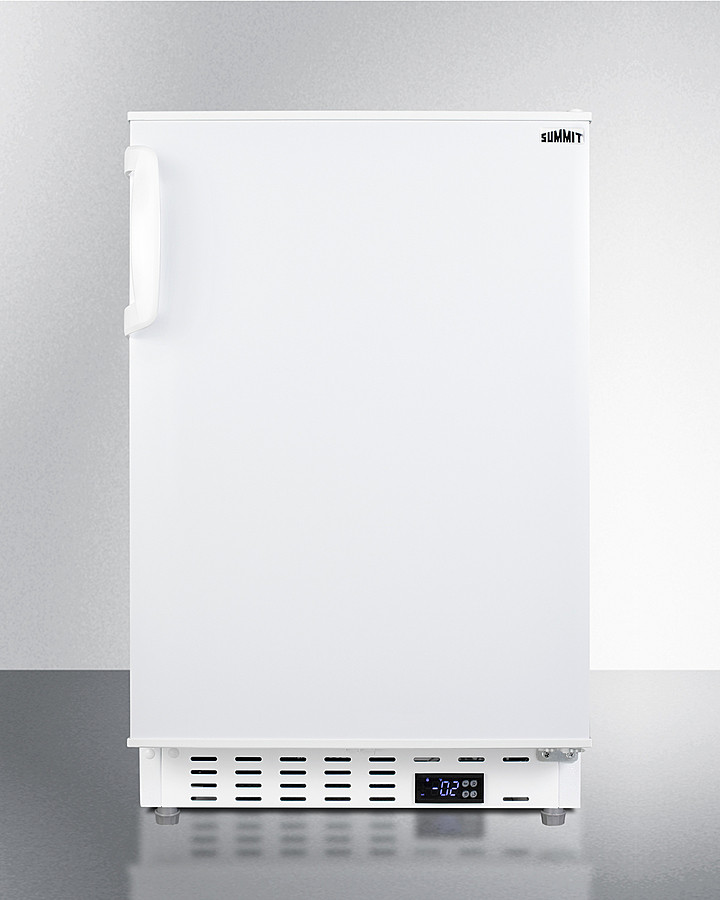
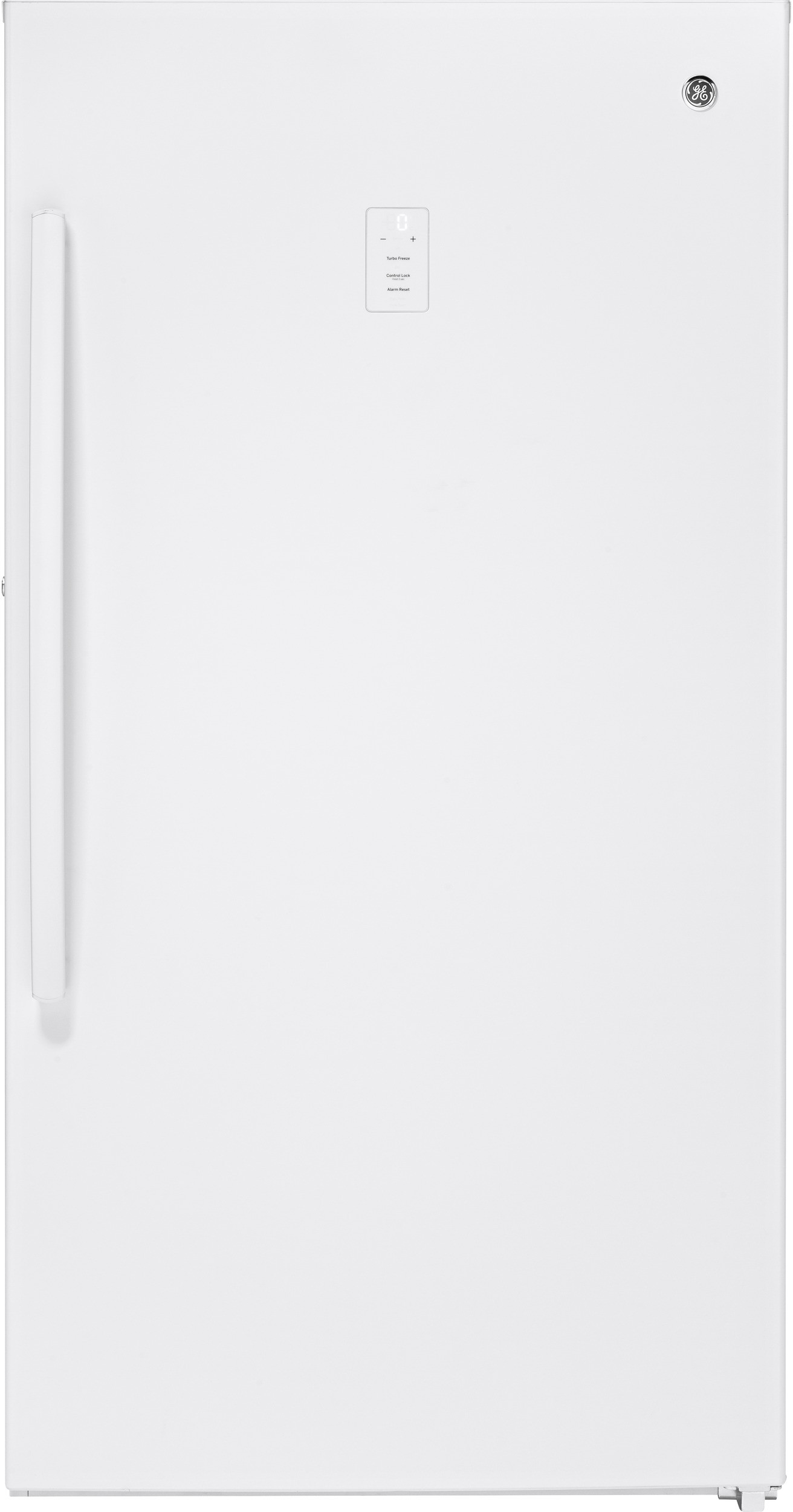
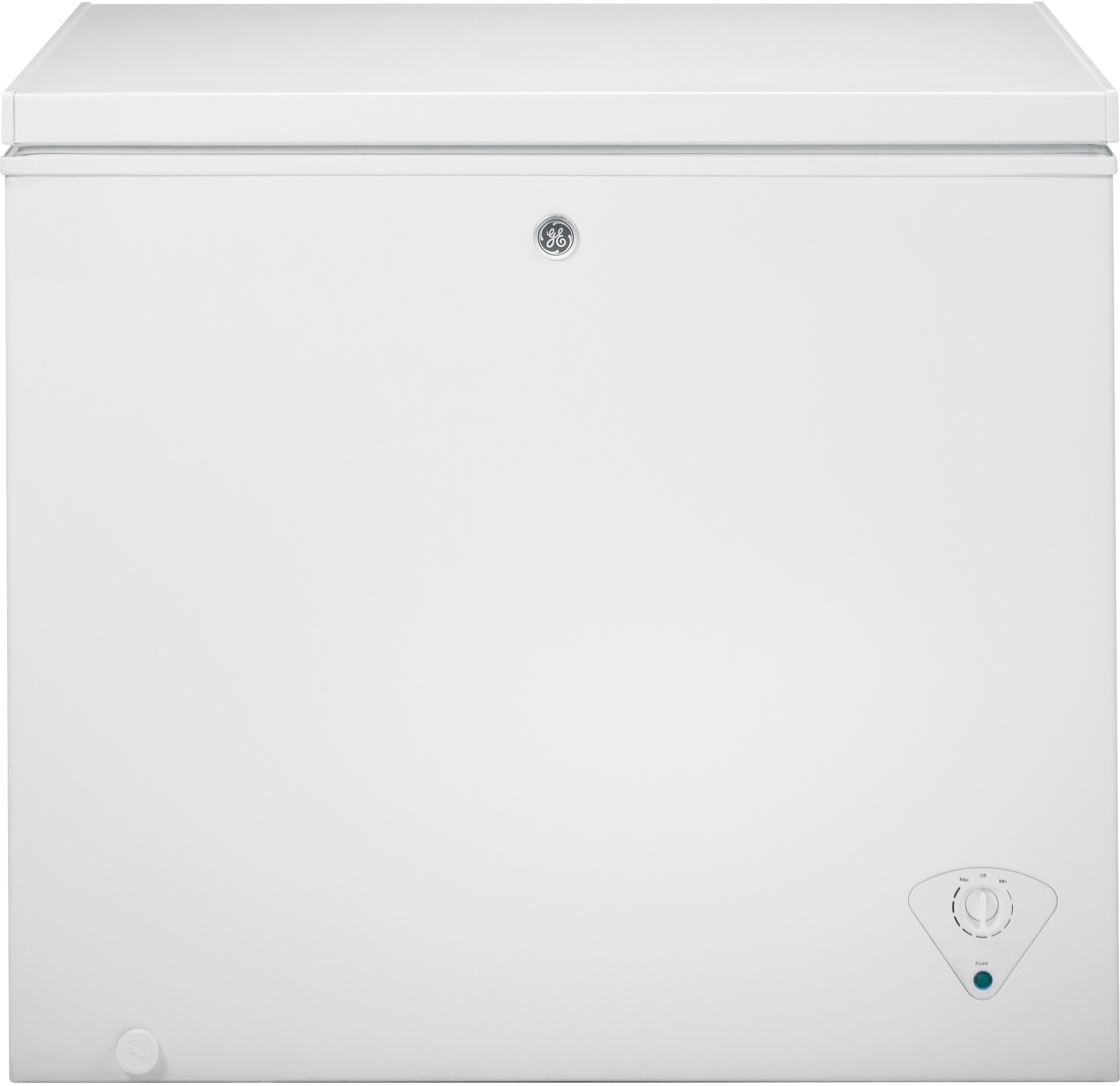
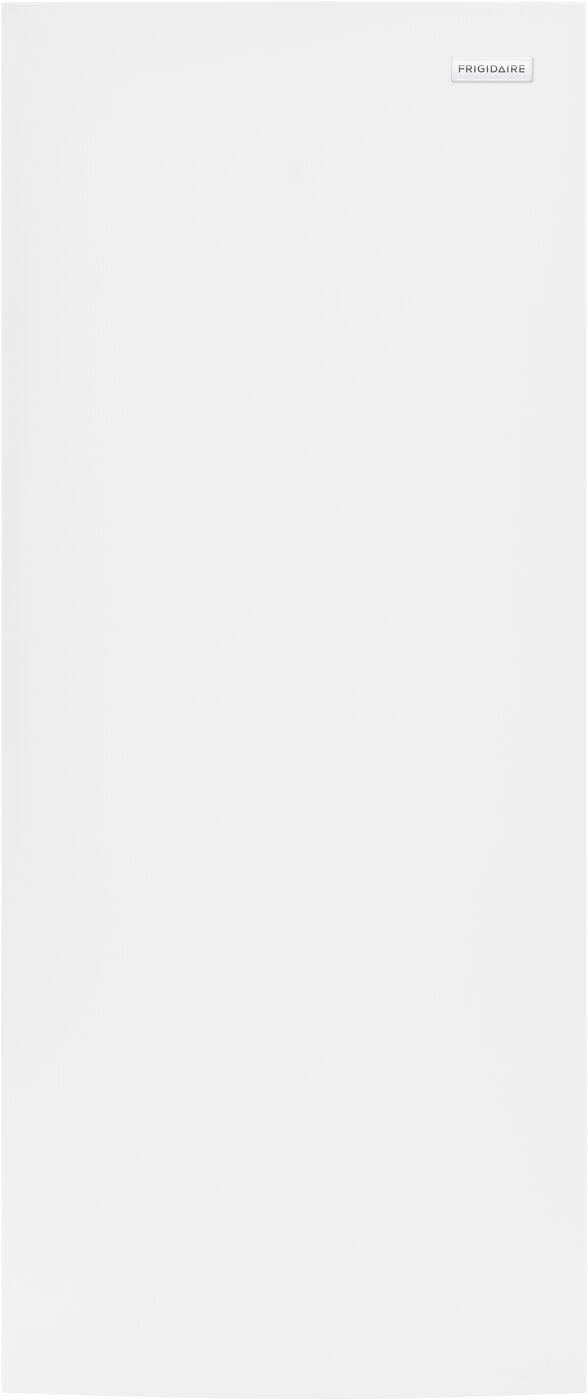
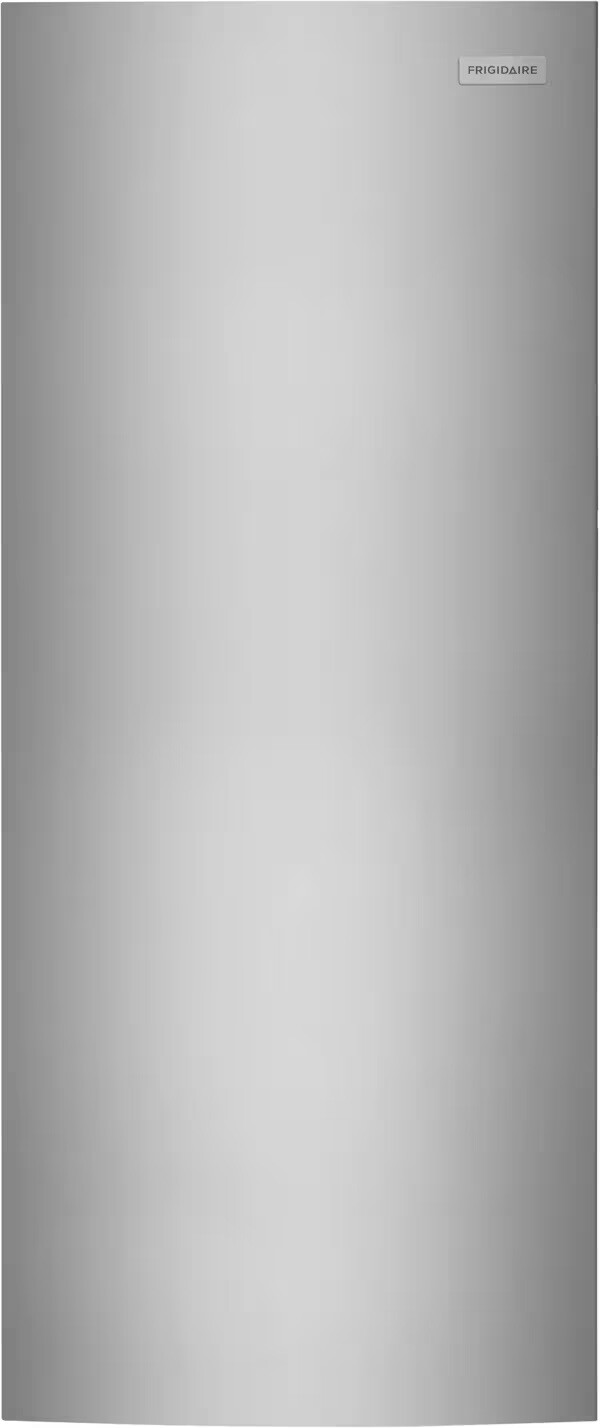
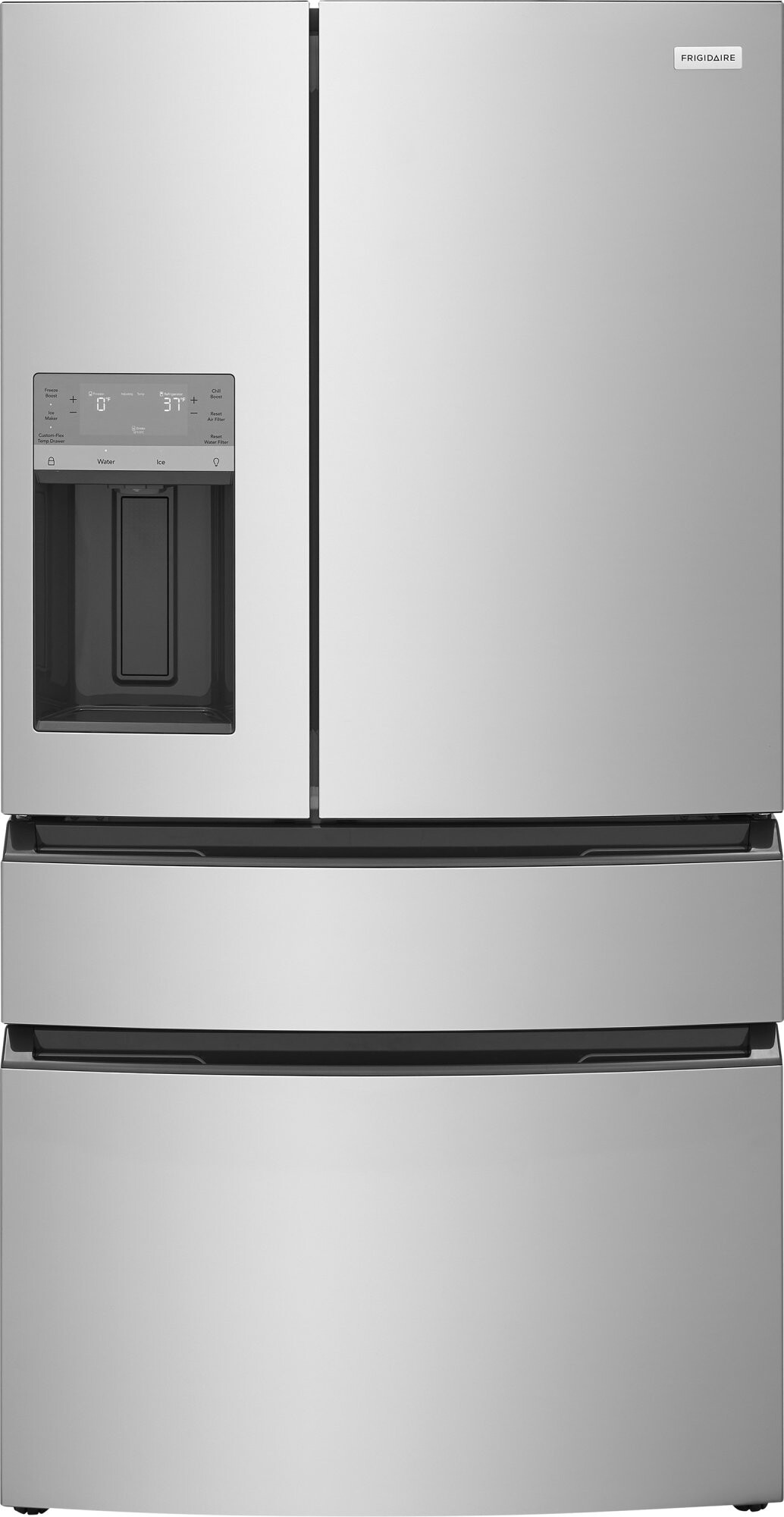
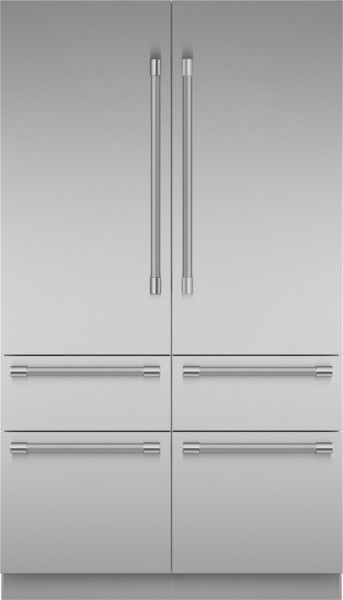
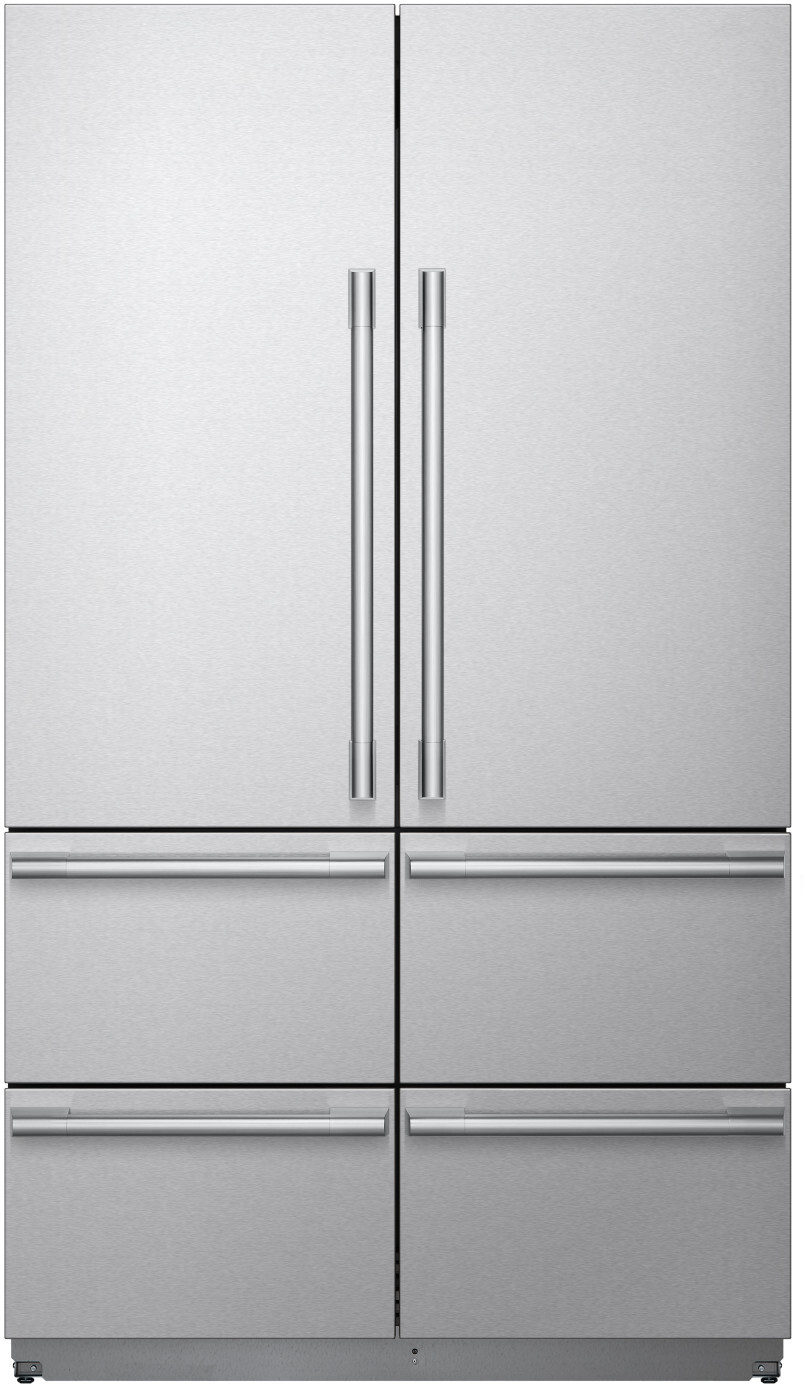
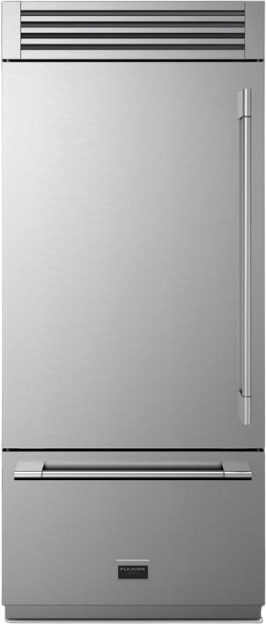
A freestanding freezer is a standalone appliance designed to provide additional freezer space beyond what your refrigerator offers. Unlike built-in or integrated freezers, freestanding models are independent units that can be placed in various locations such as your kitchen, garage, basement, or even a cabin. These freezers come in various sizes and types, making them versatile for different storage needs.
Freestanding freezers are particularly useful for those who require extra space for frozen foods, whether due to bulk buying, meal prepping, or simply needing more storage than a typical refrigerator freezer compartment can offer. They can be easily relocated if needed, providing flexibility for your household setup.
Benefits of Freestanding Freezers
Choosing the best freestanding freezer can offer numerous advantages. Here are some key benefits:
Additional Storage Space: Freestanding freezers provide extra capacity for storing large quantities of frozen foods, which is particularly beneficial for families, home chefs, and those who like to buy in bulk.
Versatility in Placement: These freezers can be placed in various locations, including kitchens, garages, and basements, offering flexibility depending on your space and needs.
Ease of Access: With their standalone design, freestanding freezers often come with convenient features like adjustable shelves and compartments, making it easier to organize and access your frozen items.
Energy Efficiency: Many modern freestanding freezers are designed to be energy-efficient, helping you save on utility bills. For more information on energy-efficient models, check out Fridge.com guide on best garage ready refrigerators.
Temperature Control: Freestanding freezers often come with advanced temperature control features, allowing you to maintain the ideal freezing conditions for different types of food. For insights on maintaining optimal temperatures, visit Fridge.com article on best refrigerator temperature for beer.
Benefit
Description
Additional Storage Space
Provides extra capacity for large quantities of frozen foods.
Versatility in Placement
Can be placed in various locations like kitchens, garages, or basements.
Ease of Access
Features adjustable shelves and compartments for better organization.
Temperature Control
Advanced features to maintain ideal freezing conditions.
By understanding what a freestanding freezer is and the benefits it offers, you can make an informed decision when choosing the best model for your needs. For more tips and recommendations, explore Fridge.com articles on best freestanding fridge freezer and best compact refrigerator.
When choosing the best freestanding freezer, there are several factors to take into account to ensure it fits your needs and preferences. Here are some key considerations:
Capacity and Size
The capacity and size of the freezer are crucial in determining how much storage space you will have. Freestanding freezers come in various sizes, measured in cubic feet, to accommodate different needs. Whether you need a compact freezer for a small apartment or a larger one for a family home, knowing the capacity is essential.
Freezer Type
Capacity (Cubic Feet)
Dimensions (Inches)
Compact
3 - 5
20 x 22 x 34
Medium
6 - 9
28 x 30 x 60
Large
10 - 20
32 x 36 x 72
Consider the available space in your home and ensure the freezer will fit comfortably. For more compact options, you might find Fridge.com article on the best compact refrigerator helpful.
Energy Efficiency
Energy efficiency is another important factor to consider when selecting a freestanding freezer. An energy-efficient freezer not only reduces your carbon footprint but also lowers your electricity bills. Look for freezers with an Energy Star rating, as these units meet strict energy efficiency guidelines set by the Environmental Protection Agency (EPA).
Freezer Type
Annual Energy Consumption (kWh)
Energy Star Certified
Compact
200 - 300
Yes
Medium
400 - 600
Yes
Large
600 - 800
Yes
Choosing an energy-efficient model can result in significant long-term savings. For more information on energy-efficient appliances, visit Fridge.com article on the best energy-efficient refrigerators.
Features and Functions
Modern freestanding freezers come with various features and functions designed to enhance convenience and performance. Here are some features to look out for:
Frost-Free Operation: Prevents ice buildup, reducing the need for manual defrosting.
Adjustable Shelves: Allows you to customize the interior layout for optimal storage.
Temperature Alarm: Alerts you if the interior temperature rises above a safe level.
Fast Freeze Function: Quickly lowers the temperature to freeze new items faster.
Interior Lighting: Provides better visibility inside the freezer.
These features can make a significant difference in the usability and efficiency of your freezer. For more insights into useful features, check out Fridge.com article on the best smart refrigerator with screen.
By considering these factors—capacity and size, energy efficiency, and features and functions—you can find the best freestanding freezer that meets your specific needs. For additional guidance on choosing the right freezer, explore Fridge.com related articles on the best freestanding fridge freezer and the best small chest freezer.
Types of Freestanding Freezers
When choosing the best freestanding freezer, it's important to understand the different types available. The two main types are upright freezers and chest freezers. Each type has unique features and advantages that cater to various needs and preferences.
Upright Freezers
Upright freezers are designed to stand vertically, similar to a refrigerator. They come with multiple shelves and compartments, making it easy to organize and access your frozen items. Some of the key benefits of upright freezers include:
Space Efficiency: Upright freezers take up less floor space, making them ideal for smaller areas such as apartments, condos, and garages.
Easy Organization: With shelves and door compartments, you can easily organize your food items and quickly find what you need.
Convenient Access: The vertical design allows you to access your frozen goods without having to bend over.
Chest freezers are designed to open from the top, providing a large, open storage space. These freezers are known for their energy efficiency and ability to store large quantities of food. Some key advantages of chest freezers include:
Storage Capacity: Chest freezers typically offer more storage space, making them ideal for bulk storage of large items.
Energy Efficiency: Due to their design, chest freezers tend to be more energy-efficient, which can lead to lower electricity bills.
Temperature Stability: The top-opening design helps maintain a consistent temperature, reducing the risk of freezer burn.
Feature
Chest Freezers
Storage Capacity
Large
Temperature Stability
Consistent
For those interested in an energy-efficient option for their garage, check out Fridge.com guide on the best refrigerator for the garage.
Choosing between an upright and a chest freezer depends on your specific needs, available space, and personal preferences. Whether you prioritize easy organization or maximum storage capacity, understanding the differences between these two types of freezers will help you make an informed decision. For more on freezer options, visit Fridge.com article on the best small chest freezer.
Optimizing the organization and storage within your freestanding freezer is essential for maintaining order and maximizing space. Let's explore the key components that contribute to an efficient storage system: the interior layout and shelving, and the use of freezer baskets and compartments.
Interior Layout and Shelving
The interior layout and shelving of a freestanding freezer play a crucial role in how you store and access your frozen items. A well-organized freezer ensures that you can easily find what you need without having to dig through piles of food. Here are some factors to consider:
Adjustable Shelves: Many freestanding freezers come with adjustable shelves that allow you to customize the space according to your storage needs. This flexibility is particularly useful for accommodating larger items or creating more room for smaller, regularly used items.
Fixed Shelves: Fixed shelves are sturdy and provide a stable surface for storing heavy or bulky items. They are typically made of wire or glass and are evenly spaced to maximize storage capacity.
Door Shelves: Some freezers feature door shelves that offer additional storage space for smaller items, such as ice packs, frozen snacks, or smaller packages of food.
Interior Feature
Description
Benefits
Adjustable Shelves
Customizable shelves
Flexibility in storage
Fixed Shelves
Sturdy, fixed in place
Stable surface for heavy items
Door Shelves
Shelves on the door
Extra storage for small items
Freezer Baskets and Compartments
Freezer baskets and compartments are essential for organizing your freestanding freezer and keeping your food items neatly separated. These features help you make the most of the available space and ensure that your freezer remains tidy. Here are some common types:
Wire Baskets: Wire baskets are often included in chest freezers and provide an easy way to organize and access smaller items. They can be lifted out for cleaning or rearranging the freezer's contents.
Plastic Baskets: Plastic baskets offer a more solid structure compared to wire baskets and are typically found in upright freezers. They are great for storing items that need to be kept separate or organized by category.
Compartments: Compartments or drawers within the freezer allow for more specific organization, such as separating meats, vegetables, and ready-to-eat meals. These compartments can help prevent cross-contamination and make it easier to find what you need.
Storage Feature
Description
Benefits
Wire Baskets
Removable wire baskets
Easy organization, access
Plastic Baskets
Solid plastic baskets
Structured storage, separation
Compartments
Divided sections
Specific organization, prevents cross-contamination
For more tips on organizing your freezer and making the most of your storage space, you can explore Fridge.com related articles on best compact refrigerator and best garage fridge. These resources provide additional insights into optimizing your refrigeration and freezing solutions.
Maintaining optimal temperature and ensuring the cleanliness of your freestanding freezer will enhance its performance and longevity. Let's explore the key aspects of temperature control and maintenance.
Thermostat Settings
The thermostat settings in your freestanding freezer play a crucial role in preserving your food's quality and extending the appliance's efficiency. Adjusting the thermostat to the appropriate temperature ensures that your food stays frozen without wasting energy.
Typically, the ideal temperature range for a freezer is between 0°F and -10°F (-18°C to -23°C). Here’s a simple guide to help you set the thermostat correctly:
Freezer Type
Ideal Temperature
Upright Freezer
0°F to -10°F
Chest Freezer
-10°F to -20°F
For more specific temperature recommendations, refer to the manual that came with your freezer. Regularly check the thermostat to ensure it is functioning properly and adjust as needed. This is especially important if you notice that your freezer is not maintaining the desired temperature.
Defrosting and Cleaning
Regular defrosting and cleaning are essential for the maintenance of your freestanding freezer. Ice buildup can reduce the efficiency of your appliance and take up valuable storage space.
Defrosting
Manual defrosting is required for some freezers, and it involves turning off the freezer and allowing the ice to melt. Here’s a basic step-by-step process:
Turn off and unplug the freezer.
Remove all contents and place them in a cooler to keep them frozen.
Allow the ice to melt naturally or use a fan to speed up the process.
Clean up the melted water with towels.
Wipe down the interior with a mild cleaning solution.
Plug the freezer back in and return the food once it reaches the desired temperature.
Frequency
Task
Every 6 months
Manual defrosting (if required)
Monthly
Check for ice buildup
Cleaning
Cleaning the freezer helps prevent odors and maintains hygiene. Here are some tips for effective cleaning:
Unplug the freezer before cleaning.
Remove all food items and any detachable shelves or baskets.
Use a mild detergent and a soft cloth to clean the interior.
Wipe down removable parts and allow them to dry completely before reassembling.
Clean the exterior and ensure the door seals are free from debris.
For more detailed information on maintaining your freezer, check out Fridge.com article on best freestanding fridge freezer.
By keeping your freezer clean and properly maintained, you can ensure it operates efficiently and prolong its lifespan. Proper temperature control and regular maintenance are key to getting the most out of your best freestanding freezer.
Placement and Installation
When choosing the best freestanding freezer, it's essential to consider where you will place and install it. Proper placement ensures optimal performance and longevity of your appliance.
Location Considerations
Selecting the right location for your freestanding freezer is critical. Here are some factors to keep in mind:
Space and Accessibility: Ensure there is enough space for the freezer to fit comfortably. Measure the area where you plan to place the freezer, accounting for door clearance and any adjacent appliances.
Surface Level: The surface should be flat and level to prevent vibrations and ensure the freezer operates efficiently.
Proximity to Power Supply: Place the freezer near an electrical outlet. Avoid using extension cords as they can be a fire hazard.
Ambient Temperature: Consider the temperature of the environment. Freezers perform best in areas where the ambient temperature remains consistent. Avoid placing it in extremely hot or cold locations like garages or basements unless the unit is designed for such conditions.
For more information on selecting appliances for challenging environments, read Fridge.com article on the best refrigerator for the garage.
Ventilation Needs
Proper ventilation is crucial for the efficient operation of your freestanding freezer. Without adequate airflow, the compressor can overheat, leading to potential failures and reduced efficiency.
Clearance Space: Ensure there is sufficient space around the freezer for ventilation. Most manufacturers recommend leaving at least 2-3 inches of space on all sides.
Back and Top Clearance: The back and top of the freezer should have enough clearance to allow heat to dissipate. Check the user manual for specific recommendations.
Avoid Enclosures: Do not place the freezer in tight enclosures or alcoves without proper ventilation. This can trap heat and reduce performance.
Component
Recommended Clearance
Sides
2-3 inches
Back
2-3 inches
Top
2-3 inches
For those considering a compact option, Fridge.com article on the best compact refrigerator offers insights into space-saving solutions.
By paying attention to these placement and installation guidelines, you can ensure your freestanding freezer operates efficiently and lasts longer. For more information on other types of refrigeration, check out Fridge.com guide on the best freestanding fridge freezer.
When considering the best freestanding freezer, it's essential to evaluate both the initial cost and the long-term savings associated with your purchase. Understanding these factors will help you make an informed decision that suits your budget and meets your needs.
Initial Cost
The initial cost of a freestanding freezer can vary significantly based on its type, size, and features. Upright freezers and chest freezers come in different price ranges, with certain models offering advanced features that can increase the price. Here is a general overview of the initial costs you might encounter:
Freezer Type
Price Range ($)
Small Chest Freezer
100 - 300
Large Chest Freezer
300 - 800
Small Upright Freezer
150 - 400
Large Upright Freezer
400 - 1,000
For those who are interested in compact or smaller options, check out Fridge.com guide on the best compact refrigerator and the best mini fridge.
Long-Term Savings
Investing in a freestanding freezer isn't just about the initial purchase price; it's also important to consider the long-term savings. Energy efficiency plays a crucial role in determining the ongoing cost of operating your freezer. Energy-efficient models can significantly reduce your electricity bills over time.
Freezer Type
Annual Energy Cost ($)
Standard Chest Freezer
50 - 70
Standard Upright Freezer
60 - 80
Choosing an energy-efficient model can lead to substantial savings over the lifespan of the appliance. Additionally, features such as auto-defrost and adjustable thermostats can help maintain optimal performance and reduce maintenance costs. For more information on selecting an energy-efficient model, you may find Fridge.com article on the best freestanding fridge freezer useful.
Considering the initial cost and long-term savings will help you find the best freestanding freezer that fits your budget and provides value over time. By evaluating these factors, you can make a well-informed decision that meets your needs and ensures efficient performance.
Compare freezer prices on Fridge.com
Compare current prices and specifications on Fridge.com, then buy from the retailer you choose; delivery, installation and warranty terms are the retailer’s.
It also has tons of awesome articles about kitchen stuff and home news. Enhance your home, garage, backyard, patio, and office with the coolest essentials. With every necessary type of residential refrigerator or freezer in the collection, you're covered.
Frequently Asked Questions
A freestanding freezer is a standalone appliance designed to provide additional freezer space beyond what your refrigerator offers. Unlike built-in or integrated freezers, freestanding models are independent units that can be placed in various locations such as your kitchen, garage, basement, or even a cabin. These freezers come in various sizes and types, making them versatile for different storage needs. Freestanding freezers are particularly useful for those who require extra space for frozen foods, whether due to bulk buying, meal prepping, or simply needing more storage than a typical refrigerator freezer compartment can offer. They can be easily relocated if needed, providing flexibility for your household setup.