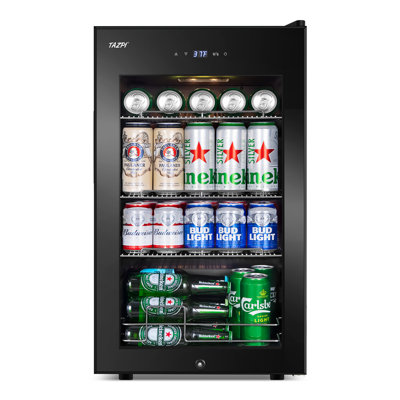
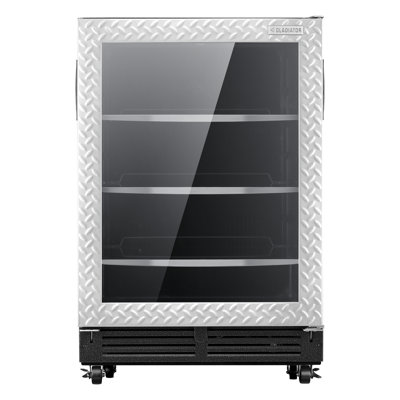
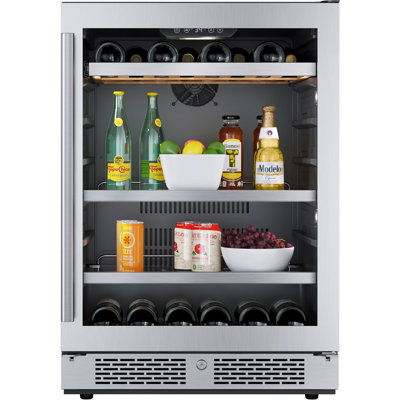
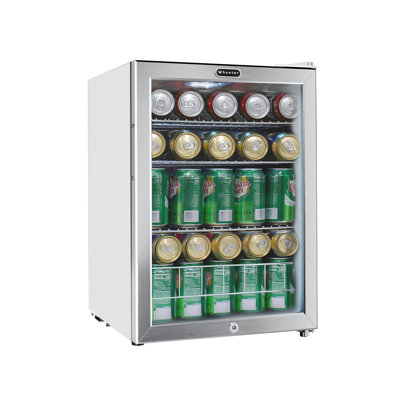
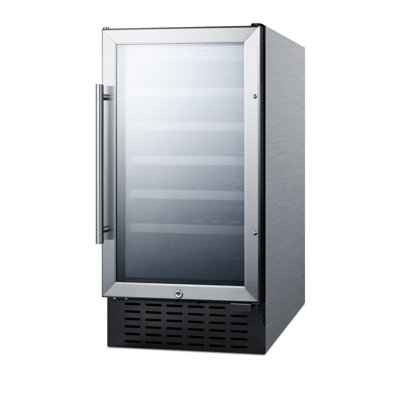
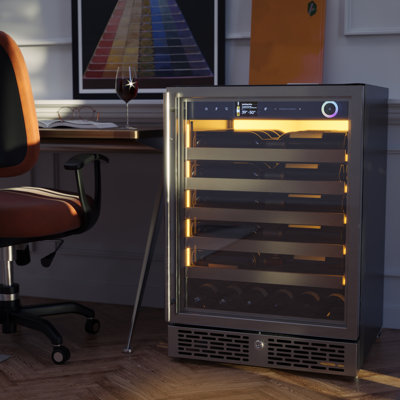
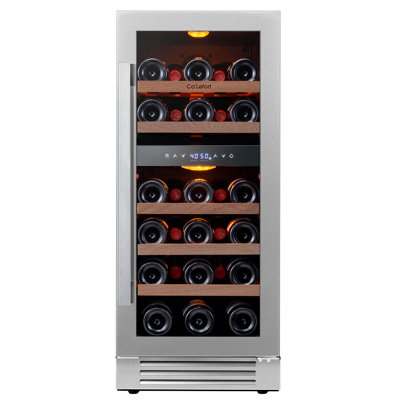
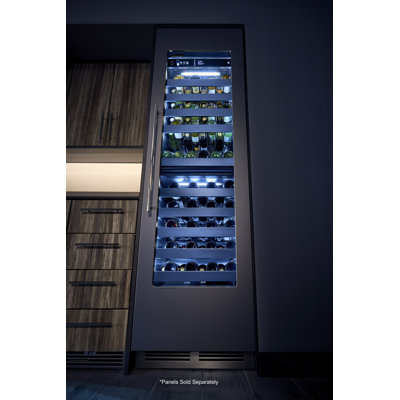
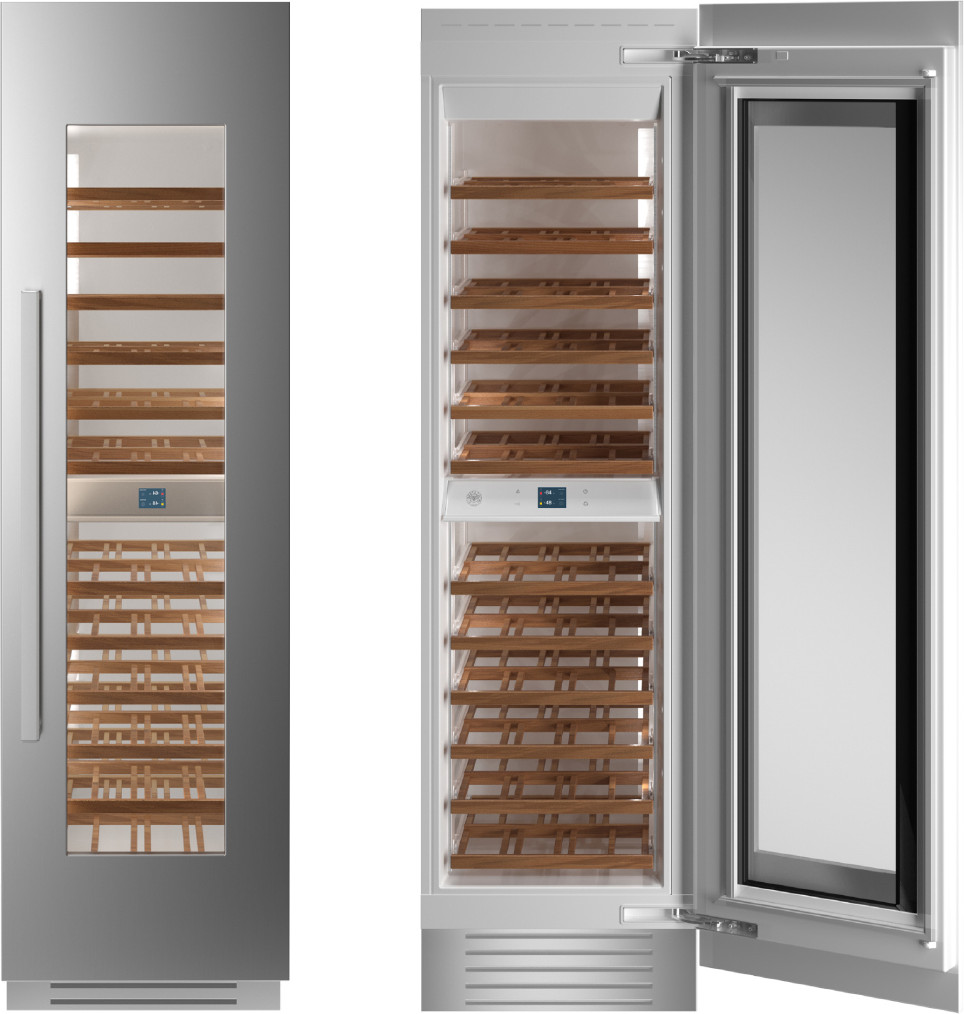
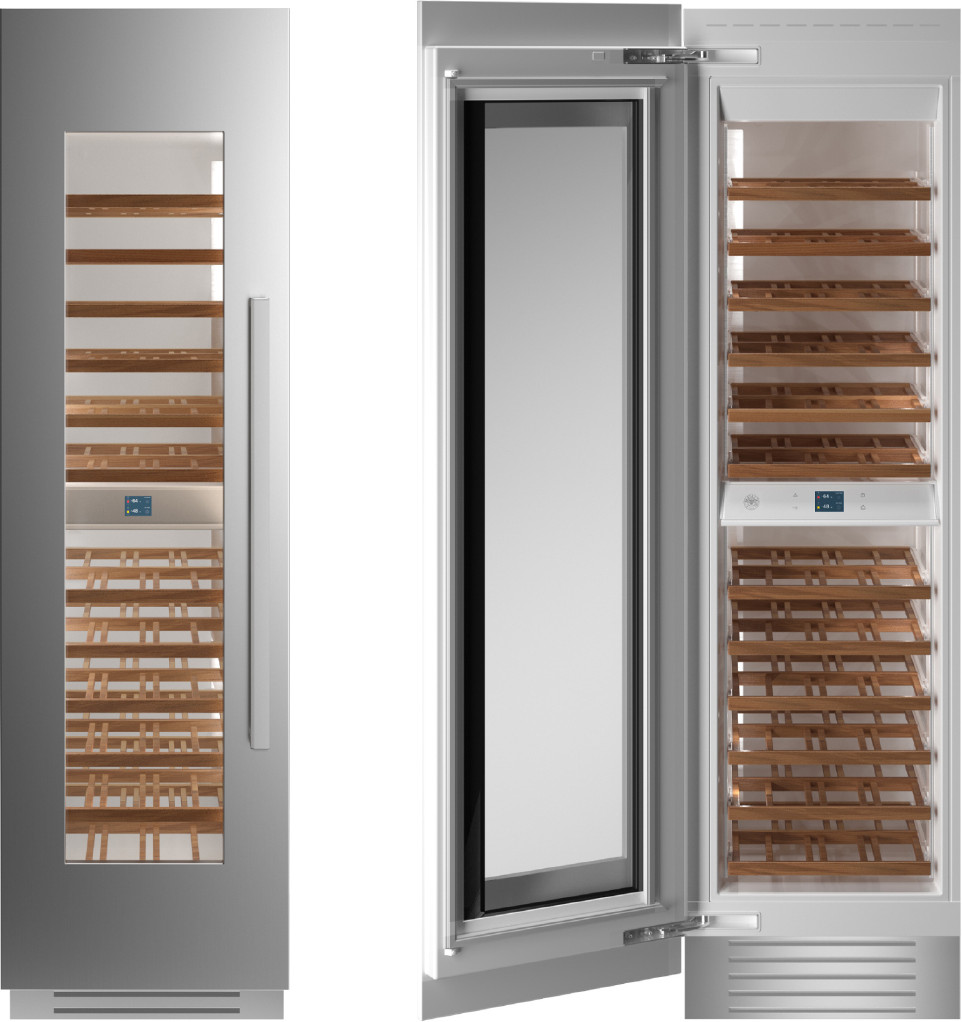
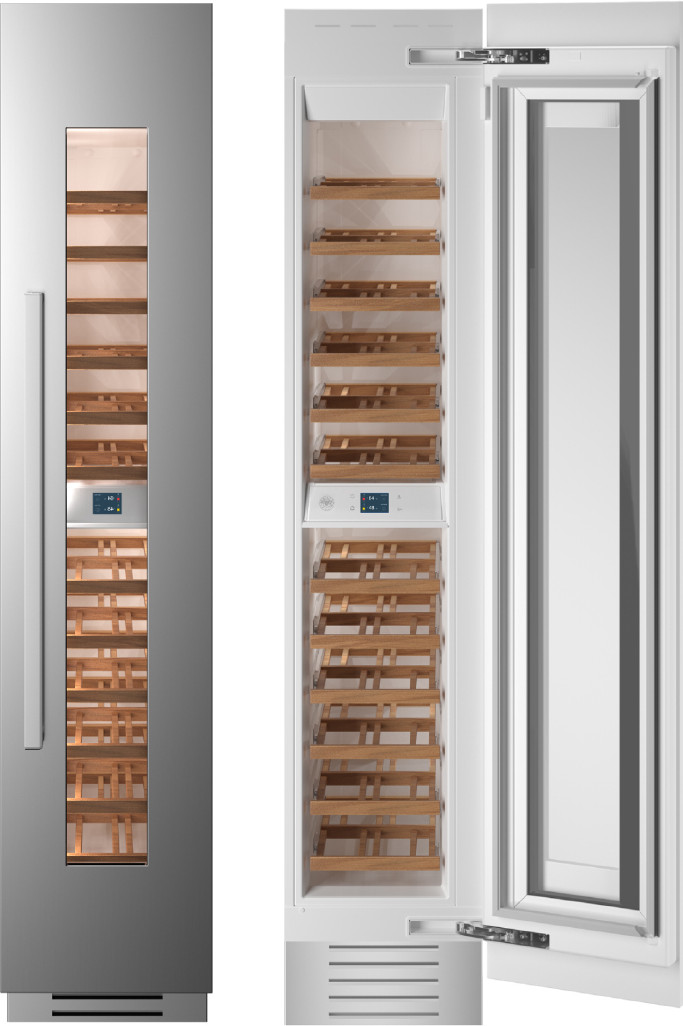
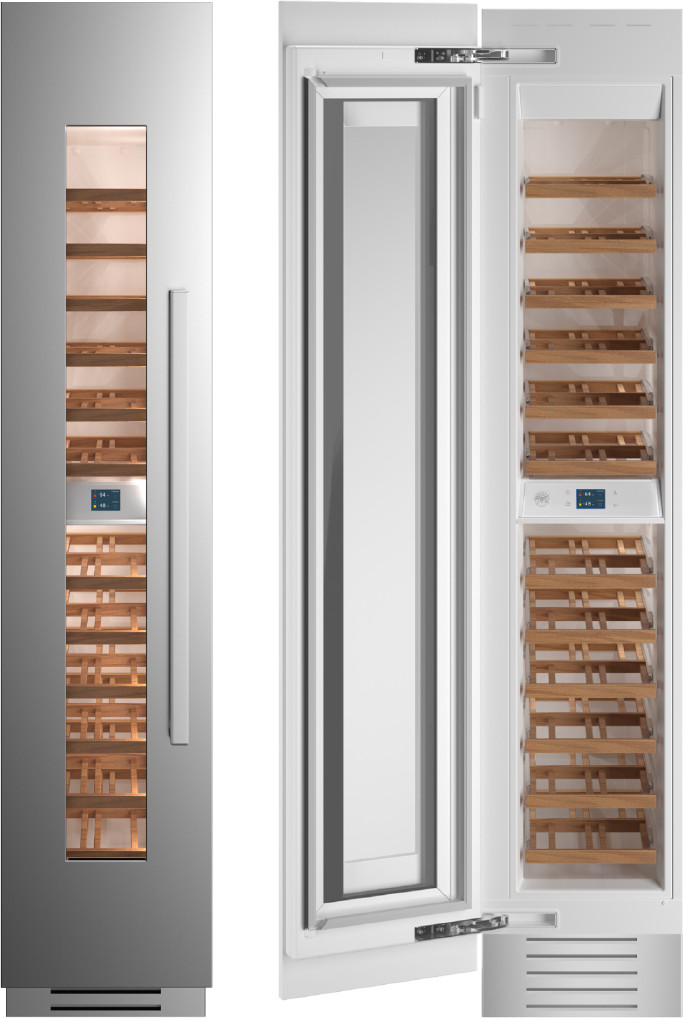
Temperature Control: Wine fridges provide precise temperature settings, usually ranging between 45°F and 65°F, ideal for storing both red and white wines.
Beer keg coolers typically maintain temperatures between 36°F to 40°F (2°C to 4°C).
Wine fridges typically maintain a humidity level between 50% and 80%, preventing corks from drying out and ensuring the wine ages well.
When deciding between a beer keg cooler and a wine fridge, several factors should be considered to ensure you select the best option for your needs.
Beer keg coolers and wine fridges are specialized refrigeration units designed to store and chill beverages. While both serve the purpose of keeping drinks at optimal temperatures, they cater to different types of beverages and offer unique features tailored to their respective uses.
Key Differences Between Beer Keg Coolers and Wine Fridges
Design and Capacity
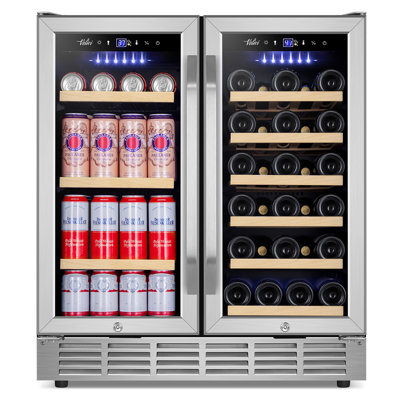
Beer keg coolers are designed to hold kegs of beer and often come with taps for easy dispensing. They typically have larger, more robust interiors to accommodate the bulky size of kegs. On the other hand, wine fridges are built with multiple shelves and racks specifically designed to hold wine bottles securely.
Feature
Beer Keg Cooler
Wine Fridge
Storage Capacity
Large kegs
Multiple wine bottles
Shelving
Minimal or none
Multiple adjustable shelves
Dispensing
Tap system
No dispensing system
Temperature Control
Beer keg coolers usually maintain a lower temperature range suitable for preserving and serving beer. Wine fridges, however, offer more precise temperature control with dual-zone options, allowing you to store different types of wine at their ideal temperatures.
Feature
Beer Keg Cooler
Wine Fridge
Temperature Range
32°F - 45°F
45°F - 65°F
Dual-Zone Control
No
Yes, in some models
Similarities in Functionality
Despite their differences, beer keg coolers and wine fridges share some functional similarities. Both units are designed to maintain consistent temperatures to ensure the quality of the beverages stored within. They also offer features like adjustable shelves, digital temperature displays, and energy-efficient cooling systems.
For more information on other types of refrigeration units and how they compare, check out Fridge.com articles on drawer fridge freezer Vs. refrigerator cooler and standard fridge size Vs. upright freezer.
Beer Keg Coolers Explained
Features and Benefits of Beer Keg Coolers
Beer keg coolers are designed to keep your beer at the ideal temperature for serving. Here are some of the key features and benefits of using a beer keg cooler:
Temperature Control: They come with adjustable temperature settings to ensure your beer is kept at the optimal serving temperature.
Capacity: They can hold multiple kegs, making them perfect for parties or gatherings.
Design: Typically, they have a sleek and robust design to fit in various environments, from home bars to garages.
Ease of Use: Many models feature easy-to-use taps and dispensers, ensuring you can pour your beer effortlessly.
Below is a table summarizing the typical features you can expect from a beer keg cooler:
Feature
Description
Temperature Range
34°F - 38°F
Capacity
1-3 kegs
Power
120V
Dimensions
Varies by model
Ideal Uses for Beer Keg Coolers
Beer keg coolers are versatile and can be used in various settings to enhance your beer-drinking experience. Here are some ideal uses:
Home Bars: Perfect for homeowners who love to entertain guests and want to serve draft beer at home.
Parties and Gatherings: Ideal for large events where multiple kegs of beer need to be kept cold and served efficiently.
Garages and Man Caves: Great for personal spaces where you want easy access to draft beer.
Restaurants and Bars: Useful in commercial settings for serving beer to a large number of customers.
For more information on how beer keg coolers compare to other refrigeration options, you can check out Fridge.com articles on drawer fridge freezer Vs. refrigerator cooler and standard fridge size Vs. upright freezer.
By understanding the features and benefits of beer keg coolers and their ideal uses, you can make an informed decision on whether a beer keg cooler is the right choice for your needs. For further comparisons and insights, explore Fridge.com article on beer fridge Vs. office refrigerator.
Wine fridges offer distinct features designed to keep your wine at the optimal temperature and humidity. These features ensure that each bottle maintains its flavor profile and longevity.
Temperature Control: Wine fridges provide precise temperature settings, usually ranging between 45°F and 65°F, ideal for storing both red and white wines. Dual-zone models allow you to store different types of wine at their respective optimal temperatures.
Humidity Control: Maintaining the right humidity level is crucial for wine preservation. Wine fridges typically maintain a humidity level between 50% and 80%, preventing corks from drying out and ensuring the wine ages well.
UV Protection: Many wine fridges come with UV-resistant glass doors. This feature protects your wine from harmful ultraviolet rays that can degrade its quality.
Vibration Reduction: Wine fridges often include vibration-dampening technology. This helps in minimizing the disturbances that can negatively impact the aging process of wine.
Feature
Benefit
Temperature Control
Keeps wine at optimal temperature
Humidity Control
Prevents corks from drying out
UV Protection
Shields wine from harmful UV rays
Vibration Reduction
Preserves wine's aging process
Ideal Uses for Wine Fridges
Wine fridges are designed to cater to various needs, whether you are a casual wine drinker or a dedicated collector.
Home Use: Ideal for storing wine in your kitchen, dining room, or living area. A wine fridge ensures that you always have perfectly chilled wine ready for any occasion.
Wine Cellars: For those with a dedicated wine cellar, a wine fridge can provide additional storage. It offers precise temperature control, complementing the existing cellar environment.
Entertaining: If you frequently host parties or gatherings, a wine fridge allows you to offer a variety of wines at their perfect serving temperatures. This enhances the overall experience for your guests.
Professional Settings: Wine fridges are also perfect for restaurants, bars, and hotels. They ensure that every bottle is stored and served at the right temperature, maintaining the wine's quality and taste.
In choosing between a beer keg cooler Vs. wine fridge, consider how these features and uses align with your specific needs. Each option has its own advantages, making it easier to find the perfect fit for your lifestyle and preferences.
Factors to Consider When Choosing Between a Beer Keg Cooler and Wine Fridge
When deciding between a beer keg cooler and a wine fridge, several factors should be considered to ensure you select the best option for your needs. These include capacity and size, temperature control and zones, humidity levels, and design and aesthetics.
Capacity and Size
Capacity and size are crucial when choosing between a beer keg cooler and a wine fridge. Beer keg coolers are designed to store kegs, whereas wine fridges are meant for bottles of wine. The dimensions and storage capacity of each will vary significantly.
Storage Type
Typical Capacity
Beer Keg Cooler
1-4 kegs
Wine Fridge
12-150 bottles
Consider the space you have available and the amount of beverage you plan to store. A beer keg cooler may be bulkier due to the size of kegs, while wine fridges come in various sizes, from compact to large.
Temperature Control and Zones
Temperature control is essential for maintaining the quality of both beer and wine. Beer keg coolers and wine fridges offer different temperature settings suited to their specific beverages.
Beer keg coolers typically maintain temperatures between 36°F to 40°F (2°C to 4°C).
Wine fridges have a broader range, often adjustable from 40°F to 65°F (4°C to 18°C), depending on whether you are storing red or white wine.
Some wine fridges come with dual-zone temperature control, allowing you to store different types of wine at their optimal temperatures. For more on temperature control, visit Fridge.com article on standard fridge size Vs. upright freezer.
Humidity Levels
Humidity control is another important factor, especially for wine storage. Wine fridges often include humidity control features to maintain an ideal environment for preserving wine quality. Beer keg coolers, on the other hand, generally do not offer humidity control as it's not as crucial for beer storage.
Design and aesthetics play a significant role in choosing between a beer keg cooler and a wine fridge. Beer keg coolers often have a utilitarian design, focusing on functionality and space for kegs, while wine fridges tend to offer more elegant designs suitable for display.
Beer keg coolers may include features like tap handles and drip trays.
Wine fridges often boast glass doors, wooden shelves, and interior lighting to showcase your wine collection.
By weighing these factors—capacity and size, temperature control and zones, humidity levels, and design and aesthetics—you can make an informed decision on whether a beer keg cooler or a wine fridge is the best fit for your needs.
Compare prices on Fridge.com
Compare current prices and specifications on Fridge.com, then buy from the retailer you choose; delivery, installation and warranty terms are the retailer’s.
It also has tons of awesome articles about kitchen stuff and home news. Enhance your home, garage, backyard, patio, and office with the coolest essentials. With every necessary type of residential refrigerator or freezer in the collection, you're covered.
Free tool
Wine Refrigerator Calculator
Free interactive tool from Fridge.com — get a quick answer while you read.