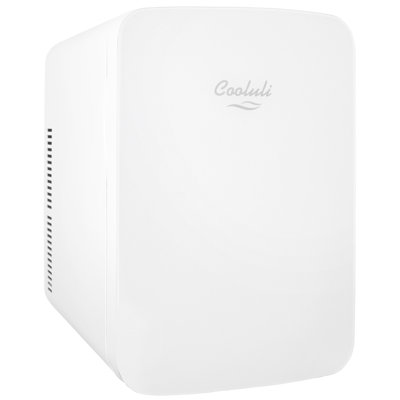
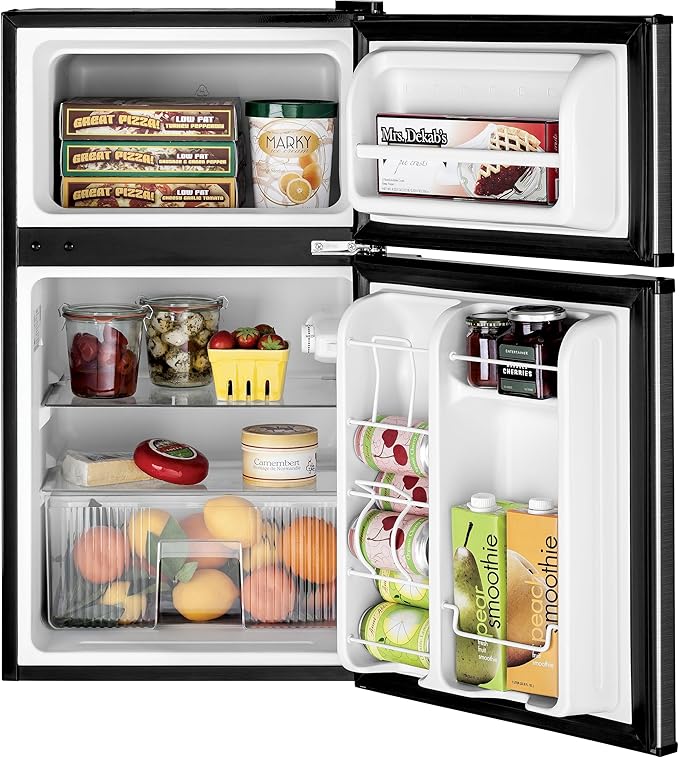
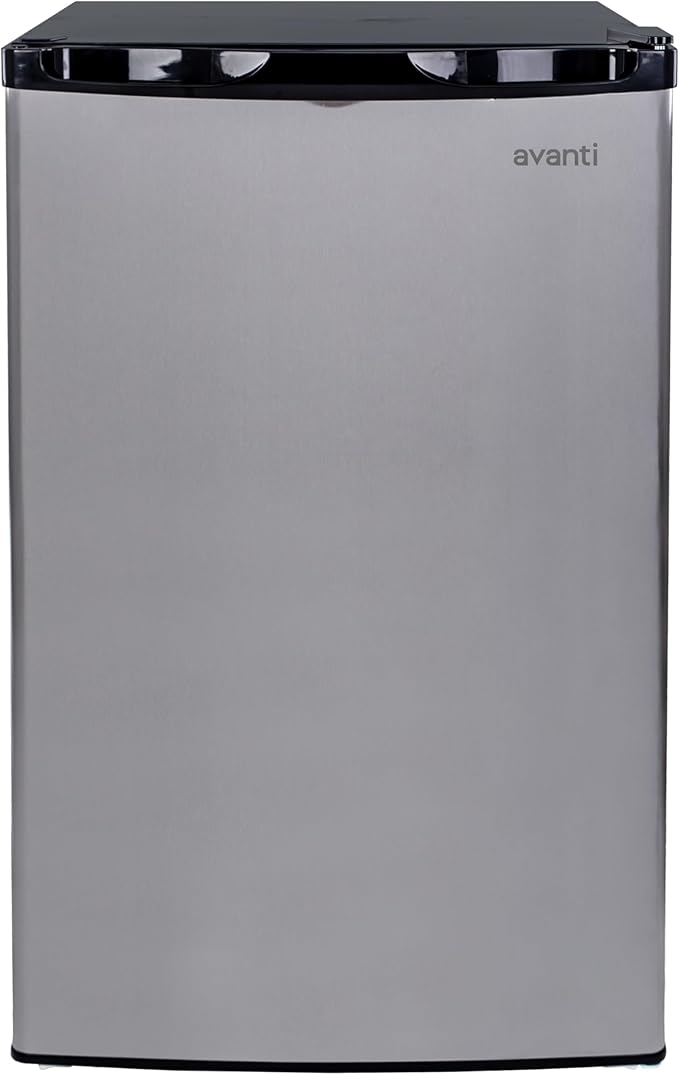
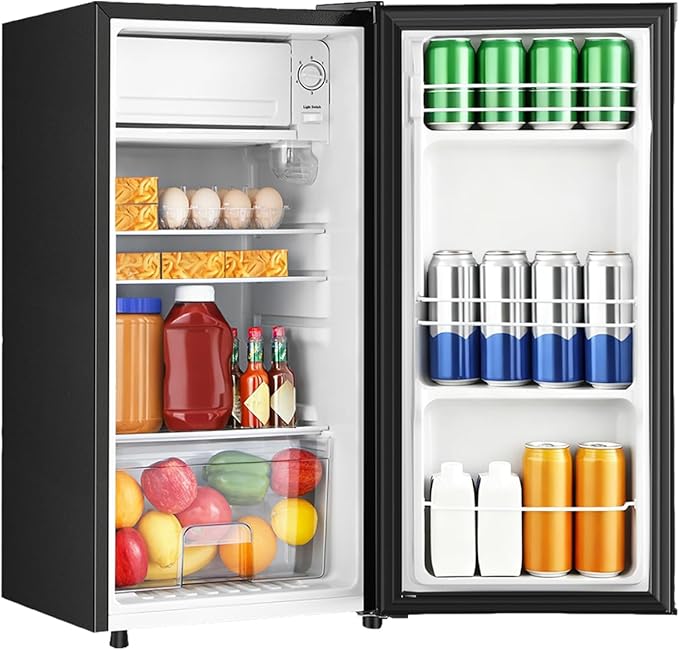
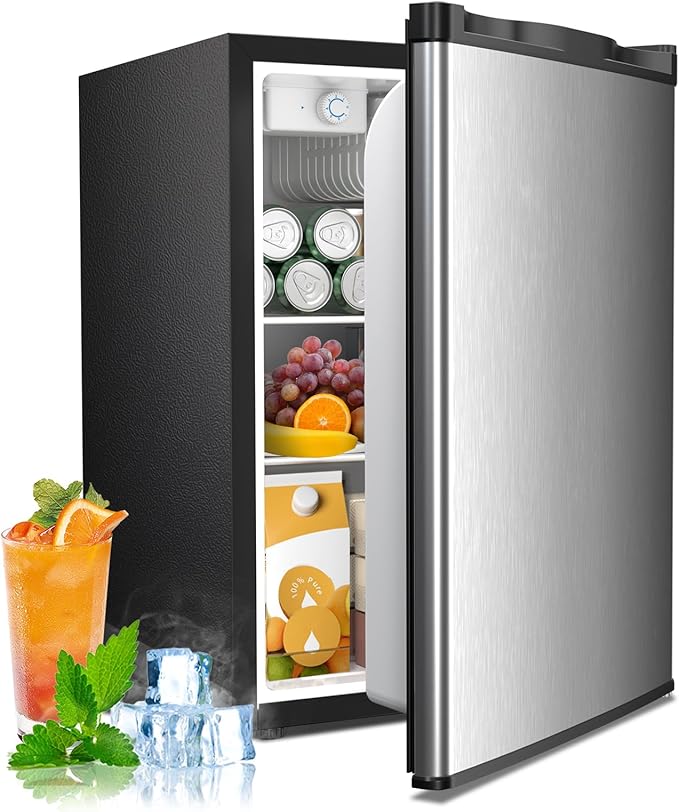
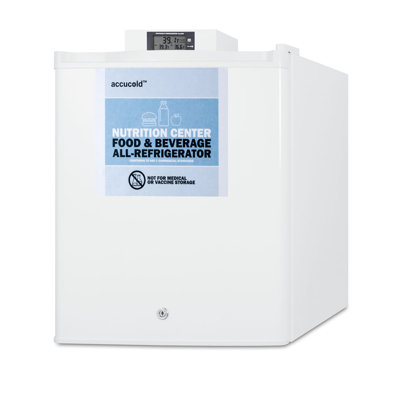
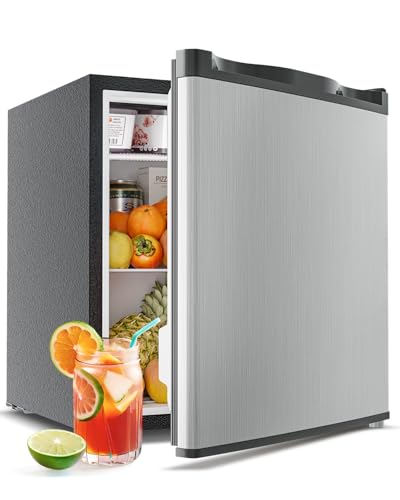
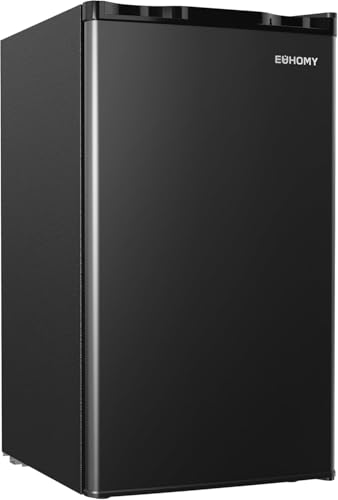
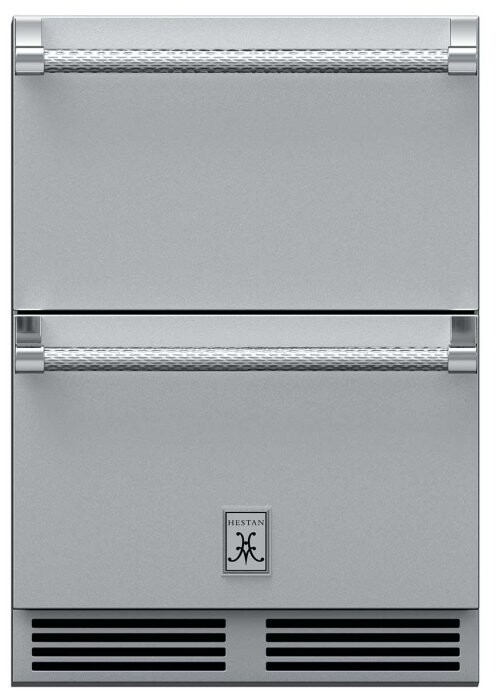
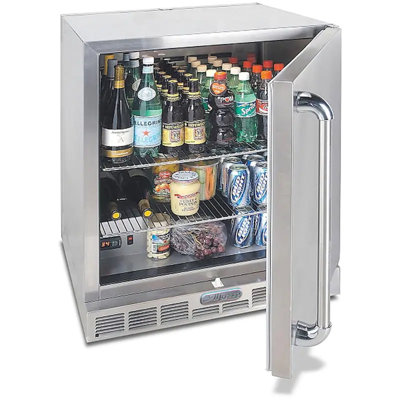
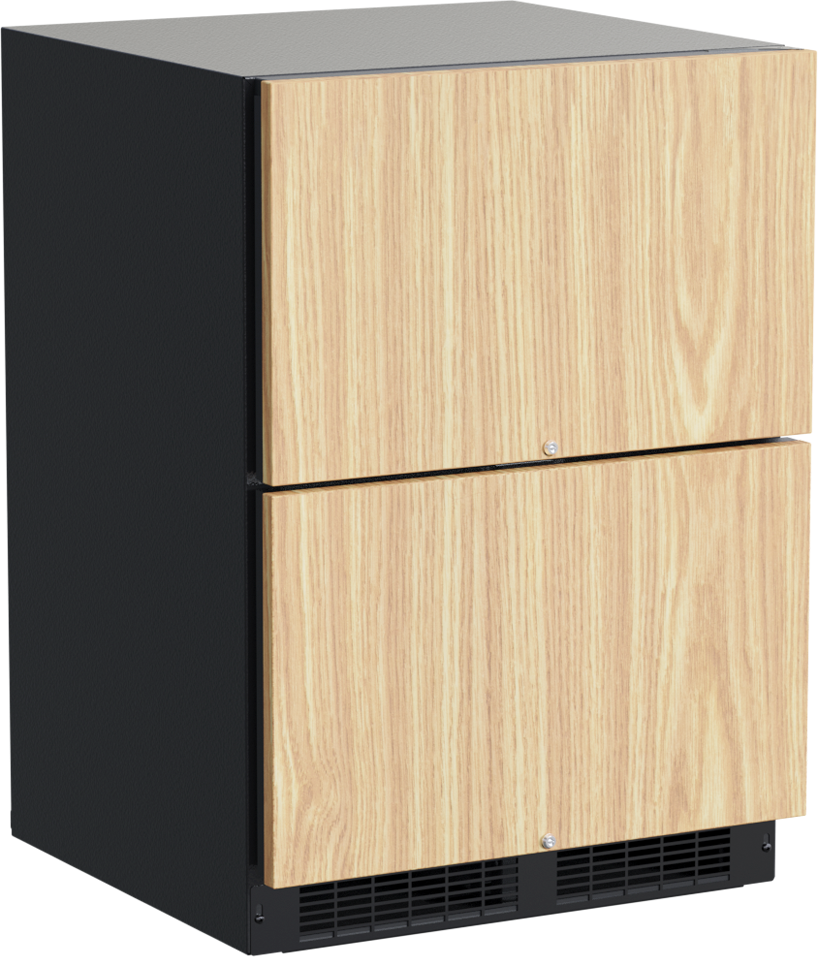
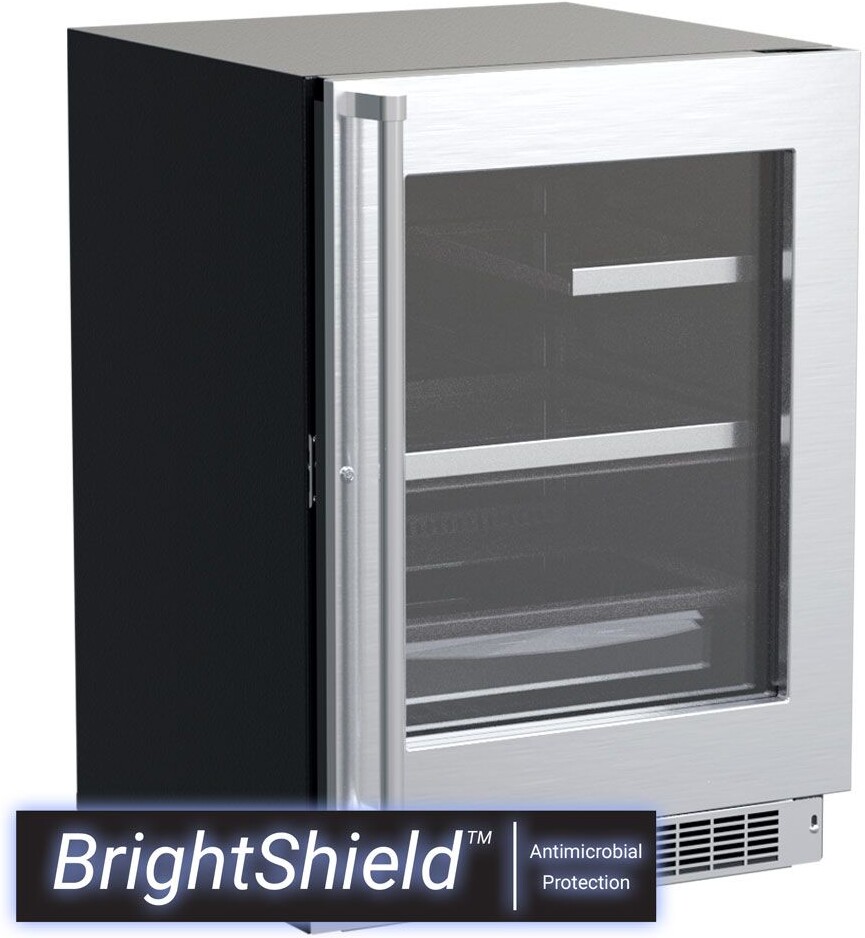
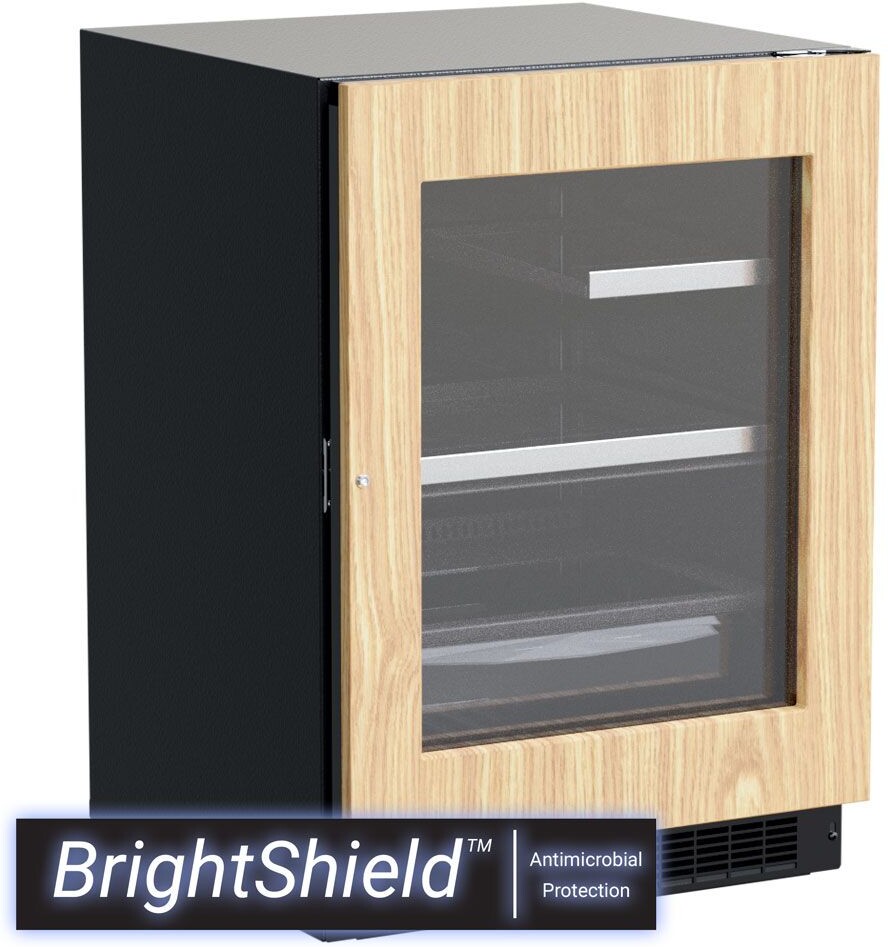
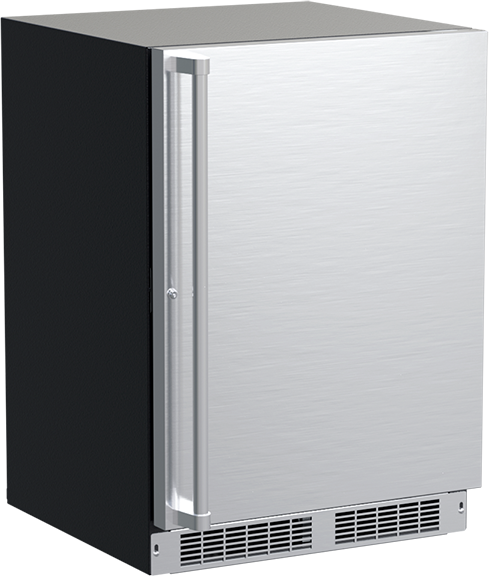
They utilize a technology that is perfect for maintaining a consistent temperature, usually between 35°F and 40°F, which is ideal for drinks.
In contrast, column freezers are all about maintaining much lower temperatures, typically around 0°F or below, to keep your foods frozen and well-preserved.
With a focus on being compact, the capacity of bar fridges typically ranges from 1.7 cubic feet to 4.5 cubic feet.
These are ideal for families or individuals who require substantial storage space for frozen goods.
Bar Fridge vs. Column Freezer: An In-Depth Comparison
Introduction to Refrigeration Options
When it comes to selecting the right refrigeration for your space, whether it's for your home, office, or entertainment area, you have a range of options to consider. Two popular choices that cater to different needs are bar fridges and column freezers. You might be weighing these options for a variety of settings, from compact living spaces like apartments and condos to larger areas such as garages and basements. Understanding the nuances of each can help you make an informed decision that aligns with your lifestyle and refrigeration requirements.
Understanding the Differences Between Bar Fridges and Column Freezers
Bar fridges and column freezers serve distinct purposes and come with their own set of features. While a bar fridge offers convenient access to chilled beverages and snacks, a column freezer provides extensive space for long-term storage of frozen goods.
Feature
Bar Fridge
Column Freezer
Size
Compact, undercounter fit
Tall, full-length units
Capacity
Limited, for drinks and small items
Expansive, suitable for bulk storage
Placement
Versatile, fits in small spaces
Fixed, requires dedicated space
Cooling Technology
Designed for quick cooling
Engineered for deep freezing
If you're contemplating a bar fridge, you're likely looking for a solution that provides easy access to cold beverages and doesn't take up much space. This makes them a fantastic addition to home bars, entertainment rooms, or even under a desk in an office. They're also an attractive choice for those looking to furnish a tiny home or a dorm room, where space is at a premium. For more information on integrating a bar fridge into your living area, consider reading about the bar fridge vs. upright refrigerator comparison.
In contrast, a column freezer is a substantial appliance designed for families or individuals who need to store a significant amount of frozen food. With their larger size, these freezers often feature advanced cooling systems that ensure your items remain frozen and well-preserved. They are a common fixture in homes where meal prepping or bulk buying is routine. To explore how a column freezer might meet your needs, take a look at the column refrigerator freezer vs. undercounter freezer discussion.
As you consider which option is best for your needs, reflect on the importance of capacity, design, energy efficiency, and additional features that each model offers. Your decision will ultimately be shaped by how you plan to use the appliance, the available space, and your personal preferences when it comes to organizing and accessing your food and drinks.
When considering refrigeration for your home, office, or entertainment spaces, size and capacity are pivotal elements that influence your decision. Your unique living situation, whether it be an apartment, townhouse, or cottage will dictate the type of cooling appliance – a bar fridge or a column freezer – that will best suit your needs.
Bar Fridge: Compact Convenience
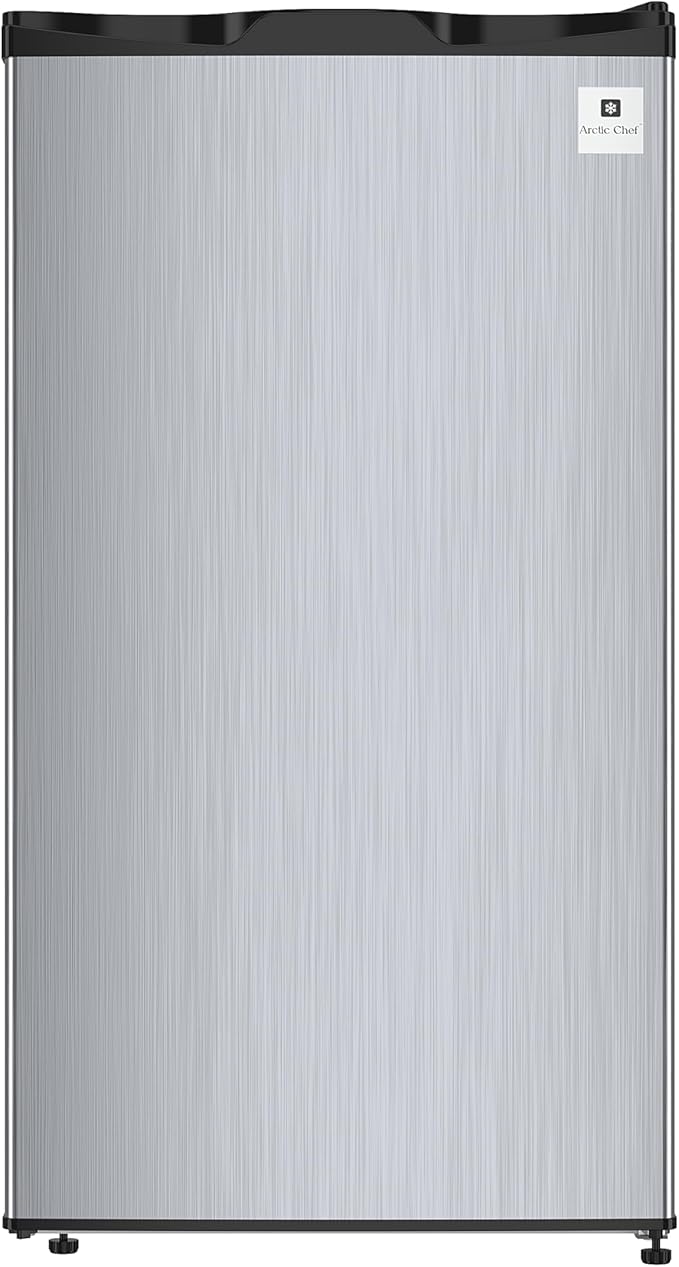
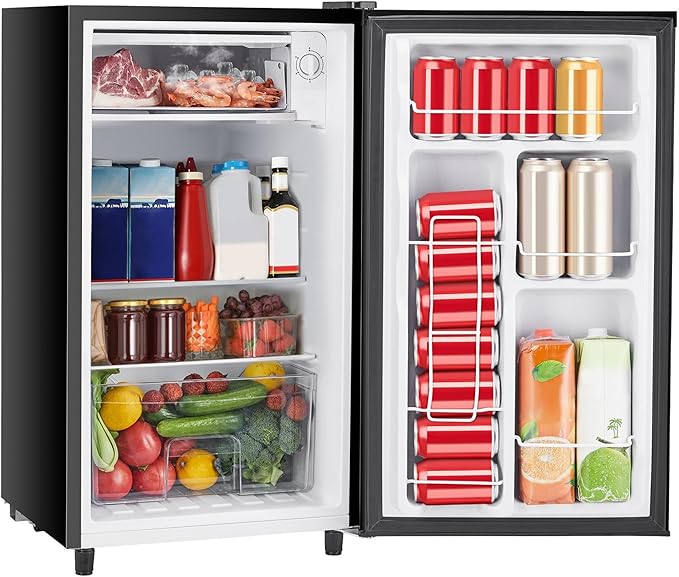
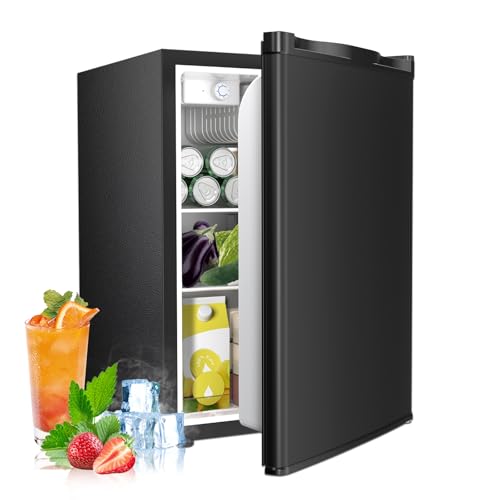
A bar fridge, sometimes referred to as a mini-fridge or compact refrigerator, is designed for space-saving and convenience. It fits seamlessly in various settings, from a cozy corner in your office to a discreet spot in your entertainment room. With a focus on being compact, the capacity of bar fridges typically ranges from 1.7 cubic feet to 4.5 cubic feet. This size is perfect for storing beverages, snacks, or additional food items when space is at a premium.
Column freezers, on the other hand, are stand-alone units dedicated entirely to freezing. These are ideal for families or individuals who require substantial storage space for frozen goods. With a typical capacity ranging from 12 to 25 cubic feet, these freezers provide ample room for bulk purchases, meal prep storage, or for those who have a passion for ice cream and frozen delicacies.
Column Freezer Size (Cubic Feet)
Dimensions (W x H x D)
Ideal for
12
24" x 84" x 24"
Family Home/Cottage
18
30" x 84" x 24"
Large Household/Ranch
24
36" x 84" x 24"
Entertaining/Commercial Use
Column freezers are often designed with built-in capabilities or freestanding options to fit your specific design needs. They can be integrated seamlessly into your kitchen or designated storage area, offering both functionality and a sophisticated aesthetic. To delve deeper into the benefits of a dedicated freezer, consider reading about column refrigerator freezer vs. undercounter freezer and ice cream freezer vs. upright refrigerator.
When choosing between a bar fridge and a column freezer, assess your space, storage requirements, and lifestyle needs. While a bar fridge offers compact convenience, a column freezer provides spacious storage, ensuring you have the right refrigeration solution for your home.
Bar fridges, known for their compact size, offer the convenience of portability and can fit into a variety of spaces, from entertainment areas to home offices. Their design is often sleek and modern, with a range of finishes to complement any decor. Whether tucked under a counter or standing alone, bar fridges can add a touch of sophistication to your space.
Features
Bar Fridge
Placement Flexibility
High
Style Options
Various
Space Utilization
Minimal
When considering a bar fridge for your home or office, think about the convenience of having chilled beverages and snacks within arm's reach. This type of fridge is perfect for personal use or for entertaining guests, making it a stylish addition to any room. For those looking to compare other compact options, check out the comparison between mini fridge with freezer vs. small refrigerator.
Column Freezer: Built-In Elegance
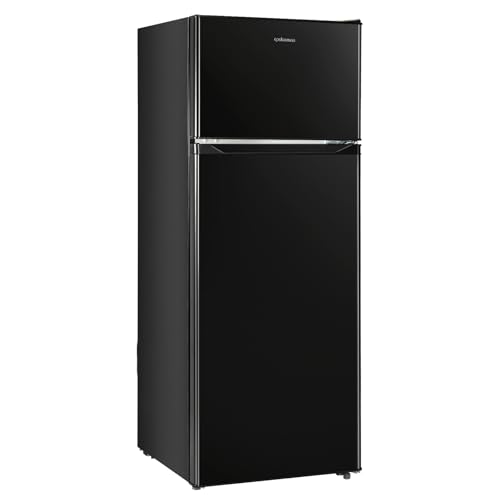
Column freezers are the epitome of built-in kitchen elegance. Designed to be integrated seamlessly with cabinetry, these freezers offer a streamlined look that enhances the aesthetic of any kitchen. Column freezers are typically taller than bar fridges and provide ample storage space for frozen goods.
Features
Column Freezer
Integration with Cabinetry
High
Sleek Appearance
Yes
Storage Capacity
Large
A column freezer's design is not just about looks; it's about maximizing storage while maintaining a low profile in your kitchen's overall design. These freezers often come with customizable panels to match your existing cabinetry, creating a cohesive and upscale appearance. For those considering a freezer that blends well with their home's design, explore options like column refrigerator freezer vs. undercounter freezer.
Choosing between a bar fridge and a column freezer involves more than just comparing storage capabilities; it's about selecting an appliance that fits seamlessly into your life and living space. Whether you opt for the informal and accessible bar fridge or the refined and integrated column freezer, ensure that your choice complements your interior design and meets your refrigeration needs.
The cooling technology behind refrigeration is what keeps your food and drinks at the perfect temperature. When considering a bar fridge or a column freezer for your space—whether it's a home, office, or entertainment area—it's important to understand how each utilizes cooling technology to serve their distinct purposes.
Bar Fridge: Cooling Efficiency
Bar fridges, known for their compact size, are designed to cool beverages and snacks efficiently. They utilize a technology that is perfect for maintaining a consistent temperature, usually between 35°F and 40°F, which is ideal for drinks.
These refrigerators may employ a variety of cooling systems, such as:
Compressor-based cooling, which is common and very effective for a stable temperature
Absorption cooling, which is quieter but may not offer the same level of cooling power as compressor systems
Thermoelectric cooling, ideal for smaller units and known for its quiet operation and low energy consumption
Cooling System
Temperature Range
Ideal For
Compressor-based
35°F - 40°F
Rapid cooling, consistency
Absorption
38°F - 42°F
Quiet environments
Thermoelectric
40°F - 45°F
Small spaces, energy savings
When you're looking for a bar fridge, consider the type of cooling system and how it aligns with your needs. For more details on the pros and cons of each cooling system, check out Fridge.com comparison between a bar fridge vs. upright refrigerator.
Column Freezer: Optimal Freezing Performance
In contrast, column freezers are all about maintaining much lower temperatures, typically around 0°F or below, to keep your foods frozen and well-preserved. These units often have advanced freezing technology that allows for rapid cooling and excellent temperature maintenance, even when loaded with a large amount of food.
Some column freezers might feature:
Frost-free technology, preventing ice buildup without the need for manual defrosting
Fast freeze options, which are great for locking in freshness when you've just added a lot of new items to the freezer
Digital temperature controls for precise adjustments tailored to your specific freezing needs
Feature
Benefit
Frost-free
No manual defrost needed, consistent temperature management
Fast freeze
Quick reduction in temperature to preserve food quality
Digital controls
Precise temperature settings and adjustments
For those who need to store large quantities of food, a column freezer's cooling technology offers unparalleled performance. To compare it with other refrigeration options, you might find Fridge.com insights on column refrigerator freezer vs. undercounter freezer helpful.
Both bar fridges and column freezers serve different functions, but their cooling technology ensures each does its job effectively. Whether you're chilling beverages or freezing food, it's essential to choose the right appliance with the cooling technology that fits your lifestyle and space requirements.
Energy Efficiency
Energy efficiency is a key factor when comparing refrigeration options. It not only affects your utility bills but also your environmental footprint. Let's examine how bar fridges and column freezers stack up in terms of energy-saving features.
Bar Fridge: Energy-Saving Features
Bar fridges, also known as beverage refrigerators, are designed for convenience and space-saving. They typically consume less energy due to their smaller size and the nature of their use. Many modern bar fridges come with energy-saving features such as:
Automatic defrost: Reduces energy consumption and prevents ice buildup.
LED lighting: Uses less electricity compared to traditional bulbs.
Adjustable thermostats: Allow you to control the temperature and save energy when full cooling is not needed.
Here's a table showcasing average energy consumption for bar fridges:
Bar Fridge Type
Average Energy Use (kWh/year)
Compact Bar Fridge
220 - 300
Medium Bar Fridge
300 - 400
Large Bar Fridge
400 - 500
It's important to look for energy star ratings or energy-efficient models that can help reduce your electricity bills. For a more detailed comparison, explore bar fridge vs. upright refrigerator.
Column Freezer: High-Efficiency Cooling Systems
Column freezers are larger, standalone units dedicated solely to freezing. Due to their size and function, they often incorporate high-efficiency cooling systems that optimize energy use, such as:
Vacuum insulation panels: Provide superior insulation, reducing energy leakage.
Digital inverter compressors: Adjust cooling output to match the load, saving energy over time.
Energy management systems: Monitor and adjust energy consumption based on usage patterns.
Column freezers can be quite energy-efficient, especially considering their larger storage capacity. Here’s a table that illustrates the average energy consumption for column freezers:
Column Freezer Size
Average Energy Use (kWh/year)
Small Column Freezer
400 - 500
Medium Column Freezer
500 - 600
Large Column Freezer
600 - 700
When considering a column freezer, it's worthwhile to investigate models with the best energy ratings and advanced features that contribute to energy conservation. For insights into various freezer types, you might find a comparison like column refrigerator freezer vs. undercounter freezer helpful.
In conclusion, both bar fridges and column freezers have their own energy-saving benefits. By understanding your needs and the energy-efficient features available, you can make an informed decision that suits your lifestyle while being kind to your wallet and the planet.
When selecting a refrigeration unit, the customization options and features can significantly impact your decision. Both bar fridges and column freezers offer a variety of features tailored to different needs and preferences.
Bar Fridge: Customizable Options
Bar fridges are known for their compact size and convenience, making them an ideal choice for spaces like home bars, offices, or dorm rooms. But don't let their size fool you; these small refrigeration units offer a surprising amount of customizable options to fit your lifestyle.
Shelving: Adjustable and removable shelving allows you to organize and accommodate bottles, cans, and snacks of varying sizes.
Door Design: Reversible door hinges give you the freedom to choose which way the door opens, which can be crucial for tight spaces.
Temperature Control: Some models come with precise temperature settings, so you can chill your beverages to your exact preference.
Here's a quick look at some of the customizable options commonly found in bar fridges:
Feature
Description
Shelving
Adjustable/Removable
Door Hinges
Reversible
Temperature Settings
Precise Control
For those who desire a personal touch, certain models may come in various colors and finishes, from the classic stainless look to bold colors that make a statement. Your bar fridge can be not just a utility but also a style element in your space. Explore options like the glass door mini fridge vs. small refrigerator to compare aesthetics and functionality.
Column Freezer: Advanced Features for Organization
In contrast, column freezers offer spacious storage solutions and are typically considered for large family kitchens or those who like to bulk-buy and freeze. These units often come with a host of advanced features that elevate organization and accessibility:
Customizable Compartments: Many column freezers feature customizable compartments with adjustable dividers, making it easier to separate and categorize different food items.
Soft-Close Drawers: High-end models may include soft-close drawers that glide smoothly and close with minimal effort, helping to maintain an organized freezer.
Temperature Zones: Some column freezers offer multiple temperature zones for specific freezing needs, from soft-freeze settings for ice cream to colder zones for long-term meat storage.
Check out this table for a glimpse into the organizational features of column freezers:
Feature
Description
Compartments
Adjustable Dividers
Drawers
Soft-Close Mechanism
Temperature Zones
Multiple Settings
For those looking to integrate their freezer seamlessly into their kitchen design, built-in column freezers are often customizable to match cabinetry, offering a sleek and cohesive look. You might be interested in how this compares to other built-in options, such as the built-in refrigerator vs. wine cellar.
Both bar fridges and column freezers come with a variety of features that cater to different needs, whether it's for entertaining guests or efficiently storing bulk purchases. When choosing between a bar fridge and a column freezer, consider the customization options and advanced features that will best serve your specific refrigeration needs.
Compare prices on Fridge.com
Compare current prices and specifications on Fridge.com, then buy from the retailer you choose; delivery, installation and warranty terms are the retailer’s.
It also has tons of awesome articles about kitchen stuff and home news. Enhance your home, garage, backyard, patio, and office with the coolest essentials. With every necessary type of residential refrigerator or freezer in the collection, you're covered.
From Fridge.com research
Figures below come from data Fridge.com builds and maintains. Each links to the record behind it.
Fridge.com Energy Index, built on U.S. EPA and DOE ENERGY STAR records
Across 5,455 ENERGY STAR certified refrigerators and freezers from 263 brands, median use is 360 kWh per year.