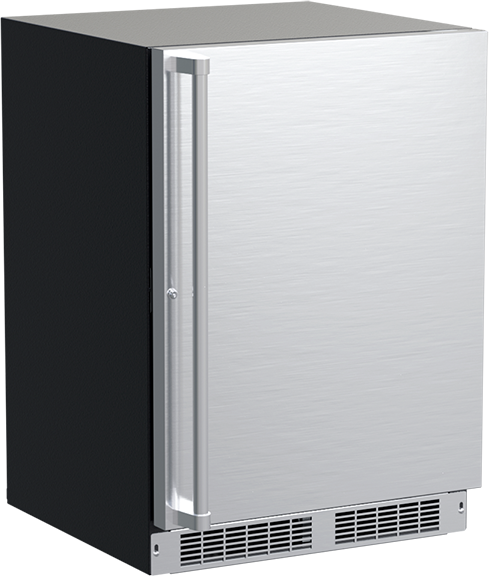
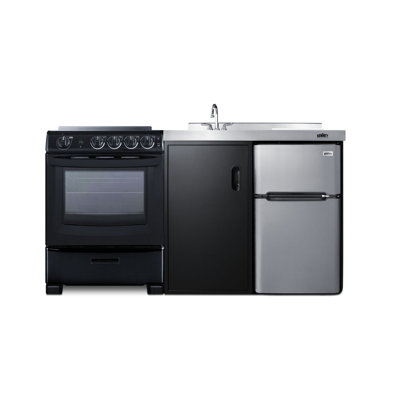
Bar Fridges Vs. Beer Keg Coolers: What's Your Pick?
So, you're looking to keep your drinks cold, huh? You've got options, my friend. Two of the big players in the game are bar fridges and beer keg coolers. Each has its own perks and quirks, so let's break it down and see which one fits your vibe.
Chill Choices: Bar Fridges and Beer Keg Coolers
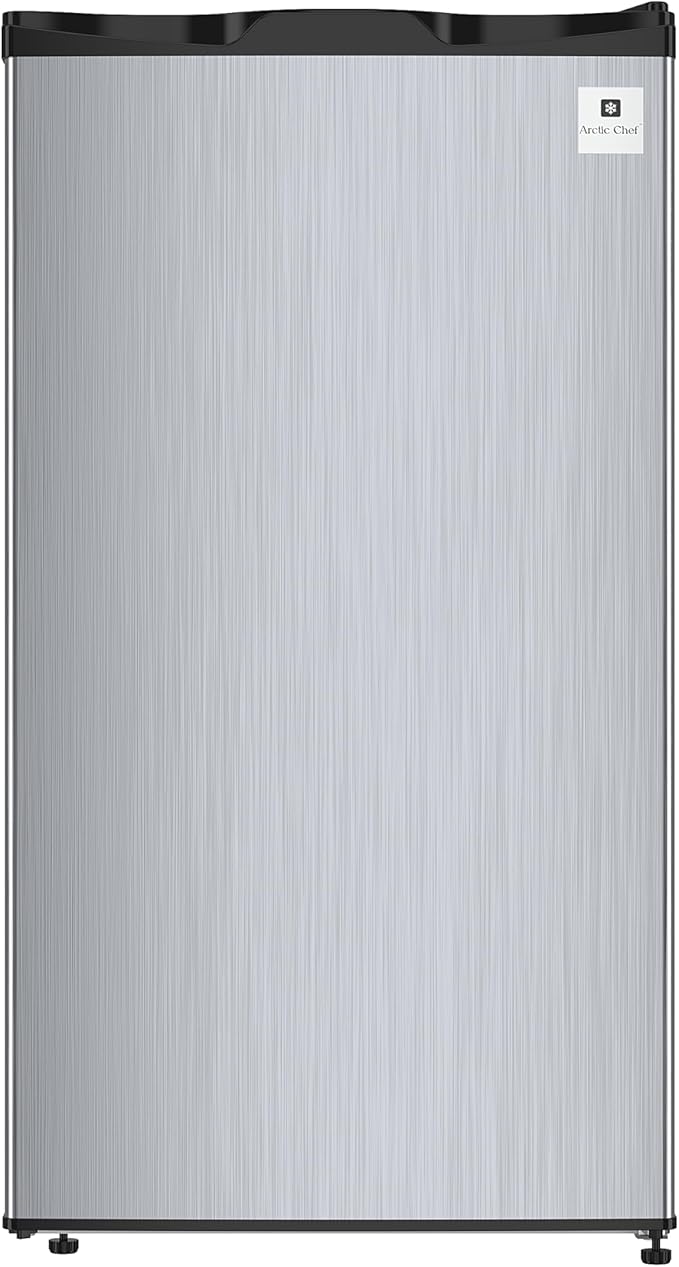
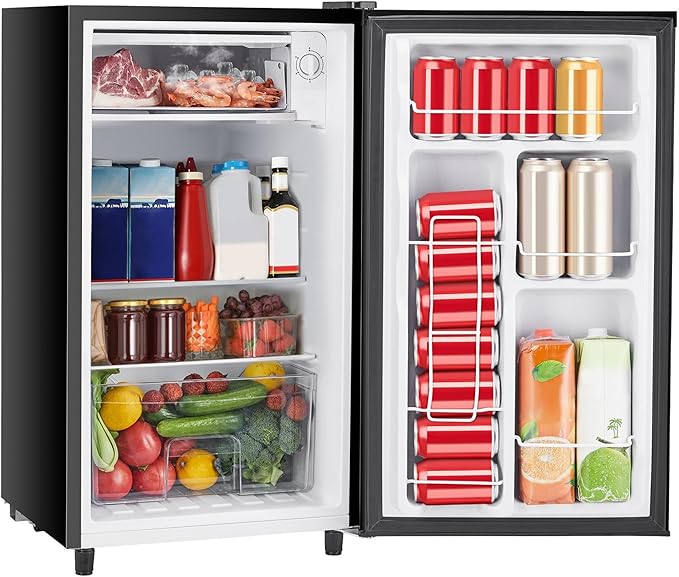
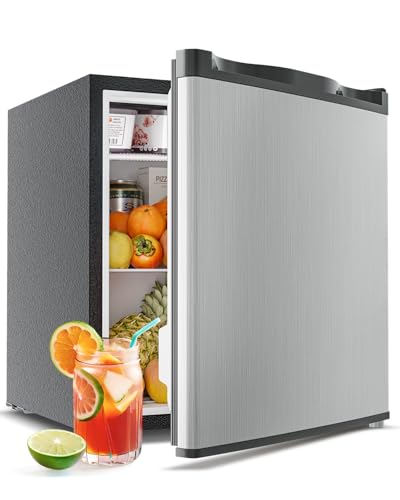
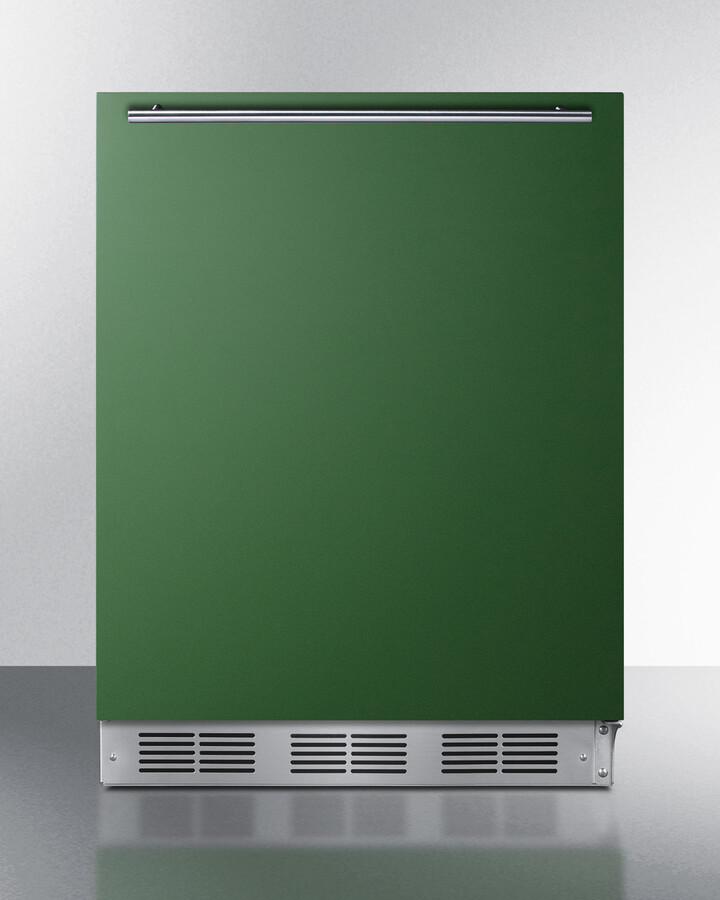
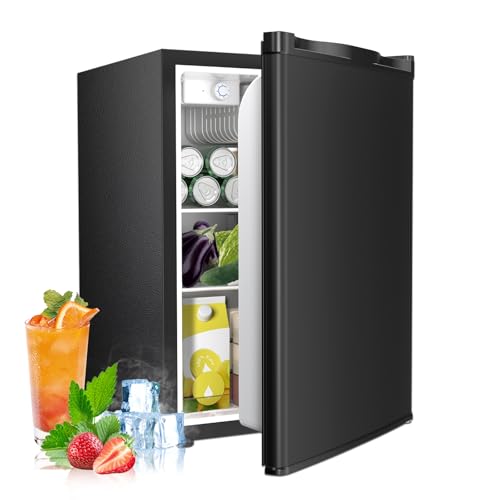
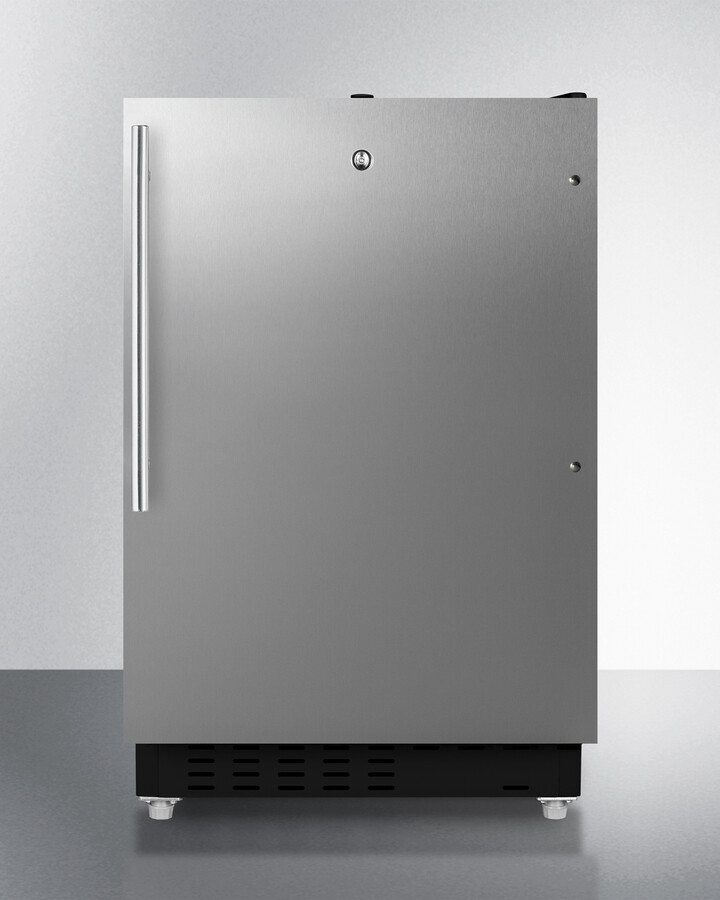
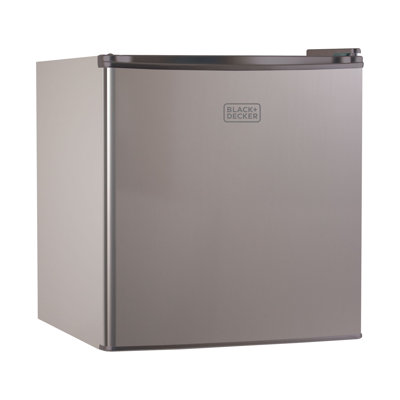
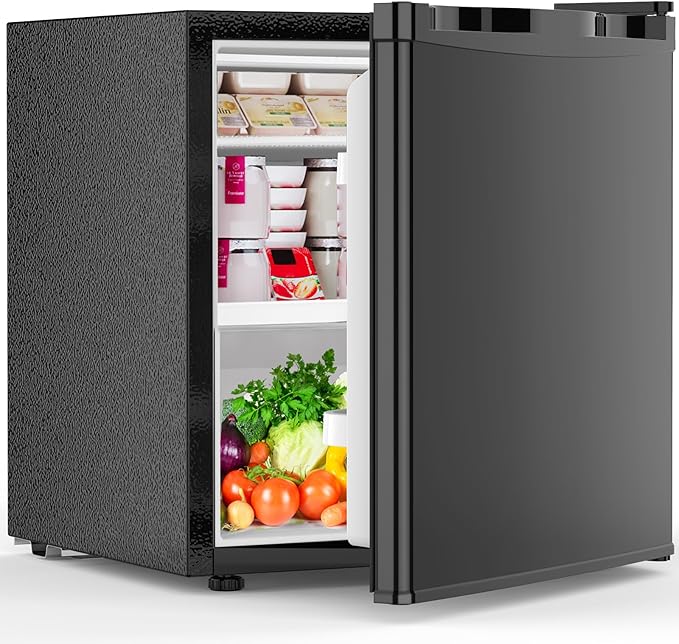
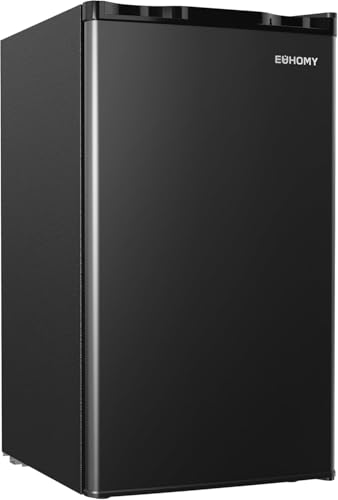
Both bar fridges and beer keg coolers are all about keeping your drinks frosty, but they play different roles. Bar fridges are like the Swiss Army knife of mini-refrigeration—perfect for stashing a mix of beverages and snacks. Beer keg coolers, on the other hand, are the go-to for serious beer lovers who want their kegs cold and ready to pour.
The Nitty-Gritty: Bar Fridges Vs. Beer Keg Coolers
Here's a quick rundown of how these two stack up:
Feature
Bar Fridge
Beer Keg Cooler
Main Use
General drinks and snacks
Keg storage and beer dispensing
Storage Size
Varies, usually up to 5.5 cubic feet
Built for one or more kegs
Temp Control
Adjustable for various drinks
Perfect for beer temps
Moveability
Easy to move around
Bigger and bulkier
Beer Tap
Nope
You betcha
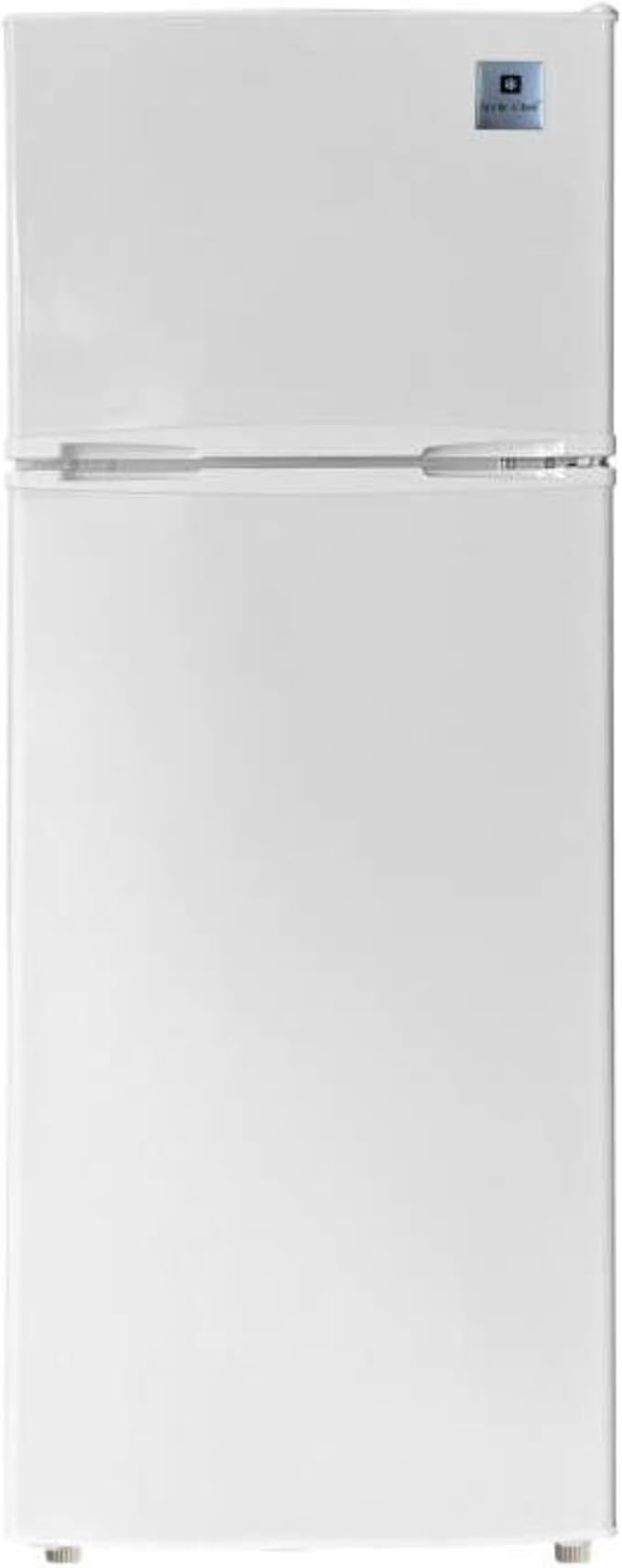
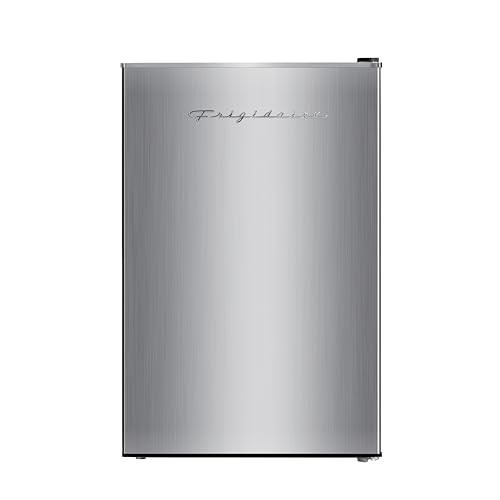
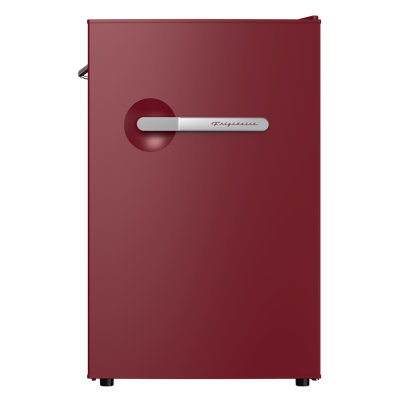
Bar fridges are the MVPs of versatility. They can hold a bunch of stuff, making them great for apartments, offices, or your man cave. If you want to dive deeper into fridge options, check out Fridge.com comparison of column refrigerators Vs. mini fridges with freezers.
Beer keg coolers, or kegerators if you're fancy, are all about that draft beer life. They keep your kegs at the perfect chill and come with a tap system for easy pouring. Bar fridges can't do that. For more on this, see Fridge.com take on beer fridges Vs. outdoor fridges.
Which One's for You?
Both bar fridges and beer keg coolers have their own charm. If you need something versatile and compact, go for the bar fridge. If you're all about that draft beer experience at home, a beer keg cooler is your best bet. Knowing these differences can help you pick the right cooler for your space and needs. Cheers!
Capacity and Size
Choosing between a bar fridge and a beer keg cooler? Let's break it down so you can pick the right one for your space and needs.
Storage Capacity: What's Inside?
First off, how much can these things hold? Bar fridges and beer keg coolers have different storage vibes.
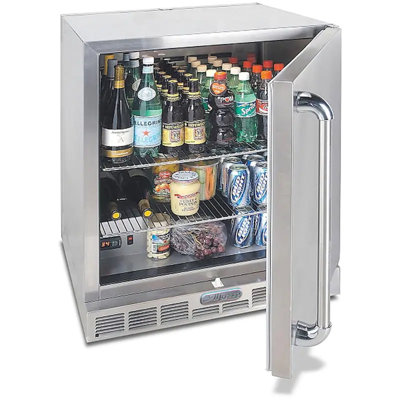
Bar fridges come with adjustable shelves and compartments, perfect for stashing a mix of drinks and snacks. They're your go-to if you want variety.
Appliance
Average Capacity (Liters)
Bar Fridge
50 - 150
Beer Keg Cooler
150 - 250
Beer keg coolers, though, are all about the kegs. They have a bigger capacity and are great if you're the party host or love having friends over for a drink.
Size: Will It Fit?
Next up, size matters. Think about where you're going to put this thing.
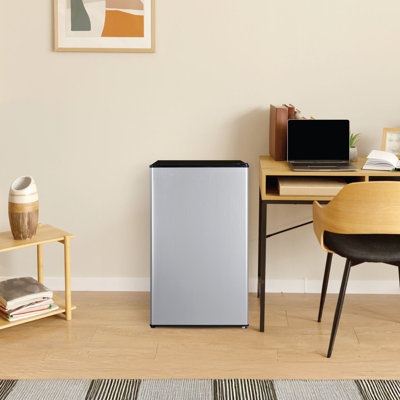
Bar fridges are compact, fitting snugly under counters, in home bars, or even in bedrooms. Perfect for apartments, condos, and smaller homes.
Appliance
Average Dimensions (H x W x D, inches)
Bar Fridge
20 - 35 x 18 - 24 x 18 - 24
Beer Keg Cooler
30 - 50 x 20 - 30 x 25 - 35
Beer keg coolers are bigger and need more room. They're best for basements, garages, or outdoor areas. Make sure you've got the floor space and enough clearance for ventilation.
Knowing the storage capacity and size of bar fridges and beer keg coolers helps you make the right choice. Want more tips on refrigeration options? Check out Fridge.com articles on column refrigerator Vs. mini fridge with freezer and beverage refrigerator Vs. office freezer.
When you're deciding between a bar fridge and a beer keg cooler, it's all about how they keep your drinks chilled. Both are designed to keep your beverages at just the right temperature, but they go about it in different ways.
How Bar Fridges Keep Cool
Bar fridges, or mini fridges, usually use one of two cooling systems: compressor-based or thermoelectric.
Compressor-Based Cooling:
Works like your regular fridge at home.
Uses a refrigerant that cycles through a compressor, condenser, and evaporator to pull heat out.
Keeps a steady temperature, even if the room gets hot or cold.
Thermoelectric Cooling:
Uses the Peltier effect, where an electric current passes through two materials to create a heat flux.
Quieter and uses less energy but can struggle in hot environments.
Cooling System
Pros
Cons
Compressor-Based
Steady temperature, Works in various conditions
Noisier, Uses more energy
Thermoelectric
Quiet, Energy-efficient
Not great in hot places, Limited cooling
Want to know more about different fridges? Check out Fridge.com comparison on column refrigerator Vs. mini fridge with freezer.
How Beer Keg Coolers Keep Cool
Beer keg coolers, or kegerators, are made to store and serve kegs of beer. They usually use compressor-based systems because they need to keep the temperature just right.
Compressor-Based Cooling:
Works like bar fridges, using a refrigerant cycle to keep things cool.
Built to handle the bigger volume and specific needs of beer kegs.
Often come with a thermostat so you can set the perfect temperature for your beer.
Knowing how bar fridges and beer keg coolers work will help you pick the right one. Whether you need the compact size of a bar fridge or the specialized cooling of a kegerator, each has its perks. For more insights, visit Fridge.com guide on beer fridge Vs. outdoor fridge.
When you're deciding between a bar fridge and a beer keg cooler, it's all about what you need them for. Each has its own perks and quirks, so let's break it down.
Bar Fridges: Small but Mighty
Bar fridges, or mini fridges, are like the Swiss Army knives of the fridge world. They're compact, versatile, and perfect for tight spots like apartments, offices, and dorm rooms. Here’s what makes them tick:
Adjustable Shelves: You can move the shelves around to fit different sizes of bottles and cans. Handy, right?
Temperature Control: Most come with a thermostat, so you can keep your drinks just the way you like them.
Compact Design: These little guys are built to fit in small spaces, whether under a counter or in a cozy corner.
Energy Efficiency: They sip power, making them a greener choice compared to their bigger cousins.
Versatile Storage: From drinks to snacks, they can handle a bit of everything.
Feature
Bar Fridge
Adjustable Shelving
Yes
Temperature Control
Yes
Compact Design
Yes
Versatile Storage
Yes
Curious about other fridge types? Check out Fridge.com articles on column refrigerator Vs. mini fridge with freezer and beverage fridge Vs. outdoor fridge.
Beer Keg Coolers: The Party Star
Beer keg coolers, or kegerators, are the life of the party. They’re built to store and serve beer from kegs, making them a hit at home bars, parties, and events. Here’s what they bring to the table:
Keg Storage: These coolers are all about keeping your beer kegs at the perfect chill.
Built-in Tap System: Most come with a tap and CO2 system, so you can pour draft beer like a pro.
Temperature Control: Just like bar fridges, they let you control the temperature to keep your beer just right.
Portability: Many have wheels, so you can roll them out for parties and stash them away when you're done.
Single-Purpose Design: They’re laser-focused on beer, which means they’re not as versatile but excel at what they do.
So, whether you need a versatile storage solution or a specialized beer dispenser, both bar fridges and beer keg coolers have their own unique advantages. Choose the one that fits your lifestyle and enjoy the convenience they bring!
When you're picking between bar fridges and beer keg coolers, energy efficiency is a big deal. These appliances do different jobs and use different amounts of power.
Energy Consumption of Bar Fridges
Bar fridges, or mini fridges, are perfect for keeping your drinks and snacks cold. They're smaller than regular fridges and use less energy. How much power they use depends on their size, age, and energy rating.
Bar Fridge Size
Average Energy Consumption (kWh/year)
Small (1.7 - 2.5 cu. ft.)
150 - 200
Medium (3.0 - 4.5 cu. ft.)
200 - 300
Large (5.0 - 6.0 cu. ft.)
300 - 400
Bar fridges are pretty energy-efficient for their size, making them great for small spaces like apartments or offices. Want to know more about different types of fridges? Check out Fridge.com article on column refrigerator Vs. mini fridge with freezer.
Energy Consumption of Beer Keg Coolers
Beer keg coolers, or kegerators, are built to keep your beer kegs cold and ready to pour. They're bigger and have more complex cooling systems than bar fridges, so they use more energy.
Beer Keg Cooler Size
Average Energy Consumption (kWh/year)
Single Keg
300 - 500
Dual Keg
500 - 700
Triple Keg
700 - 900
Keg coolers aren't as energy-efficient as bar fridges because of their size and the need to keep the kegs at a steady temperature. But they're awesome for home bars, parties, and entertaining guests. For more tips on picking the right fridge for your needs, check out Fridge.com article on beverage refrigerator Vs. office freezer.
When choosing between a bar fridge and a beer keg cooler, think about what you need and how much energy each one uses. Knowing this can help you make a smart choice and keep your energy bills in check. For more comparisons, explore Fridge.com articles on 5 door refrigerator Vs. bottom freezer refrigerator and beverage fridge Vs. outdoor fridge.
Installation Requirements
Setting up bar fridges and beer keg coolers doesn't have to be a headache. This guide will walk you through the basics so you can get your drinks chilled and ready in no time.
Setting Up Your Bar Fridge
Bar fridges are a breeze to install and can fit just about anywhere—your home, office, or even your man cave. Here's the lowdown:
Find the Spot: Pick a flat surface that can handle the fridge's weight. Make sure there's enough space around it for air to circulate and keep it cool.
Plug It In: You'll need a standard electrical outlet. Make sure it's easy to reach and not overloaded with other gadgets.
Let It Chill: Once you've got it in place, plug it in and let it run for a few hours before loading it up with drinks. This helps it get to the right temperature.
Set the Temp: Adjust the temperature to your liking using the dial or digital controls inside the fridge.
Beer keg coolers, or kegerators, take a bit more elbow grease but are totally worth it. Here's how to get it done:
Find the Spot: Like bar fridges, pick a flat, sturdy surface. Make sure there's room for ventilation and easy keg access.
Plug It In: You'll need a standard electrical outlet. Ensure it's reliable and within reach.
Put It Together: Some kegerators need assembly. This usually means attaching the tap tower, CO2 tank, and regulator. Follow the instructions carefully.
Install the Keg: Place the keg inside, then connect it to the CO2 tank and tap system. Make sure everything's tight to avoid leaks.
Set the Temp: Adjust the temperature using the control panel. Let it reach the right temp before pouring your first beer.
Setup Step
Time Required
Tools Needed
Find the Spot
10 minutes
Level
Plug It In
5 minutes
Electrical Outlet
Put It Together
30-60 minutes
Screwdriver, Wrench
Install the Keg
15 minutes
None
Set the Temp
2 minutes
None
Curious about more cooling options? Check out Fridge.com articles on 5 door refrigerator Vs. refrigerator cooler and beer fridge Vs. outdoor fridge.
By knowing how to set up both bar fridges and beer keg coolers, you can pick the right one for your space and keep your drinks perfectly chilled. Cheers to that!
Keeping Your Bar Fridge and Beer Keg Cooler in Top Shape
Want your bar fridge and beer keg cooler to last longer and keep your drinks tasting great? Regular cleaning and maintenance are key. Here’s how to keep them in tip-top shape.
Bar Fridge Cleaning Tips
Unplug It: Safety first! Always unplug your fridge before cleaning.
Empty It Out: Take out all the drinks and food.
Shelves and Drawers: Remove these and wash them with warm, soapy water. Rinse well and let them dry before putting them back.
Inside Job: Wipe down the inside with a mix of water and mild detergent. Use a soft cloth or sponge to avoid scratches. Don’t forget the corners!
Outside Job: Clean the outside with a damp cloth and mild detergent. Skip the abrasive cleaners—they can mess up the finish.
Defrost: If your fridge has a freezer, defrost it regularly to keep ice from building up.
Check the Seals: Look at the door seals for wear and tear. Clean them with a damp cloth to make sure they seal properly.
Need more tips? Check out Fridge.com articles on column refrigerator Vs. mini fridge with freezer and column refrigerator Vs. french door refrigerator.
Beer Keg Cooler Cleaning Tips
Disconnect the Keg: Safety first—disconnect the keg and any lines.
Remove Parts: Take out removable parts like drip trays and shelves. Wash them with warm, soapy water, rinse well, and dry.
Inside Cleaning: Wipe down the inside with water and mild detergent. Use a soft cloth to get into all the nooks and crannies.
Clean the Lines: Regularly clean the beer lines to avoid residue and bacteria. A line cleaning kit works best.
Outside Cleaning: Clean the outside with a damp cloth and mild detergent. Avoid abrasive materials.
Check the Seals: Inspect the door seals for damage and clean them with a damp cloth.
Temperature Check: Regularly check the temperature settings to keep your beer at the perfect chill.
For more tips, visit Fridge.com articles on beer fridge Vs. outdoor fridge and ice maker Vs. portable refrigerator.
By following these tips, your bar fridge and beer keg cooler will stay in great condition, keeping your drinks fresh and cold. Regular maintenance not only boosts performance but also extends the life of your appliances. Cheers to that!
Cost Comparison
When you're deciding between a bar fridge and a beer keg cooler, it's all about the dollars and cents. Let's break down what you'll spend upfront and what you'll keep spending over time.
Initial Investment Costs
First things first, how much cash do you need to get started? Bar fridges are usually cheaper to buy than beer keg coolers. Keg coolers are more specialized and come with extra bells and whistles for keeping your beer just right.
Type
Average Initial Cost
Bar Fridge
$150 - $400
Beer Keg Cooler
$500 - $1,500
Long-Term Cost Considerations
But wait, there's more! Beyond the initial price tag, think about what you'll pay over time. This includes energy use, maintenance, and possible repairs.
Energy Consumption
How much juice do these things use? Bar fridges generally sip electricity compared to beer keg coolers, which need to keep your brew at the perfect temp.
Type
Average Annual Energy Consumption (kWh)
Average Annual Cost
Bar Fridge
150 - 250
$18 - $30
Beer Keg Cooler
250 - 500
$30 - $60
Maintenance and Repairs
Don't forget about keeping these bad boys running. Bar fridges are pretty low-maintenance—just clean and defrost now and then. Beer keg coolers, though, need a bit more TLC to keep the beer flowing smoothly and safely.
So, should you go with a bar fridge or a beer keg cooler? Weigh the upfront and ongoing costs to see what fits your wallet and needs. For more comparisons, see Fridge.com article on bar fridge Vs. convertible refrigerator.
Compare prices on Fridge.com
Compare current prices and specifications on Fridge.com, then buy from the retailer you choose; delivery, installation and warranty terms are the retailer’s.
It also has tons of awesome articles about kitchen stuff and home news. Enhance your home, garage, backyard, patio, and office with the coolest essentials. With every necessary type of residential refrigerator or freezer in the collection, you're covered.
Frequently Asked Questions
Both bar fridges and beer keg coolers have their own charm. If you need something versatile and compact, go for the bar fridge. If you're all about that draft beer experience at home, a beer keg cooler is your best bet. Knowing these differences can help you pick the right cooler for your space and needs. Cheers!