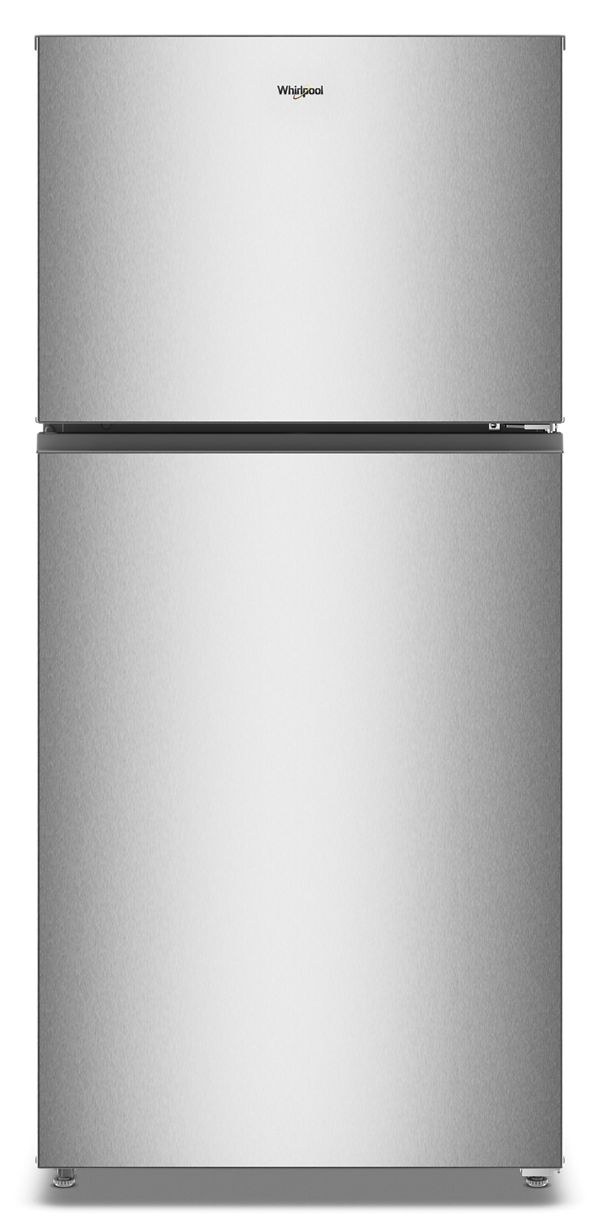
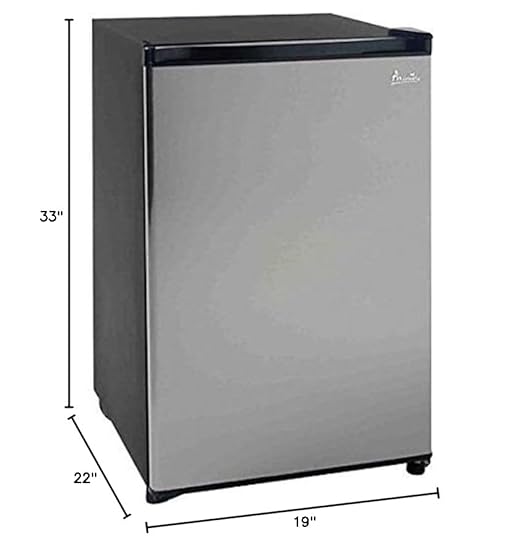
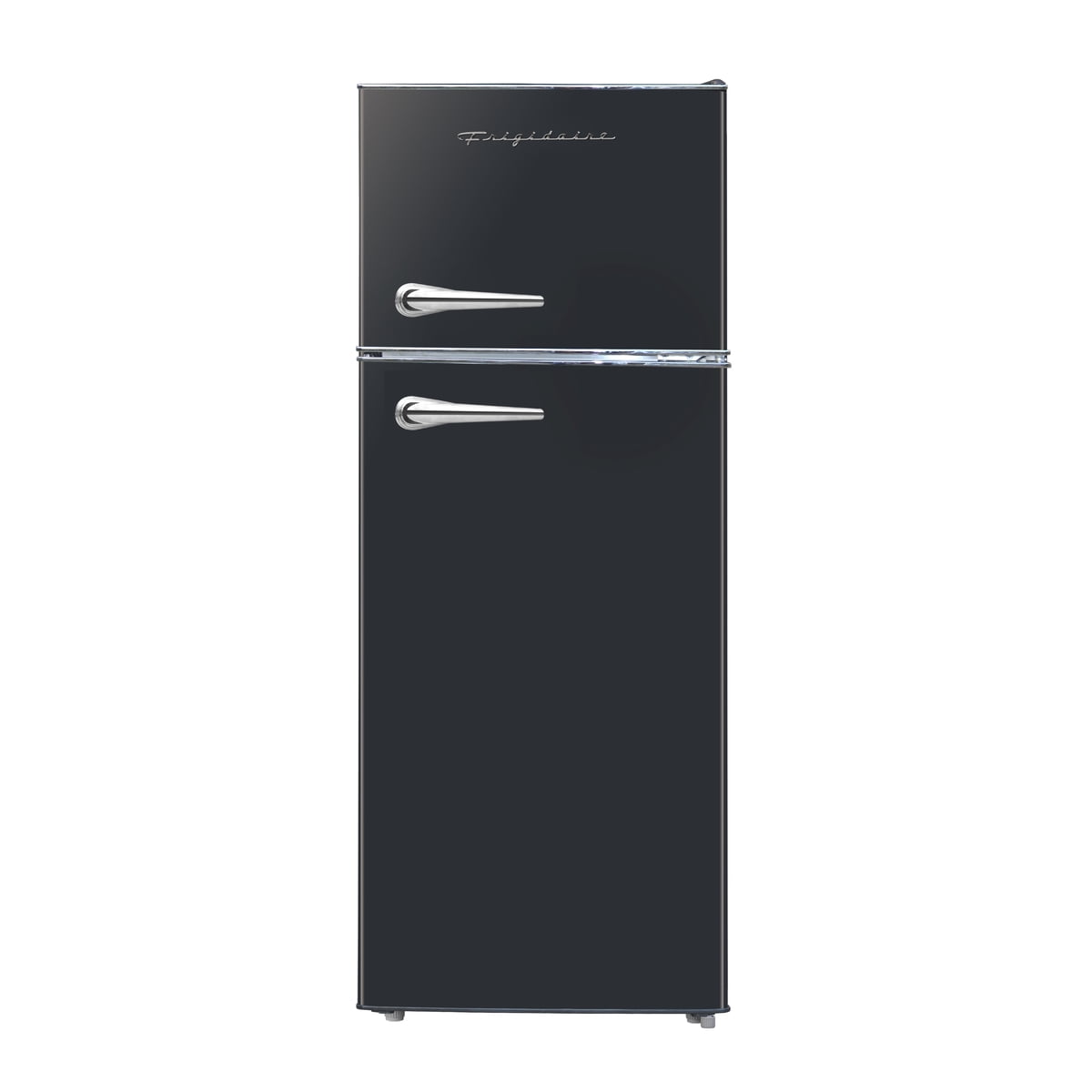
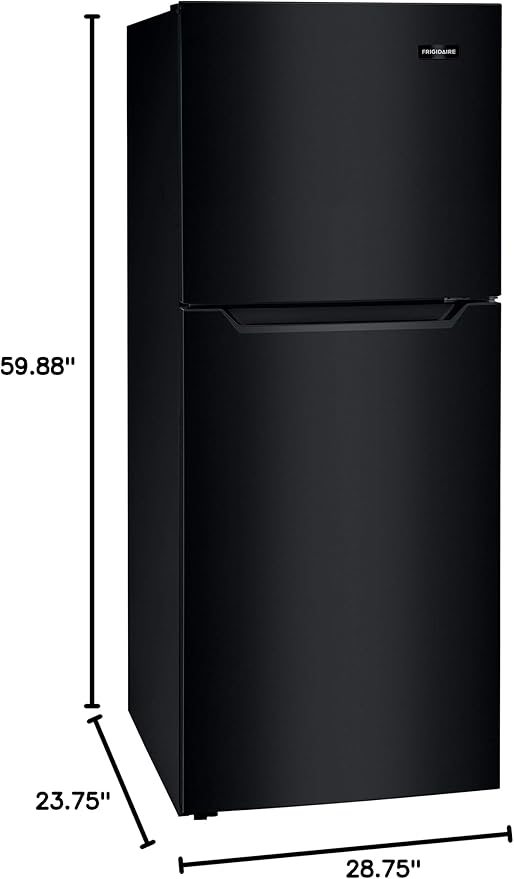
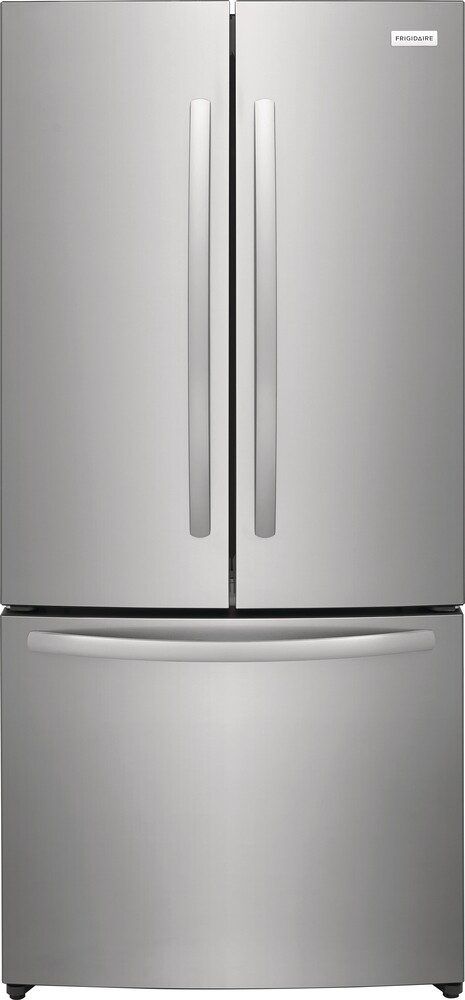
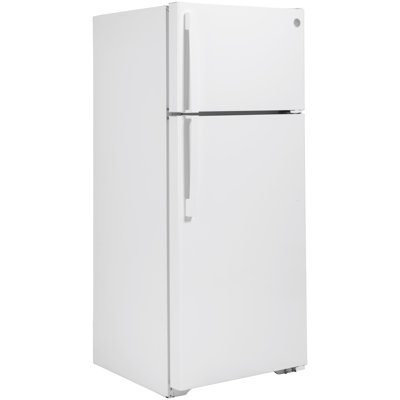
Size Matters: Apartment Size Refrigerator Vs. Large Refrigerator
Choosing the right refrigerator is an essential decision for any household. Whether you're living in a cozy apartment or a spacious home, understanding your refrigeration needs and the factors to consider before making a purchase will help you make the best choice.
Understanding Your Refrigeration Needs
Your refrigeration needs depend on various factors, including the size of your household, your cooking habits, and your available space. Here are some key points to think about:
Household Size: A larger family will need more storage space for food and beverages compared to a single person or couple.
Cooking Frequency: If you cook often and store more fresh ingredients, you'll need a refrigerator with ample space and compartments.
Available Space: The physical space in your kitchen or designated area will significantly influence whether an apartment-size refrigerator or a large refrigerator is suitable.
Factors to Consider Before Choosing a Refrigerator
When deciding between an apartment-size refrigerator and a large refrigerator, consider the following factors:
Storage Capacity: Assess how much storage space you need. Compare the cubic feet of both types to see which one meets your requirements.
Refrigerator Type
Average Capacity (cubic feet)
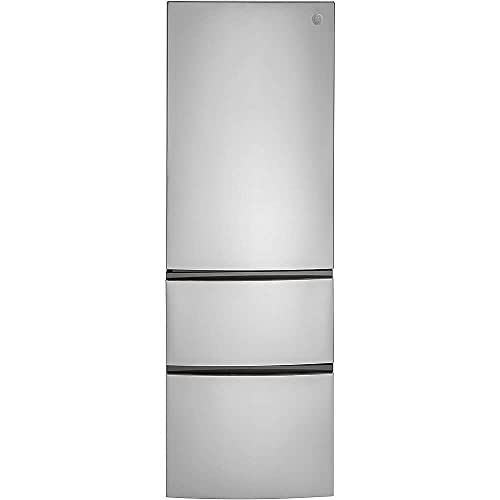
Apartment Size
7 - 14
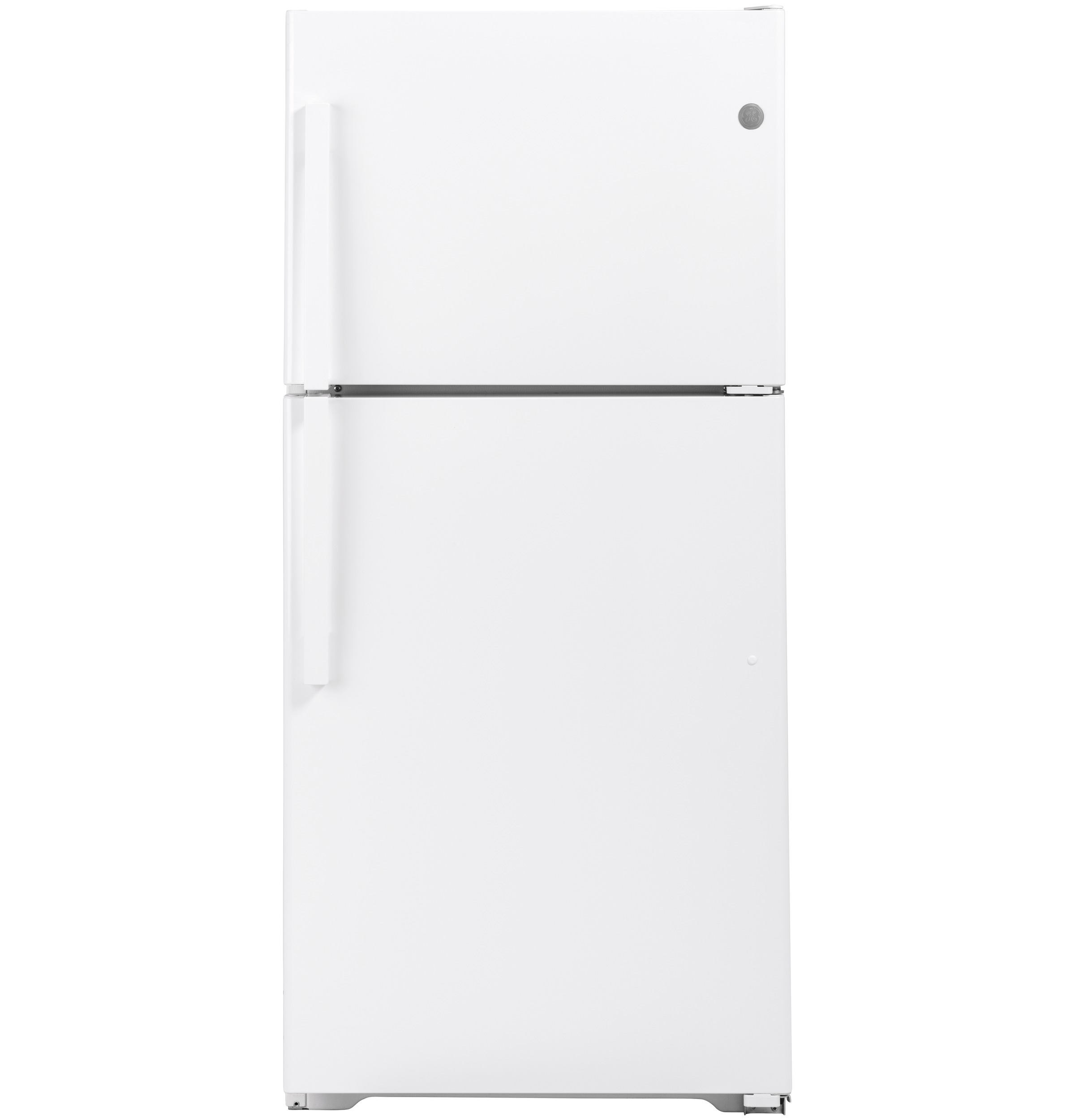
Large
18 - 30
Space Availability: Measure the area where the refrigerator will be placed. Ensure there is enough clearance for doors to open fully and for ventilation.
Lifestyle Needs: Think about your lifestyle. If you entertain often, a larger refrigerator might be beneficial. For smaller households or those with limited kitchen space, an apartment-size refrigerator could be the more practical choice.
Budget: Determine your budget. Apartment-size refrigerators typically cost less than large refrigerators, but prices can vary based on features and brand.
Features and Benefits of Apartment Size Refrigerators
Apartment size refrigerators are designed to fit into smaller living spaces without compromising on functionality. These compact units offer several advantages:
Space-Saving Design: Ideal for apartments, condos, and tiny homes.
Versatility: Often come with adjustable shelves and compartments.
Ease of Installation: Generally lighter and easier to move.
Affordability: Typically less expensive than larger models.
Space Considerations for Apartment Size Refrigerators
When choosing an apartment size refrigerator, understanding the space it will occupy is crucial. These refrigerators are designed to fit into tight spaces while still providing ample storage for essentials.
Feature
Measurement
Width
18-24 inches
Height
60-75 inches
Depth
20-26 inches
Placement: Ensure there is adequate ventilation space around the refrigerator.
Door Swing: Consider the direction the doors open and the available clearance.
Energy Efficiency of Apartment Size Refrigerators
Energy efficiency is a significant factor when selecting a refrigerator for smaller spaces. Apartment size refrigerators generally consume less energy compared to their larger counterparts.
Type
Average Annual Energy Consumption (kWh)
Standard Size
400-600
Apartment Size
200-400
Energy Star Rating: Look for models with an Energy Star rating for optimal efficiency.
Energy Savings: Lower energy consumption translates to reduced utility bills.
When it comes to storing a significant amount of food, a large refrigerator is often the go-to choice for many homeowners. Let’s explore the key features, space considerations, and energy efficiency of these appliances.
Features and Benefits of Large Refrigerators
Large refrigerators come equipped with a variety of features designed to make your life easier and keep your food fresh for longer. Some of the benefits include:
Ample Storage Space: With larger capacity, these refrigerators can accommodate more groceries, making them ideal for families or those who love to entertain.
Advanced Cooling Technologies: Many large refrigerators have multiple cooling zones, humidity controls, and air purification systems to keep different types of food at their optimal conditions.
Convenience Features: Features such as ice and water dispensers, smart technology integrations, and flexible shelving make large refrigerators user-friendly.
Feature
Description
Storage Capacity
High, suitable for large families or frequent entertainers
Installing a large refrigerator requires careful planning due to its size. Here are some space considerations:
Kitchen Layout: Ensure your kitchen layout can accommodate the larger dimensions, including door clearance.
Ventilation: Large refrigerators need adequate ventilation space around them to function efficiently.
Accessibility: Consider the placement relative to other kitchen appliances and workspaces to ensure ease of use.
Space Aspect
Consideration
Dimensions
Measure height, width, and depth to ensure fit
Door Clearance
Ensure doors can open fully without obstruction
Ventilation Space
Leave space around the unit for proper airflow
Placement
Ensure it is conveniently located for kitchen workflow
Energy Efficiency of Large Refrigerators
While large refrigerators offer extensive storage, they can also consume more energy. However, many modern large refrigerators are designed with energy efficiency in mind:
Energy Star Ratings: Look for models with high Energy Star ratings, which indicate better energy efficiency.
Inverter Compressors: These compressors adjust cooling power based on the refrigerator's needs, reducing energy consumption.
LED Lighting: Modern large refrigerators often use LED lighting, which consumes less energy and lasts longer than traditional bulbs.
Efficiency Feature
Benefit
Inverter Compressor
Reduces energy consumption by adjusting cooling power
LED Lighting
Low energy usage and long-lasting illumination
By understanding the features, space requirements, and energy efficiency of large refrigerators, you can make an informed decision that best suits your needs. For more insights on different refrigeration options, explore Fridge.com articles on drawer freezer Vs. large refrigerator and convertible freezer Vs. ice maker.
When deciding between an apartment size refrigerator and a large refrigerator, storage capacity is a key factor to consider. Each type offers different benefits, making it important to understand how they compare in terms of capacity.
Comparing Storage Capacity of Apartment Size and Large Refrigerators
Apartment size refrigerators are designed to fit smaller spaces, making them ideal for apartments, condos, and other compact living arrangements. These refrigerators typically offer limited storage capacity compared to their larger counterparts. On the other hand, large refrigerators provide ample storage space, making them suitable for families, chefs, or anyone who requires more room for food storage.
Refrigerator Type
Average Capacity (Cubic Feet)
Apartment Size Refrigerator
7 - 14
Large Refrigerator
20 - 30
Apartment size refrigerators often come with smaller freezer compartments, which may be a consideration if you need to store a significant amount of frozen goods. Large refrigerators, in contrast, usually feature more spacious freezer sections, providing greater flexibility for storing frozen foods.
Assessing Your Food Storage Requirements
To determine which refrigerator type best suits your needs, consider your food storage habits and requirements. Here are some questions to guide your decision:
How many people are in your household? Larger households typically require more storage space for perishable items.
How often do you shop for groceries? If you prefer to stock up once a week or less frequently, a larger refrigerator may be more suitable.
Do you cook frequently? Chefs and avid cooks often need more space for ingredients and leftovers.
Do you entertain guests regularly? Hosting events can necessitate additional storage for food and beverages.
What types of food do you store? Consider whether you need more space for fresh produce, frozen items, or beverages.
By evaluating your specific needs, you can better determine whether an apartment size refrigerator or a large refrigerator is the right fit for you. For more insights on specific refrigerator types, explore Fridge.com articles on compact refrigerator Vs. single door refrigerator and large refrigerator Vs. drawer freezer.
When choosing between an apartment size refrigerator and a large refrigerator, design and style play a crucial role. This section explores the aesthetics and integration of these fridges in your space, as well as customization options.
Aesthetics and Integration in Your Space
The visual appeal of your refrigerator can significantly impact the overall look of your kitchen or living area. Apartment size refrigerators are designed to be compact and sleek, making them ideal for small spaces like apartments or condos. Their smaller footprint allows for more flexible placement options, such as under counters or in tight corners.
On the other hand, large refrigerators offer a more prominent presence in the kitchen, often serving as a focal point. These refrigerators can enhance the aesthetic of a spacious kitchen, providing a sense of luxury and sophistication. When choosing a large refrigerator, consider how it will fit into your existing layout and whether it complements your kitchen’s design.
Refrigerator Type
Ideal Space
Visual Impact
Apartment Size Refrigerator
Small kitchens, apartments, condos
Compact, sleek, and unobtrusive
Large Refrigerator
Spacious kitchens, open layouts
Prominent, luxurious focal point
Customization Options for Different Sizes of Refrigerators
Both apartment size and large refrigerators offer various customization options to suit your needs and preferences. Apartment size refrigerators often come with modular shelving, adjustable door bins, and compact freezer compartments to maximize storage in a limited space. These features allow you to organize your food and beverages efficiently, even in a smaller unit.
Large refrigerators, due to their size, offer more extensive customization options. These may include multiple temperature zones, specialized drawers for fresh produce or meats, and advanced water and ice dispensers. Some models also offer smart technology features, such as touch screens and Wi-Fi connectivity, enhancing convenience and functionality.
Customization Feature
Apartment Size Refrigerator
Large Refrigerator
Modular Shelving
Available
More extensive options
Adjustable Door Bins
Yes
More customizable
Specialized Drawers
Limited
Multiple temperature zones
Smart Technology
Basic features
Advanced (touch screens, Wi-Fi)
Water/Ice Dispensers
Basic or none
Advanced options available
When considering the customization options, think about your lifestyle and how you use your refrigerator. For example, if you frequently entertain guests, a large refrigerator with advanced features might be more suitable. On the other hand, if you live alone or with a small family, an apartment size refrigerator with efficient storage solutions could be more practical.
For more information on different types of refrigerators and their features, explore Fridge.com articles on fridge freezer Vs. shallow depth refrigerator and 5 door refrigerator Vs. freestanding beverage center.
Compare prices on Fridge.com
Compare current prices and specifications on Fridge.com, then buy from the retailer you choose; delivery, installation and warranty terms are the retailer’s.
It also has tons of awesome articles about kitchen stuff and home news. Enhance your home, garage, backyard, patio, and office with the coolest essentials. With every necessary type of residential refrigerator or freezer in the collection, you're covered.
From Fridge.com research
Figures below come from data Fridge.com builds and maintains. Each links to the record behind it.
Fridge.com Energy Index, built on U.S. EPA and DOE ENERGY STAR records
Across 5,455 ENERGY STAR certified refrigerators and freezers from 263 brands, median use is 360 kWh per year.