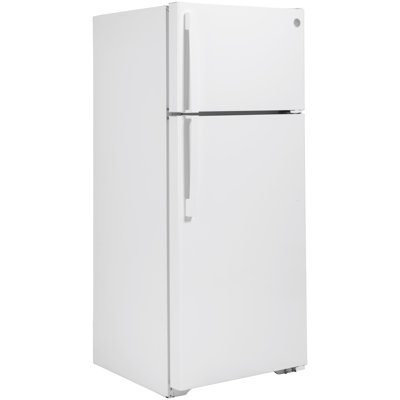
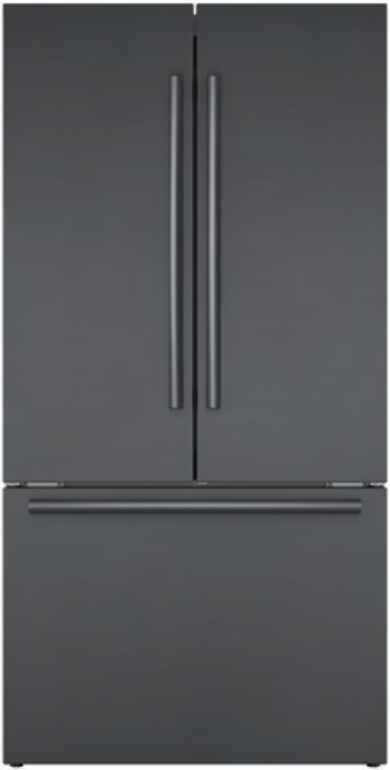
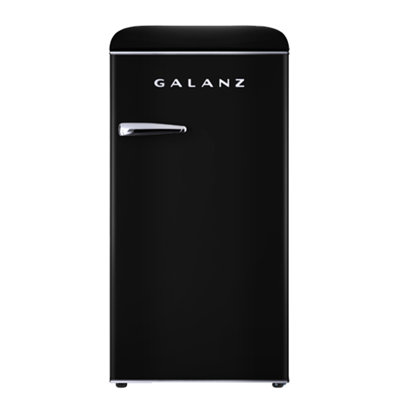
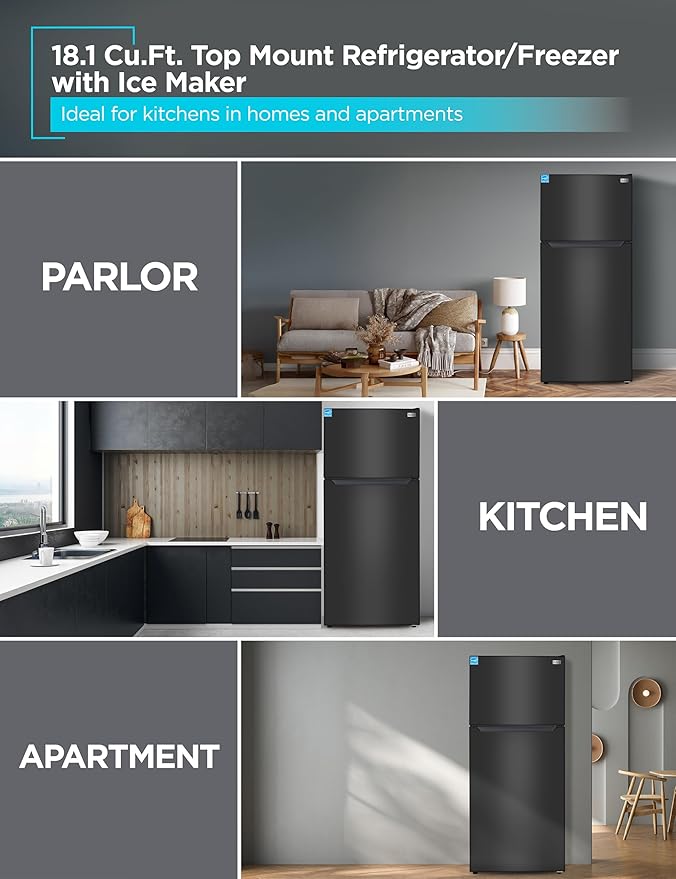
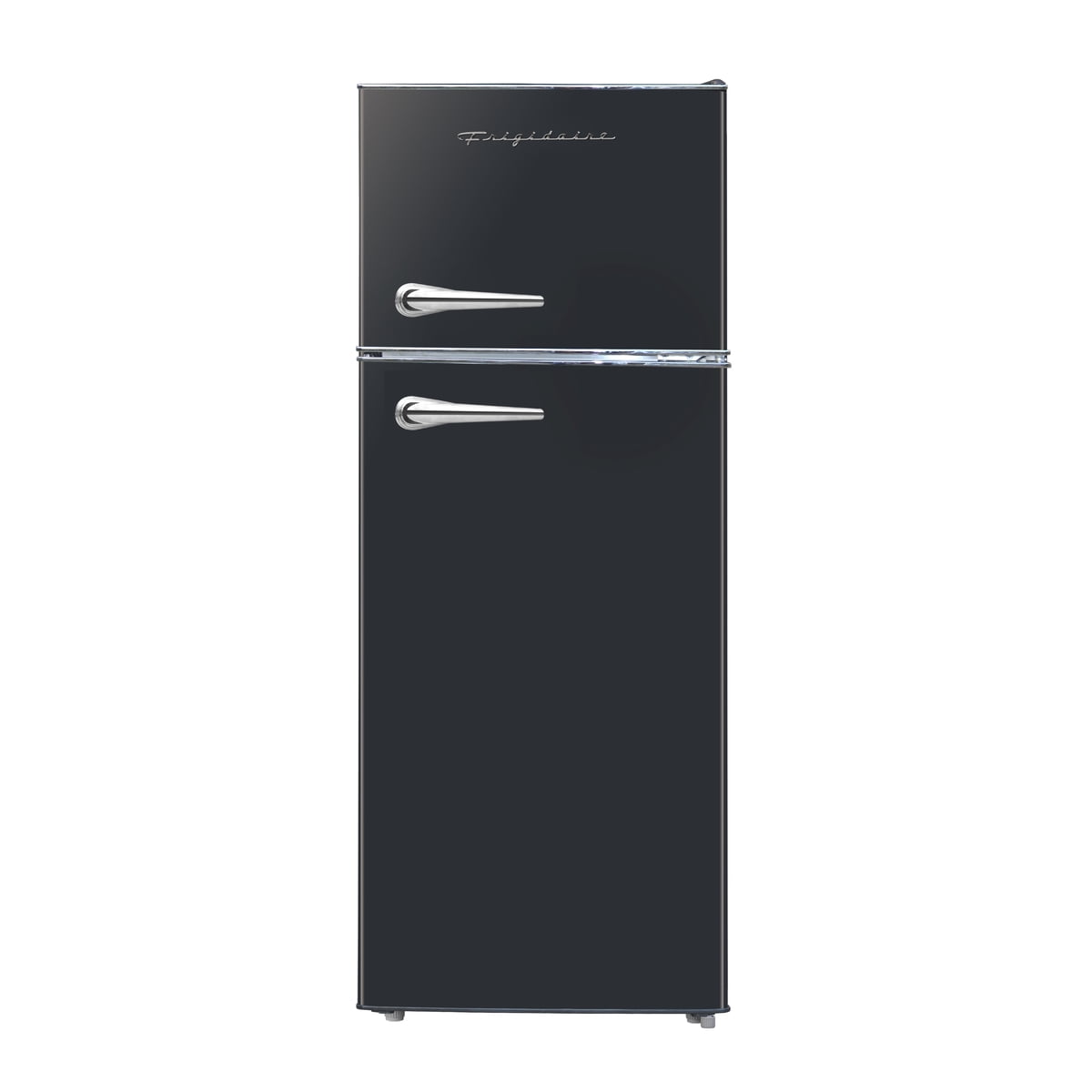
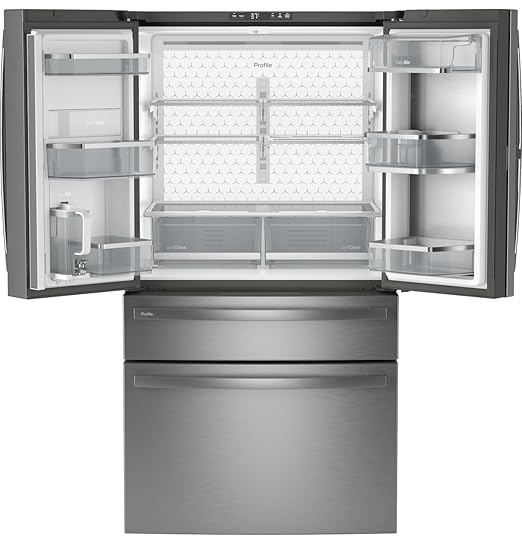
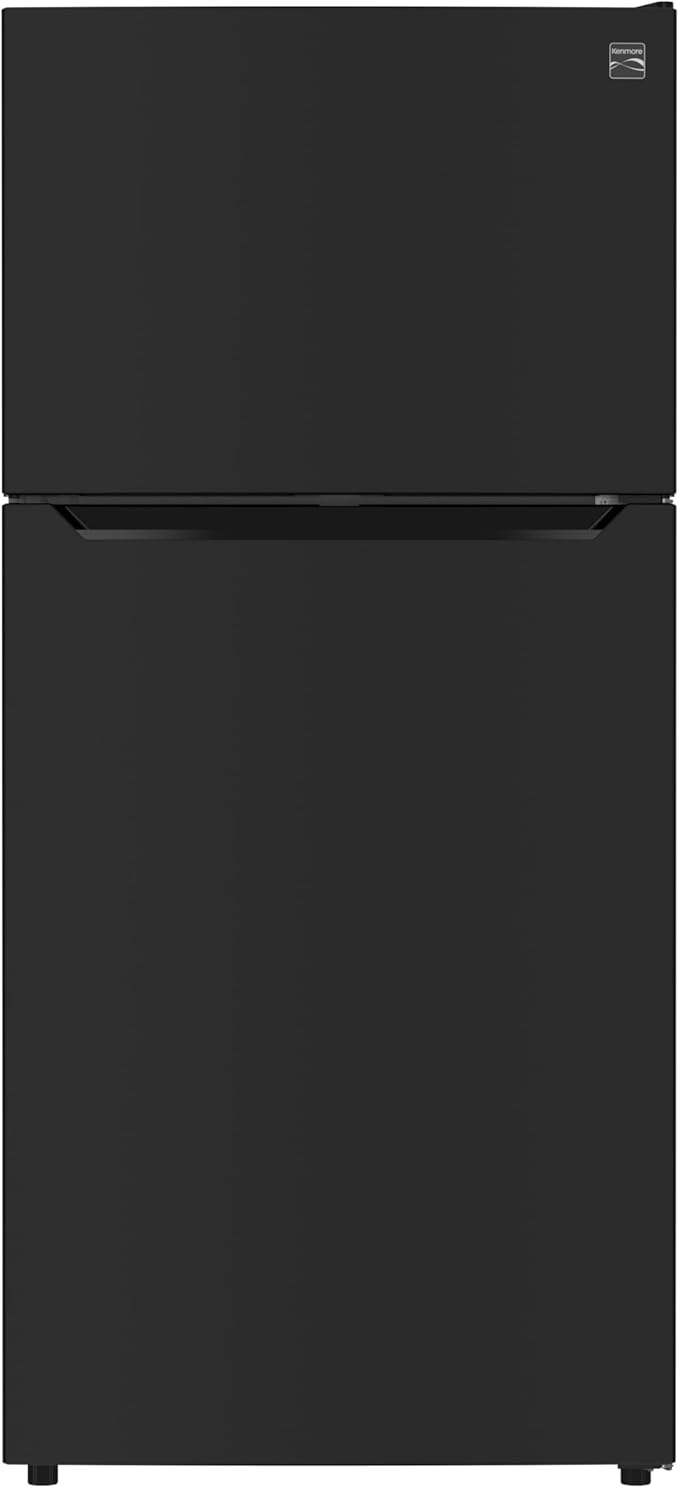
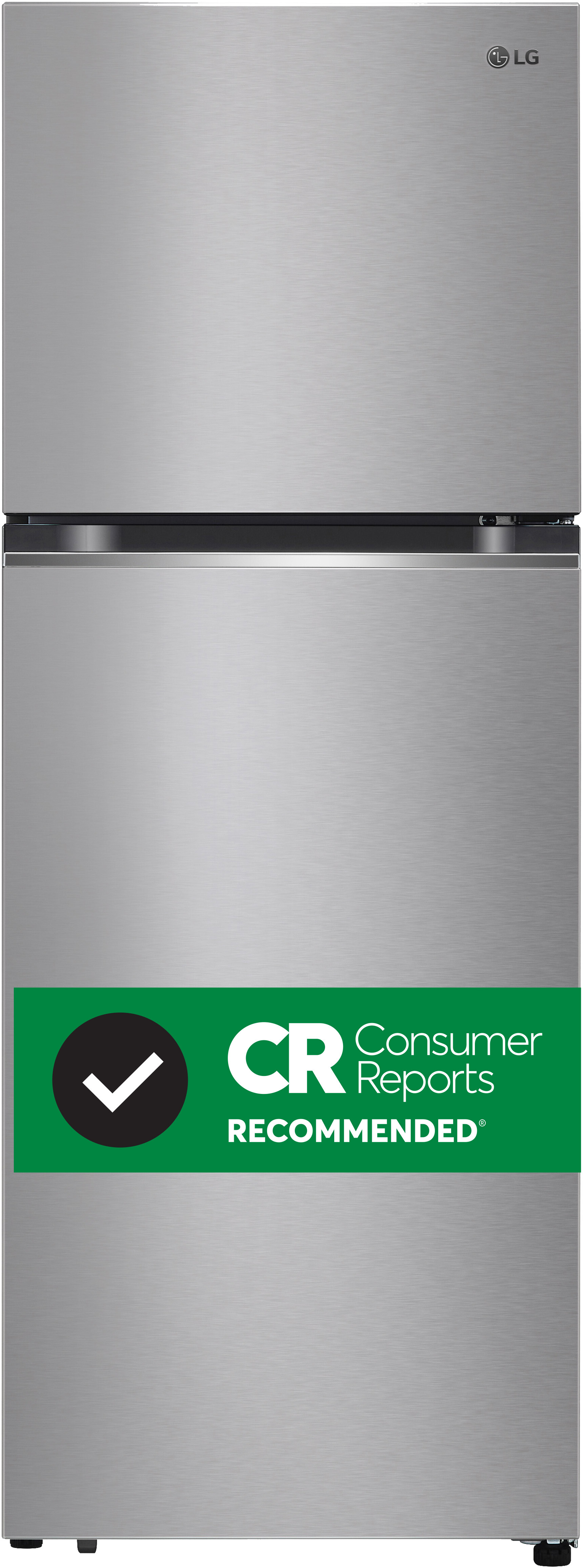
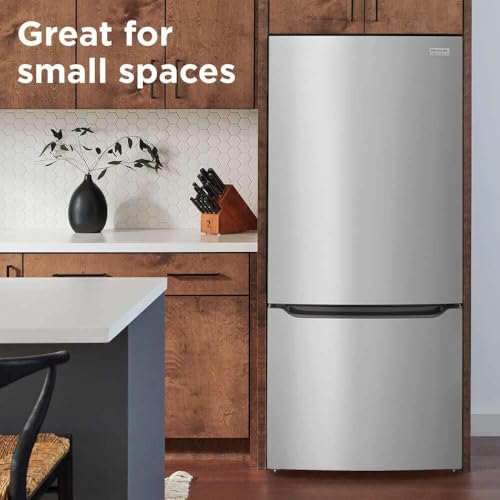
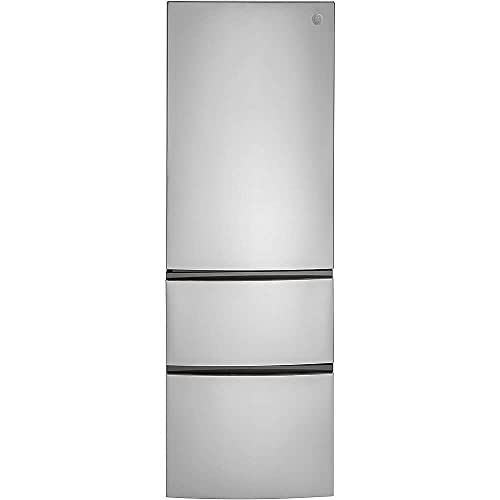
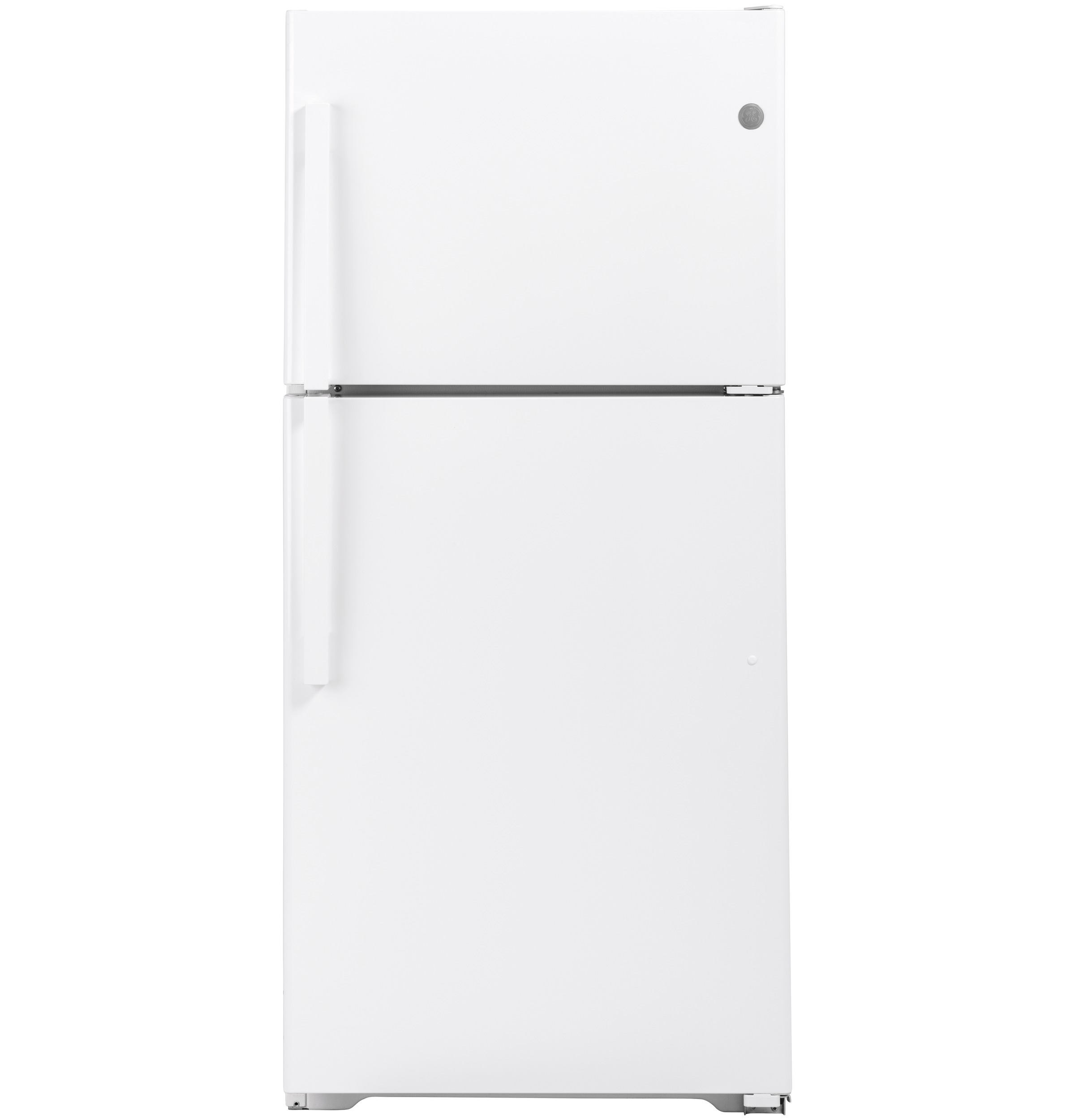
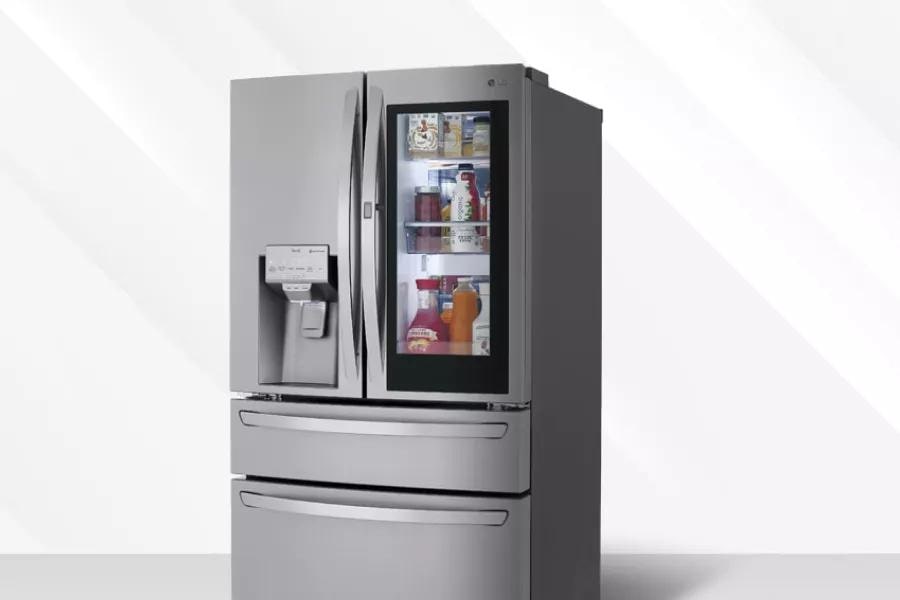
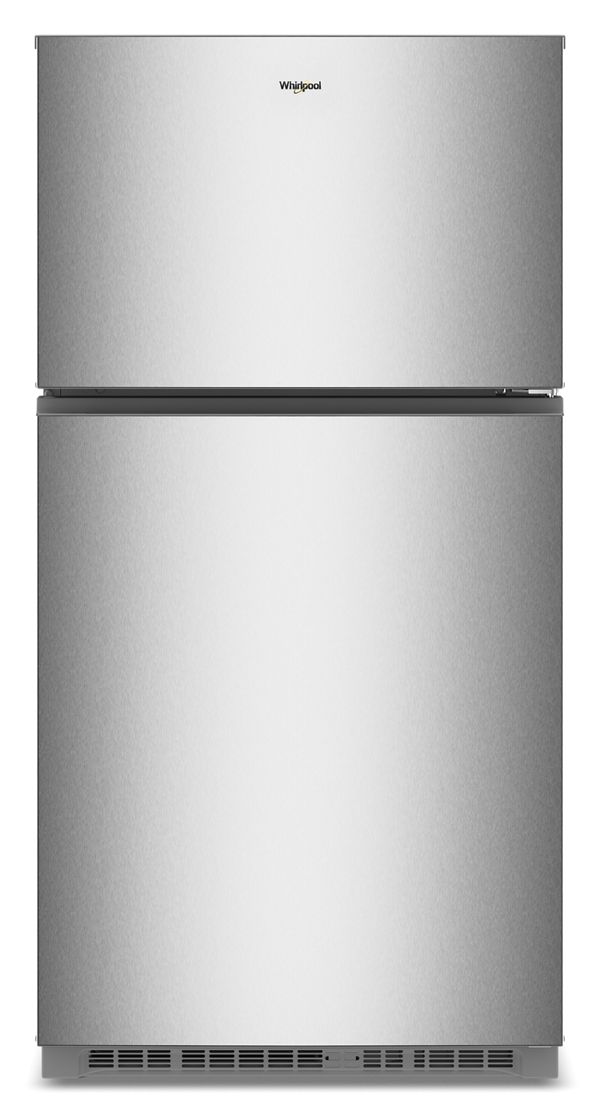
When comparing a 4 door refrigerator to an outdoor refrigerator, it's important to understand their distinct features and intended uses. Both types serve specific needs, making them suitable for different environments and purposes.
Feature
4 Door Refrigerator
Outdoor Refrigerator
Primary Use
Indoor home use
Outdoor environments like patios and decks
Design
Four separate compartments
Typically single or dual compartments
Temperature Range
Standard indoor temperature control
Designed to withstand varying outdoor temperatures
Durability
Standard appliance durability
Enhanced durability for weather resistance
Installation
Requires standard indoor electrical outlet
Requires outdoor-rated electrical outlet
Maintenance
Regular indoor maintenance
Requires weatherproofing and additional care
A 4 door refrigerator is designed for indoor use, offering multiple compartments for organized storage. This configuration is ideal for families or individuals who need ample space for different types of food and beverages. Each compartment can be set at different temperatures, providing flexibility in food preservation.
An outdoor refrigerator, on the other hand, is built to withstand outdoor conditions. It is weather-resistant and often constructed with durable materials to prevent rust and damage from exposure to the elements. These refrigerators are perfect for outdoor kitchens, patios, or poolside areas, allowing you to keep refreshments and perishables conveniently close during outdoor gatherings.
When choosing between a 4 door refrigerator and an outdoor refrigerator, it's crucial to consider the specific environment and purpose. For example, a 4 door refrigerator excels in providing organized storage for indoor use, while an outdoor refrigerator is designed to endure external conditions. For more detailed comparisons, you can also explore other articles such as top freezer refrigerator Vs. bottom freezer refrigerator and stainless steel refrigerator Vs. tall refrigerator.
4 Door Refrigerator Features
When considering a 4 door refrigerator, it's important to understand its unique configuration and the benefits it offers for home use.
Configuration and Design
A 4 door refrigerator typically features a French door design on the top section and two separate freezer compartments on the bottom. This design provides easy access to both fresh and frozen foods. The split doors on the top allow you to open one side at a time, reducing the amount of cold air that escapes and improving energy efficiency.
The interior of a 4 door fridge is often spacious, with adjustable shelves and storage bins that can accommodate a variety of food items. The separate freezer compartments offer more organized storage for frozen goods, making it easier to find what you need without rummaging through a single large freezer space.
Feature
Description
Top Section
French doors, adjustable shelves
Bottom Section
Two separate freezer compartments
Storage Options
Adjustable bins and shelves
Benefits for Home Use
A 4 door refrigerator provides several advantages for home use. The spacious design and organized storage make it ideal for families or individuals who like to keep a variety of fresh and frozen foods on hand. The separate compartments help maintain optimal temperatures for different types of food, ensuring your groceries stay fresh longer.
The French door design also enhances accessibility, allowing you to easily reach items stored in the fridge without bending down or moving other items around. This can be particularly beneficial for those who use their fridge frequently throughout the day.
Another advantage is the energy efficiency gained from the split door design. By opening only one side at a time, you minimize the amount of cold air that escapes, helping to keep your energy bills lower. For more details on refrigerator configurations, you might find Fridge.com article on top freezer refrigerator Vs. bottom freezer refrigerator helpful.
Benefit
Description
Spacious Design
Ideal for families, organized storage
Accessibility
Easy reach with French doors
Optimal Temperatures
Separate compartments for fresh and frozen foods
In summary, a 4 door refrigerator offers a combination of spaciousness, organization, and accessibility, making it a practical choice for many households. For those comparing different refrigerator types, considering the specific needs and layout of your kitchen is crucial. If you're interested in further comparisons, check out Fridge.com article on 5 door refrigerator Vs. built in kegerator.
Outdoor refrigerators are specifically designed to withstand various weather conditions. These refrigerators feature robust construction materials that can endure exposure to elements like rain, sun, and temperature fluctuations. The exteriors are often made from stainless steel or other weather-resistant materials that prevent rust and corrosion.
Key features of outdoor refrigerators include:
Sealed components: Protects internal parts from moisture and debris.
UV-resistant finishes: Prevents fading and degradation from sun exposure.
Outdoor refrigerators are ideal for various settings, enhancing convenience and functionality in areas beyond the traditional kitchen. These refrigerators can be an excellent addition to:
Patios: Perfect for outdoor dining and entertaining.
Backyards: Ideal for family gatherings and barbecues.
Poolsides: Keeps beverages and snacks easily accessible.
Cabins: Convenient for weekend getaways and vacation homes.
Environment
Benefits
Patios
Easy access to cold drinks and food during outdoor meals.
Backyards
Handy for storing barbecue essentials and refreshments.
Poolsides
Reduces trips indoors, keeping everything you need within reach.
Cabins
Ensures perishable items stay fresh during extended stays.
When comparing the 4 door refrigerator Vs. outdoor refrigerator, it's important to consider the specific needs and environments where you plan to use these appliances. For more on different refrigerator types, explore Fridge.com article on top freezer refrigerator Vs. bottom freezer refrigerator.
Considerations for Choosing
When deciding between a 4 door refrigerator and an outdoor refrigerator, there are several important considerations to keep in mind. These include the intended usage and purpose, as well as space and installation requirements.
Usage and Purpose
Understanding the primary use of your refrigerator is crucial. A 4 door refrigerator is typically designed for indoor use, offering a range of features that make it ideal for home kitchens. Its multiple compartments allow for efficient organization of food and beverages, making it a great choice for families and those who entertain frequently.
On the other hand, an outdoor refrigerator is built to withstand various weather conditions, making it suitable for outdoor kitchens, patios, and poolside areas. These refrigerators are often more rugged and designed to operate effectively in fluctuating temperatures. If you enjoy outdoor entertaining or need a fridge for your backyard, an outdoor refrigerator might be the better choice.
Space and installation requirements vary significantly between a 4 door refrigerator and an outdoor refrigerator. A 4 door refrigerator usually requires a larger footprint and is designed to fit seamlessly into a kitchen layout. Consider the available space in your kitchen and ensure that the dimensions of the refrigerator will fit comfortably.
Outdoor refrigerators, however, need to be installed in a location that provides adequate ventilation and protection from extreme weather conditions. These refrigerators are often more compact but require thoughtful placement to ensure they operate efficiently and remain durable.
By carefully considering these factors, you can make an informed decision on whether a 4 door refrigerator or an outdoor refrigerator best suits your needs. Explore more articles on refrigerator comparisons to find the perfect fit for your lifestyle.
Maintenance and Longevity
Proper maintenance of your refrigerator, whether it's a 4 door refrigerator or an outdoor refrigerator, is essential for ensuring its longevity and optimal performance. Here are some tips and expectations to help you take care of your appliance.
Cleaning and Care Tips
Regular Cleaning:
Wipe down the interior and exterior surfaces with a damp cloth and mild detergent.
Clean the shelves, drawers, and compartments to prevent mold and odors.
Defrosting:
For models without automatic defrost, manually defrost the freezer section to prevent ice build-up.
Inspect Seals:
Check the door seals for any cracks or wear. Replace them if necessary to maintain energy efficiency.
Condenser Coils:
Clean the condenser coils at least twice a year using a vacuum or brush. This helps improve cooling efficiency.
Task
Frequency
Wipe surfaces
Weekly
Clean shelves
Monthly
Defrost freezer
As needed
Inspect seals
Quarterly
Clean coils
Semi-annually
For specific cleaning and care tips for different types of refrigerators, you can refer to Fridge.com articles on drawer refrigerator Vs. white refrigerator and black refrigerator Vs. garage refrigerator.
Lifespan and Performance Expectations
The expected lifespan of a refrigerator can vary based on its type and usage conditions. Generally, a well-maintained refrigerator can last for many years.
Refrigerator Type
Expected Lifespan (years)
4 Door Refrigerator
13 - 15
Outdoor Refrigerator
10 - 12
4 Door Refrigerator: With proper care, a 4 door refrigerator can last between 13 to 15 years. Its advanced features and design make it suitable for family use and frequent access to different compartments.
Outdoor Refrigerator: Designed to withstand varying weather conditions, an outdoor refrigerator typically lasts between 10 to 12 years. Its durability makes it ideal for outdoor kitchens, patios, and poolside areas.
Evaluating the energy efficiency and cost implications of a 4 door refrigerator versus an outdoor refrigerator can help you make an informed decision.
Operating Costs
When it comes to operating costs, energy consumption is a key factor. The cost of running a refrigerator can vary based on its size, features, and energy efficiency rating. Below is a comparison of the estimated annual operating costs for both types of refrigerators:
Refrigerator Type
Average Annual Energy Consumption (kWh)
Estimated Annual Operating Cost ($)
4 Door Refrigerator
700
84
Outdoor Refrigerator
400
48
Environmental Impact
The environmental impact of your refrigerator choice is another crucial consideration. Energy-efficient refrigerators not only save on utility bills but also reduce your carbon footprint. Here’s a comparison of the potential environmental impact:
Refrigerator Type
Energy Efficiency Rating
CO₂ Emissions (kg/year)
4 Door Refrigerator
Energy Star Certified
500
Outdoor Refrigerator
Energy Star Certified
300
For more insights on energy-efficient appliances, you can check out Fridge.com article on counter depth refrigerator Vs. humidor refrigerator. Additionally, understanding the broader context of energy usage in refrigerators can be explored in 3 door refrigerator Vs. undercounter freezer.
By considering both the operating costs and the environmental impact, you can make a choice that aligns with your financial and ecological goals. For further comparisons, read Fridge.com article on top freezer refrigerator Vs. bottom freezer refrigerator.
Compare prices on Fridge.com
Compare current prices and specifications on Fridge.com, then buy from the retailer you choose; delivery, installation and warranty terms are the retailer’s.
It also has tons of awesome articles about kitchen stuff and home news. Enhance your home, garage, backyard, patio, and office with the coolest essentials. With every necessary type of residential refrigerator or freezer in the collection, you're covered.
From Fridge.com research
Figures below come from data Fridge.com builds and maintains. Each links to the record behind it.
Fridge.com Energy Index, built on U.S. EPA and DOE ENERGY STAR records
Across 5,455 ENERGY STAR certified refrigerators and freezers from 263 brands, median use is 360 kWh per year.