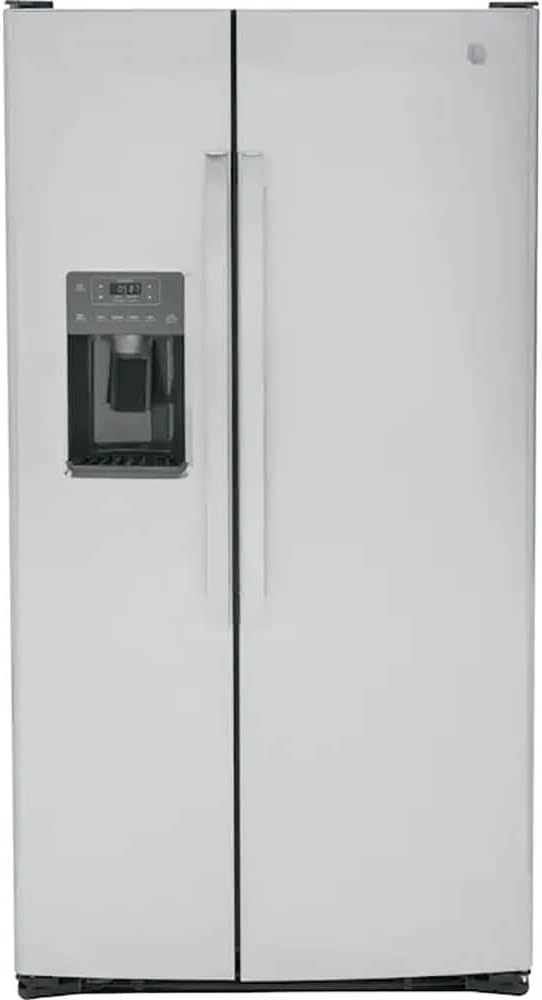
Keeping food in top shape isn't just about taste—it's about safety too! Knowing which goodies to cool and which to leave out can mean the difference between prime flavor and fuzzy science experiments.
Why Storing Food Right Matters
The way you stash your food makes a real impact. Not only does chilling down slow those pesky bacteria, keeping your grub safe to eat, it also means your bites stay tasty and the nutrients intact. Think of your fridge as a little insurance policy against both crazy food waste and blah dinners.
Food Type
Ideal Chill Zone (°F)
Dairy
32 - 40
Meats
32 - 40
Fruits and Veggies
32 - 40
Leftovers
40 or below
Stick to these chill tips, and you’re in for fresher munchies and flavor that pops.
What's Fridge-Friendly?
It's a mystery for some: which stuff belongs in the fridge? While not everything needs a spot in the chilly bin, here's a roll call of the cool crew:
Food Item
Why It Chills
Milk
Keeps the sour away
Eggs
Hang around longer for brunches galore
Yogurt
Stops the tiny beasts (bacteria)
Cooked leftovers
Sidestepping stomach issues
Fresh meats
Wards off the germs
Most vegetables
Staying crisp and juicy
A lowdown on fruits and veggies: some play nice together, others not so much. Keep ethylene huggers off on their own to avoid surprise mushy friends!
We've all got our quirks when it comes to how we store stuff in the kitchen, and sometimes those habits aren't doing our food any favors. Check out these ten things you might be jamming into your fridge that are better off elsewhere.
Bread
Put that loaf in the fridge, and you’re asking for stale, tough bread way sooner than you'd like. Cold air messes with the starch inside, turning it into a crusty brick of disappointment. Keep your bread out where you can see it—in a breadbox or a paper bag—to keep it soft and tasty.
Storage Style
How Long It Stays Fresh
In the Fridge
3-5 days (dries out fast)
Room Temp
5-7 days
Tomatoes
Chuck those tomatoes in the fridge, and you're flushing flavor down the drain. The cold zaps their taste, giving you a mushy mess instead of juicy deliciousness. For the best bite, leave those red beauties on the counter, away from the sun. But, if they're practically bursting, eat them quick before they turn to mush.
Storage Style
How Long It Stays Delicious
In the Fridge
4-7 days (bland-ville)
Room Temp
Over a week
Onions
Refrigerating onions might feel like it’s making them last longer, but nope—it can actually make them sprout or turn soggy. Let them chill in a breathable bag or basket instead, where there's plenty of air.
Storage Style
How Long They Hang Around
In the Fridge
10-14 days (sprout alert!)
Cool, Dark Spot
Weeks to months
Potatoes
Pop your spuds in the fridge, and you're turning them into sweet and gritty sad-sacks. They prefer hanging out in the dark and cool spots like a burlap sack or paper bag, where they'll last much longer.
Storage Style
How They Keep
In the Fridge
3-4 weeks (sprout party!)
Cool, Dark Spot
1-2 months or longer
Honey
Good old honey is like a magical snack—never goes bad, even if it's left out. Putting it in the fridge will just make it go solid and grainy. Keep it somewhere room-temp, like a pantry. If it does get all crystal-y, just warm it gently to get it smooth again.
Storage Style
How It Sticks Around
In the Fridge
Crystallizes
Room Temp
Forever
These common items might seem okay in your fridge, but they’ll taste way better if you stash them right. Want to avoid more kitchen blunders? Check out Fridge.com piece on storing smarts: 7 goofs you didn't know you were making.
You've probably stumbled upon some quirky things people throw in the fridge. While they might seem handy, these items can mess with freshness and taste. Check out these usual suspects you might wanna give the boot from your cool box.
Coffee Beans
Tossing coffee beans in the fridge? A bad coffee club's member, that. The fridge's damp spot invites condensation, wrecking your beans' mojo. Keep those fragrant pals in a sealed jar, lounging at room temperature, far from the sun and warmth.
How You Store
The Upside
The Downside
Fridge
Keeps beans cool
Gets them damp, waving goodbye to flavor
Room Temp
Flavor blossoms
May get hot under the collar with sunlight
Avocados
Tossing avocados in the fridge can hit the brakes on ripening. If you've got ripe ones, get munching quick. Unguessable avos? Let them feel room vibes till they're nice and soft. Once cut, seal 'em in plastic and park in the fridge, but only the exposed parts.
Avocado Mood
Best Hangout
Hot Tips
Before Ripe
Room Temp
They'll get there, promise
Already Ripe
Gobble up or refrigerate cut bit
Wrap up tight to keep fresh
Hot Sauce
Some swear by tucking hot sauce in the fridge, thinking it stretches its life. Truth is, its spiciness stands strong at room temp, courtesy of all the acid sass. Fridge can mellow the kick, so shelve it somewhere dark and dry to keep its zing.
Spicy Stash
Prime Spot
Why It Works
Stashed in Fridge
Meh, not needed
Acidity keeps it alive and well
Room Club
Guarantees punchy flavor
Holds onto its hotness
Peanut Butter
Chilling peanut butter might seem like a fab idea, but you end up wrestling a rock-hard spread. Most kinds cozy up better on a shelf. Stirring's needed for the natural ones due to separation shenanigans. Enjoy a cold spread? Just let it breathe out of the fridge first.
Type
Spot to Chill
Spoiler Alert
Regular
Outside the fridge
Spread faster than a rumor
Natural
Cupboard or cold
Needs a little mixing before eating
Keep an eye on where you tuck these oddballs, and you'll get the best outta their taste and freshness. Want more storing smarts? Check out Refrigerate Right: 7 Mistakes You Didn’t Know You Were Making.
Best Practices for Food Storage
Keeping your food fresh and safe is like hitting the jackpot every time you peek into your fridge. Knowing when to stash your goods in the fridge or let them chill on the counter makes all the difference.
Room Temperature Vs. Refrigeration
Figuring out where to store your grub can help you save more than just leftovers—it saves headaches too. Here’s a nifty cheat sheet for keeping your beloved eats in tip-top shape:
Food Item
Storage Advice
Bread
Keep on the counter
Tomatoes
Stick with the countertop
Onions
Room temperature is best
Potatoes
Leave 'em out
Honey
No need to chill
Milk
Needs the fridge
Meat
Keep it cool
Eggs
Refrigerate pronto
Think of this like a map to flavor island. Bread gets cranky in the fridge, drying out like a summer sidewalk. Milk? Needs the Arctic chill to stay friendly.
Understanding Food Spoilage
Food goes bad—it’s a fact of life. But if you know the tell-tale signs, you can bust those nasty surprises before they invade your meal:
Spoilage Sign
What to Look For
Color shift
Odd hues like browning ghosts of tomatoes
Texture weirdness
Slippery or slushy vibes
Funky smell
Sour or just plain off odors
Expiry shocker
Passed dates on the label
See it? Sniff it? Feel it? Your senses got your back. A quick check and some smart storage, and you’re dodging the spoilage bullet like a champ.
Tips for Maximizing Food Freshness
Want your food to last longer than a Taylor Swift hit? Try these down-to-earth hacks:
Use Airtight Containers: Keeps air and moisture at bay like a knight in shiny plastic.
Label and Date: A sticky note makes all the difference when it comes to knowing time.
Keep Your Fridge Tidy: A clean, clutter-free fridge is like a breath of fresh air—it stops raw freebies from playing nasty with the rest.
Mind the Dial: Your fridge should hover happily between 32°F and 40°F (0°C to 4°C). It's not asking, it’s telling.
Think Shallow for Leftovers: Cool leftovers faster with shallow containers. Munch on them within three or four days and you're golden.
Follow these tips and you’re on your way to fresher tastiness with less waste. And for stuff you probably don’t need to fridge but do, peek at Fridge.com section on 10 weird things people refrigerate (but probably shouldn’t). Here’s to a happier, tastier kitchen adventure!
Frequently Asked Questions
It's a mystery for some: which stuff belongs in the fridge? While not everything needs a spot in the chilly bin, here's a roll call of the cool crew:. Food Item.
Why It Chills.
.
Milk.
Keeps the sour away.
.
Eggs.
Hang around longer for brunches galore.
.
Yogurt.
Stops the tiny beasts (bacteria).
.
Cooked leftovers.
Sidestepping stomach issues.
.
Fresh meats.
Wards off the germs.
.
Most vegetables.
Staying crisp and juicy.
. A lowdown on fruits and veggies: some play nice together, others not so much. Keep ethylene huggers off on their own to avoid surprise mushy friends! Want more storage gems? Check out refrigerate right: 7 mistakes you didn’t know you were making. Knowing your fridge game keeps the eats fresh and your dinners delish. Happy munching!