The ambient temperature should ideally be between 50°F and 85°F.
1 full-size keg or multiple smaller kegs.
They are designed to hold mini kegs, usually around 5 liters in capacity.
For example, a mini kegerator is ideal for tight spaces or small gatherings, while a full-size kegerator is better suited for larger events or frequent use.
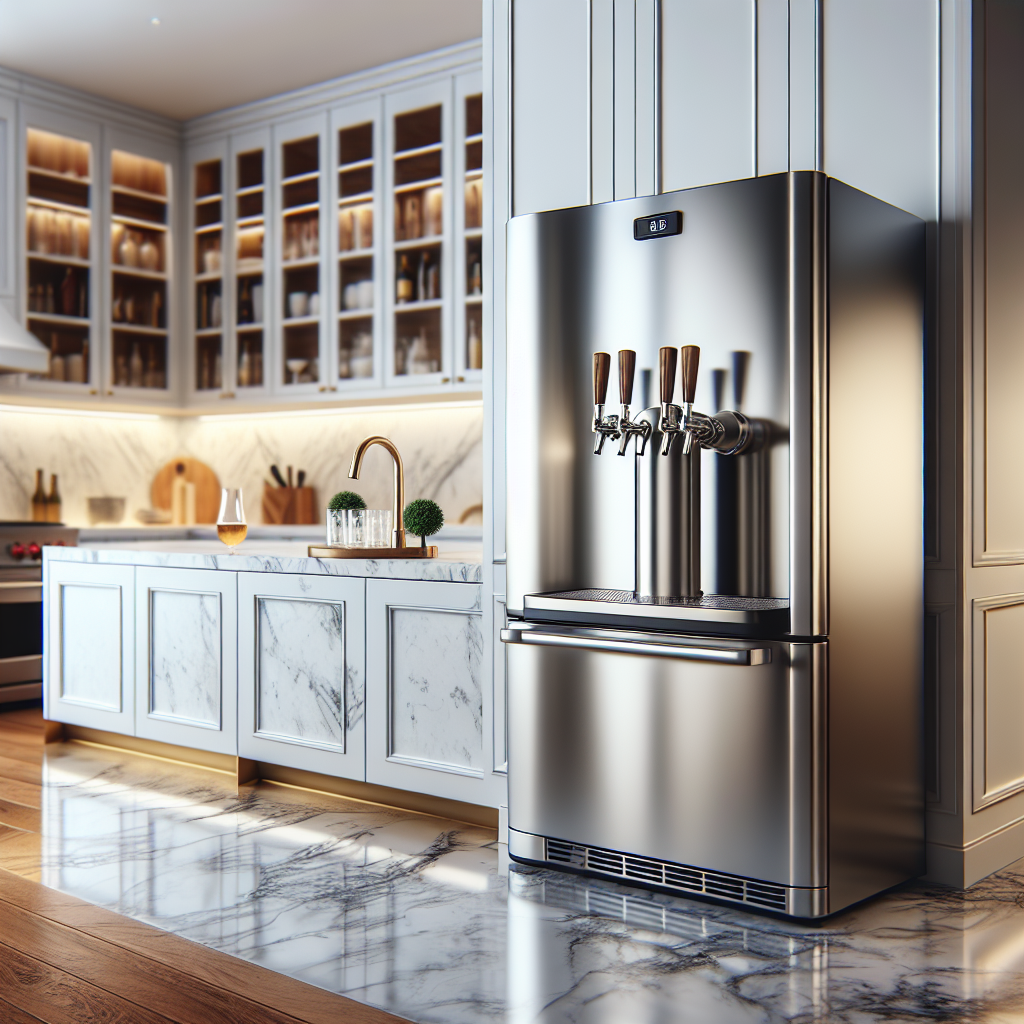
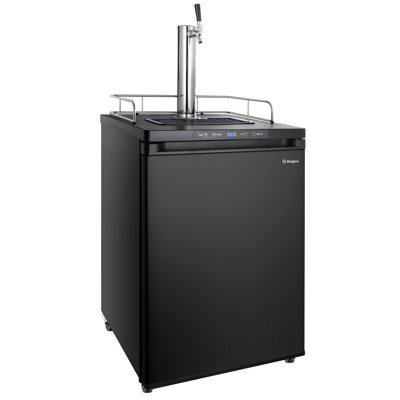
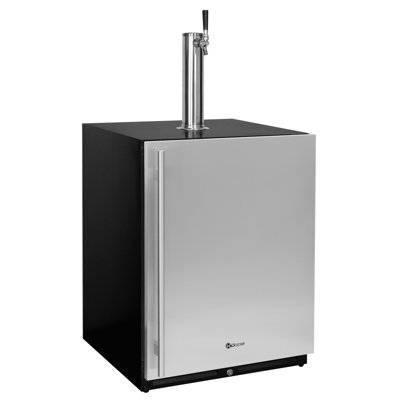
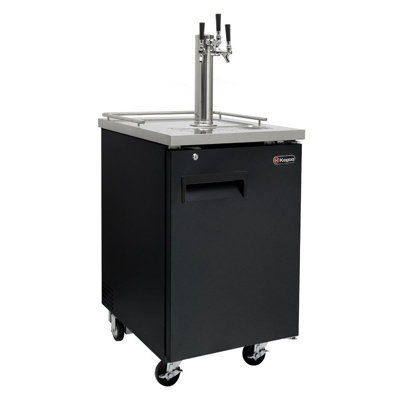
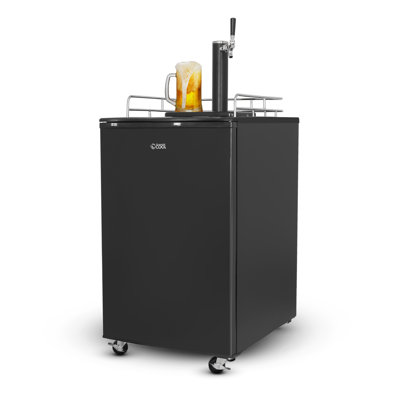
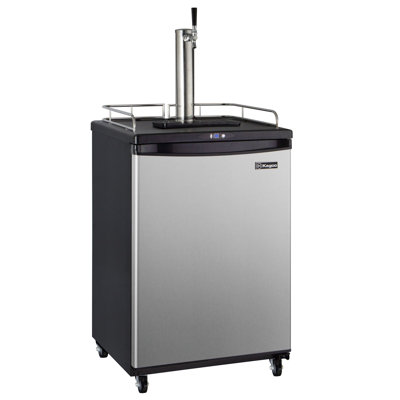
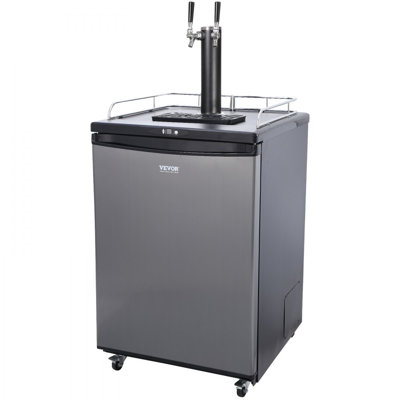
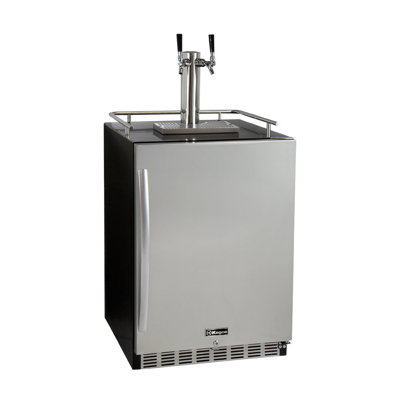
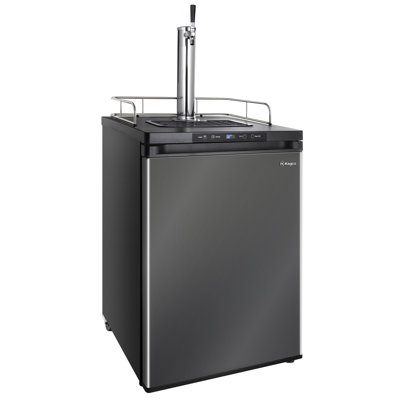
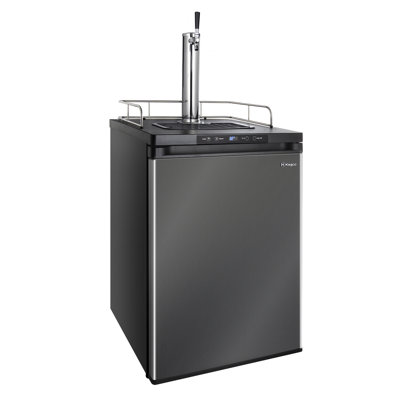
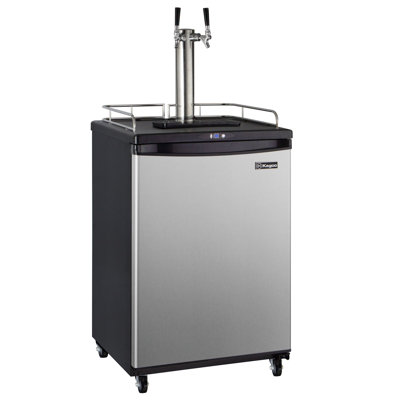
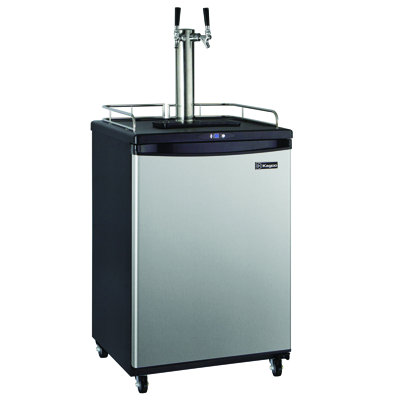
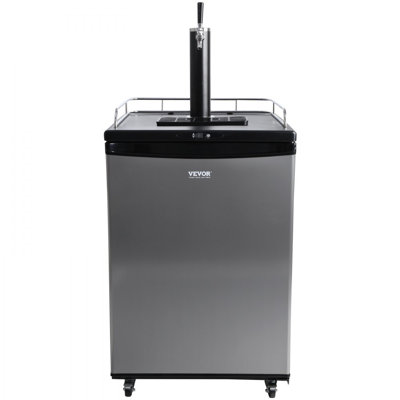
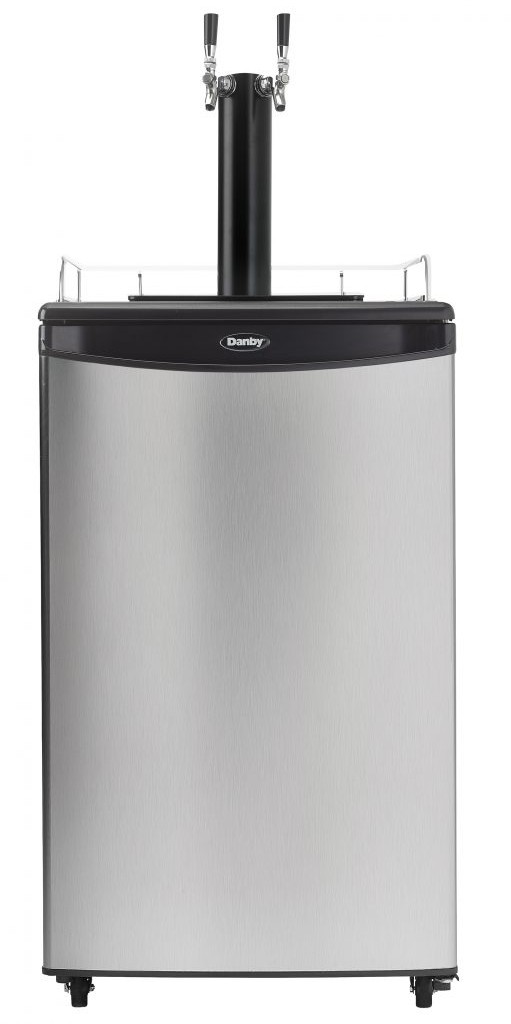
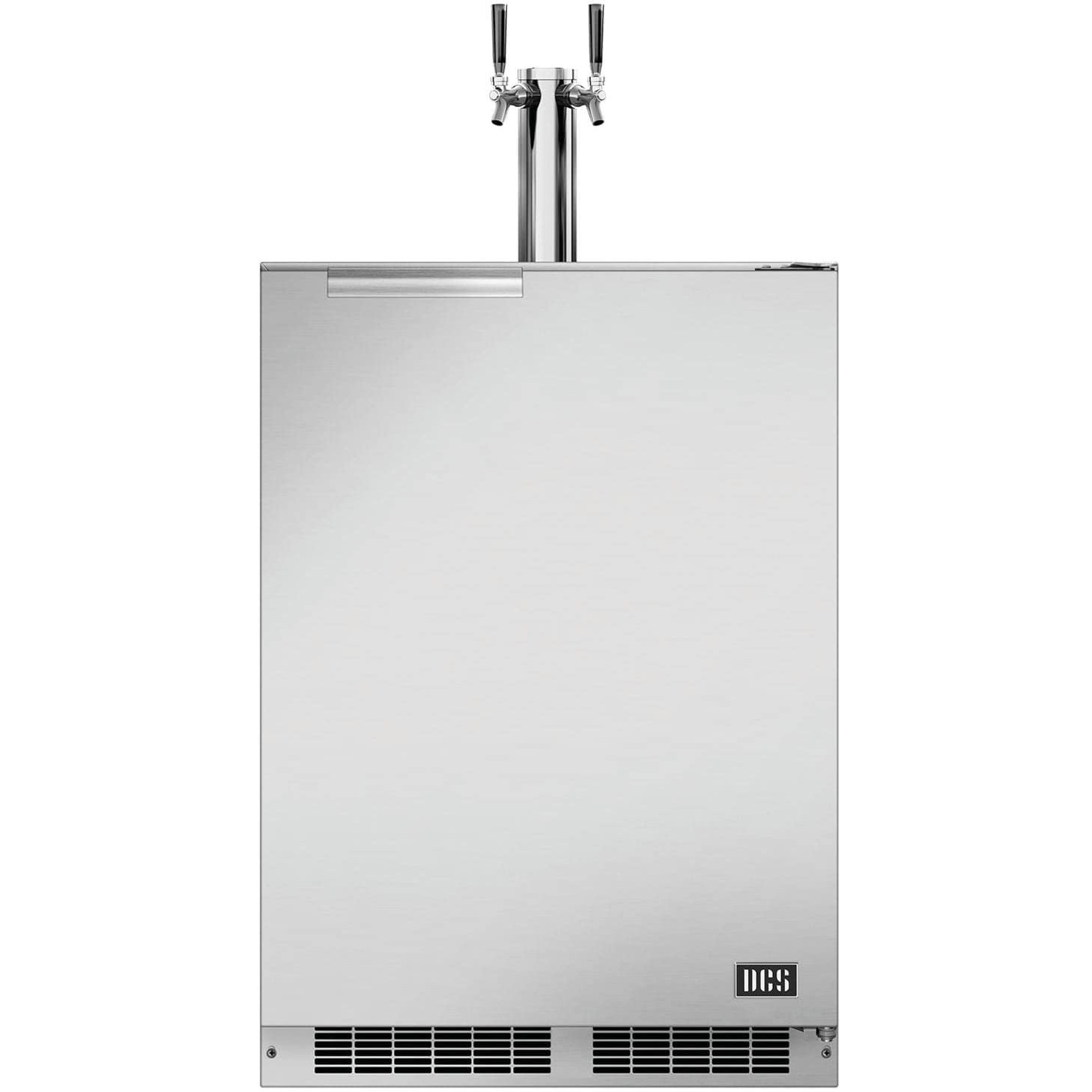
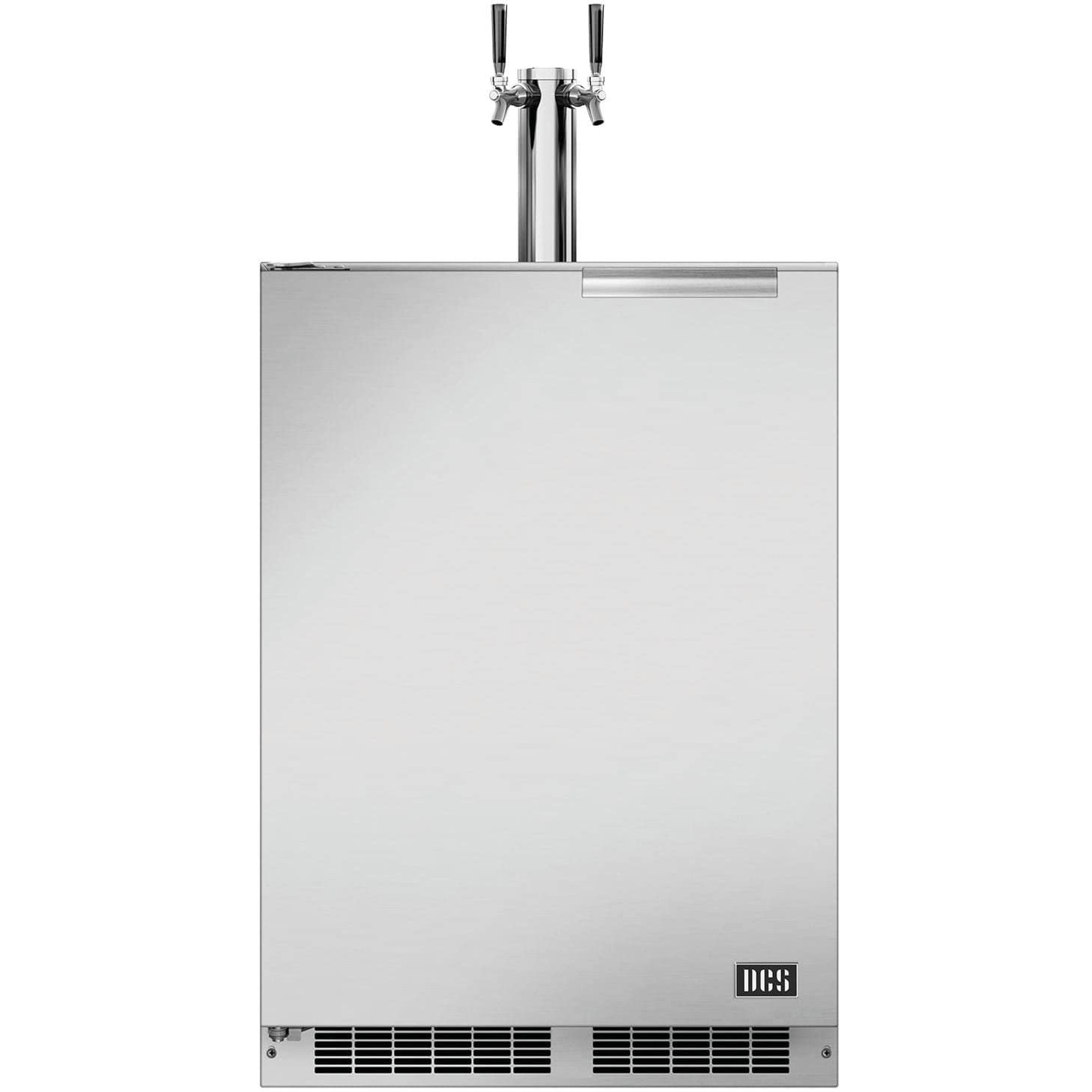
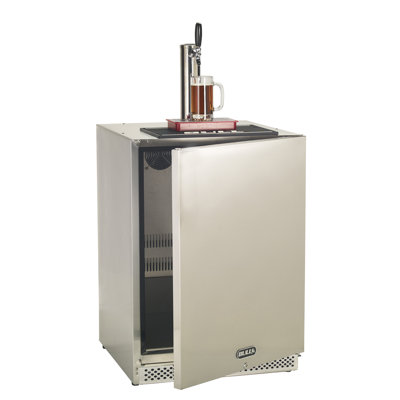
A kegerator is a specialized refrigerator designed to store and dispense kegs of beer. It combines the elements of a keg and a refrigerator, allowing you to keep your beer cold and fresh while also providing a convenient way to pour it. Kegerators are popular among homebrewers, beer enthusiasts, and anyone who enjoys hosting parties or gatherings. They come in various sizes and configurations to suit different needs and spaces.
Importance of Knowing the Size
Knowing the size of a kegerator is crucial for several reasons. First, it helps you determine if the kegerator will fit in the space you have available, such as your kitchen, basement, garage, or outdoor area. Second, understanding the dimensions ensures that the kegerator can accommodate the number and size of kegs you plan to store. Different kegerators have varying capacities, and choosing the right one depends on your specific requirements.
Here are some common kegerator dimensions to consider:
Kegerator Type
Width (inches)
Height (inches)
Depth (inches)
Mini Kegerator
11-14
15-20
15-20
Compact Kegerator
17-20
30-35
20-25
Full-Size Kegerator
20-24
48-52
25-30
Each type of kegerator has its own set of advantages and limitations. Understanding these can help you make an informed decision. For example, a mini kegerator is ideal for tight spaces or small gatherings, while a full-size kegerator is better suited for larger events or frequent use.
Kegerators come in various sizes to fit different needs and spaces. Understanding the typical sizes can help you choose the right one for your setup.
Mini Kegerators
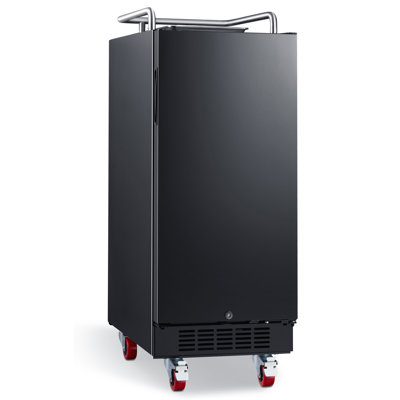
Mini kegerators are compact and portable, ideal for small spaces like apartments or offices. They are designed to hold mini kegs, usually around 5 liters in capacity. These kegerators are perfect for single servings or small gatherings.
Feature
Measurement
Keg Capacity
5 liters
Width
10 - 15 inches
Height
15 - 20 inches
Depth
10 - 15 inches
Mini kegerators are a great option if you have limited space or need a portable solution. For more details on compact refrigeration options, check out Fridge.com article on what is the size of a mini freezer.
Compact Kegerators
Compact kegerators are slightly larger and can hold up to half-barrel kegs. They are suitable for moderate use and can fit in kitchens, home bars, or small commercial spaces. Compact kegerators offer a good balance between size and capacity.
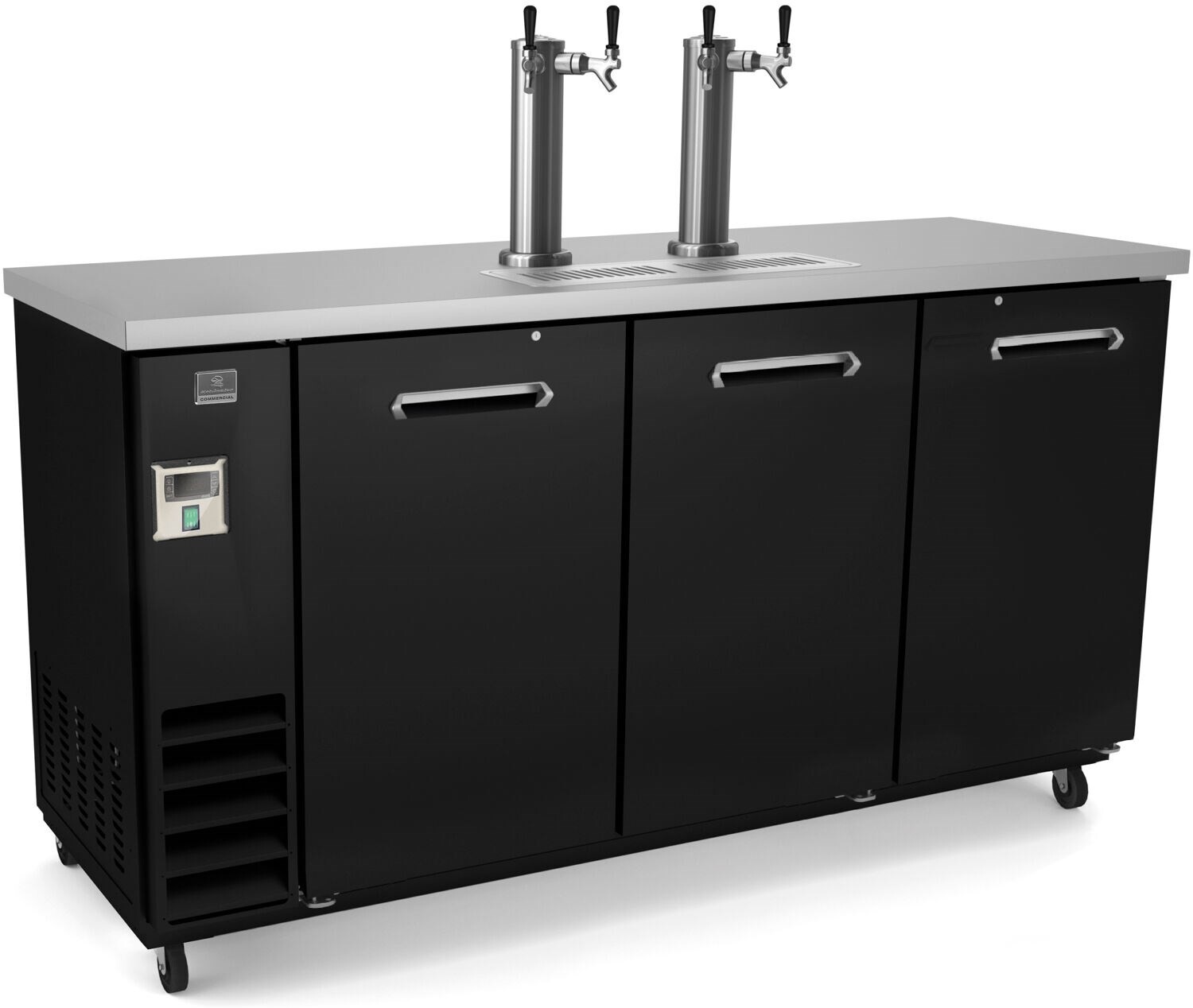
Full-size kegerators are designed for heavy use and can accommodate full-size kegs. They are ideal for large gatherings, parties, or commercial use. These kegerators offer maximum capacity and often come with multiple tap options.
Feature
Measurement
Keg Capacity
1 full barrel
Width
24 - 30 inches
Height
35 - 40 inches
Depth
25 - 32 inches
If you have the space and need a high-capacity solution, a full-size kegerator is the best choice. Learn more about large refrigeration options in Fridge.com article on what is the size of a garage refrigerator.
By understanding the typical sizes of kegerators, you can make an informed decision that suits your needs. Whether you're looking for a mini, compact, or full-size kegerator, there's an option for every space and occasion.
When selecting a kegerator, several factors influence its size. Understanding these elements ensures you choose a unit that meets your needs and fits your space.
Number of Taps
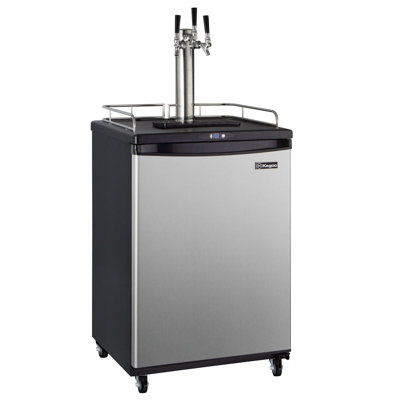
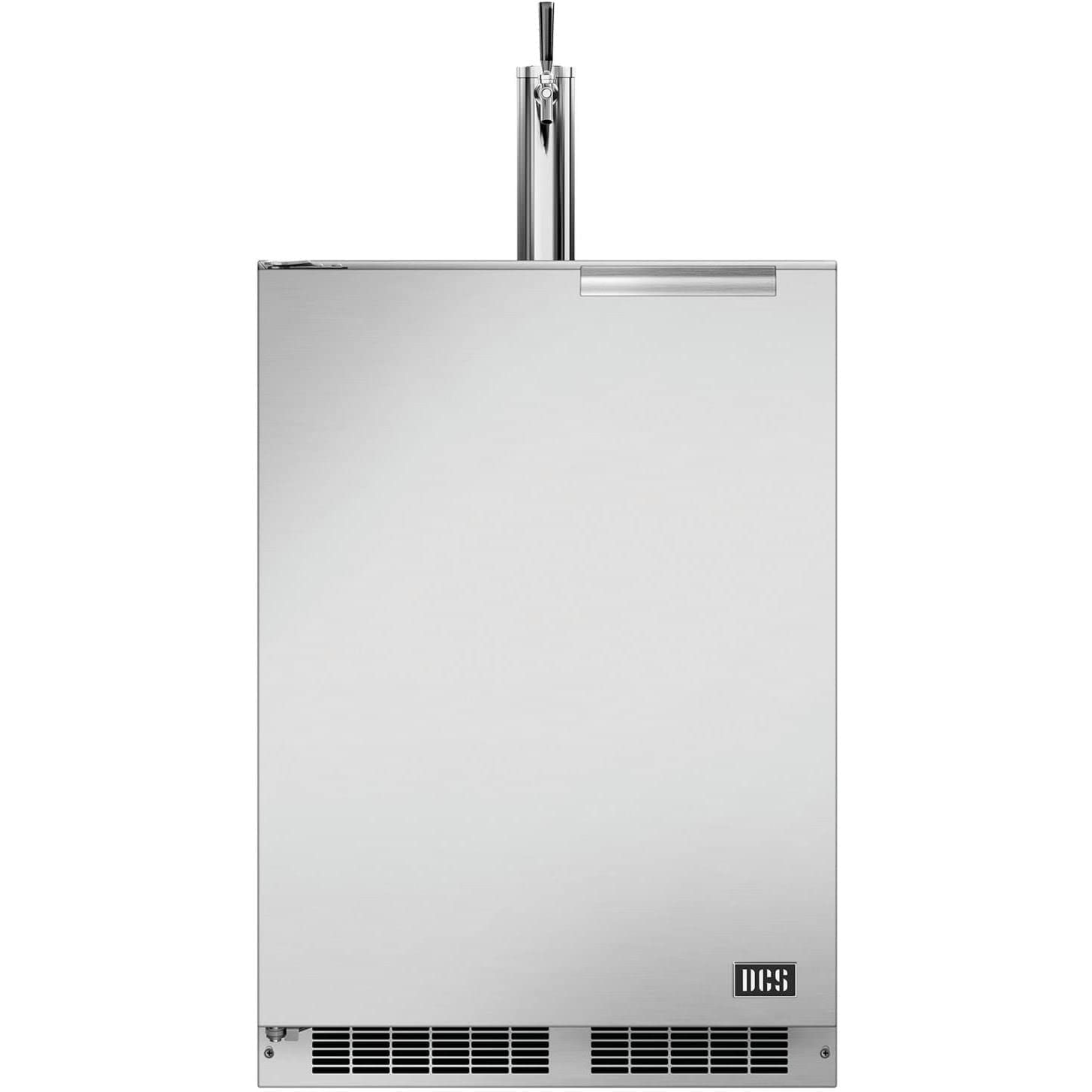
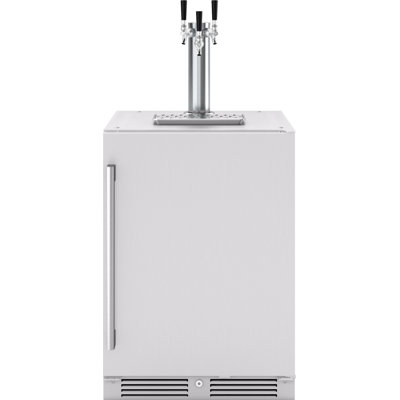
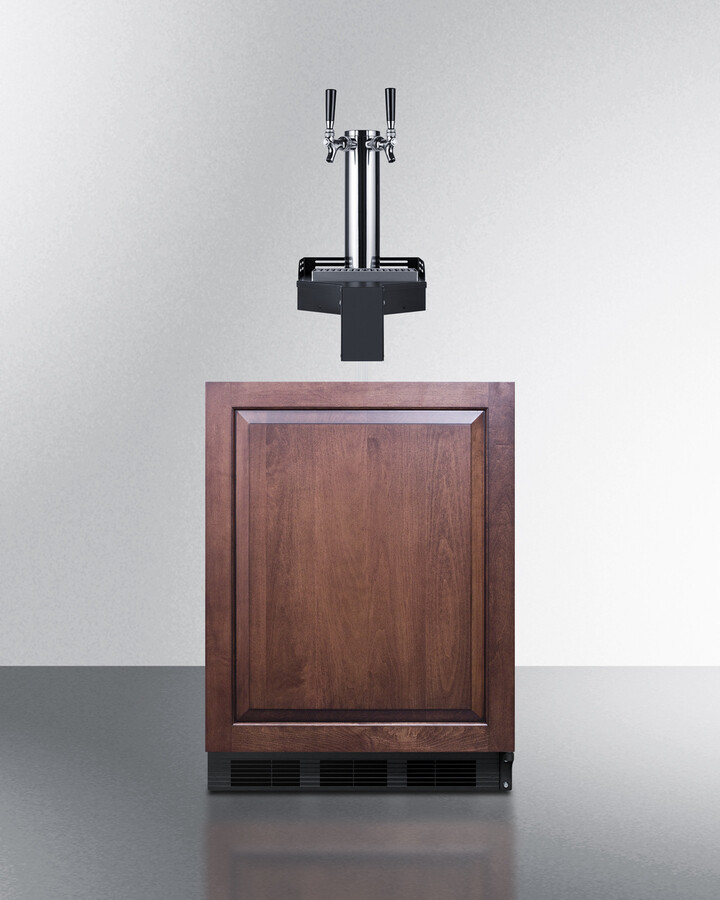
The number of taps on a kegerator affects its overall size. More taps mean a larger unit to accommodate multiple kegs. Single-tap kegerators are typically smaller and more compact, while multi-tap models require more space.
Number of Taps
Typical Dimensions (inches)
Single Tap
24 x 25 x 33
Dual Tap
26 x 28 x 34
Triple Tap
28 x 30 x 35
Interior Space
The interior space of a kegerator determines how many kegs it can hold and what sizes are compatible. Interior space is measured in cubic feet and affects the overall capacity of the unit. It's crucial to consider interior dimensions when planning to store different keg sizes.
Keg Size
Required Interior Space (cubic feet)
Mini Keg (5 liters)
1.5
Quarter Barrel (7.75 gallons)
3.5
Half Barrel (15.5 gallons)
7.0
Exterior Dimensions
The exterior dimensions of a kegerator are critical for ensuring it fits within your designated space. Measure the width, height, and depth of your available area to ensure a proper fit. Exterior dimensions vary based on the kegerator type and the number of kegs it can hold.
Kegerator Type
Exterior Dimensions (inches)
Mini Kegerator
15 x 17 x 20
Compact Kegerator
20 x 21 x 28
Full-Size Kegerator
24 x 25 x 33
Understanding these factors helps you choose the right kegerator size for your needs. For more information on refrigerator and freezer sizes, explore Fridge.com articles on what is the size of a refrigerator? and what is the size of a 3 door refrigerator?.
Accurately measuring a kegerator is essential to ensure it fits perfectly in your designated space and meets your keg storage needs. This section will guide you through the process of measuring the width, height, and depth of a kegerator, as well as calculating its total capacity.
How to Measure Width, Height, and Depth
To measure a kegerator, you'll need a measuring tape and a notepad to record the dimensions. Follow these steps:
Width: Measure the widest part of the kegerator from side to side. This includes the handles or any external attachments.
Height: Measure from the bottom to the top. Be sure to include the height of any casters or legs, as well as the height of the tap tower if it's attached.
Depth: Measure from the front to the back of the kegerator, including any protruding parts like the drip tray or CO2 tank.
Measurement
Description
Width
Measure side to side, including handles or attachments
Height
Measure bottom to top, including casters/legs and tap tower
Depth
Measure front to back, including drip tray and CO2 tank
Accurate measurements help you determine if the kegerator will fit in your intended space and ensure it can be properly ventilated.
Calculating the Total Capacity
Understanding the total capacity of your kegerator involves knowing how many kegs it can hold and how much beer it can store. Here's how to calculate it:
Determine the Interior Volume: Measure the interior dimensions (width, height, and depth) of the kegerator. Multiply these measurements to get the total interior volume in cubic inches.
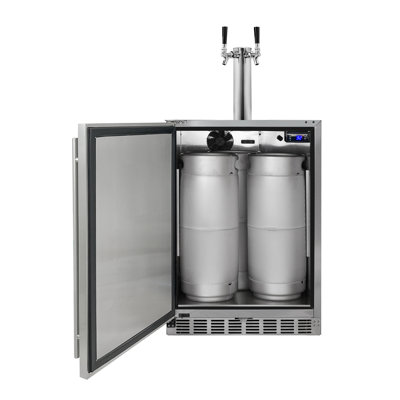
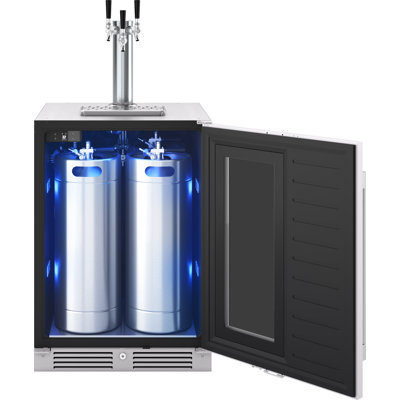
Calculate Keg Capacity: Different kegerator sizes can hold different numbers of kegs. For example, a full-size kegerator can typically hold one full-size keg, while a compact kegerator might hold one or two smaller kegs.
Kegerator Type
Keg Capacity
Mini Kegerator
1 mini keg
Compact Kegerator
1-2 smaller kegs
Full-Size Kegerator
1 full-size keg or multiple smaller kegs
By measuring your kegerator accurately and calculating its total capacity, you can ensure it meets your needs and fits perfectly in your space. For more information on kegerator sizes, you can refer to Fridge.com articles on what is the size of a built-in kegerator and other related topics.
Choosing the Right Size for You
When selecting the appropriate kegerator size, two significant factors come into play: space constraints and your keg needs.
Considering Space Constraints
Before purchasing a kegerator, it's essential to evaluate the available space where you plan to install it. Whether you're placing it in a kitchen, garage, or outdoor area, knowing the dimensions is crucial. Measure the width, height, and depth of the designated spot to ensure a proper fit. Additionally, consider leaving extra space for ventilation and ease of access.
Space Type
Suggested Kegerator Dimensions (inches)
Kitchen
Width: 24-30, Height: 35-40, Depth: 25-30
Garage
Width: 25-35, Height: 40-50, Depth: 30-35
Outdoor Area
Width: 30-40, Height: 40-50, Depth: 30-35
Basement/Bar
Width: 25-35, Height: 35-45, Depth: 25-30
Remember to account for door clearance if the kegerator has a front-opening door. For more information on different fridge sizes, visit Fridge.com articles on what is the size of a refrigerator? and what is the size of a mini fridge?.
Determining Your Keg Needs
Understanding your keg needs helps in choosing the right kegerator size. Consider the type and number of kegs you plan to store. Kegerators vary in capacity, accommodating anything from mini kegs to full-size kegs.
Keg Type
Capacity
Kegerator Size Needed
Mini Keg
1.32 gal
Mini Kegerator
Cornelius Keg
5 gal
Compact Kegerator
Sixth Barrel Keg
5.16 gal
Compact Kegerator
Quarter Barrel Keg
7.75 gal
Full-Size Kegerator
Half Barrel Keg
15.5 gal
Full-Size Kegerator
Choose a kegerator that matches your keg volume requirements. If you frequently entertain or host large gatherings, a full-size kegerator might be more suitable. Conversely, for occasional use or smaller spaces, consider a mini or compact kegerator.
For additional tips on selecting the right size kegerator, you may find Fridge.com articles on what is the size of a built-in kegerator? and what is the size of a beer fridge? helpful.
When it comes to installing and placing your kegerator, several factors need to be considered to ensure optimal performance and longevity. Below are some key tips to help you get started.
Proper Ventilation
Proper ventilation is crucial for maintaining the efficiency and longevity of your kegerator. Without adequate airflow, the unit can overheat, leading to potential damage and reduced performance. Ensure that there is at least 2-3 inches of space around the kegerator for air circulation. This is particularly important for built-in or undercounter models.
Parameter
Recommended Space
Back Clearance
2-3 inches
Side Clearance
2-3 inches
Location Considerations
The location of your kegerator can significantly impact its performance. Choose a location that is cool and dry, away from direct sunlight and heat sources like ovens or radiators. The ambient temperature should ideally be between 50°F and 85°F. If you plan to place the kegerator outdoors, make sure it is built for outdoor use.
Regular maintenance and cleaning are essential for keeping your kegerator in top condition. This includes cleaning the beer lines, taps, and kegs. It's recommended to clean the beer lines every two weeks and perform a deep clean of the entire system every three months.
Maintenance Task
Frequency
Clean Beer Lines
Every 2 weeks
Deep Clean
Every 3 months
Use a mild detergent and warm water for cleaning the interior and exterior surfaces. Avoid using abrasive cleaners that could damage the finish. For more detailed instructions, check out Fridge.com guide on what is the size of a built in kegerator?.
By following these installation and placement tips, you can ensure that your kegerator operates efficiently and remains a reliable source of perfectly chilled beer for years to come.
Compare kegerator prices on Fridge.com
Compare current prices and specifications on Fridge.com, then buy from the retailer you choose; delivery, installation and warranty terms are the retailer’s.
It also has tons of awesome articles about kitchen stuff and home news. Enhance your home, garage, backyard, patio, and office with the coolest essentials. With every necessary type of residential refrigerator or freezer in the collection, you're covered.
Frequently Asked Questions
A kegerator is a specialized refrigerator designed to store and dispense kegs of beer. It combines the elements of a keg and a refrigerator, allowing you to keep your beer cold and fresh while also providing a convenient way to pour it. Kegerators are popular among homebrewers, beer enthusiasts, and anyone who enjoys hosting parties or gatherings. They come in various sizes and configurations to suit different needs and spaces.