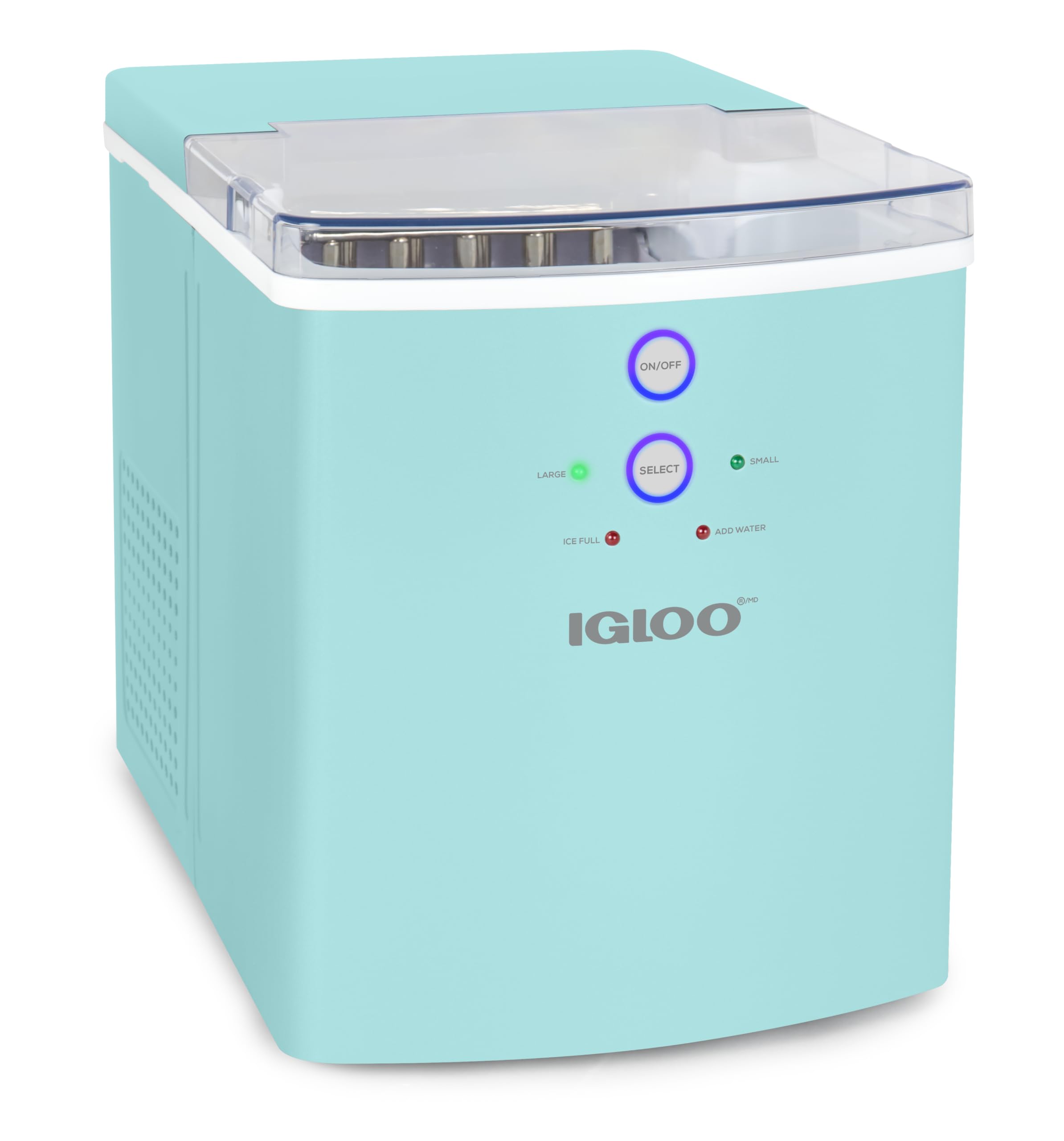
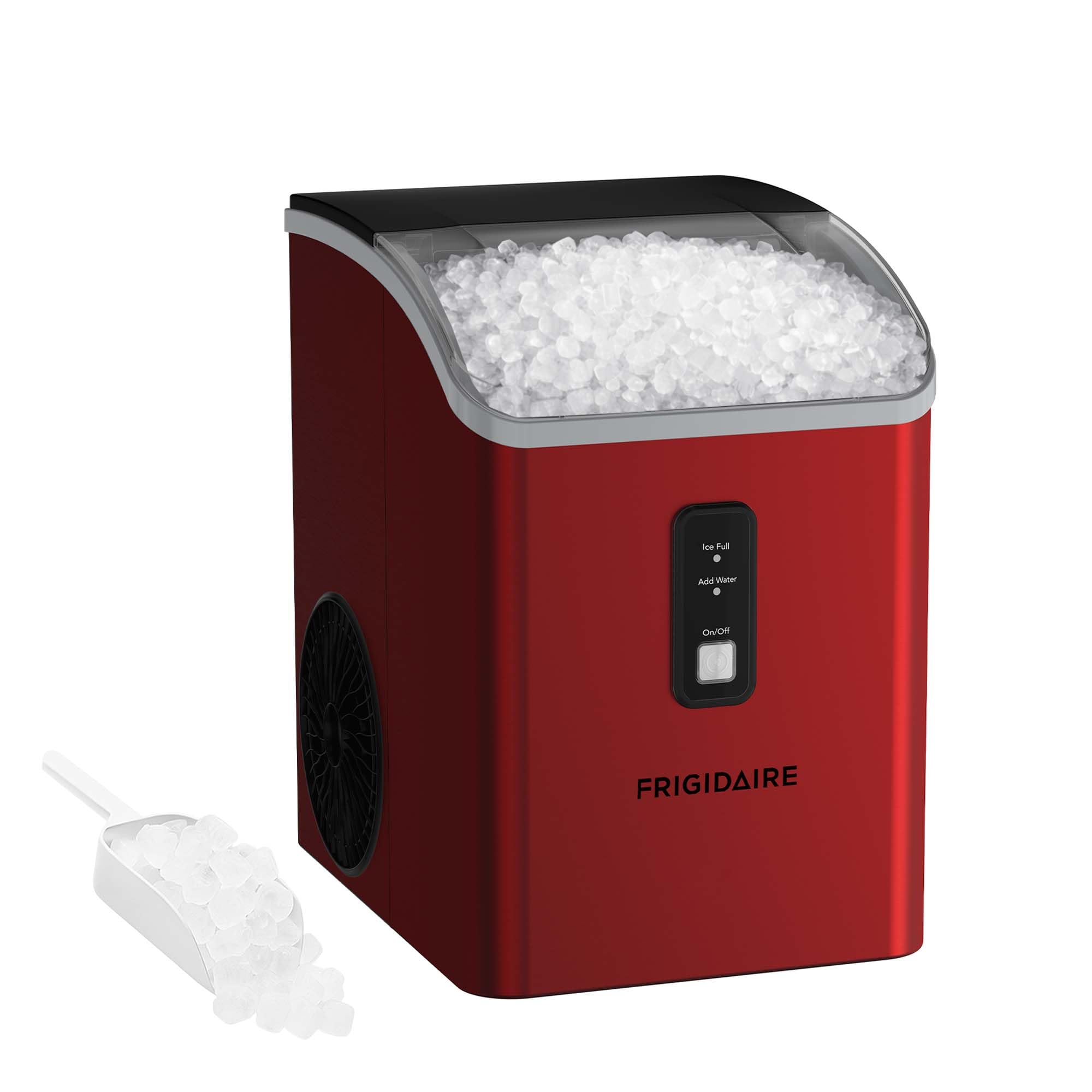
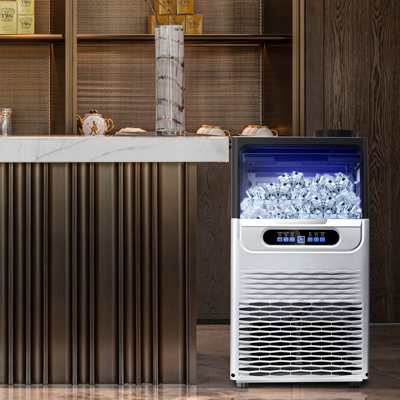
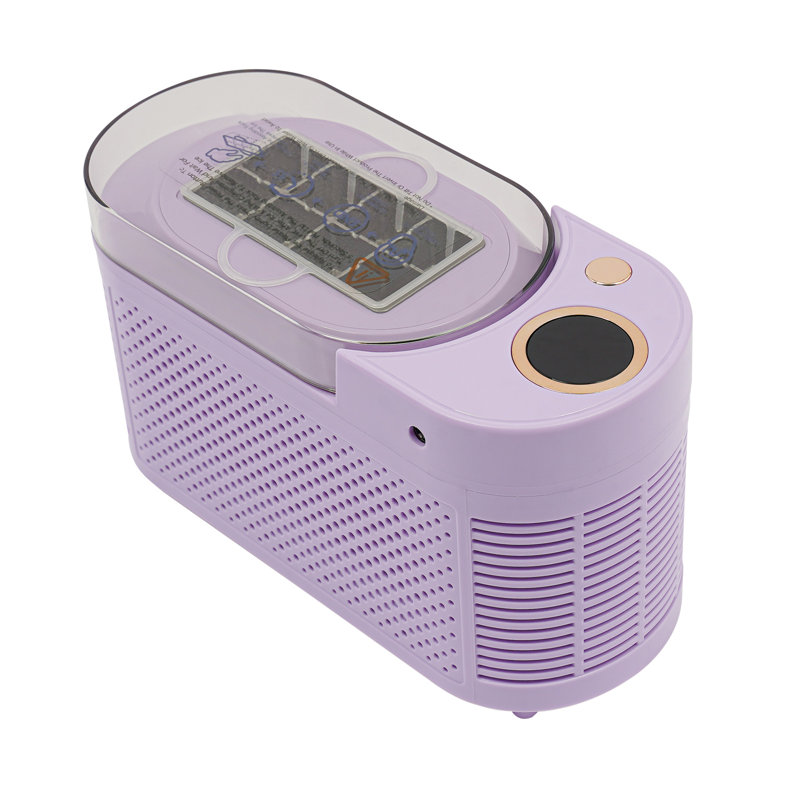
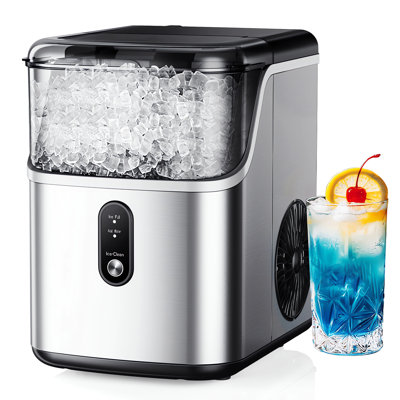
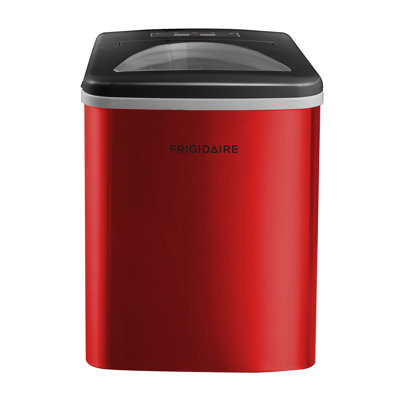
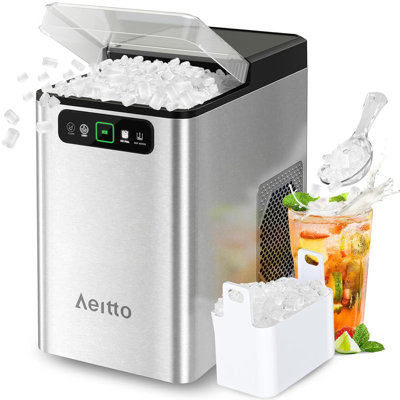
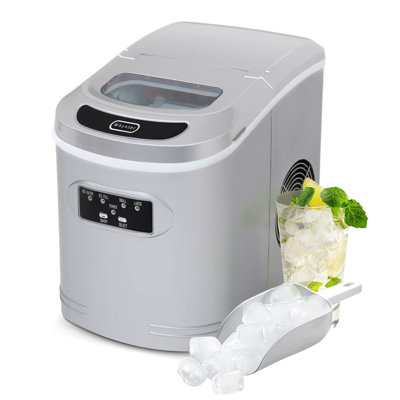
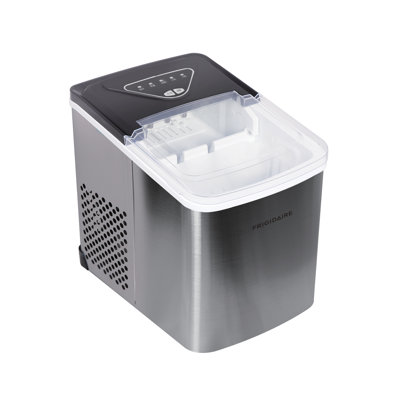
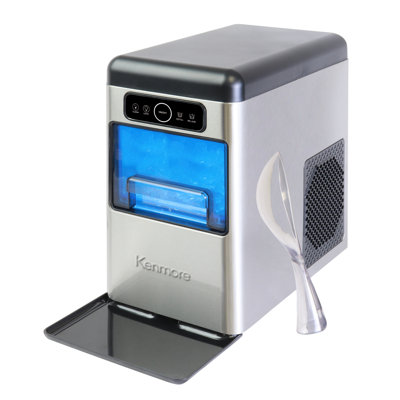
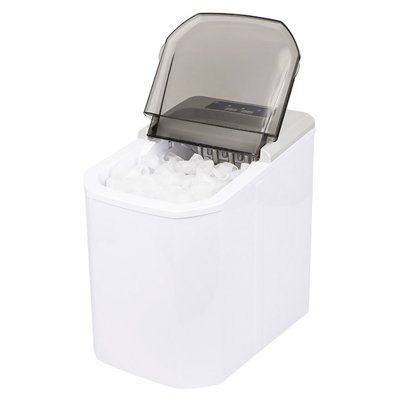
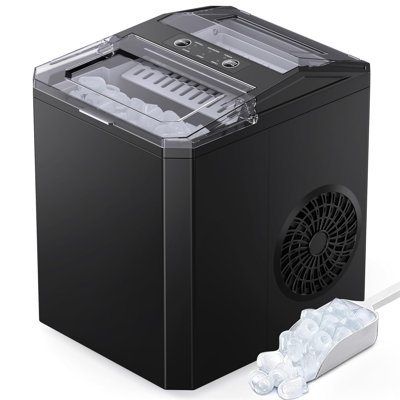
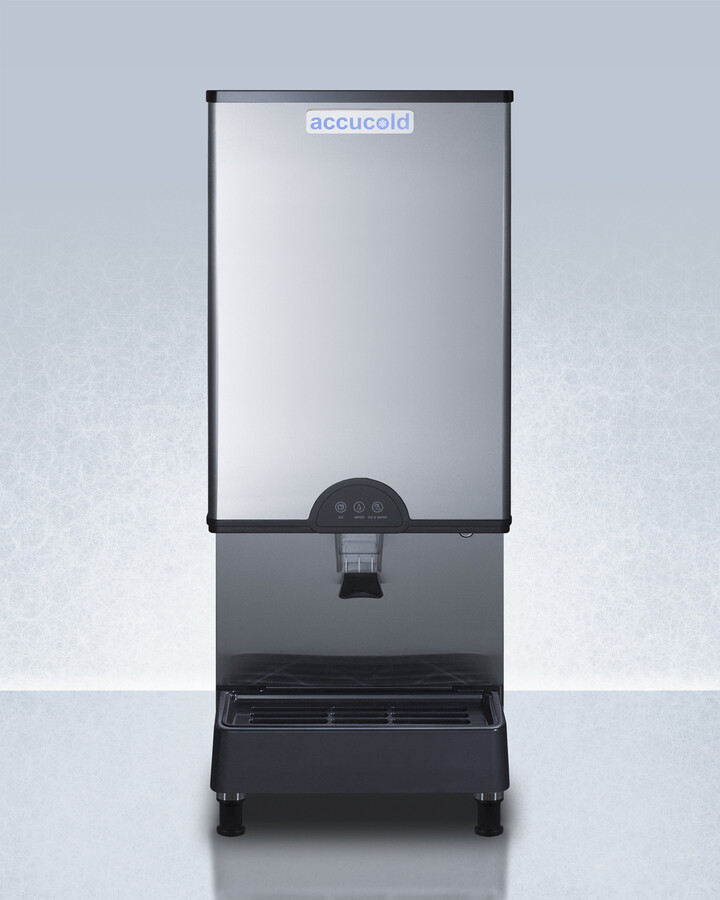
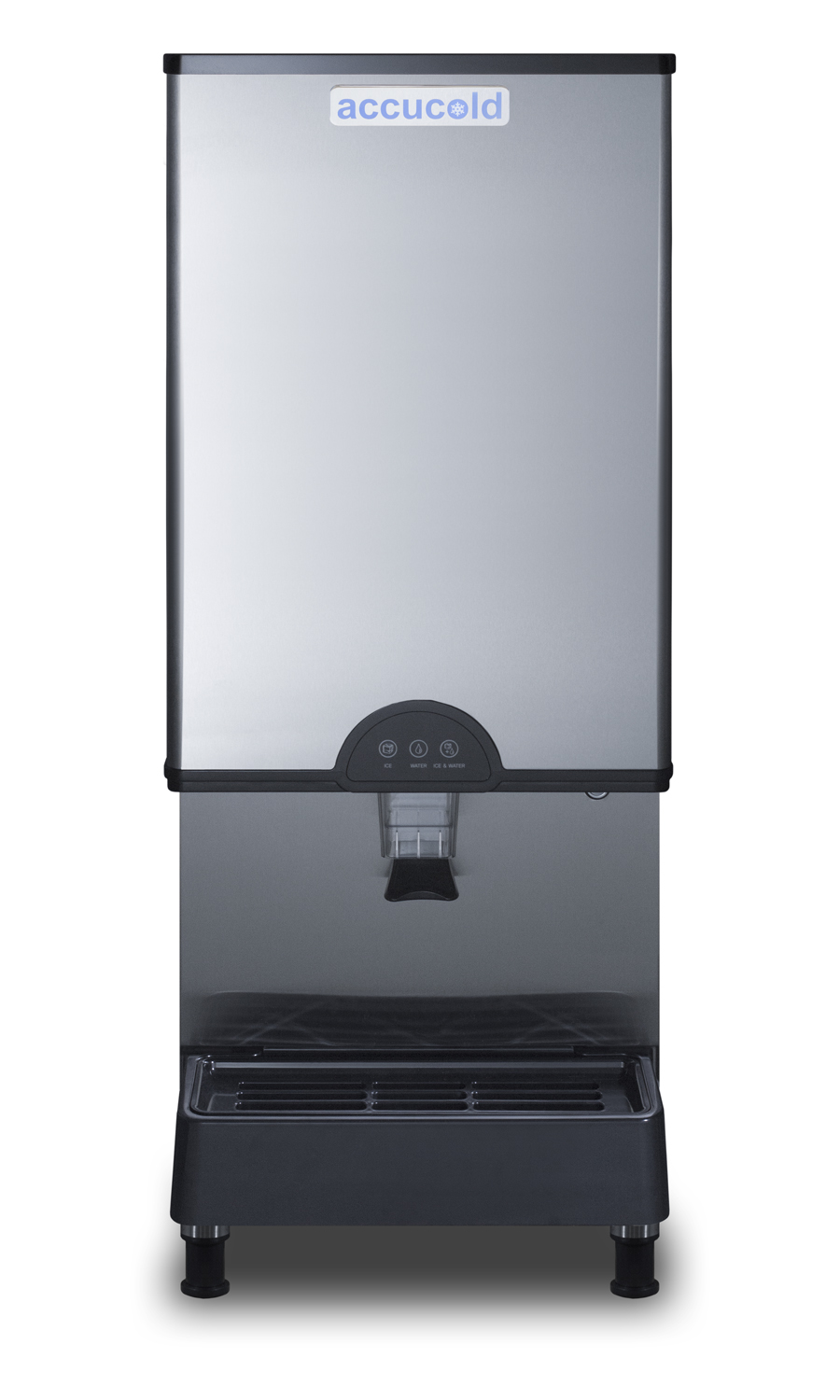
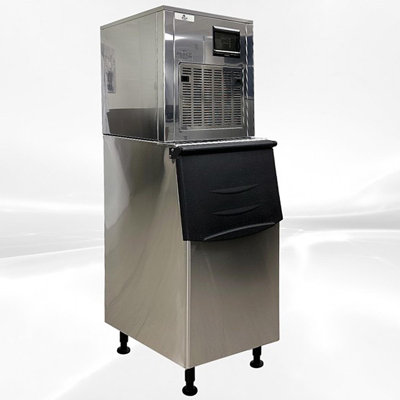
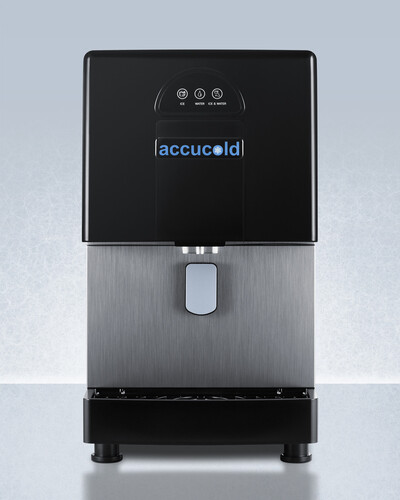
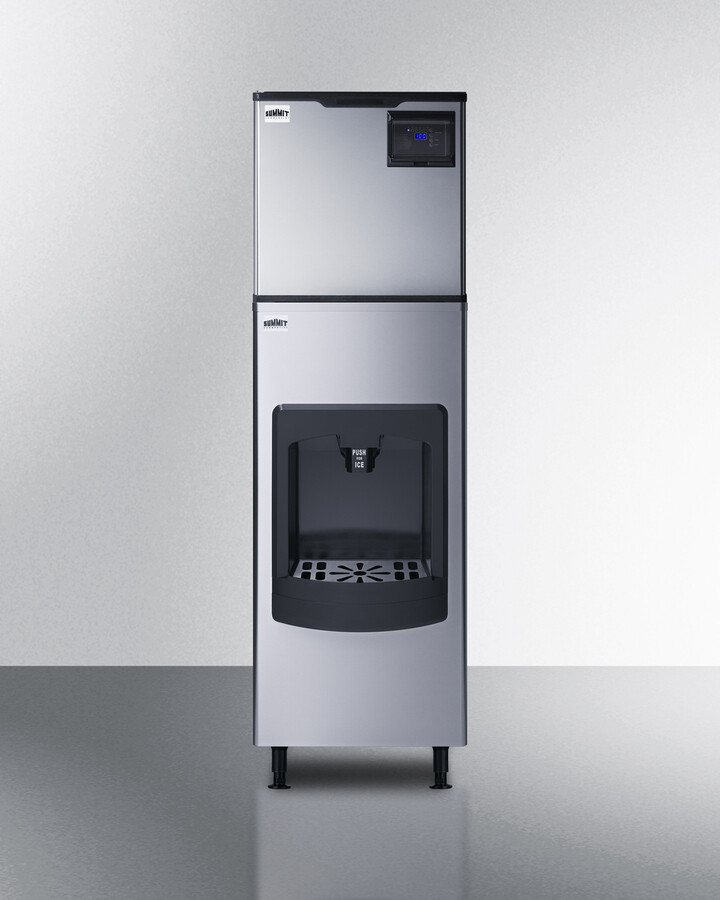
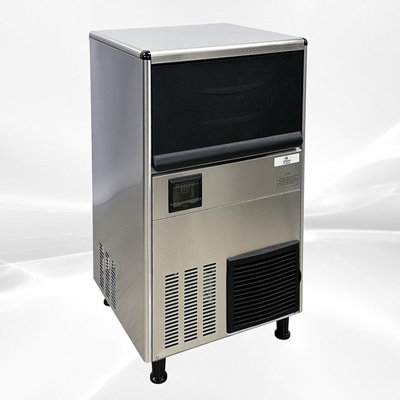
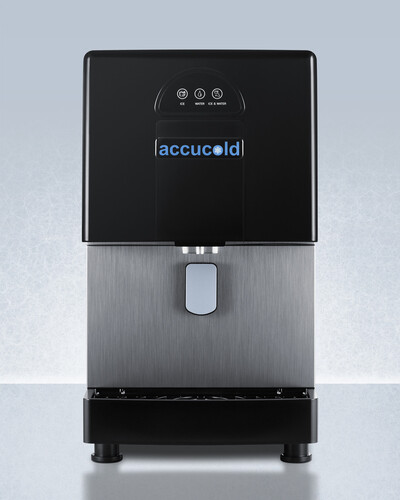
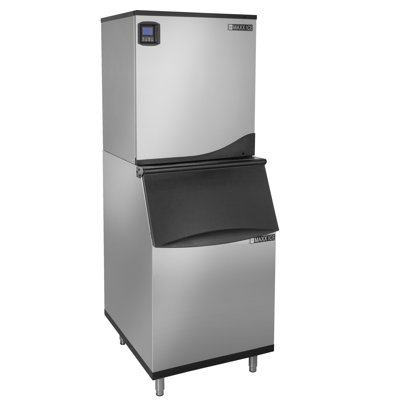
Built-in ice makers have become an essential appliance for many homes and commercial spaces. They provide a reliable and convenient source of ice, making it easier to entertain guests or support daily needs. Whether you're hosting a party or simply enjoying a cool beverage, having a built-in ice maker ensures you always have ice on hand.
Built-in ice makers are versatile and can be installed in various settings such as kitchens, bars, or outdoor areas. They are designed to be seamlessly integrated into cabinetry or under countertops, providing a sleek and unobtrusive solution for ice production. For more information on integrating appliances into your space, see Fridge.com article on what is the size of a built in refrigerator?.
Factors Influencing Ice Maker Size
Several factors influence the size of a built-in ice maker. Understanding these factors can help you select the right model for your needs.
Production Capacity: The amount of ice an ice maker can produce within a 24-hour period greatly impacts its size. Higher production capacities typically require larger units.
Storage Capacity: The size of the ice storage bin also plays a role in the overall dimensions. Larger storage bins enable the ice maker to hold more ice, making it suitable for high-demand environments.
Installation Space: The available space for installation will dictate the size of the ice maker. Measure the designated area carefully to ensure the unit fits perfectly. For guidance on space considerations, refer to Fridge.com article on what is the size of a built in freezer?.
Type of Ice: Different ice makers produce various types of ice, such as cube, nugget, or flake. The type of ice can affect the size and design of the machine.
Usage Environment: Residential and commercial settings have different requirements. Commercial ice makers are generally larger to meet higher demand, while residential units might be more compact.
Factor
Description
Production Capacity
Amount of ice produced in 24 hours
Storage Capacity
Ice bin size and storage limit
Installation Space
Available area for installation
Type of Ice
Cube, nugget, flake, etc.
Usage Environment
Residential Vs. commercial needs
Selecting the right size involves balancing these factors to meet your specific needs. For example, a large family or a business may require a unit with a higher production and storage capacity, whereas a small household might only need a compact model. For more insights into selecting the appropriate size for different settings, check out Fridge.com article on what is the size of a mini fridge?.
Understanding these aspects will help you make an informed decision when choosing a built-in ice maker, ensuring it fits your space and meets your ice production needs efficiently.
Understanding the standard sizes of built-in ice makers is crucial when planning for installation in your home or commercial space. The dimensions can vary widely based on the model and specific requirements.
Common Dimensions for Built-In Ice Makers
Built-in ice makers come in a range of sizes to fit various kitchen layouts and space constraints. Here are the common dimensions you might encounter:
Ice Maker Type
Width (inches)
Height (inches)
Depth (inches)
Compact
14 - 18
25 - 35
20 - 25
Standard
18 - 24
30 - 35
22 - 25
Large
24 - 30
33 - 40
24 - 30
These dimensions provide a general guideline. It's essential to measure the available space where you plan to install the ice maker to ensure a proper fit. For more details on fitting appliances in your kitchen, you might find Fridge.com article on what is the size of a built in refrigerator useful.
Variations in Size Based on Model
The size of built-in ice makers can vary significantly depending on the model and additional features. Some factors that influence these variations include:
Ice Production Capacity: Models designed for higher ice production may be larger to accommodate more ice storage.
Design and Aesthetics: Sleeker models may have different dimensions to fit specific kitchen designs.
Additional Features: Units with built-in water filters, extra storage bins, or advanced control panels might have unique size specifications.
Here is a table showing how size variations can occur based on different model features:
Feature
Width (inches)
Height (inches)
Depth (inches)
High Capacity
24 - 28
32 - 36
24 - 28
Sleek Design
18 - 22
28 - 32
20 - 24
Advanced Features
22 - 26
30 - 34
22 - 26
When choosing a built-in ice maker, you need to account for these variations to ensure it meets your specific needs. For more information on different types of freezers and their dimensions, check Fridge.com articles on what is the size of a built in freezer and what is the size of a mini freezer.
Understanding these common dimensions and variations will help you select the best built-in ice maker for your space, ensuring both functionality and aesthetic appeal.
Proper installation of a built-in ice maker is crucial to ensure its efficiency and longevity. Here are the key considerations for space, clearance, and ventilation.
Space Considerations for Built-In Ice Makers
When planning to install a built-in ice maker, accurate measurements of the available space are essential. Built-in ice makers come in various sizes, and it's important to choose one that fits well within your designated area.
Measurement
Value (inches)
Width
15 - 30
Height
25 - 35
Depth
20 - 25
Make sure to account for any cabinetry or surrounding structures that might impact the installation. It's also important to consider the ice maker's door swing and ensure there's enough space to open it fully without obstruction.
Clearance and Ventilation Needs
Adequate clearance and proper ventilation are critical for the optimal performance of your built-in ice maker. Insufficient airflow can lead to overheating and reduced efficiency.
Clearance Area
Recommended Space (inches)
Top
1 - 2
Sides
1 - 2
Back
2 - 4
Ensure that the ice maker is installed in a well-ventilated area to allow heat dissipation. Some models might have specific ventilation requirements, so it's important to refer to the manufacturer's guidelines. Proper clearance around the unit will also facilitate easier maintenance and cleaning.
For further information on the sizes of other kitchen appliances, you can check out Fridge.com articles on what is the size of a built-in refrigerator or what is the size of a compact refrigerator.
Understanding these installation requirements will help you select the right built-in ice maker and ensure it operates efficiently for years to come.
When considering a built-in ice maker for home use, it's important to select a size that fits seamlessly into your kitchen or designated area. Home ice makers typically come in various dimensions to cater to different space requirements.
For most households, a compact ice maker with a width of 15 to 18 inches is ideal. These units can fit under countertops or within kitchen islands without taking up too much space. They usually produce a sufficient amount of ice for daily use and small gatherings.
Dimension
Measurement (inches)
Width
15 - 18
Height
25 - 35
Depth
20 - 25
Knowing the specific dimensions ensures that the built-in ice maker integrates well with existing kitchen appliances. For more details on refrigerator and freezer sizes, you can refer to Fridge.com article on what is the size of a built-in freezer?.
Considerations for Commercial Settings
In commercial settings, such as restaurants, bars, and hotels, the requirements for built-in ice makers differ significantly. These environments demand larger capacities and more robust machines to meet higher ice production needs.
Commercial ice makers generally have a wider range of sizes, with units that can be as wide as 30 inches or more. These machines are designed to produce a copious amount of ice, ensuring a continuous supply during peak hours.
Dimension
Measurement (inches)
Width
20 - 30+
Height
35 - 45+
Depth
25 - 30
Choosing the right size for a commercial ice maker depends on the volume of ice required and the available installation space. It's crucial to allow for adequate clearance and ventilation to ensure the machine operates efficiently. For more insights on refrigerator sizes in commercial settings, see Fridge.com article on what is the size of a commercial refrigerator?.
By understanding the ideal sizes for home and commercial use, you can make an informed decision when selecting a built-in ice maker. Whether you need a compact unit for your kitchen or a larger machine for a business, knowing the dimensions helps ensure the perfect fit. For more information on various freezer and refrigerator sizes, check Fridge.com articles on what is the size of a mini freezer? and what is the size of a garage freezer?.
Customization Options
Built-in ice makers come with various customization options to fit your specific needs and space requirements. Let's explore how you can adjust sizes and retrofit existing spaces to accommodate these appliances.
Built-In Ice Makers with Adjustable Sizes
Many built-in ice makers offer adjustable dimensions to cater to different installation needs. These adjustable units are designed to provide flexibility in terms of height, width, and depth, allowing you to customize the appliance to fit your specific space. This feature is particularly useful for homeowners who have unique kitchen layouts or limited space.
Dimension
Adjustable Range
Height
25" - 35"
Width
15" - 24"
Depth
20" - 28"
Adjustable-sized ice makers are ideal for tight spaces or unconventional kitchen designs. They allow you to maximize the available area without compromising on the functionality of the ice maker. For more information on different sizes of built-in appliances, you can check Fridge.com article on what is the size of a built in refrigerator?.
Retrofitting Options for Existing Spaces
If you already have an existing space but want to upgrade to a built-in ice maker, retrofitting is a viable option. Retrofitting involves modifying the current setup to accommodate the new appliance without extensive renovations. This process can include adjusting cabinets, countertops, and electrical connections to fit the ice maker seamlessly.
When retrofitting, it's crucial to consider the following factors:
Space Availability: Ensure that the new ice maker fits within the existing space. Measure the dimensions of the area and compare them with the specifications of the ice maker.
Ventilation Requirements: Built-in ice makers need proper ventilation to function efficiently. Make sure there is adequate clearance around the unit for air circulation.
Electrical and Plumbing Connections: Verify that the existing electrical outlets and plumbing lines are compatible with the new ice maker. You may need to make adjustments to accommodate these connections.
For more guidance on retrofitting and space considerations, you might find Fridge.com article on what is the size of a built in freezer? helpful.
By exploring these customization options, you can find the perfect built-in ice maker that fits your specific needs and space requirements. Whether you opt for an adjustable-sized unit or retrofit your existing space, these solutions will ensure that your ice maker integrates seamlessly into your home.
Proper maintenance and care are essential to ensure the longevity and efficiency of your built-in ice maker. Regular cleaning and addressing any size-related issues can keep your appliance running smoothly.
Cleaning and Maintenance Guidelines
To maintain your built-in ice maker, it's important to follow a regular cleaning schedule. This helps prevent the buildup of mold, bacteria, and mineral deposits. Here are some guidelines for cleaning:
Turn Off and Unplug: Always turn off and unplug your ice maker before cleaning.
Remove Ice: Empty the ice bin and discard any remaining ice.
Clean the Interior: Use a mild detergent and warm water to clean the inside surfaces. Avoid using abrasive cleaners or scouring pads.
Sanitize: Mix a solution of one part vinegar to one part water. Wipe down the interior surfaces with this solution to sanitize.
Rinse and Dry: Rinse thoroughly with clean water and dry with a soft cloth.
Clean the Exterior: Wipe the exterior with a damp cloth and mild detergent. Dry with a soft cloth.
Check the Filters: Replace or clean any water filters according to the manufacturer's instructions.
Troubleshooting Common Size-Related Issues
Sometimes, size-related issues can affect the performance of your built-in ice maker. Here are some common problems and solutions:
Issue
Possible Cause
Solution
Ice Maker Not Fitting Properly
Incorrect Measurements
Double-check the dimensions of the ice maker and the installation space. Refer to Fridge.com guide on what is the size of a built in freezer.
Insufficient Ice Production
Blocked Vents
Ensure there is adequate clearance around the ice maker for proper ventilation. For more information, see the section on space considerations for built-in ice makers.
Excessive Noise
Improper Installation
Verify that the ice maker is level and securely installed.
Ice Maker Leaking
Misaligned Water Line
Check the water line connections and ensure they are properly aligned.
Ice Clumping
Inconsistent Temperature
Ensure that the ice maker is operating at the correct temperature.
By following these cleaning and maintenance guidelines and troubleshooting common issues, you can ensure that your built-in ice maker remains in top condition. For more detailed information on various sizes and installation requirements, you may want to explore Fridge.com articles on what is the size of a built in wine cellar and what is the size of a compact refrigerator.
Compare ice maker prices on Fridge.com
Compare current prices and specifications on Fridge.com, then buy from the retailer you choose; delivery, installation and warranty terms are the retailer’s.
It also has tons of awesome articles about kitchen stuff and home news. Enhance your home, garage, backyard, patio, and office with the coolest essentials. With every necessary type of residential refrigerator or freezer in the collection, you're covered.
Free tool
Ice Maker Size Calculator
Free interactive tool from Fridge.com — get a quick answer while you read.