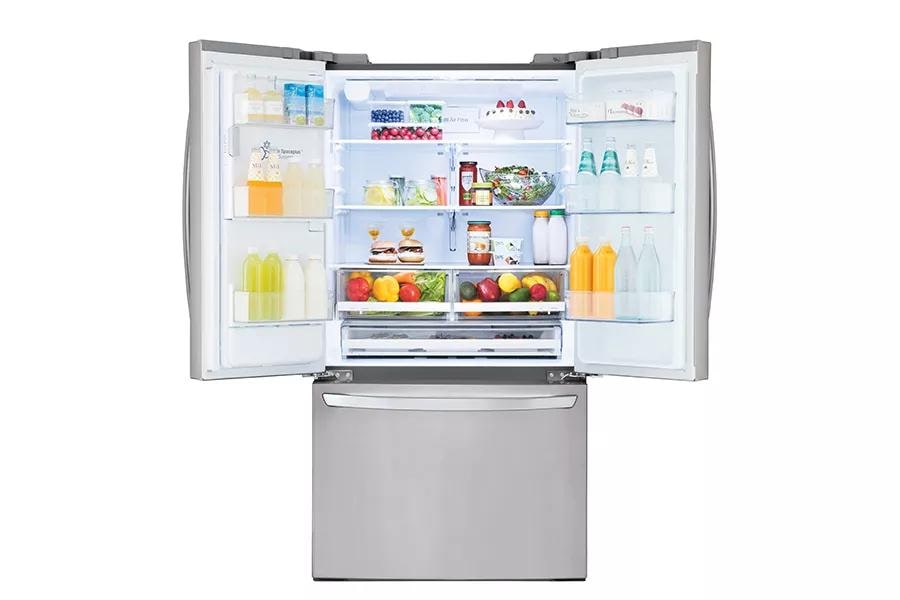
Grapes should be kept in the refrigerator: stored at 32°F to 40°F with 90-95% humidity, grapes stay fresh for up to two weeks, versus only 1-2 days at room temperature.
Ideally, grapes should be stored at a temperature between 32°F and 40°F with humidity levels around 90-95%.
Red grapes—like black and Concord grapes—should be refrigerated at 32-36°F (0-2°C) with 90-95% humidity, where they stay fresh for up to two weeks.
Temperature: If the room temperature is consistently above 70°F (21°C), it's best to store grapes in the refrigerator to prevent spoilage.
Grapes should be kept in the refrigerator: stored at 32°F to 40°F with 90-95% humidity, grapes stay fresh for up to two weeks, versus only 1-2 days at room temperature. Every table grape variety—red, green, black, and Concord—keeps best cold. Store them unwashed, stems intact, in a breathable container in the crisper drawer, and rinse just before eating.
Storing Grapes: To Refrigerate or Not
Understanding the Ideal Storage Conditions for Grapes
To maintain the freshness and taste of your grapes, it's essential to understand their ideal storage conditions. Grapes thrive best in cool environments with high humidity. This helps to preserve their texture, flavor, and nutritional value. Ideally, grapes should be stored at a temperature between 32°F and 40°F with humidity levels around 90-95%. Proper storage conditions can significantly extend the shelf life of your grapes.
Factors to Consider Before Refrigerating Grapes
Before deciding whether to refrigerate your grapes, consider several factors:
Freshness: Freshly picked grapes are more resilient and may not require immediate refrigeration.
Humidity: Refrigerators typically offer high humidity levels, which are beneficial for grapes.
Room Temperature: If your home is warm and humid, refrigeration can help prevent spoilage.
Usage: If you plan to consume the grapes within a day or two, room temperature storage might be sufficient.
Storage Space: Ensure your refrigerator has enough space to store grapes without crushing them.
The Effect of Refrigeration on Grapes
Refrigeration can have both positive and negative effects on grapes:
Positive Effects:
Extended Shelf Life: Storing grapes in the fridge can keep them fresh for up to two weeks.
Preserved Flavor: Cold temperatures help maintain the sweet and tangy flavor of grapes.
Reduced Spoilage: Refrigeration slows down the growth of mold and bacteria.
Negative Effects:
Texture Changes: Prolonged refrigeration can lead to a slight change in texture, making grapes less firm.
Moisture Loss: If not stored properly, grapes can lose moisture and become wrinkled.
Refrigerating grapes offers several benefits that can help extend their freshness and maintain their quality.
Extended Shelf Life: Grapes stored in the fridge last 1-2 weeks, compared to 1-2 days at room temperature.
Reduced Spoilage: The cool temperature of the fridge slows down the growth of bacteria and mold, reducing the likelihood of spoilage.
Maintained Freshness: Refrigeration helps preserve the crisp texture and juiciness of grapes, making them more enjoyable to eat.
A Cool, Refreshing Snack: Chilled grapes are crunchy, juicy, and refreshing straight from the fridge—easy to eat as-is, toss into a salad, or blend into a smoothie.
Benefit
Description
Extended Shelf Life
Grapes last longer in the fridge.
Reduced Spoilage
Slows down bacteria and mold growth.
Maintained Freshness
Preserves texture and juiciness.
Convenient Storage
Easy and accessible storage option.
Drawbacks of Refrigerating Grapes
While refrigerating grapes has its advantages, there are also some potential downsides to consider.
Flavor Changes: Cold temperatures can mute a grape's sweetness slightly compared to how it tastes at room temperature.
Moisture Loss: Refrigeration can cause grapes to lose moisture, leading to wrinkled skin if not stored properly.
Condensation and Mold: Excess moisture trapped in the fridge—for example, from washing grapes before storing—can encourage mold growth.
Space Consumption: Grapes stored in the refrigerator take up space that could be used for other perishable items.
Cold Sensitivity: Grapes are sensitive to very low temperatures, which can lead to chilling injuries if the fridge is set too cold.
Drawback
Description
Flavor Changes
Potential alteration in sweetness and taste.
Moisture Loss
Can lead to wrinkled skin if not stored properly.
Space Consumption
Takes up space in the fridge.
Cold Sensitivity
Risk of chilling injuries if the fridge is too cold.
Refrigeration Guidelines for Different Types of Grapes
Different types of grapes may have slightly varying storage needs. Here's a quick guide on how to store various grape varieties in the fridge:
Grape Type
Ideal Temperature
Humidity Level
Storage Duration
Red Grapes
32-36°F (0-2°C)
High (90-95%)
Up to 2 weeks
Green Grapes
32-36°F (0-2°C)
High (90-95%)
Up to 2 weeks
Black Grapes
32-36°F (0-2°C)
High (90-95%)
Up to 2 weeks
Concord Grapes
32-36°F (0-2°C)
High (90-95%)
1-2 weeks
Properly storing grapes in the fridge can significantly extend their shelf life. For more details, visit Fridge.com article on how to store grapes in the refrigerator.
Tips for Extending the Shelf Life of Grapes
To maximize the freshness of your grapes, follow these tips:
Leave stems intact: Keeping grapes on their stems helps them last longer.
Rinse before eating, not before storing: Excess moisture can lead to mold.
Use a breathable container: Store grapes in a perforated plastic bag or container to allow airflow. Their original store packaging works well, too.
Use the crisper drawer: The crisper holds the higher humidity grapes need to stay plump and juicy.
Inspect the bunch regularly: Remove any soft or moldy grapes promptly so they don't spread spoilage to the rest.
Keep grapes unwashed while they're stored, then clean them right before you eat them:
Cold rinse: Place the grapes in a colander and rinse under cold water for about 30 seconds to remove dirt and pesticide residue.
Optional vinegar soak: For a deeper clean, soak the grapes in a mix of one cup vinegar to three cups water for 5-10 minutes, then rinse again with cold water.
Dry thoroughly: Pat the grapes dry with a towel. Lingering moisture invites mold and spoilage.
Grapes only last 1-2 days at room temperature, so counter storage suits a bunch you'll finish quickly. To get the most out of room-temperature storage:
Find a cool spot: Keep grapes away from direct sunlight and heat-producing appliances.
Spread them out: Lay the bunch in a bowl or on a tray so air can circulate—stacking bruises the fruit.
Check often: Remove any soft, mushy, or moldy grapes right away to protect the rest of the bunch.
If your room runs warm—consistently above 70°F (21°C)—move the grapes to the refrigerator instead.
Alternatives to Refrigerating Grapes
While refrigerating is a common method, there are other ways to store grapes:
Freezing: Great for long-term storage. Frozen grapes can last up to a year in the freezer, and they make a cool, sweet snack straight from the freezer. For detailed steps, check out how to freeze grapes.
Cool, dry place: If you plan to consume them within a few days, storing grapes in a cool, dry place works well.
Root cellar: For those with access to a root cellar, this can be an effective storage method.
Understanding when grapes need to be refrigerated is key to maintaining their freshness and extending their shelf life. Here are some signs that indicate it's time to place your grapes in the refrigerator:
Soft Texture: If your grapes start to feel soft or squishy, refrigeration can help slow down the ripening process and preserve their firmness.
Wrinkling: Wrinkled skin is a sign that grapes are beginning to dehydrate. Refrigerating them can help retain moisture.
Temperature: If the room temperature is consistently above 70°F (21°C), it's best to store grapes in the refrigerator to prevent spoilage.
Appearance of Mold: Any sign of mold on the stems or grapes themselves means they should be refrigerated immediately to slow down the spread.
How to Tell if Grapes are Going Bad
Knowing how to identify when grapes are going bad is crucial for ensuring food safety. Here are some common indicators:
Off Odor: A sour or fermented smell is a clear sign that grapes are no longer fresh.
Discoloration: Brown or translucent spots on the grapes indicate spoilage.
Mold: Visible mold is an obvious sign that grapes should not be consumed.
Sticky Residue: A sticky or slimy texture on the grapes means they are beginning to rot.
Indicator
Description
Soft Texture
Grapes feel squishy or less firm
Wrinkling
Skin appears wrinkled or shriveled
High Temperature
Room temperature above 70°F (21°C)
Mold
Visible mold on stems or grapes
Off Odor
Sour or fermented smell
Discoloration
Brown or translucent spots
Sticky Residue
Slimy or sticky texture
Understanding these signs and taking appropriate action can help you keep your grapes fresh and delicious for a longer period. For additional tips on maintaining grape freshness, read Fridge.com article on how to keep grapes fresh in the fridge.
Myth Busting: Common Misconceptions About Grape Storage
When it comes to storing grapes, there are several misconceptions that can lead to improper handling and reduced freshness. Let's address some popular beliefs and clarify the truth behind grape storage.
Addressing Popular Beliefs About Grape Refrigeration
Belief 1: Grapes Last Longer at Room Temperature
Many people believe that grapes can last just as long at room temperature as they do in the refrigerator. However, grapes are best kept cold to maximize their shelf life. Storing grapes in the fridge can help maintain their freshness for an extended period. For more details on how long grapes can last in the fridge, you can refer to Fridge.com article on how long do grapes last in the fridge?.
Storage Method
Average Shelf Life
Room Temperature
1-2 days
Refrigerator
1-2 weeks
Belief 2: Washing Grapes Before Storing Them Leads to Faster Spoilage
Some people think that washing grapes before storing them will cause them to spoil faster. The truth is, washing grapes and then drying them thoroughly before refrigerating can actually help remove bacteria and pesticides, thus extending their shelf life. The key is drying them completely—stored wet, grapes do mold faster.
Belief 3: Refrigerating Grapes Makes Them Lose Flavor
It is often believed that refrigerating grapes can cause them to lose their natural flavor. However, refrigeration helps preserve the taste and texture of grapes by slowing down the ripening process. To ensure your grapes remain flavorful, make sure to store them in a breathable bag or container. For tips on the best way to store grapes, read Fridge.com article on how to store grapes in the refrigerator.
Clarifying the Truth Behind Grape Storage Rumors
Rumor 1: Grapes Should Never Be Refrigerated
Contrary to this popular rumor, refrigerating grapes is one of the best ways to keep them fresh and flavorful for a longer time. Proper refrigeration helps maintain their moisture and prevents them from drying out. For more insights, check out Fridge.com article on do grapes need to be refrigerated?.
Rumor 2: All Types of Grapes Have the Same Storage Needs
Different types of grapes may have slightly different storage requirements. For example, green grapes might have different refrigeration needs compared to red grapes. It's important to understand the specific needs of the grape variety you are storing. Learn more about should green grapes be refrigerated?.
Rumor 3: Grapes Should Be Stored in Airtight Containers
While it may seem logical to store grapes in an airtight container to prevent them from drying out, it can actually cause moisture buildup, leading to mold growth. Instead, store grapes in a breathable bag or a container with ventilation. For more tips on storing grapes, see Fridge.com article on best way to store grapes in the fridge.
By debunking these common myths and understanding the correct methods for storing grapes, you can ensure your grapes remain fresh, flavorful, and ready to enjoy. For further information, explore Fridge.com related articles on grape storage, such as how long are grapes good for in the fridge? and how to keep grapes fresh in the fridge.
Frequently Asked Questions About Refrigerating Grapes
Yes, if you want them to last more than a day or two. Grapes are a perishable fruit: at room temperature they stay fresh for only 1-2 days, while in the refrigerator at 32-40°F they keep for up to two weeks. If you plan to eat the whole bunch within a day or two, a cool spot on the counter is fine.
Should green grapes be refrigerated?
Yes. Green grapes keep best at 32-36°F (0-2°C) with high humidity, where they last up to two weeks. Store them unwashed in a breathable container in the crisper drawer.
Should red grapes be refrigerated?
Yes. Red grapes—like black and Concord grapes—should be refrigerated at 32-36°F (0-2°C) with 90-95% humidity, where they stay fresh for up to two weeks.
How long do grapes last in the refrigerator?
Up to two weeks when stored dry and unwashed at 32-40°F in a breathable container in the crisper drawer. Remove any soft or moldy grapes as soon as you spot them to keep the rest of the bunch fresh.
How long do grapes last at room temperature?
Only 1-2 days. Keep them in a cool spot away from direct sunlight and heat, spread out in a single layer, and move them to the refrigerator if the room stays above 70°F (21°C).
Are grapes perishable?
Yes. Grapes are a perishable fruit that begins to soften, wrinkle, and mold within a couple of days at room temperature. Refrigeration slows the growth of mold and bacteria and extends their life to as much as two weeks.
Is it OK to put grapes in the fridge?
Absolutely. The refrigerator is the best place for grapes you won't finish within a day or two. Just avoid setting the fridge too cold—grapes can suffer chilling injury at very low temperatures—and don't seal them in an airtight container, which traps moisture and encourages mold.
Does refrigerating grapes change their taste?
Chilling can slightly mute a grape's sweetness, while room-temperature grapes taste sweeter but spoil much faster. Cold grapes stay crisper and juicier for longer. If you prefer maximum sweetness, let refrigerated grapes sit out briefly before eating—you get the longer shelf life and the flavor.
Should you wash grapes before refrigerating them?
The safest routine is to store grapes unwashed and rinse them just before eating, since trapped moisture speeds up mold. If you do wash first—a 30-second cold rinse, optionally followed by a 5-10 minute soak in one part vinegar to three parts water—dry the grapes thoroughly with a towel before returning them to the fridge.
Can you freeze grapes?
Yes. Frozen grapes last up to a year in the freezer and double as a sweet, refreshing frozen snack. Wash and dry them, then freeze in a single layer before transferring to a container.
Compare refrigerator prices on Fridge.com
Compare current prices and specifications on Fridge.com, then buy from the retailer you choose; delivery, installation and warranty terms are the retailer’s.
It also has tons of awesome articles about kitchen stuff and home news. Enhance your home, garage, backyard, patio, and office with the coolest essentials. With every necessary type of residential refrigerator or freezer in the collection, you're covered.
Frequently Asked Questions
Yes, if you want them to last more than a day or two. Grapes are a perishable fruit: at room temperature they stay fresh for only 1-2 days, while in the refrigerator at 32-40°F they keep for up to two weeks. If you plan to eat the whole bunch within a day or two, a cool spot on the counter is fine.