The recommended temperature is 165°F, or until it is steaming hot all the way through.
Freezing cooked rice is a straightforward process, but there are a few key tips to ensure the best results:.
Oven: Preheat the oven to 300°F, spread the rice on a baking sheet, lightly moisten with water, cover with aluminum foil, and heat for about 20 minutes.
Storage Mishaps: If you've accidentally left cooked rice out at room temperature for more than two hours, it's best to dispose of it, as bacteria multiply rapidly at room temperature.
Proper storage of cooked rice is crucial to maintaining its quality, flavor, and safety. Rice is a staple food for many, and ensuring that it remains fresh and safe to eat can not only extend its shelf life but also prevent foodborne illnesses. Correct storage techniques can also help retain the nutritional value and texture of rice, making your meals more enjoyable.
Factors Affecting Rice Freshness
Several factors can affect the freshness of cooked rice once it's stored in the refrigerator or freezer. Understanding these can help you optimize rice storage and keep your rice tasting as good as when it was first cooked.
Temperature: Rice should be cooled to room temperature within two hours of cooking to prevent bacterial growth. Once cooled, it should be stored promptly in the refrigerator or freezer.
Moisture: Excess moisture can lead to a mushy texture or the growth of mold and bacteria. Storing rice in an airtight container helps to control moisture levels.
Air Exposure: Limiting the exposure to air reduces the chances of contamination and drying out. Tightly sealed containers are recommended.
By paying attention to these factors and following the best practices for storage, you can help ensure that your cooked rice remains a delicious part of your meals. Whether you're a homeowner with a love for entertaining or a chef aiming to minimize food waste, proper rice storage is an essential skill for your culinary toolkit.
Storing cooked rice in the refrigerator is a practical method to extend its freshness and ensure it's ready for your next meal. To maximize the shelf-life of cooked rice in the fridge, follow these pointers:
Cool it down: Allow cooked rice to cool to room temperature before refrigerating. This prevents the rice from becoming overly sticky and reduces the risk of bacterial growth.
Airtight containers: Transfer the cooled rice into airtight containers or resealable plastic bags. This helps to maintain moisture and prevent contamination.
Keep it separate: If you've mixed rice with other foods or sauces, consider storing them separately to preserve their individual textures and flavors.
Label and date: Mark the containers with the date of storage to keep track of how long the rice has been in the fridge.
For a more comprehensive guide on storing cooked rice and maintaining its freshness, explore Fridge.com detailed article on unlocking the secrets discover how long rice can stay fresh in the fridge.
How Long Can You Keep Cooked Rice in the Fridge?
Cooked rice can be kept in the refrigerator for a certain duration before its quality begins to deteriorate. The table below provides a general guideline on the shelf life of cooked rice when stored properly in the fridge.
Type of Rice
Refrigerator Shelf Life
White rice
4-6 days
Brown rice
3-5 days
Flavored or mixed rice
1-2 days
It's crucial to adhere to these time frames to avoid foodborne illnesses. Consuming rice that has been refrigerated for too long can lead to health risks due to the potential growth of bacteria such as Bacillus cereus.
For an in-depth exploration of the factors affecting the longevity of cooked rice in refrigeration, check out Fridge.com article on from kitchen to fridge the lifespan of rice in refrigeration. Remember, when in doubt, it's always better to err on the side of caution and discard rice that you're unsure about.
Freezer Storage
Preserving cooked rice in the freezer can significantly extend its shelf life, making it a convenient option for meal planning and reducing food waste. By understanding the proper techniques for freezing rice, you can enjoy your favorite grain long after you've cooked it.
Tips for Freezing Cooked Rice
Freezing cooked rice is a straightforward process, but there are a few key tips to ensure the best results:
Cool It Down: Before freezing, allow your cooked rice to cool completely. This prevents condensation inside the packaging, which could lead to ice crystals and freezer burn.
Portion Control: Divide the rice into serving-size portions. This way, you can thaw only what you need for a meal, rather than defrosting a large batch.
Air-Tight Packaging: Use air-tight containers or freezer bags to package your rice. Removing as much air as possible will preserve the quality and prevent freezer burn.
Label and Date: Clearly label each container or bag with the contents and the date of freezing. Rice tends to lose its optimal quality after a certain time in the freezer.
Flat Freeze: If using freezer bags, flatten them out to save space and allow for quicker thawing when you're ready to use the rice.
The duration for which you can store cooked rice in the freezer depends on several factors, including the type of rice and the storage conditions. However, a general guideline is provided below:
Rice Type
Maximum Freezer Storage
White Rice
6 months
Brown Rice
2 months
Flavored or Oil-Infused Rice
1 month
Following these guidelines can help ensure that your rice remains at its best quality while stored in the freezer. Be sure to check out unlocking the secrets discover how long rice can stay fresh in the fridge for complementary information on refrigerator storage of cooked rice.
Properly reheating cooked rice is essential to enjoy its taste and texture, while also ensuring that it is safe to eat. Reheating should be done carefully to avoid foodborne illnesses.
Safely Reheating Cooked Rice
When reheating rice, you want to ensure that it is heated to a temperature that kills any potential bacteria that may have formed during storage. The recommended temperature is 165°F, or until it is steaming hot all the way through.
Here are some methods to reheat your rice safely:
Microwave: Place the rice in a microwave-safe container, sprinkle a bit of water to keep the rice moist, cover it with a suitable lid or damp paper towel, and heat it until it's hot throughout.
Stove: Transfer the rice to a saucepan, add a small amount of water or broth, cover, and cook on low heat, stirring occasionally until the rice is thoroughly heated.
Oven: Preheat the oven to 300°F, spread the rice on a baking sheet, lightly moisten with water, cover with aluminum foil, and heat for about 20 minutes.
For more information on reheating rice and to understand how long rice can stay fresh in the fridge, visit Fridge.com detailed guide.
Avoiding Foodborne Illnesses
To prevent the risk of foodborne illnesses, follow these tips when reheating rice:
Do not leave cooked rice at room temperature for more than two hours.
Store rice in the refrigerator within one hour of cooking.
Use airtight containers to store rice in the refrigerator or freezer.
Reheat only the amount of rice you intend to consume and avoid reheating multiple times.
Understanding these precautions will help you enjoy your cooked rice safely. For additional insights on rice storage and reheating, see Fridge.com guide on from kitchen to fridge the lifespan of rice in refrigeration. Remember, proper reheating is as crucial as proper storage to maintain the quality and safety of your rice.
When it comes to preserving the freshness of cooked rice, creativity can go a long way. By implementing innovative storage solutions, you can ensure your rice remains appetizing and ready to enjoy. Here are some inventive approaches:
Portioning: Divide your cooked rice into single-serving portions. This not only helps with portion control but also reduces the need to reheat large quantities of rice, preserving its quality.
Airtight Containers: Transfer the rice into airtight containers to protect it from moisture and contaminants.
Rice Balls: Mold cooked rice into compact balls or sushi shapes before refrigerating. This can make the rice more enjoyable for children and easier to reheat.
Layering: Place a sheet of parchment paper or a clean kitchen towel atop the rice before sealing the container. This absorbs excess moisture and prevents the rice from becoming too sticky.
For more detailed guidance on how long you can keep your rice fresh, refer to unlocking the secrets discover how long rice can stay fresh in the fridge.
Preventing Rice Drying Out
Maintaining the moisture content of cooked rice is essential for preserving its texture and flavor. Here are some tips to help prevent your rice from drying out:
Cooling Down: Allow your rice to cool to room temperature before refrigerating. This helps to reduce condensation build-up which can make rice soggy.
Seal Tightly: Use containers with tight-fitting lids to lock in moisture and protect the rice from drying out.
Rehydrate: If the rice does dry out, sprinkle some water over it before reheating to restore moisture.
Layer of Moisture: Add a damp paper towel over the rice before reheating it in the microwave to reintroduce moisture.
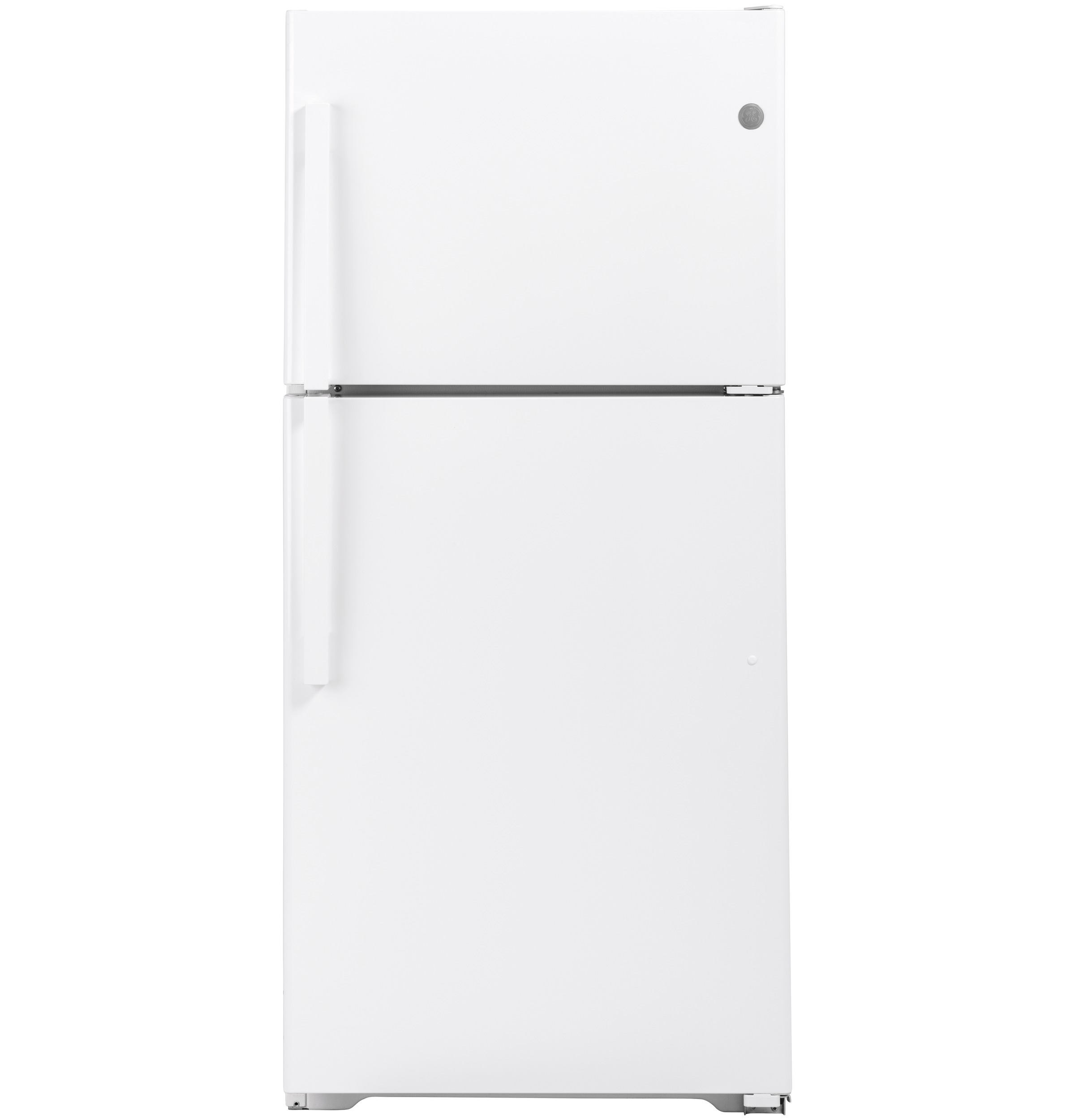
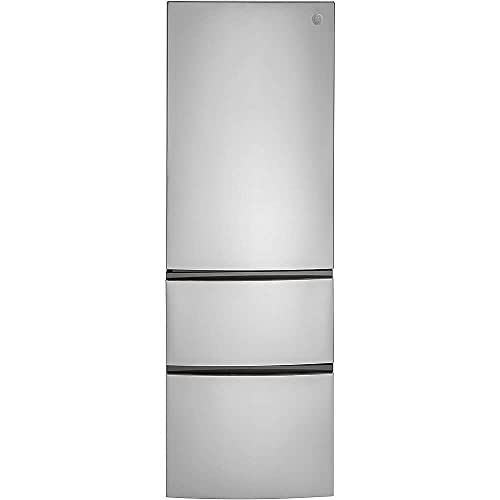
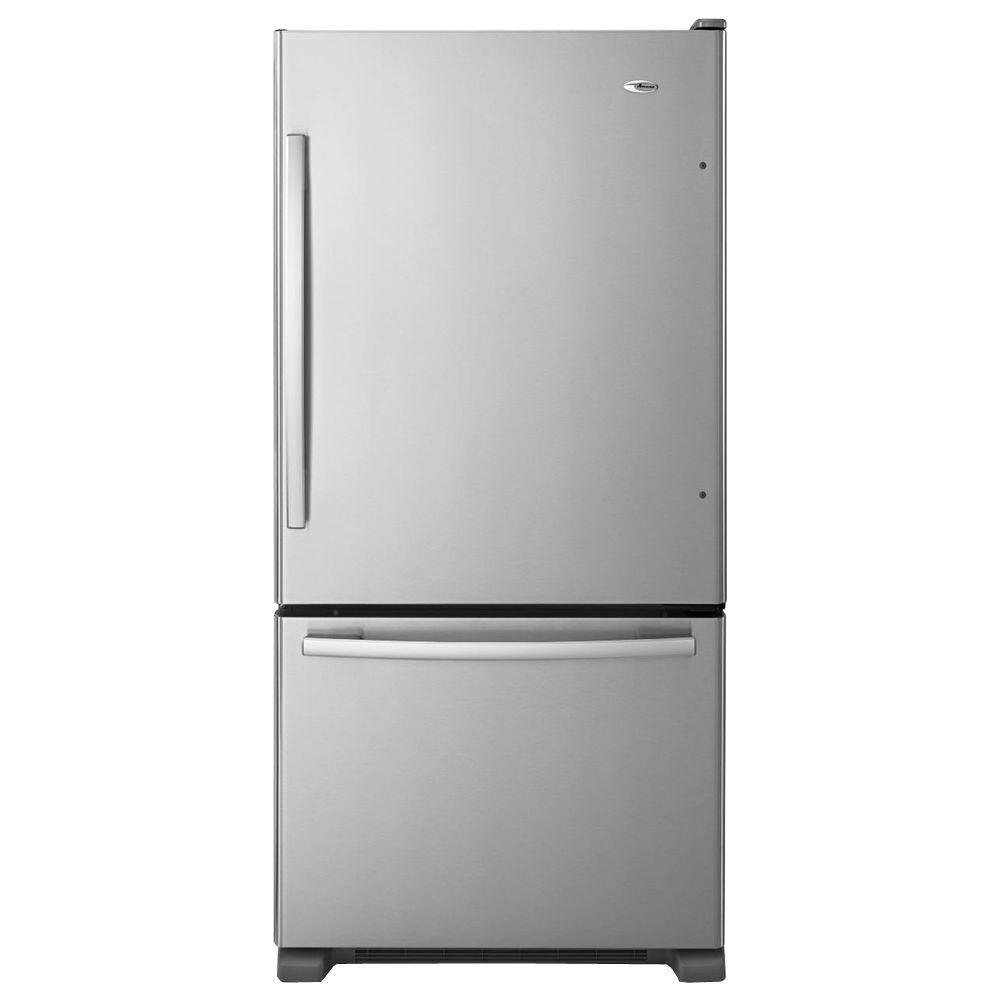
By employing these rice storage hacks, you can extend the shelf life of your cooked rice, making it a convenient staple ready to be paired with your next meal or repurposed in a new dish. Remember, keeping your rice at an optimal temperature is key, so explore options like sleek and efficient white bottom freezer refrigerators for style-conscious homeowners to ensure your rice is stored in the best conditions.
Signs of Spoiled Rice
Understanding how to identify spoiled rice is crucial for ensuring food safety and avoiding foodborne illnesses. Cooked rice can be a breeding ground for bacteria if not stored properly. Here's how to recognize when your rice has gone bad and when it's time to discard it.
How to Identify Spoiled Cooked Rice
Cooked rice may appear to be a simple staple, but it requires careful attention when it comes to spoilage. Several signs indicate that your rice is no longer safe to consume:
Offensive Odor: A sour or strange smell emanating from rice is a clear indication that it has spoiled. Fresh rice will have a subtle, nutty aroma or no smell at all.
Change in Texture: If the rice feels slimy or sticky to the touch, it has likely been affected by bacterial growth and should not be consumed.
Visual Changes: Look for any signs of mold, which can appear as green, blue, or black spots. Also, discoloration of the rice to a yellow or gray hue is a bad sign.
Taste Test: If you're unsure, a small taste of the rice—if it has a sour or unusual flavor—should prompt you to throw it out immediately.
When to Discard Cooked Rice
It's essential to know when to let go of leftover rice to maintain your health. Here are some guidelines:
Expiration: Cooked rice should only be kept in the refrigerator for a maximum of three to five days. If it's been stored longer than this, even without signs of spoilage, it's safer to discard it.
Storage Mishaps: If you've accidentally left cooked rice out at room temperature for more than two hours, it's best to dispose of it, as bacteria multiply rapidly at room temperature.
Suspected Contamination: If there's any possibility that the rice has been contaminated by raw meat or other sources of bacteria, don't take any chances—throw it out.
For more comprehensive information on how long you can keep cooked rice fresh in the fridge and the best rice storage hacks, visit Fridge.com detailed guide.
By being vigilant and knowing the signs of spoilage, you can enjoy your rice safely and avoid the risks associated with consuming spoiled food. Remember, when in doubt, it's always better to err on the side of caution and discard questionable rice.
Transforming your leftover rice into new culinary creations not only brings variety to your meals but also significantly reduces food waste. With a little creativity, the grains that once accompanied your dinner can take center stage in a completely different dish.
Ideas for Using Leftover Cooked Rice
Fried Rice: Perhaps the most classic way to repurpose leftover rice, turning it into a fried rice dish allows you to mix in vegetables, proteins, and sauces for a quick and flavorful meal.
Rice Pudding: Sweeten your leftover rice with milk, sugar, and cinnamon to create a comforting dessert or breakfast option.
Stuffed Vegetables: Bell peppers, tomatoes, or zucchini can be hollowed out and filled with a mixture of rice, seasoning, and additional fillings before being baked.
Rice Cakes: Combine rice with binding agents such as eggs or flour, form into patties, and pan-fry until crisp for a savory snack or side.
Soup Thickener: Stir rice into broths to add heartiness and texture to your soups.
Rice Salad: Cool and toss with your favorite salad ingredients for a filling and nutritious option.
Casserole: Use rice as the base layer for a casserole, topped with protein and vegetables, and baked with cheese or a sauce.
By exploring these options, you can ensure your leftover rice never goes to waste. For more insights on how long you can keep your cooked rice fresh in the fridge, visit Fridge.com comprehensive guide on unlocking the secrets discover how long rice can stay fresh in the fridge.
Minimizing Food Waste
To further minimize waste, consider the following strategies:
Portion Control: Cook only the amount of rice you anticipate eating to reduce leftovers.
Proper Storage: Store rice in airtight containers and refrigerate promptly to extend its shelf life.
Regular Inventory: Keep track of what you have in your fridge to use leftovers before they spoil.
Creativity: See leftovers as an opportunity to experiment with new recipes and flavor combinations.
In addition to these tips, remember that leftover rice can be frozen for extended periods. For guidelines on the best ways to freeze your rice, read Fridge.com article on rice storage hacks how long can you keep cooked rice fresh in the fridge.
By repurposing your leftover rice, you contribute to a more sustainable kitchen while enjoying a variety of meals. With a bit of imagination and the right techniques, your leftover rice can be the starting point for many delicious and waste-reducing dishes.
Compare prices on Fridge.com
Compare current prices and specifications on Fridge.com, then buy from the retailer you choose; delivery, installation and warranty terms are the retailer’s.
It also has tons of awesome articles about kitchen stuff and home news. Enhance your home, garage, backyard, patio, and office with the coolest essentials. With every necessary type of residentialrefrigeratoror freezer in the collection, you're covered.
Frequently Asked Questions
Cooked rice can be kept in the refrigerator for a certain duration before its quality begins to deteriorate. The table below provides a general guideline on the shelf life of cooked rice when stored properly in the fridge. Type of Rice.
Refrigerator Shelf Life.
.
White rice.
4-6 days.
.
Brown rice.
3-5 days.
.
Flavored or mixed rice.
1-2 days.
. It's crucial to adhere to these time frames to avoid foodborne illnesses. Consuming rice that has been refrigerated for too long can lead to health risks due to the potential growth of bacteria such as Bacillus cereus. For an in-depth exploration of the factors affecting the longevity of cooked rice in refrigeration, check out Fridge.com article on from kitchen to fridge the lifespan of rice in refrigeration. Remember, when in doubt, it's always better to err on the side of caution and discard rice that you're unsure about.