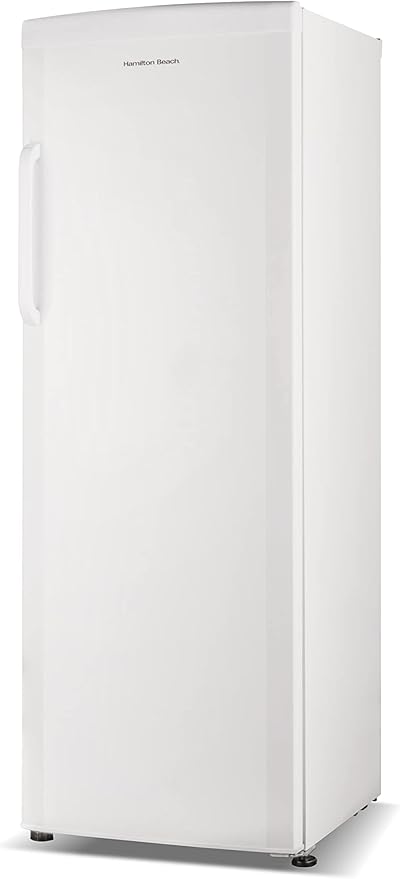
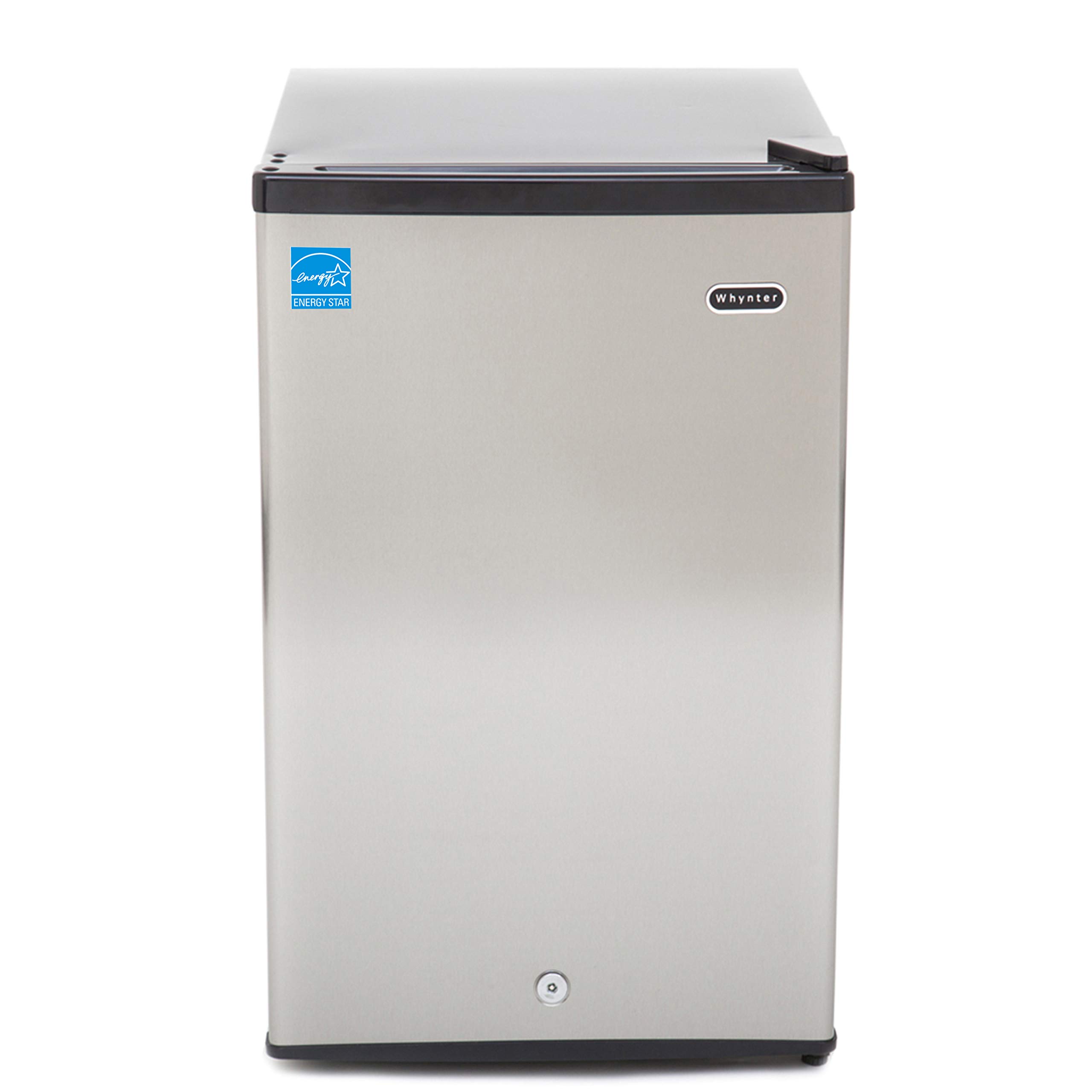
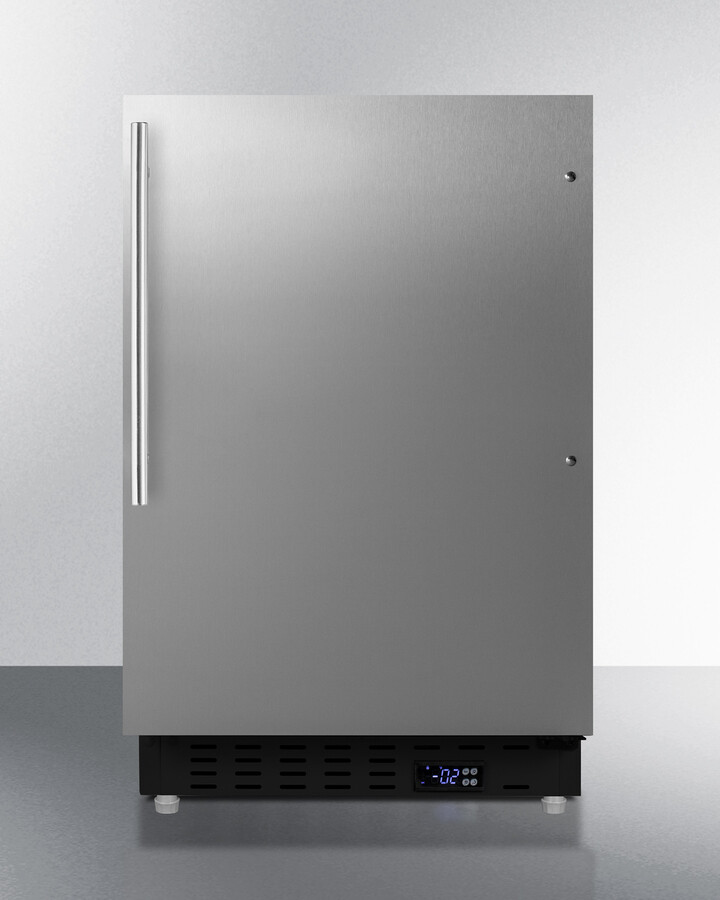
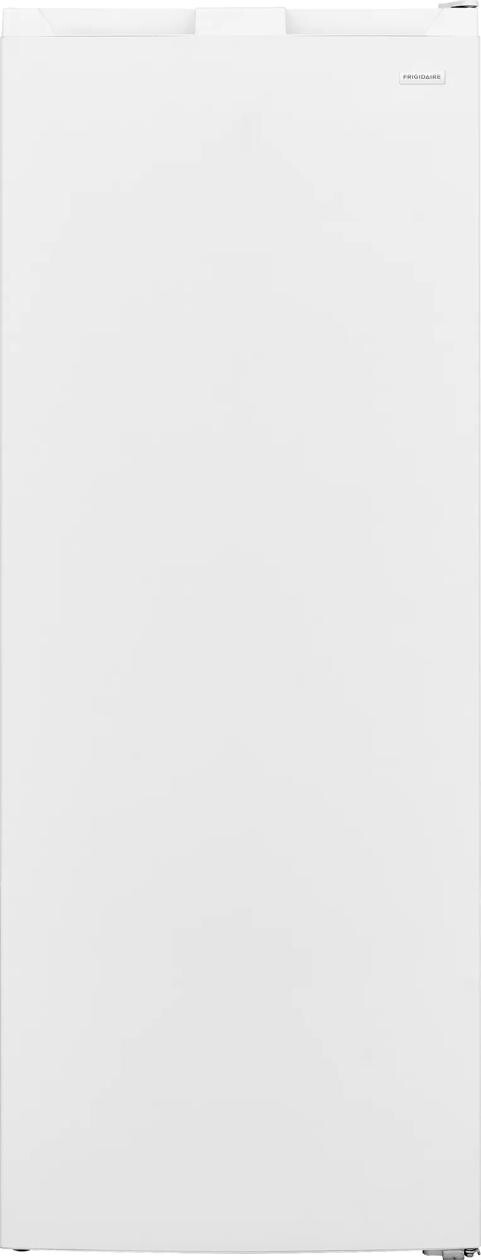
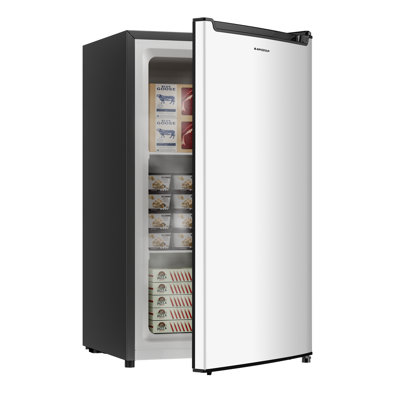
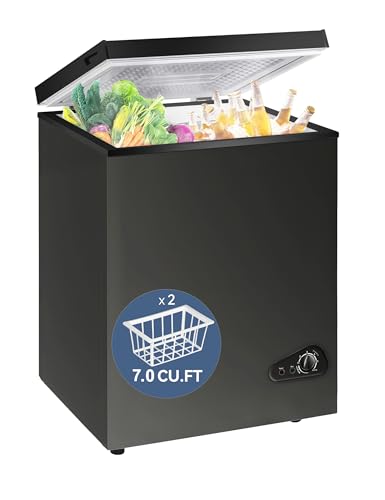
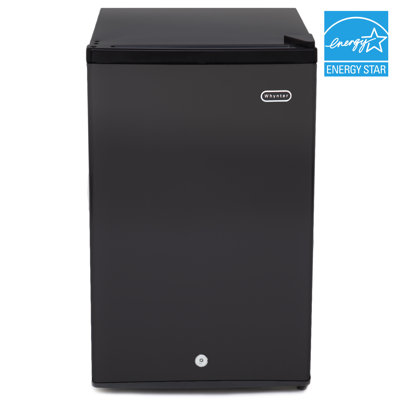
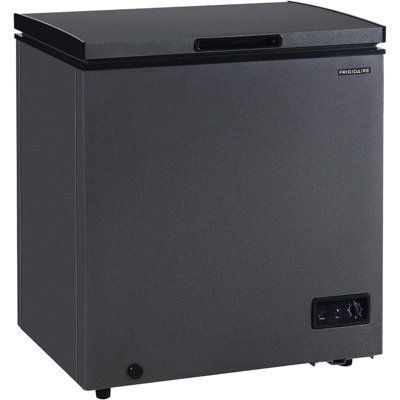
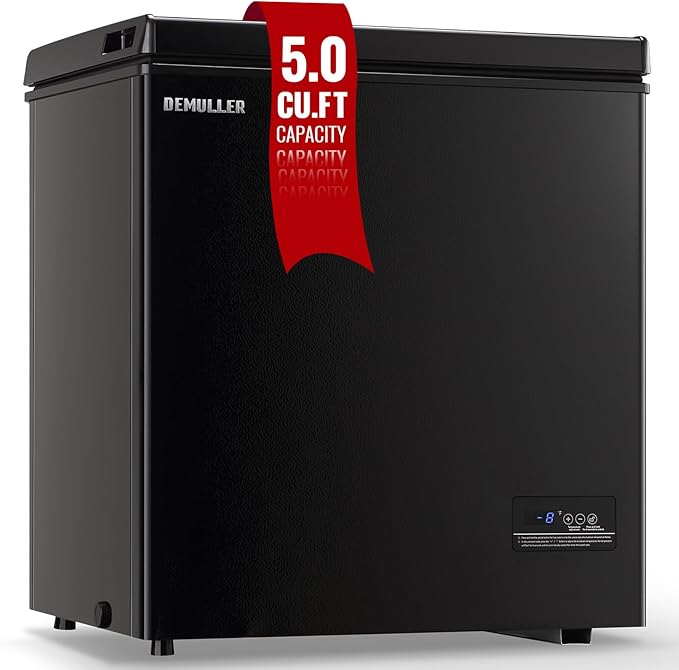
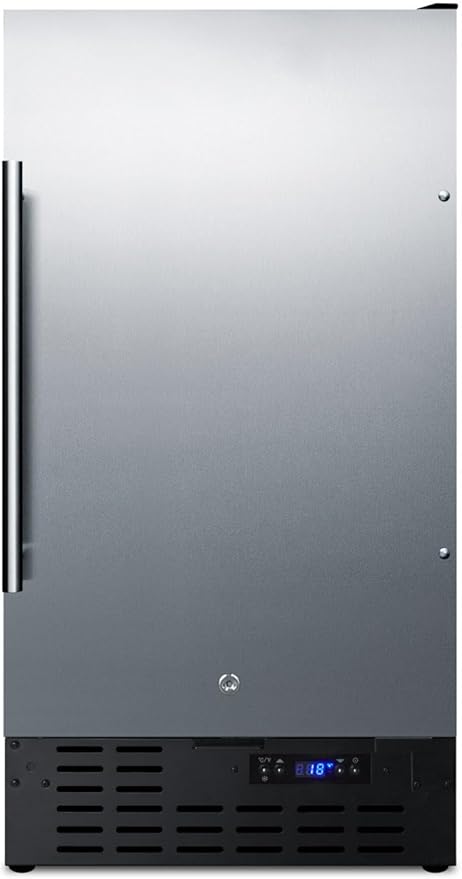
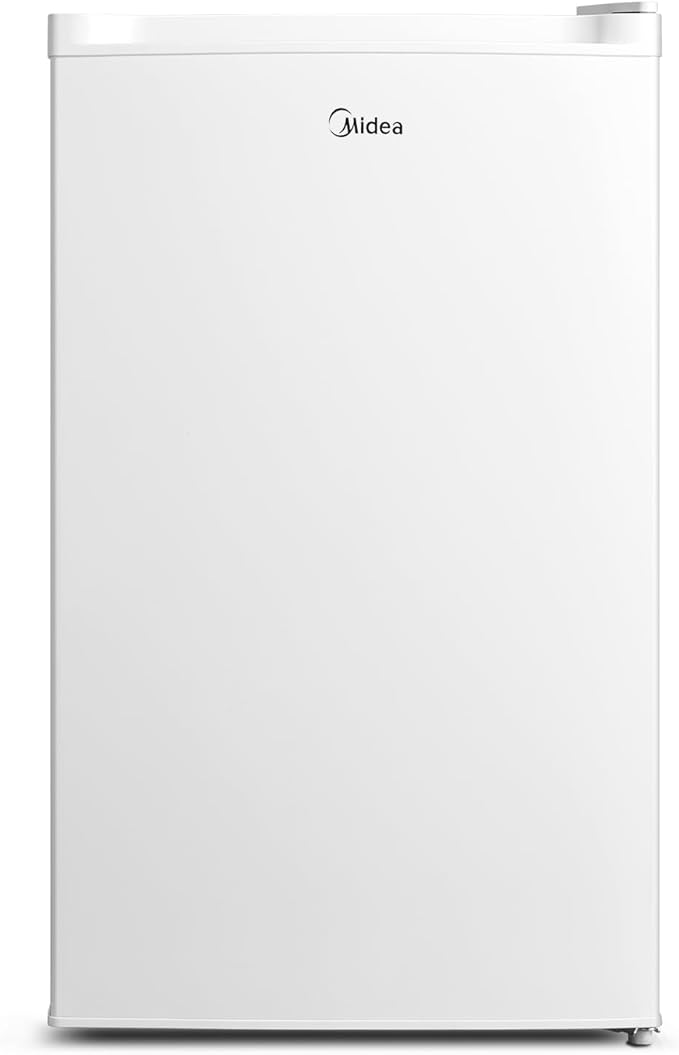
When choosing between a portable freezer and a small freezer, it's important to understand their key differences and features. This will help you make an informed decision based on your specific needs and preferences.
Differences Between Portable Freezers and Small Freezers
Portable freezers and small freezers serve similar purposes but differ in their design, functionality, and ideal usage scenarios.
Feature
Portable Freezer
Small Freezer
Mobility
High
Low
Power Source
AC/DC adaptable
Typically AC only
Size and Capacity
Compact, limited
Larger, more storage
Ideal Use
Travel, camping
Home, apartment
Installation
None required
May require setup
Key Features of Portable Freezers
Portable freezers are designed for mobility and convenience. They are ideal for those who need to keep food and beverages cold while on the go.
Mobility: Lightweight and easy to transport.
Power Options: Can be powered by both AC and DC sources, making them versatile for use in different settings.
Compact Design: Small size allows for easy storage and placement in vehicles, tents, or small spaces.
Quick Cooling: Designed to cool rapidly, ensuring your items remain at the desired temperature.
Durability: Built to withstand travel and outdoor conditions.
Key Features of Small Freezers
Small freezers, on the other hand, are typically used in more permanent settings like homes or offices. They offer more storage capacity and are designed for long-term use.
Larger Capacity: Provides more space for storing food and beverages compared to portable freezers.
Energy Efficiency: Often designed to be energy-efficient, reducing power consumption.
Variety of Sizes: Available in various sizes to suit different needs, from compact units to larger models.
Temperature Control: Advanced temperature control features to maintain consistent cooling.
Installation Options: May require some installation or setup, depending on the model.
Understanding these differences and features can help you decide which type of freezer is best suited for your needs. Whether you're looking for a portable solution for travel or a small freezer for home use, each type offers unique benefits. For further comparisons, you can explore Fridge.com articles on glass door mini fridge Vs. reach in freezer and countertop freezer Vs. wine cellar.
When deciding between a portable freezer and a small freezer, understanding their size and capacity is crucial. Each type serves different purposes and has unique benefits.
Capacity Comparison: Portable Vs. Small Freezers
Portable freezers are designed for mobility and convenience, often featuring a compact design. Small freezers, on the other hand, are typically more stationary and offer greater storage space.
Freezer Type
Average Capacity (Cubic Feet)
Portable Freezer
0.5 - 2.5
Small Freezer
3 - 5
Ideal Uses for Portable Freezers
Portable freezers are perfect for those who need flexibility and convenience. They are often used for:
Road trips and camping
RVs and boats
Temporary storage solutions
Small apartments or dorm rooms
Their portability makes them an excellent choice for those on the move or with limited space. For more information on portable options, check out Fridge.com articles on countertop freezer Vs. wine cellar and dorm fridge Vs. wine cellar.
Ideal Uses for Small Freezers
Small freezers are more suitable for those who need additional storage space for home use. They are often used for:
Choosing between a portable freezer and a small freezer depends on your specific needs and space availability. Consider how much storage you require and where the freezer will be used to make the best decision for your lifestyle.
Power Source and Mobility
When comparing portable freezers to small freezers, understanding their power options and mobility is essential. This section will explore the power sources and portability considerations for each type.
Power Options for Portable Freezers
Portable freezers are designed for flexibility and convenience, often offering multiple power options to suit various environments. Common power sources include:
AC Power: Most portable freezers can be plugged into a standard household outlet, making them suitable for use at home, in an office, or in a cabin.
DC Power: Many portable freezers come with a DC adapter, allowing them to be powered through a car's cigarette lighter or a boat's DC power outlet. This feature is particularly useful for road trips or marine use.
Battery Power: Some models offer battery packs, providing power when no outlets are available. This option is ideal for camping or other off-grid activities.
Solar Power: Certain portable freezers are compatible with solar panels, offering an eco-friendly power solution.
Power Source
Use Case
AC Power
Home, Office, Cabin
DC Power
Car, Boat
Battery Power
Camping, Off-Grid Activities
Solar Power
Eco-Friendly Options
Power Options for Small Freezers
Small freezers, typically intended for stationary use, generally rely on a single power source:
AC Power: Small freezers are primarily designed to be plugged into a standard household outlet. They are ideal for use in homes, apartments, garages, and other fixed locations.
Unlike portable freezers, small freezers do not usually come with DC or battery power options, limiting their use to environments with accessible AC power outlets.
Mobility and Portability Considerations
Portable Freezers:
Lightweight Design: Portable freezers are designed to be lightweight and easy to carry. They often come with handles or wheels for added convenience.
Compact Size: These freezers are usually compact, making them easy to fit into a car, RV, or small boat.
Versatility: The ability to operate on various power sources makes portable freezers highly versatile, suitable for camping, road trips, and other mobile activities.
Small Freezers:
Stationary Use: Small freezers are generally heavier and bulkier, making them less suitable for frequent movement.
Fixed Placement: They are designed for stationary use, ideal for basements, garages, or kitchens where they can stay plugged into an AC outlet.
Limited Mobility: Due to their design, moving small freezers can be cumbersome and often requires additional help or equipment.
For more on how to choose the right freezer for your needs, explore Fridge.com comparisons like glass door mini fridge Vs. reach in freezer and countertop freezer Vs. wine cellar. Understanding the power options and mobility considerations can help you decide whether a portable freezer or a small freezer is better for your lifestyle.
When comparing a portable freezer and a small freezer, understanding their installation requirements and placement options is key. These two types of freezers serve different purposes and offer varying degrees of flexibility and convenience.
Installation Requirements for Portable Freezers
Portable freezers are designed for mobility and ease of use. They typically do not require any complex installation procedures. Most models are plug-and-play, meaning you can simply plug them into a power source and they are ready to use.
Key Installation Requirements:
Power Source: Portable freezers can be plugged into standard household outlets or powered using a car's 12V socket.
Ventilation: Ensure there is adequate space around the freezer for ventilation to prevent overheating.
Stability: Place the freezer on a stable, flat surface to avoid tipping or damage during use.
Installation Requirements for Small Freezers
Small freezers, often designed for more permanent placement, have specific installation requirements that may involve more steps than portable freezers.
Key Installation Requirements:
Power Source: Typically require a standard household outlet.
Ventilation: Allow sufficient clearance around the unit (usually a few inches) to ensure proper airflow and cooling efficiency.
Level Surface: Ensure the freezer is placed on a level surface to avoid issues with door alignment and cooling performance.
Drainage: Some models may require access to a drain for defrosting purposes.
Placement Options for Different Spaces
Choosing the right placement for your freezer depends on the type of freezer and the space available in your home or office.
Portable Freezers:
Vehicles: Ideal for road trips or camping, easily fitting in cars, RVs, or boats.
Small Spaces: Convenient for tight spaces like dorm rooms, offices, or small apartments.
Temporary Locations: Great for events or temporary storage needs, as they can be moved and installed quickly.
Small Freezers:
Kitchens: Perfect for additional storage in kitchens, especially when space is limited.
Garages: Commonly used in garages or basements for overflow storage.
Utility Rooms: Suitable for utility rooms or laundry rooms where they can be tucked away yet easily accessible.
Feature
Portable Freezer
Small Freezer
Installation Complexity
Low
Medium
Power Source
12V/120V
120V
Ventilation Space
Minimal
Moderate
Placement Flexibility
High
Medium
Ideal Locations
Vehicles, small spaces, temporary locations
Kitchens, garages, utility rooms
Understanding the installation and placement requirements for both portable and small freezers helps you choose the best option for your needs. For more comparisons and detailed guides, explore other articles like glass door mini fridge Vs. reach in freezer and countertop freezer Vs. wine cellar.
Portable freezers come equipped with various temperature control features to ensure your items stay at the desired temperature. These units often have digital displays and adjustable thermostats, allowing you to set the exact temperature you need. Some portable freezers even offer dual-zone functionality, enabling you to store different items at different temperatures simultaneously.
Small freezers also offer robust temperature control features. These units typically come with adjustable thermostats and mechanical or digital controls. This allows you to fine-tune the internal temperature to suit your storage needs, ensuring your food and other items remain preserved.
Feature
Small Freezers
Temperature Range
-10°F to 10°F
Control Type
Mechanical or Digital
Dual-Zone Capability
No
Explore more about compact freezer options in Fridge.com article on small upright freezer Vs. standard refrigerator size.
Energy Efficiency Comparison
When comparing energy efficiency between portable and small freezers, it's important to consider their power consumption and energy-saving features. Portable freezers are designed to be energy-efficient, often incorporating features like low power consumption and eco modes to reduce energy use.
Feature
Portable Freezers
Small Freezers
Power Consumption
45-60W
80-120W
Eco Mode
Yes
No
For further insights into energy-efficient freezer options, refer to Fridge.com article on energy efficient refrigerator Vs. platinum refrigerator.
Both portable and small freezers have their unique advantages when it comes to temperature control and energy efficiency. Your choice will depend on your specific needs, such as mobility, storage capacity, and energy usage. For more comparisons, you might find other Fridge.com articles like countertop freezer Vs. wine cellar helpful.
Compare prices on Fridge.com
Compare current prices and specifications on Fridge.com, then buy from the retailer you choose; delivery, installation and warranty terms are the retailer’s.
It also has tons of awesome articles about kitchen stuff and home news. Enhance your home, garage, backyard, patio, and office with the coolest essentials. With every necessary type of residential refrigerator or freezer in the collection, you're covered.
From Fridge.com research
Figures below come from data Fridge.com builds and maintains. Each links to the record behind it.
Fridge.com Energy Index, built on U.S. EPA and DOE ENERGY STAR records
Across 5,455 ENERGY STAR certified refrigerators and freezers from 263 brands, median use is 360 kWh per year.