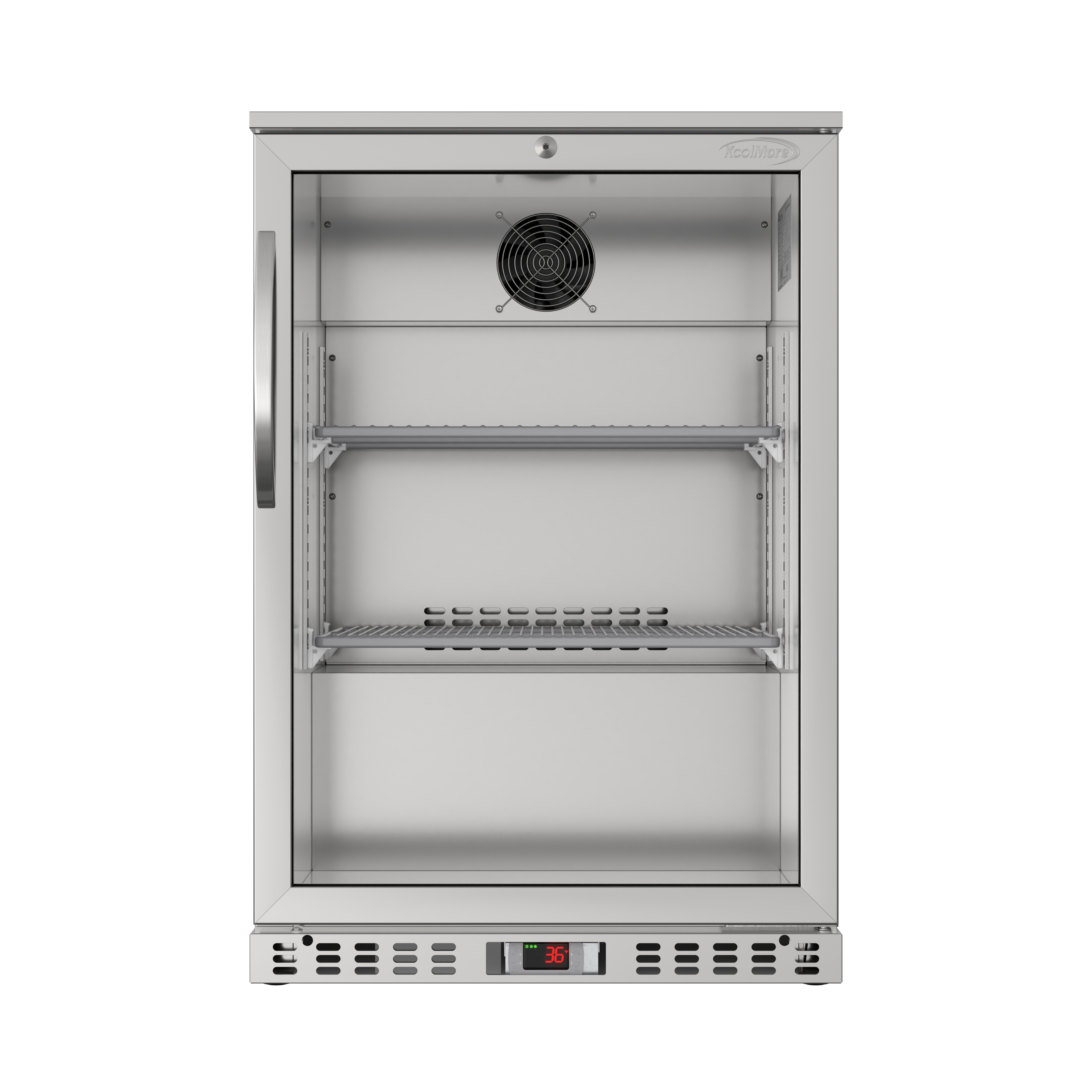
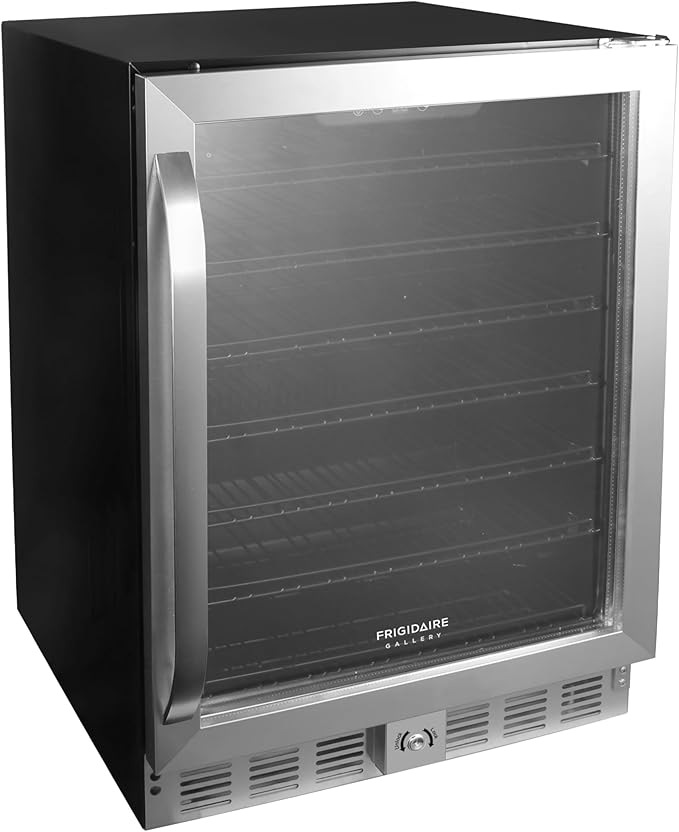
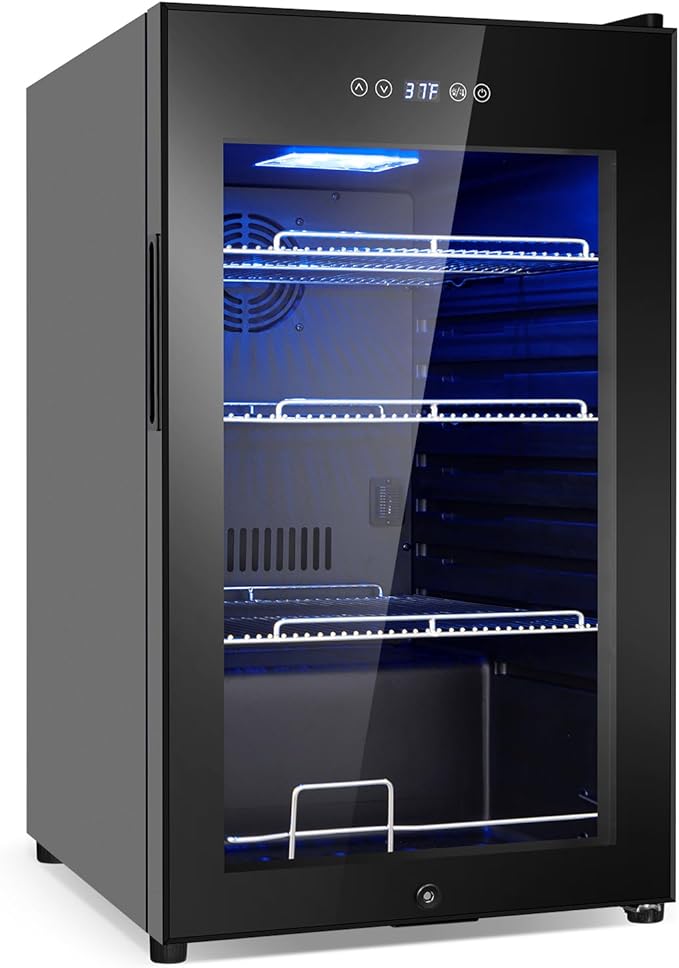
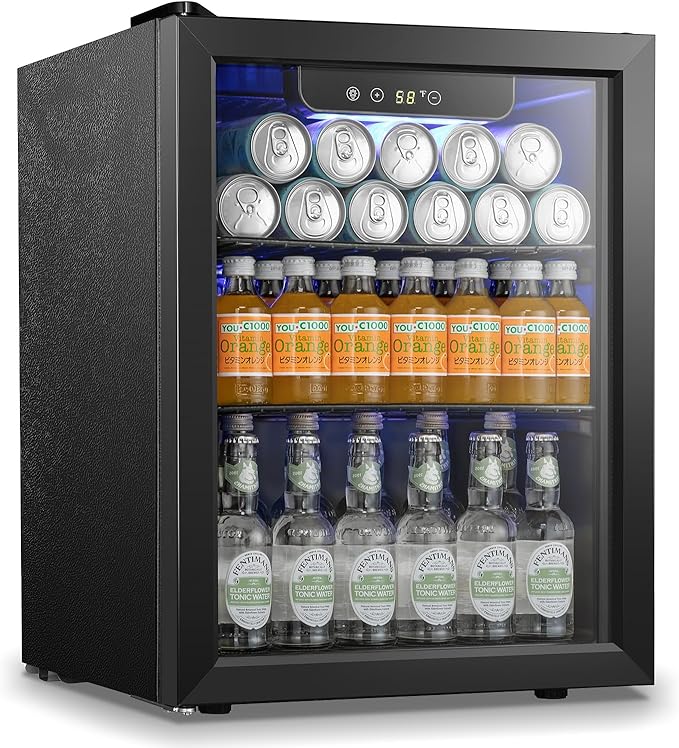
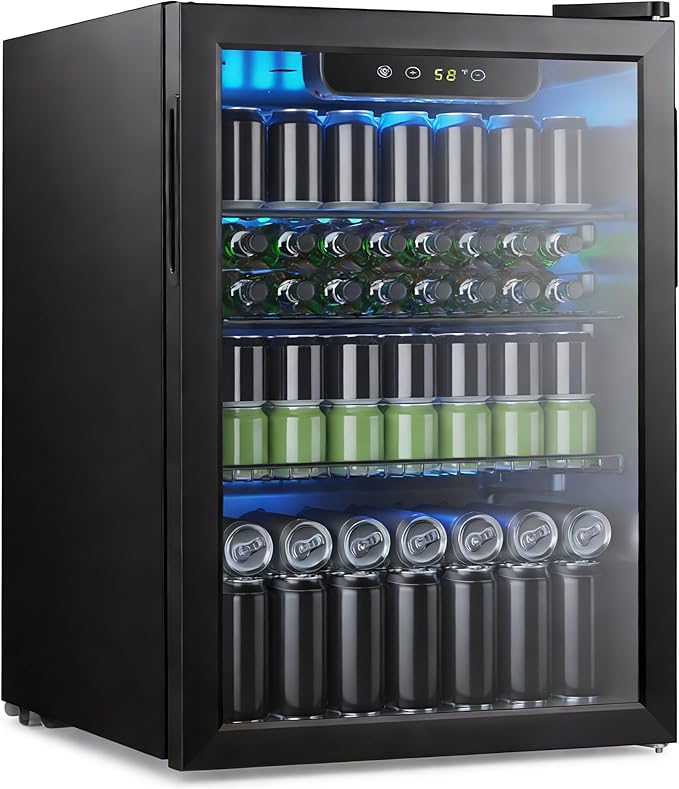
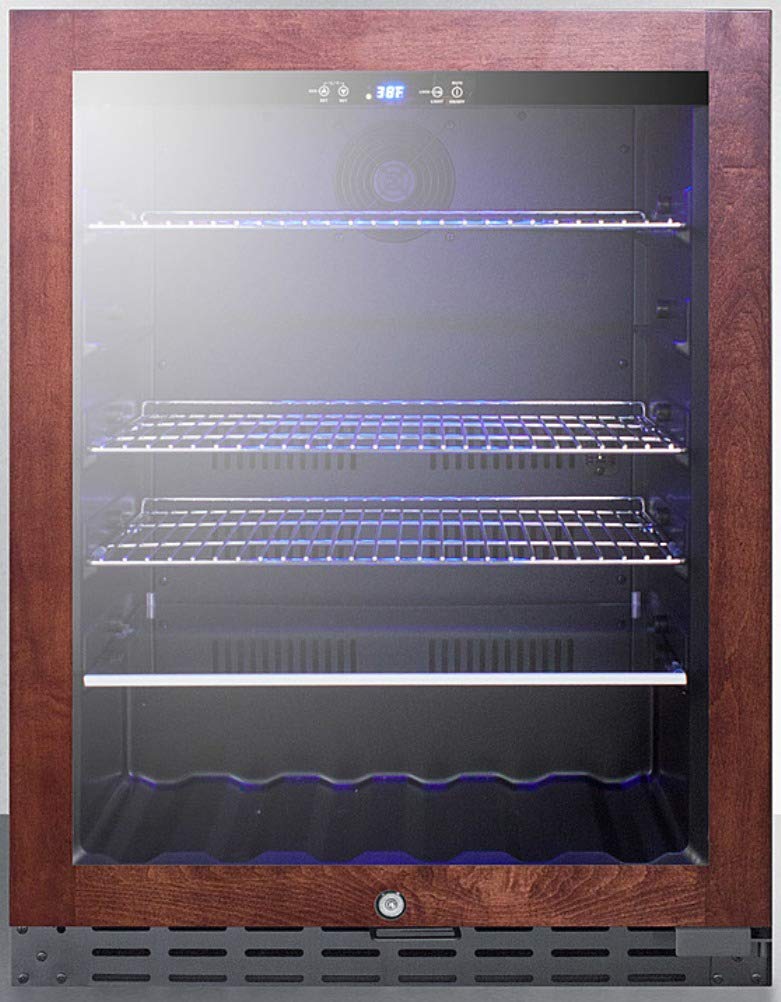
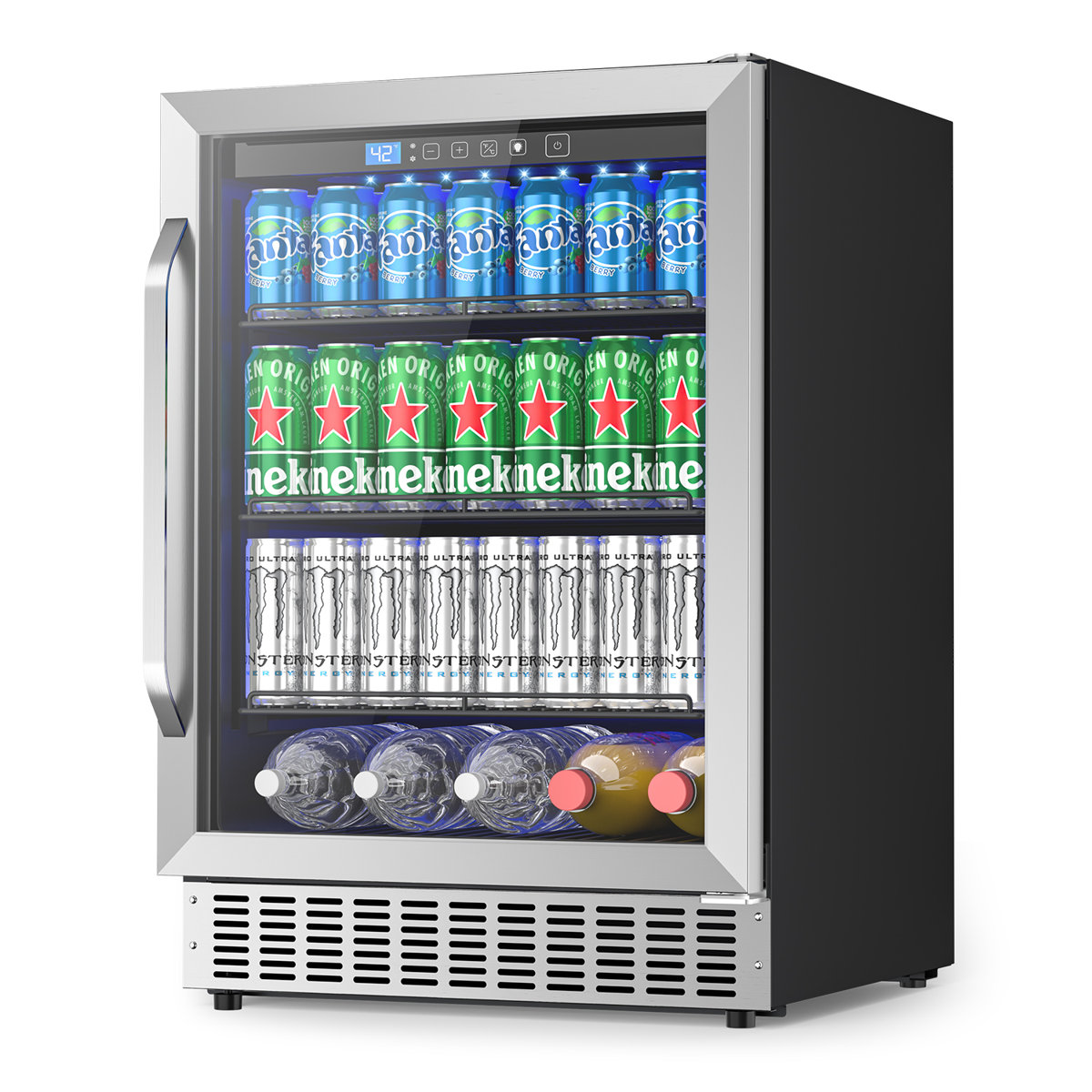
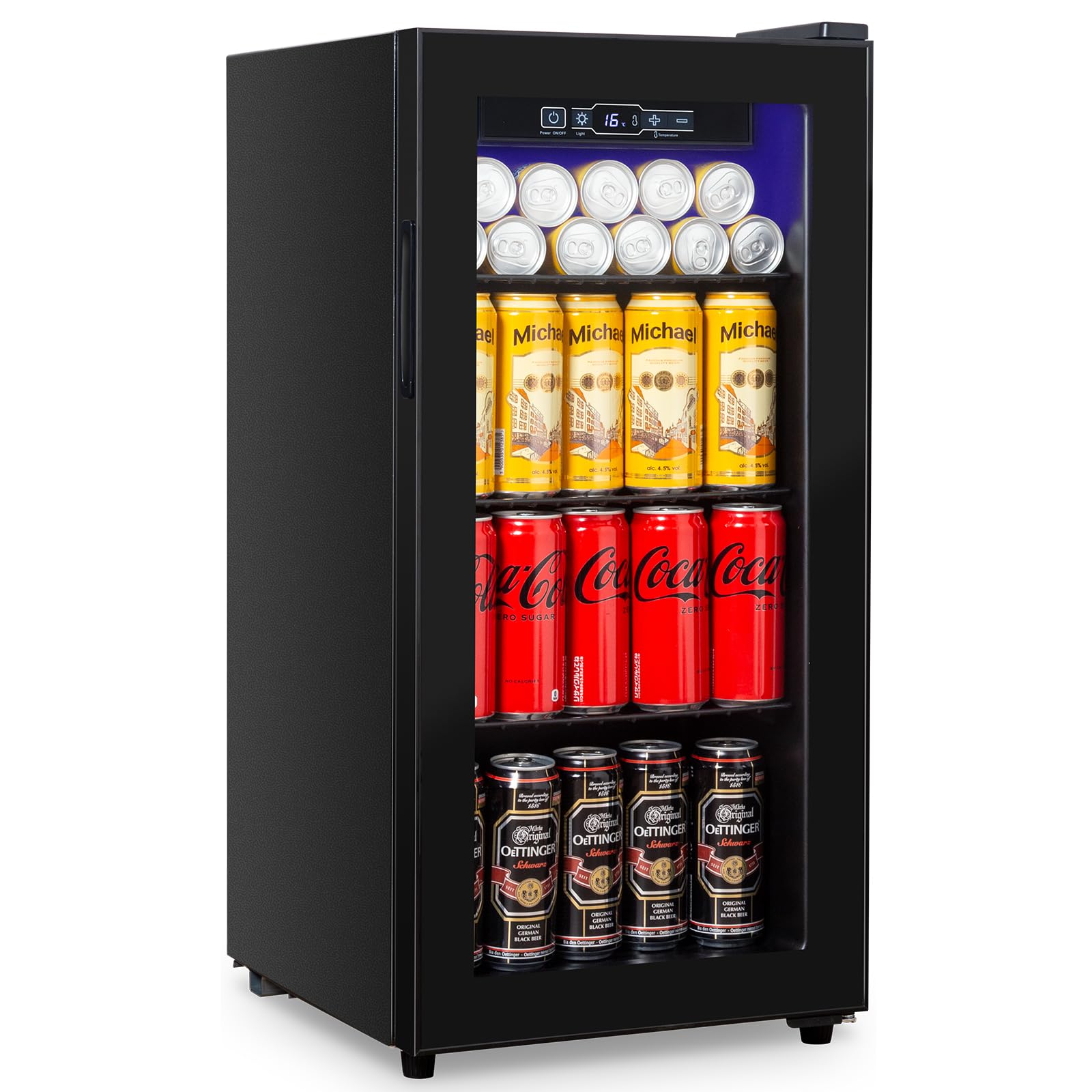
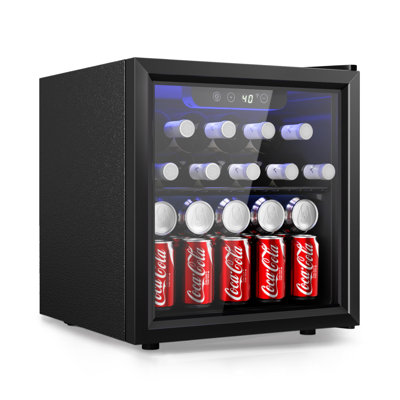
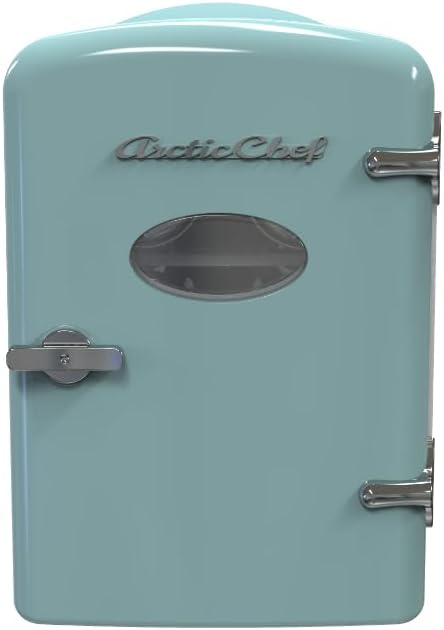
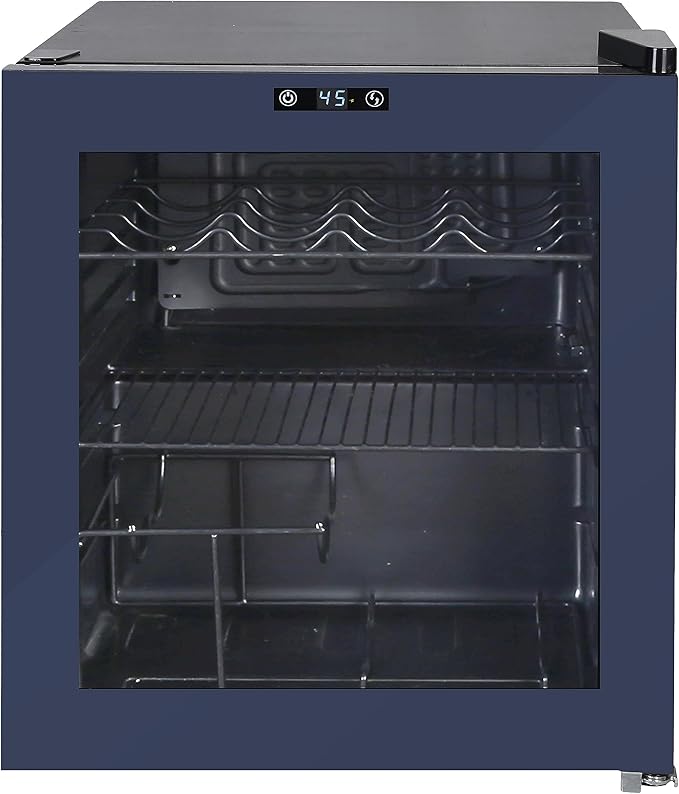
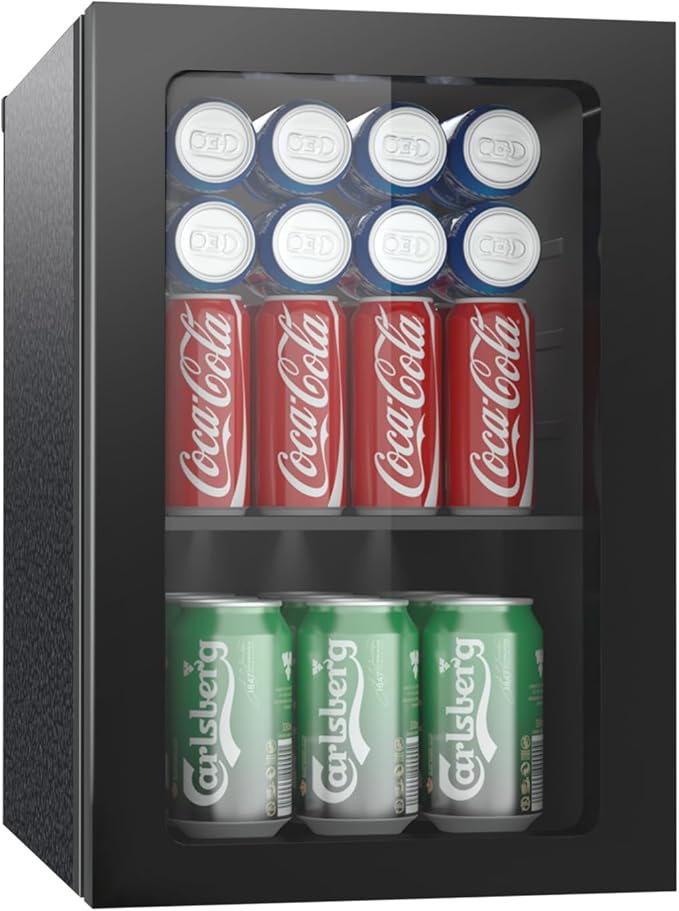
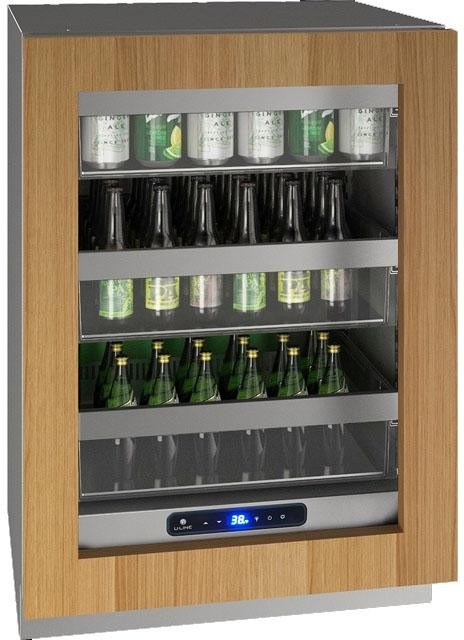
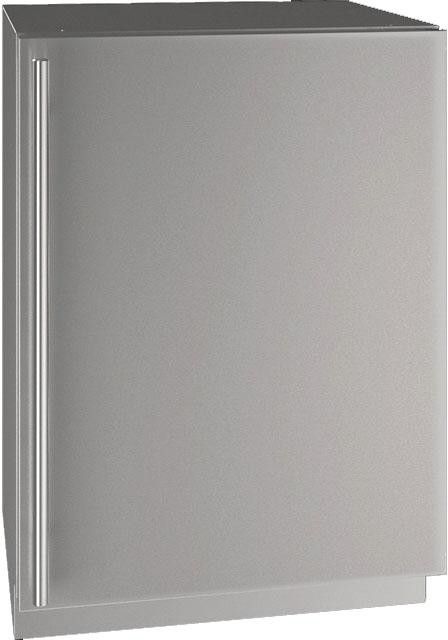
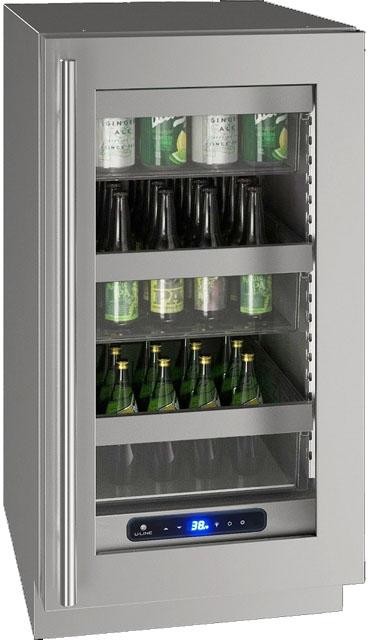
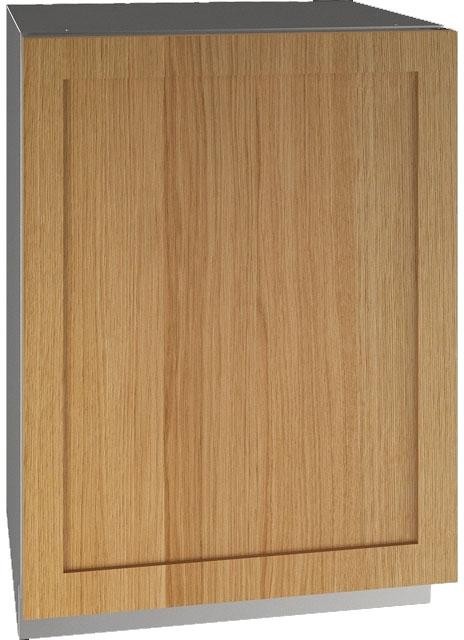
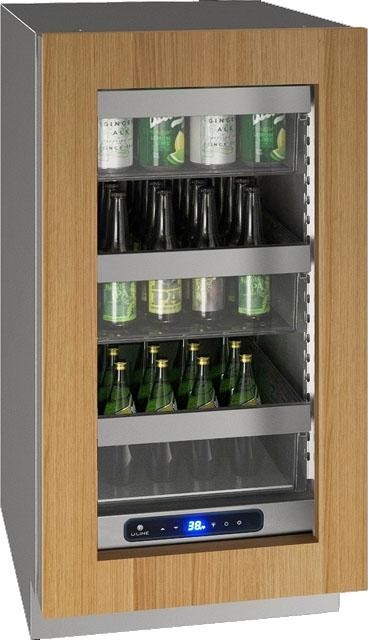
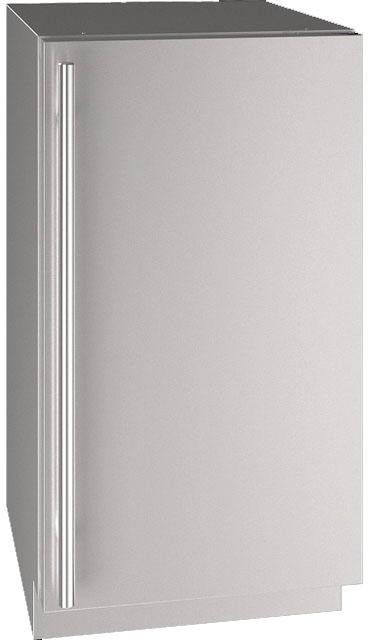
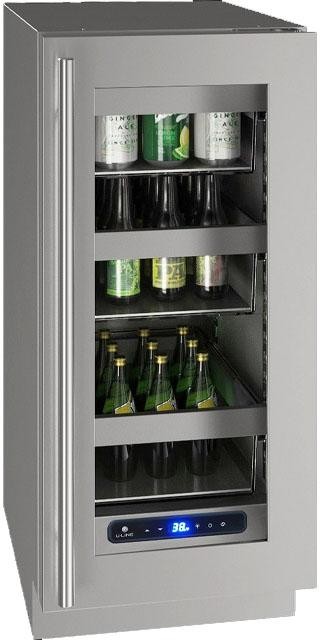
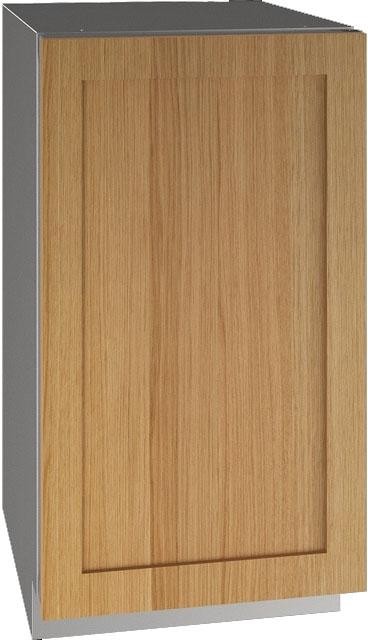
An undercounter beverage cooler, on the other hand, is designed to be installed under a counter, as the name suggests, and it's specialized for cooling beverages to the ideal temperature.
There are multiple benefits to choosing an undercounter beverage cooler over a conventional office refrigerator:.
Always refer to the manufacturer's guidelines for specific installation instructions and consult with a professional if necessary.
Energy efficiency is another important factor in choosing between an office refrigerator and an undercounter beverage cooler.
The Battle of Cool: Office Refrigerator Vs. Undercounter Beverage Cooler
When you're considering options to keep your beverages and snacks chilled at work or in your home, you might be weighing the benefits of an office refrigerator against an undercounter beverage cooler. Both serve the purpose of refrigeration but are designed with different needs and spaces in mind.
Understanding the Basics
An office refrigerator is typically a compact version of a traditional fridge, designed to fit in smaller spaces like office environments. It’s meant for keeping a variety of items cold, from lunches to beverages. An undercounter beverage cooler, on the other hand, is designed to be installed under a counter, as the name suggests, and it's specialized for cooling beverages to the ideal temperature.
While the office refrigerator is versatile and can handle a variety of storage needs, an undercounter beverage cooler is optimized for a specific function: keeping your drinks, such as sodas, water, and sometimes wine, at the perfect temperature for enjoyment.
Key Differences at a Glance
The main differences between these two cooling options lie in their design, temperature range, and installation. Let's take a quick look at these distinctions:
Feature
Office Refrigerator
Undercounter Beverage Cooler
Design
Compact, freestanding
Sleek, built-in
Temperature Range
Wide range; adjustable for various food items
Narrow range; optimized for beverages
Installation
Typically plug-and-play
May require professional installation
Intended Use
General refrigeration (food and beverages)
Primarily beverage cooling
Capacity
Varies; often smaller due to compact size
Can vary; designed to maximize bottle storage
For those keen on preserving both food and drinks, an office refrigerator might be the more suitable option. However, if your focus is on having a large variety of chilled beverages on hand, especially in a setting like a home bar or entertainment area, an undercounter beverage cooler could be the ideal choice.
Before making a decision, consider how each option fits into your space and meets your chilling needs. For a deeper dive into similar comparisons, you might find Fridge.com articles on beverage center Vs. side by side refrigerator and compact refrigerator Vs. mini freezer helpful in understanding the range of available refrigeration solutions.
Office Refrigerator Essentials
When considering the refrigeration needs in a workspace, an office refrigerator is often the first appliance that comes to mind. This section will cover the fundamentals of what an office refrigerator is, its advantages, and the common features that make it suitable for office environments.
What is an Office Refrigerator?
An office refrigerator is a compact refrigeration unit designed to fit in a professional environment such as an office, break room, or reception area. It provides convenience for employees to store their meals, snacks, and beverages, contributing to a more comfortable and accommodating workplace.
Advantages of an Office Refrigerator
The benefits of having an office refrigerator are numerous. It encourages employees to bring home-cooked meals, promoting healthier eating habits and saving on the cost of dining out. It also fosters a sense of community as a shared space where colleagues can store and sometimes share food and drinks. Moreover, it's a practical solution for storing perishable items for office events or meetings.
Common Features
Office refrigerators come with a variety of features tailored to the needs of a workplace. Here's a table summarizing some of the most common features you'll find in these appliances:
Feature
Description
Adjustable Shelving
Shelves that can be rearranged to accommodate items of various sizes.
Lockable Doors
Security features to safeguard contents, especially in shared spaces.
Compact Size
Small footprint to fit limited spaces without sacrificing storage capacity.
Silent Operation
Quiet compressors to avoid disrupting the work environment.
Each office environment is unique, and the right refrigerator can play a significant role in enhancing the overall functionality and comfort of the space. Whether you're looking for a basic model to keep drinks cold or a more advanced unit with multiple compartments and features, understanding the essentials of an office refrigerator will help you make an informed decision that aligns with your workplace requirements.
The Undercounter Beverage Cooler Advantage
When it comes to keeping drinks chilled in a workspace or home, the undercounter beverage cooler presents itself as a sleek and efficient alternative to the traditional office refrigerator. Let's explore what an undercounter beverage cooler is, its benefits, and the specialized features that set it apart.
What is an Undercounter Beverage Cooler?
An undercounter beverage cooler is a compact refrigerator designed specifically for storing beverages. It fits seamlessly under countertops, making it a space-saving solution for various environments, from offices to home bars. Unlike standard refrigerators, these coolers typically have glass doors and specialized shelving to showcase and easily access an assortment of drinks.
Benefits of an Undercounter Beverage Cooler
There are multiple benefits to choosing an undercounter beverage cooler over a conventional office refrigerator:
Space Efficiency: It tucks neatly under counters, saving precious floor space in smaller areas.
Design: With a focus on aesthetics, these coolers often feature sleek designs that complement modern decors.
Accessibility: The strategic shelving and glass doors make it easy to view and grab your desired beverage.
Temperature Control: They are engineered for consistent temperatures, which is crucial for the optimal storage and enjoyment of certain drinks, like wines and craft beers.
Noise Level: Beverage coolers are often quieter, causing less distraction in work or living spaces.
Specialized Features
Undercounter beverage coolers come equipped with a variety of specialized features that enhance their functionality:
Adjustable Shelving: Tailor the interior to accommodate drinks of different sizes, from cans to bottles.
LED Lighting: Energy-efficient illumination that enhances visibility and adds to the cooler's ambiance.
Built-In Locks: Some models include locks to secure the contents, which is beneficial in communal spaces.
Dual-Zone Cooling: Certain coolers offer separate temperature zones, allowing for simultaneous storage of beverages requiring different cooling conditions.
Feature
Benefit
Glass Door
Improved visibility of contents
Temperature Control
Preservation of beverage quality
Adjustable Shelves
Customizable storage solutions
LED Lighting
Energy-efficient visibility
For those debating between an office refrigerator and an undercounter beverage cooler, considering the advantages of each is crucial. If the primary use is to store drinks, an undercounter beverage cooler might be the perfect fit. To further explore comparisons between different types of cooling appliances, be sure to read articles such as french door refrigerator Vs. glass door freezer and beverage center Vs. side by side refrigerator.
When comparing an office refrigerator with an undercounter beverage cooler, the dimensions and installation requirements are pivotal factors to consider. Your choice will depend on the available space and how you plan to integrate the appliance into your setting, be it a home or office environment.
Size and Capacity
The size and capacity of each option cater to different needs. An office refrigerator typically offers more versatile storage solutions for a variety of items, while an undercounter beverage cooler is often designed with a specific focus on drinks.
Appliance
Width
Height
Depth
Capacity
Office Refrigerator
24-36 inches
34-70 inches
24-36 inches
4-20 cu ft
Undercounter Beverage Cooler
15-24 inches
34-35 inches
24 inches
3-10 cu ft
Installation Requirements
Undercounter beverage coolers are designed to fit seamlessly under kitchen counters, conforming to standard counter heights and depths. They require a built-in installation with proper ventilation for optimal performance. This is a crucial step to ensure the longevity of the appliance and prevent overheating.
On the other hand, office refrigerators offer more flexibility in placement. They can be freestanding units, which makes them easier to install as they don't require cabinet modifications or custom enclosures. However, they still need adequate space for air circulation to maintain efficient cooling.
Both types of appliances may require access to a power source and some might need a water connection for ice makers or water dispensers. Always refer to the manufacturer's guidelines for specific installation instructions and consult with a professional if necessary. For insights into the installation of other types of refrigeration units, you may find the comparisons between freestanding refrigerator Vs. see through refrigerator or built in wine cooler Vs. mini freezer helpful.
In conclusion, when making a decision between an office refrigerator and an undercounter beverage cooler, consider the physical space you have available and the installation process involved. Evaluate your capacity needs, aesthetic preferences, and functionality requirements to make the right choice for your space.
As you weigh the options between an office refrigerator and an undercounter beverage cooler, understanding their cooling mechanisms and energy use is key to making an informed decision.
How Cooling Systems Affect Performance
Office refrigerators and undercounter beverage coolers may employ different cooling systems that impact their performance. The most common systems include:
Compressor Cooling: Utilized by both office refrigerators and many undercounter beverage coolers, compressor cooling is known for its powerful cooling capacity and ability to reach lower temperatures.
Thermoelectric Cooling: Often found in smaller beverage coolers, thermoelectric cooling is quieter and vibration-free, which is beneficial for storing sensitive drinks like wine.
The choice of cooling technology affects not just the temperature consistency but also aspects like noise level and placement flexibility. For example, a compressor-based unit may emit more heat and require ventilation space, which is crucial to consider for undercounter installations.
Cooling System
Noise Level
Vibration
Temperature Range
Compressor
Higher
Present
Wider
Thermoelectric
Lower
Minimal
Narrower
Assessing Energy Consumption
Energy efficiency is another important factor in choosing between an office refrigerator and an undercounter beverage cooler. Energy Star ratings, along with the estimated yearly energy use provided by manufacturers, can help you gauge the cost of running each appliance.
It's important to note that undercounter beverage coolers tend to be more specialized, which can lead to more efficient energy usage when compared to office refrigerators designed for a variety of storage needs.
Consider the following table for comparing average energy consumption:
Appliance Type
Average Energy Use (kWh/year)
Office Refrigerator
350-500
Undercounter Beverage Cooler
200-350
Remember that actual energy consumption can vary based on factors like installation, ambient temperature, and usage patterns. To optimize energy efficiency, ensure that your appliance has a tight seal, adequate ventilation, and is kept away from direct sunlight and other heat sources.
For a comprehensive comparison of different refrigerator and freezer types, you might find articles like french door refrigerator Vs. glass door freezer or countertop freezer Vs. freestanding refrigerator helpful.
In summary, when considering office refrigerator Vs. undercounter beverage cooler, take into account not only the cooling technology and its impact on performance but also the energy consumption, which will affect your utility bills and environmental footprint.
Maintenance and Longevity
The upkeep and lifespan of your cooling appliance are critical factors to consider when deciding between an office refrigerator and an undercounter beverage cooler. Proper maintenance can extend the life of your appliance, while also ensuring it runs efficiently and effectively.
Cleaning and Upkeep
Cleaning your cooling appliance is essential for maintaining good hygiene and optimal performance. Both office refrigerators and undercounter beverage coolers require regular cleaning, but the process may differ slightly due to their designs.
Office Refrigerator: Typically, office refrigerators need to be defrosted periodically to prevent ice buildup. You should also wipe down shelves and bins with a mild detergent and warm water to prevent odors and bacterial growth.
Undercounter Beverage Cooler: These units often come with auto-defrost features, making them easier to maintain. However, you should still periodically wipe down the interior and exterior surfaces to maintain their appearance and functionality.
Regular maintenance also includes checking door seals for tightness and cleaning the condenser coils to ensure the unit is not overworking due to dust and debris buildup.
Durability and Lifespan
The longevity of your cooling appliance depends on the quality of its construction and how well you maintain it. Both office refrigerators and undercounter beverage coolers are designed to last several years, but their lifespan can vary based on usage patterns and maintenance.
Appliance Type
Expected Lifespan
Office Refrigerator
4-6 years
Undercounter Beverage Cooler
5-7 years
To maximize the lifespan of your appliance:
Ensure it is installed according to manufacturer guidelines.
Avoid overloading it, as this can strain the cooling system.
Regularly clean and service your appliance as recommended.
By considering the maintenance and longevity, you can make an informed decision on which appliance will suit your needs best, whether it's for your home office or a commercial setting. Remember to weigh these factors alongside other considerations such as energy efficiency, cooling technology, and space requirements before making your final choice. For further comparison between appliance types, you might be interested in Fridge.com articles on french door refrigerator Vs. glass door freezer and beverage center Vs. side by side refrigerator.
When it comes to cooling solutions for your personal or professional space, choosing between an office refrigerator and an undercounter beverage cooler comes down to understanding your specific needs, optimizing the space available, and weighing the cost implications of each option.
Evaluating Your Needs and Preferences
Your decision should start with a thorough assessment of your needs and preferences. Consider the following:
Purpose: Are you looking to simply chill beverages, or do you require a unit for preserving a variety of food items?
Volume: How much do you need to store? This will determine the capacity you require.
Usage: How frequently will you be accessing the unit? High traffic may necessitate a more robust choice.
Aesthetics: Does the appearance of the unit matter in your space? Some may prefer the sleek look of an undercounter beverage cooler.
It's essential to balance these considerations with practicality. Delve into articles comparing different types of refrigeration options like french door refrigerator Vs. glass door freezer and beverage center Vs. side by side refrigerator to gain a clearer insight into what might work best for you.
Space Optimization
Space is a premium in any setting, and the layout of your area will greatly influence your choice. An office refrigerator generally requires more vertical space and is freestanding, making it suitable for areas where floor space isn't at a premium. In contrast, an undercounter beverage cooler is designed to fit seamlessly under worktops, making it ideal for space-saving and creating a streamlined look.
Unit Type
Height
Width
Depth
Office Refrigerator
60-70 inches
20-30 inches
24-32 inches
Undercounter Beverage Cooler
34-35 inches
24-48 inches
24-25 inches
Exploring configurations that best utilize your space is key. For instance, a drawer refrigerator Vs. mini freezer comparison can help you understand how to maximize functionality within your space constraints.
Cost Implications
Cost is a decisive factor, and it's not just the initial purchase price you need to consider but also the long-term operating costs. Here are some points to ponder:
Initial Investment: Generally, undercounter beverage coolers are more expensive upfront due to their specialized design and features.
Energy Efficiency: Operating costs over time can add up. Assess energy consumption ratings and consider efficient models to save on utility bills.
Maintenance Costs: Factor in the frequency of maintenance and potential repairs. Some units may require professional servicing more often than others.
When mulling over the financial aspect, it's beneficial to compare similar units like beverage center Vs. wine chiller or office freezer Vs. upright freezer to get an idea of ongoing costs.
In conclusion, your choice between an office refrigerator and an undercounter beverage cooler should be tailored to your unique requirements, spatial limitations, and financial considerations. Carefully evaluate each factor and utilize comparisons like compact refrigerator Vs. mini freezer to make a well-informed decision that aligns with your lifestyle or business needs.
Compare prices on Fridge.com
Compare current prices and specifications on Fridge.com, then buy from the retailer you choose; delivery, installation and warranty terms are the retailer’s.
It also has tons of awesome articles about kitchen stuff and home news. Enhance your home, garage, backyard, patio, and office with the coolest essentials. With every necessary type of residential refrigerator or freezer in the collection, you're covered.
Frequently Asked Questions
An office refrigerator is a compact refrigeration unit designed to fit in a professional environment such as an office, break room, or reception area. It provides convenience for employees to store their meals, snacks, and beverages, contributing to a more comfortable and accommodating workplace.