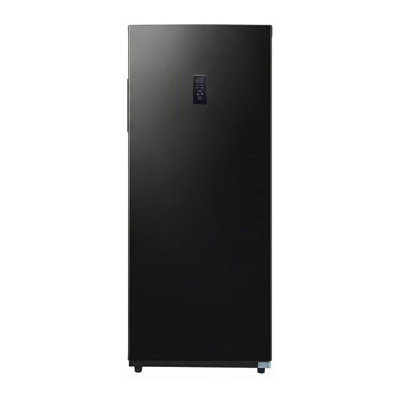
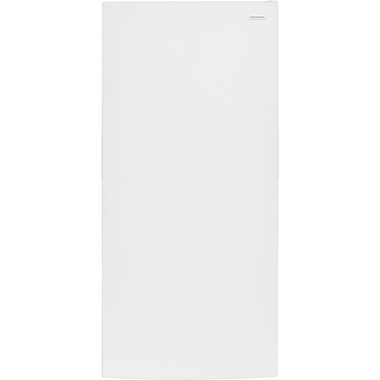
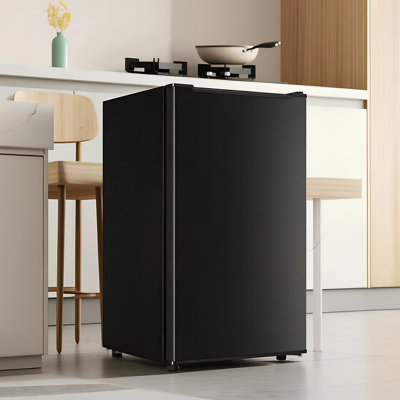
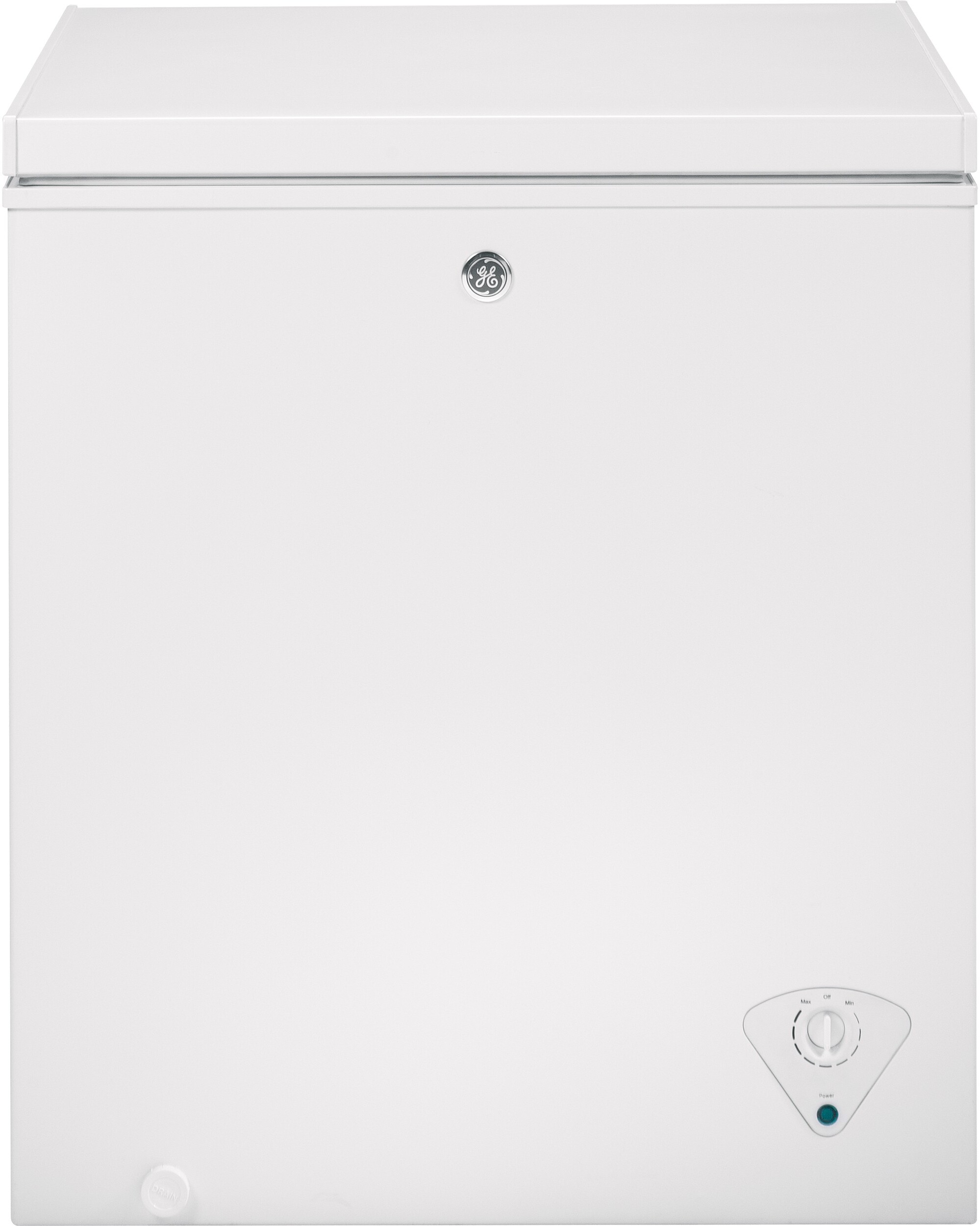
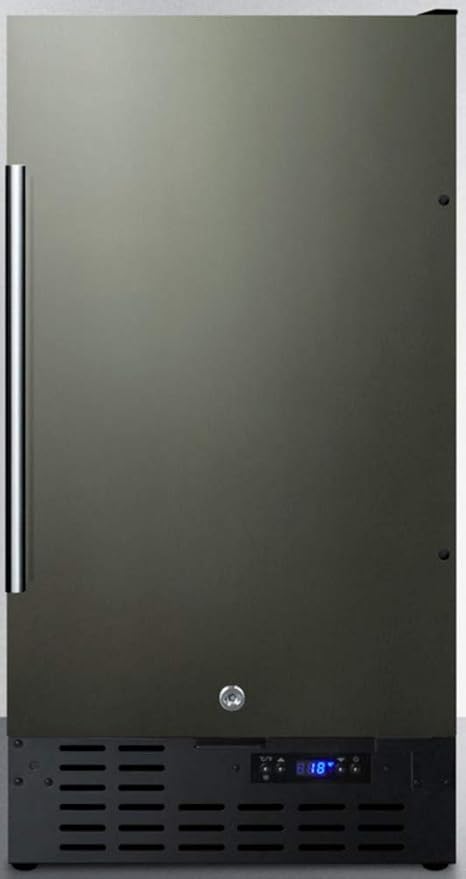
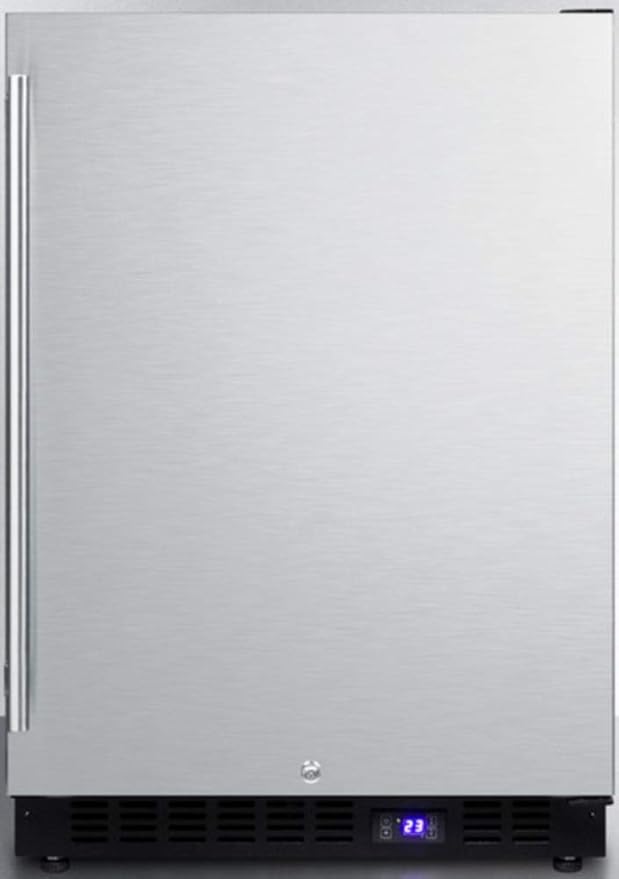
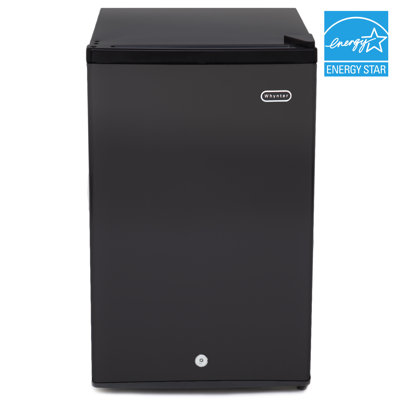
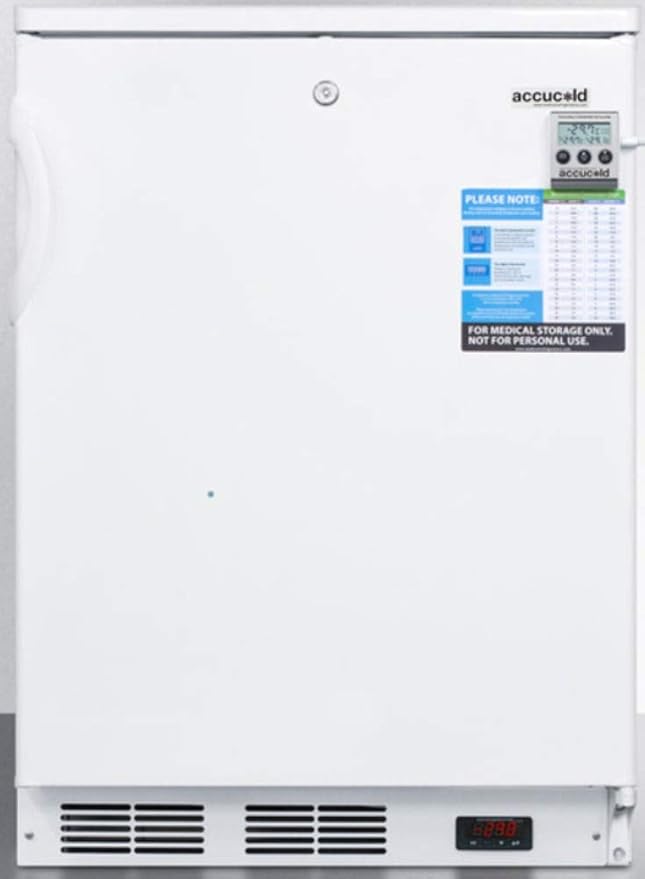
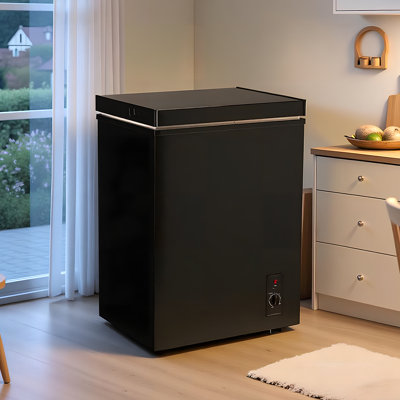
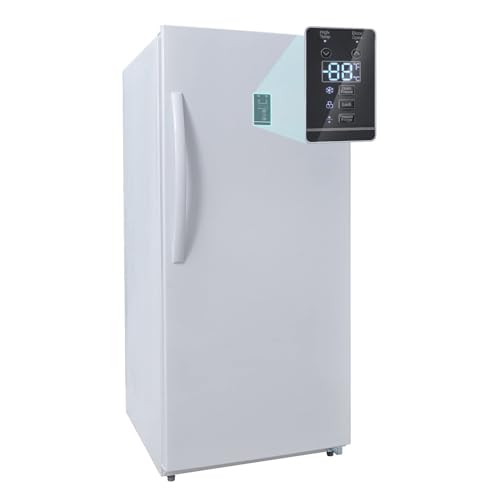
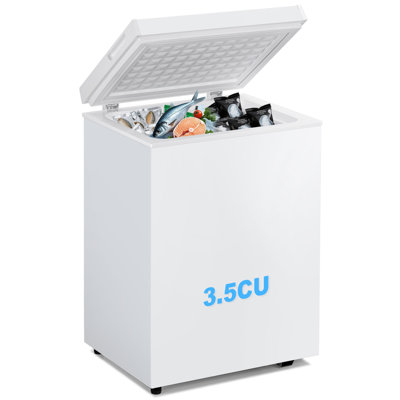
When deciding between a meat refrigerator and a refrigerator freezer combo, it's essential to understand the features and benefits each option provides.
Meat Refrigerator: Features and Benefits
A meat refrigerator is designed specifically for storing meat and other perishable items at optimal temperatures to maintain freshness and prevent spoilage. Here are some key features and benefits:
Temperature Control: Meat refrigerators offer precise temperature settings, typically ranging from 28°F to 32°F, which are ideal for storing meat.
Humidity Control: These refrigerators often have humidity control features to maintain the right moisture levels, preventing meat from drying out.
Dedicated Storage: With specialized compartments and shelving, meat refrigerators provide ample space for organizing and storing different types of meat.
Enhanced Air Circulation: Advanced air circulation systems ensure even cooling throughout the refrigerator, maintaining consistent temperatures.
Reduced Cross-Contamination: By having a dedicated meat refrigerator, you can minimize the risk of cross-contamination with other food items.
For more information on temperature settings and storage options, you can read Fridge.com article on temperature settings in a meat refrigerator.
Refrigerator Freezer Combo: Features and Benefits
A refrigerator freezer combo is a versatile appliance that combines both a refrigerator and a freezer in one unit. This option is popular for its convenience and multifunctionality. Here are some of its features and benefits:
Dual Functionality: Combines refrigeration and freezing in one unit, allowing you to store a variety of food items, including fresh produce, dairy, and frozen goods.
Temperature Zones: Typically features separate temperature zones for the refrigerator and freezer sections, providing flexibility in storage.
Space Efficiency: Saves space by combining two appliances into one, making it an excellent choice for smaller kitchens or spaces.
Cost-Effective: Generally more cost-effective than purchasing separate refrigerator and freezer units.
Versatility: Suitable for a wide range of food storage needs, from fresh vegetables to frozen meats and leftovers.
Convenience: Provides easy access to both refrigerated and frozen items in one place, simplifying meal preparation and storage.
Understanding the features and benefits of both meat refrigerators and refrigerator freezer combos can help you make an informed decision based on your specific needs and preferences.
When comparing a meat refrigerator to a refrigerator freezer combo, understanding their design and functionality is essential. Each type offers unique features that cater to different needs and preferences.
Layout and Organization of a Meat Refrigerator
A meat refrigerator is specifically designed to store meat and other perishable food items. These refrigerators often feature adjustable shelves, bins, and drawers to maximize storage space and organization. The layout is optimized to ensure proper air circulation, maintaining a consistent temperature throughout the unit.
Key features of a meat refrigerator's layout include:
Adjustable Shelves: Allows for customization to accommodate different types and sizes of meat.
Dedicated Meat Drawers: Designed to keep meat at optimal temperatures for freshness.
Bins and Compartments: Helps in organizing various cuts and types of meat.
Enhanced Air Circulation: Ensures even cooling and prevents spoilage.
Layout and Organization of a Refrigerator Freezer Combo
A refrigerator freezer combo offers a versatile solution for storing both fresh and frozen items. This type of unit typically includes a refrigerator section and a freezer section, each with its own layout and organizational features. The design ensures easy access to both fresh and frozen foods, making it a popular choice for households.
Key features of a refrigerator freezer combo's layout include:
Split Sections: Separate sections for refrigeration and freezing, often with independent temperature controls.
Shelves and Bins: Adjustable shelves and bins in both the fridge and freezer sections for flexible storage.
Door Storage: Additional storage space on the doors for smaller items and condiments.
Freezer Drawers or Shelves: Depending on the model, the freezer section may include drawers or shelves for organized storage.
Understanding the layout and organization of both a meat refrigerator and a refrigerator freezer combo can help you decide which option best suits your needs. Whether you prioritize dedicated meat storage or the versatility of a combo unit, each type offers distinct advantages for your refrigeration requirements.
Understanding the temperature control and storage capacity of a meat refrigerator versus a refrigerator freezer combo can help you make an informed decision. Let's delve into the specifics of each option.
Temperature Settings in a Meat Refrigerator
Meat refrigerators are designed to maintain optimal temperatures for preserving meat. Typically, these refrigerators have a temperature range that keeps meat fresh and safe for consumption.
Setting
Temperature Range
Meat Refrigeration
28°F to 32°F (-2°C to 0°C)
These settings ensure that meat remains at a temperature that inhibits bacterial growth while retaining its quality.
Temperature Settings in a Refrigerator Freezer Combo
Refrigerator freezer combos offer a broader range of temperature settings to accommodate both refrigeration and freezing needs. The refrigerator section usually maintains a temperature suitable for general food storage, while the freezer section keeps items frozen.
Setting
Temperature Range
Refrigerator Section
35°F to 38°F (1.7°C to 3.3°C)
Freezer Section
0°F (-18°C)
This versatility allows you to store a variety of food items, including meat, though it may not be as specialized as a dedicated meat refrigerator.
Storage Capacity Comparison
When comparing storage capacities, both options offer distinct advantages. Meat refrigerators are typically designed with ample space and specialized compartments for various cuts of meat, while refrigerator freezer combos provide a balanced storage solution for both refrigerated and frozen items.
Feature
Meat Refrigerator
Refrigerator Freezer Combo
Total Capacity
20-30 cu. ft.
25-35 cu. ft.
Meat Storage
High
Moderate
Versatility
Low
High
Freezer Space
None
Included
Meat refrigerators maximize storage for meat products, making them ideal for those who prioritize meat preservation. On the other hand, refrigerator freezer combos offer more versatility, accommodating a wider range of food items, which can be beneficial for general household use.
For further comparison, you can refer to Fridge.com articles on freezer cooler Vs. undercounter beverage cooler and see through refrigerator Vs. undercounter refrigerator.
When choosing between a meat refrigerator and a refrigerator freezer combo, energy efficiency and maintenance requirements are critical factors to consider.
Energy Efficiency of a Meat Refrigerator
A meat refrigerator is designed specifically to store meat and other perishables at optimal temperatures. These refrigerators often feature advanced insulation and efficient compressors that help maintain a consistent temperature, reducing energy consumption.
Metric
Meat Refrigerator
Average Energy Consumption (kWh/year)
400 - 500
Energy Efficiency of a Refrigerator Freezer Combo
A refrigerator freezer combo offers the convenience of both refrigeration and freezing in one unit. However, this dual functionality can result in higher energy consumption compared to a dedicated meat refrigerator. The energy efficiency of a refrigerator freezer combo largely depends on the model and the technology used.
Metric
Refrigerator Freezer Combo
Average Energy Consumption (kWh/year)
600 - 800
Maintenance Requirements and Tips
Regular maintenance is essential to ensure the longevity and efficiency of both meat refrigerators and refrigerator freezer combos. Here are some tips for maintaining each type of unit:
Meat Refrigerator
Cleaning Coils: Clean the condenser coils every six months to prevent dust buildup, which can reduce efficiency.
Temperature Monitoring: Regularly check and adjust the thermostat to ensure consistent temperatures.
Door Seals: Inspect and clean the door seals to ensure they are airtight, preventing energy waste.
Refrigerator Freezer Combo
Defrosting: Manually defrost the freezer section if it does not have an auto-defrost feature. Ice buildup can reduce efficiency.
Ventilation: Ensure proper ventilation around the unit to prevent overheating of the compressor.
Filter Replacement: Replace water and air filters as recommended by the manufacturer to maintain optimal performance.
By following these maintenance tips, you can enhance the energy efficiency and lifespan of your refrigeration units. For more detailed comparisons and insights, explore other Fridge.com articles like freezer cooler Vs. undercounter beverage cooler and ice cream cooler Vs. refrigerator freezer combo.
Placement and Space Considerations
When deciding between a meat refrigerator and a refrigerator freezer combo, it's essential to consider the ideal placement and the space available in your home. Proper placement ensures optimal performance and convenience.
Ideal Placement for a Meat Refrigerator
A meat refrigerator is typically designed to store large quantities of meat at specific temperatures to maintain freshness and safety. The ideal placement for a meat refrigerator includes:
Kitchen: Placing the meat refrigerator in the kitchen provides easy access while cooking and prepping meals.
Pantry: If you have a walk-in pantry, this could be a great location to keep your meat refrigerator, keeping it out of sight but still conveniently accessible.
Garage: For those with ample garage space, this can be an excellent location for a meat refrigerator, especially if you buy meat in bulk.
Location
Pros
Cons
Kitchen
Easy access, convenient for cooking
Takes up kitchen space
Pantry
Out of sight, still accessible
Requires a walk-in pantry
Garage
Suitable for bulk storage
May be less convenient
Ideal Placement for a Refrigerator Freezer Combo
A refrigerator freezer combo offers the versatility of both refrigeration and freezing capabilities in one unit. The ideal placement for this appliance includes:
Kitchen: This is the most common location, allowing for convenient access to both fresh and frozen foods.
Dining Area: If space is limited in the kitchen, placing the refrigerator freezer combo in or near the dining area can be a practical solution.
Basement: For those who need extra storage space, the basement can be an ideal location, especially for long-term storage of bulk items.
Location
Pros
Cons
Kitchen
Convenient for daily use, central location
Takes up kitchen space
Dining Area
Frees up kitchen space, close to kitchen
May be less convenient for cooking
Basement
Extra storage, out of the way
Less accessible for daily use
Considering these placement options can help you decide which type of appliance best suits your needs and the layout of your home.
For more information on similar comparisons, you can explore Fridge.com articles on freezer cooler Vs. undercounter beverage cooler and ice cream cooler Vs. refrigerator freezer combo.
When deciding between a meat refrigerator and a refrigerator freezer combo, understanding the upfront costs is crucial. Both options have their own advantages and price points, which can influence your decision based on your budget and requirements.
Upfront Costs of a Meat Refrigerator
A meat refrigerator, designed specifically for storing meat and other perishables, typically has a higher initial cost due to its specialized features. These refrigerators often come with advanced temperature control, humidity settings, and ample storage space for meat products. The investment in a meat refrigerator can be justified if you frequently store large quantities of meat or if you are a professional chef or food enthusiast.
Feature
Estimated Cost
Basic Model
$700 - $1,200
Mid-Range Model
$1,200 - $2,000
High-End Model
$2,000 - $4,000
Upfront Costs of a Refrigerator Freezer Combo
A refrigerator freezer combo, which combines both refrigeration and freezing capabilities in one unit, is generally more budget-friendly. This type of appliance is versatile and suitable for general household use, providing separate compartments for fresh and frozen foods. The cost of a refrigerator freezer combo varies based on the size, features, and brand.
Feature
Estimated Cost
Basic Model
$600 - $1,000
Mid-Range Model
$1,000 - $1,800
High-End Model
$1,800 - $3,500
When comparing the upfront costs of these appliances, it's important to consider your specific needs and how each option aligns with them. For further comparisons, you might find it helpful to read Fridge.com articles on ice cream cooler Vs. refrigerator freezer combo and column refrigerator freezer Vs. ice cream refrigerator.
Compare prices on Fridge.com
Compare current prices and specifications on Fridge.com, then buy from the retailer you choose; delivery, installation and warranty terms are the retailer’s.
It also has tons of awesome articles about kitchen stuff and home news. Enhance your home, garage, backyard, patio, and office with the coolest essentials. With every necessary type of residential refrigerator or freezer in the collection, you're covered.
Free tool
Food Storage Calculator
Free interactive tool from Fridge.com — get a quick answer while you read.