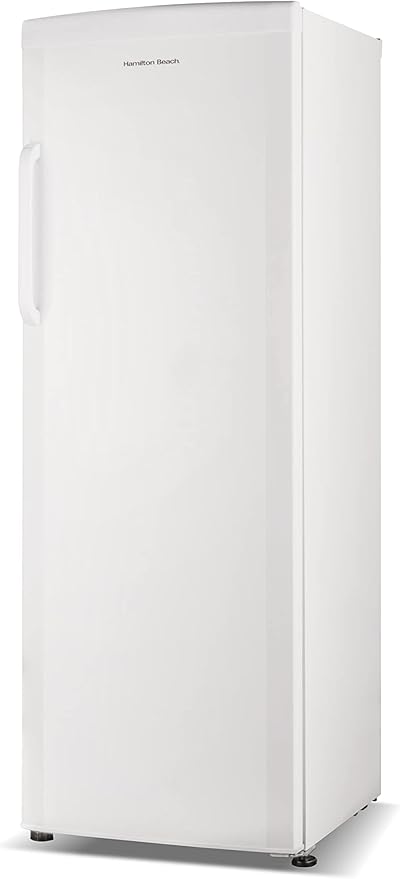
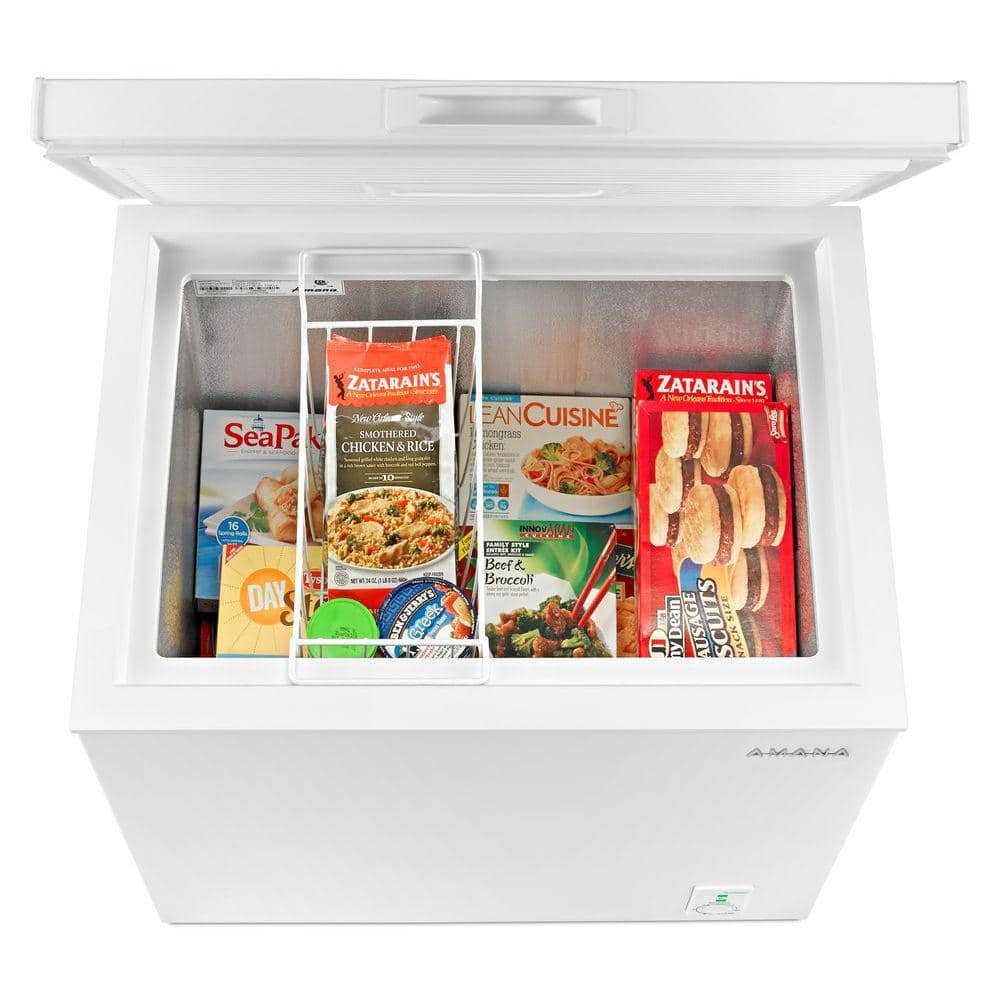
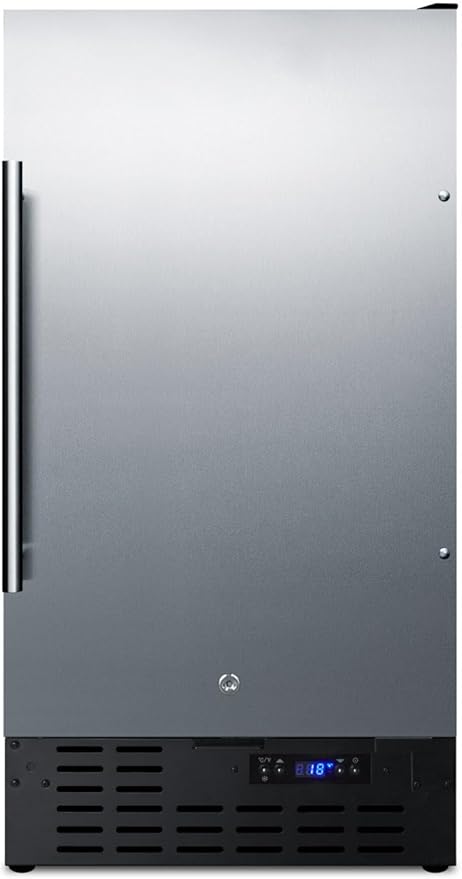
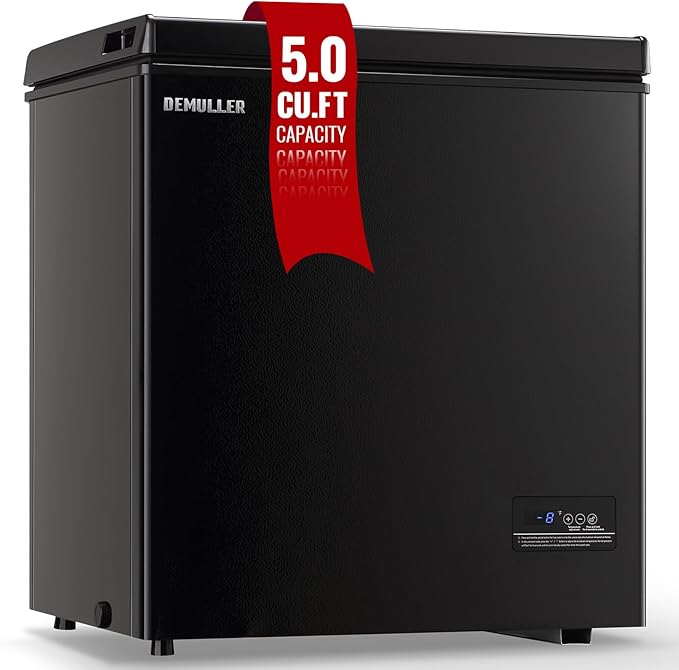
Low power fridge freezers use smart tech and clever design to keep your food cold without guzzling electricity. Here’s the lowdown:
Efficient Compressors: These compressors are like the marathon runners of the fridge world—steady and efficient. They adjust their speed based on how much cooling is needed, saving energy.
Top-Notch Insulation: Good insulation keeps the cold in, so the compressor doesn’t have to work as hard.
Smart Temperature Controls: You can set the perfect temperature for both the fridge and freezer, and it stays that way.
LED Lighting: LED lights use less energy and produce less heat than old-school bulbs.
Adaptive Defrost Systems: These systems only defrost when needed, not on a fixed schedule, saving even more energy.
Feature
Energy Savings
Efficient Compressors
15-20%
Improved Insulation
10-15%
LED Lighting
5-10%
Adaptive Defrost
5-7%
Knowing these features can help you pick the right low power fridge freezer. For more details, check out Fridge.com article on low energy consumption fridge.
By understanding the perks and how these fridges work, you can make a smart, eco-friendly choice for your home. For more tips on getting the most out of your appliances, see Fridge.com article on low energy fridge for off grid.
Picking out a low power fridge freezer isn't rocket science, but there are some important things to keep in mind. These tips will help you find a model that suits your needs, saves energy, and works like a charm.
Energy Efficiency Ratings
Energy efficiency is a big deal when it comes to low power fridge freezers. Look for models with top-notch energy ratings. These ratings, like the Energy Star label in the US, show that the appliance uses less power and cuts down on your electricity bills.
Energy Rating
Annual Energy Use (kWh)
Cost Savings ($)
Standard
600
30
Choosing an energy-efficient model not only saves you money but also helps the planet. For more info on energy-efficient appliances, check out Fridge.com article on low energy fridge freezer.
Size and Capacity
Size matters when it comes to fridge freezers. Think about how much space you have and how much food you need to store. Here are some common sizes:
Model Type
Dimensions (inches)
Capacity (cubic feet)
Compact
20 x 18 x 34
4 - 6
Standard
30 x 28 x 66
15 - 20
Large
36 x 32 x 70
22 - 28
Measure your space and think about how you like to organize your food. For more tips on organizing your fridge freezer, visit Fridge.com article on organizing your fridge freezer.
Cool Features to Look For
Extra features can make your fridge freezer even better. Here are some to consider:
Adjustable Shelves: Customize your storage to fit bigger items and make cleaning easier.
Temperature Control: Set the perfect temperature to keep your food fresh.
Frost-Free Technology: No more manual defrosting, saving you time and hassle.
Humidity Control Drawers: Keep fruits and veggies fresh by controlling moisture levels.
When choosing a low power fridge freezer, think about energy efficiency, size, and extra features. By keeping these things in mind, you'll find a model that fits your needs and works great.
Types of Low Power Fridge Freezers
Picking the right low power fridge freezer can save you money and keep your food fresh. Let's break down the three main types: top freezer, bottom freezer, and side-by-side models.
Top Freezer Models
Top freezer fridges have the freezer on top and the fridge below. They use less energy because cold air naturally falls from the freezer to the fridge. This setup often means lower electricity bills.
Feature
Description
Average Capacity
16-22 cu. ft.
Best For
Small families, apartments, condos
Bottom Freezer Models
Bottom freezer fridges have the freezer at the bottom. This makes it easier to grab fresh food since it's at eye level. They might use a bit more energy than top freezer models, but they make up for it with better organization and easy access.
Feature
Description
Average Capacity
18-25 cu. ft.
Best For
Medium-sized families, homes
Side-by-Side Models
Side-by-side fridges have the freezer and fridge compartments next to each other. This design lets you access both fresh and frozen items without bending over. However, they can use more energy because opening both doors exposes a larger area to warm air.
Feature
Description
Average Capacity
20-28 cu. ft.
Best For
Larger families, homes with ample kitchen space
Each type of low power fridge freezer has its perks. Want to get the most out of your fridge freezer? Check out Fridge.com article on low energy fridge freezer. Need tips on keeping the right humidity levels in your fridge? Fridge.com guide on low and high humidity in the fridge has you covered.
Keeping your low power fridge freezer in tip-top shape isn't rocket science, but it does need a bit of attention. Here's how to get the best out of your appliance.
Best Spot for Your Fridge Freezer
Where you put your fridge freezer matters more than you think. Here's how to make sure it runs smoothly and doesn't guzzle energy:
Location: Keep it away from direct sunlight, ovens, and other heat sources. Heat makes it work harder, which means higher energy bills.
Ventilation: Leave some breathing room around it. At least two inches on all sides should do the trick.
Leveling: Make sure it's on a flat surface. If it's wobbly, the doors might not seal right, and you'll lose cool air.
Temperature: The room should be cool, ideally between 60°F and 85°F.
Placement Factor
Recommendation
Distance from Heat Sources
At least 2 feet
Clearance for Airflow
At least 2 inches on all sides
Ideal Room Temperature
60°F - 85°F
Keep It Clean and Running Smoothly
A little TLC goes a long way. Here’s how to keep your fridge freezer in top shape:
Interior Cleaning: Every few months, give the inside a good scrub with mild soap and water. Take out all the food and shelves first.
Defrosting: If it doesn't defrost itself, do it manually when frost gets thicker than a quarter inch. This keeps it running efficiently.
Gasket Check: Look at the door gaskets regularly. If they’re worn out or dirty, clean them with a damp cloth to keep the seal tight.
Condenser Coils: Dust and debris on the coils can mess with efficiency. Clean them at least twice a year with a vacuum or coil brush.
Drip Pan: Check the drip pan at the bottom. Clean it out to avoid nasty smells.
Follow these tips, and your low power fridge freezer will run efficiently and last longer. Proper care not only saves energy but also keeps your appliance performing well, making it a trusty part of your home.
Want to get the most out of your low power fridge freezer? Let's talk about some easy ways to organize it and set the right temperatures to save energy and keep your food fresh.
Organizing Your Fridge Freezer
A well-organized fridge freezer isn't just pretty to look at—it actually works better. Here’s how to keep things in order:
Group Similar Items: Keep like items together. This way, you won't have to rummage around with the door open.
Use Clear Containers: See what's inside without opening them. Less door time means less energy wasted.
Label Everything: Quick labels mean quick grabs. No more guessing games.
Don't Overfill: Give your food some breathing room. Good air flow keeps everything at the right temp.
Easy Access: Put the stuff you use most often in the front. Less door time, more chill time.
Setting the right temperatures can make a big difference in how much energy your fridge freezer uses. Here’s what you need to know:
Fridge Section: Keep it between 35°F and 38°F.
Freezer Section: Aim for 0°F.
Section
Recommended Temperature
Fridge Section
35°F - 38°F
Freezer Section
0°F
More tips for keeping things cool:
Limit Door Openings: Every time you open the door, warm air gets in. Keep it closed as much as possible.
Check Door Seals: Make sure the seals are tight. If they're loose, cold air escapes and your fridge works harder.
Cool Hot Food First: Let hot food cool down before putting it in the fridge. This keeps the internal temperature steady.
For more on temperature settings and saving energy, check out Fridge.com articles on low energy fridge freezer and low energy consumption fridge freezer.
By following these tips, you’ll keep your low power fridge freezer running smoothly, save on energy bills, and keep your food fresher for longer.
Compare freezer prices on Fridge.com
Compare current prices and specifications on Fridge.com, then buy from the retailer you choose; delivery, installation and warranty terms are the retailer’s.
It also has tons of awesome articles about kitchen stuff and home news. Enhance your home, garage, backyard, patio, and office with the coolest essentials. With every necessary type of residential refrigerator or freezer in the collection, you're covered.
Frequently Asked Questions
Low power fridge freezers use smart tech and clever design to keep your food cold without guzzling electricity. Here’s the lowdown:. Efficient Compressors: These compressors are like the marathon runners of the fridge world—steady and efficient. They adjust their speed based on how much cooling is needed, saving energy. Top-Notch Insulation: Good insulation keeps the cold in, so the compressor doesn’t have to work as hard. Smart Temperature Controls: You can set the perfect temperature for both the fridge and freezer, and it stays that way. LED Lighting: LED lights use less energy and produce less heat than old-school bulbs. Adaptive Defrost Systems: These systems only defrost when needed, not on a fixed schedule, saving even more energy. Feature.
Energy Savings.
.
Efficient Compressors.
15-20%.
.
Improved Insulation.
10-15%.
.
LED Lighting.
5-10%.
.
Adaptive Defrost.
5-7%.
. Knowing these features can help you pick the right low power fridge freezer. For more details, check out Fridge.com article on low energy consumption fridge. By understanding the perks and how these fridges work, you can make a smart, eco-friendly choice for your home. For more tips on getting the most out of your appliances, see Fridge.com article on low energy fridge for off grid.