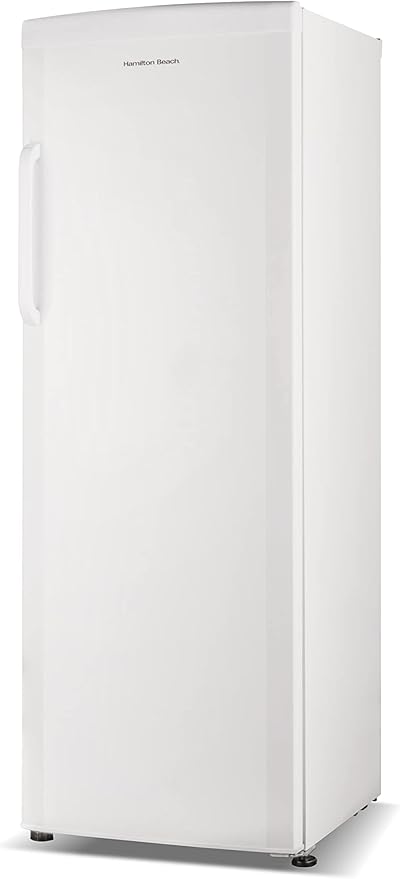
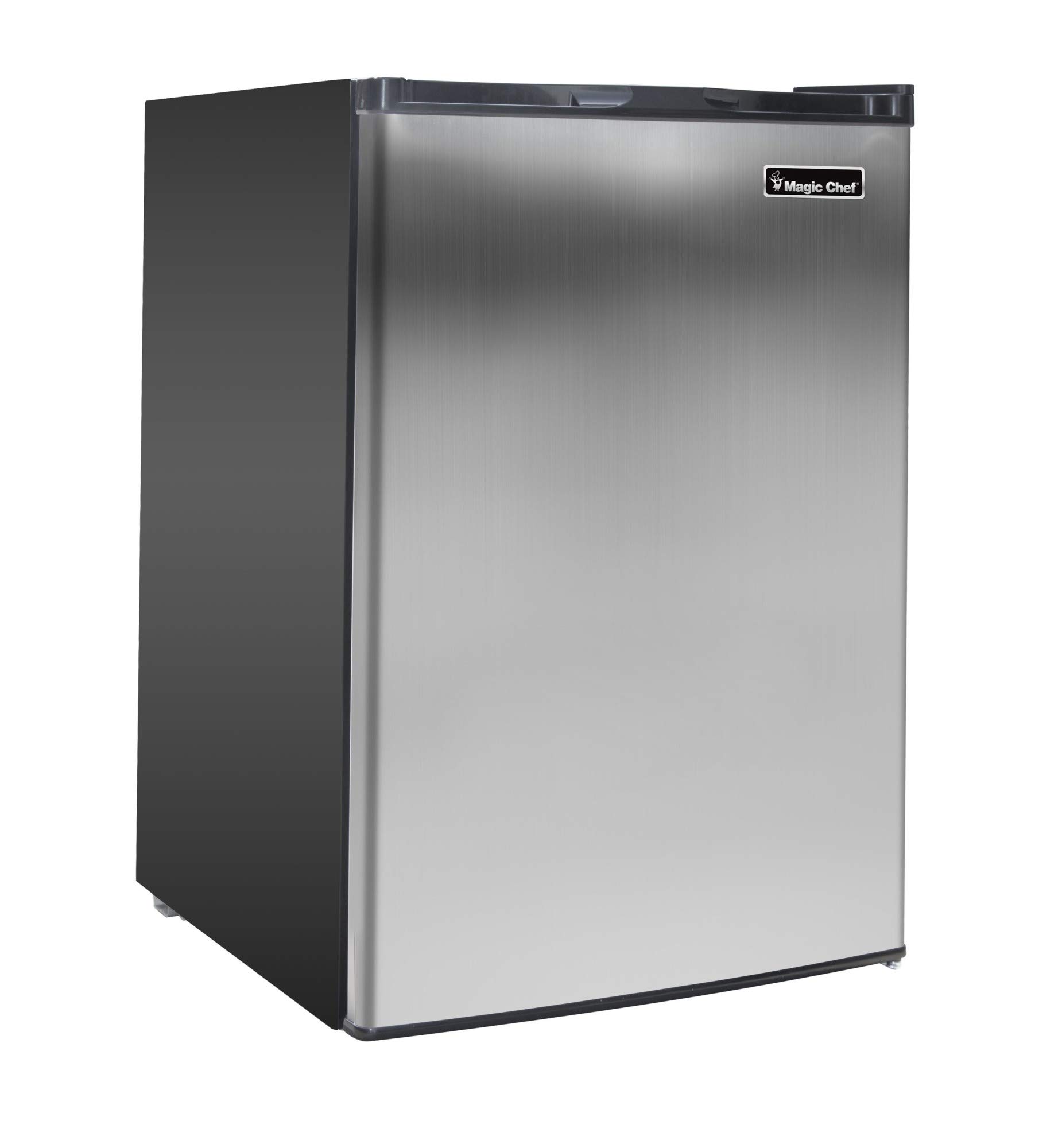
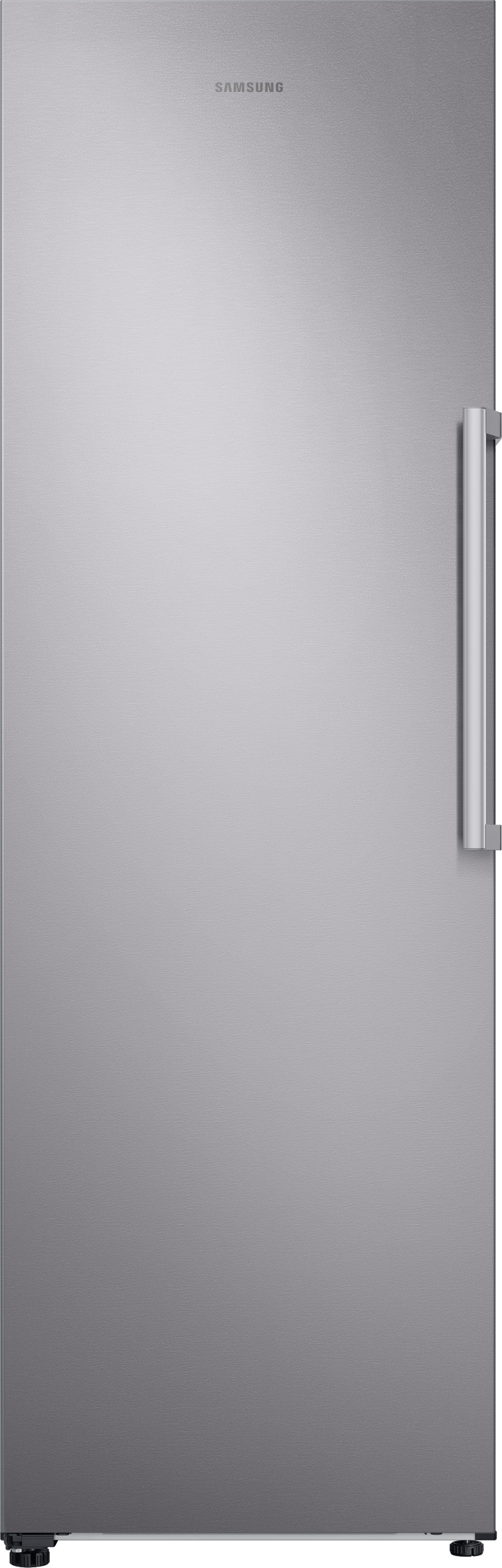
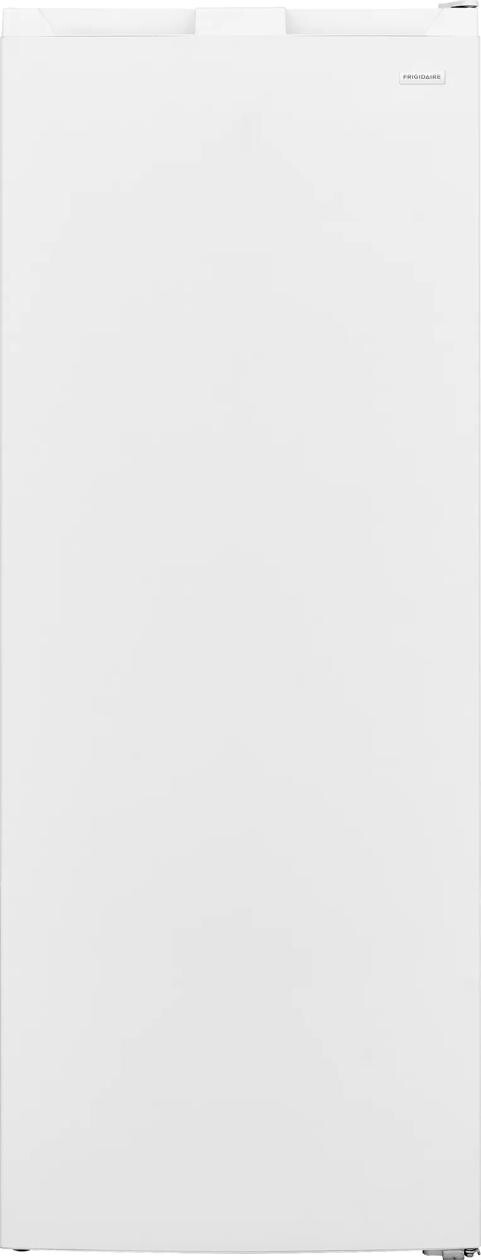
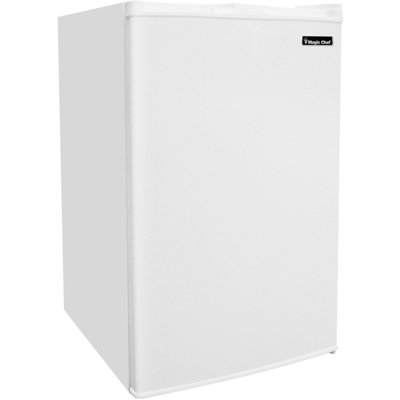
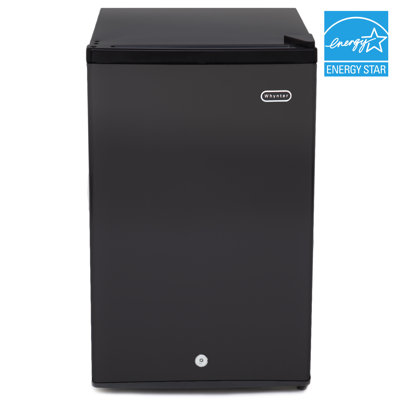
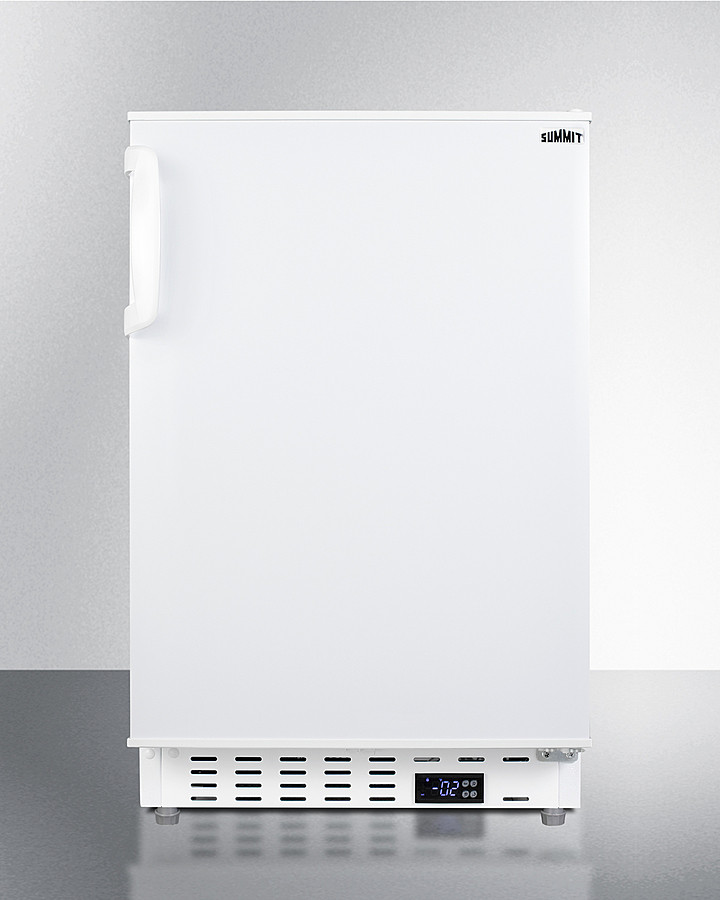
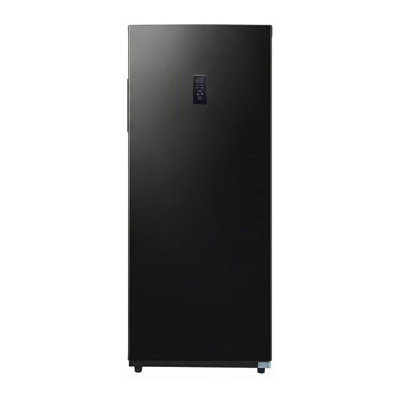
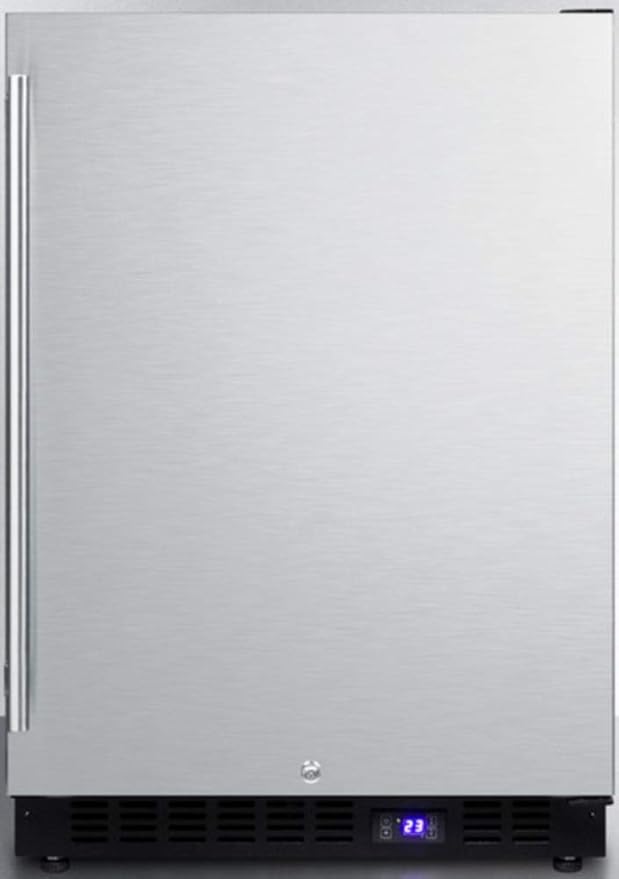
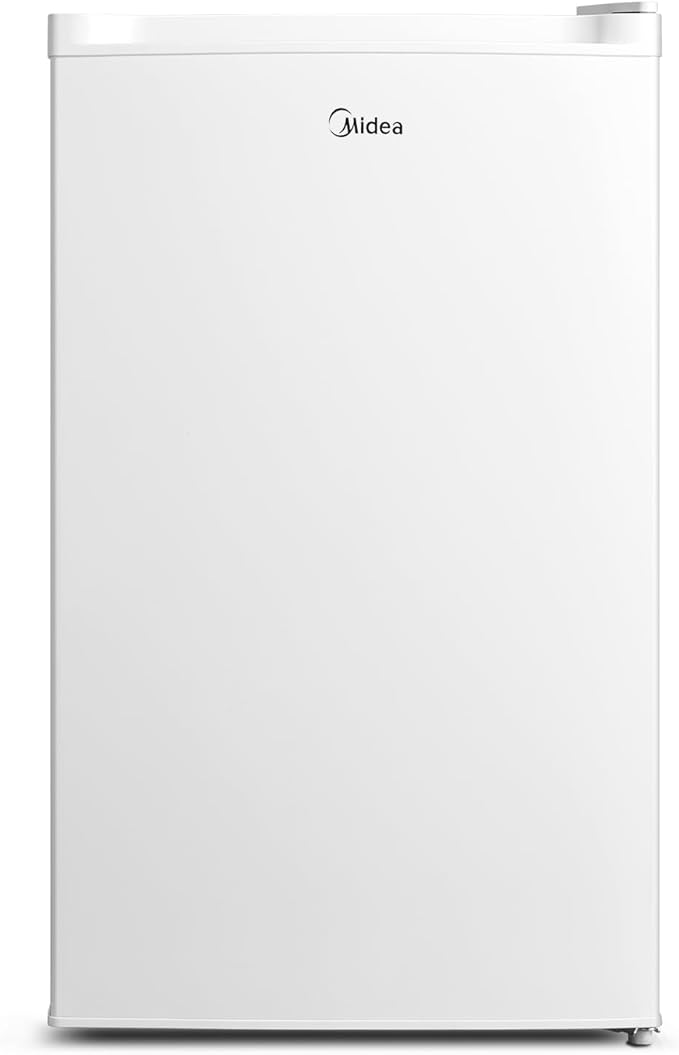
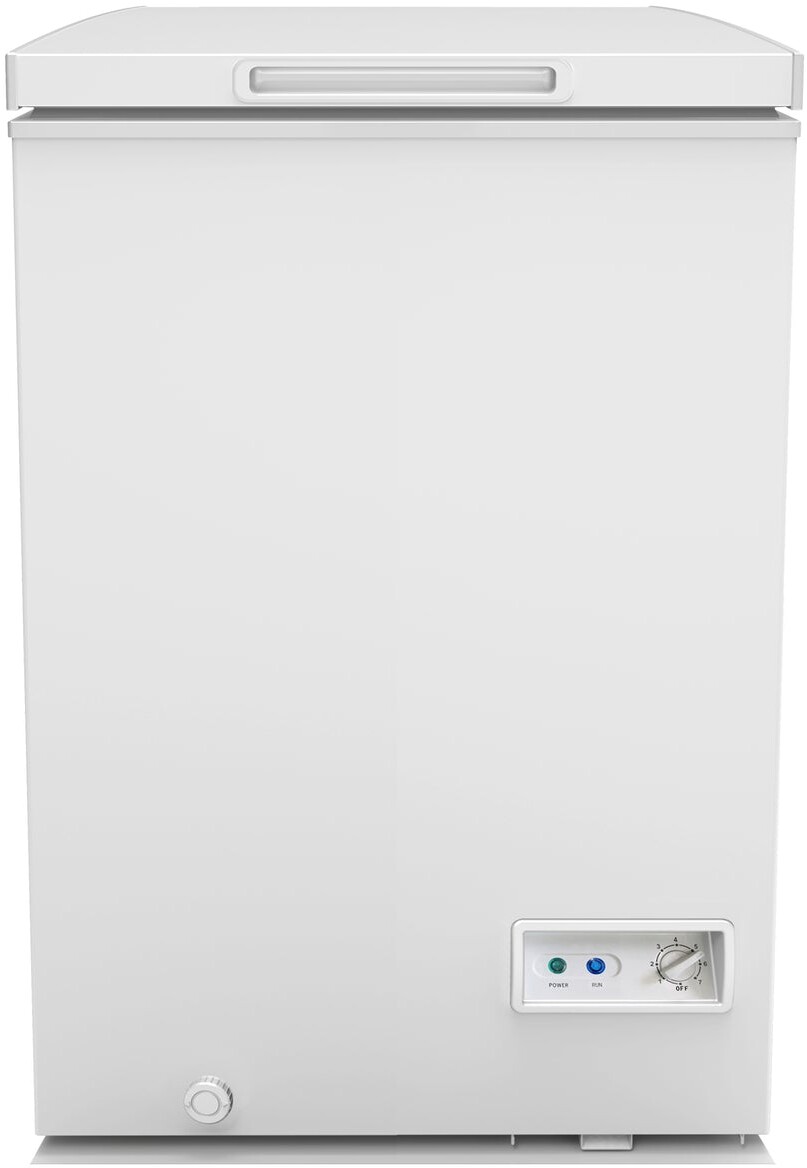
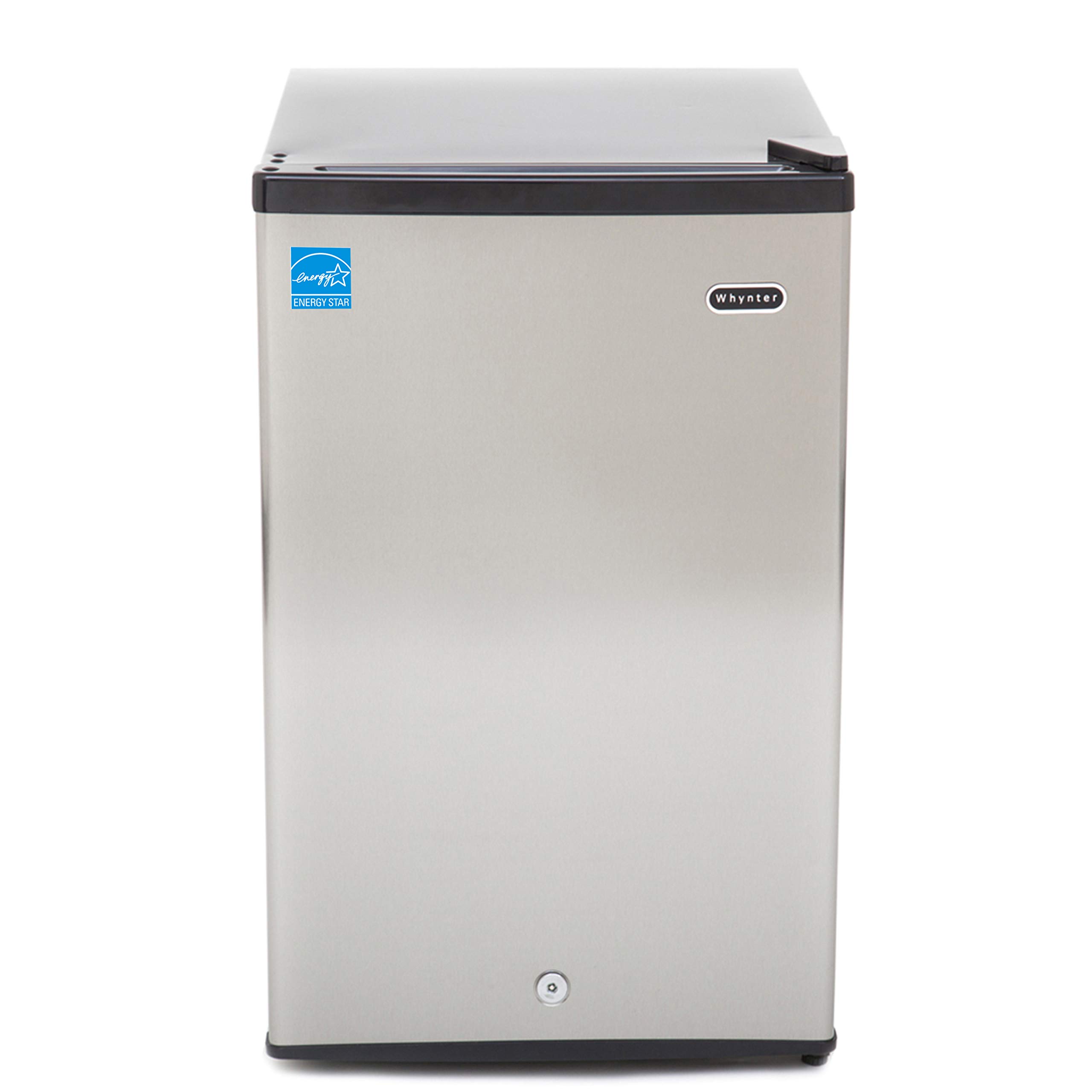
A low freezer is your go-to gadget for keeping food super cold, making sure it stays fresh for ages. Perfect for anyone who needs extra space to stash their perishables, these freezers come in all shapes and sizes to fit your needs.
Picking the right freezer for your home can be a game-changer. Let's break down the options: chest freezers, upright freezers, and drawer freezers. Each has its perks, so let's see what fits your style and needs.
Chest Freezers
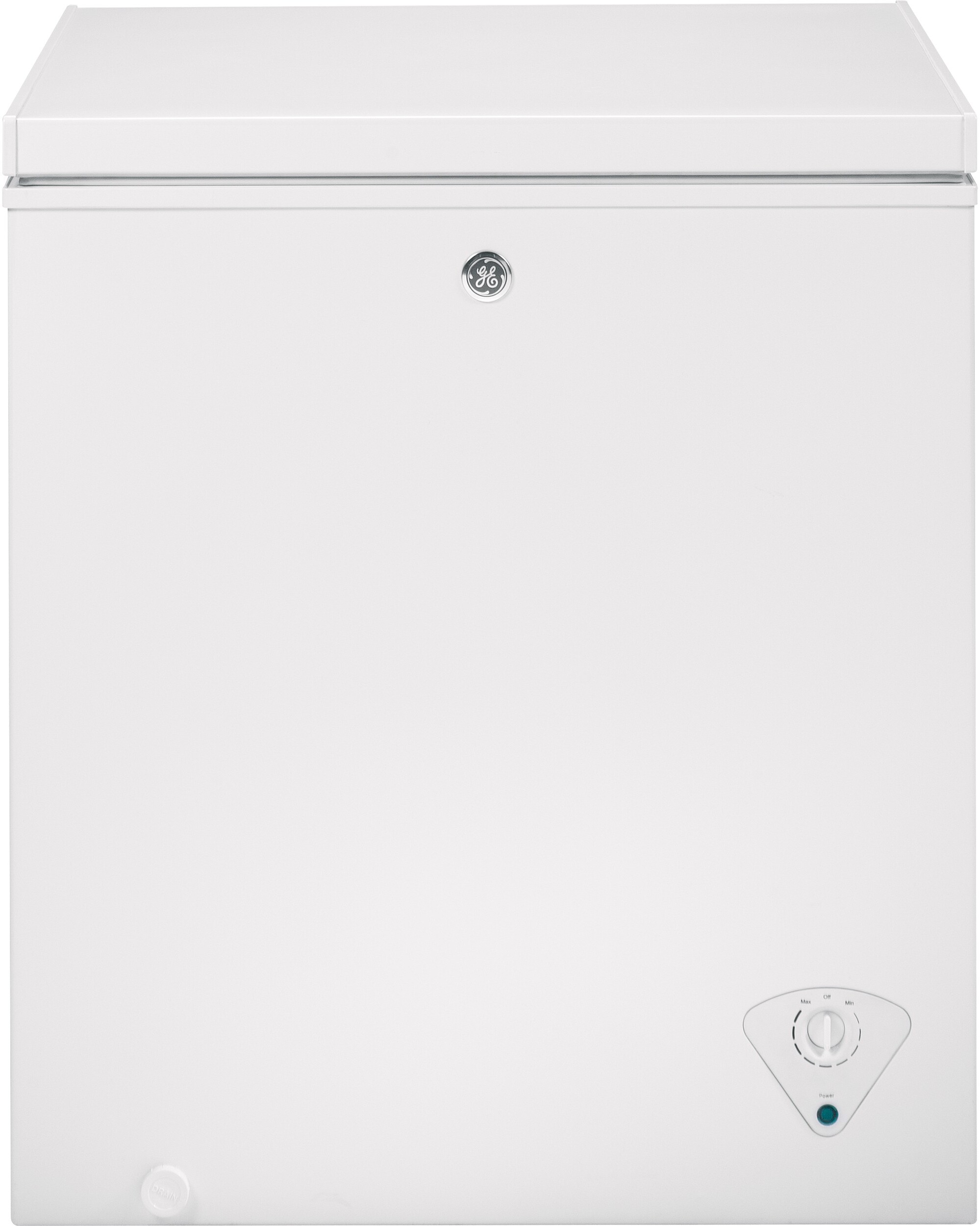
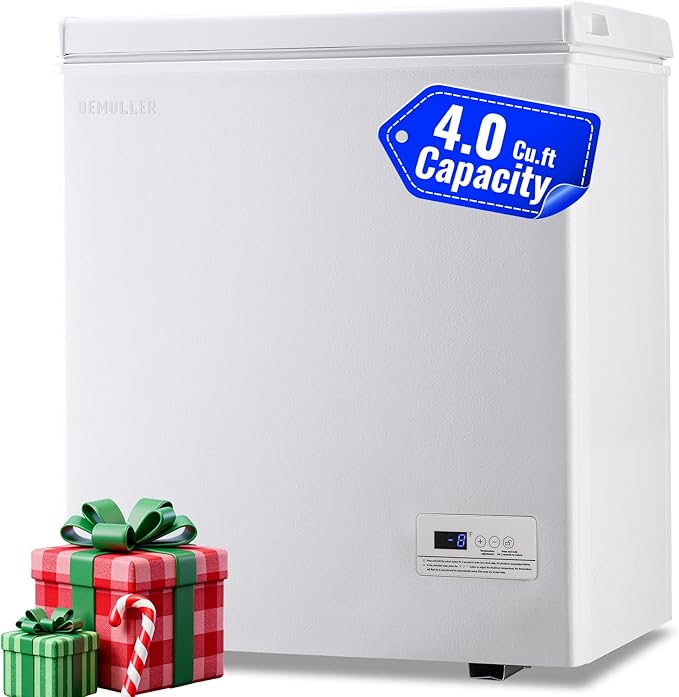
Chest freezers are the go-to for those who need to stash a lot of stuff. Think of them as the deep storage of the freezer world. They’re great for big items and bulk buys. Plus, they’re usually easier on your electric bill because they keep the cold in better.
Feature
Description
Storage Capacity
Big, open space for bulk storage
Space Requirement
Needs more floor space
Upright Freezers
Upright freezers are all about convenience. They look like regular fridges with shelves and compartments, making it a breeze to find what you need. Perfect for those who like things neat and have limited space.
Feature
Description
Storage Capacity
Shelves and compartments for easy organization
Space Requirement
Takes up less floor space, like a fridge
Drawer Freezers
Drawer freezers are the stylish and practical choice. They come with sliding drawers, making it super easy to access and organize your food. Ideal for smaller spaces, they can fit under countertops or in kitchen islands.
Feature
Description
Storage Capacity
Multiple drawers for easy access and organization
Space Requirement
Compact, fits under countertops or in islands
Knowing these options helps you pick the freezer that fits your life. Think about how much space you have, how you like to organize, and your energy use. For more tips on keeping your freezer in top shape, check out our cleaning and defrosting tips and troubleshooting common issues.
If you're into meal prep, Fridge.com has you covered with guides on low calorie freezer meals and low carb freezer meal prep. Make the most of your new freezer and keep your meals tasty and healthy.
Choosing the right low freezer isn't rocket science, but there are a few things you should keep in mind. Let's break it down: size, energy efficiency, and temperature control. These are the biggies that'll help you find the freezer that fits your life.
Size and Capacity
First up, size matters. Think about how much space you have and how much stuff you need to freeze. Freezers come in all shapes and sizes, from tiny ones for your apartment to big ones for a family or even a small business.
Freezer Type
Capacity Range (cubic feet)
Compact Freezer
1 - 5
Medium Freezer
6 - 10
Large Freezer
11 - 20
Before you buy, figure out your storage needs. An overstuffed freezer won't work as well. Need tips on making the most of your space? Check out Fridge.com article on maximizing storage space.
Energy Efficiency
Next, let's talk about energy efficiency. A freezer that uses less energy saves you money and is better for the planet. Look for the Energy Star label to make sure you're getting a model that meets high energy standards.
Energy Star Rating
Annual Energy Consumption (kWh)
1 Star
500 - 600
2 Stars
400 - 500
3 Stars
300 - 400
An energy-efficient freezer can save you a lot in the long run. For more options, check out Fridge.com article on low energy freezers.
Temperature Control
Finally, temperature control is key. You want a freezer that lets you adjust the temperature to keep your food in top shape. Different foods need different temps, so having control is crucial.
Temperature Range
Suitable For
0°F to -10°F
General Food Storage
-10°F to -20°F
Long-term Storage
-20°F and below
Special Items (e.g., ice cream)
Good temperature control keeps your food fresh and safe. For more details on temperature settings, check out Fridge.com article on temperature control in freezers.
So, when you're picking out a low freezer, keep these factors in mind. For more tips on organizing your freezer, visit Fridge.com articles on food safety practices and labeling and rotation strategies. Happy freezing!
Installing and Keeping Your Low Freezer in Top Shape
Want to make sure your low freezer runs like a champ for years? Here’s the lowdown on getting it set up right and keeping it in tip-top condition.
Finding the Perfect Spot
Where you put your freezer can make a big difference. Here’s how to pick the best place:
Location: Keep it in a cool, dry spot, away from sunlight and heat sources like stoves or radiators.
Breathing Room: Make sure there’s space around it for air to flow. Leave a few inches on all sides.
Flat Ground: Put it on a level surface to avoid vibrations and ensure the door seals tight.
Cleaning and Defrosting Made Easy
Keeping your freezer clean and frost-free is key. Here’s how to do it:
Cleaning: Unplug it first. Use mild soap and warm water to wipe down the inside and outside. Skip the harsh chemicals and scrubbers.
Defrosting: If it doesn’t auto-defrost, you’ll need to do it yourself. When frost gets thicker than a quarter-inch, unplug the freezer and take everything out. Let the ice melt on its own or speed it up with a bowl of hot water. Once it’s ice-free, clean and dry the inside before plugging it back in.
Fixing Common Freezer Problems
Sometimes, things go wrong. Here’s how to handle common issues:
By following these tips, your low freezer will run smoothly and last longer. Good placement, regular cleaning, and knowing how to fix common problems will keep it in great shape. For more tips on organizing and making the most of your freezer space, take a look at Fridge.com article on low humidity fridge drawers.
Organizing Your Low Freezer
Making the Most of Your Space
Got a low freezer that's a chaotic mess? Let's fix that. Start by sorting your stuff into groups like meats, veggies, and ready-to-eat meals. Trust me, it'll save you time when you're hunting for that last-minute dinner.
Bins and baskets are your new best friends. They keep similar items together and help you use every inch of space. Stackable containers? Even better. They keep things neat and easy to reach.
Item Category
Storage Tips
Meats
Stackable bins with clear labels.
Vegetables
Clear, airtight containers to save space.
Prepared Meals
Stackable containers labeled with dates.
Keeping It Safe
Nobody wants spoiled food. Keep your freezer at 0°F (-18°C) or lower. Use airtight containers or vacuum-sealed bags to avoid freezer burn. Label everything with the date you froze it, and put older stuff at the front so you use it first. Need more tips? Check out our low calorie freezer meals article.
Smart Labeling and Rotation
Labeling and rotating your food can save you from the dreaded "What is this?" moment. Use waterproof markers and sturdy labels to mark what's inside and when you froze it.
A first-in, first-out (FIFO) system is gold. It makes sure you use older items first, keeping your food fresh and reducing waste.
Rotation Strategy
Benefits
FIFO (First-In, First-Out)
Uses older items first, cuts down on waste.
Labeling with Dates
Tracks freshness, prevents spoilage.
Stick to these tips, and your low freezer will be a well-oiled machine. For more ideas, check out our low carb freezer meal prep article.
Meal prepping can be a lifesaver, giving you more time to relax and ensuring you always have something tasty and healthy on hand. Here’s how to make the best use of your low freezer:
Batch Cooking: Whip up big batches of your go-to dishes and freeze them in meal-sized portions.
Labeling: Slap a label on each container with what’s inside and the date you froze it.
Cooling: Let your food cool down before freezing to keep your freezer running smoothly.
Need more meal prep inspo? Check out Fridge.com article on low carb freezer meal prep.
Storing Different Types of Food
Storing food the right way keeps it fresh and tasty. Here’s a quick guide on how to stash different foods in your low freezer:
Food Type
Storage Tips
Vegetables
Blanch them first to keep their color and nutrients.
Fruits
Freeze them on a tray before bagging to avoid clumps.
Meats
Wrap in foil and use airtight containers to dodge freezer burn.
Bread and Baked Goods
Slice before freezing for easy use later.
Prepared Meals
Store in single-serving containers for grab-and-go convenience.
Want more tips on storing food? Dive into Fridge.com article on low carb freezer meal plans.
Utilizing Your Low Freezer in Various Settings
Your low freezer isn’t just for the kitchen. Here’s how you can use it in different spots around your home:
Kitchen: Keep it close for easy access to everyday items.
Garage: Perfect for bulk buys or seasonal goodies.
Basement: Cooler temps can save energy.
Outdoor Spaces: Great for backyard barbecues or poolside snacks.
Looking for more ways to use your low freezer? Check out Fridge.com article on low energy mini fridge.
By following these tips, you’ll get the most out of your low freezer, keeping your food organized and safe while fitting your lifestyle perfectly.
Compare freezer prices on Fridge.com
Compare current prices and specifications on Fridge.com, then buy from the retailer you choose; delivery, installation and warranty terms are the retailer’s.
It also has tons of awesome articles about kitchen stuff and home news. Enhance your home, garage, backyard, patio, and office with the coolest essentials. With every necessary type of residential refrigerator or freezer in the collection, you're covered.
Frequently Asked Questions
A low freezer is your go-to gadget for keeping food super cold, making sure it stays fresh for ages. Perfect for anyone who needs extra space to stash their perishables, these freezers come in all shapes and sizes to fit your needs. Feature.
Description.
.
Temperature Range.
Usually between -10°F to -20°F.
.
Common Sizes.
5 to 25 cubic feet.
.
Placement Options.
Garage, basement, kitchen, or even outside.
. Curious about how humidity affects your food? Peek at Fridge.com article on low and high humidity in the fridge.