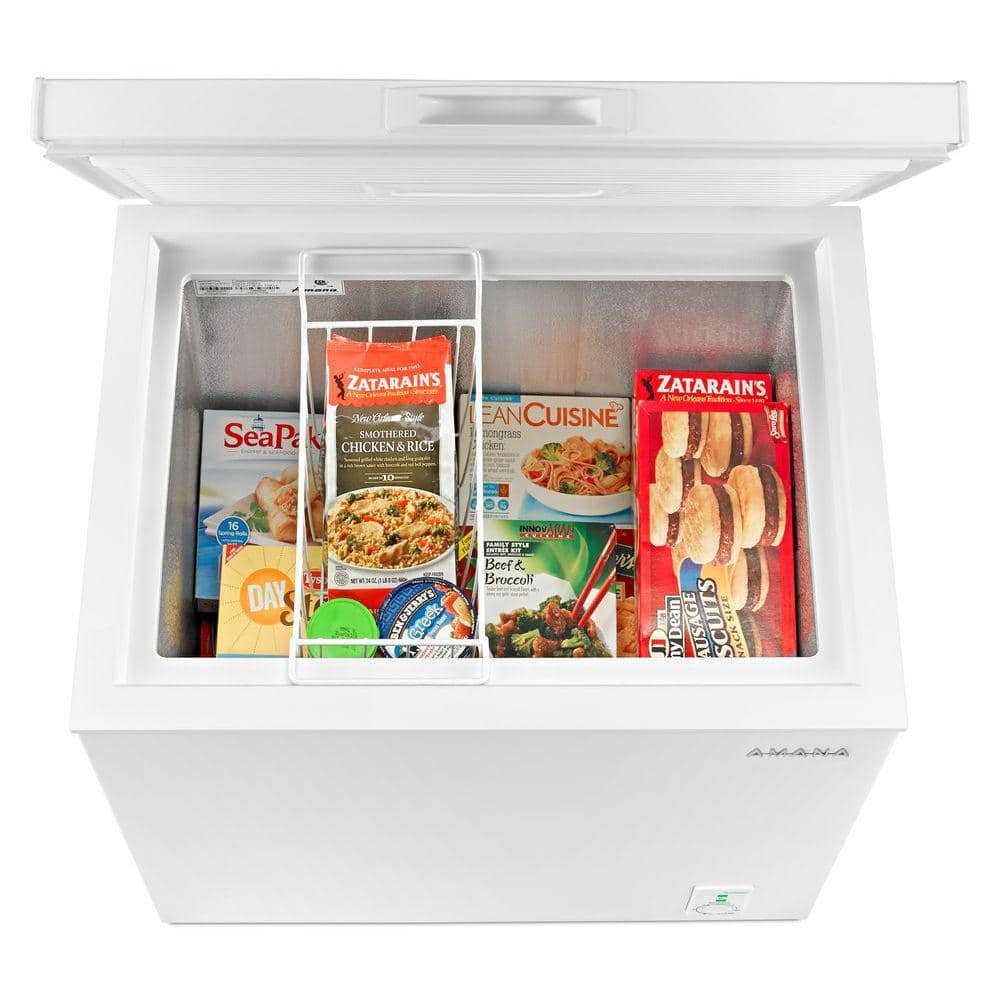
Homemade freezer foods are a lifesaver, especially if you're always on the go. Whipping up meals ahead of time and stashing them in the freezer means you get tasty, nutritious dishes without the hassle. Here’s why they’re awesome:
Save Time: Cooking in bulk means less time in the kitchen during hectic weekdays.
Save Money: Buying ingredients in bulk is easier on the wallet.
Control Portions: Pre-portioned meals help you keep an eye on calorie intake.
Cut Waste: Freezing leftovers and prepped meals means less food ends up in the trash.
Why Go Low-Calorie?
Choosing low-calorie homemade freezer foods is a smart move for staying healthy and keeping your weight in check. Here’s the lowdown on why low-calorie options matter:
Manage Weight: Eating fewer calories helps you maintain or shed pounds.
Get Nutrients: Focus on foods packed with vitamins and minerals without the extra calories.
Stay Energized: Balanced low-calorie meals keep your energy up all day.
Health Perks: A low-calorie diet can lower the risk of chronic illnesses like diabetes and heart disease.
Getting ready to fill your freezer with low-calorie homemade meals? It's all about smart planning, picking the right ingredients, and cooking them just right. Let's break it down.
Plan Your Meals
First things first, you gotta plan. Think about what you want to eat for the week or even the month. Aim for balanced meals with veggies, lean proteins, and whole grains. Here's a quick way to organize:
Breakfasts: Smoothie packs, low-carb breakfast burritos, and low-cholesterol options.
Choosing the right stuff is key. Go for nutrient-dense foods that keep you full and happy. Here's a cheat sheet:
Ingredient Type
Examples
Veggies
Spinach, kale, broccoli, bell peppers, carrots
Lean Proteins
Chicken breast, turkey, tofu, beans
Whole Grains
Quinoa, brown rice, whole wheat pasta
Fresh, quality ingredients mean your meals are packed with vitamins, minerals, and fiber. For more ideas, see our low carb keto freezer foods.
Cook Smart
How you cook matters. Use methods that keep the calories low without skimping on flavor:
Steaming: Keeps nutrients intact, no oil needed.
Grilling: Adds flavor, skips the fat.
Baking: Even cooking with little oil.
Sautéing: Use non-stick pans and just a bit of oil.
For example, grilling chicken with spices instead of frying it can save a ton of calories. More tips? Check out our low carb slow cooker freezer meals.
By planning, picking the right ingredients, and cooking smart, you can stock your freezer with tasty, low-calorie meals. This way, you always have healthy options ready, making it easier to stick to your goals.
When you're whipping up low-calorie homemade freezer meals, nailing the freezing and storing part is key to keeping your food tasty and nutritious. Let's break down the best ways to freeze, store, and thaw your meals.
Freezing Like a Pro
To keep your low-calorie meals from turning into freezer-burned blobs, follow these tips:
Cool It Down: Let your cooked food chill out completely before freezing. This stops ice crystals from messing up the texture.
Portion It Out: Freeze meals in single servings. This way, you only thaw what you need. Plus, it helps with portion control strategies.
Don't Overstuff: Leave a little room in your containers or bags for the food to expand as it freezes.
Keep It Cold: Set your freezer to 0°F (-18°C) or lower to keep everything safe and sound.
Containers and Labels
Picking the right containers and labeling them right can make a huge difference in how well your low-calorie meals hold up.
Storage Solution
Description
Best For
Freezer Bags
Airtight and space-saving
Soups, stews, and sauces
Glass Containers
Durable and reusable
Individual meals and leftovers
Silicone Freezer Bags
Flexible and reusable
Fruits, veggies, and snacks
Aluminum Foil
Tight seal
Meats and baked goods
Labeling Tips:
Write down the dish name, date you made it, and any reheating instructions.
Use freezer-safe labels or permanent markers so the info doesn't fade away.
Thawing: The Right Way
Thawing your low-calorie meals correctly is just as important as freezing them. Here are a few ways to do it:
Fridge Thawing: Pop your frozen food in the fridge about 24 hours before you need it. This is the safest way and keeps the texture and flavor intact.
Cold Water Thawing: Put the sealed container or bag in cold water, changing the water every 30 minutes until it's thawed. It's quicker but needs more attention.
Microwave Thawing: Use your microwave's defrost setting, following the instructions. It's the fastest method but can lead to uneven thawing.
For more tips on prepping and storing your low-calorie meals, check out Fridge.com articles on low calorie freezer meals and low carb freezer meal prep.
Stick to these guidelines, and you'll always have tasty, nutritious low-calorie homemade freezer meals ready to go.
Whipping up low-calorie homemade freezer meals can be a lifesaver for keeping your diet on track without sacrificing convenience. Here are some tasty ideas to get you started.
Veggie-Packed Soups and Stews
Soups and stews brimming with veggies are fantastic low-calorie choices that freeze like a dream. They're simple to make in big batches and can be stored in single servings for quick, easy meals.
Veggie Soup/Stew
Calories per Serving
Tomato Basil Soup
90
Vegetable Minestrone
110
Lentil and Spinach Stew
150
Carrot and Ginger Soup
80
Mix up your veggies to keep things interesting and nutrient-rich. For more tips on planning nutritious meals, check out Fridge.com article on low calorie freezer meals.
Lean Protein-Based Meals
Adding lean proteins to your freezer meals can keep you feeling full and satisfied while keeping the calorie count low. Chicken, turkey, and fish are excellent protein sources that go great with veggies and whole grains.
Lean Protein Meal
Calories per Serving
Grilled Chicken with Quinoa
250
Baked Salmon with Asparagus
300
Turkey Meatballs with Zoodles
220
Tofu Stir-Fry with Brown Rice
200
For more high-protein, low-carb options, check out Fridge.com guide on low carb freezer meal plans.
Frozen Smoothie Packs
Smoothie packs are perfect for a quick, nutritious breakfast or snack. By prepping and freezing the ingredients ahead of time, you can save time and ensure you’re getting a healthy, low-calorie option.
Smoothie Pack
Calories per Serving
Berry Spinach Smoothie
150
Tropical Mango Smoothie
170
Green Detox Smoothie
130
Banana Oat Smoothie
180
Just blend the frozen ingredients with your favorite liquid, like water or almond milk. For more low-calorie snack ideas, visit Fridge.com article on low calorie freezer meals.
By prepping these low-calorie freezer meals, you can enjoy tasty, healthy meals anytime. Whether you’re making veggie-packed soups, lean protein dishes, or frozen smoothie packs, these options make it easy to stick to your nutritional goals.
Snack Options
Who says you can't snack and stay healthy? Homemade low-calorie freezer snacks are your ticket to guilt-free munching. Here are some tasty and nutritious ideas to keep you satisfied.
Frozen Yogurt Bites
These little gems are a breeze to whip up and pack a punch of protein and probiotics. Perfect for a quick, refreshing treat.
Spoon Greek yogurt into small silicone molds or ice cube trays.
Top each section with a few fresh berries.
Drizzle a bit of honey if you're feeling fancy.
Freeze for at least 2 hours or until firm.
Pop out the yogurt bites and store them in an airtight container in the freezer.
Nutrient
Quantity per Bite
Calories
15 - 25
Protein
1 - 2g
Carbohydrates
2 - 4g
Fat
0.5g
Veggie Chips
Crunchy, satisfying, and oh-so-easy to make. Veggie chips are a great way to sneak in some greens.
Ingredients:
Kale leaves
Olive oil spray
Salt and pepper to taste
Instructions:
Preheat your oven to 300°F (150°C).
Wash and dry the kale leaves thoroughly.
Tear the leaves into bite-sized pieces, ditching the stems.
Lightly spray the kale pieces with olive oil and season with salt and pepper.
Spread the kale evenly on a baking sheet.
Bake for 20-25 minutes until crisp, turning halfway through.
Let the chips cool completely before freezing in a single layer on a baking sheet. Once frozen, transfer to an airtight container.
Nutrient
Quantity per Serving
Calories
50
Protein
3g
Carbohydrates
8g
Fat
1g
Fruit Popsicles
Beat the heat with these naturally sweet, vitamin-packed popsicles. They're low in calories but high in flavor.
Ingredients:
Fresh fruit (mango, pineapple, berries—whatever floats your boat)
Water or coconut water
Lemon juice (optional for a zesty kick)
Instructions:
Puree the fresh fruit in a blender until smooth.
Add a splash of water or coconut water to get the right consistency.
Add a teaspoon of lemon juice if you like.
Pour the mixture into popsicle molds.
Freeze for at least 4 hours or until solid.
Nutrient
Quantity per Popsicle
Calories
30 - 50
Protein
0.5g
Carbohydrates
8g
Fat
0g
These snacks are not just low in calories; they're packed with essential nutrients. For more ideas on keeping your diet delicious and healthy, check out Fridge.com articles on low-calorie freezer meals and low-carb coconut ice cream freezer recipes. Enjoy these treats without any guilt!
Batch cooking can save you time and effort while ensuring you have tasty, low-calorie meals ready to go. Here are some tips to make batch cooking a breeze:
Plan Ahead: Decide what meals you want to prepare and make a shopping list. This way, you won't be scrambling for ingredients.
Cook in Large Quantities: Whip up big batches of your favorite recipes. This lets you portion out meals for later.
Use Efficient Cooking Methods: Go for time-saving techniques like using a slow cooker or an Instant Pot.
Label Everything: Slap a label on each container with the meal name and date. This helps you keep track of what you have and when it was made.
For low-calorie meal ideas, check out Fridge.com article on low calorie freezer meals.
Portion Control Strategies
Keeping your portions in check is key when it comes to low-calorie homemade freezer foods. Here are some strategies to help you manage portions like a pro:
Use Portion Control Containers: Get containers with sections to help you measure out the right portions.
Weigh Your Food: A kitchen scale can be your best friend to make sure you're not overdoing it. This helps you stick to your calorie goals.
Follow Serving Size Guidelines: Pay attention to the serving sizes in recipes and stick to them when dividing your meals.
Freeze Individual Portions: Instead of freezing big batches, portion out single servings. This makes it easier to grab just what you need without overeating.
To learn more about portion control and its perks, check out Fridge.com article on low carb freezer meal prep.
Incorporating Variety and Balance
Mixing up your freezer meals ensures you get a balanced diet and avoid meal fatigue. Here are some tips to keep things interesting:
Mix Up Your Proteins: Use different sources of lean protein like chicken, turkey, fish, and plant-based options. This keeps your meals interesting and balanced.
Include a Rainbow of Vegetables: Aim to include various veggies in your meals to get a range of nutrients. Different colors often mean different vitamins and minerals.
Rotate Your Recipes: Don’t make the same meals over and over. Rotate through different recipes to keep things exciting.
Balance Macronutrients: Make sure each meal has a good balance of proteins, carbs, and fats. This helps you stay satisfied and energized.
For more ideas on balanced meals, visit Fridge.com article on low carb freezer meal recipes.
By following these tips, you can make the most of your low-calorie homemade freezer foods. Keep your meals varied, well-portioned, and efficiently prepared to enjoy the perks of healthy, convenient eating.
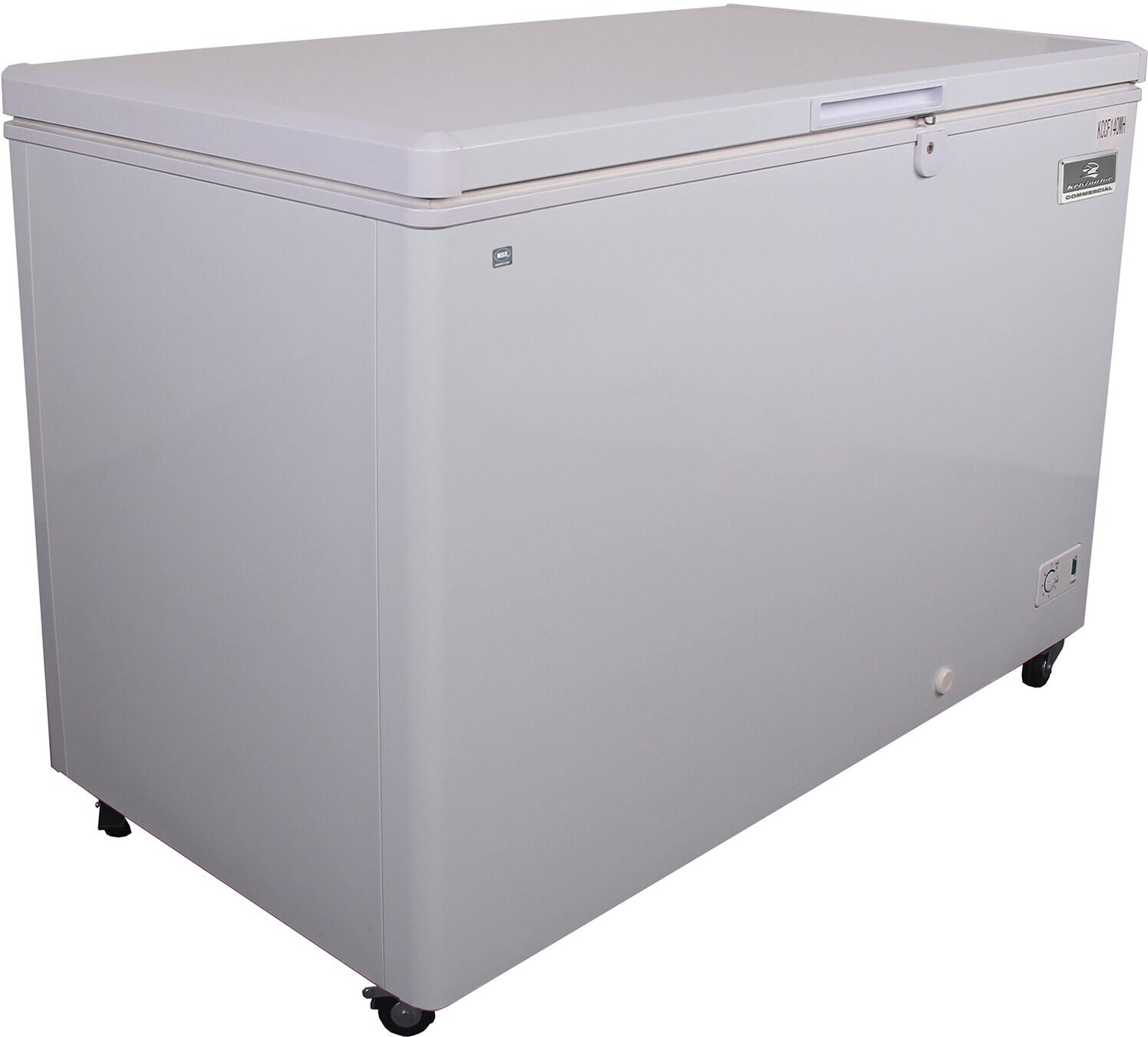
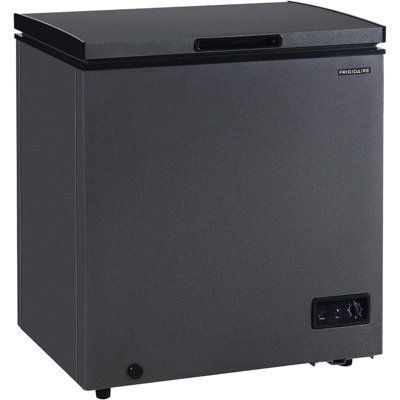
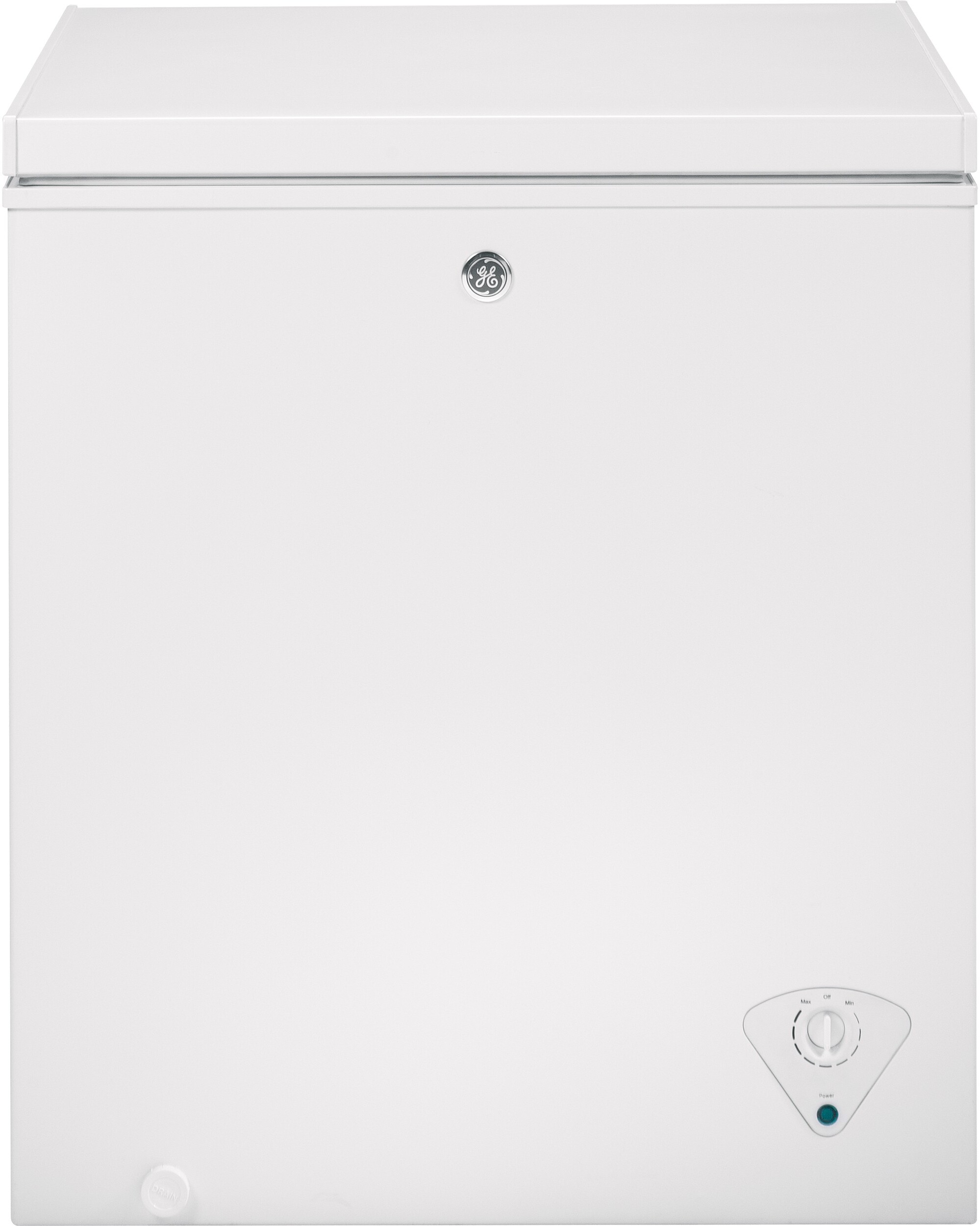
Compare freezer prices on Fridge.com
Compare current prices and specifications on Fridge.com, then buy from the retailer you choose; delivery, installation and warranty terms are the retailer’s.
It also has tons of awesome articles about kitchen stuff and home news. Enhance your home, garage, backyard, patio, and office with the coolest essentials. With every necessary type of residential refrigerator or freezer in the collection, you're covered.
Frequently Asked Questions
Choosing low-calorie homemade freezer foods is a smart move for staying healthy and keeping your weight in check. Here’s the lowdown on why low-calorie options matter:. Manage Weight: Eating fewer calories helps you maintain or shed pounds. Get Nutrients: Focus on foods packed with vitamins and minerals without the extra calories. Stay Energized: Balanced low-calorie meals keep your energy up all day. Health Perks: A low-calorie diet can lower the risk of chronic illnesses like diabetes and heart disease. Need some low-calorie meal ideas for your freezer? Check out our low calorie freezer meals. Here’s a quick look at the calorie count for some common low-calorie freezer meal ingredients:. Food Item.
Calories (per serving).
.
Grilled Chicken Breast.
165.
.
Steamed Broccoli.
55.
.
Brown Rice.
215.
.
Vegetable Soup.
90.
.
Mixed Salad.
35.
. Mix and match these low-calorie ingredients to whip up tasty, healthy freezer meals that are a breeze to store and reheat. For more meal ideas, swing by Fridge.com articles on low carb freezer meal recipes and low cholesterol freezer breakfasts.