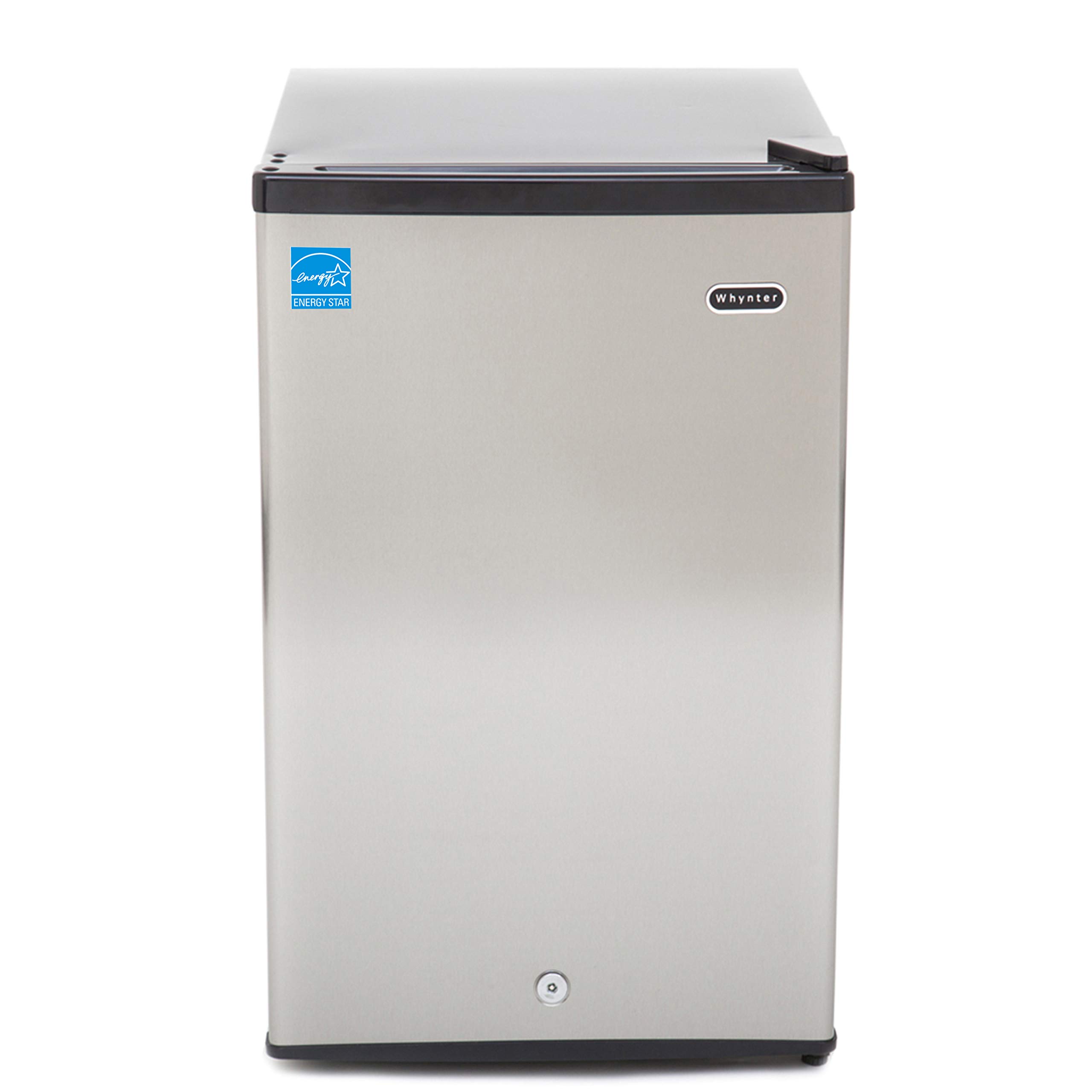
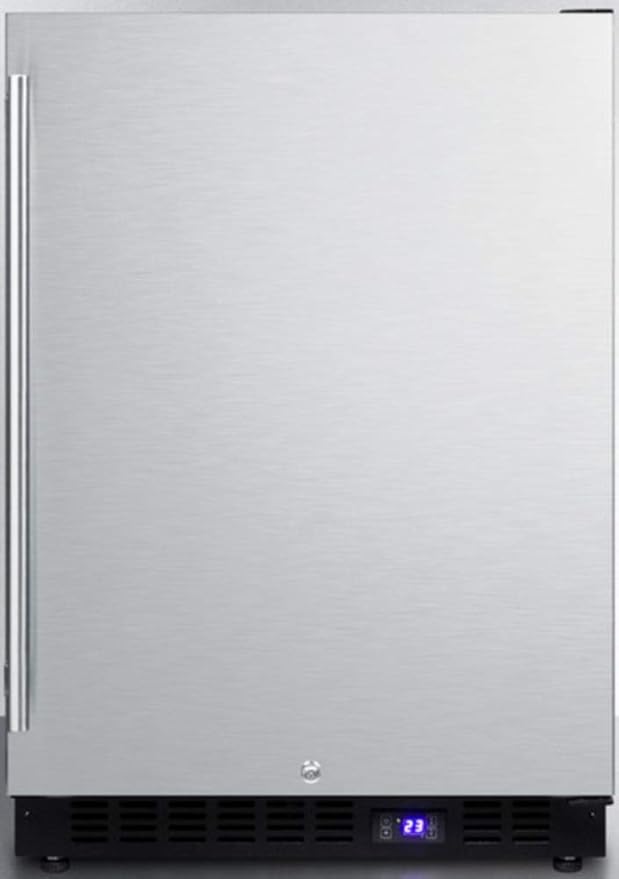
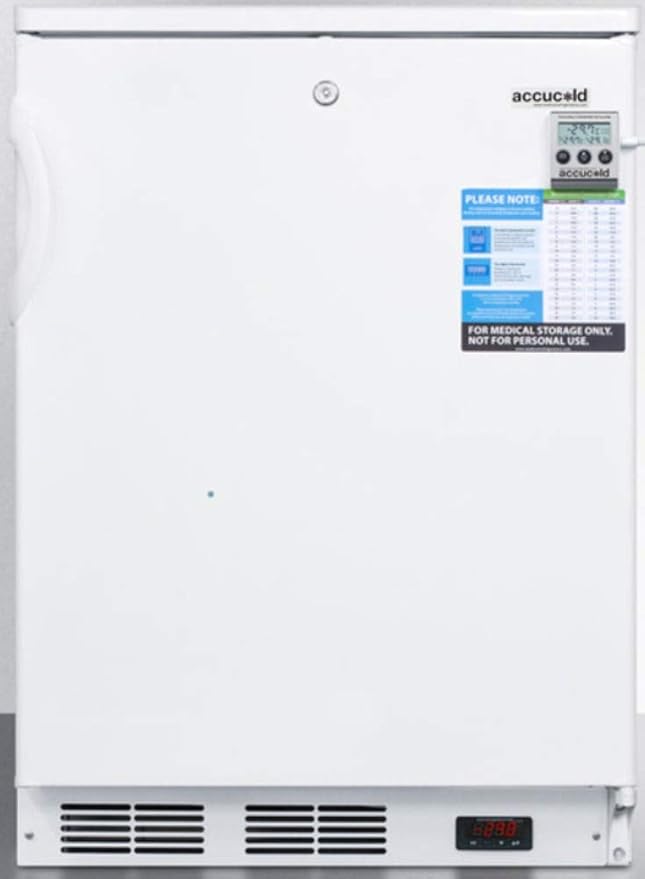
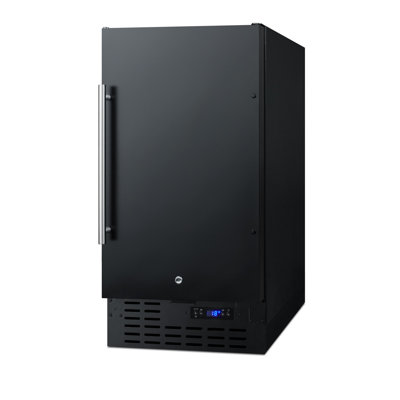
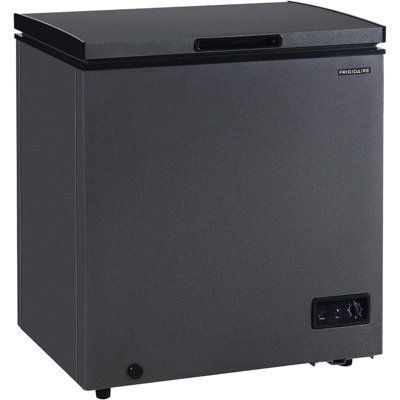
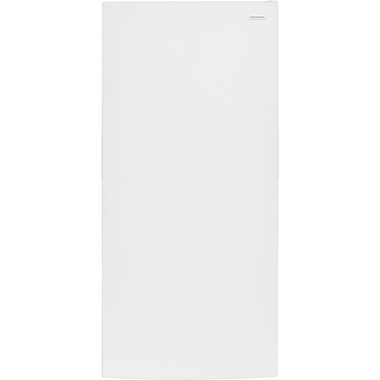
Defrosting your deep freezer is crucial for maintaining its efficiency and longevity. Let's explore why defrosting is necessary and identify the signs that indicate your freezer needs attention.
Why Defrosting Your Deep Freezer is Necessary
Defrosting your deep freezer plays a vital role in its overall performance. Here are some reasons why it is essential:
Energy Efficiency: Ice buildup can cause your freezer to work harder, consuming more energy and increasing your electricity bill.
Optimal Storage Space: Excessive ice reduces the available storage space, making it challenging to organize and store food items.
Improved Functionality: A thick layer of ice can hinder the proper sealing of the freezer door, leading to temperature fluctuations and potential food spoilage.
Longevity: Regular defrosting prevents strain on the freezer's components, extending its lifespan.
Signs Your Deep Freezer Needs Defrosting
Recognizing when your deep freezer needs defrosting can help you take timely action. Here are some indicators to watch for:
Sign
Description
Thick Ice Layers
If you notice thick ice formation on the walls and shelves, it's time to defrost.
Reduced Storage Space
Difficulty in fitting new items due to ice buildup.
Increased Energy Consumption
A sudden spike in your electricity bill may indicate the freezer is working harder to maintain the temperature.
Difficulty Closing the Door
If the freezer door doesn't close properly, ice might be obstructing the seal.
Unusual Noise
A louder than usual noise from the freezer may signal it is struggling with ice buildup.
Understanding the importance of defrosting and identifying the signs will help you maintain your freezer's efficiency. For more detailed steps on how to defrost your freezer quickly, visit Fridge.com guide on how to defrost your deep freezer quickly.
Successfully defrosting your upright deep freezer requires proper preparation. This will not only make the process smoother but also ensure your safety and the longevity of your appliance.
Gathering the Necessary Supplies
Before you start, it's important to gather all the supplies you'll need for defrosting your deep freezer upright. Having everything on hand will make the process more efficient.
Supplies
Purpose
Towels
To soak up melting ice and water
Buckets or pans
To collect water from the melted ice
Plastic scraper
To safely remove ice buildup
Cleaning solution
To clean the interior after defrosting
Sponges or cloths
For wiping down surfaces
Cooler or insulated bags
To temporarily store frozen items
Make sure you have access to a power outlet to plug in your freezer once the defrosting process is complete. For more tips on handling freezer-related tasks, check out Fridge.com article on how to defrost your deep freezer quickly.
Safety Precautions to Take
Defrosting your deep freezer upright involves handling both electrical components and water, so it's crucial to take proper safety precautions to avoid accidents.
Unplug the Freezer: Always unplug your freezer before starting the defrosting process. This prevents electrical hazards and ensures your safety.
Wear Protective Gear: Wear gloves to protect your hands from the cold and any sharp ice. Non-slip shoes can help prevent falls on wet floors.
Avoid Sharp Objects: Never use sharp objects like knives to remove ice buildup. This can damage the freezer and pose a risk of injury. Use a plastic scraper instead.
Ventilation: Ensure the area is well-ventilated. If your freezer is in a confined space, open windows or use fans to improve air circulation.
Keep Electrical Components Dry: Make sure the electrical components of the freezer remain dry throughout the process. Use towels and buckets to contain and manage water from the melted ice.
Following these precautions can help you safely and effectively defrost your deep freezer upright. For more safety tips and advice, you can visit Fridge.com article on how to defrost a fridge before moving.
By preparing adequately and following safety measures, you can ensure a smooth defrosting process for your deep freezer. For more information on deep freezers, including comparisons and maintenance, check out Fridge.com articles on deep freezer size comparison and deep freezer life expectancy.
Step-by-Step Guide to Defrosting
Defrosting your deep freezer upright is essential for maintaining its efficiency and longevity. Follow this step-by-step guide to ensure a thorough and safe defrosting process.
Emptying the Freezer
Begin by removing all items from your deep freezer. It's crucial to store your food properly to prevent spoilage. Use coolers or insulated bags to keep your items cold during the defrosting process.
Action
Details
Remove Food
Store in coolers or insulated bags
Check Items
Discard any spoiled or expired items
Organize
Group similar items together for easy restocking
Turning Off the Freezer and Letting Ice Melt
Once the freezer is empty, turn off the power. This will prevent any electrical issues and allow the ice to begin melting naturally. Leave the freezer door open to facilitate the melting process. Place towels or a shallow pan at the base to catch the melting water.
Step
Action
Power Off
Unplug the freezer or turn off the circuit breaker
Open Door
Leave the door open to speed up melting
Catch Water
Place towels or a pan at the base to collect water
For those looking to speed up the defrosting process, you may refer to Fridge.com article on how to defrost your deep freezer quickly.
Cleaning the Freezer
After the ice has completely melted, it's time to clean the interior of your freezer. Use a mixture of mild soap and warm water to wipe down the surfaces. Be sure to dry the freezer thoroughly before turning it back on.
Cleaning Task
Details
Wipe Down
Use mild soap and warm water
Scrub
Remove any remaining residue or stains
Dry
Ensure all surfaces are completely dry
Once the cleaning is complete, you can plug the freezer back in and allow it to reach the desired temperature before restocking your food.
By following these steps, you can effectively defrost your deep freezer upright and maintain its optimal performance. For additional tips on maintaining your freezer, visit Fridge.com article on deep freezer maintenance tips
Dealing with stubborn ice buildup in your deep freezer can be challenging. The following sections provide techniques for speeding up the defrosting process and safely removing ice buildup.
Techniques for Speeding Up Defrosting
Speeding up the defrosting process can save you time and effort. Here are some effective techniques:
Use a Fan: Position a fan near the open freezer door to circulate warm air inside, helping to melt the ice faster.
Hot Water Bowls: Place bowls of hot water inside the freezer. The steam will help to loosen the ice. Replace the water as it cools.
Hairdryer: Use a hairdryer on a low heat setting to direct warm air towards the ice. Keep the dryer at a safe distance to avoid damaging the freezer's interior.
Defrosting Spray: Apply a defrosting spray to the ice buildup. These sprays are designed to speed up the melting process.
Technique
Time Saved
Fan
30 mins - 1 hour
Hot Water Bowls
1 - 2 hours
Hairdryer
30 mins - 1 hour
Defrosting Spray
20 - 40 mins
For more tips on quickly defrosting your freezer, visit Fridge.com article on how to defrost your deep freezer quickly.
How to Safely Remove Ice Buildup
Removing ice buildup safely ensures that you don't damage your freezer or hurt yourself. Here are some safe methods:
Plastic Scraper: Use a plastic scraper to gently chip away at the ice. Avoid metal tools as they can scratch or puncture the freezer walls.
Warm Cloth: Soak a cloth in warm water and hold it against the ice buildup. The warmth will help to melt the ice, making it easier to remove.
Silicone Spatula: A silicone spatula can be used to slide under the ice and lift it off in chunks without causing damage.
By using these techniques and methods, you can effectively deal with stubborn ice buildup in your deep freezer. Proper maintenance will extend the life of your appliance and ensure efficient operation. For more information on maintaining your deep freezer, explore Fridge.com article on deep freezer life expectancy.
Proper maintenance of your deep freezer ensures its efficiency and longevity. Here are some tips to help you prevent excessive ice buildup and determine how often you should defrost your freezer.
Tips for Preventing Excessive Ice Buildup
Regularly Check the Door Seal: Ensure the door seal is intact and free of cracks. A faulty seal allows warm air to enter, leading to ice buildup.
Avoid Frequent Door Opening: Limit the number of times you open the freezer door. Each opening introduces warm air, which can contribute to ice formation.
Organize Your Freezer: Keep items organized so you can quickly find what you need without keeping the door open for too long. Consider using a deep freezer chest organizer for better management.
Cool Food Before Freezing: Place only cooled food in the freezer. Hot or warm items will raise the internal temperature and increase humidity, leading to ice buildup.
Cover Moist Items: Store items with moisture content in airtight containers or wrap them well to minimize the release of moisture into the freezer.
Maintain Proper Temperature: Set the temperature to the manufacturer's recommended level. Typically, a deep freezer should be kept at 0°F (-18°C). Use a thermometer to regularly check the temperature.
How Often Should You Defrost Your Freezer?
The frequency of defrosting your deep freezer depends on several factors, including usage and the type of freezer. Here’s a general guideline:
Freezer Type
Defrosting Frequency
Manual Defrost
Every 3-4 months or when ice buildup is 1/4 inch thick
Frost-Free
Once a year for maintenance
If you notice excessive ice buildup, it might be time to defrost your freezer sooner. Regular defrosting ensures efficiency and helps maintain the overall condition of your appliance. For more detailed steps, refer to Fridge.com guide on how to defrost your deep freezer quickly.
Keeping these tips in mind will help you maintain your deep freezer and prevent issues related to ice buildup. For more information on deep freezers, such as choosing the right one for specific needs, check out Fridge.com articles on deep freezer in an apartment or deep freezer for outdoor use.
Compare freezer prices on Fridge.com
Compare current prices and specifications on Fridge.com, then buy from the retailer you choose; delivery, installation and warranty terms are the retailer’s.
It also has tons of awesome articles about kitchen stuff and home news. Enhance your home, garage, backyard, patio, and office with the coolest essentials. With every necessary type of residential refrigerator or freezer in the collection, you're covered.
Frequently Asked Questions
The frequency of defrosting your deep freezer depends on several factors, including usage and the type of freezer. Here’s a general guideline:. Freezer Type.
Defrosting Frequency.
.
Manual Defrost.
Every 3-4 months or when ice buildup is 1/4 inch thick.
.
Frost-Free.
Once a year for maintenance.
. If you notice excessive ice buildup, it might be time to defrost your freezer sooner. Regular defrosting ensures efficiency and helps maintain the overall condition of your appliance. For more detailed steps, refer to Fridge.com guide on how to defrost your deep freezer quickly. Keeping these tips in mind will help you maintain your deep freezer and prevent issues related to ice buildup. For more information on deep freezers, such as choosing the right one for specific needs, check out Fridge.com articles on deep freezer in an apartment or deep freezer for outdoor use.