Red peppers, or bell peppers, are the show-offs of the veggie world. They belong to the Capsicum family and are known for their sweet, mild flavor. Unlike their green cousins, which are picked before they ripen, red peppers hang out on the plant longer, soaking up the sun and developing their bright color and rich taste.
These peppers are usually big and have thick, juicy walls. Their skin is smooth and shiny, making them look as good as they taste. You can munch on them raw, roast them, grill them, or toss them into your favorite dishes. No wonder they’re a staple in so many kitchens.
Why Red Peppers Are Good for You
Red peppers aren’t just tasty—they’re packed with good stuff. They’re loaded with vitamins, minerals, and antioxidants, making them a great addition to your meals.
Nutrient
Amount per 100g
Calories
31 kcal
Protein
1 g
Fat
0.3 g
Carbohydrates
6 g
Fiber
2.1 g
Vitamin C
127.7 mg
Vitamin A
3131 IU
Vitamin B6
0.3 mg
Folate
46 µg
Potassium
211 mg
Red peppers are vitamin C powerhouses, giving you more than 100% of your daily needs in just 100 grams. They’re also rich in vitamin A, which is great for your eyes, skin, and immune system. Plus, they’re a good source of fiber, helping with digestion and keeping you feeling full.
Keeping red peppers fresh in the fridge isn't rocket science, but a few things can make a big difference. Here's what you need to know to keep those peppers crisp and tasty.
How Fresh They Are When You Buy Them: Start with firm, unblemished peppers. If they look sad in the store, they won't get any better in your fridge.
How You Store Them: Use airtight containers or plastic bags to keep them fresh longer.
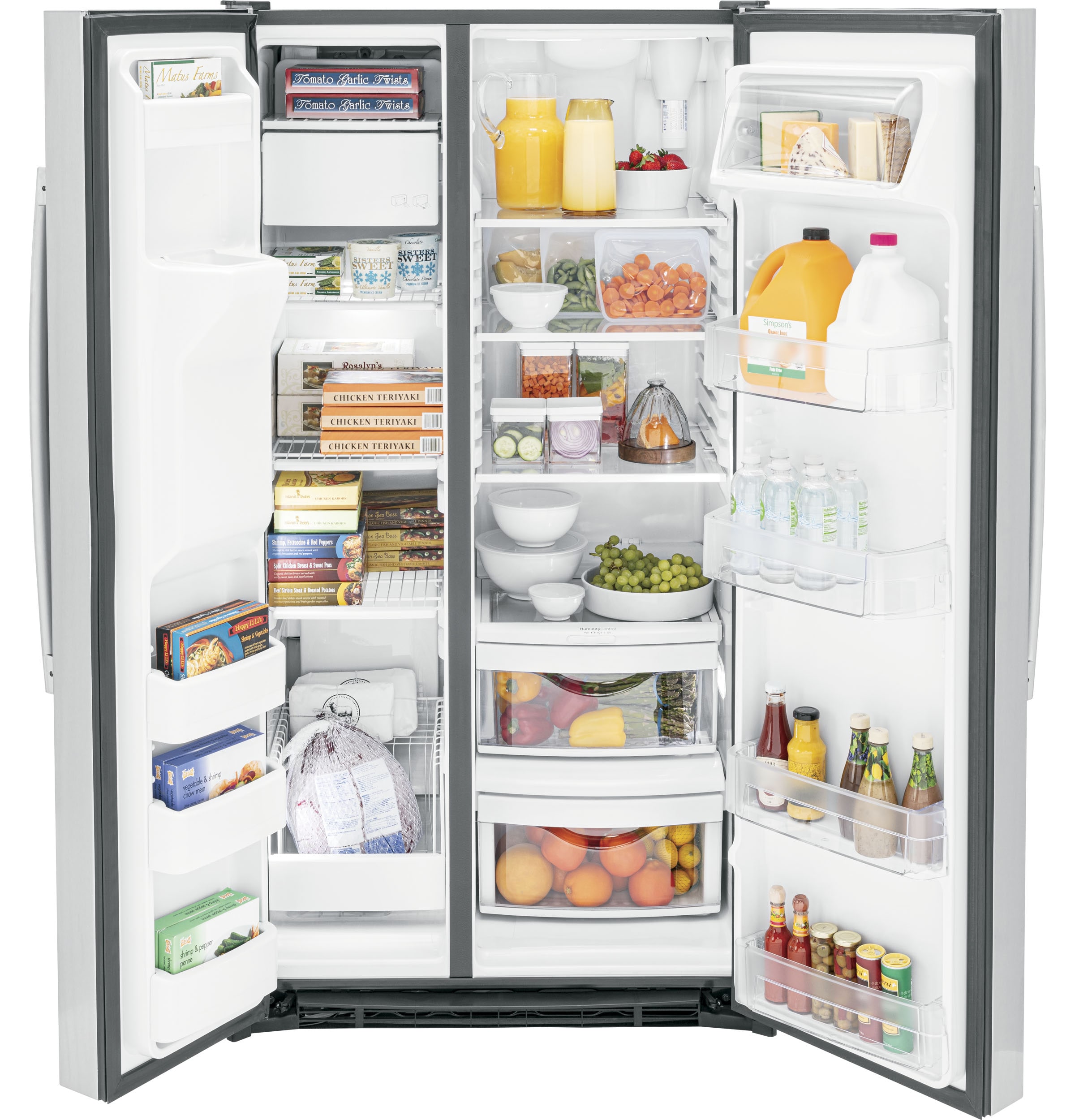
Humidity: Peppers love a bit of moisture. The crisper drawer in your fridge is perfect because it keeps things humid.
Temperature: Keep your fridge between 32°F and 40°F. Too warm or too cold, and your peppers won't last as long.
Factor
Impact on Freshness
Freshness at Purchase
High
Storage Conditions
High
Humidity Levels
Medium
Temperature
Medium
How to Tell If They're Going Bad
Nobody likes a spoiled pepper. Here’s how to spot one before it ruins your meal:
Soft Spots: If it feels mushy, it's on its way out.
Wrinkling: Wrinkled skin means it's drying out and past its prime.
Discoloration: Black or brown spots are bad news.
Smell: A sour or funky smell means it's time to toss it.
Mold: If you see mold, it's game over. Throw it out.
Spoilage Sign
What It Means
Soft Spots
Mushy texture, starting to spoil
Wrinkling
Losing moisture, not fresh anymore
Discoloration
Black or brown spots, decaying
Smell
Sour or off smell, no good
Mold
Visible mold, time to discard
By keeping an eye on these factors and spoilage signs, you'll get the most out of your red peppers. Want more tips on keeping your food fresh? Check out Fridge.com section on Extending the Shelf Life. Curious about other foods? See Fridge.com articles on how long does a cut bell pepper last in the fridge? and how long does a cooked chicken breast last in the fridge?.
Want your red peppers to stay fresh longer? Here’s how to keep them crisp and tasty in your fridge:
Dry is Best: Water speeds up spoilage. Make sure your peppers are dry before you store them.
Paper Towel Magic: Wrap them in a paper towel to soak up any extra moisture.
Plastic Bag Trick: Put the wrapped peppers in a perforated plastic bag. This lets air in but keeps moisture out.
Regular Check-Ups: Look at your peppers often. If one starts to go bad, toss it to save the rest.


Best Spots in the Fridge
Where you put your red peppers in the fridge matters. Here’s where they’ll stay freshest:
Crisper Drawer: This drawer keeps the humidity just right for fresh veggies.
Middle Shelf: If you don’t have a crisper drawer, the middle shelf is your next best bet. It usually has a steady temperature.
Avoid the Back and Front: The back can be too cold, and the front can have temperature swings. Both can mess with your peppers.
Here’s a quick guide to the best fridge spots:
Location
Temperature Consistency
Humidity Control
Good for Red Peppers?
Crisper Drawer
High
Yes
Yes
Middle Shelf
Moderate
No
Yes
Back of Fridge
Low
No
No
Front of Fridge
Variable
No
No
Want to know more about storing other foods? Check out Fridge.com articles on how long a cut bell pepper lasts in the fridge and how long a cut onion lasts in the fridge.
By following these simple tips and knowing the best fridge spots, your red peppers will stay fresh and delicious for as long as possible.
Keep Your Red Peppers Fresh and Flavorful
Red peppers are like the Swiss Army knife of the kitchen—useful in so many ways. But they can go bad quickly if you don't use them up. Here are some tasty recipes and fun ways to make sure your red peppers don't end up in the trash.
Tasty Recipes
Try these simple and yummy recipes to make the most of your red peppers:
Stuffed Red Peppers: Hollow out the peppers and fill them with a mix of rice, ground meat, and veggies. Bake until they're soft and delicious.
Red Pepper Soup: Roast the peppers, then blend them with onions, garlic, and veggie broth for a creamy, comforting soup.
Stir-Fry: Toss sliced red peppers into your favorite stir-fry for a pop of color and flavor.
Fajitas: Sauté red pepper strips with onions and your choice of chicken or beef. Serve with warm tortillas.
Salad: Chop up red peppers and throw them into your salad for extra crunch and sweetness.
Fun Ways to Use Red Peppers
Get a little creative with these ideas:
Grilled Red Peppers: Grill slices and use them as a tasty topping for burgers or sandwiches.
Red Pepper Hummus: Blend roasted red peppers into your hummus for a smoky, vibrant dip.
Pizza Topping: Add sliced red peppers to your pizza for a sweet and colorful twist.
Omelets: Dice red peppers and toss them into your morning omelet for a nutritious start to your day.
Pasta Sauce: Blend red peppers into your pasta sauce for added sweetness and nutrients.
Absolutely! Freezing red peppers is a fantastic way to keep them fresh and packed with nutrients. Here's how you do it: Wash them well, ditch the seeds, and chop them into slices or chunks. Lay the pieces out on a baking sheet and freeze until solid. Then, toss the frozen bits into airtight freezer bags or containers.
Storage Method
Shelf Life
Fresh in Fridge
1-2 weeks
Frozen
Up to 6 months
How to tell if a red pepper has gone bad?
Nobody likes a spoiled pepper. Here’s how you can spot one:
Soft spots or wrinkles: Fresh peppers are firm and smooth. If they’re getting soft or wrinkly, they’re on their way out.
Discoloration: A dull color or dark spots? Time to toss it.
Odor: Fresh peppers smell, well, fresh. If it smells off or sour, it’s bad news.
Keep your red peppers fresh and tasty by storing them right. For more tips, you might also like Fridge.com article on how long does a baked sweet potato last in the fridge.
It also has tons of awesome articles about kitchen stuff and home news. Enhance your home, garage, backyard, patio, and office with the coolest essentials. With every necessary type of residential refrigerator or freezer in the collection, you're covered.
Keeping red peppers fresh in the fridge isn't rocket science, but a few things can make a big difference. Here's what you need to know to keep those peppers crisp and tasty. How Fresh They Are When You Buy Them: Start with firm, unblemished peppers. If they look sad in the store, they won't get any better in your fridge. How You Store Them: Use airtight containers or plastic bags to keep them fresh longer. Humidity: Peppers love a bit of moisture. The crisper drawer in your fridge is perfect because it keeps things humid. Temperature: Keep your fridge between 32°F and 40°F. Too warm or too cold, and your peppers won't last as long. Factor.
Impact on Freshness.
.
Freshness at Purchase.
High.
.
Storage Conditions.
High.
.
Humidity Levels.
Medium.
.
Temperature.
Medium.
.