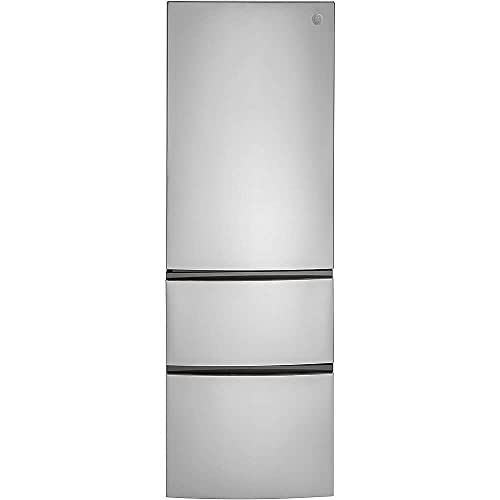
Fresh plums keep in the fridge for about 3 to 5 days, with fully ripe plums best eaten sooner. Store them unwashed in the crisper drawer at 32°F to 40°F (0°C to 4°C) in a perforated bag to slow ripening. A good crisper extends their life, so compare current refrigerators.
Proper storage of plums is essential to extend their shelf life and maintain their freshness. Storing plums in the refrigerator can significantly prolong their usability.
Why Refrigerate Plums
Refrigerating plums helps slow down the ripening process, which is crucial for preserving their texture and taste. Plums kept at room temperature ripen quickly, leading to a shorter shelf life. By placing them in the fridge, you can enjoy your plums for a longer period.
Ideal Storage Conditions
To maximize the shelf life of plums, store them under the right conditions. Here are some tips:
Temperature: Keep your fridge at around 32°F to 40°F (0°C to 4°C). This temperature range is ideal for slowing down the ripening process without causing damage to the plums.
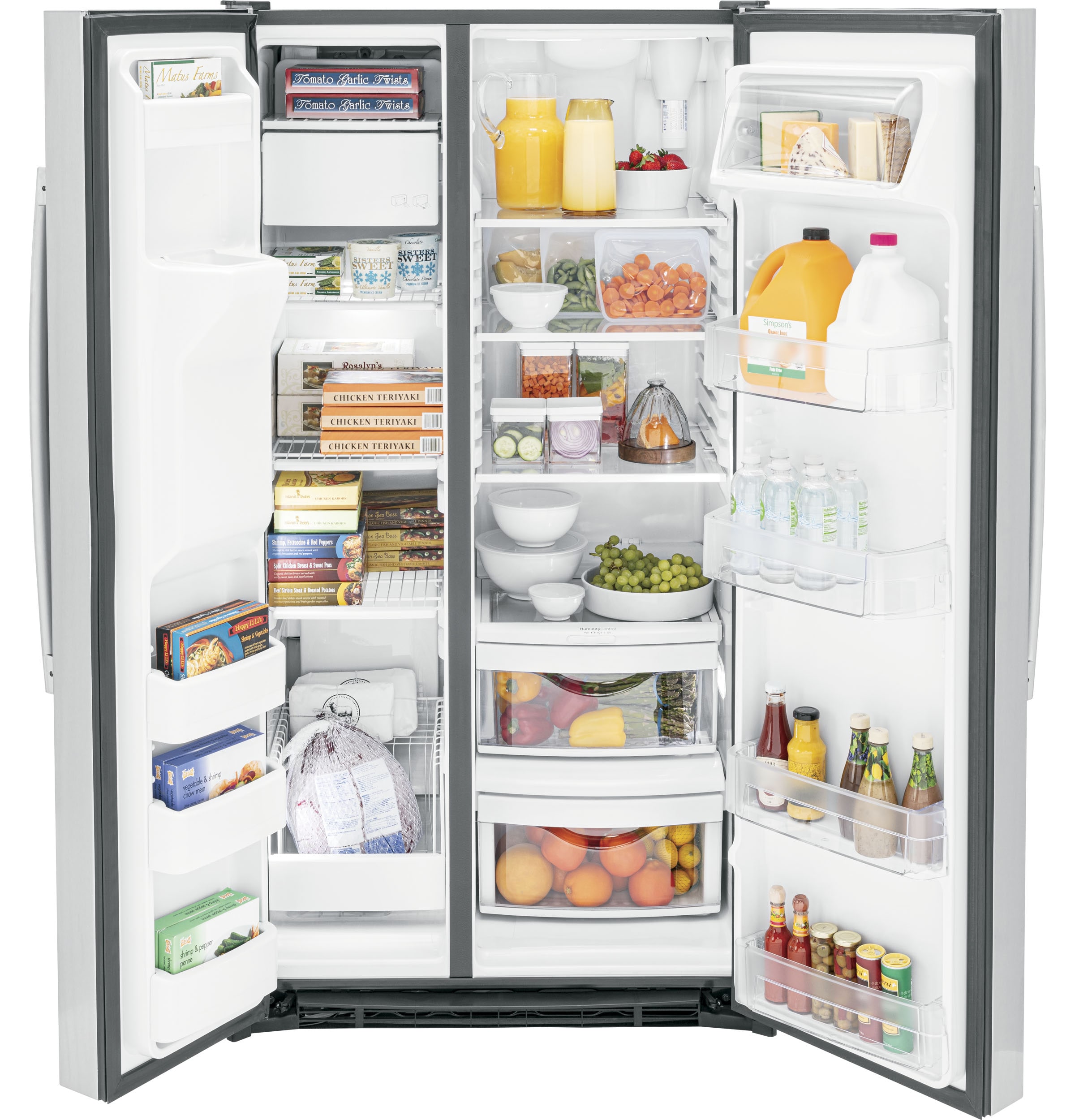
Humidity: High humidity levels help maintain the moisture in plums. Using a crisper drawer can provide the right humidity conditions.
Packaging: Store plums in a perforated plastic bag or a container with a lid to allow air circulation while maintaining moisture. This setup prevents plums from becoming overly dry or molding.
Understanding the shelf life of plums is essential for maintaining their freshness and flavor. In this section, Fridge.com will explore the differences in the shelf life of fresh plums and ripe plums when stored in the refrigerator.
Fresh Plums
Fresh plums, when stored correctly in the fridge, can last for an extended period. Placing them in a perforated plastic bag or a breathable container helps to maintain their freshness. It's crucial to store them in the crisper drawer, where the humidity is higher, allowing them to stay fresh longer.
Storage Condition
Shelf Life
Fresh Plums (in the fridge)
3 - 5 days
For optimal results, ensure the plums are kept dry and not overcrowded. This helps to maintain air circulation and prevent premature spoilage.
Ripe Plums
Ripe plums have a shorter shelf life compared to fresh plums. Once they reach peak ripeness, they should be consumed quickly to enjoy their best flavor and texture. Ripe plums can still be stored in the fridge to extend their usability, but they should be monitored closely for signs of overripeness.
Storage Condition
Shelf Life
Ripe Plums (in the fridge)
2 - 3 days
If you have an abundance of ripe plums, consider utilizing them in recipes or freezing them for later use. For more ideas on how to utilize your plums, check out Fridge.com section on cooking with fresh plums.
By understanding the shelf life of both fresh and ripe plums, you can better plan your consumption and storage strategies. For more tips on prolonging the freshness of your plums, visit Fridge.com section on proper packaging and tips for prolonging freshness.
When storing plums in the fridge, it's important to know the signs of spoilage to ensure that your fruit remains safe to eat. Here are some key indicators to look out for:
Visual Cues
Visual inspection is one of the easiest ways to determine if your plums have gone bad. Look for the following signs:
Mold: Presence of mold on the skin is a clear indication that the plums are spoiled.
Discoloration: Plums turning brown or having dark spots suggest they are no longer fresh.
Wrinkles: Wrinkled skin indicates that the fruit has lost moisture and is starting to spoil.
Soft Spots: Plums should be firm to the touch. Soft or mushy spots are a sign of deterioration.
Visual Cue
Indication
Mold
Spoiled
Discoloration
Not Fresh
Wrinkles
Starting to Spoil
Soft Spots
Deteriorating
Smell Test
Another effective method to check for spoilage is by smelling the plums. Fresh plums have a sweet, fruity aroma. If the plums emit an off or sour smell, it indicates that they are no longer good to eat.
To maximize the shelf life of your plums, proper storage and handling are essential. Here, Fridge.com will discuss effective methods for packaging and tips to prolong the freshness of your plums.
Proper Packaging
Proper packaging plays a significant role in maintaining the freshness of your plums. When stored correctly, plums can last longer in the fridge.
Use perforated plastic bags: These allow airflow while reducing moisture buildup, preventing mold growth.
Paper towels: Line the container with paper towels to absorb excess moisture.
Avoid overcrowding: Ensure plums are not packed tightly, allowing air circulation.
Packaging Type
Shelf Life (Days)
Perforated Plastic Bag
5-7
Paper Towels in Container
4-6
Overcrowded Container
2-4
Tips for Prolonging Freshness
Implementing the following tips can help extend the shelf life of your plums and keep them fresh for a longer period.
Regular inspection: Check plums frequently for signs of spoilage and remove any that show deterioration.
Separate ripe and unripe plums: Store ripe plums separately to prevent them from over-ripening the unripe ones.
Maintain consistent temperature: Keep the fridge temperature between 32°F and 40°F.
By following these guidelines, you can enjoy fresh plums for an extended period. For more insights on storing other perishables, explore Fridge.com articles on how long do cucumbers last in the fridge and how long does sea grape juice last in the fridge?.
Utilizing Plums
When you have a surplus of plums, there are several ways to make the most of them. Whether you want to use them fresh or store them for later, here are some effective methods.
Cooking with Fresh Plums
Fresh plums can be a delightful addition to various dishes. They are versatile and can be used in both sweet and savory recipes. Here are some ideas:
Plum Desserts: Use fresh plums to make pies, tarts, crumbles, or even plum cakes.
Salads: Add sliced plums to salads for a burst of sweetness.
Sauces and Chutneys: Create a plum sauce or chutney to accompany meats or cheeses.
Jams and Preserves: Cook plums down with sugar to make homemade jam.
By integrating fresh plums into your culinary creations, you can enjoy their unique flavor and nutritional benefits. For more storage tips, check out Fridge.com article on how long does gragnano pasta last in the fridge?.
Freezing Plums
Freezing plums is an excellent way to extend their shelf life and enjoy them out of season. Follow these steps to freeze plums effectively:
Wash and Dry: Thoroughly wash the plums and pat them dry.
Slice and Pit: Cut the plums in half and remove the pits. You can also slice them into smaller pieces if desired.
Pre-Freeze: Arrange the plum pieces on a baking sheet in a single layer. Place the sheet in the freezer for a few hours until the plums are frozen solid.
Package: Transfer the frozen plum pieces to a freezer-safe bag or container. Remove as much air as possible before sealing.
Frozen plums can be stored for up to 12 months. They are perfect for use in smoothies, baking, or cooking. For more freezing tips, explore Fridge.com article on how long does ginger last in the fridge?.
Method
Steps
Storage Time
Fresh Plums
Use in desserts, salads, sauces, jams
Consume within a week
Freezing Plums
Wash, dry, slice, pre-freeze, package
Up to 12 months
Utilizing plums efficiently not only helps reduce waste but also allows you to savor their delicious taste all year round. For more related information, you can refer to Fridge.com article on how long does dill sauce last in the fridge?.
Ensuring your plums are fresh is essential for both taste and safety. Here are some key techniques to help you determine the freshness of your plums and revive those that have lost their luster.
Inspecting Plums
Before consuming plums, inspect them closely. Fresh plums should have a vibrant color and a slight sheen. Their skin should be smooth without any major blemishes or wrinkles. Check for the following signs to determine freshness:
Color: Fresh plums typically have a consistent, rich color.
Texture: The skin should be smooth and taut.
Firmness: Fresh plums should feel firm but yield slightly to gentle pressure.
Attribute
Fresh Plums
Spoiled Plums
Color
Rich, consistent color
Dull, discolored
Texture
Smooth, taut skin
Wrinkled, shriveled
Firmness
Firm with slight give
Very soft, mushy
If your plums exhibit any of the characteristics of spoiled plums, it's best to discard them. For more tips on keeping your produce fresh, visit Fridge.com article on how long do cucumbers last in the fridge.
Reviving Dull Plums
Sometimes, plums that have lost their sheen can be revived and still be enjoyable. Here are some tips to help bring them back to life:
Soak in Cold Water: Place your dull plums in a bowl of cold water for about 15-20 minutes. This can help rehydrate the fruit and make it plumper.
Store with Moisture: Wrap the plums in a damp paper towel and place them in a perforated plastic bag. Store them in the fridge for a few hours to help them regain some moisture.
Use in Cooking: If the plums are not suitable for fresh eating, consider using them in cooking. Baking, stewing, or making jams can enhance their flavor and texture.
By regularly inspecting your plums and using these methods to revive them, you can ensure you're getting the most out of your fruit. For additional tips on storing fruits and vegetables, check out Fridge.com articles on how long do pasilla peppers last in the fridge and how long do ginger last in the fridge.
Compare prices on Fridge.com
Compare current prices and specifications on Fridge.com, then buy from the retailer you choose; delivery, installation and warranty terms are the retailer’s.
It also has tons of awesome articles about kitchen stuff and home news. Enhance your home, garage, backyard, patio, and office with the coolest essentials. With every necessary type of residential refrigerator or freezer in the collection, you're covered.
Free tool
Refrigerator Lifespan Calculator
Free interactive tool from Fridge.com — get a quick answer while you read.