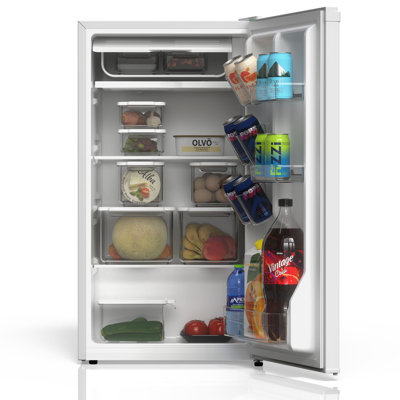
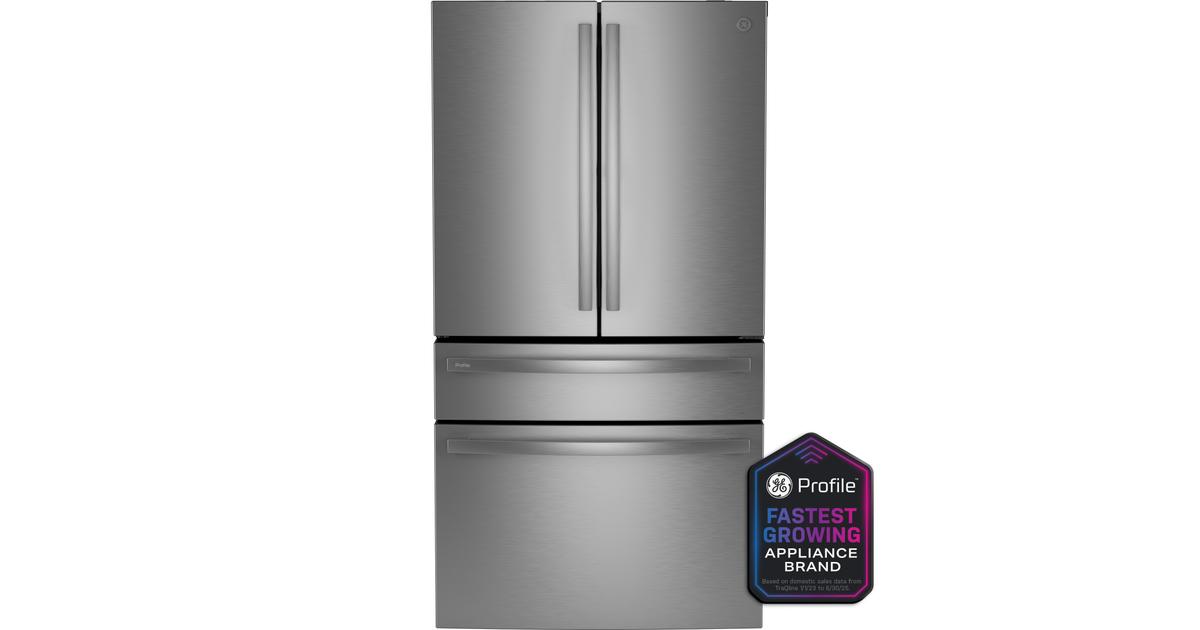
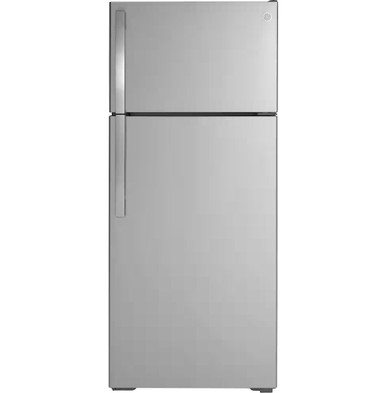
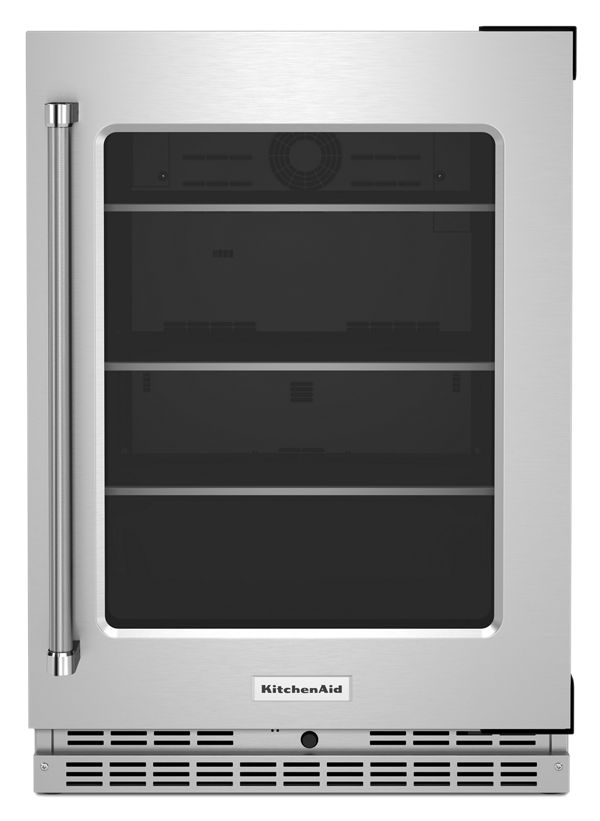
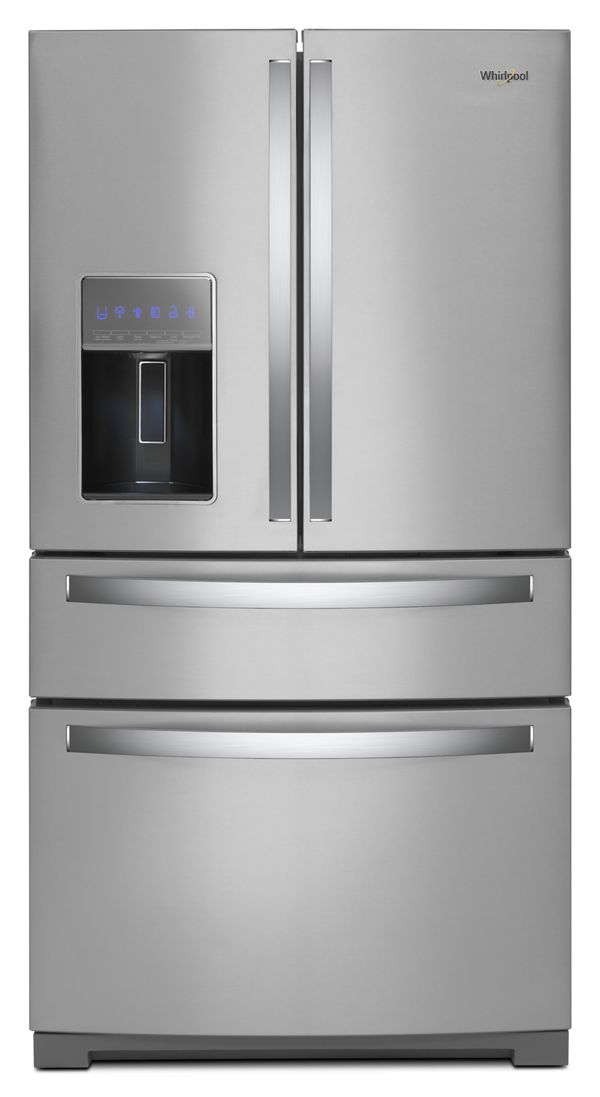
Keep your refrigerator between 35°F and 40°F (1.6–4.4°C), with 35–38°F as the ideal zone for ranch:.
Homemade ranch should be used within 5 to 7 days of first serving.
Homemade ranch — dressing or dip — keeps 1 to 2 weeks at most in an airtight container in the coldest part of the fridge, and it's best finished within 5 to 7 days once you've started serving from it.
Homemade ranch is far more perishable: use it within 5 to 7 days once you start serving from it, and 1 to 2 weeks at the absolute most.
Ranch dressing lasts 1 to 2 months in the refrigerator once opened, while an unopened store-bought bottle keeps for 6 to 9 months in the fridge. Homemade ranch is far more perishable: use it within 5 to 7 days once you start serving from it, and 1 to 2 weeks at the absolute most. Below you'll find the full shelf-life table, how to tell if ranch went bad, what happens if you eat expired ranch, and the storage habits that get every bottle to the far end of its lifespan.
How Long Does Ranch Last in the Fridge?
Ranch shelf life depends on two things: whether it's store-bought or homemade, and whether the container has been opened. Store-bought ranch contains preservatives that keep it stable for months. Homemade ranch — made with fresh buttermilk, mayonnaise, and herbs — spoils in days.
Unopened, store-bought ranch keeps 6 to 9 months in the refrigerator thanks to its airtight seal and preservatives. A shelf-stable bottle that hasn't been opened can also wait in the pantry up to the date printed on the label. Always check the "best by" or "use by" date on the bottle — it's your baseline for how long that specific batch will hold.
How Long Is Ranch Good For After Opening?
Once you pop the top, the clock starts ticking: opened ranch is exposed to air, and oxidation plus any introduced bacteria speed up spoilage. Opened store-bought ranch lasts 1 to 2 months in the fridge when it's kept tightly sealed and cold. Homemade ranch should be used within 5 to 7 days of first serving. Label the container with the date you opened it so you're never guessing.
How Long Is Ranch Good For After the Expiration Date?
It depends on which date is on the bottle:
"Best by" date: This marks peak quality, not safety. Unopened ranch a little past its best-by date may have duller flavor and texture but isn't automatically unsafe — inspect and smell it before using.
"Use by" date: This is the last recommended date to consume the product. Eating ranch past its use-by date can pose health risks from bacterial growth, so discard it.
Either way, an opened bottle doesn't get the benefit of the doubt: once opened, the 1-to-2-month window applies regardless of the printed date, and any sign of spoilage means it goes in the trash.
Yes — once opened, ranch dressing always belongs in the fridge. Refrigeration slows the growth of the bacteria and mold that spoil dairy-based dressings, and the cold keeps the emulsion from turning watery or separating. An unopened shelf-stable bottle can sit in the pantry until its printed date, but after opening, refrigeration is non-negotiable.
Ranch shouldn't sit out on the counter, either. Take it out, use it, and return it to the fridge promptly — the longer it sits at room temperature, the faster bacteria multiply. If a bottle or bowl of ranch has been left out warm for an extended stretch, the safe move is to throw it away.
How to Tell If Ranch Went Bad
Run ranch through this four-step check before it touches your plate:
Sniff Test: Fresh ranch smells mild and tangy. A sour, rancid, or just plain funky odor means it's done.
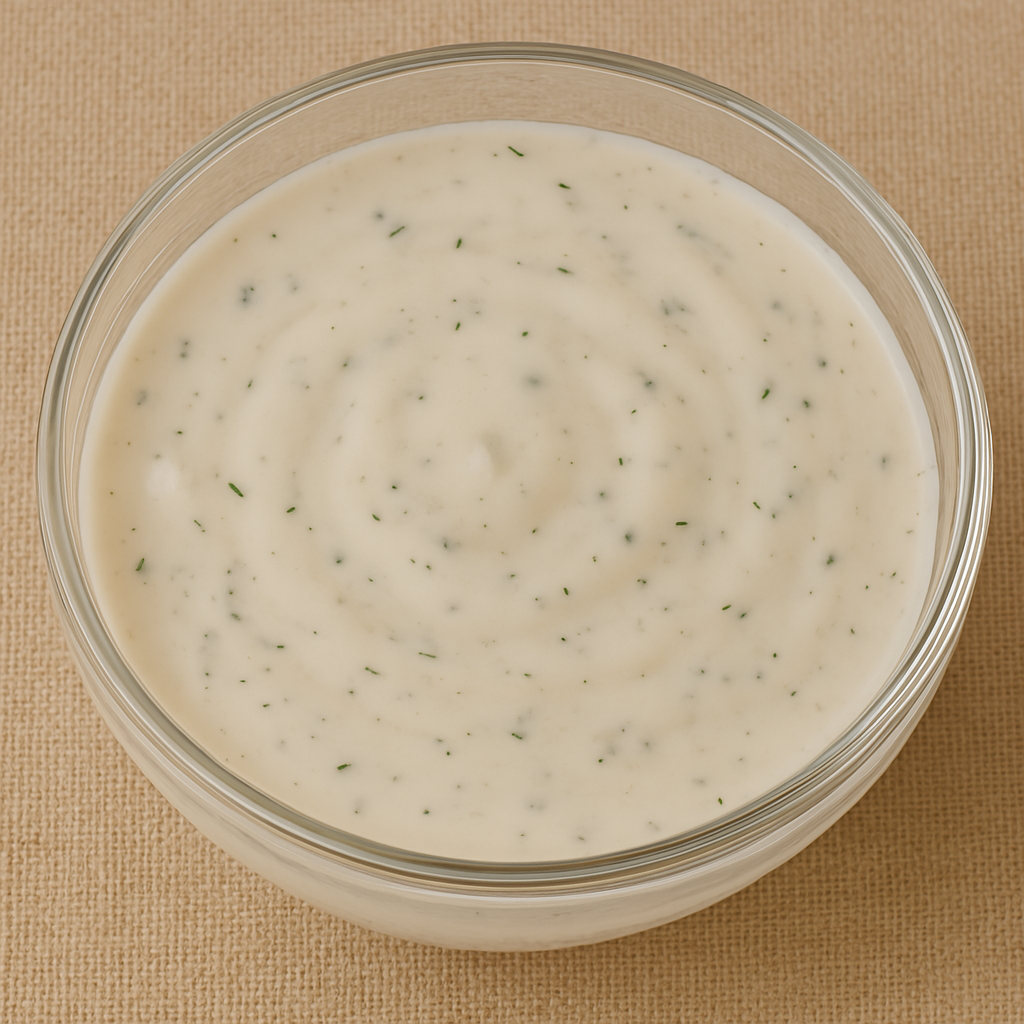
Visual Check: Fresh ranch is white to off-white and smooth. Yellowing, darkening, lumps, curdling, or heavy separation are red flags.
Taste Test: If it looks and smells okay but tastes sour or off, don't risk it. Better safe than sorry.
Mold Alert: Any visible mold or fuzzy growth — on the surface or around the cap — means toss it immediately.
Spoilage Sign
What to Look For
Smell
Sour, rancid, or funky odor
Color
Yellowish tint, darkening, discoloration
Texture
Lumps, curdling, excessive separation, watery or unusually thick consistency
Taste
Sour or off flavor
Mold
Visible mold or fuzzy growth, including around the cap
What Does Expired Ranch Look and Taste Like?
Expired ranch typically shifts from white or light beige toward yellow or darker shades, and the smooth emulsion breaks down — you'll see the oil and watery liquid split apart, chunks, or a curdled texture. Some minor separation is normal in ranch and stirs back in; excessive separation that won't recombine is spoilage. Taste-wise, bad ranch turns sour or "off" compared to its usual tangy, herby flavor. If your ranch matches any of this, discard it — even if it's before the printed date.
Eating spoiled or expired ranch is risky. Over time ranch becomes a breeding ground for bacteria, and here's what you might face:
Food Poisoning: Spoiled ranch can cause foodborne illness. Symptoms range from a queasy stomach to full-blown food poisoning — nausea, vomiting, diarrhea, and stomach cramps.
Mold and Toxins: Expired ranch can harbor mold and the toxins it produces, which can trigger allergic reactions or aggravate existing health issues.
Off Taste and Odor: Even when it doesn't make you sick, expired ranch tastes and smells bad enough to ruin the meal.
The safest response is prevention: if you're ever unsure about a bottle, it's better to toss it than risk getting sick. Discard ranch that is past its use-by date, has been open longer than 2 months, or shows any spoilage sign.
How you handle ranch determines whether it reaches the far end of its shelf-life window. These habits matter most:
Fridge It Fast: Refrigerate ranch as soon as you bring it home and immediately after each use. Don't let it linger on the counter.
Seal It Tight: Keep ranch in its original bottle if it seals well, or transfer it to an airtight container. Air is the enemy — exposure causes oxidation and faster spoilage.
Cold Spot, Not the Door: Store ranch in the main compartment toward the back of the fridge, where it's coldest. The door is a no-go zone because of temperature swings every time it opens.
Clean Utensils Only: Never double-dip or use a dirty spoon. Dipping food or used utensils straight into the container introduces bacteria that shorten its life.
Label with Dates: Mark the container with the date you opened it (or made it) so you can track freshness.
No Cross-Contamination: Keep ranch away from raw meats, seafood, and other potential contaminants in the fridge.
Tip
Why It Matters
Fridge it fast
Cold slows bacterial growth
Seal it tight
Keeps air out, prevents oxidation
Back of fridge, not the door
Maintains a steady, cold temperature
Clean spoons only
Stops contamination
Label with dates
Ensures you use it while it's still good
No cross-contamination
Keeps it safe from harmful bacteria
Fridge temperature matters too. Keep your refrigerator between 35°F and 40°F (1.6–4.4°C), with 35–38°F as the ideal zone for ranch:
Why does one bottle last months while another batch turns in a week? Five factors drive the difference:
Ingredients and Preservatives: Store-bought ranch often contains preservatives like potassium sorbate and sodium benzoate, which inhibit bacteria and fungi. Fresh buttermilk and fresh herbs spoil quickly; commercial mayonnaise lasts longer thanks to stabilizers. The more natural the ingredient list, the shorter the life.
Temperature: Consistent refrigeration is crucial — temperature fluctuations speed up spoilage.
Exposure to Air: Air causes oxidation and spoilage, which is why a tight seal matters.
Cross-Contamination: Dirty utensils or food dipped directly into the container introduce bacteria.
Storage Duration: Even perfectly stored, opened ranch is a 1-to-2-month product.
Homemade ranch needs extra care because it lacks the preservatives in store-bought versions. To keep it fresh as long as possible:
Transfer it to a clean, airtight container immediately after making it.
Place it in the coldest part of your fridge.
Label it with the date you made it.
Homemade ranch lasts about 1 to 2 weeks in the fridge at most — and once you've been serving from it, aim to finish it within 5 to 7 days. Always give it a sniff and a look before using. If you're into homemade goodies, check out Fridge.com article on how long can homemade applesauce last in the fridge? for more tips.
Storage Method
Duration
Refrigerating Homemade Ranch
1–2 weeks
Can You Freeze Ranch Dressing?
Freezing ranch is possible, but it's a quality trade-off: the dairy content and emulsified nature mean the ingredients tend to separate in the freezer, leaving a less creamy consistency after thawing. Use freezing as a way to avoid waste, not as your default storage.
Here's how to freeze ranch the right way:
Divide the ranch into smaller portions so you only thaw what you need — repeated thawing and refreezing degrades quality.
Pour it into airtight containers or freezer bags, leaving a little space at the top for expansion and minimizing trapped air to prevent freezer burn.
Label each container with the date.
Freeze for 3 to 6 months.
Storage Method
Duration
Freezing
3–6 months
To use frozen ranch: thaw it in the refrigerator overnight — never on the counter, since room-temperature thawing invites bacterial growth. Then stir thoroughly, using a whisk or immersion blender to re-emulsify the separated ingredients. If it still won't come back together, whisking in a small amount of mayonnaise or sour cream can help rebind it. Finally, check for any signs of spoilage — off smell, discoloration, unusual texture — before serving.
Yes, once it's opened. An unopened shelf-stable bottle can live in the pantry until its printed date, but after opening, ranch must be refrigerated at 40°F or below to slow bacterial growth and keep the emulsion stable.
Can ranch sit out?
Only briefly. Take it out, use it, and return it to the fridge promptly — every stretch at room temperature speeds up spoilage. Ranch left sitting out warm for an extended period should be discarded rather than returned to the fridge.
Can warm ranch make you sick?
It can. Warmth lets the bacteria in a dairy-based dressing multiply quickly, and eating ranch that's been held warm too long carries the same foodborne-illness risks as eating spoiled ranch: nausea, vomiting, diarrhea, and stomach cramps. When ranch has gone warm for a long stretch, toss it.
Does ranch go bad in the fridge?
Yes — refrigeration slows spoilage but doesn't stop it. Ranch really does get old: an opened bottle is good for 1 to 2 months in the fridge, homemade for about a week, and after that bacteria and oxidation win even at 38°F.
Is it OK to eat expired ranch?
Past a "best by" date, unopened ranch that looks, smells, and tastes normal is usually a quality issue rather than a safety one. Past a "use by" date, don't eat it — that date is the safety line. And regardless of the date, any sour smell, discoloration, curdling, or mold means the ranch goes in the trash.
What does expired ranch look like?
Look for a yellowish or darkened color instead of white, lumps or curdled texture, heavy separation that won't stir back in, a watery or unusually thick consistency, or visible mold — including fuzzy growth around the cap.
What happens if you eat old ranch — and what should you do?
Spoiled ranch can cause food poisoning, with symptoms like nausea, vomiting, diarrhea, and stomach cramps; mold toxins can also trigger allergic reactions. The best move is to avoid it in the first place: if you suspect a bottle has turned, stop using it and throw out the rest — when you're unsure, it's better to toss it than risk getting sick.
How long does homemade ranch last in the refrigerator?
Homemade ranch — dressing or dip — keeps 1 to 2 weeks at most in an airtight container in the coldest part of the fridge, and it's best finished within 5 to 7 days once you've started serving from it. Give it a sniff and a look before every use, and discard it at the first off smell or texture change.
Can you freeze ranch?
Yes, for 3 to 6 months, though the texture suffers. Freeze it in airtight portions, thaw overnight in the fridge, and whisk it back together — adding a spoonful of mayonnaise or sour cream if it stays separated.
It also has tons of awesome articles about kitchen stuff and home news. Enhance your home, garage, backyard, patio, and office with the coolest essentials. With every necessary type of residential refrigerator or freezer in the collection, you're covered.
How you handle ranch determines whether it reaches the far end of its shelf-life window. These habits matter most:. Tip. Why It Matters. Fridge it fast. Cold slows bacterial growth. Seal it tight. Keeps air out, prevents oxidation. Back of fridge, not the door. Maintains a steady, cold temperature. Clean spoons only. Stops contamination. Label with dates. Ensures you use it while it's still good. No cross-contamination. Keeps it safe from harmful bacteria. Fridge temperature matters too. Keep your refrigerator between 35°F and 40°F (1.6–4.4°C), with 35–38°F as the ideal zone for ranch:. Temperature. Condition. 35°F – 38°F. Ideal storage temperature. Above 40°F. Increased risk of spoilage. Below 32°F. Risk of freezing and texture change. Want to know how long other foods last in the fridge? Check out Fridge.com articles on how long does garlic last in the fridge? and how long does maple syrup last in the fridge?. Fridge It Fast: Refrigerate ranch as soon as you bring it home and immediately after each use. Don't let it linger on the counter. Seal It Tight: Keep ranch in its original bottle if it seals well, or transfer it to an airtight container. Air is the enemy — exposure causes oxidation and faster spoilage. Cold Spot, Not the Door: Store ranch in the main compartment toward the back of the fridge, where it's coldest. The door is a no-go zone because of temperature swings every time it opens. Clean Utensils Only: Never double-dip or use a dirty spoon.