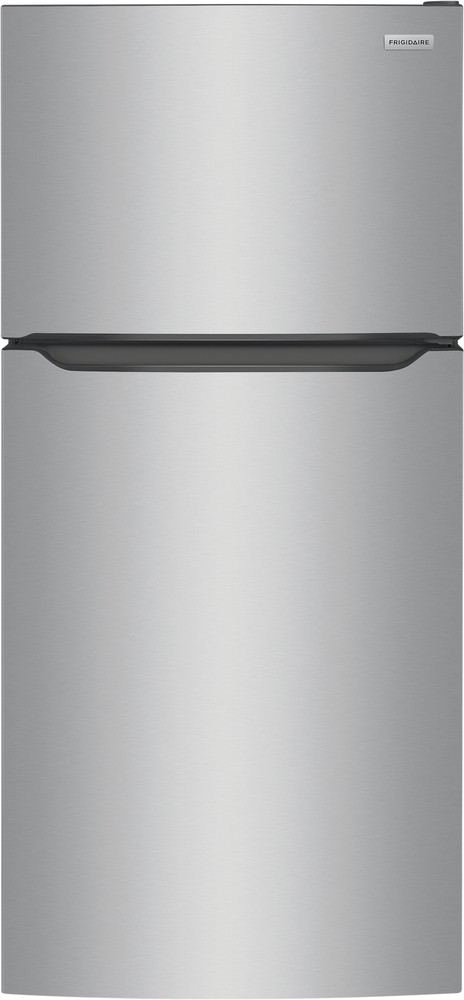
Store the thickened cream at a consistent temperature, ideally at or below 40°F (4°C).
It should be stored at a consistent temperature of 40°F (4°C) or below.
It is cream that has a higher fat content, typically around 35%, which has been thickened with the addition of thickeners or stabilizers like gelatine or vegetable gums.
It's important to consume it within a reasonable timeframe to enjoy its best quality.
Thickened cream, often found in the dairy aisle, is a popular ingredient cherished for its rich texture and versatility. It is cream that has a higher fat content, typically around 35%, which has been thickened with the addition of thickeners or stabilizers like gelatine or vegetable gums. This process not only increases the cream's viscosity but also makes it more stable when whipped, preventing it from separating or curdling as easily under heat or when mixed with acidic ingredients.
Common Uses of Thickened Cream
Thickened cream is a culinary favorite, lending itself to a wide array of uses. It's the perfect companion for desserts, adding a luxurious creaminess to pies, pastries, and puddings. It's also a key component in many savory dishes, where it's used to create rich sauces, creamy soups, and decadent toppings. When whipped, it transforms into a fluffy delight, ideal for garnishing fresh fruits, hot beverages, or any sweet treat that could use a dollop of indulgence.
Storing thickened cream correctly in the fridge is essential to maintain its quality and prolong its shelf life. By following proper storage guidelines, you can enjoy your thickened cream for a longer period.
Proper Storage Guidelines
To ensure that your thickened cream remains fresh while stored in the fridge, you should:
Keep the cream in its original container if unopened.
Transfer to an airtight container if the original packaging isn't resealable once opened.
Store the thickened cream at a consistent temperature, ideally at or below 40°F (4°C).
Place the cream in the back of the fridge where the temperature is most stable.
Keep the cream away from strong-smelling foods to prevent it from absorbing unwanted odors.
Shelf Life of Unopened Thickened Cream
Thickened cream can last a significant amount of time in the fridge when unopened. Refer to the best-before date on the packaging as a guide. However, the actual shelf life may vary based on the temperature and conditions of your fridge.
Once opened, thickened cream's shelf life shortens due to exposure to air and potential contaminants. It's important to consume it within a reasonable timeframe to enjoy its best quality.
Determining whether your thickened cream has outlasted its freshness is crucial to avoid the unpleasant experience of spoiled dairy. There are several indicators that can help you identify if your cream has gone bad.
How to Tell if Thickened Cream has Gone Bad
When assessing the condition of your thickened cream, you should first check the expiration date provided by the manufacturer. This date is a good initial indicator of the product's freshness but is not the only factor to consider. Sometimes, cream can spoil before the indicated date, especially if it has not been stored properly.
Here are some clear signs that your thickened cream may have spoiled:
Separation: If the cream has separated into a watery substance and a thicker layer, it may indicate spoilage.
Consistency: Spoiled cream may become lumpy or curdled in texture.
Color: Any discoloration or development of a yellowish tinge is a warning sign.
Odor: Fresh cream should have a mild, milky smell. A sour or unpleasant odor is a strong indication that the cream has gone bad.
Taste: Although it's not recommended to taste spoiled food, a sour flavor is a definite sign of spoilage.
If you observe any of these signs, it's safest to discard the cream to avoid the risk of foodborne illness.
Smell and Texture Changes
The olfactory and tactile changes in thickened cream are often the most noticeable signs of spoilage. If the cream emits a sour or rancid smell, it's a clear indication that it has gone bad. Similarly, if you notice that the cream's smooth texture has turned grainy, clumpy, or has started to separate, the product is no longer suitable for consumption.
By being vigilant and regularly checking your thickened cream, along with other perishables in your fridge, you can ensure that you're using fresh and safe ingredients in your culinary creations.
Maintaining the freshness of thickened cream can be challenging, but with the right storage techniques, you can extend its shelf life and enjoy it for a longer period. Here are some best practices and methods for preserving thickened cream.
Best Practices for Preserving Thickened Cream
To ensure that your thickened cream remains fresh for as long as possible, follow these guidelines:
Refrigerate promptly: As soon as you bring thickened cream home, place it in the refrigerator. It should be stored at a consistent temperature of 40°F (4°C) or below.
Keep it sealed: Always keep the thickened cream container tightly sealed when not in use to prevent the introduction of bacteria and odors from other foods.
Use clean utensils: When using thickened cream, use a clean spoon or spatula to prevent contamination.
Store in the coldest part of the fridge: Avoid storing thickened cream in the refrigerator door, as the temperature there is more variable. Instead, store it at the back of the fridge, where it's coldest.
Mind the expiry date: Keep track of the "best by" or expiry date and use the thickened cream before that date for optimal quality and safety.
By following these practices, you can help preserve the integrity of your thickened cream and prevent premature spoilage.
Freezing Thickened Cream
While freezing is not typically recommended for cream products due to texture changes, it is possible to freeze thickened cream if you plan to use it for cooking rather than as a topping. Here's how to do it:
Portion the cream: Divide the cream into the quantities you will likely use in the future to avoid thawing more than necessary.
Use airtight containers: Place the cream in airtight containers or heavy-duty freezer bags to protect it from freezer burn.
Label and date: Clearly label each container with the contents and the date of freezing.
Thaw correctly: When ready to use, thaw the cream in the refrigerator overnight. Do not refreeze thawed cream.
Keep in mind that the texture of the cream may be altered after freezing and thawing. It may separate or become grainy, which can be remedied by whisking or blending before use in cooked dishes.
When it comes to refrigeration, thickened cream raises several common questions regarding its storage and shelf life. Here are some frequently asked questions that can help you handle your thickened cream with confidence.
Can you freeze thickened cream?
Yes, you can freeze thickened cream. It's a useful way to extend its shelf life beyond what the refrigerator can offer. When frozen, the consistency of the cream may change slightly, and it may separate upon thawing. For best results, whip the cream before freezing it to stabilize its structure. When you're ready to use it, defrost the thickened cream in the refrigerator and give it a good stir before use. It's best utilized in cooked dishes after freezing, as the texture may not be suitable for whipping.
Can you use thickened cream after the expiration date?
Using thickened cream past the expiration date is not recommended. The expiration date is a guide for the last day the product is expected to be at its peak quality. While some products may still be safe to consume shortly after this date, it's best to rely on your senses to assess the quality. If the cream shows any signs of spoilage, such as an off smell, discoloration, or a change in texture, it should be discarded.
Can you store thickened cream in the freezer?
Storing thickened cream in the freezer is indeed an option to consider if you need to keep it for an extended period. It can last in the freezer for about three months. However, as mentioned earlier, be aware that freezing may affect the cream's texture. It is advisable to label the container with the date of freezing to keep track of how long it has been stored.
Remember, proper storage is key to maintaining the quality and safety of thickened cream. For more information on how to store other food items properly, you can explore Fridge.com articles on subjects like how long do mashed potatoes last in the fridge? or how long does pumpkin puree last in the fridge?. These resources can help you ensure that all your perishables are kept in the best condition possible.
Compare prices on Fridge.com
Compare current prices and specifications on Fridge.com, then buy from the retailer you choose; delivery, installation and warranty terms are the retailer’s.
It also has tons of awesome articles about kitchen stuff and home news. Enhance your home, garage, backyard, patio, and office with the coolest essentials. With every necessary type of residentialrefrigeratoror freezer in the collection, you're covered.
Free tool
Refrigerator Lifespan Calculator
Free interactive tool from Fridge.com — get a quick answer while you read.