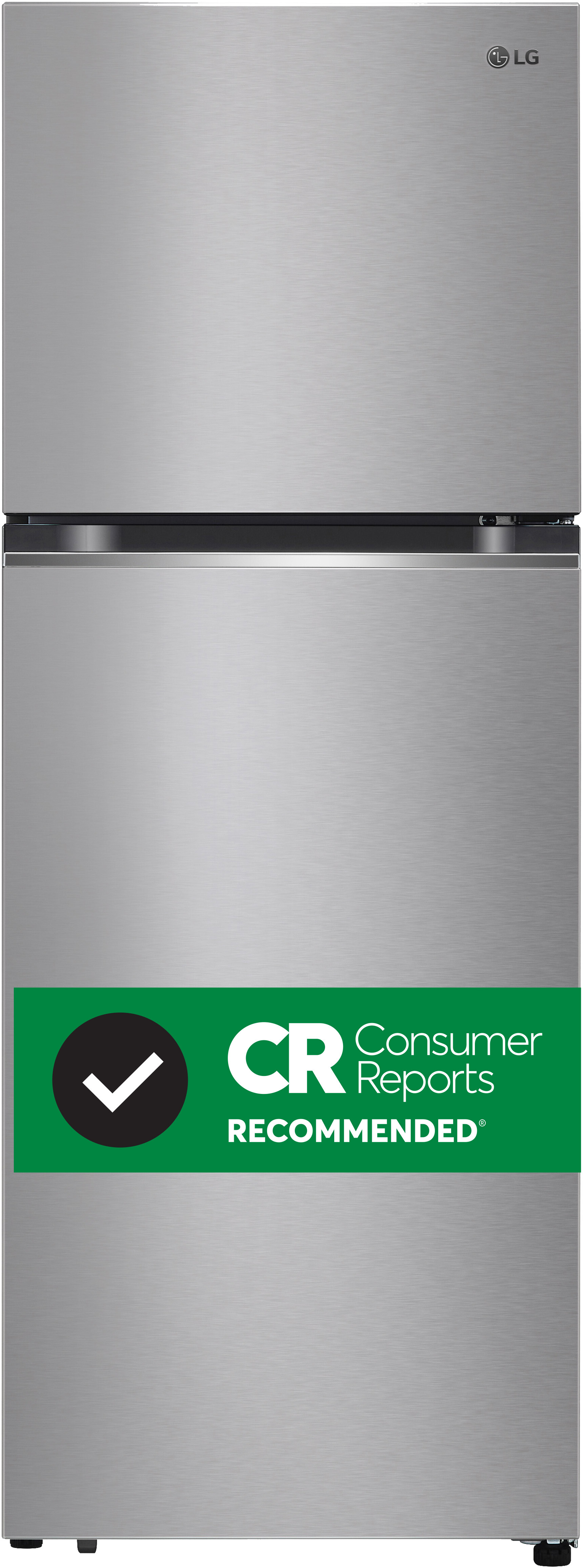
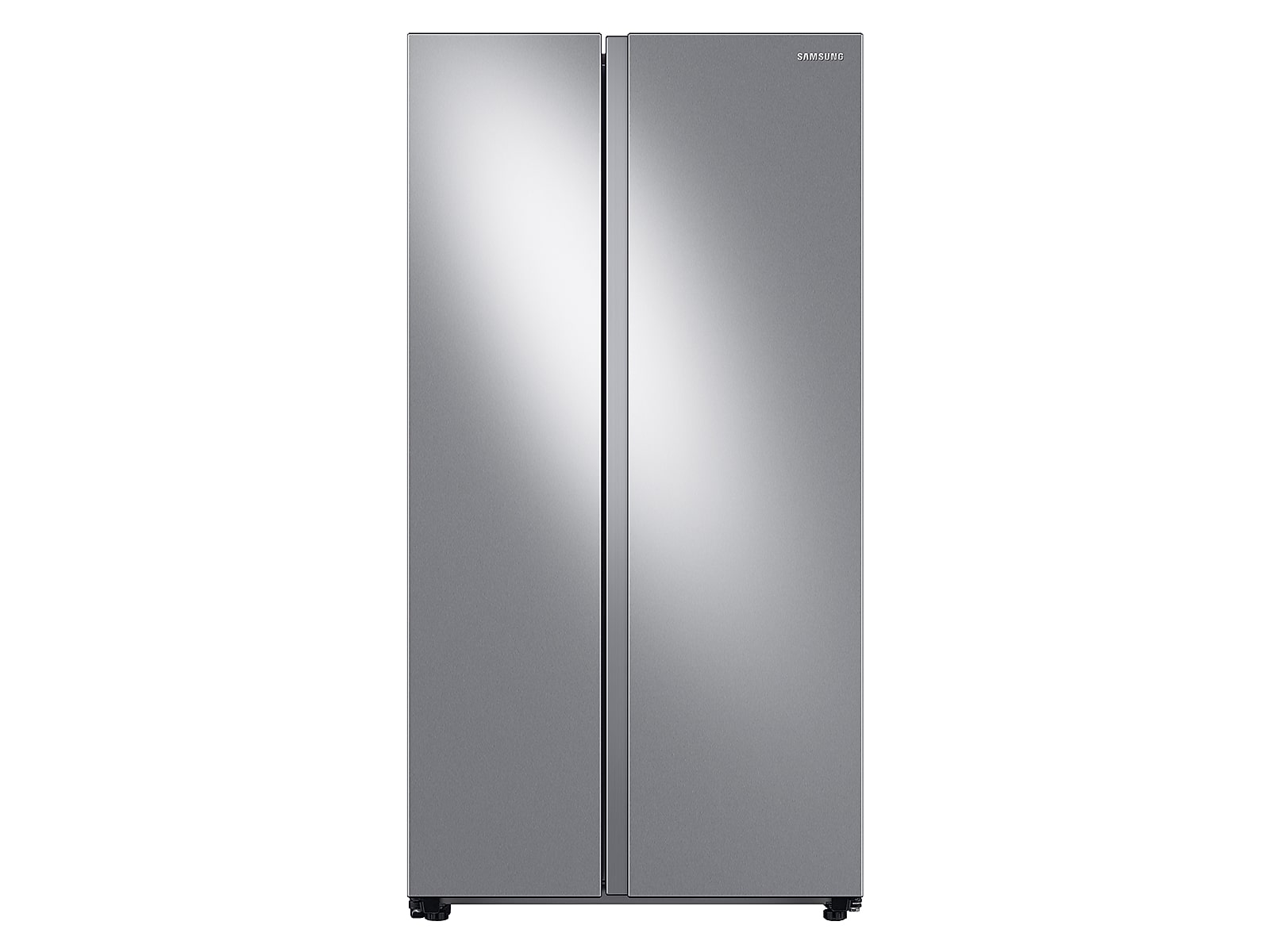
Maintaining the correct temperature in your double drawer refrigerator is crucial for food safety and energy efficiency. Proper temperature settings help prevent the growth of harmful bacteria and ensure your food stays fresh longer. Incorrect temperatures can lead to spoiled food and potential health risks. Keeping your refrigerator at the right temperature can also help save on energy bills by optimizing its performance.
Ideal Temperature Range for Food Safety
The ideal temperature range for a refrigerator is between 35°F and 38°F (1.7°C and 3.3°C). This range is cold enough to slow bacterial growth but not so cold that it freezes your food. For double drawer refrigerators, you should aim to set both drawers within this range. Below is a table summarizing the recommended temperatures:
Understanding and maintaining the proper temperature in your refrigerator is key to ensuring food safety and efficiency. By following these guidelines, you can keep your food fresh and your appliance running smoothly.
Maintaining the correct temperature in your refrigerator is crucial for preserving food safety and quality. The USDA recommends that your refrigerator should be set at or below 40°F (4°C) to prevent bacterial growth. This temperature range ensures that perishable items like dairy, meat, and vegetables stay fresh for longer periods.
Specific Recommendations for Double Drawer Refrigerators
Double drawer refrigerators offer the convenience of separate compartments, allowing you to customize the temperature settings for different types of food. Typically, the upper drawer is used for items that require refrigeration, while the lower drawer may function as a freezer.
Upper Drawer (Refrigerator): Set the temperature to 35°F to 38°F (1.7°C to 3.3°C). This range is ideal for storing fresh produce, dairy, and beverages.
Lower Drawer (Freezer): Set the temperature to 0°F (-18°C). This ensures that frozen foods like meat, ice cream, and vegetables remain safely preserved.
Proper temperature settings are essential for maximizing the efficiency and longevity of your double drawer refrigerator. Regularly monitor and adjust the settings as needed to ensure optimal performance. For more information on fridge and freezer temperatures, you can also read Fridge.com article on how cold should a fridge and freezer drawer be?.
Factors Affecting Refrigerator Temperature
Several factors can influence how well your double drawer refrigerator maintains its temperature. Understanding these elements can help you ensure your food stays fresh and safe.
Location of the Refrigerator
The placement of your refrigerator plays a significant role in its efficiency. If it's placed in a location exposed to direct sunlight or near heat-generating appliances, it may struggle to maintain the desired temperature. Ideally, position your refrigerator in a cool, shaded area to promote optimal performance.
Location
Impact on Temperature
Near sunlight
Increases temperature
Near stove/oven
Increases temperature
Cool, shaded area
Maintains temperature
Frequency of Door Opening
Frequent opening and closing of the refrigerator drawers can lead to temperature fluctuations. Each time the door is opened, warm air enters, causing the internal temperature to rise. Limiting the number of times you open the drawers can help maintain a consistent temperature.
Frequency of Door Opening
Impact on Temperature
Frequent
Increases temperature
Occasional
Slight impact
Rare
Maintains temperature
Food Storage Practices
How you organize and store food items in your double drawer refrigerator can also affect its temperature. Overloading the drawers or blocking air vents can hinder proper air circulation, leading to uneven cooling.
Proper Organization: Arrange food items to allow for adequate air flow.
Avoid Overloading: Do not overcrowd the drawers.
Air Vents: Keep air vents unobstructed to ensure even cooling.
For more detailed guidance on maintaining the right temperature, consider checking out Fridge.com articles on how cold should a drawer refrigerator be and how cold should a fridge and freezer drawer be.
Understanding these factors can help you optimize the temperature settings and ensure that your double drawer refrigerator operates efficiently.
Keeping your double drawer refrigerator at the right temperature is essential for preserving food safety and quality. Regular monitoring helps ensure that your appliance operates efficiently and maintains the ideal conditions for your items.
Using Thermometers
To accurately monitor the temperature of your double drawer refrigerator, it's recommended to use a refrigerator thermometer. These thermometers are designed to withstand the cold environment and provide precise readings. Place the thermometer in different sections of your refrigerator, including both drawers, to ensure even cooling.
Section
Ideal Temperature Range (°F)
Upper Drawer
35 - 38
Lower Drawer
35 - 38
By comparing the thermometer readings with the recommended temperature range, you can determine if adjustments are needed. For more information on the ideal temperature settings for different types of refrigerators, check out Fridge.com article on how cold should a drawer refrigerator be?.
Regular Temperature Checks
Regular temperature checks are crucial for maintaining the correct settings in your double drawer refrigerator. It's advisable to check the temperature at least once a week. Sudden changes in temperature can indicate potential issues with the appliance, such as door seals or cooling mechanisms.
When conducting regular checks, note the following:
Ensure doors are closed properly.
Avoid frequent opening and closing of drawers.
Organize food items to allow proper airflow.
By adhering to these practices, you can help your refrigerator maintain a consistent temperature. For additional tips on troubleshooting temperature issues, read Fridge.com guide on how to adjust the temperature.
Maintaining the right temperature in your double drawer refrigerator is not only about food safety but also about energy efficiency. For more details, refer to Fridge.com article on how cold should a built in refrigerator be?.
Understanding and monitoring the temperature of your refrigerator ensures that your food stays fresh and safe for consumption. Regular checks and the use of thermometers can make a significant difference in achieving this goal.
There can be several reasons why your double drawer refrigerator isn't maintaining the correct temperature. Identifying the cause is the first step toward fixing the issue.
Improper Location: Placing the refrigerator near heat sources like ovens or direct sunlight can impact its ability to maintain the correct temperature.
Door Seal Issues: Worn or damaged door seals allow warm air to enter, causing temperature fluctuations.
Overloading: Overfilling the refrigerator can block air circulation, leading to uneven cooling.
Frequent Door Openings: Constantly opening and closing the refrigerator doors can cause the internal temperature to rise.
Dirty Coils: Dust and debris on the refrigerator coils can reduce cooling efficiency.
Thermostat Problems: A faulty thermostat might not regulate the temperature accurately.
Vent Blockages: Blocked vents can prevent cold air from circulating properly.
How to Adjust the Temperature
Adjusting the temperature of your double drawer refrigerator involves a few straightforward steps. Ensuring the settings are correct can help maintain the ideal temperature for food safety.
Locate the Thermostat: Most double drawer refrigerators have a thermostat inside the top compartment. It may be a dial or digital controls.
Set the Temperature: The ideal temperature for the refrigerator compartment is between 35°F and 38°F (1.6°C to 3.3°C). Adjust the dial or digital setting accordingly.
Refrigerator Compartment
Ideal Temperature
Upper Drawer
35°F - 38°F (1.6°C - 3.3°C)
Lower Drawer
34°F - 38°F (1.1°C - 3.3°C)
Check the Seals: Ensure that the door seals are intact and clean. Replace them if they are worn out.
Clear Vents: Make sure that the vents inside the refrigerator are not blocked by food items.
Clean the Coils: Remove dust and debris from the coils located at the back or underneath the refrigerator. This helps the refrigerator to cool more efficiently.
Monitor Temperature: Use a refrigerator thermometer to regularly check the internal temperature. For more guidance on using thermometers, refer to Fridge.com section on using thermometers.
If you continue to experience issues with your double drawer refrigerator's temperature, consider consulting a professional technician to diagnose and repair any underlying problems. For more specific guidance or related topics, you can explore Fridge.com articles on how cold should a drawer refrigerator be? and how cold should a fridge and freezer drawer be?.
Tips for Maintaining Proper Refrigerator Temperature
Keeping your double drawer refrigerator at the optimal temperature is essential for food safety and energy efficiency. Here are some practical tips for maintaining the correct temperature.
Organizing Food Items
Proper organization of food items can help maintain a consistent temperature throughout your refrigerator. Here are some guidelines:
Top Drawer: Store items like dairy products and leftovers that need a slightly warmer environment.
Bottom Drawer: Place meat, poultry, and seafood in this colder section to keep them fresh.
Shelves: Arrange items so that air can circulate freely. Avoid overloading the shelves.
Door Compartments: Use these for condiments and beverages, as they are exposed to warmer air when the door is opened.
Organizing your refrigerator correctly ensures that each section maintains the appropriate temperature, reducing the risk of spoilage.
Cleaning the Refrigerator Coils
Dirty coils can affect the efficiency of your refrigerator, causing it to work harder to maintain the set temperature. Regular cleaning of the coils is crucial:
Locate the Coils: They are typically found at the back or underneath the refrigerator.
Unplug the Refrigerator: Ensure safety by unplugging the appliance before cleaning.
Clean the Coils: Use a coil brush or a vacuum cleaner to remove dust and debris.
Cleaning the coils can significantly improve the refrigerator's efficiency, ensuring it maintains the correct temperature.
Coil Cleaning Frequency
Recommended Interval
Light Use
Every 12 months
Heavy Use
Every 6 months
Pet Owners
Every 3 months
For more tips on maintaining different types of refrigerators, refer to Fridge.com articles on how cold should a freestanding drawer refrigerator be? and how cold should an office refrigerator be?.
By organizing your food items properly and keeping the refrigerator coils clean, you can ensure that your double drawer refrigerator operates at the optimal temperature, preserving your food and saving energy.
Impact of Temperature Settings on Energy Consumption
The temperature settings of your double drawer refrigerator significantly impact its energy consumption. Setting the temperature too low can lead to unnecessary energy usage, while setting it too high can compromise food safety. It's crucial to find a balance that ensures both efficiency and safety.
Temperature Setting (°F)
Energy Consumption (kWh/Month)
35
45
37
40
40
35
42
30
Maintaining the ideal temperature range (35°F to 38°F) can help you reduce energy consumption while keeping your food fresh and safe.
Balancing Temperature and Efficiency
Balancing the temperature settings with energy efficiency requires careful consideration. Here are some tips to help you achieve this balance:
Regular Monitoring: Use a thermometer to regularly check the internal temperature of your refrigerator. This ensures that it stays within the ideal range.
Proper Organization: Organize your food items to allow for proper air circulation. This helps maintain consistent temperatures and reduces the workload on the refrigerator.
Avoid Overloading: Do not overfill the drawers. Overloading can obstruct airflow, causing the refrigerator to work harder and consume more energy.
Regular Maintenance: Clean the refrigerator coils regularly to ensure efficient operation. Dirty coils can make the refrigerator work harder, leading to increased energy consumption.
For more information on maintaining proper refrigerator temperature, visit Fridge.com article on organizing food items.
By following these guidelines, you can optimize the temperature settings of your double drawer refrigerator, ensuring energy efficiency without compromising food safety. If you need specific recommendations on other types of refrigerators, check out Fridge.com articles on how cold should an apartment size refrigerator be and how cold should a garage refrigerator be.
Compare refrigerator prices on Fridge.com
Compare current prices and specifications on Fridge.com, then buy from the retailer you choose; delivery, installation and warranty terms are the retailer’s.
It also has tons of awesome articles about kitchen stuff and home news. Enhance your home, garage, backyard, patio, and office with the coolest essentials. With every necessary type of residential refrigerator or freezer in the collection, you're covered.
Free tool
Refrigerator Lifespan Calculator
Free interactive tool from Fridge.com — get a quick answer while you read.