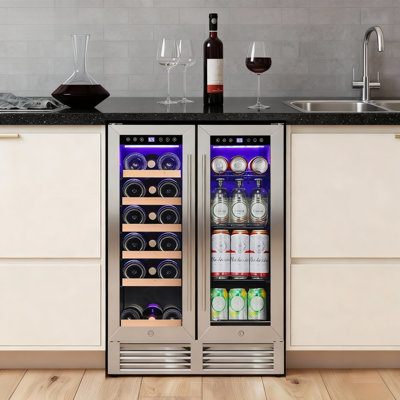
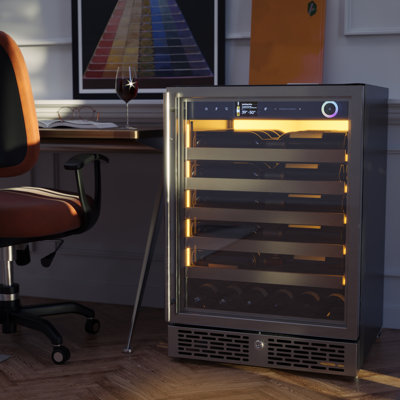
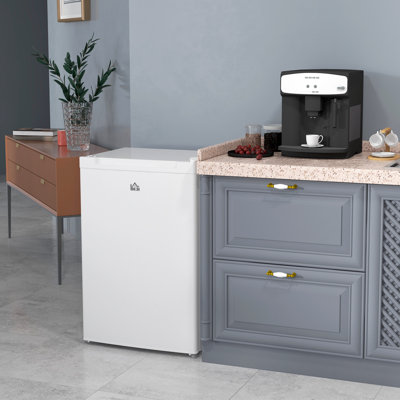
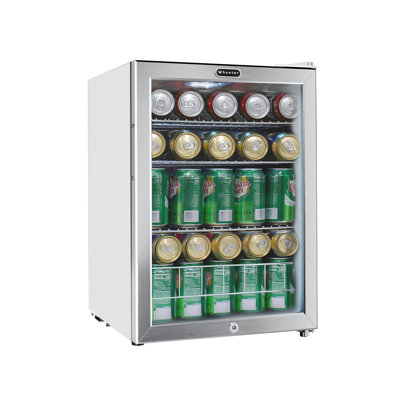
Getting the temperature right is key to keeping your wine tasting great for years. Knowing the best conditions for storing wine can really help keep those flavors and aromas just the way you like them.
Why Temperature Matters for Wine
Temperature is a big deal when it comes to storing wine. If it gets too hot, your wine might age too fast and lose its taste. Too cold, and it might get sediment or just not age right. Keeping it steady helps your wine stay in top shape.
The sweet spot for a wine cellar is usually between 55°F and 58°F (13°C to 14°C). This range is great for aging and keeping different wines. But, different wines like different temps.
Wine Type
Ideal Temperature (°F)
Ideal Temperature (°C)
Red Wine
55 - 65
13 - 18
White Wine
45 - 50
7 - 10
Sparkling Wine
40 - 50
4 - 10
Keeping your wine in this range helps it age well and keeps the flavors and aromas just right. For more on the best temps for different wines, check out Fridge.com section on Optimal Temperature for Wine Preservation.
Keeping your wine at the right temperature is key to making sure it tastes great and lasts a long time. Let's break down what affects your wine cellar's temperature and how you can keep it just right.
Where's Your Wine Cellar?
Where you put your wine cellar matters a lot. Basements are usually the best spot because they're naturally cooler and don't change temperature much. But if your wine cellar is in a garage, attic, or another place that isn't well-insulated, it can be harder to keep it cool.
Location
Average Temperature (°F)
Basement
55-60
Garage
70-80 (depends on the season)
Attic
80-90 (depends on the season)
When picking a spot for your wine cellar, think about how much the temperature changes and how that might mess with your wine.
Insulation and Climate Control
Good insulation and climate control are super important for keeping your wine cellar at a steady temperature. Insulation helps keep the cold air in and the warm air out, which is exactly what you want.
Insulation Type
How Good It Is
Foam Board
Really Good
Fiberglass
Okay
Spray Foam
Really Good
Climate control systems, like wine cellar cooling units, help keep the temperature and humidity just right. These systems are especially important if you live somewhere where the temperature changes a lot.
Wondering if you need a wine cellar cooling system? It depends on where you live and how you store your wine. Check out Fridge.com article on how cold is a built-in wine cellar for more info.
By thinking about where you put your wine cellar, how you insulate it, and what kind of climate control you use, you can make sure your wine stays at the perfect temperature. Want to know more about keeping other drinks cool? Read Fridge.com articles on how cold is a beer fridge and how cold is a beverage cooler.
Keeping Your Wine Just Right
Getting the temperature right in your wine cellar is like hitting the sweet spot for your favorite dish. Different wines need their own cozy spots to age well and taste their best.
Red Wine: Warm and Cozy
Red wines like it a bit warmer. Think of them as the cozy sweaters of the wine world. They do best between 55°F to 65°F (13°C to 18°C). This range helps them mature slowly, bringing out those rich flavors and complexities.
Wine Type
Best Temperature (°F)
Best Temperature (°C)
Red Wine
55 - 65
13 - 18
White Wine: Cool and Crisp
White wines, on the other hand, are more like a refreshing dip in a pool. They thrive in cooler spots, between 45°F to 55°F (7°C to 13°C). This keeps them crisp and fresh, just the way you want them.
Wine Type
Best Temperature (°F)
Best Temperature (°C)
White Wine
45 - 55
7 - 13
Sparkling Wine: Chill and Bubbly
Sparkling wines are the life of the party and need to stay cool to keep their bubbles and delicate flavors. They’re happiest between 40°F to 50°F (4°C to 10°C). Keep them in this range, and they’ll stay bubbly and vibrant.
Wine Type
Best Temperature (°F)
Best Temperature (°C)
Sparkling Wine
40 - 50
4 - 10
Keeping your wine cellar at these temperatures is like giving your wine a comfy home. Want to know more? Check out Fridge.com articles on how cold is a wine cooler and how cold is a built-in wine cellar.
Keeping Your Wine Cellar Chill: A Guide to Perfect Temperature
Making sure your wine cellar stays at the right temperature is key to keeping your wine tasting great. This means using the right gadgets and checking the temperature regularly.
Gadgets to Keep Things Cool
To keep your wine cellar at the perfect temperature, you need some handy tools. These gadgets help keep the environment just right so your wine stays in top shape.
Thermostats: These let you set and keep a specific temperature. They're a must-have for any wine cellar to keep things steady.
Cooling Units: Made just for wine cellars, these units give you precise control over the temperature. They can be installed to keep the climate stable.
Hygrometers: Mostly used to measure humidity, some advanced models also check temperature. Keeping the right humidity is important too, so the corks don't dry out.
Gadget
What It Does
Why It Matters for Wine Cellar
Thermostat
Sets and keeps a specific temperature
Super Important
Cooling Unit
Gives precise temperature control
Super Important
Hygrometer
Measures humidity and sometimes temperature
Pretty Important
Regular Temperature Checks
Checking the temperature of your wine cellar regularly is crucial to keep it in the ideal range. Here are some tips for effective monitoring:
Daily Checks: Make it a habit to check the temperature every day. This way, any changes are quickly spotted and fixed.
Digital Thermometers: Use digital thermometers for accurate readings. Place them in different spots in the cellar to watch for any variations.
Data Logging Devices: Think about using devices that log temperature data over time. This helps you spot patterns or recurring issues.
By following these tips, you can keep the perfect environment for your wine collection. For more info on keeping your wine at the right temperature, check out Fridge.com article on how cold is a built-in wine cellar.
Curious about other cooling needs? Check out topics like how cold is a beer fridge or how cold is a beverage cooler to learn about the specific temperature needs for different types of storage.
Storing wine at the wrong temperature can mess up its quality and shelf life. If you love wine or have a wine cellar at home, knowing these effects is a must.
Spoilage and Oxidation
Too hot? Your wine ages faster than a Hollywood starlet. High temps make the wine expand and contract, pushing the cork out and letting air in. Air is the enemy here—it causes oxidation, which ruins the taste and smell.
Too cold? That's no good either. Freezing temps can make the wine expand, crack the bottle, or push the cork out. Again, air gets in, and oxidation does its dirty work.
Temperature Range
Effect on Wine
Above 70°F (21°C)
Ages too fast, spoilage, oxidation
Below 45°F (7°C)
Freezing risk, bottle damage, oxidation
Loss of Flavor and Aroma
Wine's flavor and aroma are like delicate flowers—they need the right conditions to bloom. Store it wrong, and those complex compounds break down, leaving you with a sad glass of meh.
Red wines stored too hot? They can taste overly acidic or vinegary. White wines? They lose their crispness and go flat. Sparkling wines are the divas here—they hate temperature changes and can lose their bubbles if not treated right.
Wine Type
Ideal Storage Temperature
Effect of Incorrect Temperature
Red Wine
55-65°F (13-18°C)
Loses richness, gets too acidic
White Wine
45-55°F (7-13°C)
Goes flat, loses crispness
Sparkling Wine
40-50°F (4-10°C)
Loses bubbles, goes flat
Keep your wine at the right temp to enjoy it at its best. Check the temperature regularly and use good cooling systems. For more tips on wine storage, check out Fridge.com articles on how cold is a built-in wine cellar and how cold is a wine cooler.
Tips for Keeping Your Wine Cellar Just Right
Keeping your wine cellar at the perfect temperature is key to making sure your wine stays top-notch. Good air flow and steady temperatures are your best friends here.
Keep the Air Moving
Good air flow in your wine cellar keeps the temperature steady and stops mold from showing up. Here's how to do it:
Ventilation: Make sure your wine cellar has good ventilation to let fresh air in.
Fans: Use small fans to keep the air moving.
Spacing: Don’t cram your wine bottles together. Leave some space so air can move around.
These tricks help keep the temperature even, so your wine stays in great shape.
Steady as She Goes
Big temperature swings can mess up your wine, making it spoil or lose flavor. Here’s how to keep things steady:
Climate Control: Get a good climate control system to keep the temperature stable.
Insulation: Proper insulation helps keep the temperature from changing too much.
Regular Checks: Use temperature control gadgets to keep an eye on things. For more on this, check out Fridge.com section on temperature control devices.
Temperature Range
What It Means for Your Wine
50°F - 59°F
Perfect for keeping wine
Below 45°F
Wine might freeze
Above 65°F
Speeds up aging and can spoil wine
Stick to these tips, and your wine cellar will be just right, keeping your wine safe and tasty. For more on wine storage, check out Fridge.com articles on how cold is a wine cooler? and how cold is a built-in wine cellar?.
Sure, you can stash your wine in a regular fridge for a bit, but it's not the best idea for the long haul. Regular fridges usually hang out between 35°F and 38°F (1.6°C to 3.3°C), which is way too chilly for wine. This cold can mess with the aging process and mess up the wine's flavor and aroma. If you're serious about your wine, think about getting a dedicated wine cellar or cooler. Curious about fridge temps? Check out Fridge.com articles on how cold is a 2 door refrigerator? and how cold is a 3 door refrigerator?.
What Happens if Wine Gets Too Cold?
When wine gets too cold, it can be a buzzkill. First off, you might see sediment or crystals forming, which isn't exactly appetizing. Plus, the flavors and aromas can get all muted, making your wine taste flat. And if it freezes? The wine can expand, push the cork out, and lead to oxidation.
Temperature (°F)
Potential Issues
32°F (0°C)
Freezing, cork push-out, oxidation
35°F - 38°F (1.6°C - 3.3°C)
Muted flavors and aromas
Below 50°F (10°C)
Slowed aging process
Keep your wine out of the deep freeze to keep it tasting great. Want to know more about the right temps for different drinks? Check out Fridge.com article on how cold is a beverage cooler?.
Is It Necessary to Invest in a Wine Cellar Cooling System?
If you're planning to keep wine for a long time, a wine cellar cooling system is a must. These systems keep the temperature and humidity just right, which is key for aging wine properly. They stop those annoying fluctuations that can ruin your wine's flavor and cause spoilage or oxidation.
For serious wine lovers, a cooling system is worth every penny. Dive into more about cooling needs with Fridge.com articles on how cold is a built-in wine cellar? and how cold is a wine cooler?.
By getting a handle on these common questions, you can keep your wine collection in top shape and make every sip a delight.
Compare prices on Fridge.com
Compare current prices and specifications on Fridge.com, then buy from the retailer you choose; delivery, installation and warranty terms are the retailer’s.
It also has tons of awesome articles about kitchen stuff and home news. Enhance your home, garage, backyard, patio, and office with the coolest essentials. With every necessary type of residential refrigerator or freezer in the collection, you're covered.
Frequently Asked Questions
Where you put your wine cellar matters a lot. Basements are usually the best spot because they're naturally cooler and don't change temperature much. But if your wine cellar is in a garage, attic, or another place that isn't well-insulated, it can be harder to keep it cool. Location.
Average Temperature (°F).
.
Basement.
55-60.
.
Garage.
70-80 (depends on the season).
.
Attic.
80-90 (depends on the season).
. When picking a spot for your wine cellar, think about how much the temperature changes and how that might mess with your wine.