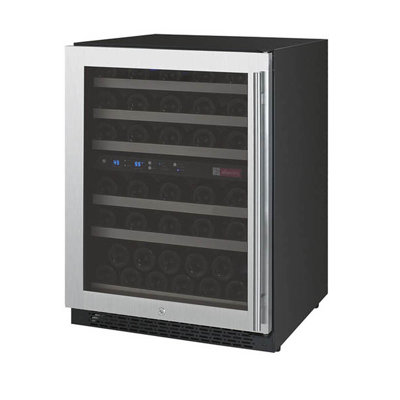
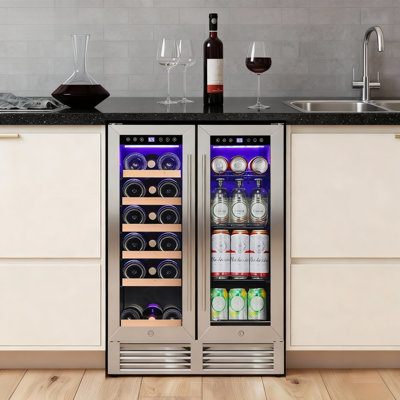
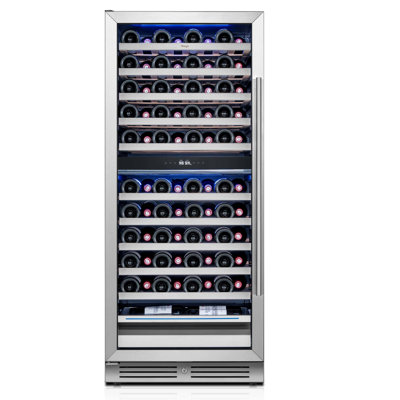
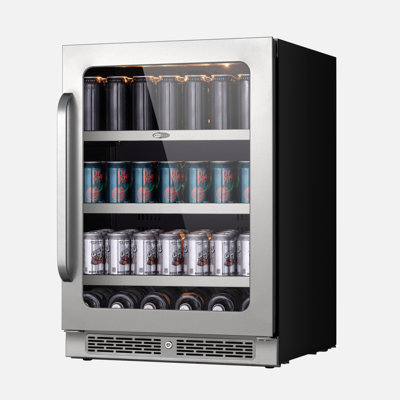
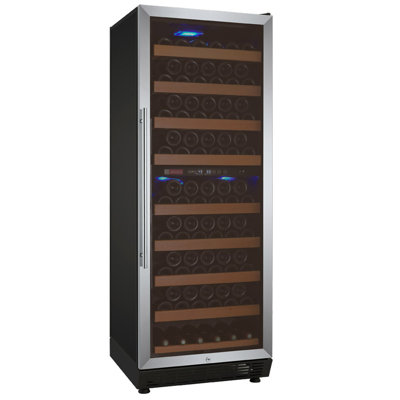
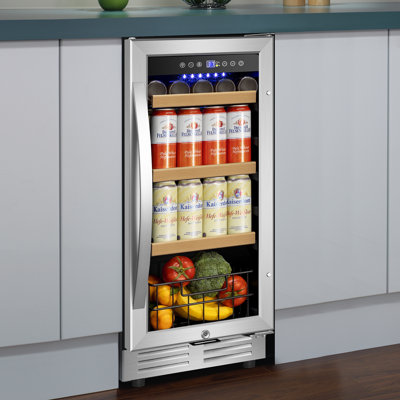
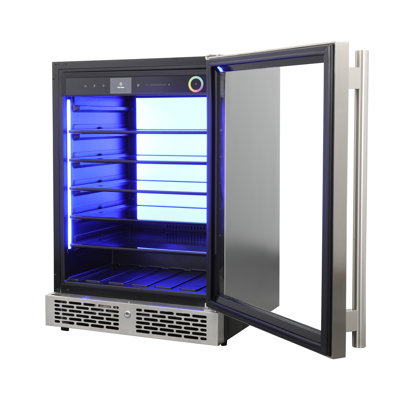
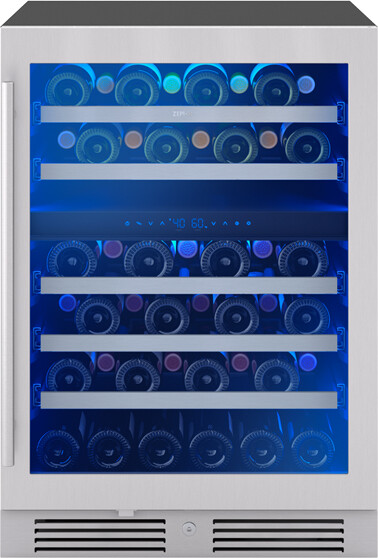
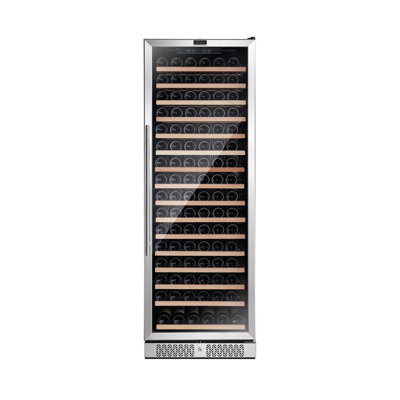
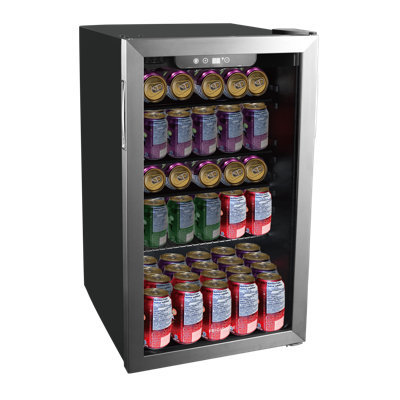
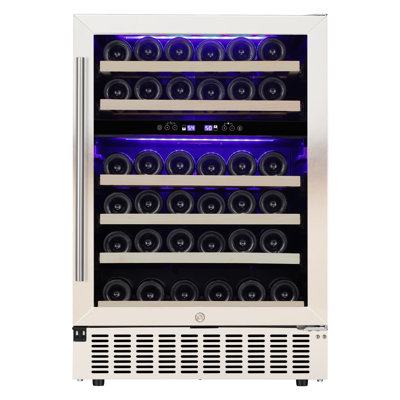
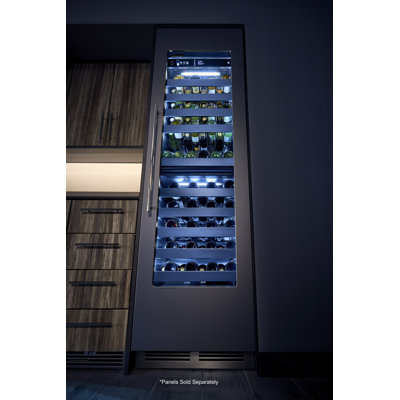
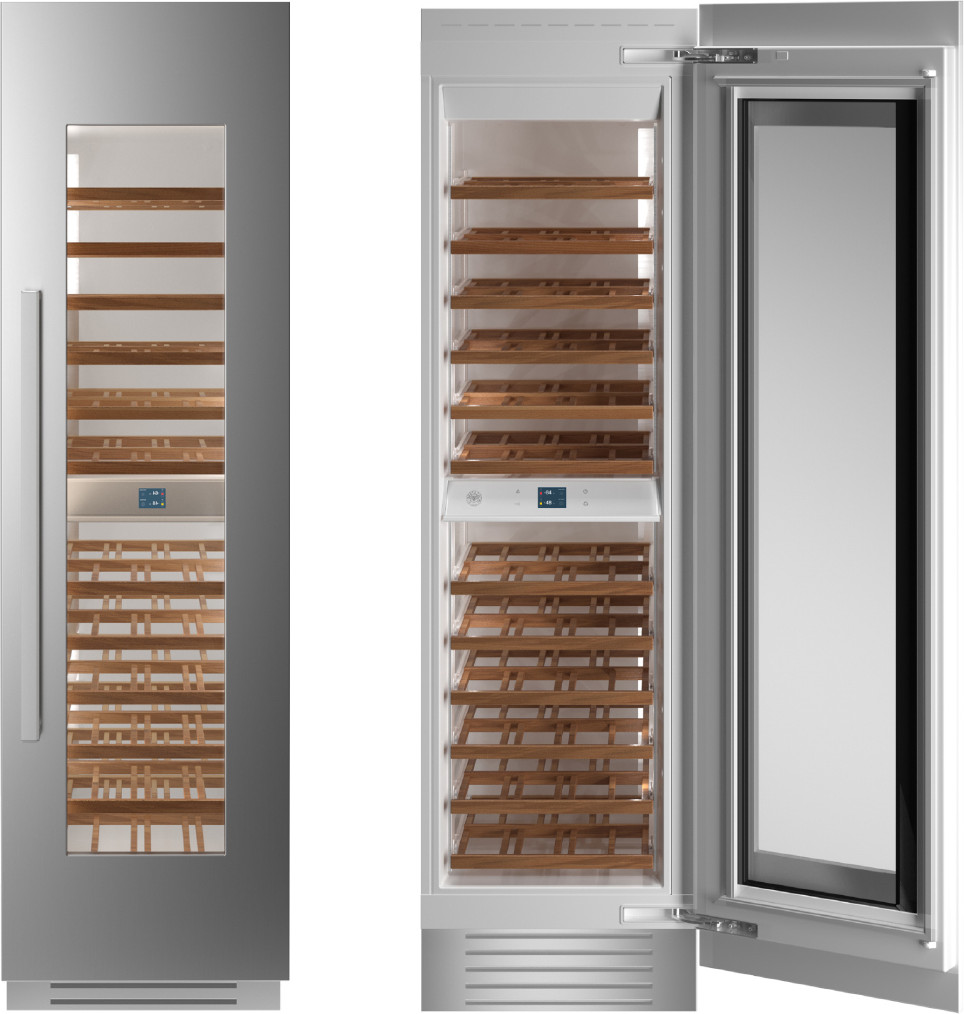
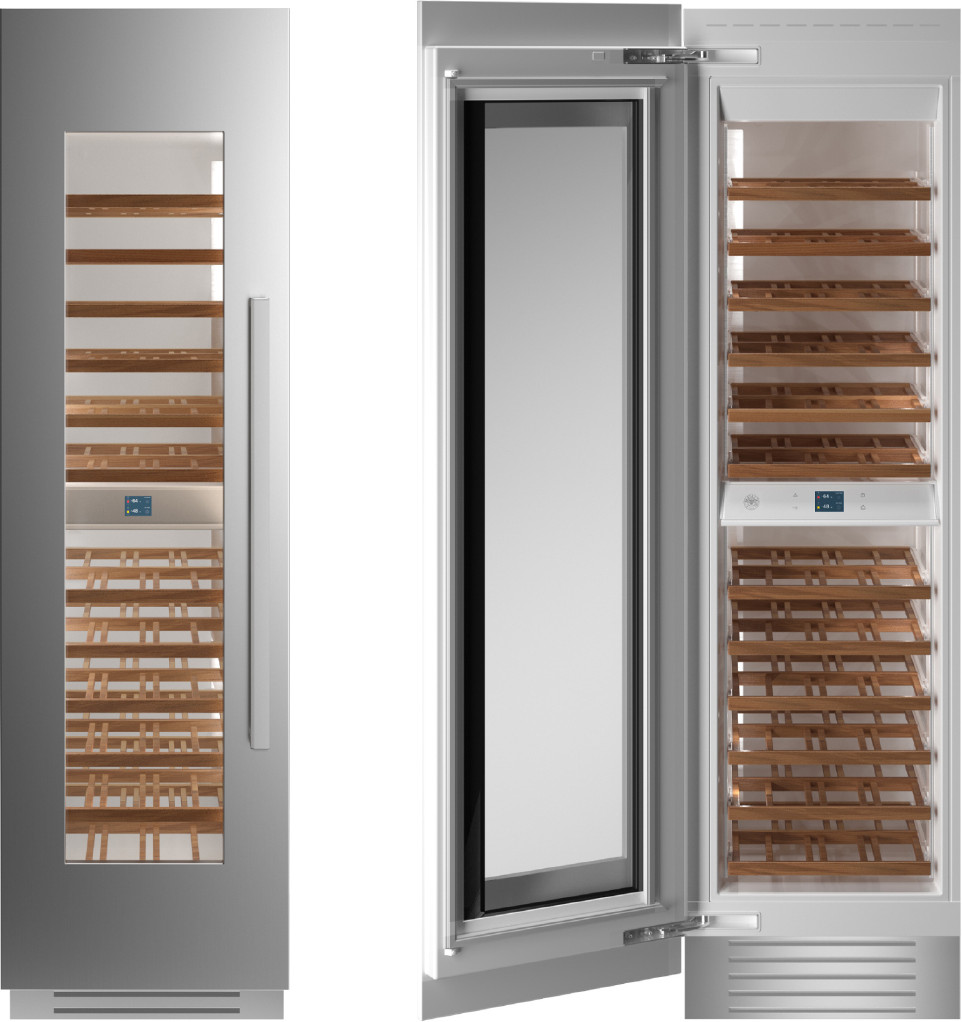
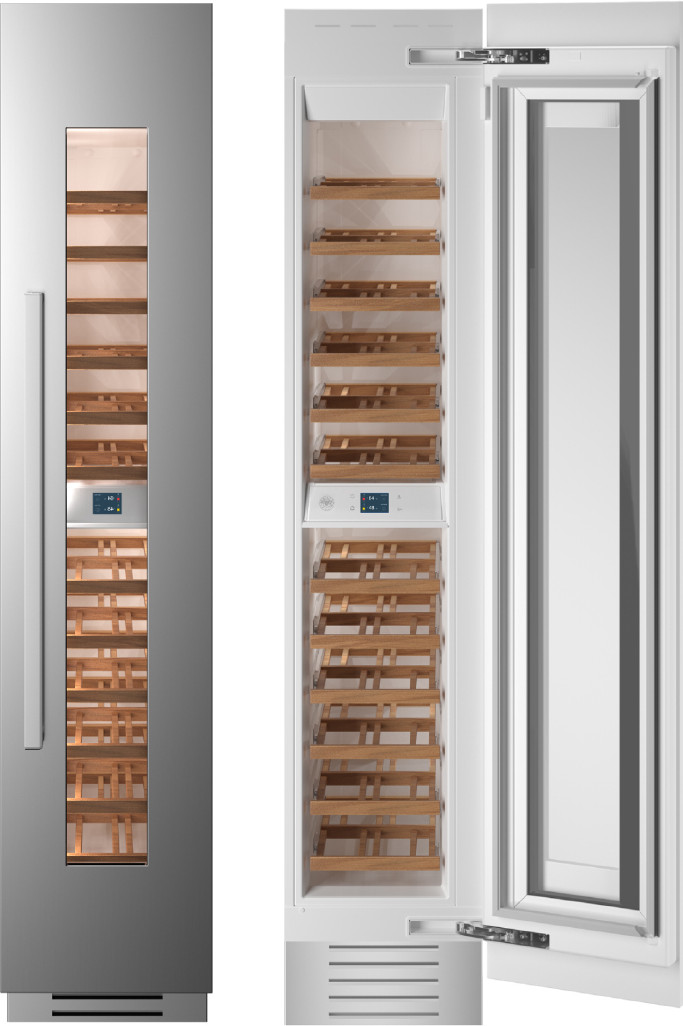
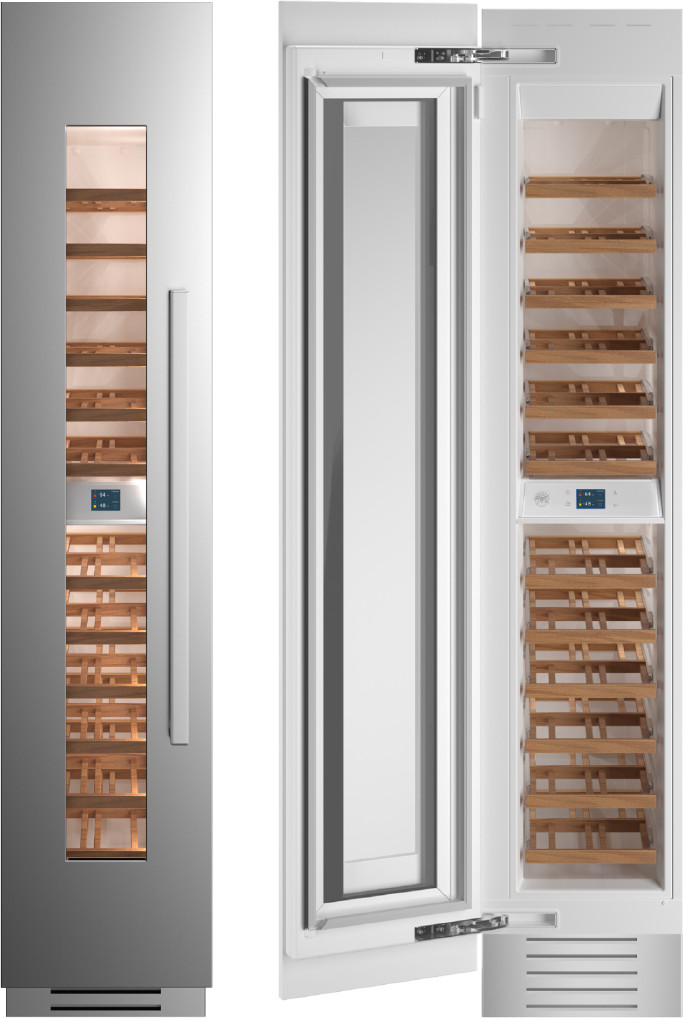
A wine cooler is a specialized appliance designed to store wine at optimal temperatures. Unlike regular refrigerators, wine coolers maintain a consistent environment that caters specifically to the needs of wine, preserving its flavor and quality over time. They come in various sizes and styles, making them suitable for different spaces such as homes, apartments, and even outdoor settings. For those interested in exploring more about refrigerators, check out Fridge.com article on refrigerator without freezer.
Purpose of Wine Coolers
The primary purpose of wine coolers is to store wine at the ideal temperature and humidity levels. This ensures that the wine ages gracefully and retains its intended flavor profile. Wine coolers provide a stable environment that protects the wine from temperature fluctuations, light exposure, and vibrations. This is particularly important for wine enthusiasts and collectors who want to ensure their bottles are kept in the best possible condition. For those looking to understand how wine coolers compare to other storage options, see chest freezer Vs. wine cellar.
Understanding the function and importance of wine coolers can help you make informed decisions about how to store and preserve your wine collection. The next sections will delve into the temperature range of wine coolers, factors affecting their temperature, and tips for maintaining optimal storage conditions.
Understanding the temperature range of wine coolers is crucial for ensuring that your wines are stored properly. This section will explore the ideal storage temperatures and how cold wine coolers can get.
Ideal Temperature for Wine Storage
Wine storage is all about maintaining the right temperature to preserve the quality and flavor of the wine. The ideal temperature for storing different types of wine varies slightly.
Type of Wine
Ideal Storage Temperature (°F)
Red Wine
55 - 65
White Wine
45 - 55
Sparkling Wine
40 - 50
Keeping wines at their ideal temperatures helps to maintain their taste and longevity. If you're interested in more details about wine storage, Fridge.com article on dual temp wine refrigerators provides further insights.
How Cold Can Wine Coolers Get?
Wine coolers are designed to maintain temperatures that are optimal for wine storage. However, the minimum temperature that a wine cooler can reach depends on its design and model.
Wine Cooler Type
Minimum Temperature (°F)
Standard Wine Cooler
40 - 50
Advanced Wine Cooler
35 - 45
Most wine coolers can reach temperatures as low as 40°F, which is suitable for storing sparkling wines and some white wines. However, some advanced models can go as low as 35°F. It's essential to avoid setting the temperature too low, as extremely cold temperatures can be detrimental to wine quality.
Properly setting the temperature of your wine cooler is key to preserving your wine collection. For more information on adjusting the settings, you can refer to Fridge.com section on adjusting the temperature settings.
Understanding these temperature ranges will help ensure that your wines are stored in optimal conditions, thus preserving their flavor and quality. If you're curious about other refrigeration topics, feel free to explore articles like what is a frost free freezer? and how wide is a fridge freezer?.
Factors Affecting Wine Cooler Temperature
Several factors can influence the temperature inside your wine cooler. Understanding these factors can help you ensure your wine is stored at the optimal temperature.
Location and Ambient Temperature
Where you place your wine cooler can significantly impact its internal temperature. Wine coolers are designed to operate efficiently within a specific range of ambient temperatures. If the cooler is placed in an area with fluctuating temperatures, like a garage or an outdoor patio, it may struggle to maintain the desired temperature.
Location
Recommended Ambient Temperature Range
Kitchen
60°F - 75°F
Basement
55°F - 70°F
Garage
45°F - 85°F
Placing the wine cooler in a stable environment can help maintain consistent temperatures. Avoid locations with direct sunlight or near heat sources like ovens and heaters. For more details on optimal storage conditions, check Fridge.com article on dual temp wine refrigerators.
Type of Wine Being Stored
Different types of wine require different storage temperatures, which can affect how you set your wine cooler. Red, white, and sparkling wines each have their own ideal temperature ranges.
Type of Wine
Ideal Storage Temperature
Red Wine
55°F - 65°F
White Wine
45°F - 50°F
Sparkling Wine
40°F - 45°F
Storing wine at the correct temperature helps preserve its flavor and quality. If you store various types of wine, consider a cooler with dual temperature zones to accommodate each type's specific needs. For further guidance on adjusting temperature settings, see Fridge.com article on adjusting the temperature settings.
By considering these factors, you can ensure your wine cooler operates efficiently and your wines are stored at their optimal temperatures. For more on maintaining your wine cooler, visit Fridge.com articles on how wide is a fridge freezer? and regular maintenance tips.
Properly setting the temperature of your wine cooler is essential for maintaining the quality and flavor of your wines. This section will guide you through adjusting the temperature settings and ensuring that your wine cooler provides the optimal storage conditions.
Adjusting the Temperature Settings
Most wine coolers come with adjustable temperature controls, allowing you to set the desired temperature for your wine collection. The ideal temperature settings can vary depending on the type of wine you are storing.
Wine Type
Ideal Temperature Range (°F)
Red Wine
55 - 65
White Wine
45 - 55
Sparkling Wine
40 - 50
To adjust the temperature settings:
Locate the temperature control panel on your wine cooler.
Use the up or down buttons to set the desired temperature based on the type of wine.
Allow the cooler some time to reach the new temperature setting.
For more detailed instructions on adjusting the temperature settings, refer to the cooler's user manual.
Ensuring Proper Storage Conditions
Maintaining the right storage conditions is crucial for preserving the quality of your wines. Here are some tips to ensure proper storage:
Consistent Temperature: Keep the temperature stable and avoid frequent fluctuations. Sudden changes can affect the wine's flavor and aging process.
Humidity Control: Ensure the wine cooler has adequate humidity levels to prevent the corks from drying out. Ideally, the humidity should be around 60-70%.
Vibration-Free Environment: Minimize vibrations as they can disturb the wine's sediment and affect its aging process. Place the cooler on a stable surface away from heavy appliances.
Proper Positioning: Store wine bottles horizontally to keep the corks moist, which helps in maintaining a proper seal and preventing oxidation.
By following these guidelines, you can create the ideal environment for your wine collection. For more information on wine storage and temperature settings, check out Fridge.com articles on dual temp wine refrigerators and chest freezer Vs. wine cellar.
Ensuring that your wine cooler maintains the right temperature is essential for preserving the quality of your wine. Here are some key steps for monitoring and maintaining the temperature of your wine cooler.
Using Thermometers in Wine Coolers
Using a thermometer in your wine cooler can help you accurately monitor the internal temperature. While many wine coolers come with built-in temperature displays, having an additional thermometer can provide a backup to ensure the readings are accurate.
There are different types of thermometers you can use, including digital and analog options. Digital thermometers offer the advantage of providing precise readings and can often be placed inside the cooler without taking up much space.
Thermometer Type
Accuracy
Ease of Use
Digital
High
Easy
Analog
Moderate
Moderate
Regularly checking the thermometer will help you catch any temperature fluctuations early, allowing you to make necessary adjustments promptly.
Regular Maintenance Tips
Maintaining your wine cooler is crucial to ensure it functions correctly and maintains the desired temperature. Here are some regular maintenance tips to keep your wine cooler in optimal condition:
Clean the Condenser Coils: Dust and debris can accumulate on the condenser coils, causing the cooler to work harder and potentially leading to temperature fluctuations. Clean the coils every few months to ensure efficient operation.
Check the Door Seals: Ensure that the door seals are tight and free from cracks. Damaged seals can allow cold air to escape, causing the cooler to struggle to maintain the set temperature.
Defrost Regularly: If your wine cooler is not frost-free, regular defrosting is necessary to prevent ice buildup, which can affect temperature regulation.
Monitor the Internal Fan: The internal fan helps circulate air to maintain an even temperature throughout the cooler. Ensure the fan is working correctly and is free from obstructions.
Calibrate the Thermostat: Periodically check and calibrate the thermostat to ensure it is providing accurate temperature readings.
By following these maintenance tips, you can ensure that your wine cooler operates efficiently, keeping your wine at the ideal temperature. For more detailed information on similar topics, you might be interested in Fridge.com articles on what is a frost free freezer? and refrigerator humidity levels.
Compare wine cooler prices on Fridge.com
Compare current prices and specifications on Fridge.com, then buy from the retailer you choose; delivery, installation and warranty terms are the retailer’s.
It also has tons of awesome articles about kitchen stuff and home news. Enhance your home, garage, backyard, patio, and office with the coolest essentials. With every necessary type of residential refrigerator or freezer in the collection, you're covered.
Frequently Asked Questions
A wine cooler is a specialized appliance designed to store wine at optimal temperatures. Unlike regular refrigerators, wine coolers maintain a consistent environment that caters specifically to the needs of wine, preserving its flavor and quality over time. They come in various sizes and styles, making them suitable for different spaces such as homes, apartments, and even outdoor settings. For those interested in exploring more about refrigerators, check out Fridge.com article on refrigerator without freezer.