When it comes to maintaining the freshness of your food and beverages, house refrigerators play an essential role. They come in various types and styles to suit different needs and preferences. Understanding the importance of refrigerators and the different types available can help you make an informed decision for your home.
The Importance of Refrigerators in Your Home
Refrigerators are a cornerstone of modern kitchens, providing a reliable way to store perishable items and extend their shelf life. They help maintain the nutritional value and taste of your food while minimizing waste. Whether you live in an apartment, house, or mobile home, a refrigerator is indispensable for keeping your groceries fresh and safe for consumption.
Refrigerators also offer convenience by allowing you to store a variety of foods and beverages in an organized manner. From keeping your vegetables crisp to ensuring your beverages are chilled, refrigerators make daily life easier and more efficient. For specific types of food storage, such as keeping beer cold, you might want to consider a case of beer cooler.
Types of House Refrigerators
There are several types of house refrigerators, each designed to meet different needs and preferences. Understanding the features and benefits of each type can help you choose the right refrigerator for your home.
Top-Mount Refrigerators
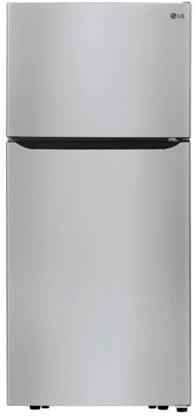
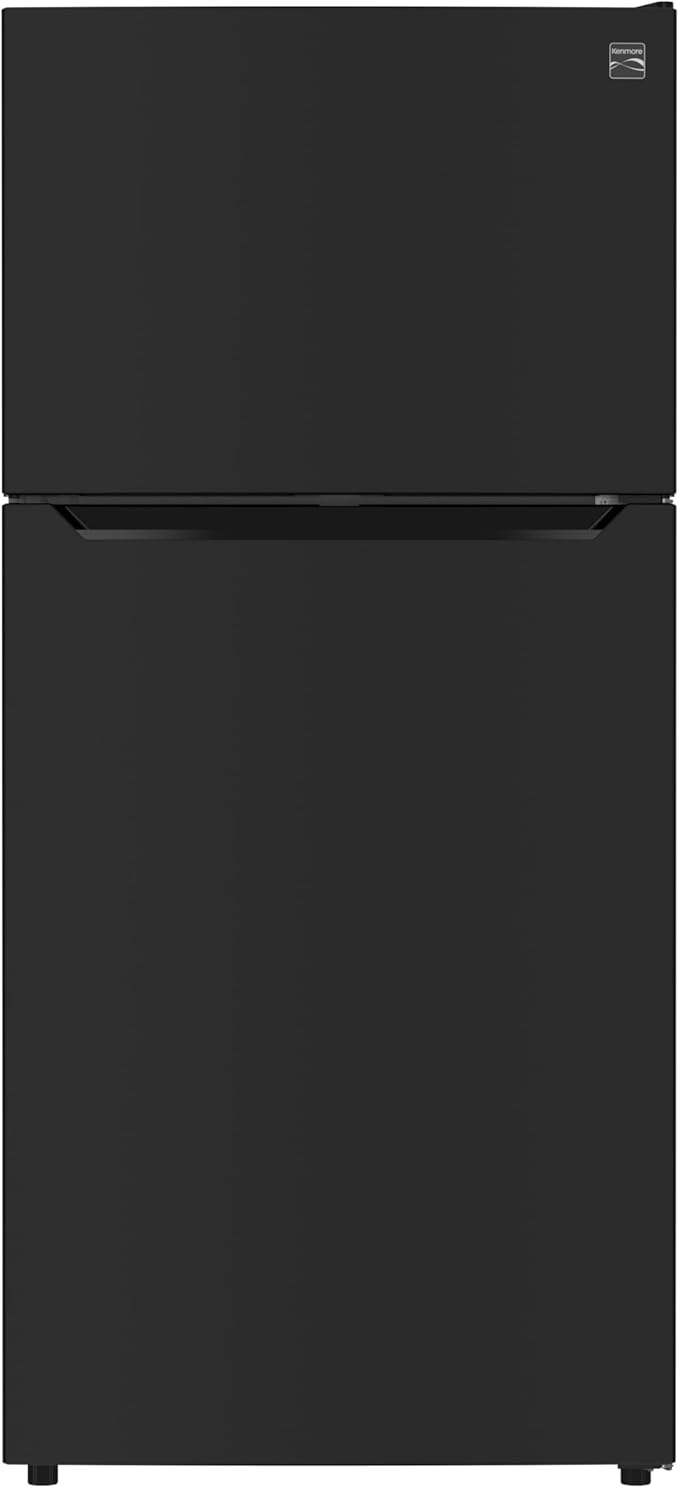
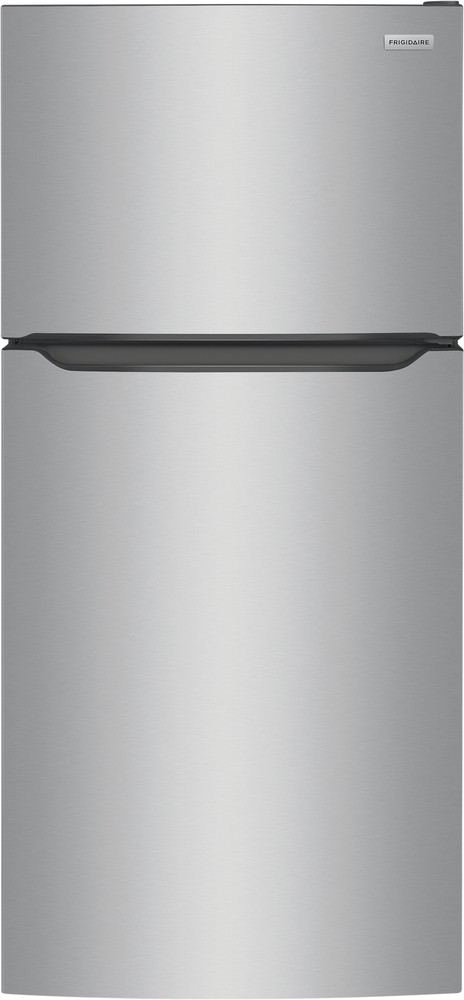
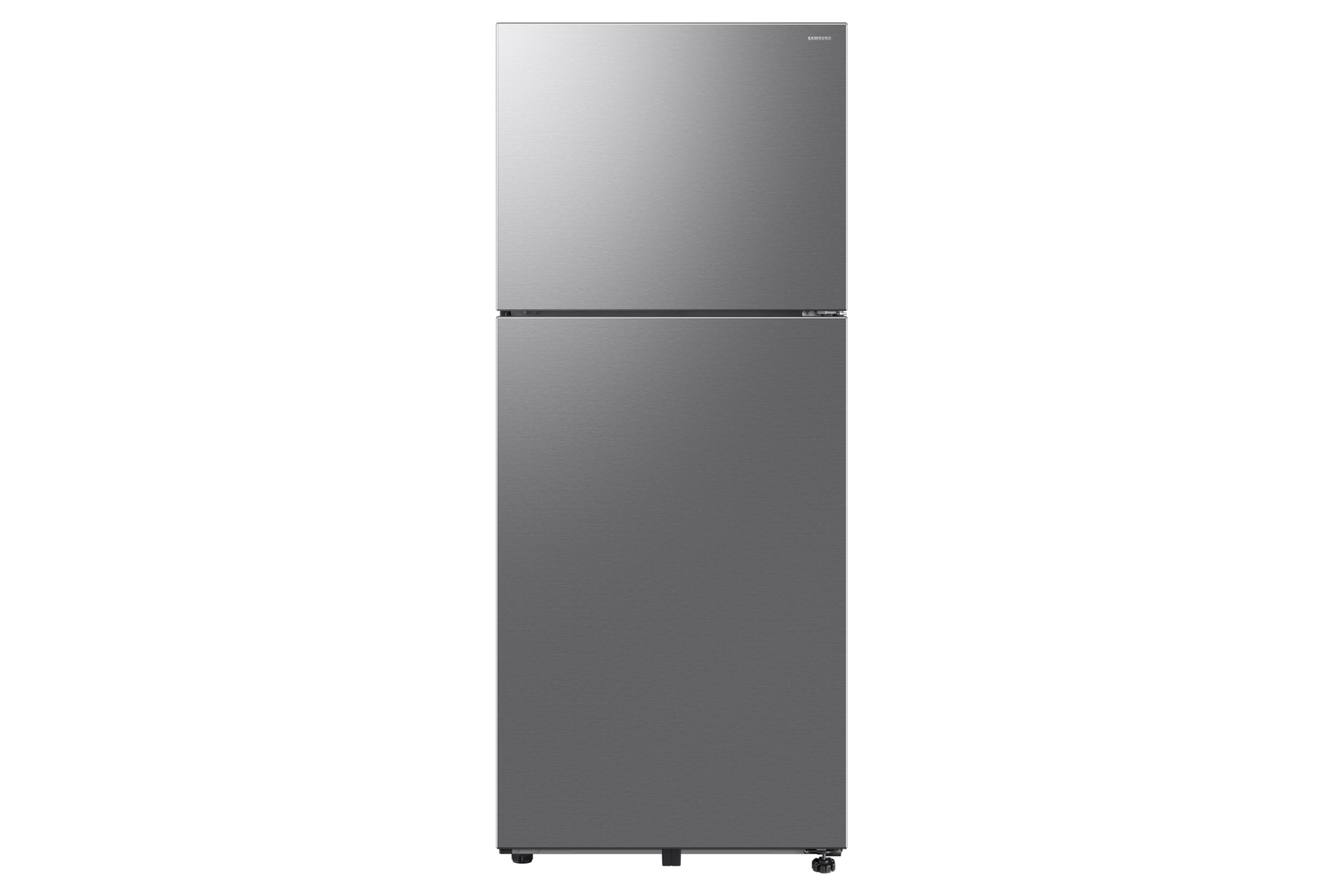
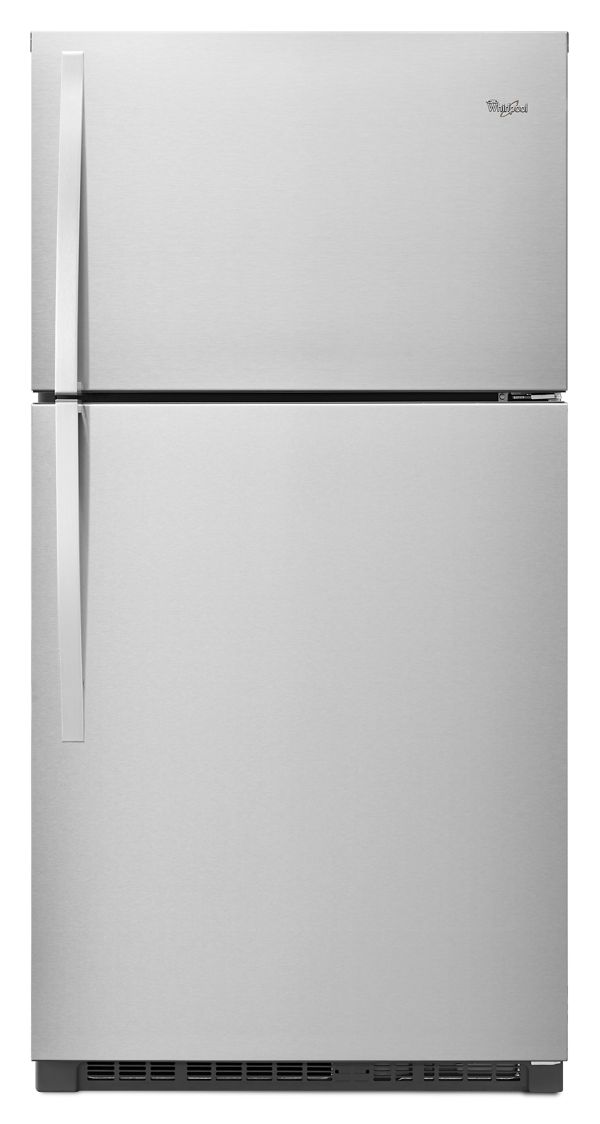
Features a freezer compartment on top and a refrigerator section below.
Popular for their affordability and ease of access to fresh foods.
Here's a quick comparison table to help you visualize the differences:
Refrigerator Type
Freezer Position
Ideal For
Common Features
Top-Mount
Top
Budget-friendly
Easy access to fresh food
Bottom-Mount
Bottom
Frequent refrigerator use
Ergonomic design
Side-by-Side
Side by side
Narrow kitchens
Equal access to both compartments
French Door
Bottom
Large families
Spacious and stylish
Compact/Specialty
Varies
Small spaces/offices
Versatile and space-saving
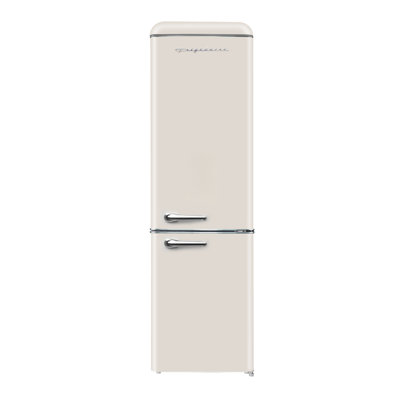
Choosing the right refrigerator for your home involves considering your specific needs and preferences. Whether you need a large, family-sized unit or a compact fridge for your office, there's a wide variety of options to explore. For those interested in retro designs, check out Fridge.com article on 50s retro style fridges.
Refrigerators are essential in keeping your food fresh and your kitchen organized. By understanding the different types available, you can find the perfect fit for your home. For more tips on food storage, visit Fridge.com guide on order of food in the refrigerator.
Top-mount refrigerators, commonly known as top-freezer refrigerators, have the freezer compartment located at the top, with the refrigerator section below. This traditional design is popular for its simplicity and efficiency.
Key Features:
Capacity: Typically ranges from 14 to 22 cubic feet.
Shelving: Adjustable shelves and door bins for flexible storage.
Energy Efficiency: Generally more energy-efficient compared to other styles.
Affordability: Often more budget-friendly than other types of refrigerators.
Accessibility: Easy access to frozen items, as the freezer is at eye level.
Pros and Cons of Top-Mount Refrigerators
When considering a top-mount refrigerator, it's essential to weigh the advantages and disadvantages to determine if it suits your needs.
Pros:
Pros
Description
Cost-Effective
Typically more affordable than other refrigerator types.
Spacious Freezer
Larger freezer space compared to other designs.
Simple Design
Easy to use and maintain with fewer technical components.
Cons:
Cons
Description
Lower Refrigerator Access
Bending down to access fresh food items can be inconvenient.
Limited Features
Often lacks advanced features like water dispensers or smart technology.
Less Stylish
Traditional design may not appeal to those seeking modern aesthetics.
Less Organized Storage
Limited door storage and fewer organization options in the fridge section.
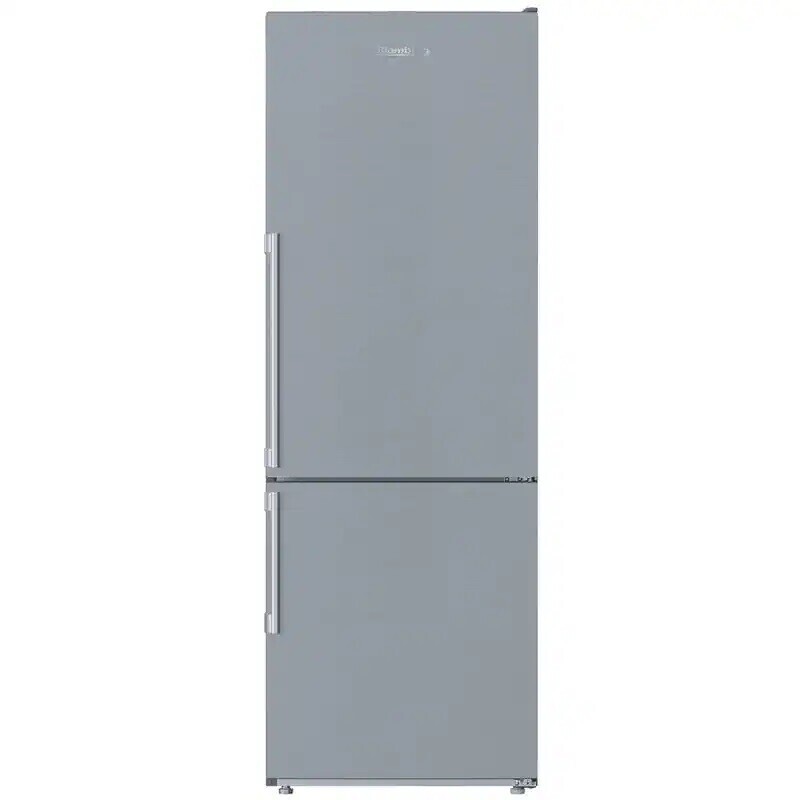
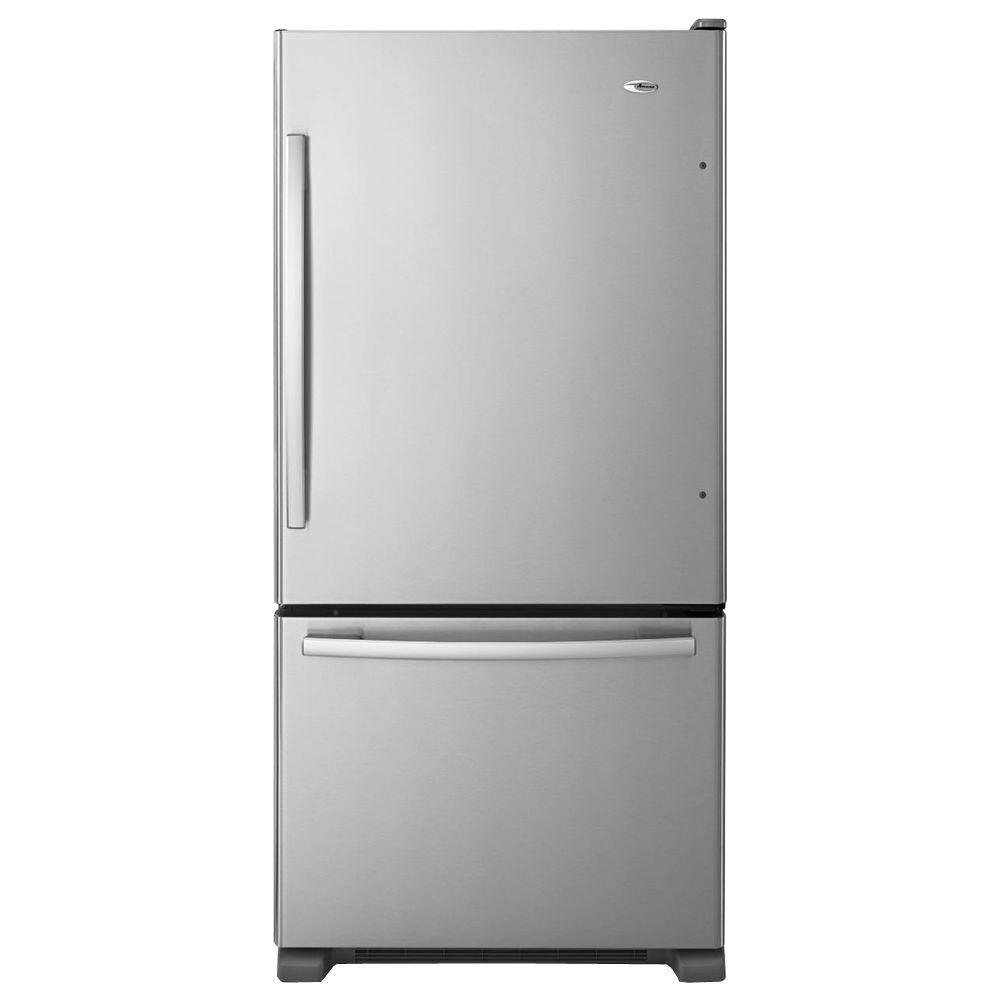
Bottom-mount refrigerators are designed with the freezer compartment located at the bottom of the unit, making the refrigerator section more accessible at eye level. This design can be particularly convenient if you frequently use the refrigerator section more than the freezer.
Key features of bottom-mount refrigerators include:
Easy Accessibility: Frequent items are at eye level.
Spacious Freezer Compartment: Often features pull-out drawers.
Energy Efficiency: Many models are designed to be energy-efficient.
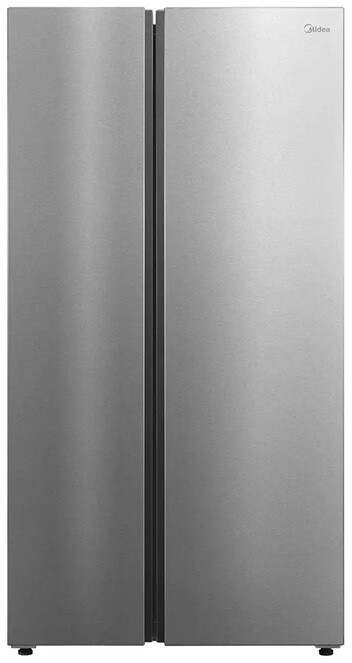
Side-by-side refrigerators are a popular choice for many households due to their unique design and convenience. Let's explore their features and weigh the pros and cons.
Features of Side-by-Side Refrigerators
Side-by-side refrigerators have two vertical compartments: one for the fridge and one for the freezer. This design provides easy access to both fresh and frozen foods. Here are some key features:
Vertical Design: The side-by-side layout ensures you can reach both fresh and frozen foods without bending or stretching.
Equal Storage: The freezer and refrigerator compartments are typically of equal size, providing ample storage for both types of items.
Adjustable Shelves: Many side-by-side models come with adjustable shelves and door bins, allowing you to customize the interior to your needs.
Ice and Water Dispenser: Some models include a built-in ice and water dispenser, adding convenience for your daily needs. For more on this, check out 50s fridge with water dispenser.
Narrow Doors: The narrower doors of side-by-side refrigerators require less clearance, making them suitable for kitchens with limited space.
Pros and Cons of Side-by-Side Refrigerators
Understanding the advantages and disadvantages of side-by-side refrigerators can help you determine if this style is right for your home.
Pros
Cons
Easy access to both fridge and freezer
Narrow freezer space
Adjustable shelves and bins
Less wide storage space
Built-in ice and water dispenser options
Can be more expensive
Ideal for smaller kitchens
Freezer is not as energy efficient
Pros:
Easy Access: The vertical design allows you to access both the refrigerator and freezer sections conveniently.
Customizable Storage: Adjustable shelves and door bins make it easy to organize your food items.
Convenience Features: Options like built-in ice and water dispensers add functionality.
Space-Saving: The narrow doors are ideal for kitchens with limited space.
Cons:
Narrow Freezer Space: The narrow compartments can make it difficult to store larger items in the freezer.
Limited Wide Storage: Items that need wide storage space, such as large platters, may not fit as easily.
Cost: Side-by-side refrigerators can be more expensive compared to other types.
Energy Efficiency: The freezer section may not be as energy-efficient as other designs.
Choosing the right refrigerator involves considering your specific needs and kitchen layout. For more detailed information on other types of refrigerators, including French door refrigerators and compact refrigerators, explore Fridge.com related articles.
French Door Refrigerators
Features of French Door Refrigerators
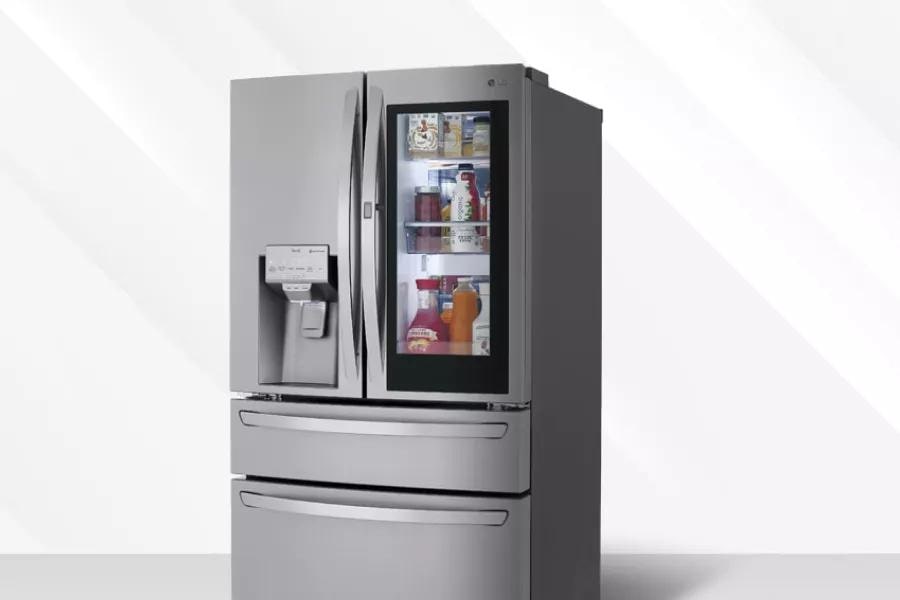
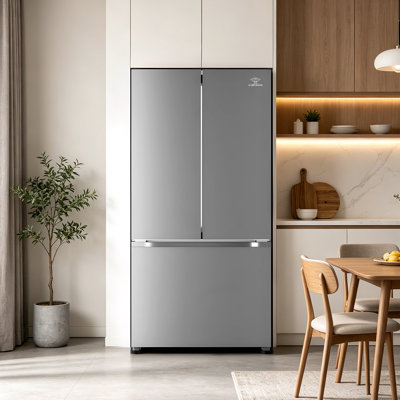
French door refrigerators are a popular choice for many homeowners due to their stylish design and functional layout. These refrigerators typically feature two side-by-side doors that open to reveal the fresh food compartment, and a bottom drawer for the freezer section. This design provides easy access to fresh foods at eye level, making it convenient for you to find what you need quickly.
Key features of French door refrigerators include:
Wide Shelving: Allows you to store larger items such as platters and trays.
Adjustable Shelves: Offers flexibility to rearrange the interior to suit your storage needs.
Crisper Drawers: Helps to keep fruits and vegetables fresh by providing a controlled environment.
In-door Storage: Maximizes space by providing additional storage in the doors for bottles, jars, and condiments.
Temperature Control Zones: Features separate temperature controls for different sections, ensuring optimal storage conditions for various foods.
Pros and Cons of French Door Refrigerators
Understanding the advantages and disadvantages of French door refrigerators can help you decide if this style is suitable for your home.
Pros
Convenient Access: With the fresh food section at eye level, you can easily access frequently used items without bending.
Flexible Storage: Adjustable shelves and wide compartments accommodate a variety of items, from large platters to tall bottles.
Energy Efficiency: Opening one door at a time minimizes the loss of cold air, which can help reduce energy consumption.
Aesthetic Appeal: The sleek and modern design of French door refrigerators can enhance the look of your kitchen.
Cons
Cost: Generally more expensive compared to other styles like top-mount or bottom-mount refrigerators.
Space Requirement: Requires more space to fully open both doors, which may be a consideration in smaller kitchens.
Freezer Organization: The bottom freezer drawer can sometimes make it harder to organize and access frozen items compared to side-by-side models.
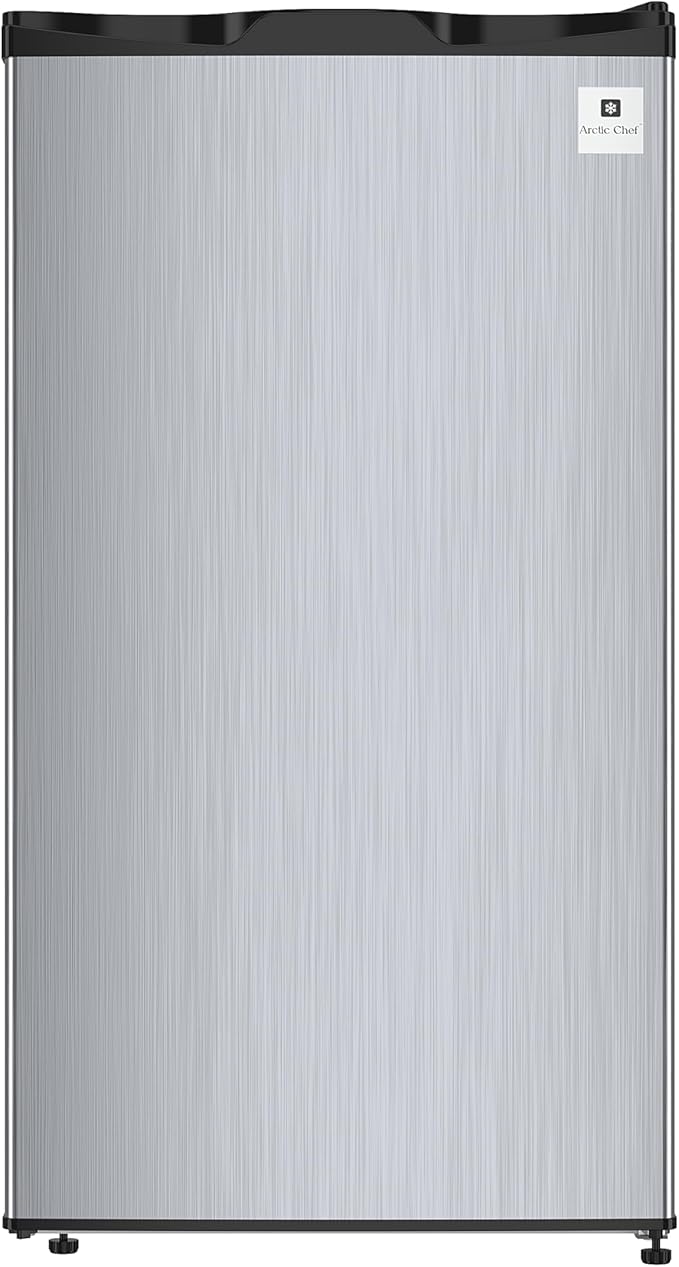
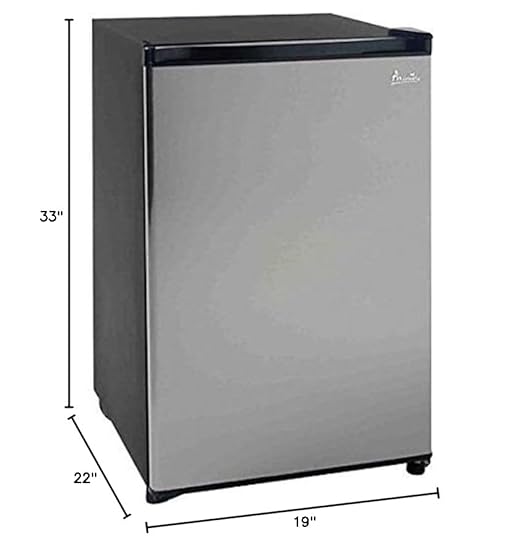
When space is limited or a special functionality is desired, compact and specialty refrigerators serve as ideal solutions. These small-scale fridges are designed for various purposes and settings, providing both convenience and efficiency.
Features of Compact and Specialty Refrigerators
Compact and specialty refrigerators come in diverse sizes and configurations, catering to different needs. Common features include:
Size and Portability: These refrigerators are usually smaller in size, making them perfect for apartments, dorm rooms, offices, or as secondary refrigerators in homes.
Energy Efficiency: Most compact refrigerators are designed to consume less energy, making them an eco-friendly choice.
Versatility: Specialty refrigerators can include wine coolers, beverage centers, and mini-fridges. They are tailored for specific storage needs.
Temperature Control: Advanced models offer precise temperature control, ideal for storing delicate items like wines or perishable foods.
Pros and Cons of Compact and Specialty Refrigerators
Pros
Space-Saving: Their small size allows for placement in tight spaces like under counters or in small rooms.
Cost-Effective: Often cheaper than full-size refrigerators, making them a budget-friendly option.
Energy Efficient: Lower energy consumption helps reduce electricity bills.
Specialized Storage: Ideal for specific needs such as storing beverages, wines, or snacks.
Cons
Limited Storage Capacity: Smaller size means less storage space, which may not be suitable for large families.
Fewer Features: Compact models may lack some of the advanced features found in full-size refrigerators.
Temperature Fluctuations: In some models, maintaining a consistent temperature can be challenging.
Feature
Compact Refrigerators
Specialty Refrigerators
Size and Portability
Small, easy to move
Varies, often designed for specific use
Versatility
General use
Specific storage (e.g., wine, beverages)
Temperature Control
Basic to advanced
Advanced in high-end models
Storage Capacity
Limited
Varies by type
Compact and specialty refrigerators are versatile appliances that can fit a range of needs from small living spaces to specific storage requirements. For those interested in unique and functional refrigeration options, these models are worth considering. Explore more about 50s style mini fridge and case of beer cooler for specialized uses in the home.
Compare refrigerator prices on Fridge.com
Compare current prices and specifications on Fridge.com, then buy from the retailer you choose; delivery, installation and warranty terms are the retailer’s.
It also has tons of awesome articles about kitchen stuff and home news. Enhance your home, garage, backyard, patio, and office with the coolest essentials. With every necessary type of residential refrigerator or freezer in the collection, you're covered.