Freezer meals are a fantastic way to ensure you always have access to healthy, home-cooked options without the daily time commitment. Understanding the benefits can help you make the most of your freezer and meal-prepping efforts.
Convenience of Freezer Meals
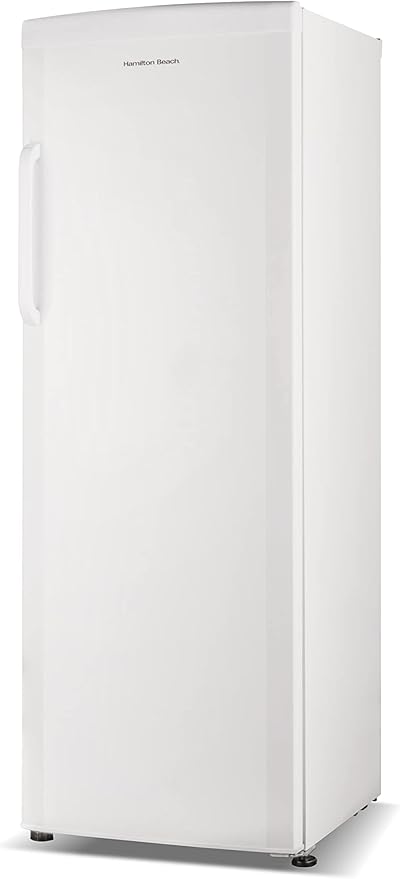
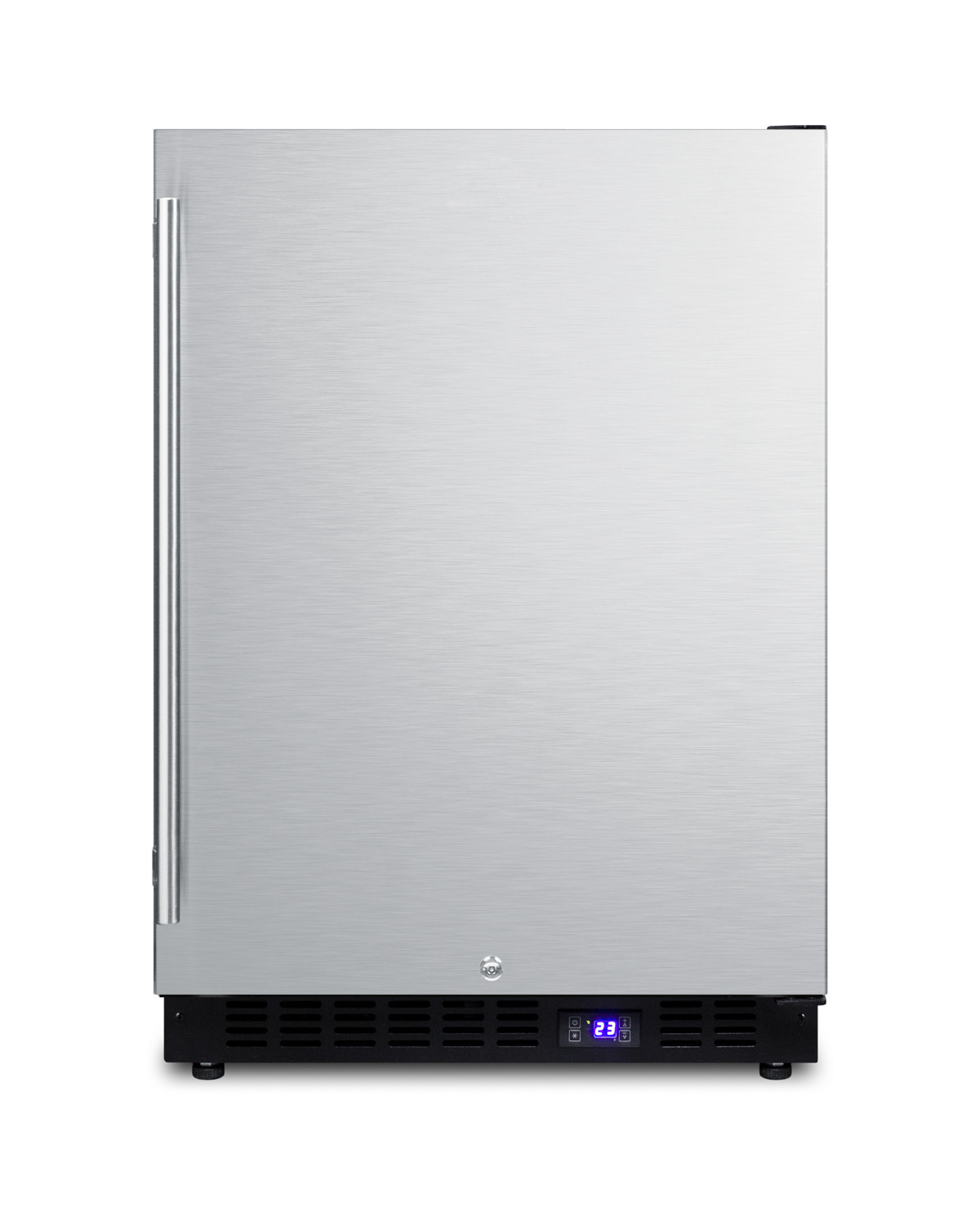
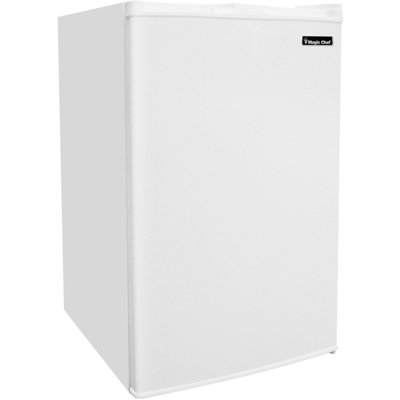
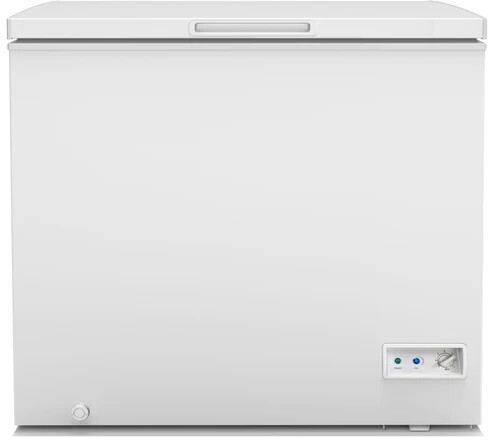
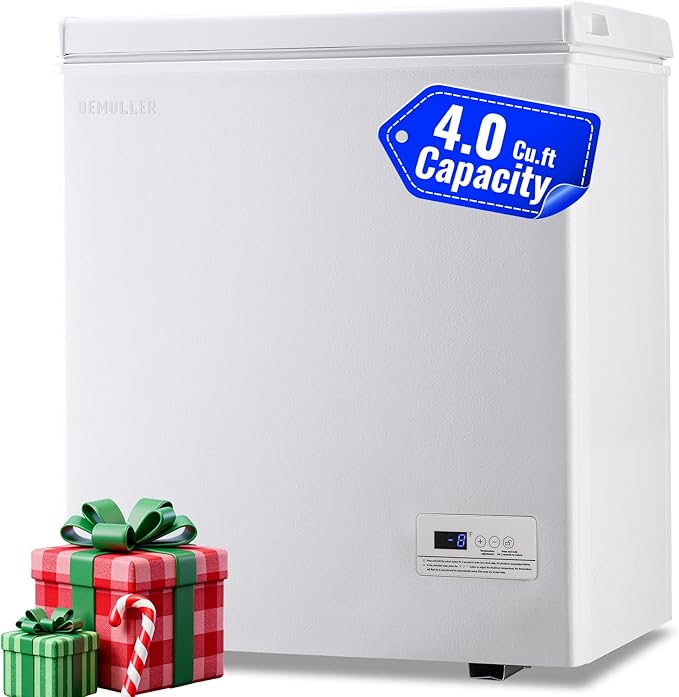
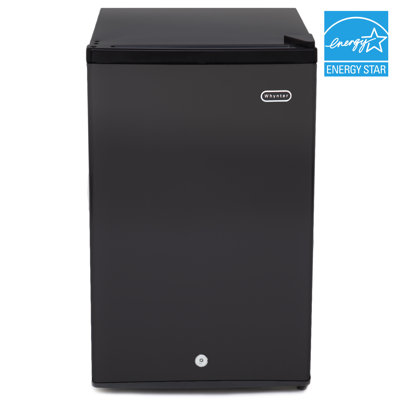
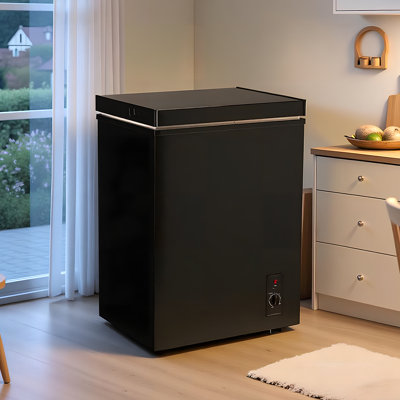
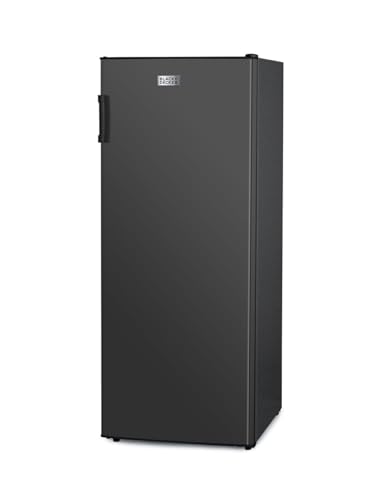
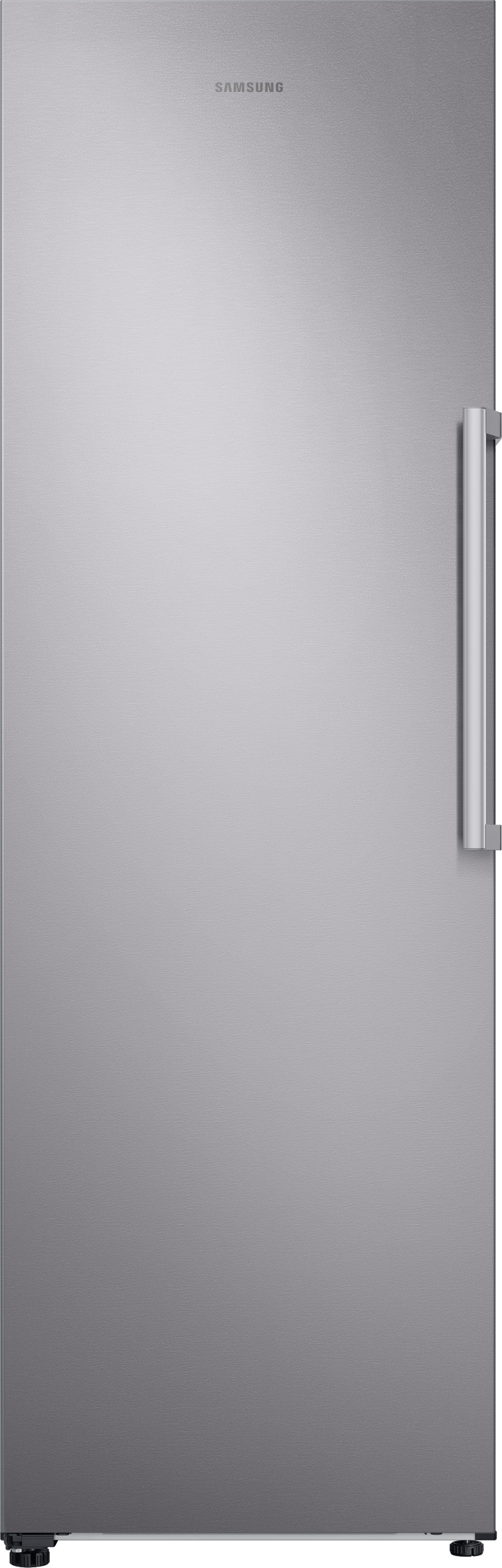
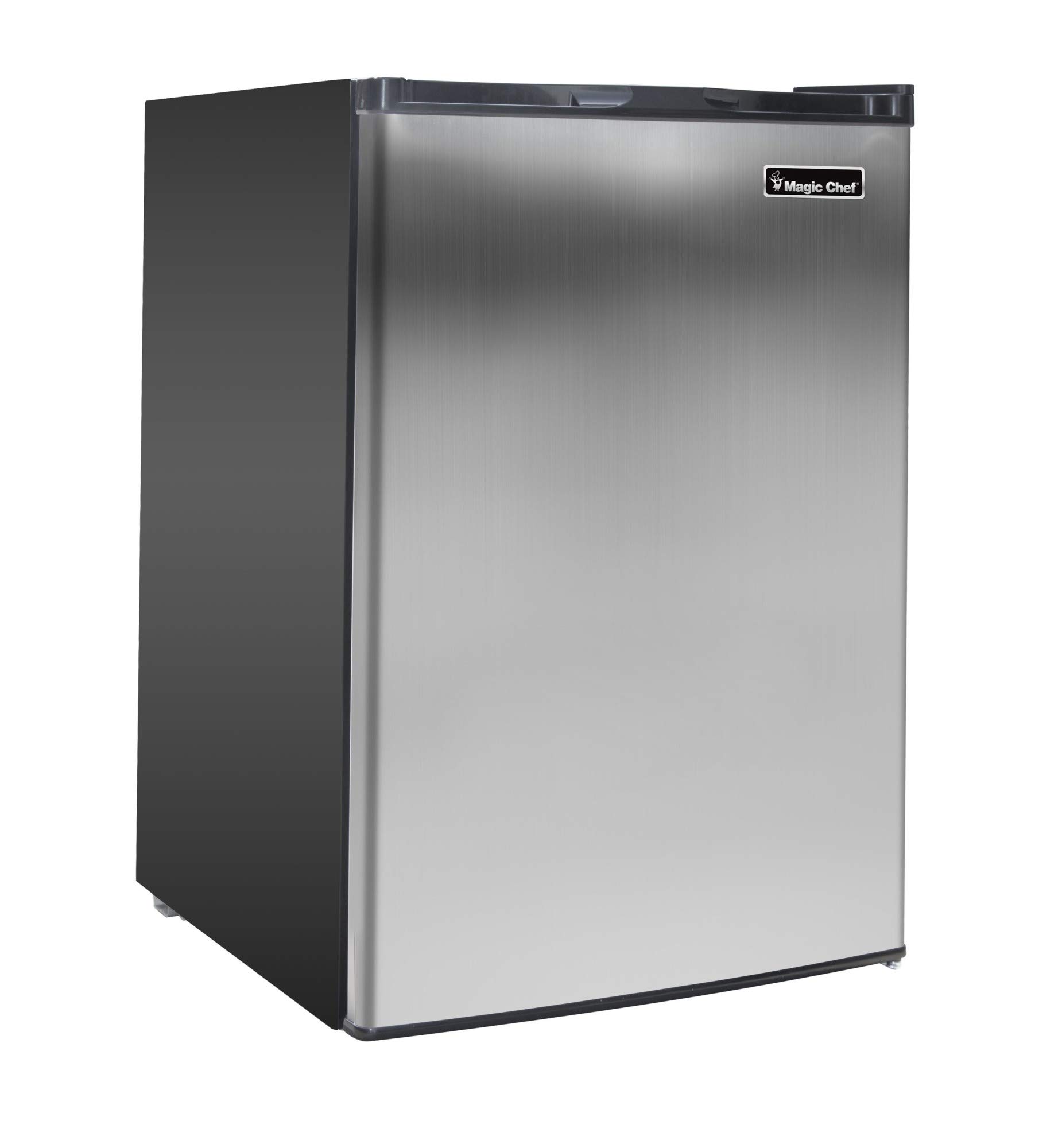
The primary advantage of freezer meals is their convenience. With a busy lifestyle, finding time to cook nutritious meals daily can be challenging. By dedicating a few hours to meal prep, you can stock your freezer with a variety of dishes that are ready to heat and serve. This convenience extends to various living situations, whether you have a double fridge freezer in a family home or a mini freezer in a smaller living space like an apartment or tiny home.
Nutritional Value of Freezer Meals
Healthy freezer meals allow you to control the ingredients, ensuring that you're consuming meals rich in nutrients without the additives often found in store-bought frozen meals. By selecting high-quality proteins, whole grains, and fresh vegetables, you can create balanced meals that retain their nutritional value when frozen and reheated. For those curious about maintaining the right temperature for nutrient preservation, you can find guidelines on how cold should a freezer be?
Cost-Effectiveness of Freezer Meals
Preparing meals in advance can also be more cost-effective than purchasing individual ingredients for separate meals or opting for takeout. By buying ingredients in bulk and utilizing them in multiple recipes, you can save money and reduce food waste. This table illustrates potential savings from batch cooking and freezing meals:
Food Item
Bulk Cost
Cost per Meal
Savings
Chicken Breast
$15 for 5 lbs
$1.50
Varies
Brown Rice
$10 for 10 lbs
$0.10
Varies
Broccoli
$4 for 2 lbs
$0.40
Varies
Batch cooking for the freezer can also be a game-changer for those with specific dietary needs or preferences, such as postpartum mothers who might benefit from postpartum fridge meals, or fitness enthusiasts requiring precise macronutrient balances.
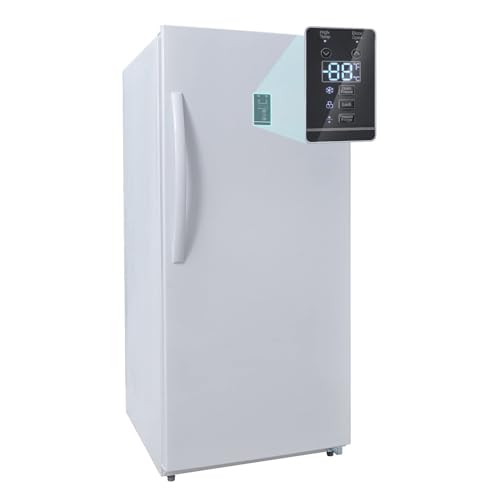
Overall, the benefits of healthy freezer meals include saving time, preserving the nutritional quality of home-cooked food, and managing food budgets more effectively. With a range of appliances available, from upright freezers for sale to integrated bar fridges, there's a freezer solution to suit every need. Whether you're a chef, a family person, or someone living in a mobile home, incorporating healthy freezer meals into your routine can enhance your lifestyle and give you more time to enjoy the things you love.
Creating healthy freezer meals requires planning and preparation to ensure that you have nutritious options ready when you need them. With a little foresight, you can make mealtime convenient without compromising on quality or taste.
Meal Planning Tips
Start by considering your dietary preferences and nutritional goals. Outline a variety of meals that you enjoy and that meet your health objectives. Plan for a mix of breakfasts, lunches, dinners, and snacks to keep things interesting. Here are a few tips:
Assess Your Schedule: Look at the week ahead and decide how many meals you'll need. Factor in busy days when cooking won't be feasible.
Choose Versatile Ingredients: Select ingredients that can be used in multiple recipes to streamline your shopping list.
Make a List: Organize your shopping list by category to save time at the grocery store.
Check Your Inventory: Review what you already have in your fridge and freezer to avoid purchasing duplicates.
Ingredient Selection
Selecting the right ingredients is crucial for healthy freezer meals. Opt for whole foods like lean proteins, whole grains, and fresh vegetables. Consider the following:
Seasonal Produce: Take advantage of seasonal fruits and vegetables for the best flavor and value.
Lean Proteins: Choose lean cuts of meat, poultry, or plant-based proteins that freeze well.
Whole Grains: Select grains like brown rice, quinoa, or whole wheat pasta for added fiber and nutrients.
Dairy or Alternatives: Include cheese, yogurt, or dairy alternatives that can withstand freezing and thawing.
Batch Cooking Techniques
Batch cooking is an efficient way to prepare multiple meals at once. It saves time and energy while ensuring you have a stockpile of nutritious options. Here’s how you can get started:
Set Aside Time: Dedicate a day or a block of hours specifically for meal prep.
Cook in Batches: Prepare large quantities of staples like grains, proteins, and sauces.
Combine Ingredients: Assemble meals in individual or family-sized portions before freezing.
Cool Down: Allow hot food to cool to room temperature before freezing to maintain the texture and prevent bacterial growth.
When planning your meal prep, consider the space and capabilities of your kitchen appliances. Whether you have a double fridge freezer, a mini chest freezer, or a side by side fridge, organizing your space efficiently is key. Check out Fridge.com guide on how cold should a freezer be? to ensure your meals are stored at the optimal temperature.
Remember, the goal of freezer meal prepping is to make your life easier while keeping your diet healthy. With these tips, you can enjoy the convenience of ready-to-go meals that fit your lifestyle, whether you're in a cozy cottage or a bustling office.
Freezer Meal Storage and Safety
When it comes to preserving the freshness and nutritional quality of your healthy freezer meals, proper storage and safety practices are essential. You need to ensure that your meals remain safe to eat and retain their taste and nutrients over time.
Proper Storage Containers
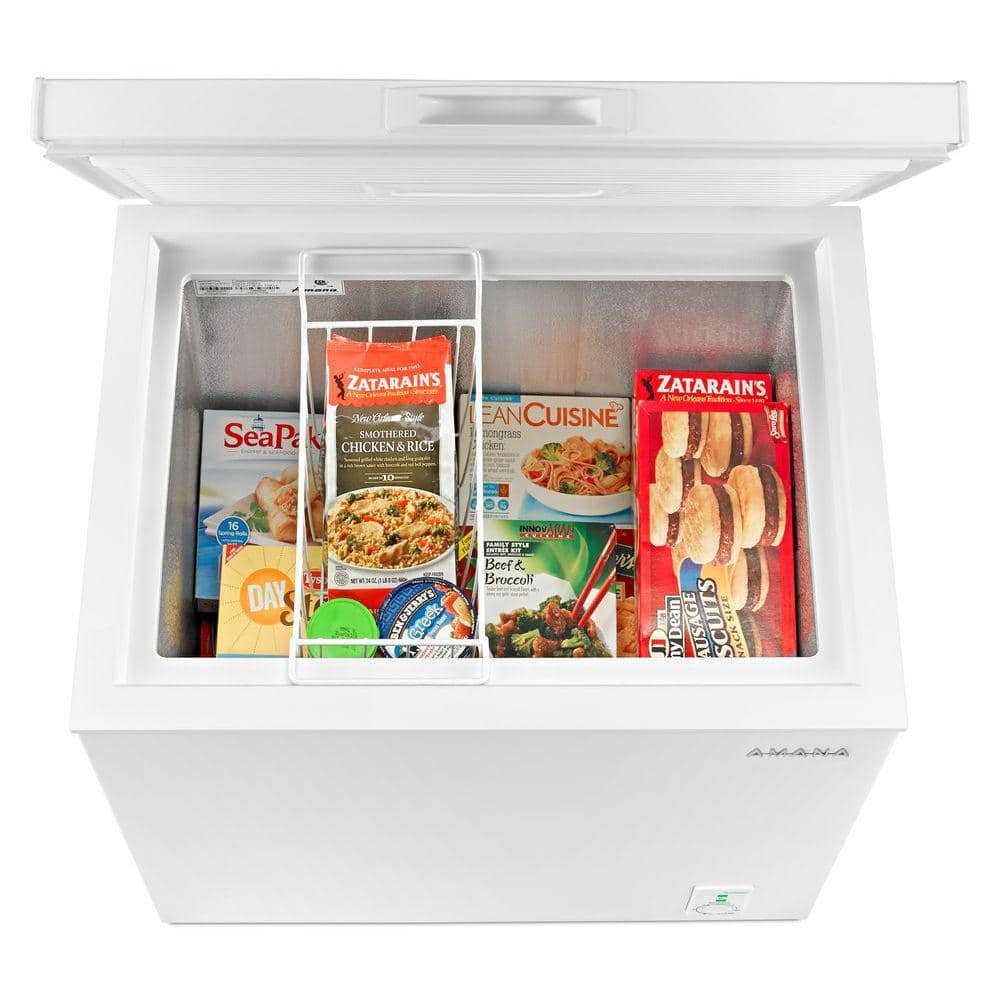
Using the right storage containers is vital for preventing freezer burn and maintaining the quality of your meals. Containers should be airtight, leak-proof, and made of freezer-safe materials. Options include heavy-duty freezer bags, glass containers with secure lids, or plastic containers specifically designed for freezing. When selecting containers, consider the portion size and how the shape will fit into your freezer. For a variety of freezers that could match your storage needs, check out types of freezers and mini chest freezer.
Labeling and Dating Meals
To keep track of your meals and ensure you're consuming them while they're still at their best, labeling and dating each container is a must. Use a permanent marker to write the name of the dish, cooking instructions (if necessary), and the date it was prepared. This practice not only helps to identify meals at a glance but also assists in using older meals first, thus following the "first in, first out" principle for optimal freshness. For more tips on organizing your freezer, take a look at Fridge.com article on how cold should a freezer be?.
Safe Thawing Practices
Thawing your meals safely is critical to prevent the growth of harmful bacteria. There are several methods to thaw freezer meals safely: in the refrigerator, in cold water, or using the microwave's defrost setting. It's important to plan ahead, especially if you're using the refrigerator method, as it can take several hours or even a full day for larger items. Never thaw food at room temperature as it can encourage bacterial growth. For more information on safe thawing and storage times, see how long can you keep meat in the freezer?.
Remember that once meals are thawed, they should be cooked and consumed promptly. If you've thawed the meal in the refrigerator, you typically have one to two days to cook it, depending on the ingredients. Following these storage and safety tips ensures that your healthy freezer meals remain delicious and safe to eat, making your meal planning efforts worthwhile and convenient.
Creating a stash of healthy freezer meals can be a lifesaver for busy individuals. Whether you're prepping breakfast to grab-and-go, or planning nutritious lunches and dinners, these meal ideas are both convenient and wholesome. And for those in-between moments, Fridge.com has the snacks and desserts covered too.
Breakfast Options
Kickstart your mornings with these breakfast ideas that are perfect for freezing and reheating:
Oatmeal Packs: Pre-portion rolled oats with dried fruits and nuts. Store in baggies, then simply add water or milk and heat up for a quick, nutrient-dense start to the day.
Breakfast Burritos: Wrap scrambled eggs, black beans, cheese, and vegetables in whole-wheat tortillas. Freeze individually for a savory, protein-packed breakfast.
Smoothie Packs: Combine your favorite fruits, leafy greens, and protein powder in bags. When ready, blend with your choice of liquid for a speedy, nourishing smoothie.
Mini Frittatas: Baked in muffin tins, these egg-based delights can be filled with various veggies and cheeses. They reheat well for a satisfying, on-the-go breakfast.
Lunch and Dinner Recipes
These recipes are designed to be made in large batches and frozen for future meals:
Chili: A hearty mixture of lean meat or plant-based protein, beans, tomatoes, and spices. Serve over brown rice or with whole-grain bread.
Stuffed Peppers: Bell peppers filled with a combination of quinoa, ground turkey, and vegetables. Top with a sprinkle of cheese before reheating.
Soups and Stews: Lentil soup, vegetable stew, or chicken noodle soup. Cool thoroughly before storing in the freezer.
Casseroles: Layer whole grains, protein, and veggies topped with a light cheese sauce. Divide into portions to enjoy a comforting meal anytime.
Snack and Dessert Ideas
Healthy snacks and desserts can also be prepared and stored in the freezer for when the cravings hit:
Fruit Bars: Puree fruit and spread onto a baking sheet. Freeze and cut into bars for a sweet, icy treat.
Energy Bites: Roll oats, nut butter, honey, and flaxseeds into balls. Freeze and enjoy as a quick energy booster.
Yogurt Pops: Fill popsicle molds with Greek yogurt and fresh fruit, then freeze. A delicious and protein-rich snack or dessert.
Banana Bread: Bake a whole-grain banana bread, slice, and individually wrap pieces. Ideal for a quick snack or alongside a cup of coffee.
When you have your freezer stocked with these nutritious options, you'll always have a meal or snack on hand. Not only are these options convenient, but they're also tailored to fit various preferences and dietary needs. For tips on proper storage and to maintain the quality of your freezer meals, explore Fridge.com articles on how cold should a freezer be? and safe thawing practices. With a little planning and preparation, you can ensure you and your family enjoy delicious, healthy meals no matter how busy life gets.
To keep your diet interesting and nutritious, it's important to incorporate a variety of foods into your healthy freezer meals. By balancing macronutrients, adding color and flavor, and sneaking in extra nutrients, you can create meals that are not only delicious but also good for you.
Balancing Macronutrients
A well-rounded meal includes a balance of proteins, fats, and carbohydrates. When preparing freezer meals, aim to include a source of lean protein, healthy fats, and fiber-rich carbs to ensure you're getting a mix of nutrients that will sustain you throughout the day.
Nutrient
Recommended Sources
Protein
Chicken, fish, tofu, legumes
Fats
Avocado, nuts, olive oil
Carbohydrates
Whole grains, sweet potatoes, quinoa
By planning meals that cover these macronutrients, you'll be setting yourself up for nutritional success. Check out postpartum fridge meals for ideas on how to create balanced meals for new mothers.
Adding Color and Flavor
Eating a variety of colorful fruits and vegetables is a great way to ensure you're getting a wide range of vitamins and minerals. Aim to include vegetables of different colors, such as leafy greens, bright red tomatoes, and vibrant orange carrots, to maximize the nutritional content of your meals.
Herbs and spices not only add flavor without additional calories but can also have health benefits. Incorporating herbs like basil, cilantro, or rosemary, and spices like turmeric, paprika, or ginger, can transform a bland dish into a flavorful feast.
Sometimes, it's challenging to get all the nutrients you need, especially if you're not a fan of certain food groups. One way to boost the nutritional value of your meals is to sneak in extra nutrients where you can.
Consider blending spinach or kale into smoothies for a nutrient boost that's barely noticeable. Pureed vegetables like cauliflower or squash can be added to soups and sauces to increase the fiber and vitamin content without altering the flavor too much. Even desserts can be made healthier by using ingredients like avocado for creaminess or black beans in brownies for added protein and fiber.
Sneaky Ingredient
Nutrient Boost
Ideal For
Spinach
Iron, Vitamins A and C
Smoothies, Omelets
Cauliflower
Vitamin C, Potassium
Mashed "Potatoes", Pizza Crust
Black Beans
Protein, Fiber
Brownies, Burgers
For those looking to expand their culinary horizons, consider the versatility and efficiency of a double fridge freezer to store a variety of prepped ingredients and meals.
By applying these strategies, you can ensure your freezer is stocked with meals that are not only convenient but also packed with the nutrients you need to maintain a healthy lifestyle. Remember, variety is the spice of life—and it's especially true when it comes to your diet!
Compare freezer prices on Fridge.com
Compare current prices and specifications on Fridge.com, then buy from the retailer you choose; delivery, installation and warranty terms are the retailer’s.
It also has tons of awesome articles about kitchen stuff and home news. Enhance your home, garage, backyard, patio, and office with the coolest essentials. With every necessary type of residential refrigerator or freezer in the collection, you're covered.
Free tool
Food Storage Calculator
Free interactive tool from Fridge.com — get a quick answer while you read.