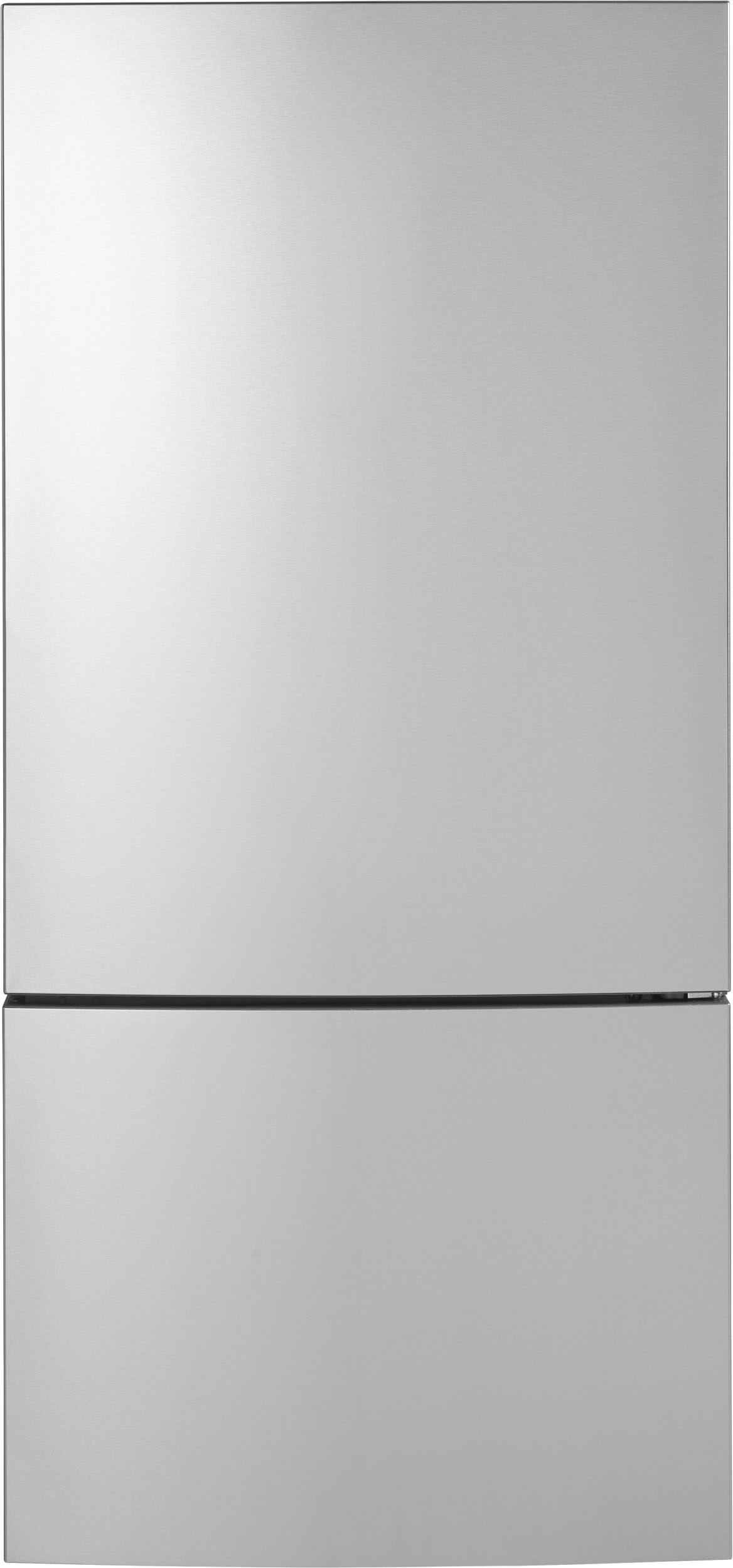
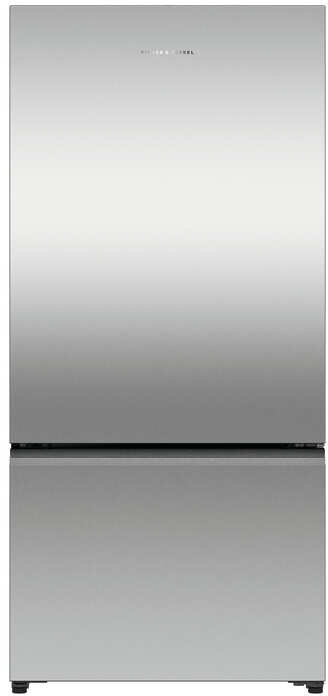
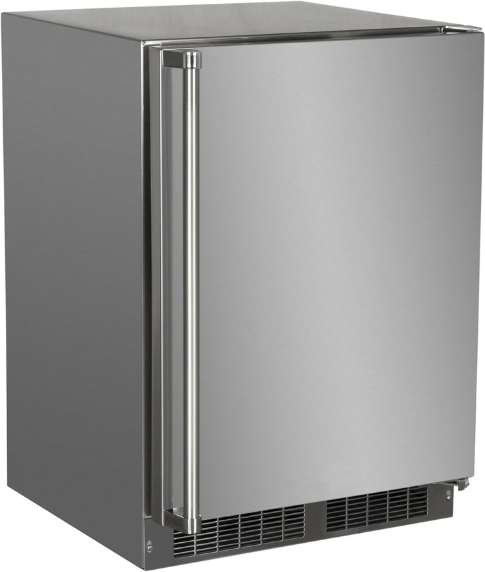
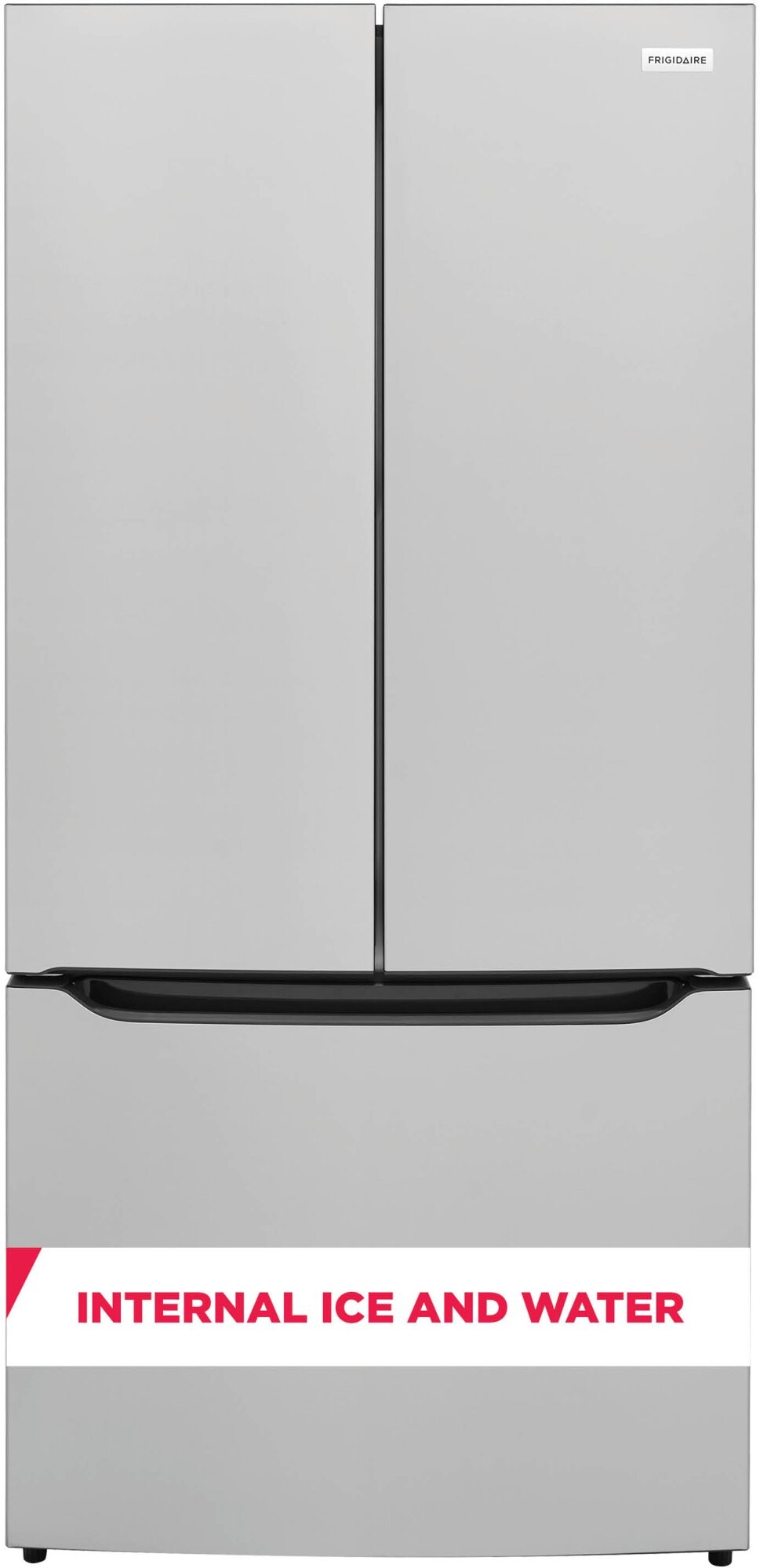
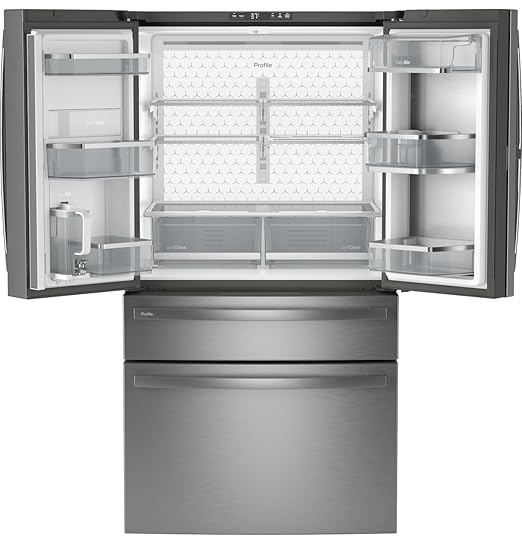
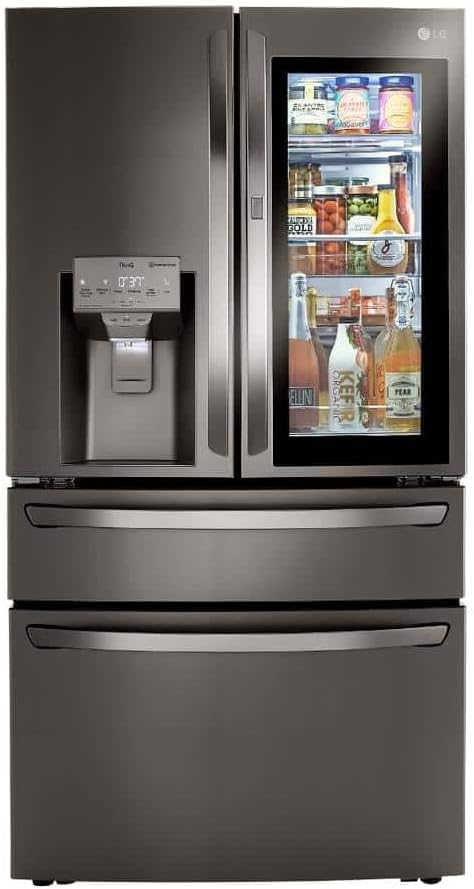
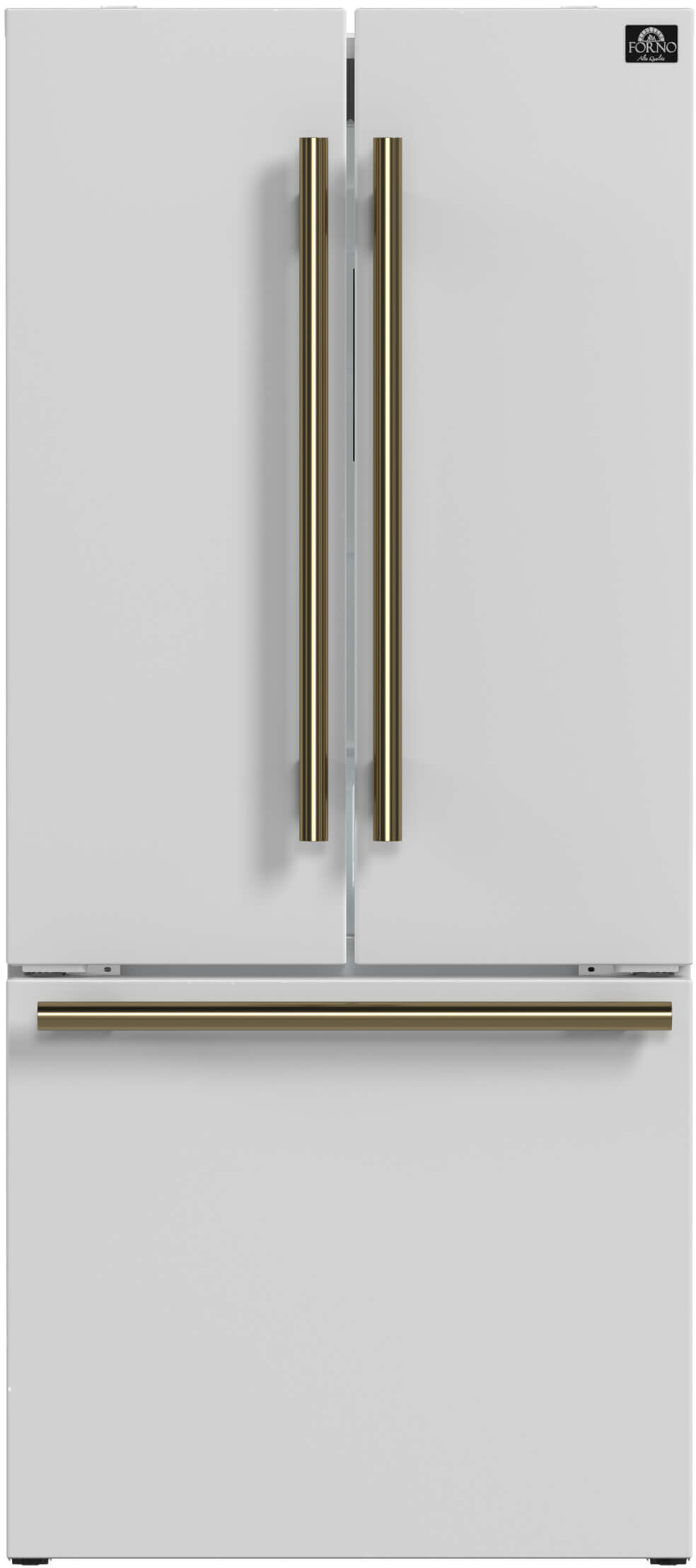
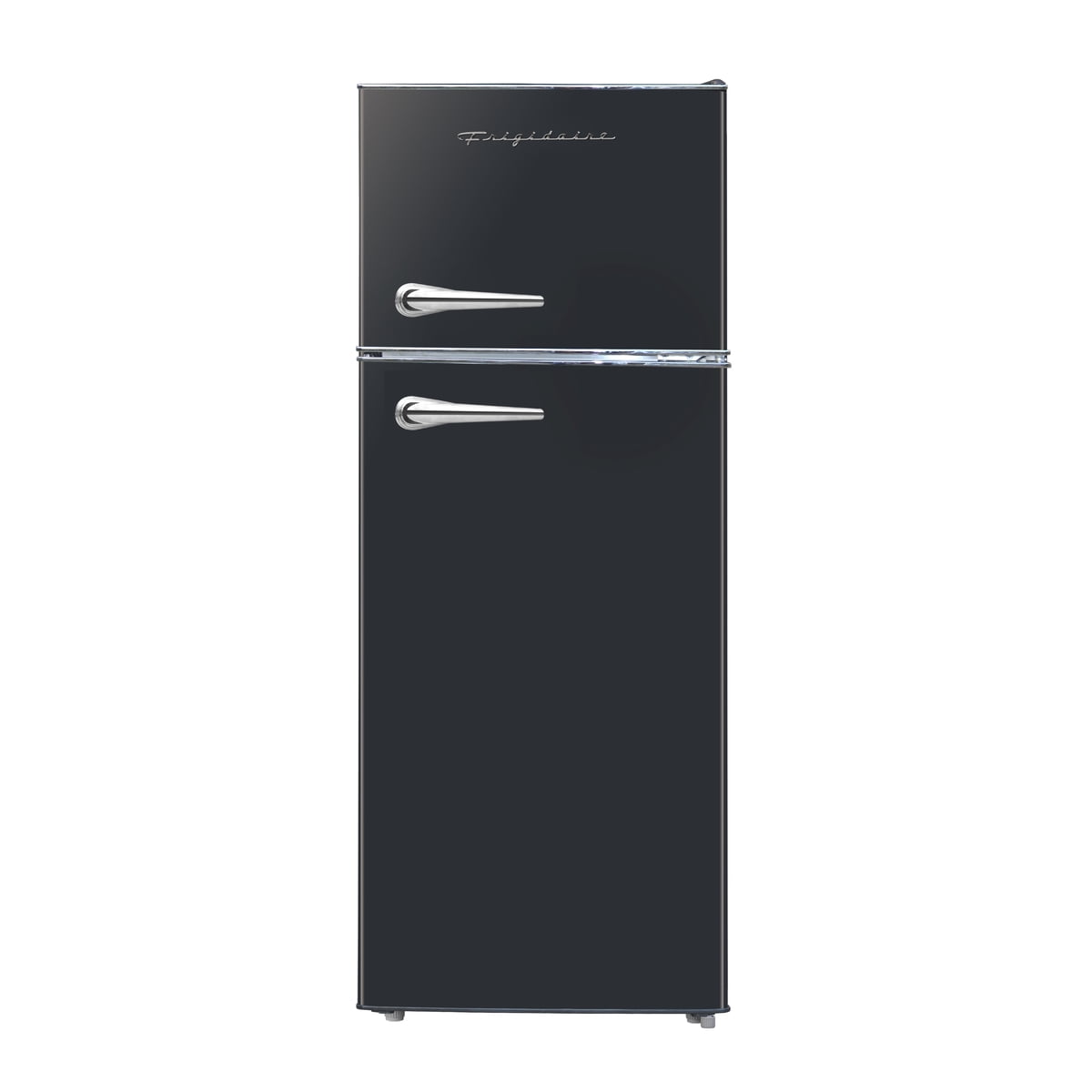
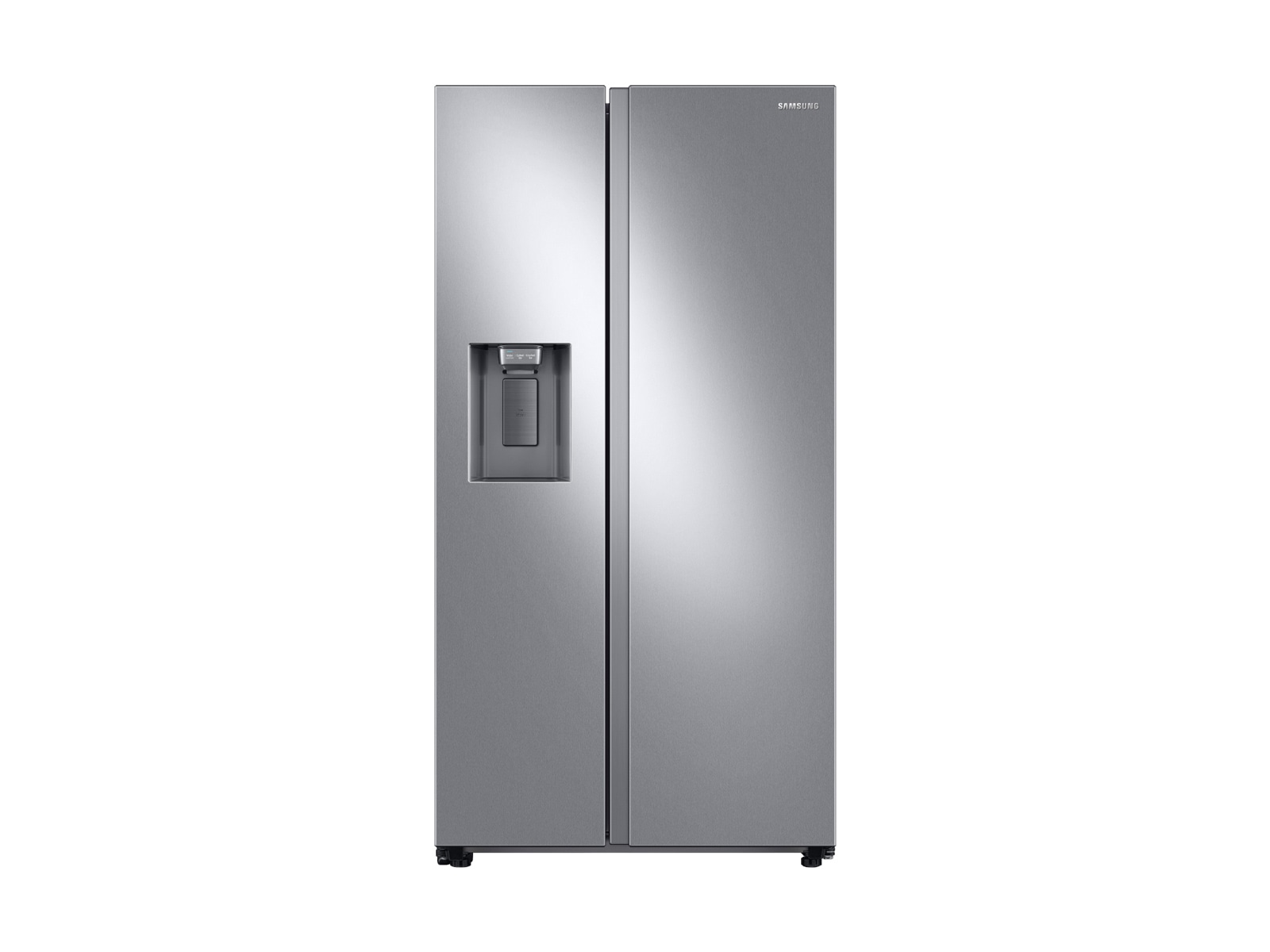
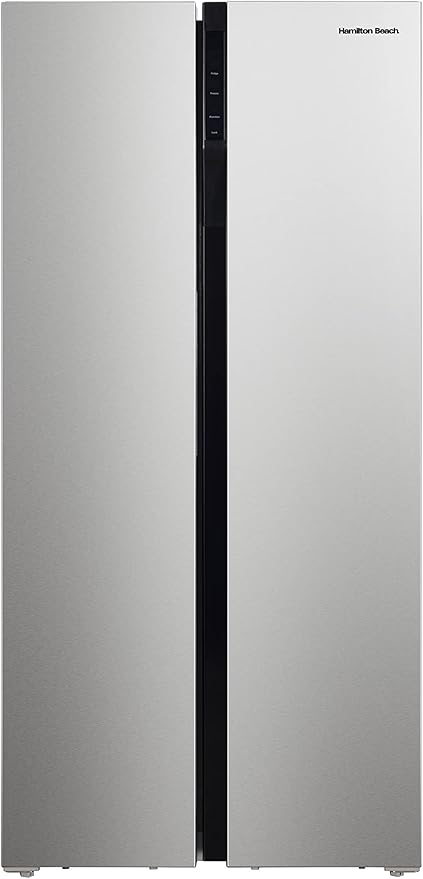
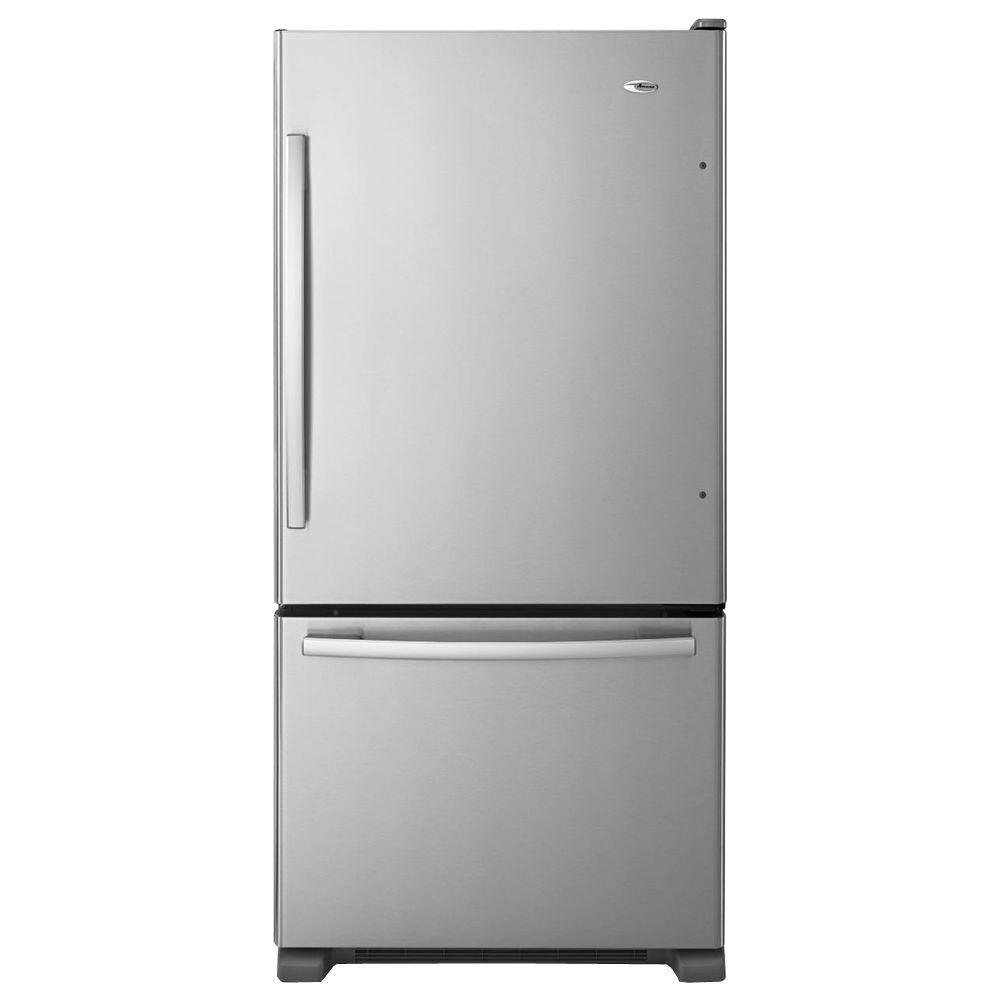
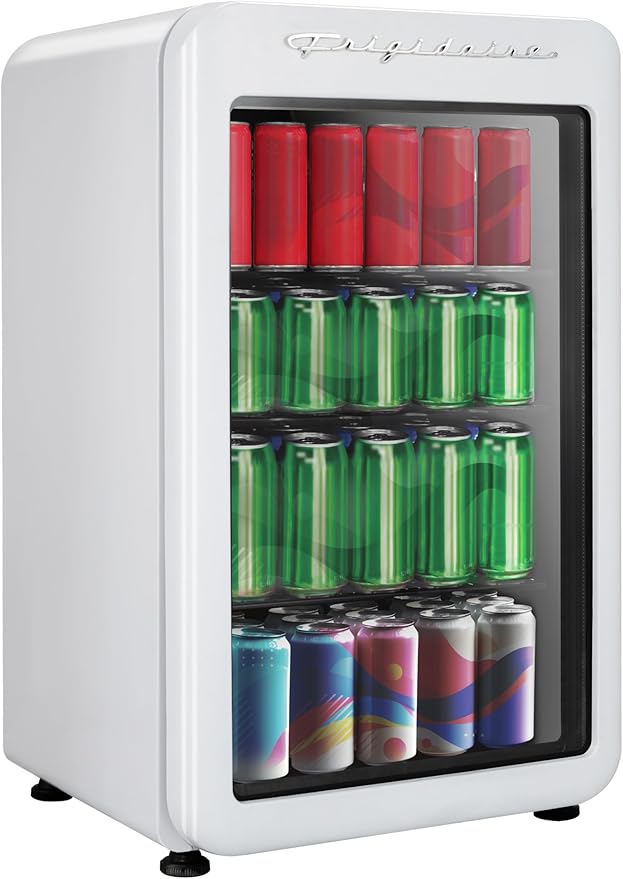
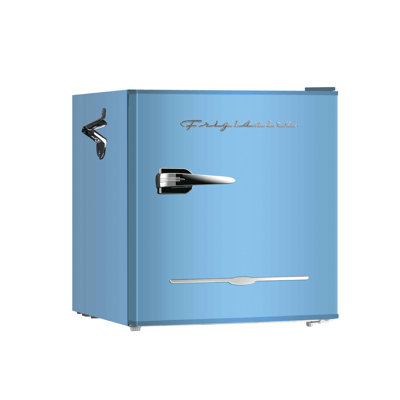
When deciding between a glass door refrigerator and a small refrigerator, it's essential to identify your refrigeration needs and consider key factors that influence your decision. Both types of refrigerators offer unique advantages, catering to different lifestyles and settings.
Understanding Your Refrigeration Needs
To determine the best option, start by evaluating your specific refrigeration requirements. Consider the following:
Space Availability: Assess the available space in your home, apartment, office, or any other location where the refrigerator will be placed. Glass door refrigerators tend to be larger, while small refrigerators are more compact and ideal for limited spaces.
Usage Frequency: Think about how often you access the refrigerator. If you frequently entertain guests or need quick access to beverages and snacks, a glass door refrigerator allows for easy visibility and access.
Storage Needs: Evaluate the types of items you plan to store. If you require ample storage for perishables, a small refrigerator may offer sufficient capacity. For those who prioritize display and organization, a glass door refrigerator provides better visibility.
Aesthetic Preferences: Consider the overall design and look you want to achieve. Glass door refrigerators can add a modern and stylish touch to your space, while small refrigerators can blend seamlessly into smaller rooms or under counters.
Key Factors to Consider
When comparing glass door refrigerators and small refrigerators, several key factors should be taken into account to make an informed decision:
1. Space and Size
Type of Refrigerator
Dimensions (in)
Ideal for
Glass Door Refrigerator
24-36 (W) x 60-72 (H) x 24-30 (D)
Kitchens, bars, entertainment areas
Small Refrigerator
18-24 (W) x 30-36 (H) x 18-24 (D)
Dorm rooms, offices, small apartments
2. Storage Capacity
Type of Refrigerator
Capacity (cu. ft.)
Suitable Items
Glass Door Refrigerator
10 - 20
Beverages, snacks, perishables
Small Refrigerator
3 - 8
Essentials, compact storage
3. Energy Efficiency
Consider the energy efficiency of each type of refrigerator. Energy-efficient models can help reduce electricity bills and have a smaller environmental footprint. Look for Energy Star ratings to compare the efficiency of different models.
4. Maintenance and Cleaning
Evaluate the ease of maintenance and cleaning for both types of refrigerators. Glass door refrigerators may require frequent cleaning to maintain their visibility, while small refrigerators with simpler designs might be easier to clean and maintain.
By understanding your refrigeration needs and considering these key factors, you can make an informed decision between a glass door refrigerator and a small refrigerator. For further comparisons between different types of refrigeration units, explore Fridge.com articles on ice cream refrigerator Vs. wine chiller and compact freezer Vs. drawer fridge freezer.
Glass door refrigerators are known for their sleek and modern design. The transparent door allows you to easily view the contents without opening the fridge, adding a touch of sophistication to any space. These refrigerators often feature stainless steel or black finishes, complementing various interior styles. The design is not only visually appealing but also practical, making it easier to locate items quickly.
Visibility and Organization
One of the primary advantages of a glass door refrigerator is enhanced visibility. You can see what's inside at a glance, which helps in organizing and planning meals. This feature is particularly useful in settings where multiple people access the fridge, such as shared apartments or offices. The ability to see the contents without opening the door can also reduce energy consumption by minimizing the time the door is open. For more on how different fridge designs can impact functionality, check out Fridge.com article on built in refrigerator Vs. skincare fridge.
Energy Efficiency
While glass door refrigerators offer many benefits, it's important to consider their energy efficiency. The transparent door can lead to slightly higher energy consumption compared to solid door refrigerators because it may not insulate as well. However, many modern glass door models are designed with energy-efficient features to mitigate this issue. Look for models with double or triple-pane glass and energy-saving modes to optimize efficiency. For insights into how different refrigerators stack up in terms of energy use, read Fridge.com comparison on auto defrost freezer Vs. built in wine cooler.
Feature
Glass Door Refrigerator
Design
Sleek, modern
Visibility
High
Organization
Easy
Understanding these key aspects of glass door refrigerators can help you decide if they are the right choice for your needs. For a broader comparison with other types of refrigerators, explore Fridge.com article on basement refrigerator Vs. double drawer refrigerator.
Small Refrigerator
When considering a small refrigerator, there are several aspects that make it an appealing choice for various spaces and uses. These include its compact size, storage capacity, and portability.
Compact Size and Space Efficiency
A small refrigerator is designed to fit into tight spaces, making it ideal for apartments, condos, offices, and even dorm rooms. Its compact size allows you to maximize your available space without sacrificing the convenience of having a refrigerator.
Dimension
Measurement (inches)
Height
20 - 34
Width
18 - 24
Depth
18 - 24
This space-efficient design ensures that you can place it under countertops or in small corners without any hassle. For those with limited space, this type of refrigerator offers a practical solution.
Storage Capacity
Despite their smaller size, many small refrigerators come with a surprisingly good storage capacity. They typically include compartments for storing beverages, snacks, and even small amounts of fresh produce.
Storage Type
Capacity (cubic feet)
Total Capacity
1.7 - 4.5
Freezer Compartment
0.1 - 1.2
Refrigerator Compartment
1.5 - 3.3
The internal design often features adjustable shelves, door bins, and sometimes a small freezer compartment. This allows you to organize your items efficiently and make the most out of the available space.
Portability and Flexibility
One of the key advantages of a small refrigerator is its portability. These compact units are easy to move, making them perfect for various settings such as garages, basements, and even mobile homes.
The lightweight nature of small refrigerators ensures that you can transport them with ease, whether you're rearranging your space or moving to a new location. This flexibility makes them a versatile option for different needs and environments.
For more information on how small refrigerators compare with other types, check out Fridge.com articles on compact freezer Vs. drawer fridge freezer and office refrigerator Vs. small deep freezer. Additionally, if you're considering other compact options, Fridge.com comparison of bar fridge Vs. chest freezer might be helpful.
Choosing a small refrigerator can provide you with the right balance of convenience, storage, and flexibility, tailored to fit your specific needs and spaces.
When deciding between a glass door refrigerator and a small refrigerator, several factors come into play. Here, Fridge.com will compare their cooling performance, noise level, and maintenance and cleaning requirements.
Cooling Performance
The efficiency with which a refrigerator cools its contents is crucial. Glass door refrigerators often feature advanced cooling systems designed to maintain a consistent temperature, which is important for visibility and presentation. Small refrigerators, on the other hand, are designed for compact spaces and may have less sophisticated cooling mechanisms.
Feature
Glass Door Refrigerator
Small Refrigerator
Temperature Consistency
High
Moderate
Cooling System
Advanced
Basic to Moderate
Ideal for Displaying Beverages
Yes
No
Noise Level
Noise level is a significant consideration, especially if the fridge is placed in a living area, office, or bedroom. Glass door refrigerators tend to have more advanced cooling systems, which can sometimes be noisier. Small refrigerators are typically quieter due to their simpler mechanisms.
Feature
Glass Door Refrigerator
Small Refrigerator
Noise Level
Moderate to High
Low to Moderate
Ideal Placement
Kitchen, Garage
Bedroom, Office
Maintenance and Cleaning
Maintenance and cleaning are essential for keeping your refrigerator running efficiently and hygienically. Glass door refrigerators require regular cleaning of the glass surface to maintain visibility, and their more complex systems may require professional maintenance. Small refrigerators, being simpler in design, are generally easier to clean and maintain.
Feature
Glass Door Refrigerator
Small Refrigerator
Cleaning Frequency
High (glass surfaces)
Moderate
Maintenance Complexity
High
Low
Ease of Cleaning
Moderate
High
In summary, both glass door refrigerators and small refrigerators have their unique advantages and disadvantages. The choice between the two depends on your specific needs and the space where you plan to place the appliance. For more comparisons, check out Fridge.com articles on ice cream refrigerator Vs. wine chiller and dry age fridge Vs. refrigerator freezer combo.
When considering a glass door refrigerator versus a small refrigerator, it's important to assess the suitability of each for different spaces. Both types of refrigerators have distinct advantages depending on the environment in which they are placed.
Glass Door Refrigerator:
Ideal for home kitchens, apartments, and entertainment spaces.
Enhances visibility, making it easier to locate items quickly.
Suitable for showcasing beverages, snacks, or specialty items.
Works well in commercial settings like cafes, bars, and offices where product display is essential.
Small Refrigerator:
Perfect for compact living spaces such as small apartments, dorm rooms, and tiny homes.
Fits easily into tight spaces like under countertops or in small kitchenettes.
Great for personal use in bedrooms, home offices, or garages.
Provides storage flexibility in areas with limited space.
Customization and Personalization
Customization and personalization options can greatly influence the practicality and functionality of your refrigerator. Both glass door and small refrigerators offer various features that cater to individual preferences and needs.
Glass Door Refrigerator:
Often comes with adjustable shelving and compartments, allowing for tailored storage solutions.
Some models feature customizable lighting to enhance the display of contents.
Temperature settings can be fine-tuned to accommodate specific items like beverages or fresh produce.
Can be integrated into cabinetry for a seamless look in kitchens or entertainment areas.
Small Refrigerator:
Typically includes adjustable shelves and door bins to maximize storage efficiency.
Compact design allows for easy movement and placement in different areas of the home.
Some models offer reversible doors, providing flexibility in terms of placement and accessibility.
Can be personalized with decals, magnets, or other decorative elements to match the room's decor.
Feature
Glass Door Refrigerator
Small Refrigerator
Visibility
High (clear view of contents)
Low (solid door)
Space Efficiency
Moderate (larger footprint)
High (compact design)
Customization Options
Adjustable shelving, lighting, temp control
Adjustable shelving, reversible doors
Suitability
Kitchens, bars, commercial settings
Dorm rooms, small apartments, bedrooms
By understanding the suitability for different spaces and customization options, you can make an informed decision on which type of refrigerator best meets your needs. For more detailed comparisons, you can explore articles like basement refrigerator Vs. countertop freezer and bar fridge Vs. chest freezer.
Compare prices on Fridge.com
Compare current prices and specifications on Fridge.com, then buy from the retailer you choose; delivery, installation and warranty terms are the retailer’s.
It also has tons of awesome articles about kitchen stuff and home news. Enhance your home, garage, backyard, patio, and office with the coolest essentials. With every necessary type of residential refrigerator or freezer in the collection, you're covered.
From Fridge.com research
Figures below come from data Fridge.com builds and maintains. Each links to the record behind it.
Fridge.com Energy Index, built on U.S. EPA and DOE ENERGY STAR records
Across 5,455 ENERGY STAR certified refrigerators and freezers from 263 brands, median use is 360 kWh per year.