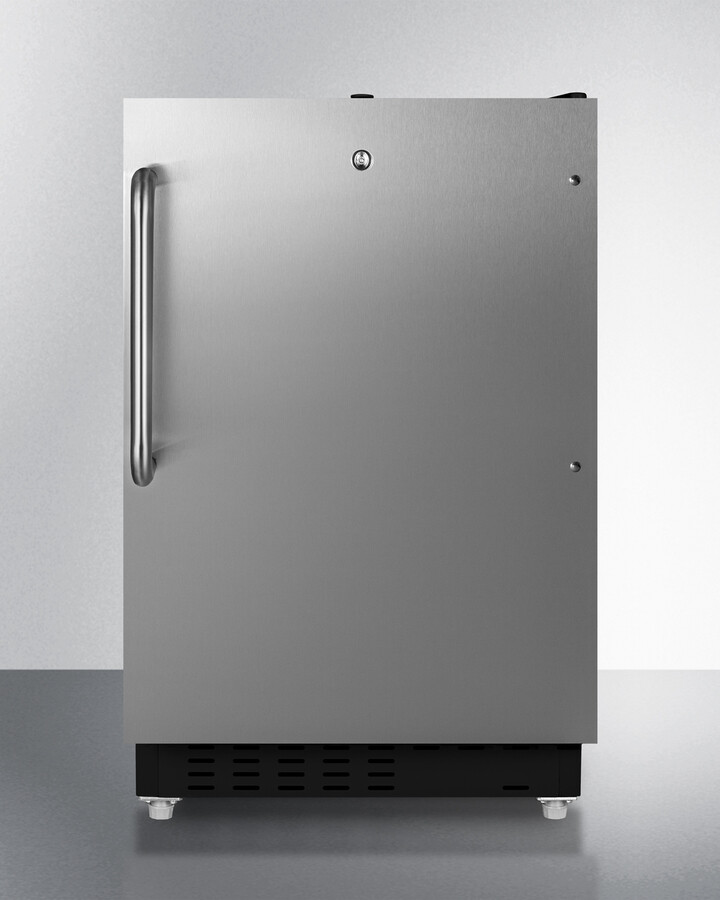
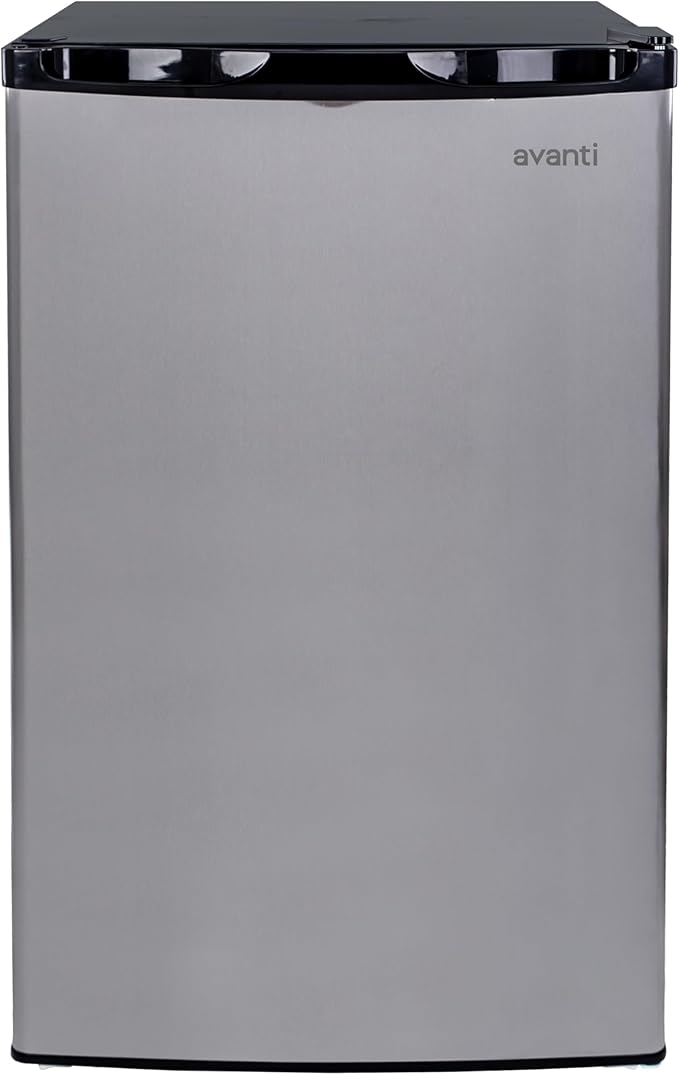
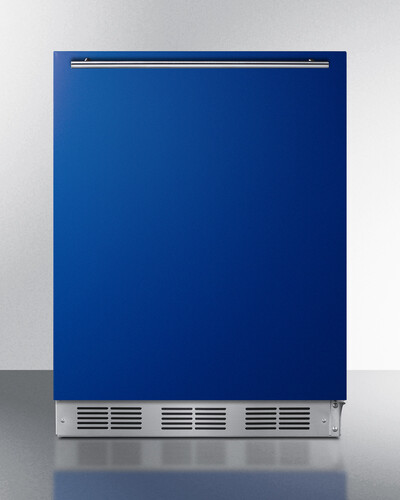
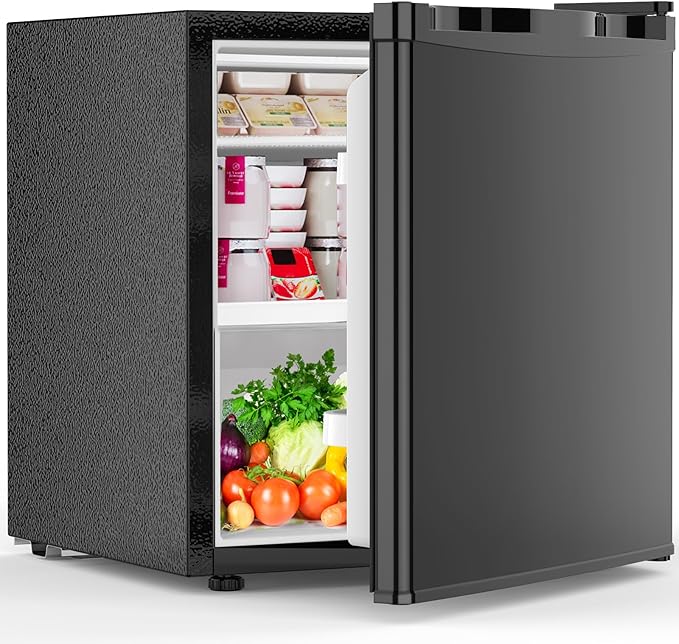
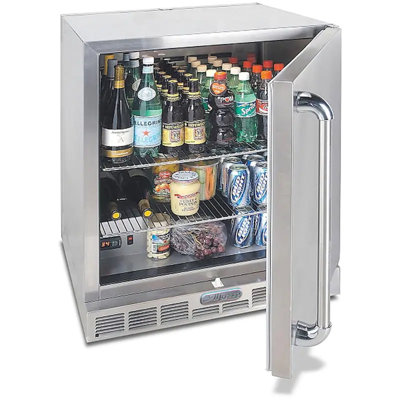
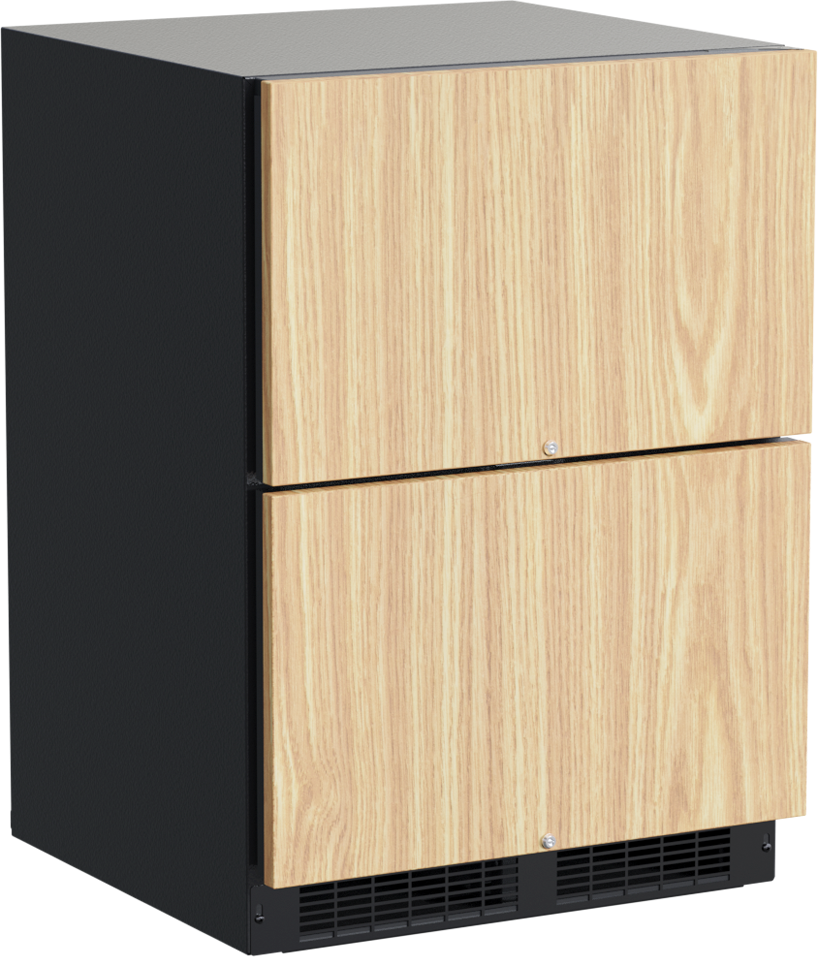
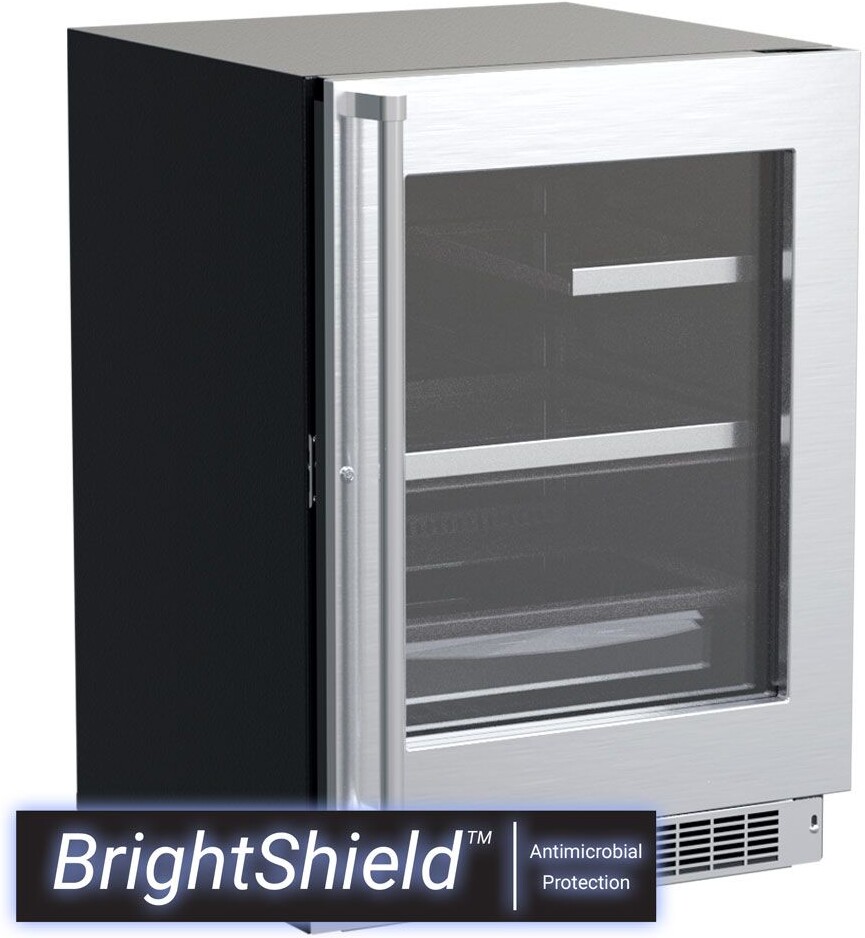
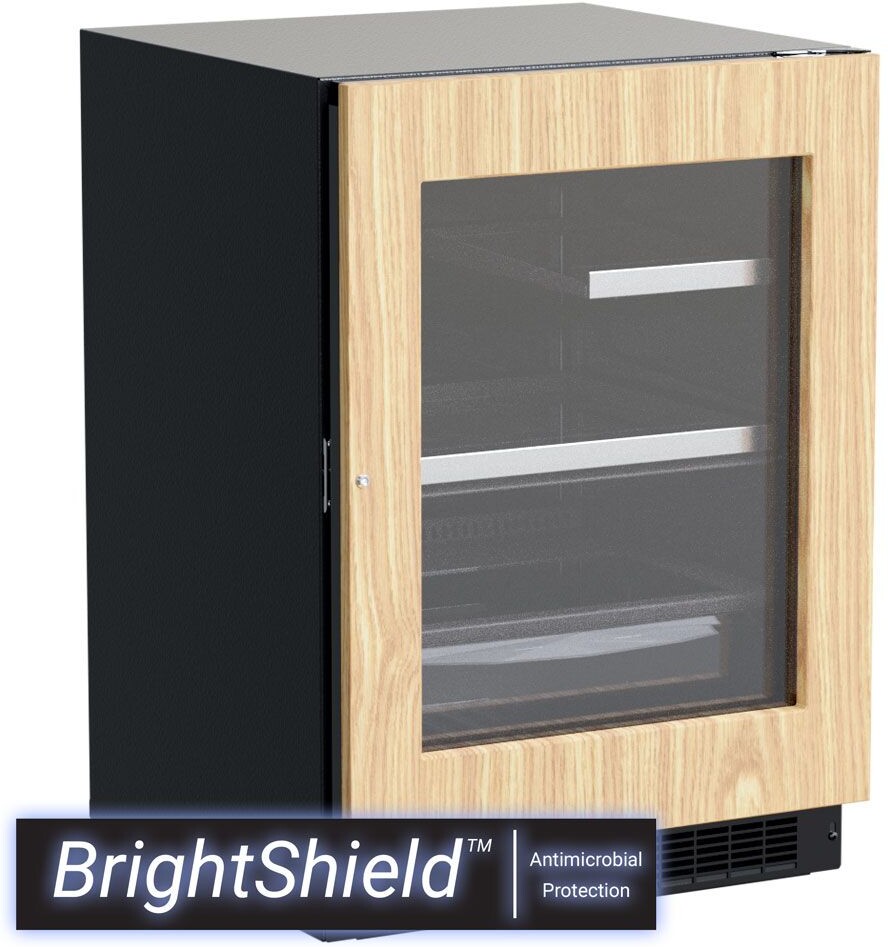
Choosing the right refrigerator can be challenging with so many options available. For those who enjoy a blend of functionality and style, two popular choices are the glass door refrigerator and the retro mini fridge. Understanding their features and differences can help you make an informed decision.
Understanding the Differences
Glass door refrigerators and retro mini fridges serve different purposes and appeal to varying tastes. Here's a quick comparison to help you grasp their key differences:
Feature
Glass Door Refrigerator
Retro Mini Fridge
Design
Modern, sleek, transparent glass doors
Vintage, colorful, nostalgic appearance
Capacity
Typically larger, suitable for families
Smaller, ideal for compact spaces
Usage
Ideal for kitchens, offices, and entertainment areas
When comparing the glass door refrigerator to the retro mini fridge, it's essential to understand the features, advantages, and disadvantages of each. Let's start by exploring the glass door refrigerator.
Features of Glass Door Refrigerators
Glass door refrigerators offer several distinct features that set them apart from other types of refrigerators:
Transparency: The glass door allows you to see the contents without opening the door, making it easier to find what you need quickly.
Illumination: Most glass door refrigerators come with internal LED lighting that highlights the contents, adding a touch of elegance.
Temperature Control: These refrigerators often come with precise temperature control settings to keep your food and beverages at the optimal temperature.
Shelving Options: Adjustable shelves provide versatile storage options, allowing you to customize the interior layout based on your needs.
Pros of Glass Door Refrigerators
Glass door refrigerators come with several advantages that make them a popular choice:
Aesthetic Appeal: The transparent door and internal lighting add a modern and sleek look to your kitchen or any other space.
Convenience: Being able to see the contents without opening the door helps in reducing the time the door is open, thus maintaining the internal temperature.
Organization: The visibility helps you keep track of the items inside, reducing food wastage.
Energy Efficiency: Some models are designed to be energy efficient, helping you save on electricity bills.
Cons of Glass Door Refrigerators
Despite their many benefits, glass door refrigerators also have a few drawbacks:
Visibility of Clutter: The transparent door means that any disorganization or clutter inside is easily visible.
Maintenance: Keeping the glass door clean and free of fingerprints requires regular maintenance.
Price: Glass door refrigerators can be more expensive compared to traditional models.
Insulation: Glass doors may offer less insulation compared to solid doors, potentially affecting energy efficiency.
Retro mini fridges offer a blend of vintage aesthetics with modern functionality, making them a popular choice for various spaces like apartments, offices, and dorm rooms. Key features include:
Compact Size: Ideal for small spaces.
Vintage Design: Classic colors and rounded edges.
Energy Efficiency: Many models are designed to be energy-efficient.
Versatility: Can be used for beverages, snacks, and even skincare products.
Adjustable Shelves: Flexible storage options.
Pros of Retro Mini Fridges
Retro mini fridges come with several advantages, making them a viable option for those looking to add a touch of nostalgia to their space.
Space-Saving: Perfect for compact areas like dorm rooms and offices.
Aesthetic Appeal: Adds a vintage charm to any room.
Portability: Easy to move and reposition.
Versatile Usage: Suitable for storing drinks, snacks, or even cosmetics.
Energy Efficient: Many models are designed to consume less energy.
Cons of Retro Mini Fridges
While retro mini fridges have many benefits, they also come with some drawbacks that you should consider.
Limited Storage: Smaller capacity compared to standard refrigerators.
Temperature Control: May not offer precise temperature settings.
Cooling Efficiency: Not as effective as larger, modern refrigerators.
Price Point: Can be more expensive than standard mini fridges due to their design.
Feature
Pros
Cons
Size
Compact and space-saving
Limited storage capacity
Design
Aesthetic vintage appeal
Higher price point
Portability
Easy to move
Less cooling efficiency
Versatility
Multi-purpose use
Limited temperature control
For more insights on refrigerator comparisons, check out Fridge.com articles on pink fridge Vs. undercounter freezer and built in beverage center Vs. convertible refrigerator.
When comparing a glass door refrigerator to a retro mini fridge, the design and aesthetics play a significant role in your decision-making process. Both options bring unique styles to your space, catering to different tastes and home decor preferences.
Modern and Sleek Vs. Vintage and Stylish
A glass door refrigerator offers a modern and sleek appearance, making it a popular choice for contemporary homes. The transparent glass allows you to showcase your food and beverages, adding a touch of sophistication to your kitchen or entertaining area. This type of fridge can seamlessly blend with stainless steel appliances and minimalist decor, creating a cohesive and polished look.
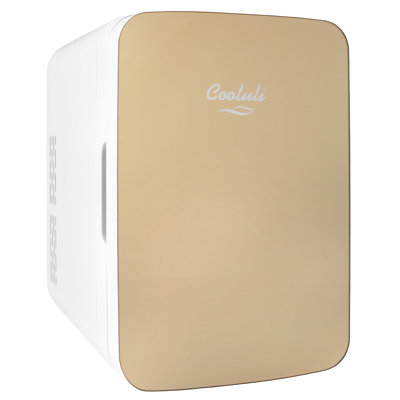
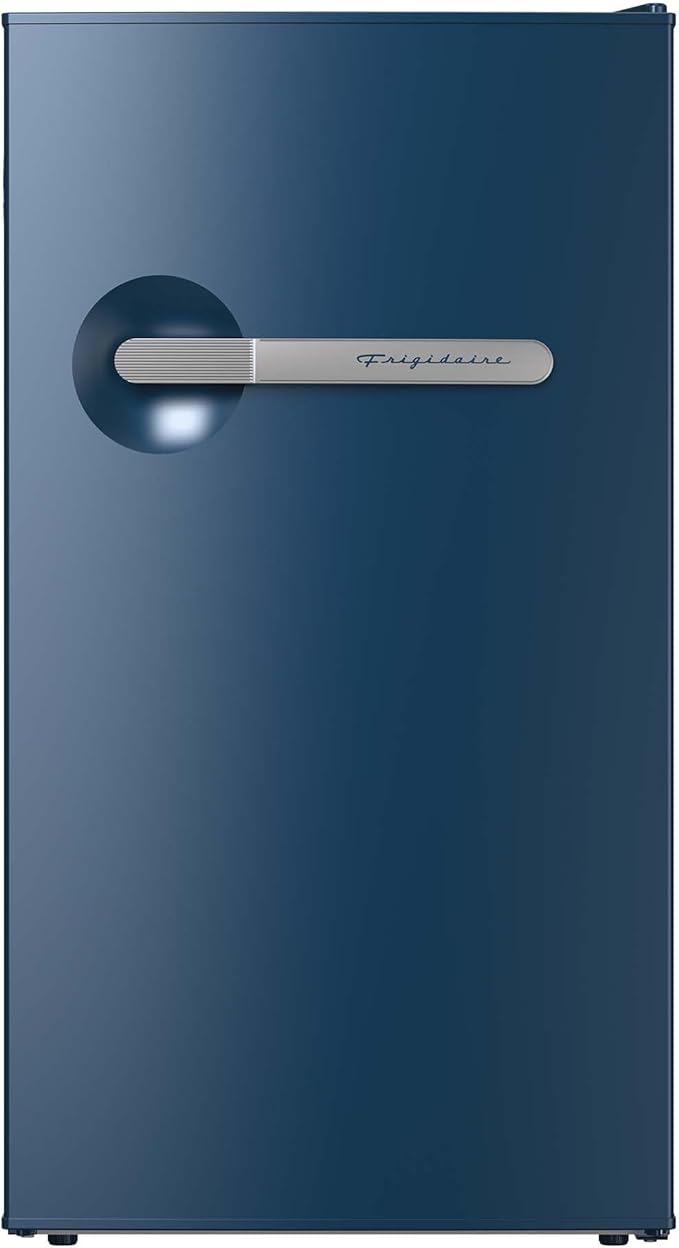
On the other hand, a retro mini fridge exudes vintage charm and stylish nostalgia. With its vibrant colors, rounded edges, and classic design, this fridge can become a statement piece in your home. Ideal for those who appreciate mid-century aesthetics, a retro mini fridge can add a playful and nostalgic vibe to your space, making it perfect for eclectic or vintage-inspired decor.
Choosing Based on Your Home Decor
Your choice between a glass door refrigerator and a retro mini fridge should align with your home decor and personal style. If your home features modern design elements, such as clean lines, neutral colors, and sleek surfaces, a glass door refrigerator may be the better fit. Its transparent door and contemporary design can enhance the overall aesthetic of your kitchen or entertainment area.
However, if your home embraces a more eclectic or vintage style, a retro mini fridge can complement your decor beautifully. The bold colors and nostalgic design can add character and charm to your space, making it a focal point in your kitchen, basement, or even a mobile home.
To help you decide, here is a comparison of design features:
Understanding the design and aesthetic differences can help you make an informed choice that not only meets your functional needs but also enhances the overall look of your home.
Capacity and Storage
When comparing a glass door refrigerator and a retro mini fridge, it's important to consider their capacity and storage capabilities. Each type of refrigerator offers different benefits and limitations in terms of space, making them suitable for various needs and preferences.
Storage Space in Glass Door Refrigerators
Glass door refrigerators are known for their ample storage space and organized layout. These refrigerators typically come with multiple shelves, drawers, and compartments to accommodate a wide range of food items and beverages. The glass door allows you to easily see the contents without opening the door, which can be convenient for quick access and inventory management.
Feature
Glass Door Refrigerator
Average Capacity
10 - 20 cubic feet
Shelves
3 - 5 adjustable shelves
Drawers
2 - 3 crisper drawers
Door Storage
Multiple door bins
Glass door refrigerators are ideal for larger households, entertaining, or commercial use where visibility and organization are key. For more information on different refrigerator types, visit Fridge.com article on reach in refrigerator Vs. tall refrigerator.
Storage Space in Retro Mini Fridges
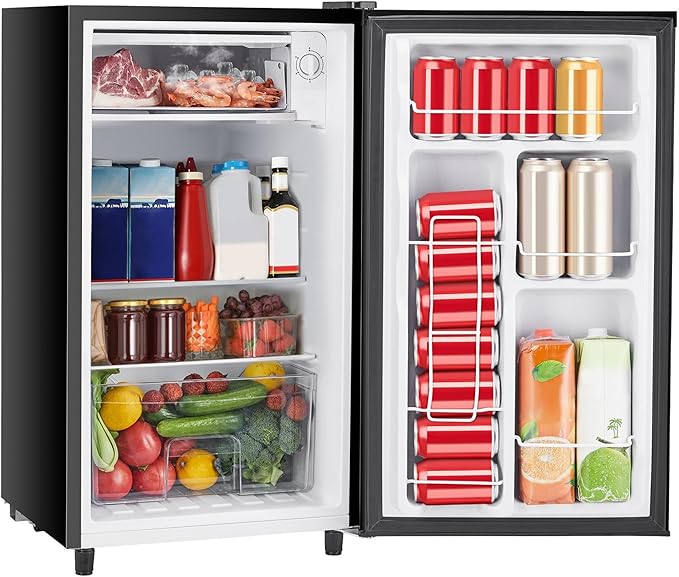
Retro mini fridges, on the other hand, are designed for smaller spaces and offer a more compact storage solution. These fridges are perfect for dorm rooms, offices, or small apartments where space is limited. Despite their smaller size, retro mini fridges often come with a charming vintage design that adds a stylish touch to any room.
Feature
Retro Mini Fridge
Average Capacity
3 - 5 cubic feet
Shelves
1 - 2 adjustable shelves
Drawers
1 small crisper drawer
Door Storage
Limited door bins
While retro mini fridges may not offer the same storage capacity as glass door refrigerators, they are perfect for keeping essentials like drinks, snacks, and small food items. For more insights on compact refrigerators, check out Fridge.com comparison on compact refrigerator Vs. slate refrigerator.
Understanding the storage space and capacity of each type of refrigerator can help you make an informed decision based on your storage needs and available space. Whether you need the expansive space of a glass door refrigerator or the compact convenience of a retro mini fridge, each option has its unique advantages.
Glass door refrigerators are popular for their aesthetic appeal and the convenience of seeing the contents without opening the door. However, their energy efficiency can vary based on several factors such as the type of glass, insulation quality, and temperature settings.
Glass door fridges typically require more energy to maintain the internal temperature due to the transparency of the doors. The glass allows more heat to enter the refrigerator, causing the cooling system to work harder. It's important to look for models with double or triple-pane glass, which can significantly reduce energy loss.
Retro mini fridges, known for their stylish and vintage look, can be a great addition to small spaces like apartments, offices, or dorm rooms. These fridges are generally more energy-efficient compared to their larger counterparts due to their compact size. However, efficiency can vary widely depending on the model and brand.
Modern retro mini fridges often come with improved insulation and energy-efficient compressors, making them a better option for those looking to reduce their energy consumption. Some models also come with Energy Star certification, indicating they meet specific energy efficiency guidelines.
Feature
Retro Mini Fridge
Average Energy Use (kWh/year)
200 - 300
Insulation
Improved Insulation
When choosing between a glass door refrigerator Vs. retro mini fridge, it's essential to consider your specific needs, including the space available and your energy efficiency goals. For those looking for more comparisons, check out Fridge.com article on freestanding drawer refrigerator Vs. wine refrigerator.
Choosing the right refrigerator involves balancing design preferences, energy efficiency, and functionality. Whether you opt for a glass door refrigerator or a retro mini fridge, being informed about their energy use and maintenance requirements can help you make a well-rounded decision.
Compare prices on Fridge.com
Compare current prices and specifications on Fridge.com, then buy from the retailer you choose; delivery, installation and warranty terms are the retailer’s.
It also has tons of awesome articles about kitchen stuff and home news. Enhance your home, garage, backyard, patio, and office with the coolest essentials. With every necessary type of residential refrigerator or freezer in the collection, you're covered.
From Fridge.com research
Figures below come from data Fridge.com builds and maintains. Each links to the record behind it.
Fridge.com Energy Index, built on U.S. EPA and DOE ENERGY STAR records
Across 1,728 ENERGY STAR certified compact refrigerator models, median use is 246 kWh per year — 11% better than the federal standard.