Here are some quick tips for choosing the best strawberries:.
Fresh strawberries typically have a fridge lifespan of about 5 to 7 days.
Remember, proper storage is key, so make sure to review the best practices for refrigerating strawberries to extend their shelf life.
And remember, while refrigeration can prolong the shelf life of strawberries, it's also important to monitor freshness indicators and signs of spoilage to ensure you're consuming them at their best.
Upon harvest, strawberries begin a race against time to retain their freshness and flavor. The journey from field to fridge is a delicate process that requires careful handling to ensure that the strawberries you enjoy at home are as close to their natural state as possible.
After being plucked from the vine, strawberries are typically cooled down to slow the ripening process, then transported to grocery stores and markets. Once purchased, it's your turn to maintain their freshness. Ensuring that strawberries reach your refrigerator in optimal condition is essential for prolonging their shelf life and preserving their succulent taste.
Factors Affecting the Lifespan of Strawberries
The lifespan of strawberries in your refrigerator can be influenced by several factors:
Temperature: Strawberries should be stored in a cool environment. Frigid temperatures slow down decay and preserve their firmness and flavor. Your fridge should be set to maintain temperatures that will extend the freshness of your strawberries.
Humidity: Strawberries prefer a balanced humidity level. Too much moisture can lead to mold growth, while too little can cause them to dry out and become unpalatable.
Handling: Gentle handling is crucial for strawberries. Bruising can accelerate spoilage and lead to a shorter shelf life.
Storage Method: Proper storage in the refrigerator is vital. Strawberries should be kept in airtight containers or specially designed produce drawers to maintain an ideal environment.
Understanding the journey from field to fridge and the factors affecting the lifespan of strawberries in your refrigerator can help you enjoy this delectable fruit for as long as possible. By adopting the right storage practices and maintaining optimal refrigerator conditions, it's possible to savor the full flavor and nutritional benefits of strawberries before they pass their prime. For more insights into proper food storage, learn how to keep your carrots crisp fridge storage duration unveiled and discover the timeframe for eggs in the fridge.
Ensuring the longevity of strawberries from field to fridge starts with selecting the best quality fruit and understanding how to store them properly in your refrigerator.
Selecting Ripe and Fresh Strawberries
When you're at the market, look for strawberries that are bright red, firm, and free of blemishes or mold. The caps should be fresh and green, as this is a good indicator that the fruit was picked recently. Smell is also a key factor; ripe strawberries will have a sweet and fragrant aroma.
Here are some quick tips for choosing the best strawberries:
Color: Look for bright, uniform redness. Avoid berries with white or green areas.
Size: Don't equate size with quality. Smaller strawberries can be just as sweet.
Shape: Opt for berries that are whole and free from dents or deformities.
Texture: The surface should be dry and firm, not mushy or wet.
Leaves: Green, lush leaves suggest freshness.
Properly Storing Strawberries in the Refrigerator
Once you've selected your strawberries, proper storage is crucial to maintain their freshness. Here's how you can extend the lifespan of strawberries in your refrigerator:
Do Not Wash Before Storing: Moisture accelerates spoilage, so only wash strawberries just before you're ready to eat them.
Use a Container with Airflow: Store your strawberries in a container that allows air circulation to prevent excess moisture buildup.
Line with Paper Towels: A layer of paper towels can absorb additional moisture and keep your strawberries dry.
Keep Them Cool: Store your strawberries in the crisper drawer to maintain an optimal temperature and humidity level.
For a comprehensive guide on refrigerator storage, you might be interested in how to keep your carrots crisp fridge storage duration unveiled, or if you're a seafood lover, discover how to preserve the ocean's bounty with proper shrimp storage.
By following these tips, you can enjoy the fresh taste of strawberries for a longer period and reduce food waste. Remember, proper selection and storage are key to extending the 'from field to fridge the lifespan of strawberries in your refrigerator'.
Understanding the shelf life of strawberries is essential for ensuring you enjoy these fruits while they're at their peak and before they spoil. Here's what you need to know about the indicators of freshness and the signs of spoilage.
Freshness Indicators
The key to enjoying strawberries at their best is knowing how to identify their peak freshness. Look for berries that are bright red, firm, and have a green, fresh-looking cap. The aroma should be sweet and fruity, an indication that they're ripe and ready to be savored.
Freshness Indicator
Description
Color
Bright red without white or green patches
Texture
Firm to the touch, not mushy or soft
Aroma
Sweet and fruity
Cap
Green and fresh-looking
Fresh strawberries typically have a fridge lifespan of about 5 to 7 days. However, this can vary based on storage conditions and initial freshness. For more insights on preserving the freshness of other perishables, explore Fridge.com article on preserving freshness unveiling the timeframe for eggs in the fridge.
Signs of Spoilage
Recognizing when strawberries have gone bad is just as important as identifying when they're fresh. Common signs of spoilage include mold growth, a mushy texture, dull color, and an off-putting odor. If you notice any of these signs, it's best to discard the affected berries to avoid the risk of foodborne illness.
Sign of Spoilage
Description
Mold
White or green fuzzy spots
Texture
Soft, mushy, or slimy
Color
Dull, darkened, or with white/green areas
Odor
Fermented, sour, or yeasty smell
Be sure to check your strawberries regularly for these signs, especially as they approach the end of their typical lifespan in your refrigerator. For tips on how to keep your produce fresh, check out Fridge.com advice on keep your carrots crisp fridge storage duration unveiled.
By paying attention to these freshness indicators and signs of spoilage, you can ensure that you enjoy your strawberries when they're at their best and minimize waste. Remember, proper storage is key, so make sure to review the best practices for refrigerating strawberries to extend their shelf life.
To enjoy your strawberries for as long as possible, it's vital to understand how to properly store them in your refrigerator. With the right techniques, you can extend their shelf life and savor their freshness.
Best Practices for Refrigerating Strawberries
When refrigerating strawberries, the goal is to maintain their freshness without hastening spoilage. Here are several best practices to consider:
Do Not Wash Before Storing: Moisture can promote mold growth, so it's best to keep your strawberries dry in the fridge and wash them only before eating.
Use Airtight Containers: Store your strawberries in airtight containers or resealable plastic bags to protect them from moisture and other contaminants.
Line Containers with Paper Towels: A paper towel can absorb excess moisture, which helps prevent spoilage. Replace the towels if they become damp.
Keep Them Cool: Store strawberries in the crisper drawer of your refrigerator, where the temperature is cooler and more stable.
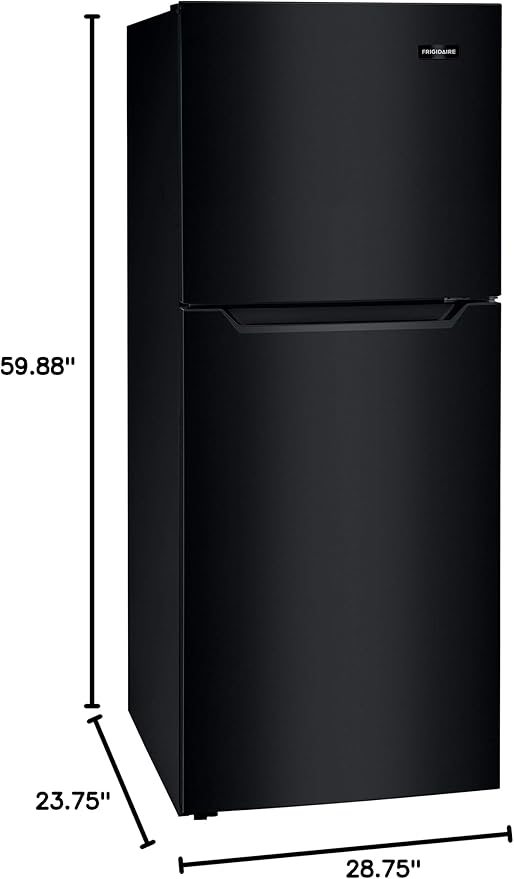
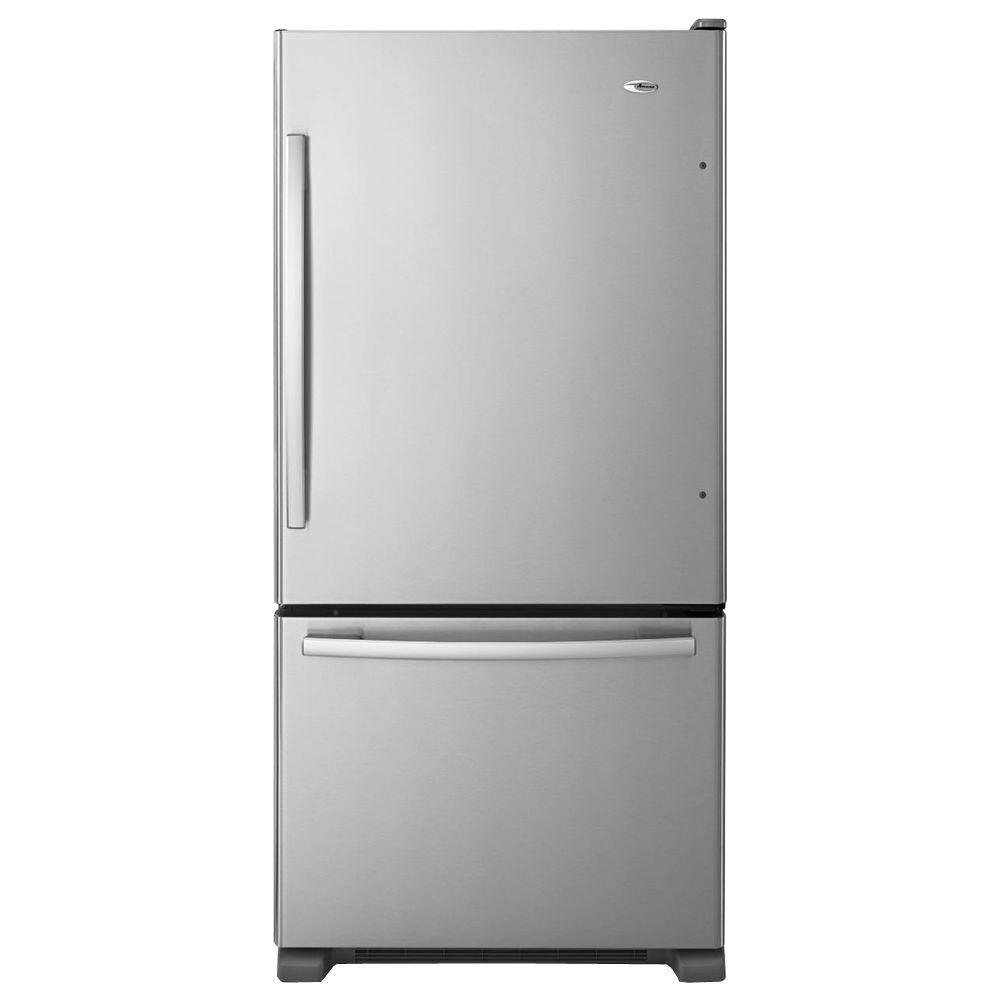
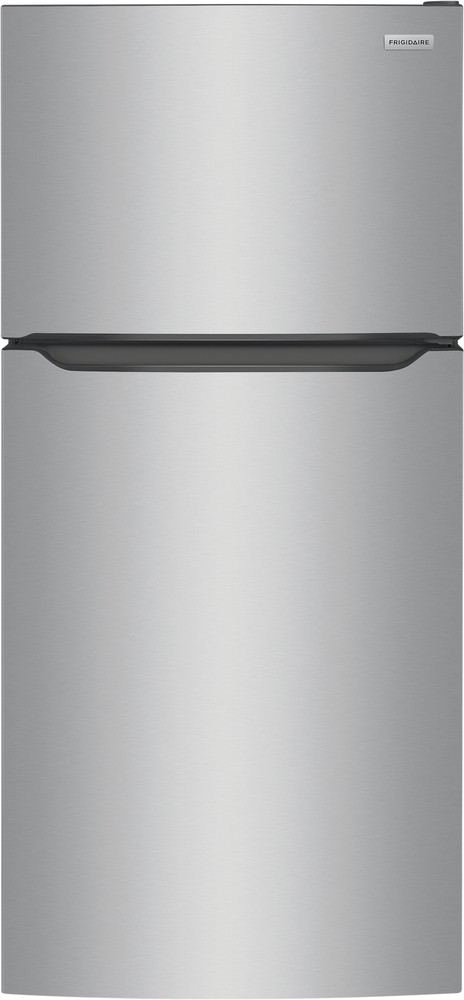
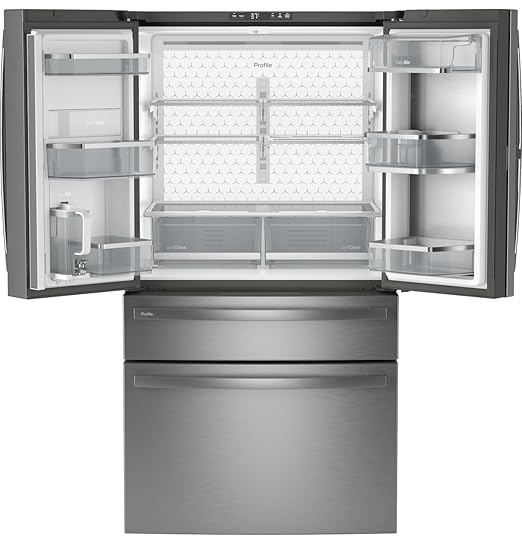
Following these steps can significantly impact the longevity of your strawberries. For more insights on refrigerator storage and to compare various fridge types, explore articles such as say goodbye to traditional fridges top rated drawer refrigerators and the perfect fit for your kitchen best 20 cu ft refrigerator with freezer on top.
Tips for Preserving Strawberries
Beyond refrigeration, there are other methods to preserve strawberries and extend their edible period:
Freezing: For long-term preservation, you can freeze strawberries. Spread them out on a baking sheet to freeze individually, then transfer them to a freezer-safe bag or container.
Sugaring: Coating strawberries in sugar before freezing can help preserve their texture and flavor.
Dehydrating: Dehydrating strawberries is a method that involves removing moisture at low temperatures, resulting in a dried fruit that can last for months.
To maintain the quality of your strawberries for as long as possible, combine these preservation methods with the recommended refrigeration practices. And remember, while refrigeration can prolong the shelf life of strawberries, it's also important to monitor freshness indicators and signs of spoilage to ensure you're consuming them at their best.
Making the Most of Your Strawberries
Once you've navigated the journey 'from field to fridge the lifespan of strawberries in your refrigerator', it's time to enjoy the fruits of your labor. Here are some imaginative ways to use strawberries and delightful recipes that highlight their fresh, sweet flavor.
Creative Ways to Use Strawberries
Strawberries are versatile and can be used in a variety of gastronomic creations. Consider the following suggestions to make the most of your strawberries:
Breakfast Toppings: Slice strawberries and add them to your cereal, oatmeal, or yogurt for a fresh start to your day.
Salads: Toss quartered strawberries into a spinach or arugula salad with nuts and a balsamic dressing for a blend of sweet and savory.
Smoothies: Combine strawberries with other fruits, yogurt or milk, and a sweetener of your choice for a refreshing smoothie.
Desserts: Create strawberry-based desserts such as tarts, cheesecakes, or simply serve them with whipped cream.
Snacks: Dip strawberries in chocolate or layer them with cream cheese and graham crackers for a quick and indulgent snack.
Drinks: Muddle strawberries in lemonade, iced tea, or cocktails for a burst of fruity flavor.
Jams and Preserves: Cook down strawberries with sugar to make a homemade jam that captures their essence.
Recipes Using Fresh Strawberries
Strawberries can be the star ingredient in many delightful recipes. Here are a few to get you started:
Strawberry Shortcake: This classic dessert features sweet biscuits, whipped cream, and fresh strawberries.
Strawberry Spinach Salad: A perfect blend of leafy greens and ripe berries, often dressed with a tangy vinaigrette.
Strawberry Salsa: A unique twist on salsa, combining strawberries with ingredients like jalapeño, onion, and cilantro.
Strawberry Pancakes: Incorporate sliced strawberries into your pancake batter for a fruity addition to your breakfast or brunch.
If you're looking for inspiration on how to incorporate strawberries into your meals or need guidance on storage times for other items in your refrigerator, you might find Fridge.com articles on preserving freshness unveiling the timeframe for eggs in the fridge and keep your carrots crisp fridge storage duration unveiled helpful.
By exploring these creative uses and recipes, you can enjoy the full potential of your strawberries before they reach their lifespan in your refrigerator. Remember to consume them while they're fresh to experience their natural sweetness and juicy texture at its best.
Whether you're a culinary connoisseur or a home cook, storing strawberries properly is key to enjoying their freshness. Knowing what not to do can be just as important as understanding the best practices. Here are some common storage mistakes to avoid and tips to prevent wastage.
Mistakes to Avoid When Storing Strawberries
When preserving the lifespan of strawberries in your refrigerator, steer clear of the following pitfalls:
Washing Before Storing: Moisture can hasten molding. Avoid washing your strawberries until you're ready to consume them.
Leaving Strawberries in Original Packaging: These containers may not allow for proper ventilation, potentially trapping moisture and accelerating spoilage.
Storing Unripe Strawberries: Strawberries do not ripen after being picked, so storing unripe strawberries will result in a less than desirable taste.
Ignoring Damaged Berries: One spoiled berry can affect the rest. Inspect and remove any damaged strawberries before refrigerating.
By evading these common errors, you can help ensure your strawberries remain palatable for longer. For further details on selecting and storing other produce, consider reading about keeping your carrots crisp in the fridge or preserving the freshness and lifespan of eggs.
Tips for Preventing Wastage
Mitigating waste is not only good for your wallet but also for the environment. Here are some strategies for getting the most out of your strawberries:
First In, First Out: Use strawberries in the order they were purchased to ensure older berries are consumed before they spoil.
Proper Storage Technique: Line a container with paper towels and place strawberries in a single layer, uncapped, to promote air circulation and absorb excess moisture.
Regular Checks: Inspect your strawberries every other day, removing any that are beginning to spoil.
Alternate Preservation Methods: If you can't eat them in time, consider freezing, making preserves, or using them in baked goods.
Remember, the refrigerator is a tool for maintaining freshness, but it's not infallible. Pair it with these tips to extend the enjoyment of your strawberries. If you're in the market for a new fridge, explore options like top-rated drawer refrigerators or retro compact refrigerators to suit your storage needs.
Incorporating these guidelines will help you avoid common mistakes and preserve the delicious flavor and texture of your strawberries from field to fridge.
Compare refrigerator prices on Fridge.com
Compare current prices and specifications on Fridge.com, then buy from the retailer you choose; delivery, installation and warranty terms are the retailer’s.
It also has tons of awesome articles about kitchen stuff and home news. Enhance your home, garage, backyard, patio, and office with the coolest essentials. With every necessary type of residential refrigerator or freezer in the collection, you're covered.
Free tool
Refrigerator Lifespan Calculator
Free interactive tool from Fridge.com — get a quick answer while you read.