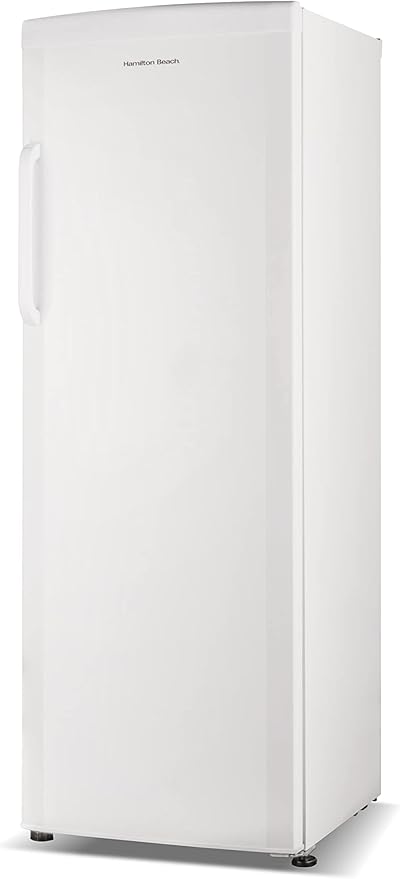
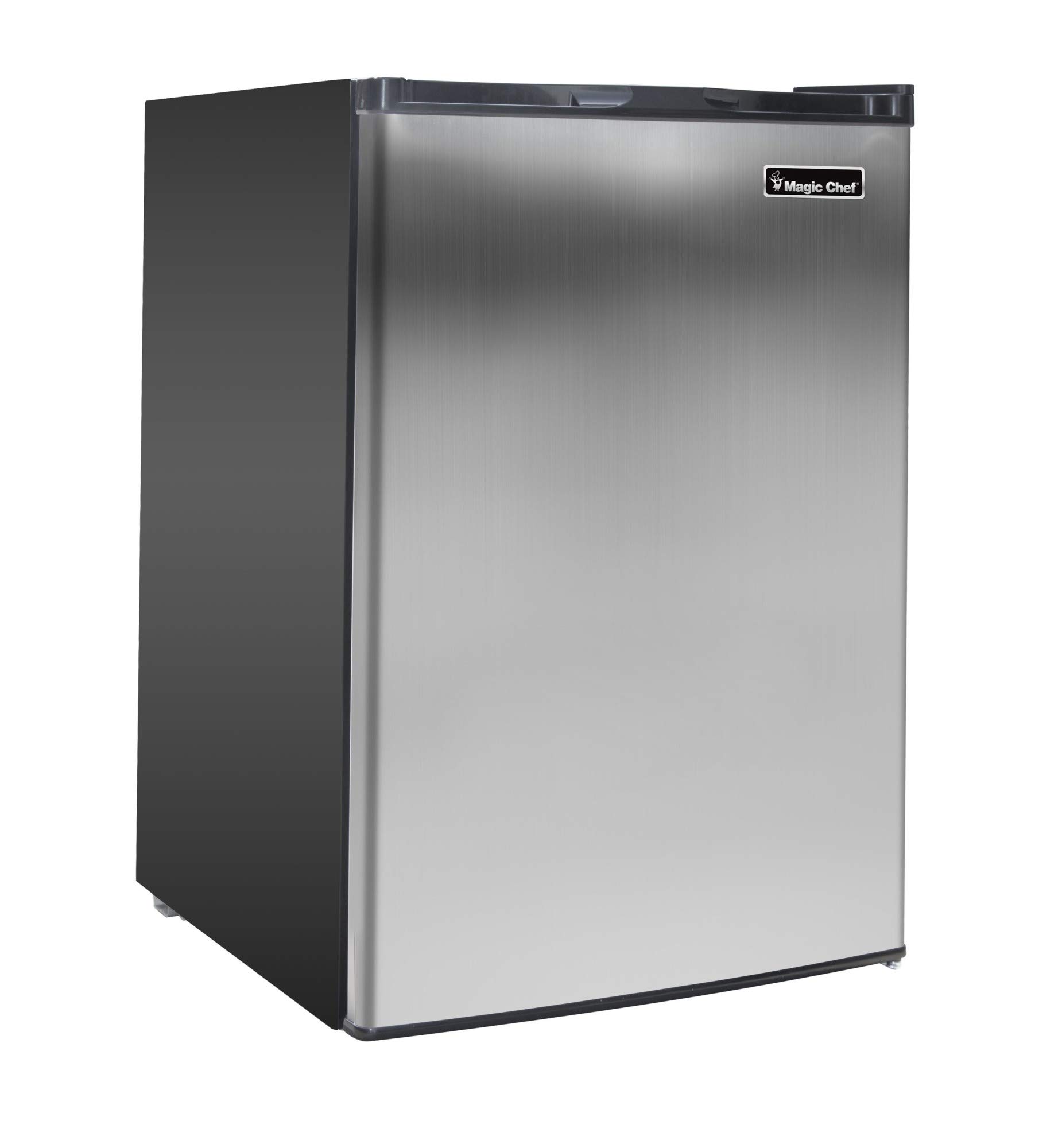
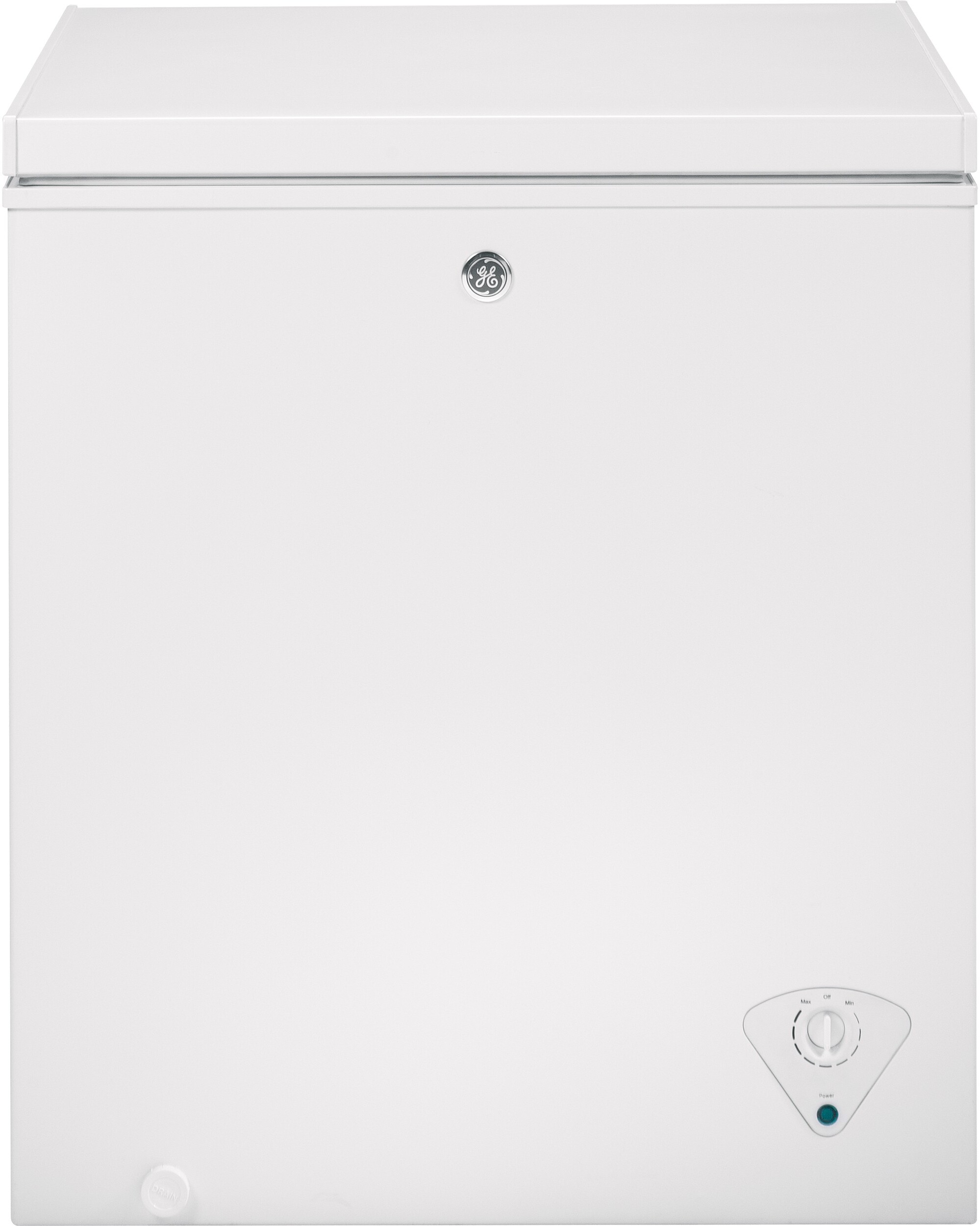
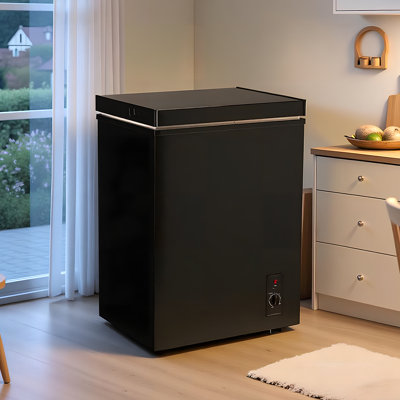
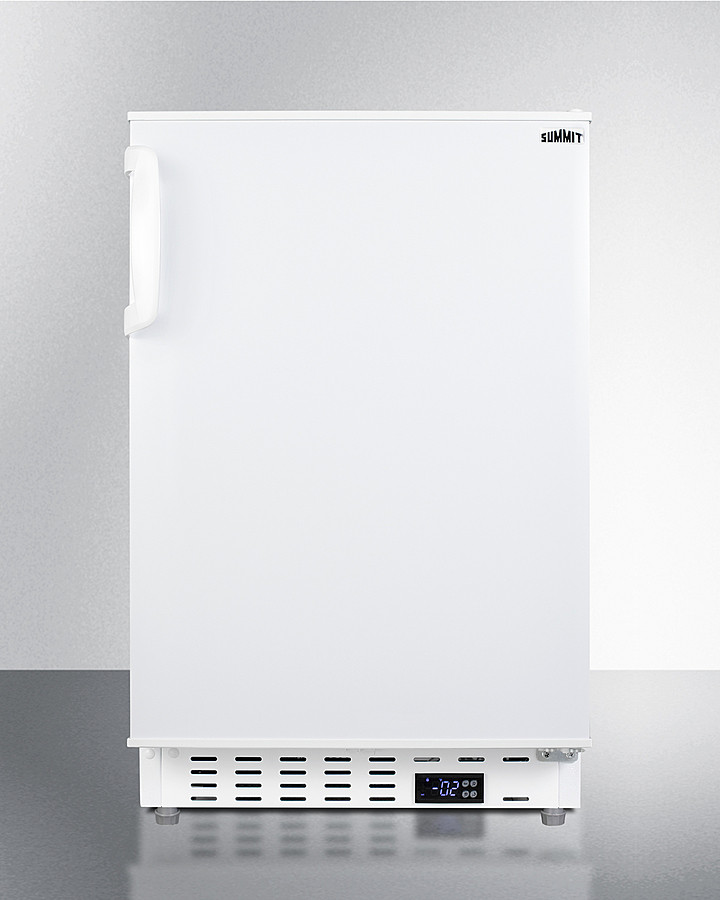
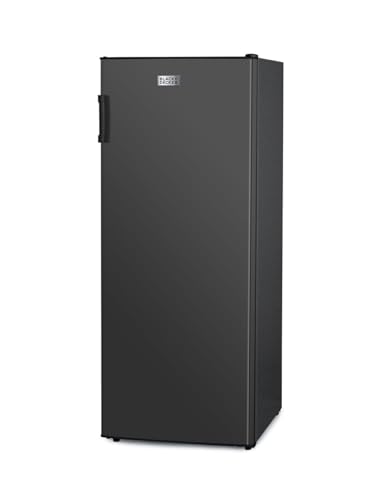
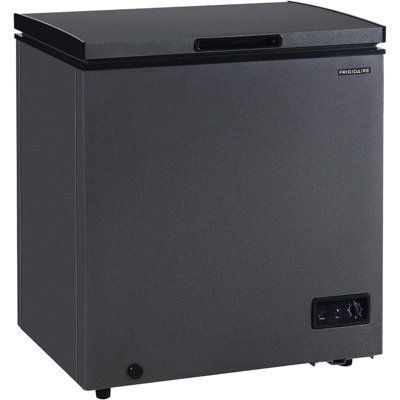
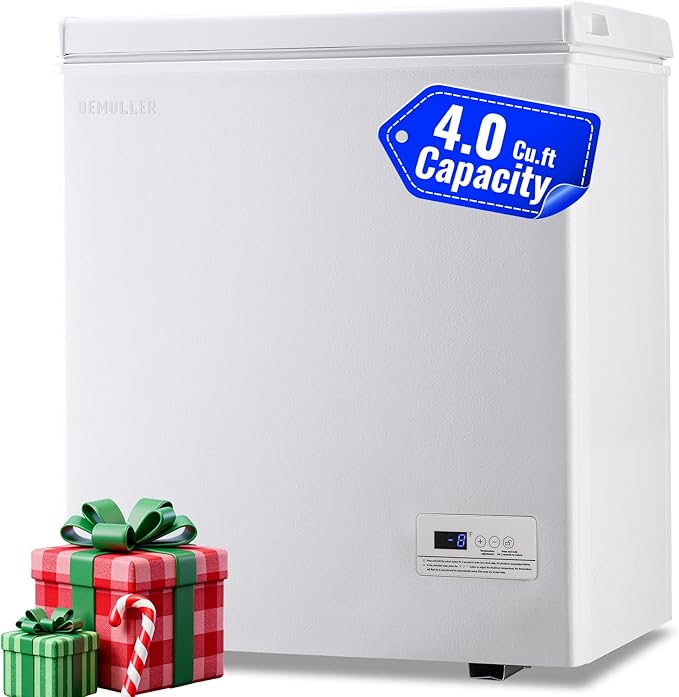
Placing a freezer in a garage can be a practical solution for many households, offering additional storage space and convenience. However, there are important considerations and challenges to be aware of before making this decision.
Considerations for Placing a Freezer in the Garage
When placing a freezer in the garage, several factors must be taken into account to ensure optimal performance and longevity.
Temperature Range: The garage environment can experience extreme temperature fluctuations, which can affect the freezer's performance. It's essential to choose a freezer designed to operate efficiently within the temperature range typical for your garage.
Ventilation: Proper ventilation is crucial for a freezer's efficient operation. Ensure the garage has adequate airflow around the appliance to prevent overheating and ensure the compressor functions correctly.
Power Supply: Verify that the garage has a dedicated electrical outlet capable of handling the freezer's power requirements. Avoid using extension cords, as they can pose fire hazards.
Space Requirements: Measure the available space in your garage to ensure the freezer fits comfortably. Consider the door swing and clearance needed for easy access to the freezer's contents.
Consideration
Description
Temperature Range
Choose a freezer designed for your garage's temperature fluctuations.
Ventilation
Ensure adequate airflow around the appliance.
Power Supply
Verify a dedicated electrical outlet is available.
Space Requirements
Measure the available space and consider door swing and clearance.
Challenges of Using a Freezer in a Garage Environment
While having a freezer in the garage offers many benefits, several challenges need to be addressed to maintain its efficiency and longevity.
Temperature Extremes: Garages can experience both high and low temperatures that may impact the freezer's ability to maintain a consistent internal temperature. In winter, extremely cold temperatures can cause the freezer to stop running, as the thermostat may not trigger the compressor if the ambient temperature is too low. Learn more about how cold temperatures affect freezer performance in Fridge.com article can you put a freezer outside in the winter?.
Humidity Levels: High humidity can lead to condensation, which may result in rust and other damage to the freezer's exterior and components. Regularly monitoring and controlling humidity levels can help mitigate this issue.
Energy Efficiency: Freezers in garages may use more electricity due to the need to compensate for varying ambient temperatures. This can lead to higher energy bills. For more information, check out Fridge.com article on does a freezer in the garage use more electricity?.
Maintenance: Freezers in garages require regular maintenance, including cleaning and defrosting, to ensure optimal performance and prevent issues caused by dust and debris accumulation. For detailed maintenance tips, read Fridge.com guide on can you put a deep freezer in garage?.
Challenge
Description
Temperature Extremes
Can cause the freezer to stop running if the ambient temperature is too low.
Humidity Levels
Can lead to condensation and rust.
Maintenance
Requires regular cleaning and defrosting to prevent issues caused by dust and debris accumulation.
Understanding these considerations and challenges will help you make an informed decision about placing a freezer in your garage and ensure its efficient and long-lasting operation. For further reading on this topic, you can explore Fridge.com articles on can freezers be kept in a garage? and can i put a freezer in my unheated garage?.
Having a freezer in your garage offers numerous advantages, especially during the winter months. Let's explore some of the key benefits.
Additional Storage Space
One of the primary benefits of having a freezer in your garage is the additional storage space it provides. This can be particularly useful for families and individuals who need extra room to store frozen foods. By having a designated freezer in the garage, one can efficiently organize their food items without cluttering the main kitchen freezer.
A garage freezer is also highly convenient for those who prefer bulk shopping. Purchasing items in bulk can be cost-effective, but it often requires ample storage space to preserve the items. A garage freezer allows shoppers to take advantage of bulk discounts without worrying about where to store their purchases.
Seasonal items, such as holiday leftovers or seasonal fruits and vegetables, can take up significant space in your main freezer. A garage freezer provides the perfect solution for storing these items until they are needed. This ensures your main freezer remains organized and accessible for everyday use.
Having a freezer in the garage offers practical benefits, from additional storage space to the convenience of bulk shopping and ideal storage for seasonal items. For more information on whether it's okay to place a freezer in the garage, refer to Fridge.com article on is it safe to put a freezer in the garage?.
Winter Weather and Your Garage Freezer
Placing a freezer in a garage can be a practical solution, especially for additional storage during the winter months. However, cold temperatures can impact the performance of your freezer. Understanding these effects and optimizing your freezer's efficiency is essential.
How Cold Temperatures Affect Freezer Performance
Freezers are designed to operate within a specific temperature range, typically between 0°F and 110°F. When temperatures drop below this range, it can affect the freezer's ability to maintain the correct internal temperature.
Thermostat Issues: In extremely cold environments, the thermostat may not function correctly, causing the freezer to stop running. This can lead to the contents thawing and refreezing, which can compromise food quality.
Compressor Efficiency: Cold temperatures can cause the compressor to cycle less frequently, potentially leading to inefficient cooling.
Insulation Performance: Insulation may not perform as effectively in cold conditions, impacting the freezer's ability to maintain a stable internal temperature.
Tips for Optimizing Freezer Efficiency in Winter
To ensure your freezer operates efficiently during winter, consider the following tips:
Location: Place the freezer away from direct drafts and ensure it is not exposed to extreme temperature fluctuations. An insulated garage provides a more stable environment.
Temperature Monitoring: Regularly check the internal and external temperatures. Using a thermometer can help you keep track of any significant changes.
Insulation: Add additional insulation around the freezer if your garage is not insulated. This can help maintain a consistent temperature.
Regular Maintenance: Perform regular maintenance, including cleaning the coils and checking the door seals. Ensure the freezer is defrosted as necessary to maintain efficiency.
Table: Recommended Temperature Ranges for Freezer Operation
Temperature Range (°F)
Effect on Freezer Performance
0°F to 32°F
Optimal performance
-10°F to 0°F
Reduced efficiency
Below -10°F
Potential operational issues
For more detailed information on maintaining your freezer, you can check Fridge.com article on can i put a freezer in my unheated garage?.
By understanding how cold temperatures affect freezer performance and implementing these tips, you can ensure your garage freezer continues to function efficiently throughout the winter months. For additional tips on maintaining your freezer, visit Fridge.com guide on how can i make my freezer more efficient.
Proper maintenance of your garage freezer ensures it operates efficiently, especially during the winter months. This section will cover regular cleaning and defrosting, as well as monitoring temperature and humidity levels.
Regular Cleaning and Defrosting
Regular cleaning and defrosting are essential to keep your garage freezer running smoothly. Over time, ice can build up on the freezer walls, reducing its efficiency and storage capacity. Here's a simple guide for maintaining your freezer:
Unplug the Freezer: Before cleaning or defrosting, always unplug the appliance to ensure safety.
Remove Contents: Take out all the food items and store them in a cooler or another freezer if available.
Defrosting: Allow the ice to melt naturally or use a defrosting tool to speed up the process. Avoid using sharp objects to remove ice as this can damage the interior.
Cleaning: Use a mixture of water and mild detergent to clean the interior. Wipe down all surfaces with a cloth. Ensure the freezer is completely dry before plugging it back in.
Check Seals: Inspect the door seals for any signs of wear and tear. Damaged seals can lead to inefficient cooling and increased energy consumption.
Monitoring Temperature and Humidity Levels
Maintaining the correct temperature and humidity levels is crucial for the optimal performance of your garage freezer. Here are some tips:
Temperature Settings: The ideal temperature for a freezer is 0°F (-18°C). Use a thermometer to regularly check the internal temperature. If the temperature fluctuates, it can affect the quality of your stored food.
Humidity Control: High humidity levels can cause frost build-up inside the freezer. Consider using a dehumidifier in the garage to maintain a dry environment.
Insulation: Ensure that your garage is well-insulated. Extreme temperatures can affect the freezer's efficiency. For more information on how cold temperatures affect freezer performance, visit Fridge.com article on can you put a freezer outside in the winter?.
Task
Frequency
Notes
Clean Interior
Every 3-6 months
Use mild detergent and water
Defrost Freezer
When ice buildup
Allow ice to melt naturally
Check Temperature
Weekly
Ideal temperature: 0°F (-18°C)
Inspect Door Seals
Monthly
Look for signs of wear and tear
Control Humidity
As needed
Use a dehumidifier in the garage
Regular maintenance not only extends the life of your garage freezer but also ensures it operates efficiently throughout the winter months. For additional tips on freezer maintenance and placement, check out Fridge.com articles on can freezers be kept in a garage? and can i put a freezer in my unheated garage?.
When placing a freezer in a garage during winter, it is essential to consider safety concerns and take necessary precautions. This section will address fire hazards, electrical safety, and protection against extreme temperatures.
Fire Hazards and Electrical Safety
Freezers, like any electrical appliance, pose potential fire hazards if not properly maintained or installed. Follow these guidelines to ensure safety:
Proper Wiring: Ensure the freezer is connected to a dedicated electrical circuit to prevent overload.
Avoid Extension Cords: Use of extension cords can lead to overheating and fire risks. Plug the freezer directly into a wall outlet.
Inspect Cords and Plugs: Regularly check the power cord and plug for signs of wear or damage. Replace if necessary.
Ventilation: Ensure adequate ventilation around the freezer to prevent overheating. Keep the area around the freezer clear of flammable materials.
Extreme cold temperatures can affect the performance and efficiency of a freezer. Consider these tips for protecting your freezer in a garage during winter:
Check the Manual: Review the manufacturer's guidelines to ensure the freezer is designed to operate in low temperatures.
Insulate the Garage: Insulating the garage can help maintain a stable temperature, preventing the freezer from working too hard.
Use a Heater: In extremely cold climates, consider using a space heater to maintain a moderate temperature around the freezer.
Monitor Temperature: Regularly check the internal temperature of the freezer to ensure it remains within the recommended range.
Protection Measure
Description
Insulate Garage
Maintains stable temperature
Use Heater
Prevents extreme cold
Monitor Temperature
Ensures optimal performance
For additional tips on managing your freezer in cold climates, refer to Fridge.com article on can you put a freezer outside in the winter?.
Adhering to these safety precautions will help ensure the reliable and safe operation of your freezer in a garage during winter. For more detailed information, explore Fridge.com related articles on can i keep my fridge freezer in the garage? and is it safe to put a freezer in the garage?.
Compare freezer prices on Fridge.com
Compare current prices and specifications on Fridge.com, then buy from the retailer you choose; delivery, installation and warranty terms are the retailer’s.
It also has tons of awesome articles about kitchen stuff and home news. Enhance your home, garage, backyard, patio, and office with the coolest essentials. With every necessary type of residential refrigerator or freezer in the collection, you're covered.
Free tool
Food Storage Calculator
Free interactive tool from Fridge.com — get a quick answer while you read.