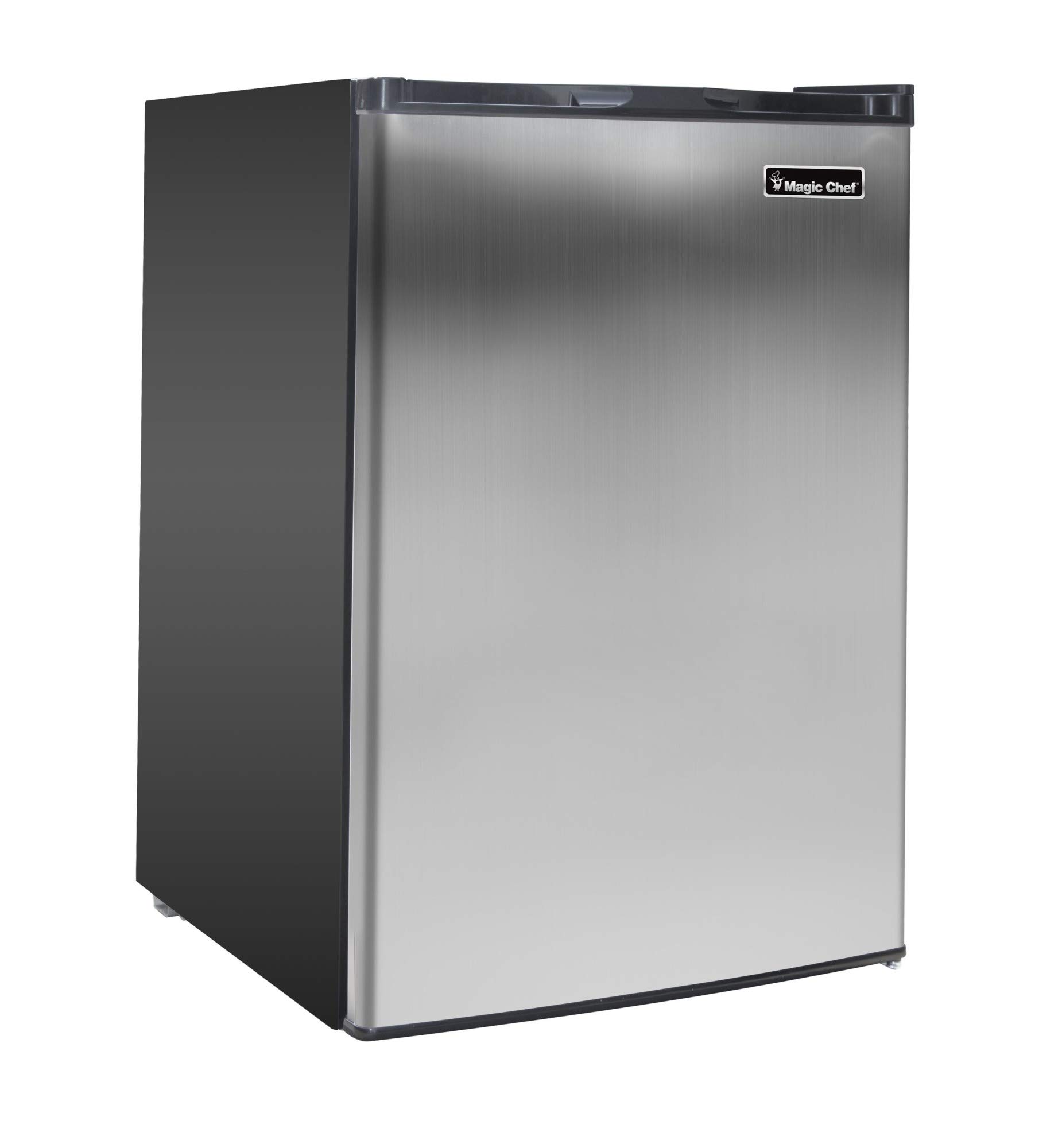
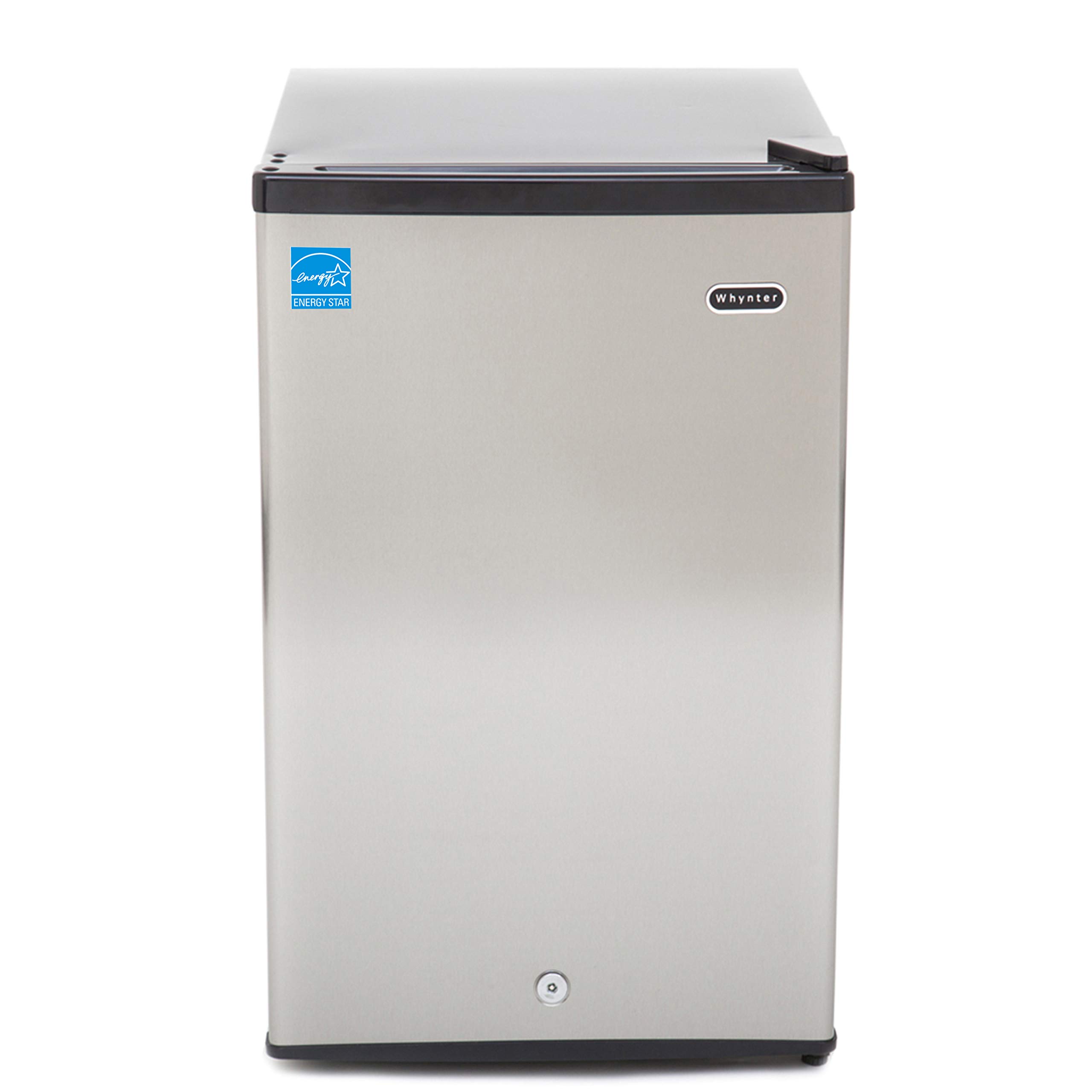
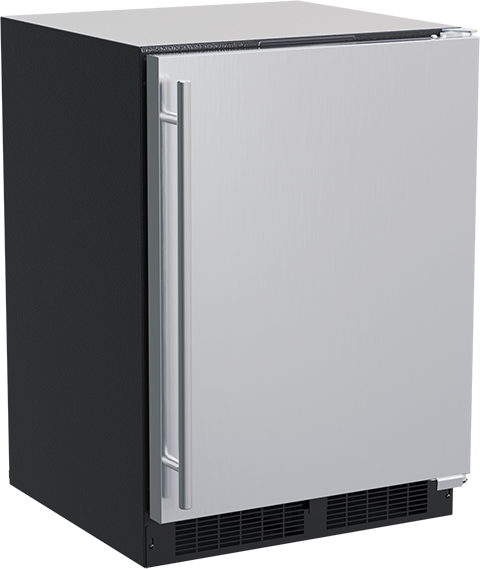
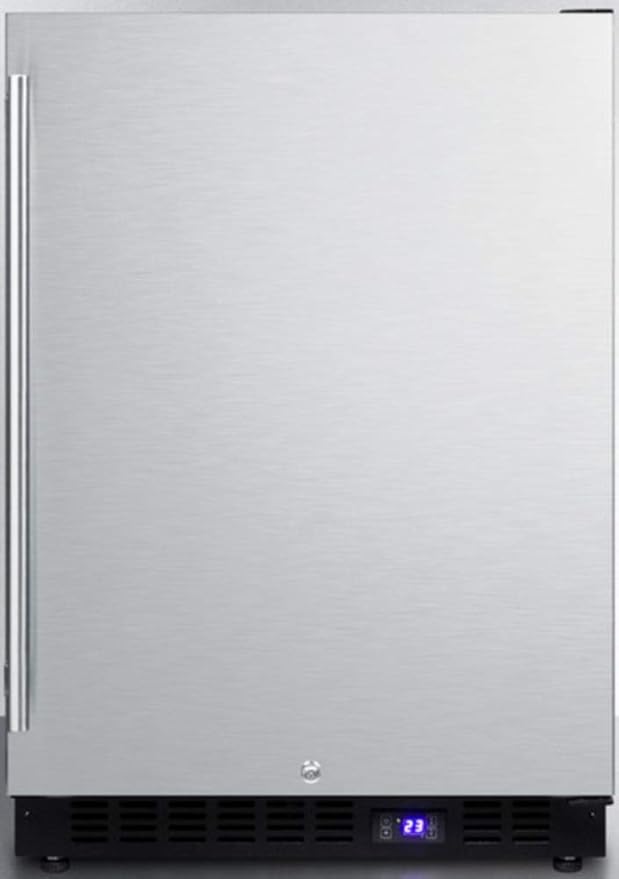
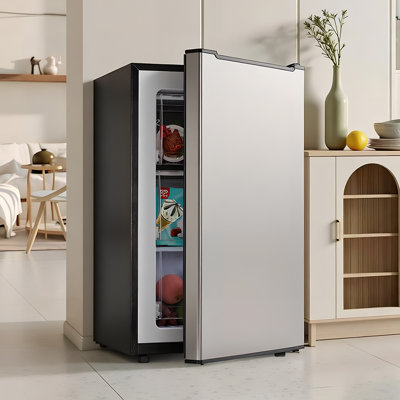
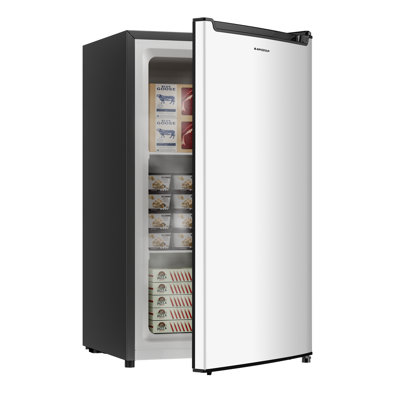
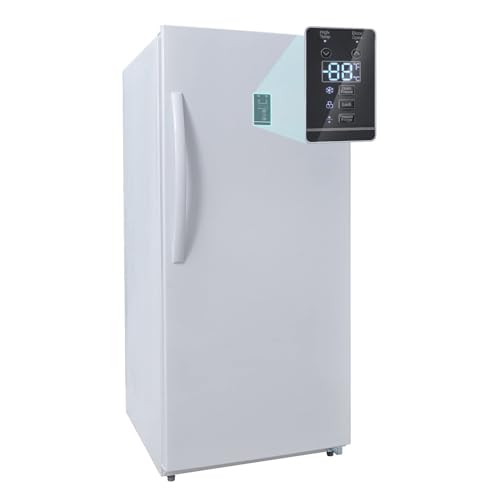
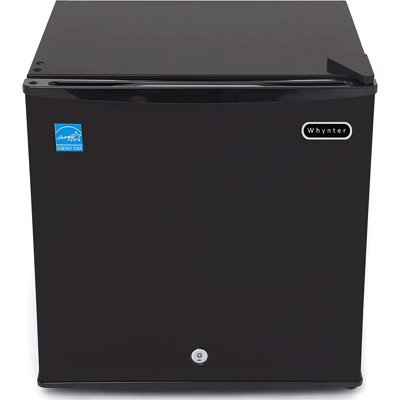
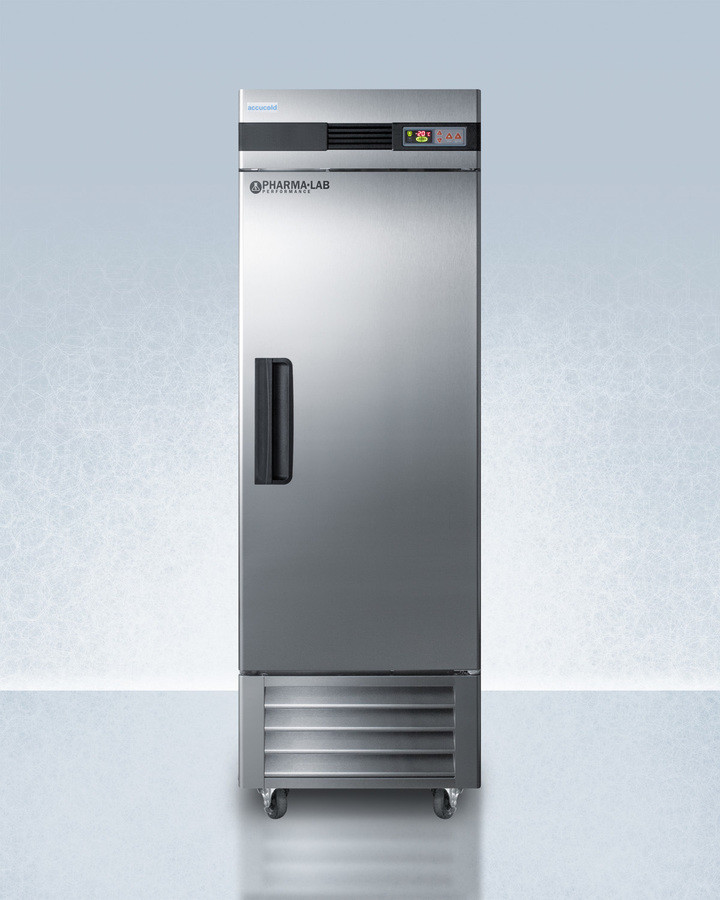
When it comes to choosing a freezer, there are two main types you can consider: drawer freezers and upright freezers. Each type offers unique benefits and challenges, making it important to understand their features before making a decision.
Overview of Drawer Freezers
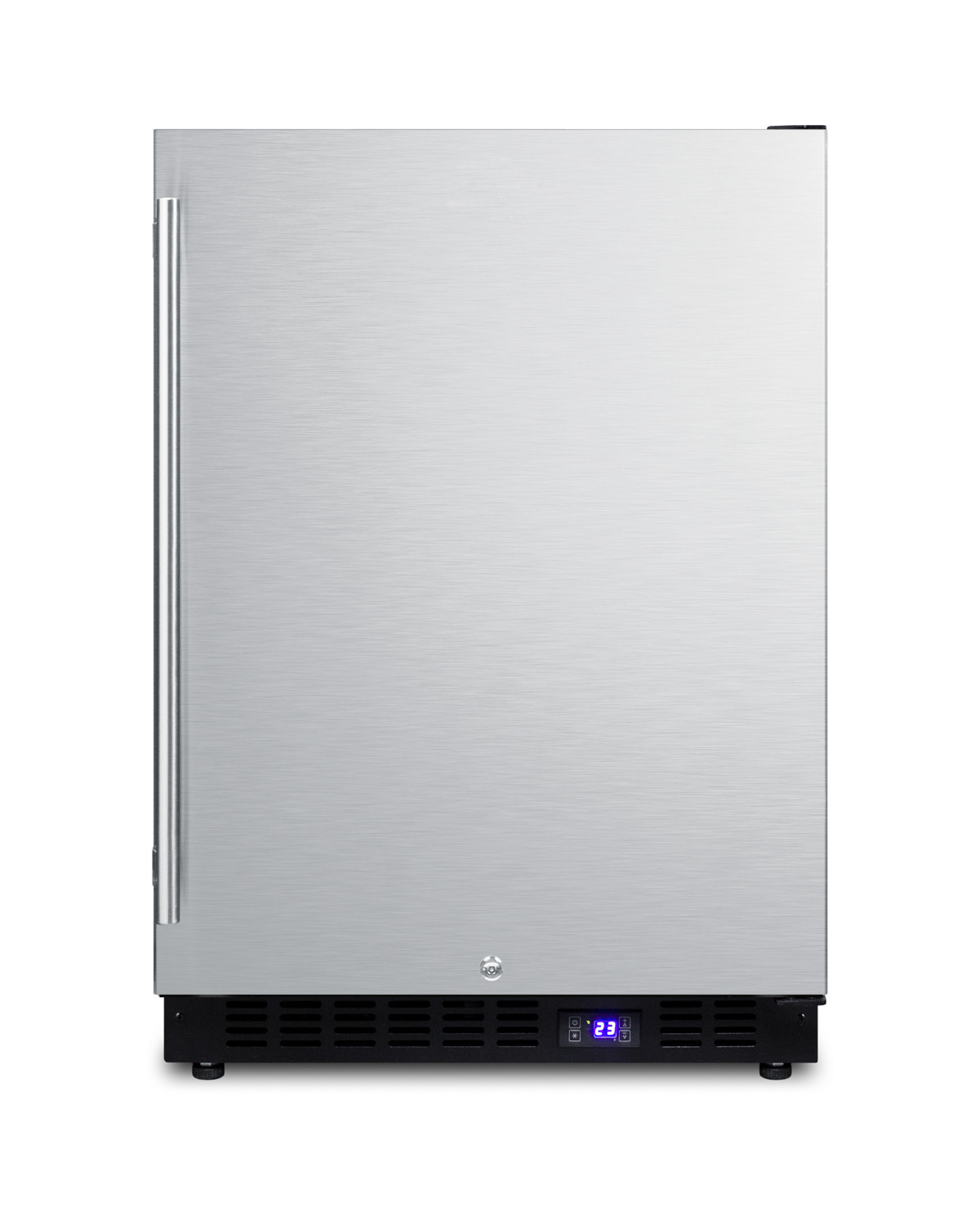
Drawer freezers, also known as chest freezers, are designed with a horizontal layout, featuring drawers or compartments that pull out. These freezers are ideal for those who need to store large quantities of food and want easy access to their items.
Feature
Description
Storage Capacity
Typically offers more storage space compared to upright freezers.
Organization
Drawers help in organizing items better, reducing the chances of food getting lost.
Temperature Maintenance
Due to their design, they often maintain a consistent temperature, which can be more energy-efficient.
Space Requirement
Requires more floor space due to its horizontal design.
Overview of Upright Freezers
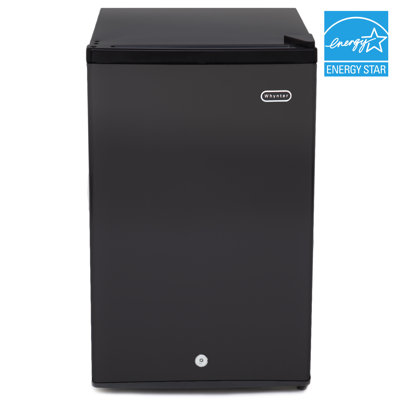
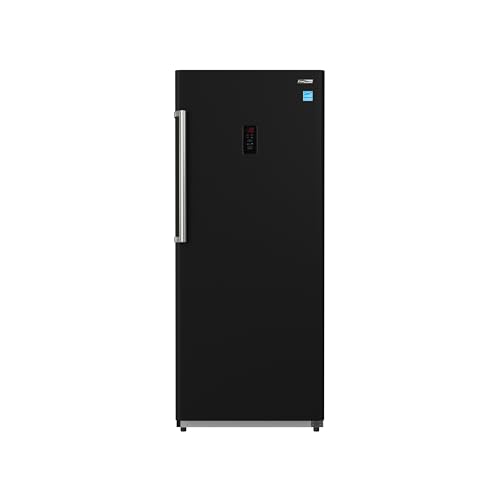
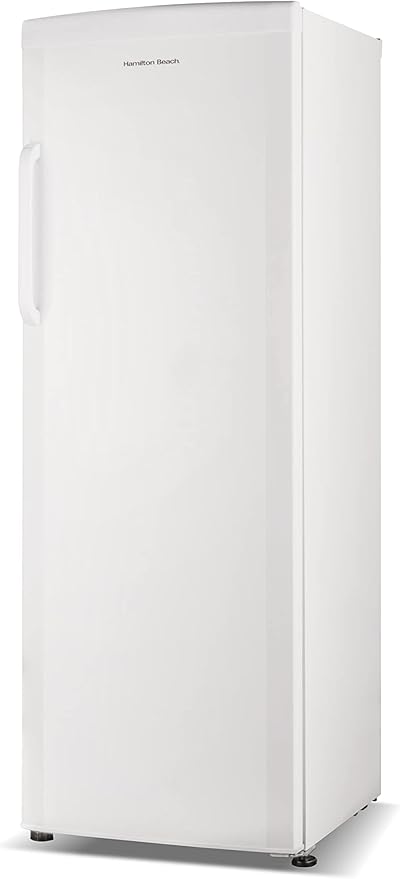
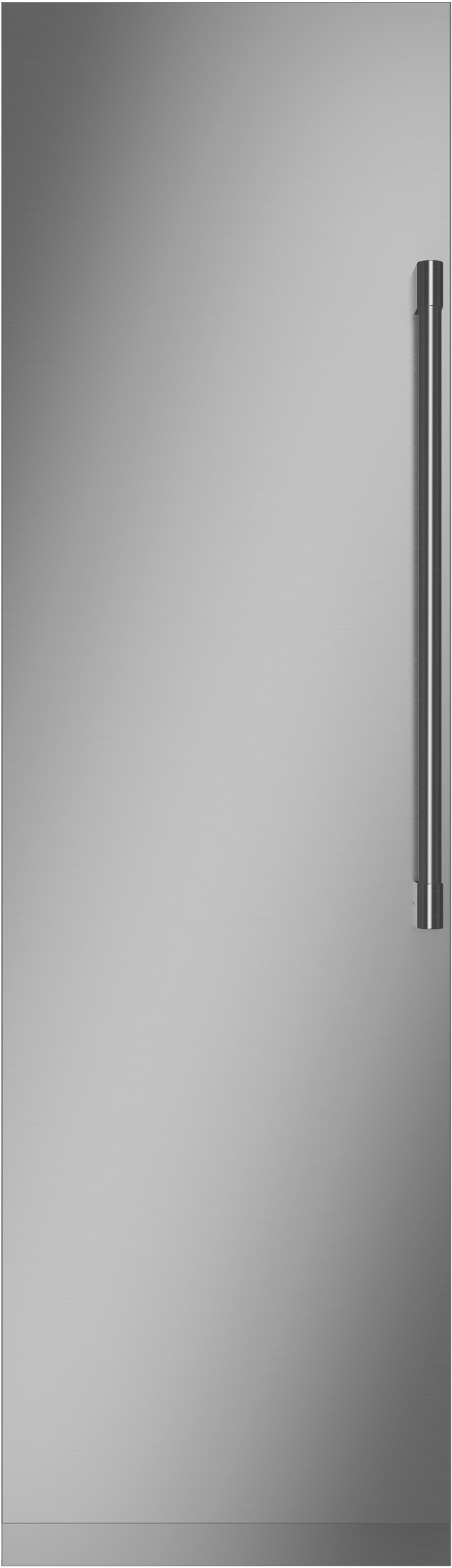
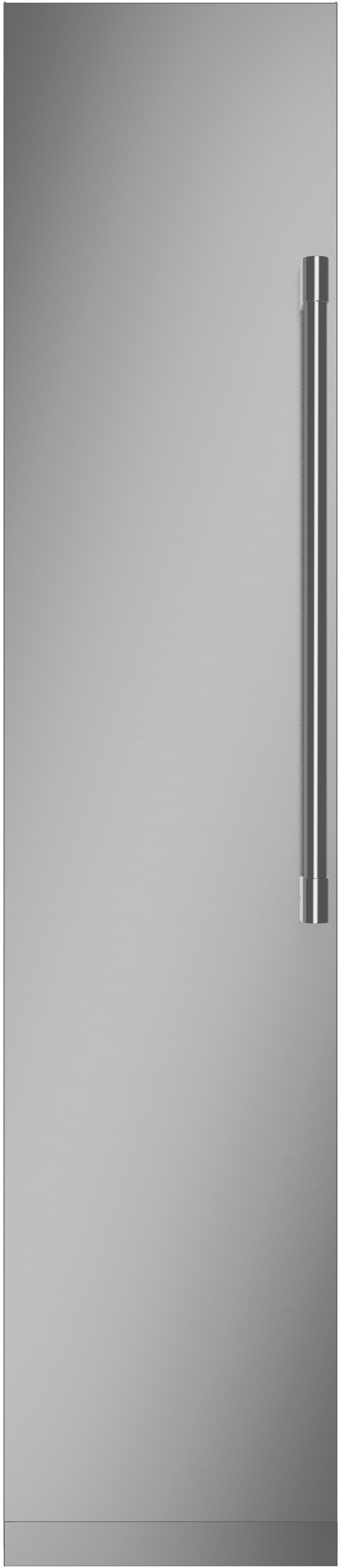
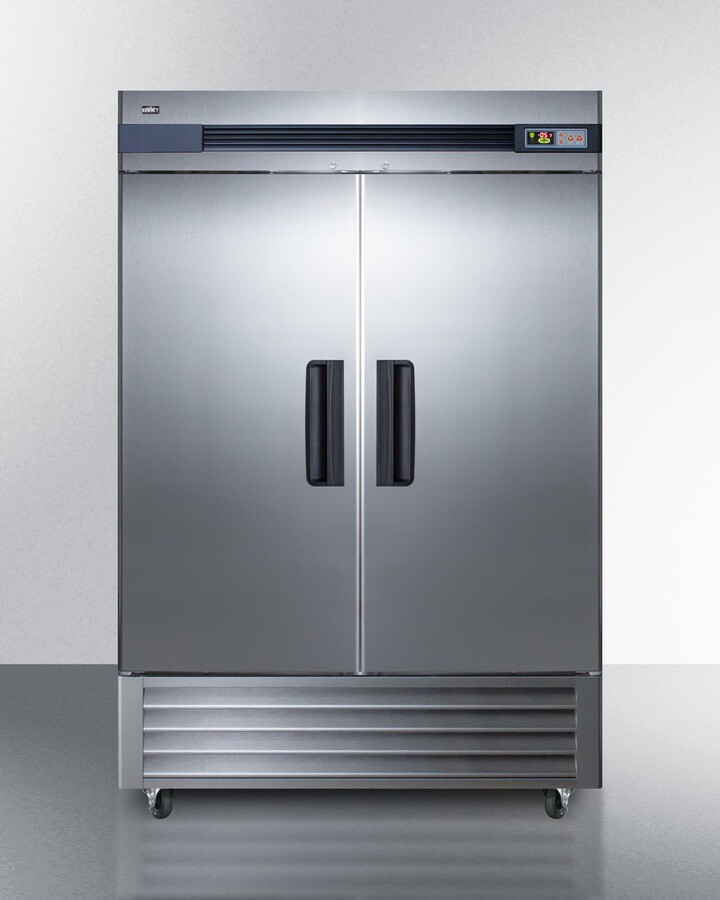
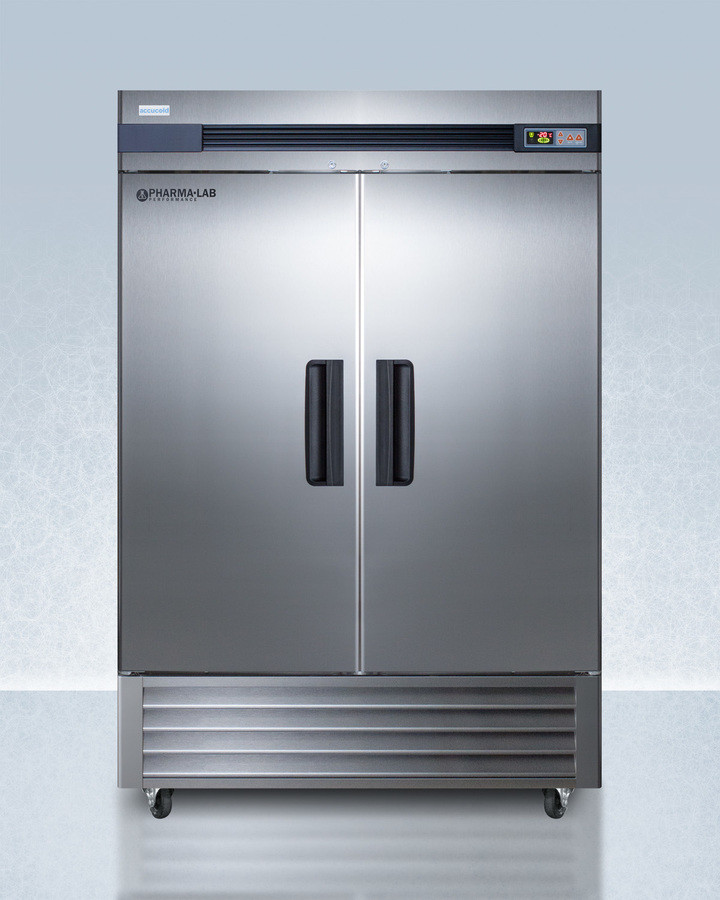
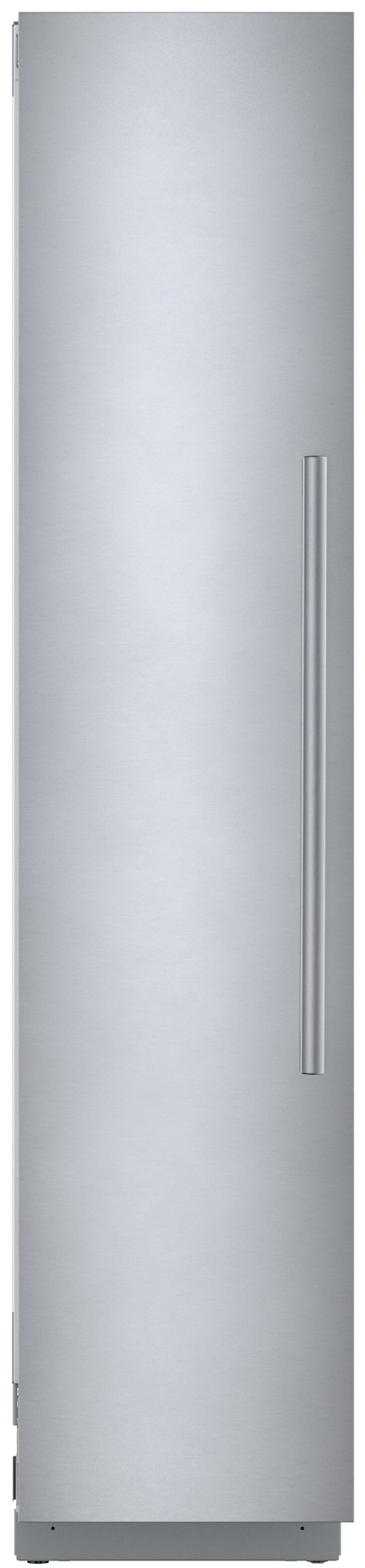
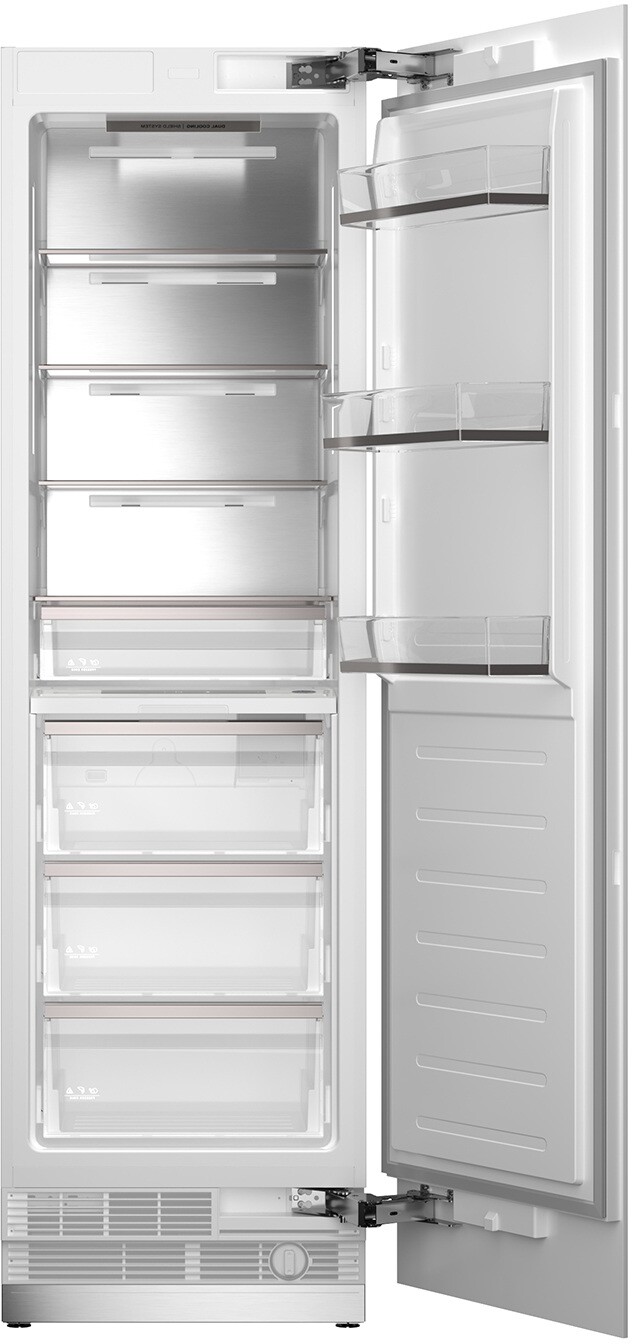
Upright freezers, on the other hand, stand vertically and resemble a standard refrigerator. These freezers are convenient for those who need easy access to frequently used items and have limited floor space.
Feature
Description
Storage Capacity
Generally offers less storage space compared to drawer freezers.
Organization
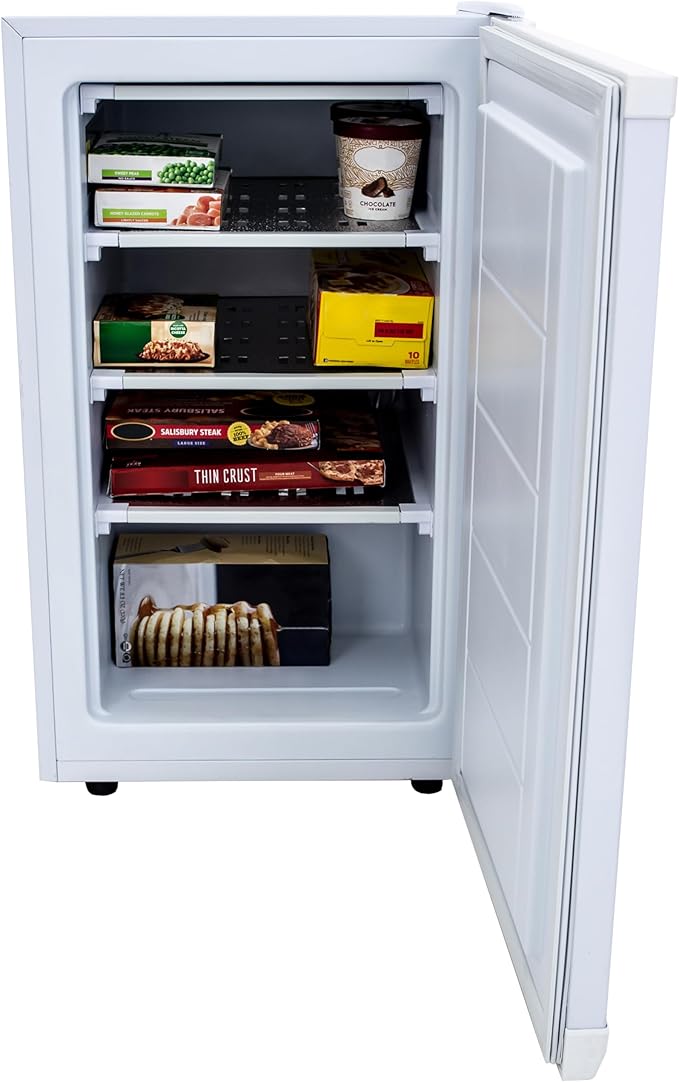
Shelves and door compartments allow for better visibility and access to stored items.
Temperature Maintenance
May experience slight temperature variations due to frequent door opening.
Space Requirement
Takes up less floor space, making it suitable for smaller areas.
Understanding these differences can help you decide which freezer type aligns best with your needs. For more information on choosing the right freezer, check out Fridge.com article on best apartment size freezer for a compact house. Whether you are looking to store large quantities of food or need a freezer that fits in a small space, knowing the pros and cons of each type can guide you towards the best choice for your home.
When choosing between a drawer freezer and an upright freezer, it's important to weigh the advantages and limitations of each. Below, Fridge.com will explore the pros and cons of drawer freezers to help you make an informed decision.
Advantages of Drawer Freezers
Drawer freezers come with several benefits that make them appealing for various settings.
Ease of Access: Drawer freezers allow you to easily access contents without bending over or digging through layers of items.
Organization: The drawer system helps in better organization, making it simpler to categorize and store different types of food.
Space Efficiency: Drawer freezers can fit into smaller spaces, such as under counters or in compact kitchens.
Aesthetics: These freezers often blend seamlessly with kitchen cabinetry, offering a sleek and integrated look.
Feature
Advantage
Ease of Access
Easily access contents
Organization
Better categorization of food
Space Efficiency
Fits in compact spaces
Aesthetics
Blends with kitchen cabinetry
Limitations of Drawer Freezers
Despite their advantages, drawer freezers also have some drawbacks.
Cost: Drawer freezers tend to be more expensive due to their design and integration capabilities.
Capacity: They generally offer less storage capacity compared to upright freezers.
Limited Options: Fewer models and sizes are available compared to upright freezers.
Energy Efficiency: Drawer freezers may be less energy-efficient due to frequent opening and closing of drawers.
Feature
Limitation
Cost
More expensive
Capacity
Less storage space
Limited Options
Fewer models available
Understanding these pros and cons can help you decide whether a drawer freezer suits your needs. For more information on freezer options, visit Fridge.com articles on best apartment size freezer for a compact house and best freestanding refrigerator and freezer drawer for a dorm.
When considering a freezer for your home, it's important to weigh the pros and cons of different types. Upright freezers have their own set of advantages and limitations.
Advantages of Upright Freezers
Upright freezers offer several benefits, making them a popular choice for many households.
Space Efficiency: Upright freezers are designed to take up less floor space, which is ideal for smaller areas like apartments or tiny homes.
Organization: They often come with multiple shelves and compartments, allowing for easier organization and quick access to your frozen items.
Accessibility: The vertical design means you don't have to bend down to access items, which can be more convenient for daily use.
Visibility: Items are more visible and easier to locate, reducing the chances of food getting lost at the bottom.
Defrosting: Many upright freezers come with automatic defrosting features, saving you time and effort in maintenance.
Limitations of Upright Freezers
Despite their benefits, upright freezers also have some drawbacks that you should consider.
Storage Capacity: While they are space-efficient, upright freezers typically offer less storage capacity compared to drawer freezers of the same size.
Energy Efficiency: Upright freezers can be less energy-efficient due to the need to maintain a consistent temperature with frequent door openings.
Cost: They can be more expensive upfront and have higher maintenance costs compared to other freezer types.
Temperature Consistency: The vertical design can lead to uneven temperature distribution, especially if the freezer is packed tightly.
Feature
Upright Freezer
Drawer Freezer
Floor Space
Less
More
Organization
High
Moderate
Accessibility
High
Moderate
Storage Capacity
Moderate
High
Defrosting
Automatic
Manual
For more details on freezer options, you might be interested in articles like best apartment size freezer for a compact house or best freestanding garage freezer for a dorm. Understanding the advantages and limitations of upright freezers will help you make an informed decision.
When deciding between a drawer freezer and an upright freezer, storage and organization are key factors to consider. Each type of freezer offers unique features that cater to different needs and preferences.
Drawer Freezer Storage Features
Drawer freezers are designed with pull-out drawers that provide easy access to stored items. This design allows you to organize your frozen goods efficiently, making it simple to locate what you need without having to dig through layers of food.
Feature
Description
Pull-Out Drawers
Easy access to items, reducing the need to bend or squat.
Compartmentalization
Separate sections for different types of food, helping to keep items organized.
Visibility
Clear drawers or transparent fronts allow you to see the contents without opening them.
Space Utilization
Maximizes storage space by utilizing the full depth and width of the freezer.
Drawer freezers are ideal for those who prioritize organization and ease of access. The compartmentalized design helps in keeping similar items together, reducing the time spent searching for specific foods. For more information on optimal storage solutions, check out Fridge.com article on side of fridge organizer.
Upright Freezer Storage Features
Upright freezers, on the other hand, resemble a standard refrigerator with multiple shelves and door compartments. This vertical design allows for a different approach to storage and organization.
Feature
Description
Shelving
Adjustable shelves offer flexibility in storing items of various sizes.
Door Bins
Additional storage space in the door for smaller items or frequently used products.
Vertical Space
Efficient use of vertical space, making it easy to see and access items.
Defrost Options
Many models come with automatic defrost features, simplifying maintenance.
Upright freezers are suitable for those who need to store a variety of items and prefer the traditional shelving layout. The adjustable shelves and door bins provide versatility, allowing you to customize the storage space according to your needs. For more on efficient storage, see Fridge.com guide on best fridge for national fortune cookie day.
Both drawer freezers and upright freezers offer unique storage and organization features. Your choice will depend on your specific needs, space constraints, and how you prefer to organize your frozen goods. For more tips on choosing the right freezer, explore Fridge.com article on best apartment size freezer for a compact house.
Energy Efficiency
When choosing between a drawer freezer and an upright freezer, energy efficiency is a key factor to consider. Let's explore how each type of freezer performs in terms of energy consumption.
Drawer Freezer Energy Efficiency
Drawer freezers are designed with multiple compartments, which can help maintain a consistent temperature. This design can contribute to energy efficiency, as the drawers minimize the amount of cold air that escapes when you open the freezer. However, the efficiency can vary based on the model and usage patterns.
Feature
Drawer Freezer
Average Annual Energy Consumption (kWh)
300 - 450
Temperature Control
High
Maintaining proper organization and avoiding overcrowding can further enhance the energy efficiency of your drawer freezer. For tips on organizing your freezer, visit Fridge.com article on best apartment size freezer for a compact house.
Upright Freezer Energy Efficiency
Upright freezers typically feature a single door with multiple shelves, which can lead to more cold air escaping when the door is opened. Despite this, many modern upright freezers are designed to be energy efficient, often featuring advanced insulation and efficient compressors.
Feature
Upright Freezer
Average Annual Energy Consumption (kWh)
350 - 600
Temperature Control
High
To maximize energy efficiency, consider factors such as defrosting regularly and maintaining an organized interior. For more details on how to keep your freezer efficient, refer to Fridge.com article on best freestanding garage freezer for a dorm.
Understanding the energy efficiency of drawer and upright freezers can help you make an informed decision. Evaluate your specific needs and usage patterns to determine which freezer type is best for you.
Choosing between a drawer freezer and an upright freezer can be challenging. It's important to consider several factors to determine which one best suits your needs.
Factors to Consider
Space Availability: Evaluate the space where you plan to place the freezer. Drawer freezers typically fit under counters and in tight spaces, while upright freezers require more vertical space.
Storage Needs: Consider how much storage space you need. Drawer freezers are often more compact, while upright freezers provide more storage volume.
Organization: Think about how you like to organize your frozen items. Drawer freezers offer multiple compartments for easy access, while upright freezers have shelves and door bins.
Energy Efficiency: Check the energy consumption of each type. Drawer freezers might be more energy-efficient due to their smaller size, but modern upright freezers often come with energy-saving features.
Frequency of Use: If you frequently access your frozen items, a drawer freezer might be more convenient due to its easy pull-out drawers. For bulk storage and less frequent access, an upright freezer could be more practical.
Budget: Compare the cost of both types of freezers. Drawer freezers are generally less expensive upfront, but upright freezers may offer more storage for the price.
Which Freezer Type Fits Your Needs?
To help you make an informed decision, here's a comparison table of drawer freezers and upright freezers based on the factors discussed:
Feature
Drawer Freezer
Upright Freezer
Space Requirement
Fits under counters, compact spaces
Requires vertical space
Storage Volume
Limited storage capacity
Larger storage capacity
Organization
Multiple compartments, easy access
Shelves and door bins
Frequency of Use
Ideal for frequent access
Suitable for bulk storage
Budget
Typically less expensive upfront
More storage for the price
Consider these factors carefully to determine whether a drawer freezer or an upright freezer aligns with your needs. For more tips on selecting the right appliance, explore articles like standard fridge size and best apartment size freezer for a compact house.
Frequently Asked Questions
To help you make an informed decision, here's a comparison table of drawer freezers and upright freezers based on the factors discussed:. Feature.
Drawer Freezer.
Upright Freezer.
.
Space Requirement.
Fits under counters, compact spaces.
Requires vertical space.
.
Storage Volume.
Limited storage capacity.
Larger storage capacity.
.
Organization.
Multiple compartments, easy access.
Shelves and door bins.
.
Energy Efficiency.
Generally more energy-efficient.
Modern features available.
.
Frequency of Use.
Ideal for frequent access.
Suitable for bulk storage.
.
Budget.
Typically less expensive upfront.
More storage for the price.
. Consider these factors carefully to determine whether a drawer freezer or an upright freezer aligns with your needs. For more tips on selecting the right appliance, explore articles like standard fridge size and best apartment size freezer for a compact house.