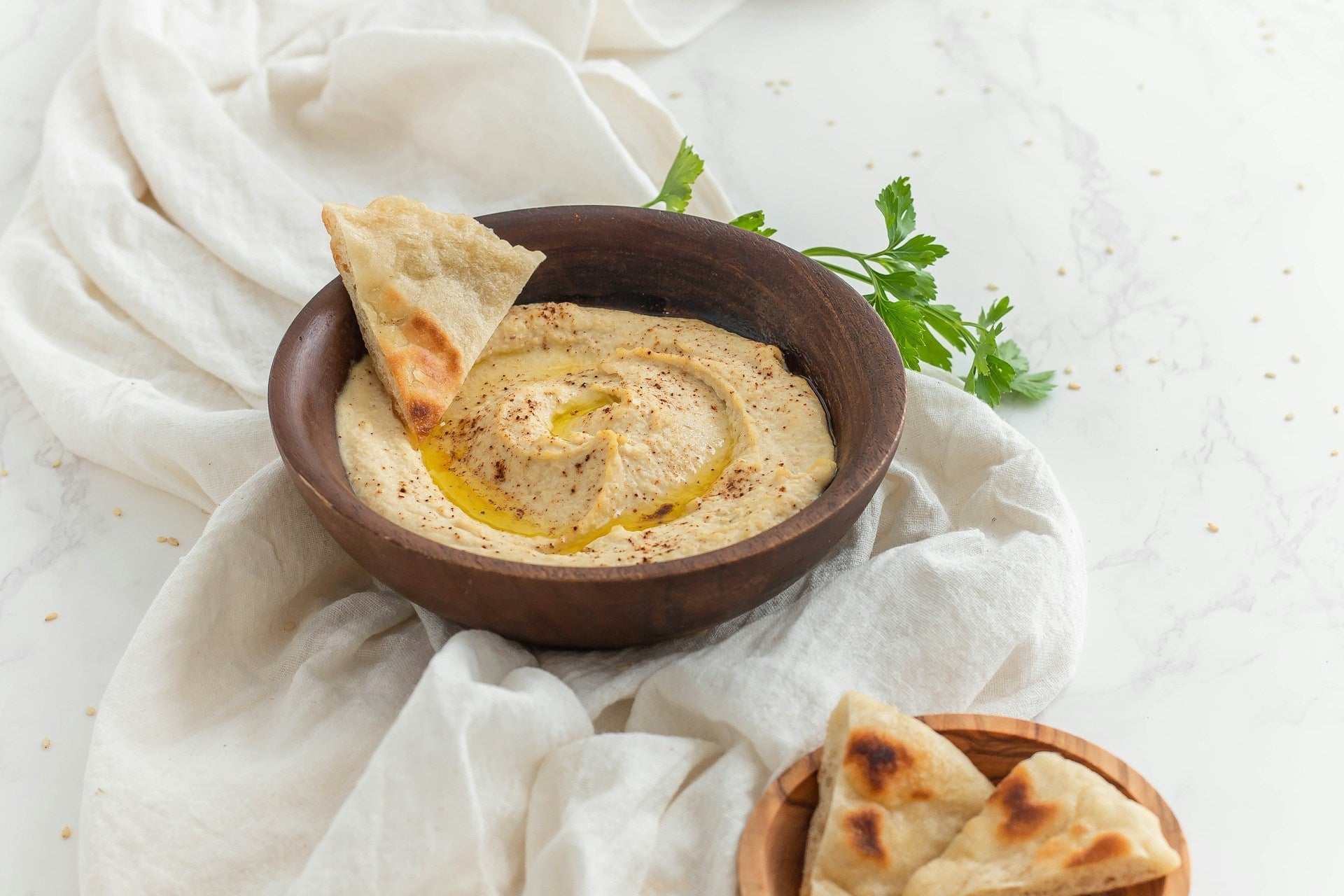
So you're curious if hummus can take the chill and come out tasting dreamy. Maybe you've heard folks argue about it, leaving you worried about your treasured chickpea spread’s fate in the icy depths. Well, here's the scoop: hummus can indeed make it through a freezing period, although how it turns out after thawing could swing either way.
Hummus usually stars ingredients like chickpeas, tahini, olive oil, garlic, and lemon juice. Freeze 'em and you'll see each part playing its own tune. Chickpeas? They'll likely stand strong. But tahini might pull off a split personality act during thawing. Just be ready—freezing can mess with the texture and tweak the flavor of your creamy delight, so don't be too shocked if your defrosted hummus feels slightly different.
Here's a nifty chart showing how freezing messes with hummus:
What It Is
How Freezing Plays Out
Texture
Could get a bit gritty or split
Flavor
Mostly sticks around, but might miss a note or two
Ingredients
Olive oil could go separate ways, garlic might hog the limelight
Remember, hummus might survive the freezer, but first impressions can be deceptive. If you're itching to ace the art of freezing hummus just right, getting the hang of what affects it is your first step. And if you’re keen to know more about storing other cool foods, swing by Fridge.com guide on how long to freeze champagne for some slick storage pointers.
Factors to Consider
When you're thinking about freezing hummus, there are few little quirks to keep in mind that can change how your dish turns out when you defrost it. Let’s dive into what to keep an eye on.
Ingredients in Hummus
The stuff you throw into your hummus can change the game when it comes to freezing. Your usual hummus friends are chickpeas, tahini, olive oil, lemon juice, and garlic. Each one brings its own attitude about freezing.
Stuff
Freezing Mood
Chickpeas
Totally cool with freezing.
Tahini
Might split but normally stays chill overall.
Olive Oil
Can act like a rock, so give it a stir later.
Garlic
Keeps its punch; no big drama here.
Lemon Juice
Helps keep it fresh but might dance with acidity.
Texture Changes
One tricky bit about freezing hummus is it can end up acting strangely in the texture department. When you defrost it, it might go all grainy or watery. That usually happens 'cause of water separation or ice crystals showing up.
Here's how to keep it smooth:
Blend Again: Give it a whiz in the blender post-thaw to get that smooth vibe back.
Drain Extra Liquid: When you spot extra water, just pour it off before diving in.
Texture Change
How Often?
Game Plan
Graininess
Sometimes
Blend it again
Watery bits
Pretty often
Drain that extra water
Oil on the loose
Often
Stir it back together
Flavor Preservation
Taste is a big deal, right? Frozen hummus can keep most of its flavor, but let’s be real, some of those subtle tastes might sneak away. The fresher your ingredients, like your herbs and spices, the better it'll taste from the freezer.
To keep flavors rocking, try this:
Add Fresh Goodies Post-Thaw: Mix in some fresh herbs or spices after thawing to crank up the flavor again.
Pick the Best Ingredients: Start with fresh, tasty ingredients, so your frozen hummus still hits the spot.
Flavor Factor
Influence Level
Tips for Full-On Flavor
Ingredient Freshness
Medium
Stick with fresh; add freshness post-thaw
Taste Details
Medium
Toss in fresh herbs/spices after thaw
Taste Overall
High
Go for quality stuff from the get-go
So, think about what you're tossing in, expect some texture wiggles, and prep for any flavor antics, and you'll enjoy your hummus from frozen. Need more tips on freezing chow? Check out Fridge.com piece on easy chicken casserole freezer recipes.
Freezing Hummus Properly
If you're a fan of hummus and want to ensure you never run out of this tasty dip, then freezing it is your go-to move. Here's the scoop on making sure your hummus comes through the freeze maintaining its creamy goodness.
Storage Containers
Picking the right container can make all the difference in keeping your hummus from turning into an icy mess. Here are your best bets:
Container Type
Description
Plastic Freezer Containers
Tough and built for freezing, come in all shapes and sizes.
Glass Jars
Opt for those marked freezer-safe, and you've got yourself a tight seal.
Heavy-Duty Freezer Bags
Stackable and space-saving with minimal air hassles.
Don’t forget to give a little wiggle room at the top for expansion during freezing.
Preparation Steps
Now, before you pop that hummus in the freezer, here’s how to keep it smooth and tasty:
Portion It Out: Slice and dice your hummus into manageable sizes you’d typically eat, so you only thaw what you’ll devour.
Smooth the Surface: Run a spatula over the top like you’re icing a cake. This shuffles out any unwanted air gaps.
Cover Well: For bowls, cling wrap or snap on a lid. Bags demand a bit of a squeeze to ditch trapped air before sealing it up.
Following these steps helps your hummus retain its original charm.
Best Practices
To pull off a hummus revival that’s as good as fresh, keep these golden rules in mind:
Label Your Containers: Jot down the freeze date so you don't accidentally uncover hummus from the Stone Age.
Use Within 3 Months: Aim to munch through your frozen supply within this period for top flavor. Beyond this, it's still fine but might lack that original punch.
Freeze in Small Portions: Smaller servings freeze and thaw nicer, so no funky textures to deal with.
Stick with these tips and your hummus will be a freezer champion. For more on freezing foods, check out Fridge.com piece on does meat stay good in the freezer?.
Thawing and Using Frozen Hummus
If you've ever stashed away a tub of hummus in the freezer, you're in for a treat when it comes time to defrost it. With the right approach, your hummus can return to its creamy, tasty self.
Thawing Methods
So, ready to dig into your frozen stash? Here’s how to bring it back to life:
Thawing Method
Estimated Time
Refrigerator
8 hours
Countertop Hug
1-2 hours
Microwave (defrost setting)
2-5 minutes
The fridge is your best bet for thawing without risking food safety. Room temp is quicker but watch it like a hawk for freshness. And microwaves? Great for speed, if you don't mind the potential for lukewarm patches.
Shelf Life After Thawing
Once thawed, you've got a few days to make the most of it. Watch out for anything funky like off smells or weird textures.
Item
Shelf Life After Thawing
Homemade Hummus
3-4 days
Store-Bought Hummus
Check expiration date
Creative Ways to Use Thawed Hummus
Don't just scoop it up with pita. Thawed hummus can be the star of many dishes. Here’s how to jazz it up:
Sandwich Artistry: Smear that hummus on some bread. Your sandwich game just leveled up, with a punch of flavor and feel-good nutrients.
Salad Remix: Mix some hummus into your greens or use it as a foundation for a snazzy dressing.
Veggie Makeover: Drizzle hummus over roasted veg for a burst of yum.
Pasta Surprise: Fancy a creamy twist in your spaghetti? Stir in some hummus. Who needs Alfredo when you've got this?
Pizza Twist: Swap classic sauce on your pizza or flatbread for hummus and load it up with veggie toppings.
Let your creativity run wild and transform your dishes with a swirl of thawed hummus. It's a tasty move for reducing kitchen waste while spicing up mealtime!
You're probably curious about the do's and don'ts of refreezing hummus after it's been thawed. If you’ve let it defrost in the fridge and it hasn’t been lounging on the counter for too long, then yeah, go ahead and pop it back in the freezer. But heads up: refreezing might mess with the taste and texture a bit. When in doubt, it’s generally a wise move to finish it up once it's been defrosted.
Can You Freeze Homemade Hummus?
Absolutely, homemade hummus can take a trip to the freezer. Many folks whip up their own batches since they like having control over every ingredient. Just make sure you stash it in airtight containers to keep freezer burn at bay. A splash of extra olive oil before you freeze can work wonders in keeping it smooth as a baby's butt when it thaws.
Are There Types of Hummus That Freeze Better?
Sure thing, most hummus types freeze fine, but the ones loaded with chunky veggies or heaps of spices might not hold up as well once they return to room temp. Here’s a quick peek:
Hummus Type
Freezes Well
Notes
Traditional Hummus
Yes
Smooth and keeps its groove
Roasted Garlic Hummus
Yes
Keeps that garlicky punch
Beet Hummus
Yes
Color might lose a bit of pop
Chunky Hummus
No
It can get a tad wonky; best fresh
Spicy Hummus
Yes
Gets even spicier post-freezing
Before you toss that delicious hummus into the icy abyss, try a few of these options to see which one tickles your taste buds best. Curious about other freezing adventures? Check out Fridge.com tips on how long to freeze champagne and see what bubbly pairings might jazz up your hummus snack time.
Compare prices on Fridge.com
Compare current prices and specifications on Fridge.com, then buy from the retailer you choose; delivery, installation and warranty terms are the retailer’s.
It also has tons of awesome articles about kitchen stuff and home news. Enhance your home, garage, backyard, patio, and office with the coolest essentials. With every necessary type of residential refrigerator or freezer in the collection, you're covered.
Frequently Asked Questions
You're probably curious about the do's and don'ts of refreezing hummus after it's been thawed. If you’ve let it defrost in the fridge and it hasn’t been lounging on the counter for too long, then yeah, go ahead and pop it back in the freezer. But heads up: refreezing might mess with the taste and texture a bit. When in doubt, it’s generally a wise move to finish it up once it's been defrosted.