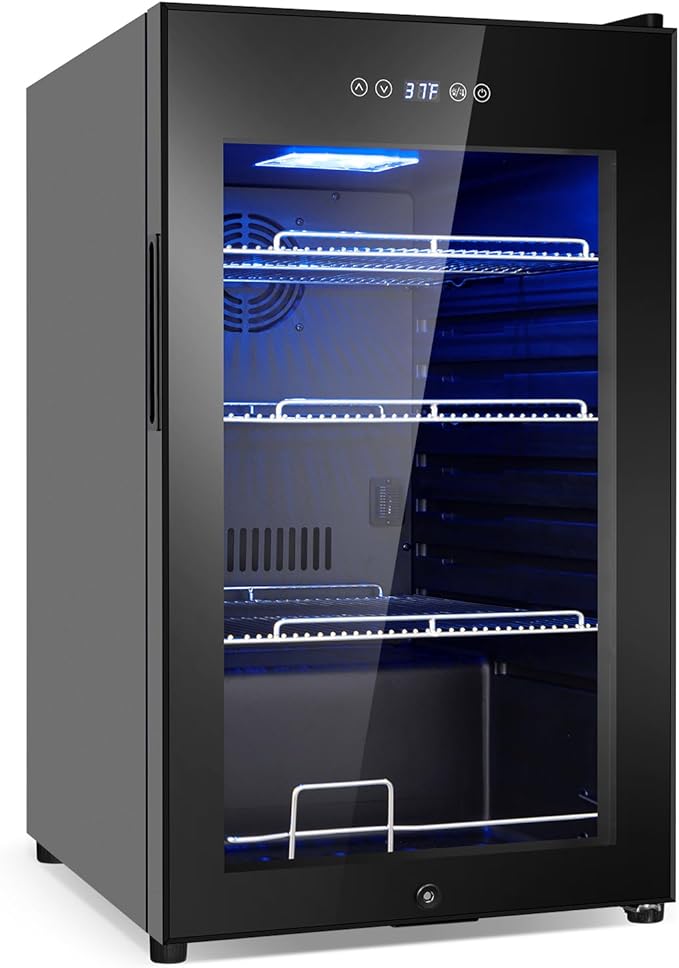
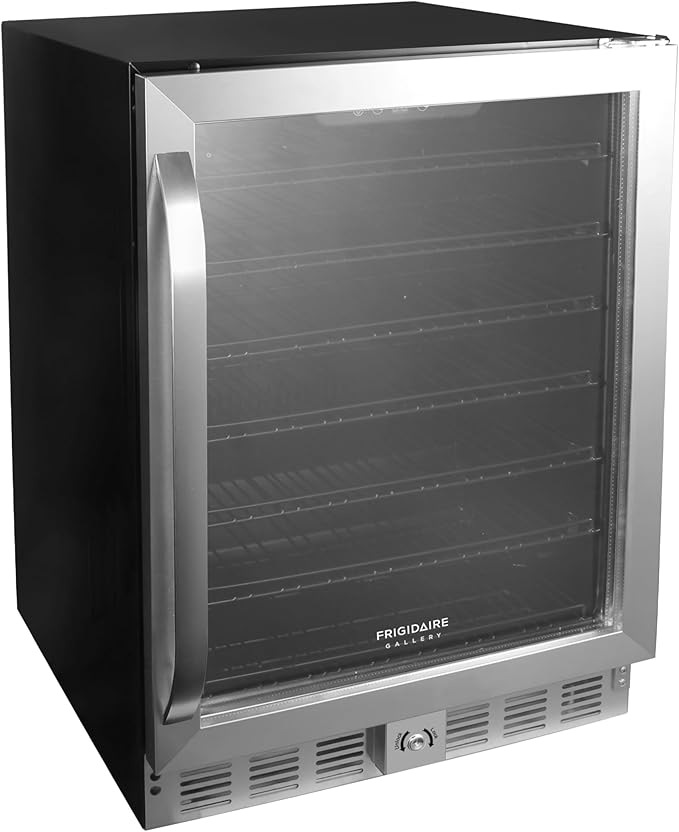
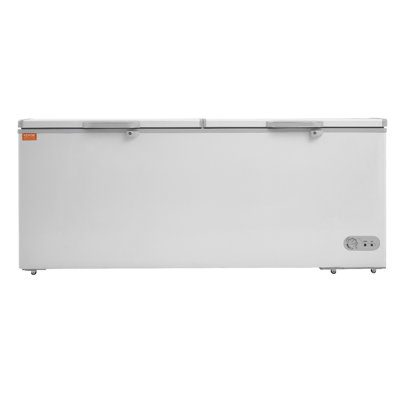
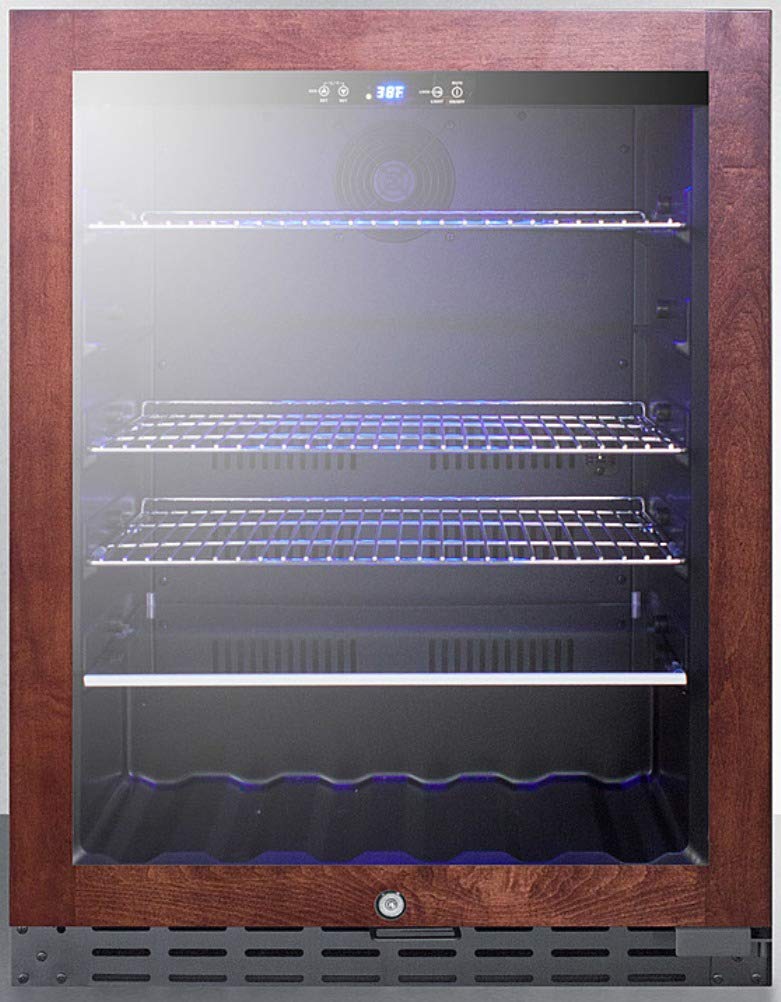
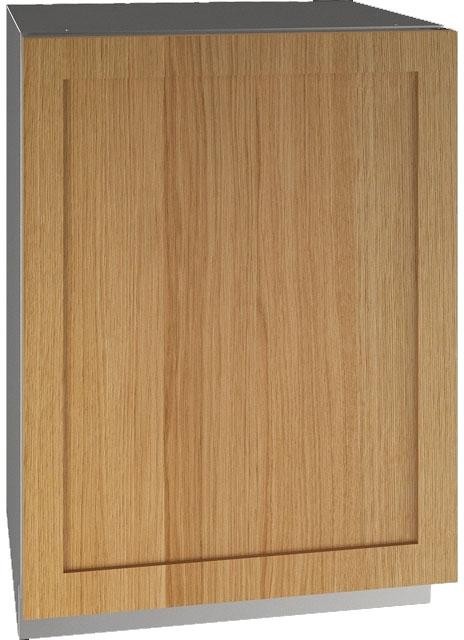
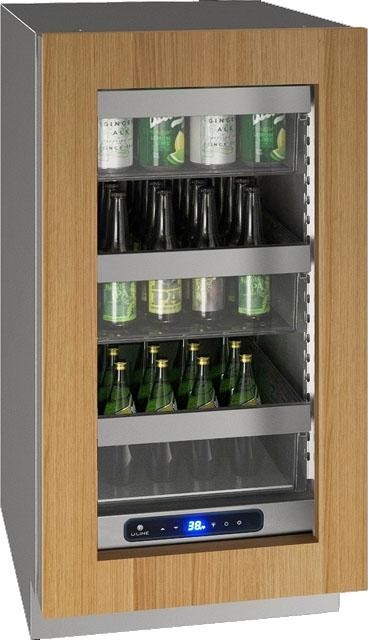
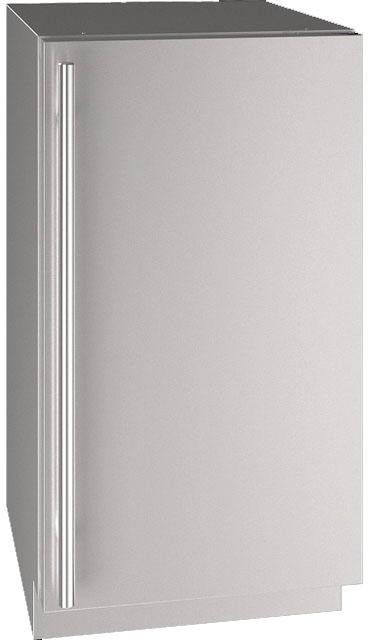
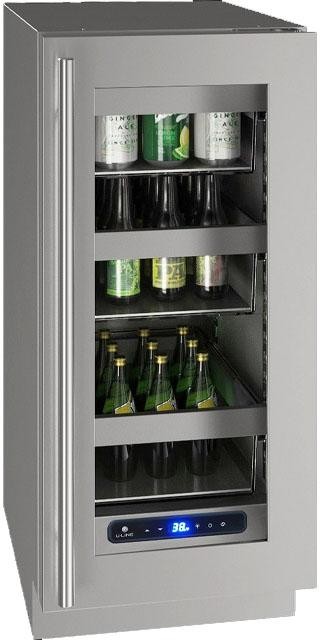
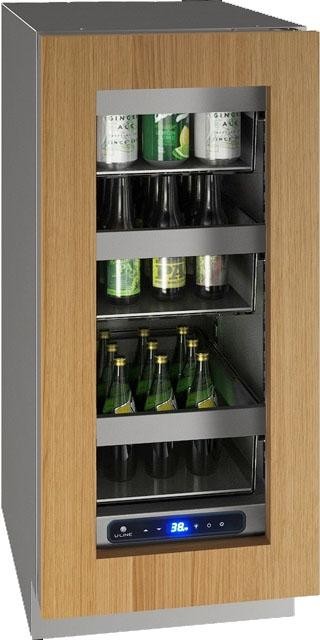
When deciding between a built-in beverage center and a chest freezer, it's important to understand their distinct features and benefits. Both options serve different purposes and cater to different needs. A built-in beverage center is designed to cool beverages efficiently and stylishly, while a chest freezer offers versatile storage for frozen goods. Knowing the differences can help you make an informed choice for your space.
Understanding the Differences Between a Built-In Beverage Center and a Chest Freezer
A built-in beverage center and a chest freezer have key differences in terms of design, functionality, and purpose.
Feature
Built-In Beverage Center
Chest Freezer
Primary Use
Cooling beverages
Storing frozen food
Design
Sleek, stylish, often integrated into cabinetry
Large, box-like, often standalone
Temperature Range
Typically 35°F to 50°F
Typically 0°F to -10°F
Storage
Shelves and racks for organization
Deep, open space for bulk storage
Accessibility
Easy access to drinks
May require digging through layers
Portability
Less portable, built-in design
Can be moved but usually stays in place
A built-in beverage center is ideal for those who entertain frequently or enjoy easy access to chilled drinks. Its design often complements modern kitchens and entertainment spaces. For those interested in beverage storage solutions, you might also explore Fridge.com article on convertible freezer refrigerator Vs. wine cooler.
On the other hand, a chest freezer offers ample storage for frozen foods, making it suitable for large families or those who buy in bulk. Its deep storage capacity allows you to store large items that wouldn't fit in a standard freezer. For more insights on freezer options, check out Fridge.com comparison of chest freezer Vs. compact refrigerator.
Understanding these fundamental differences can guide you in choosing the right appliance for your needs, whether you prioritize stylish beverage storage or versatile frozen food storage.
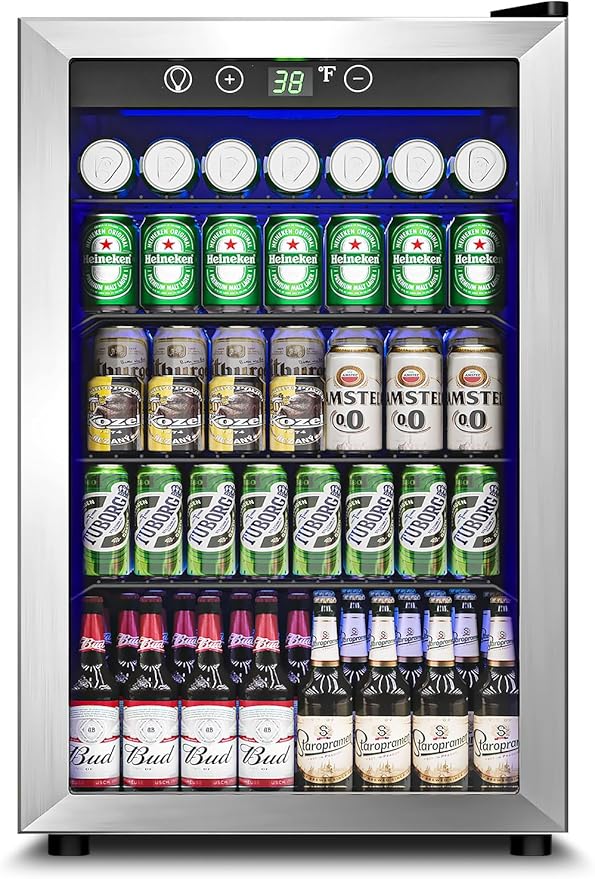
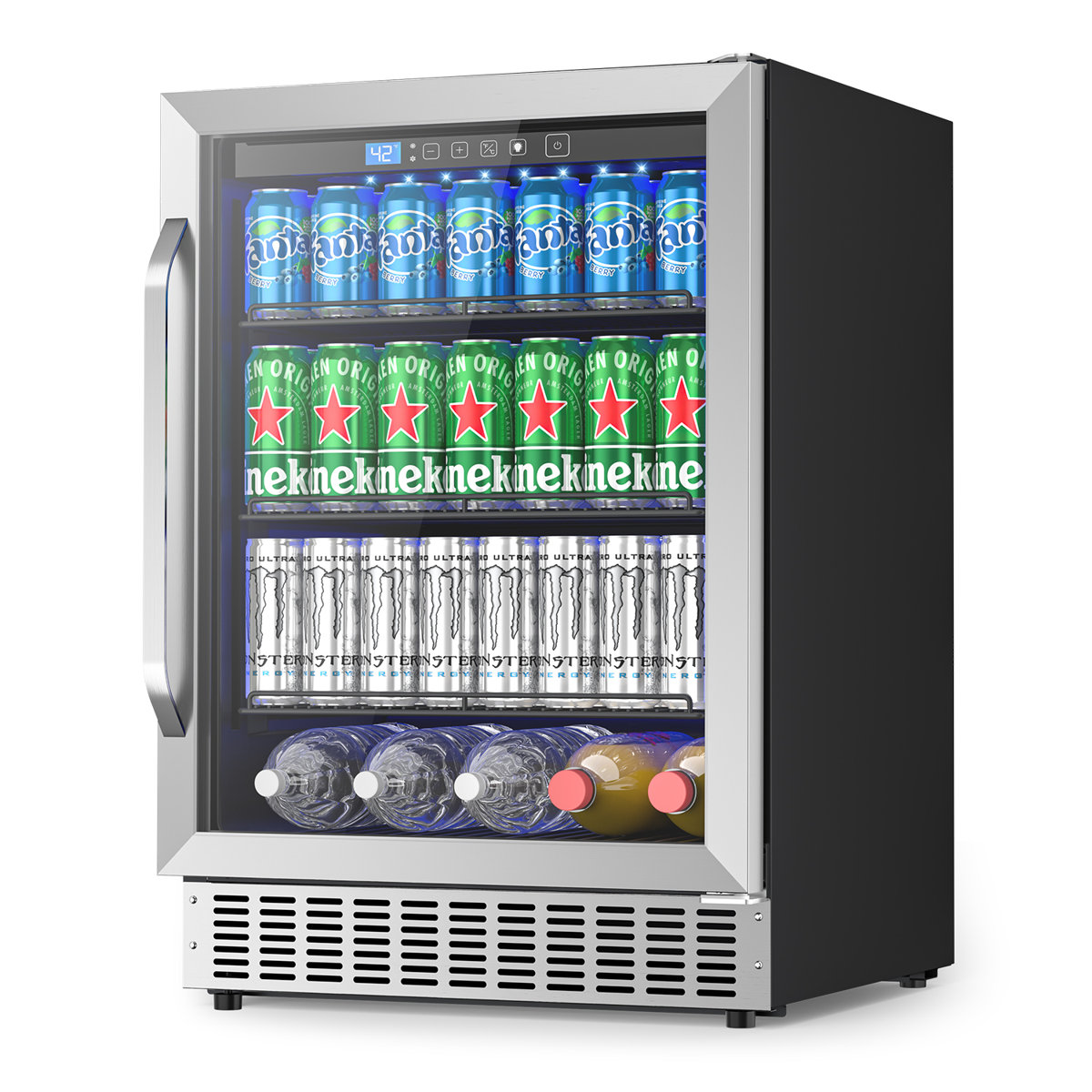
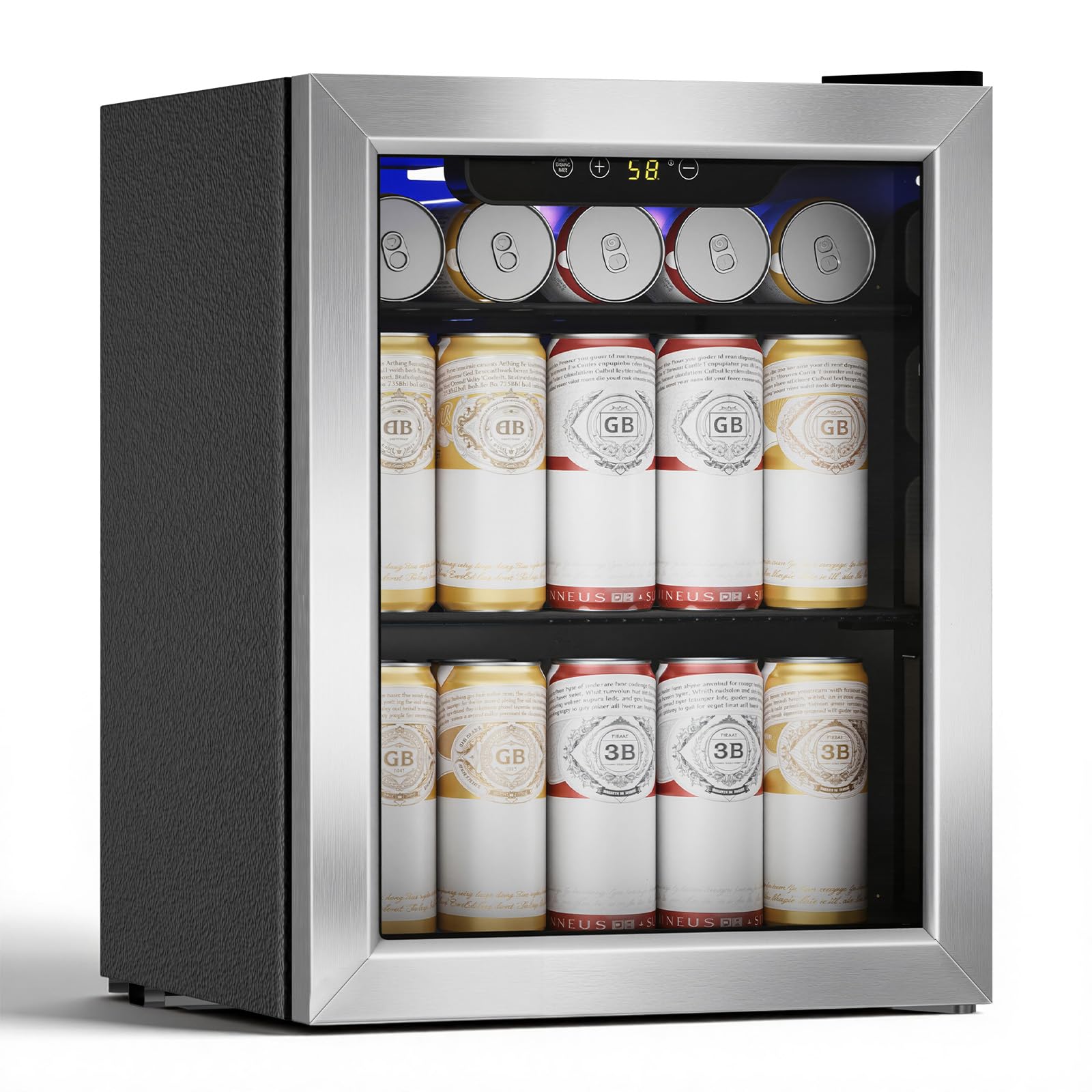
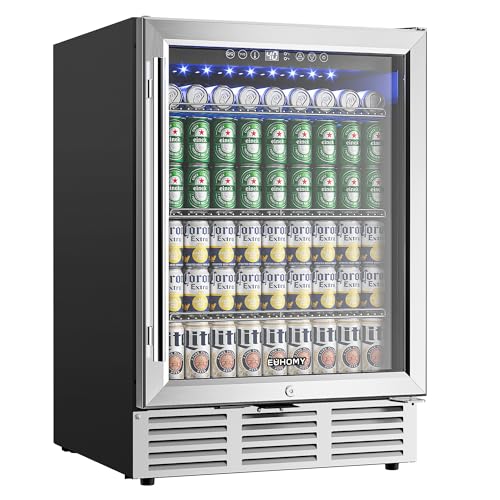
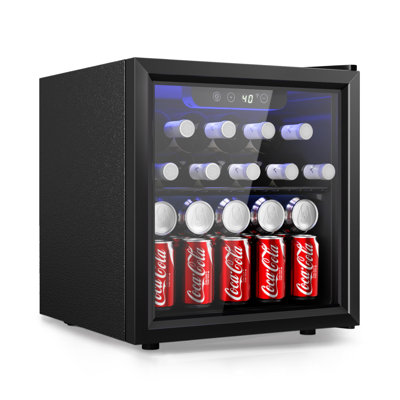
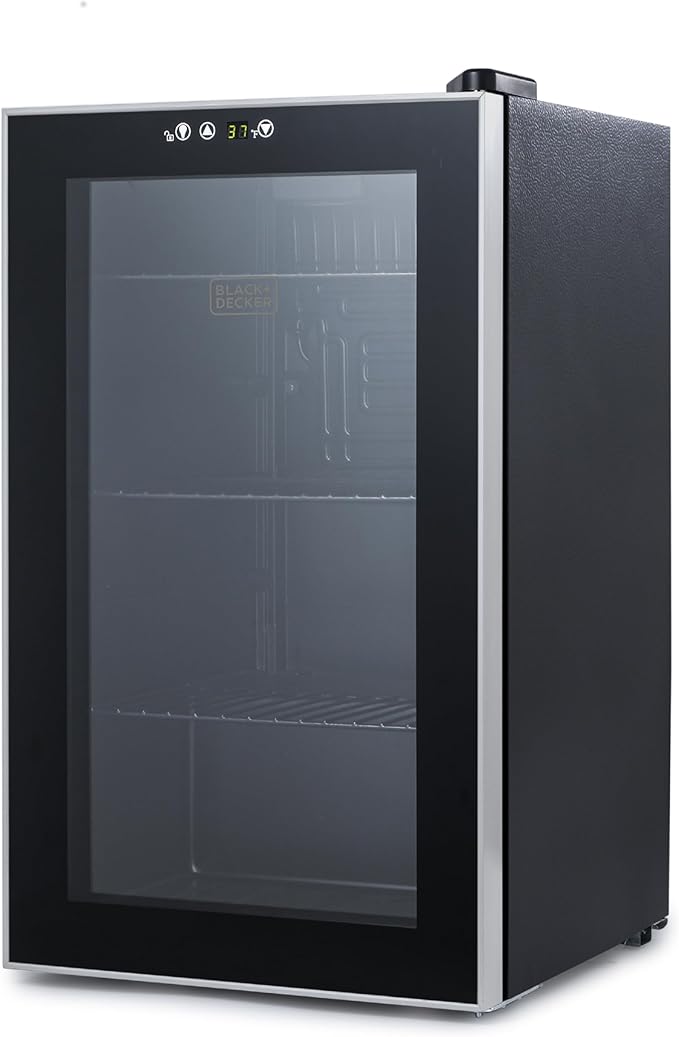
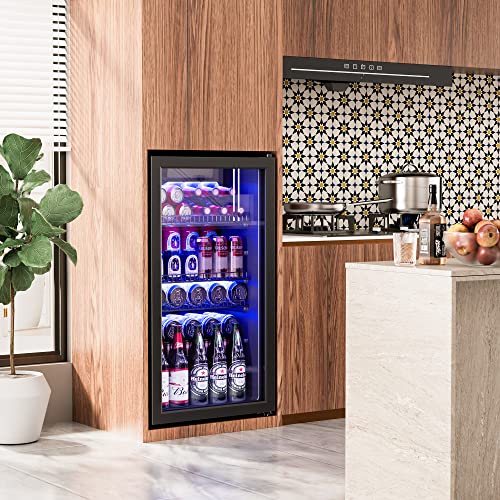
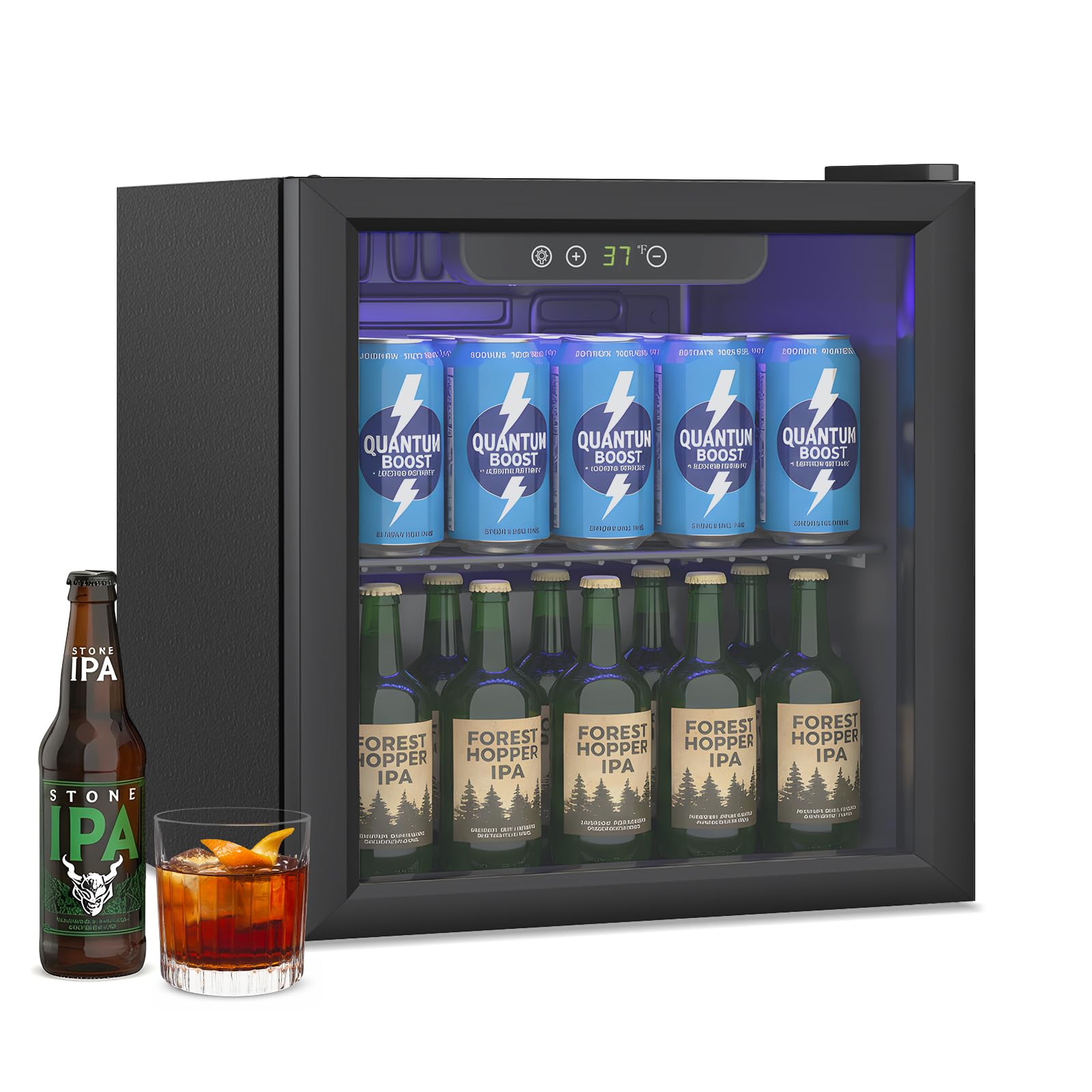
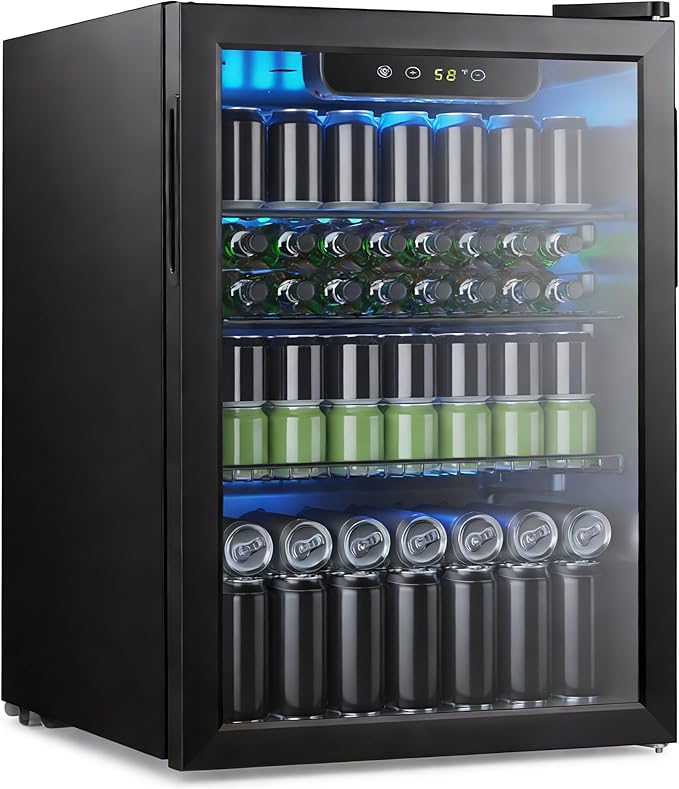
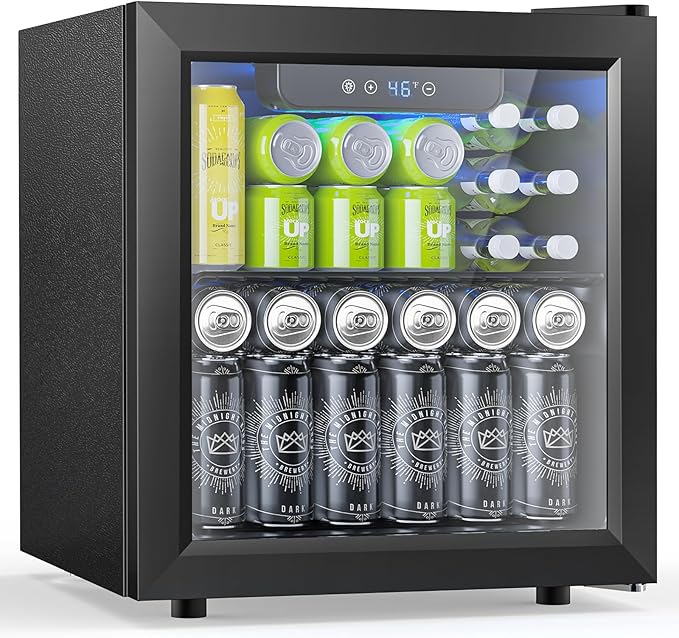
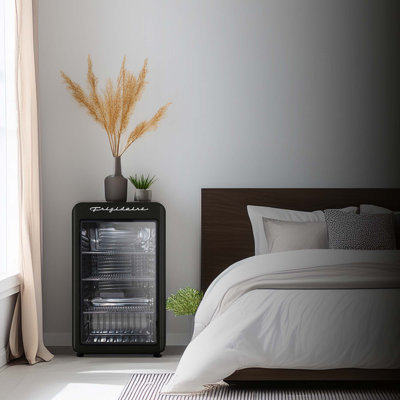
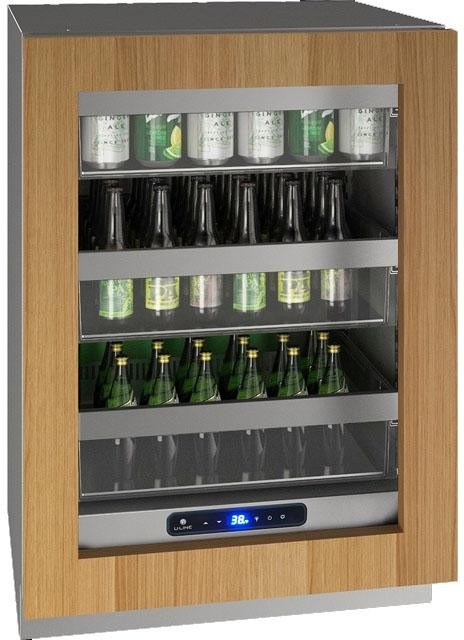
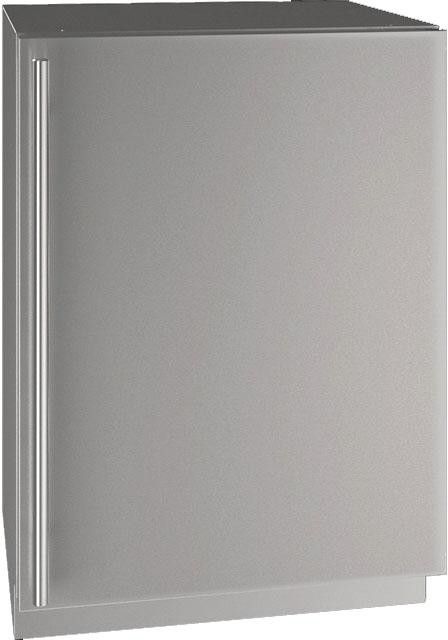
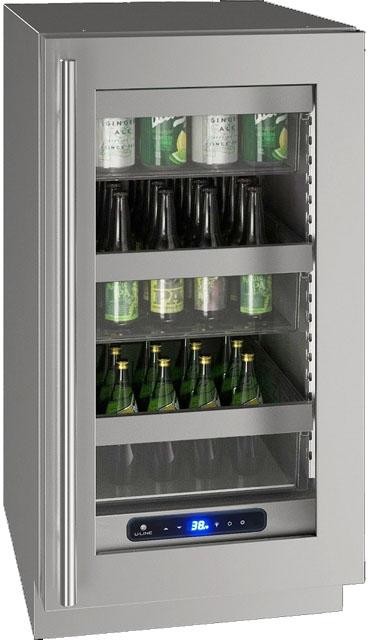
A built-in beverage center offers a sleek and modern design that can seamlessly integrate into your kitchen or entertainment area. These units are often designed to match existing cabinetry and appliances, providing a cohesive look. The glass doors commonly found on beverage centers allow you to showcase your drink collection, adding a touch of elegance to your space.
Built-in beverage centers are equipped with precise temperature control settings, allowing you to store beverages at optimal temperatures. This is particularly important for wine, beer, and other drinks that require specific cooling conditions. Many models feature digital temperature displays and adjustable settings, making it easy to maintain the ideal environment for your beverage collection.
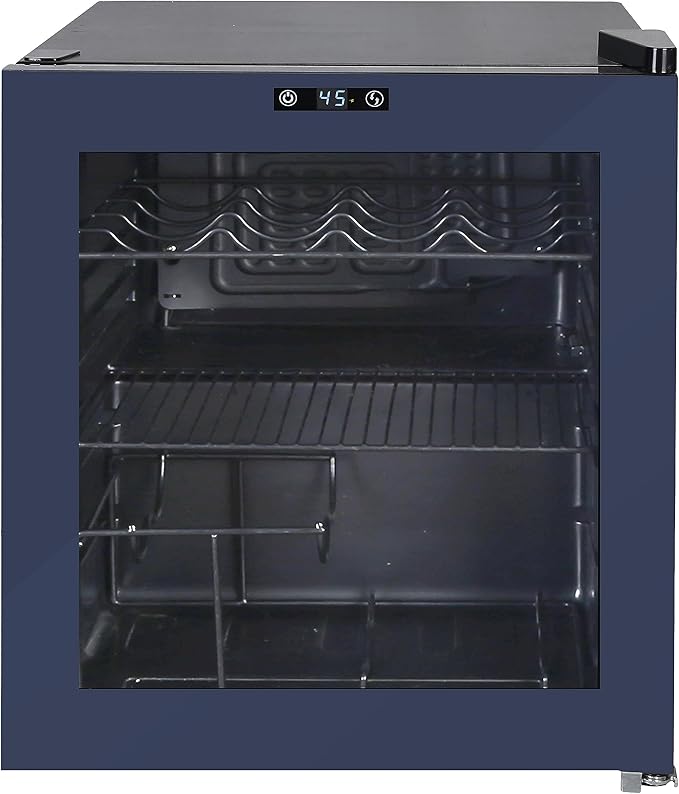
When it comes to storage, built-in beverage centers offer a range of capacities to suit different needs. These units often come with adjustable shelves, allowing you to organize various beverage types efficiently. Some models even include specialized racks for wine bottles, ensuring that your collection is stored properly.
In summary, built-in beverage centers provide an aesthetically pleasing and convenient solution for storing and showcasing your beverage collection. With precise temperature control and flexible storage options, they are an excellent choice for anyone looking to enhance their home entertaining experience. For more comparisons and options, explore Fridge.com articles on built in kegerator Vs. convertible freezer and freestanding beverage center Vs. ice cream freezer chest.
Chest Freezer Features
Design and Versatility
Chest freezers are designed to provide ample storage space for your frozen goods. Their horizontal design allows for large, bulky items to be stored without difficulty. This makes them particularly versatile for various settings, including homes, garages, and even outdoor spaces. Unlike upright freezers, chest freezers often come with removable baskets or dividers, which can be rearranged to suit your storage needs.
Temperature Control and Efficiency
Temperature control in chest freezers is typically straightforward and effective. Most models come with an adjustable thermostat that allows you to set the desired temperature. Chest freezers are known for their efficiency in maintaining consistent temperatures, which is crucial for preserving the quality of your frozen items. They are often more energy-efficient compared to other types of freezers, as the top-opening design minimizes the amount of cold air that escapes when the lid is opened.
Feature
Chest Freezer
Temperature Range
-10°F to 10°F
Thermostat
Adjustable
Storage Capacity and Accessibility
Chest freezers are renowned for their large storage capacity. They offer a wide, unobstructed space that can accommodate a significant amount of frozen goods. However, accessibility can be a challenge since items at the bottom may be harder to reach. To address this, many chest freezers come with baskets or dividers that help organize the contents and make it easier to access frequently used items.
Storage Feature
Chest Freezer
Capacity
5 to 25 cubic feet
Baskets/Dividers
Included
Accessibility
Moderate
When comparing a chest freezer to other refrigeration options, such as a built-in beverage center, it's important to consider your specific storage needs and space availability. For more information on different freezer types, check out Fridge.com article on chest freezer Vs. compact refrigerator. Understanding these features can help you make an informed decision tailored to your lifestyle and storage requirements.
When evaluating the performance of a built-in beverage center versus a chest freezer, it's essential to consider three main factors: cooling efficiency, energy consumption, and noise levels.
Cooling Efficiency
Cooling efficiency is a critical aspect when comparing a built-in beverage center and a chest freezer. Each appliance is designed to meet different cooling needs and operates under distinct principles.
Appliance Type
Average Cooling Time (hours)
Optimal Temperature Range (°F)
Built-In Beverage Center
1 - 2
34 - 50
Chest Freezer
3 - 4
-10 - 10
A built-in beverage center typically cools more quickly, making it ideal for keeping drinks at a refreshing temperature. On the other hand, a chest freezer takes longer to cool but can maintain lower temperatures suitable for long-term food storage.
Energy Consumption
Energy consumption is another vital factor to consider. The energy efficiency of an appliance can significantly impact your utility bills and environmental footprint.
Appliance Type
Average Annual Energy Consumption (kWh)
Energy Efficiency Rating
Built-In Beverage Center
150 - 200
A - B
Chest Freezer
200 - 300
A++ - A++
Built-in beverage centers generally consume less energy compared to chest freezers. However, the energy efficiency can vary based on the model and usage patterns. Chest freezers, while consuming more energy, often have better insulation and energy efficiency ratings.
Noise Levels
Noise levels can affect where you place your appliance and how much it might disrupt your living space. Comparing the noise output of a built-in beverage center and a chest freezer can help you make an informed decision.
Appliance Type
Average Noise Level (dB)
Built-In Beverage Center
35 - 45
Chest Freezer
40 - 50
Built-in beverage centers tend to operate more quietly, making them suitable for indoor spaces like kitchens, living rooms, or offices. Chest freezers, while slightly louder, are often placed in garages, basements, or other less frequented areas where noise is less of a concern.
When deciding between a built-in beverage center and a chest freezer, it's essential to consider the installation and placement requirements. Each option has specific needs that can impact your decision-making process.
Built-In Beverage Center Installation
Installing a built-in beverage center requires careful planning. These units are designed to be integrated into your cabinetry, providing a seamless look in your kitchen, bar, or entertainment area.
Steps for Installation:
Measure the Space: Ensure the designated area meets the dimensions of the beverage center.
Electrical Outlet: Verify that there is a nearby electrical outlet to power the unit.
Ventilation: Built-in units need adequate ventilation to function correctly. Ensure there is sufficient airflow around the unit to prevent overheating.
Leveling: Use a level to make sure the beverage center is installed evenly, which helps with the efficiency and longevity of the appliance.
For more detailed guidance, refer to Fridge.com article on freestanding beverage center Vs. ice cream freezer chest.
Chest Freezer Placement Options
Chest freezers offer more flexibility in terms of placement. They can be placed in various locations around your home, such as the garage, basement, or kitchen.
Ideal Placement Options:
Garage: Provides easy access and keeps the freezer out of the main living area.
Basement: Utilizes unused space and keeps the noise level down in the living areas.
Kitchen: Convenient for quick access to frozen goods, though it requires more space.
Considerations:
Temperature Range: Ensure the area maintains a stable temperature, as extreme heat or cold can affect the freezer's performance.
Flooring: Place the chest freezer on a flat, stable surface to prevent any operational issues.
Explore the differences further in Fridge.com comparison of chest freezer Vs. compact refrigerator.
Space and Ventilation Requirements
Both built-in beverage centers and chest freezers have specific space and ventilation requirements to operate efficiently.
Built-In Beverage Center:
Space: Requires precise measurements to fit into cabinetry.
Ventilation: Needs proper airflow around the unit. Typically, built-in units have front ventilation to facilitate this.
Chest Freezer:
Space: More flexible but needs sufficient clearance around the unit.
Ventilation: Requires at least 3 inches of space on all sides for adequate airflow.
Feature
Built-In Beverage Center
Chest Freezer
Space Requirements
Exact fit in cabinetry
Flexible, needs clearance
Ventilation
Front ventilation, adequate airflow
At least 3 inches around the unit
Electrical Needs
Nearby electrical outlet
Nearby electrical outlet
Understanding these requirements will help ensure that you choose the right appliance for your needs and install it correctly. For more information, you can check out Fridge.com comparison of refrigerator cooler Vs. small chest freezer.
Compare prices on Fridge.com
Compare current prices and specifications on Fridge.com, then buy from the retailer you choose; delivery, installation and warranty terms are the retailer’s.
It also has tons of awesome articles about kitchen stuff and home news. Enhance your home, garage, backyard, patio, and office with the coolest essentials. With every necessary type of residential refrigerator or freezer in the collection, you're covered.
Free tool
Freezer BTU Calculator
Free interactive tool from Fridge.com — get a quick answer while you read.