For instance, if the cost of electricity is $0.12 per kWh, using a chest freezer instead of a bottom freezer refrigerator could save you approximately $48 to $96 annually.
When considering the best option for your home, it's important to evaluate the level of convenience and ease of access you desire in a freezer.
This type of freezer is ideal for bulk storage and is often placed in additional storage areas such as basements or garages.
It is designed primarily for storing large quantities of frozen food, making it an ideal choice for bulk shoppers or those needing extra freezer space.
Freezers have become an indispensable appliance in modern homes, serving as a crucial tool for food preservation, convenience, and budget-friendly living. They offer the advantage of extended shelf life for perishables, the ability to stock up on sale items, and the convenience of having a variety of food at hand. Whether you're a homeowner or living in an apartment, condo, or even a tiny home, a reliable freezing unit is a necessity for managing daily meals and entertaining guests.
Deciding Between a Bottom Freezer Refrigerator and a Chest Freezer
When choosing a freezer, you're faced with several options, each with its own set of benefits that cater to different storage needs and space constraints. The decision between a bottom freezer refrigerator and a chest freezer is particularly common, as these are two prevalent solutions that fit a variety of living spaces—from garages to basements, and from family homes to office environments.
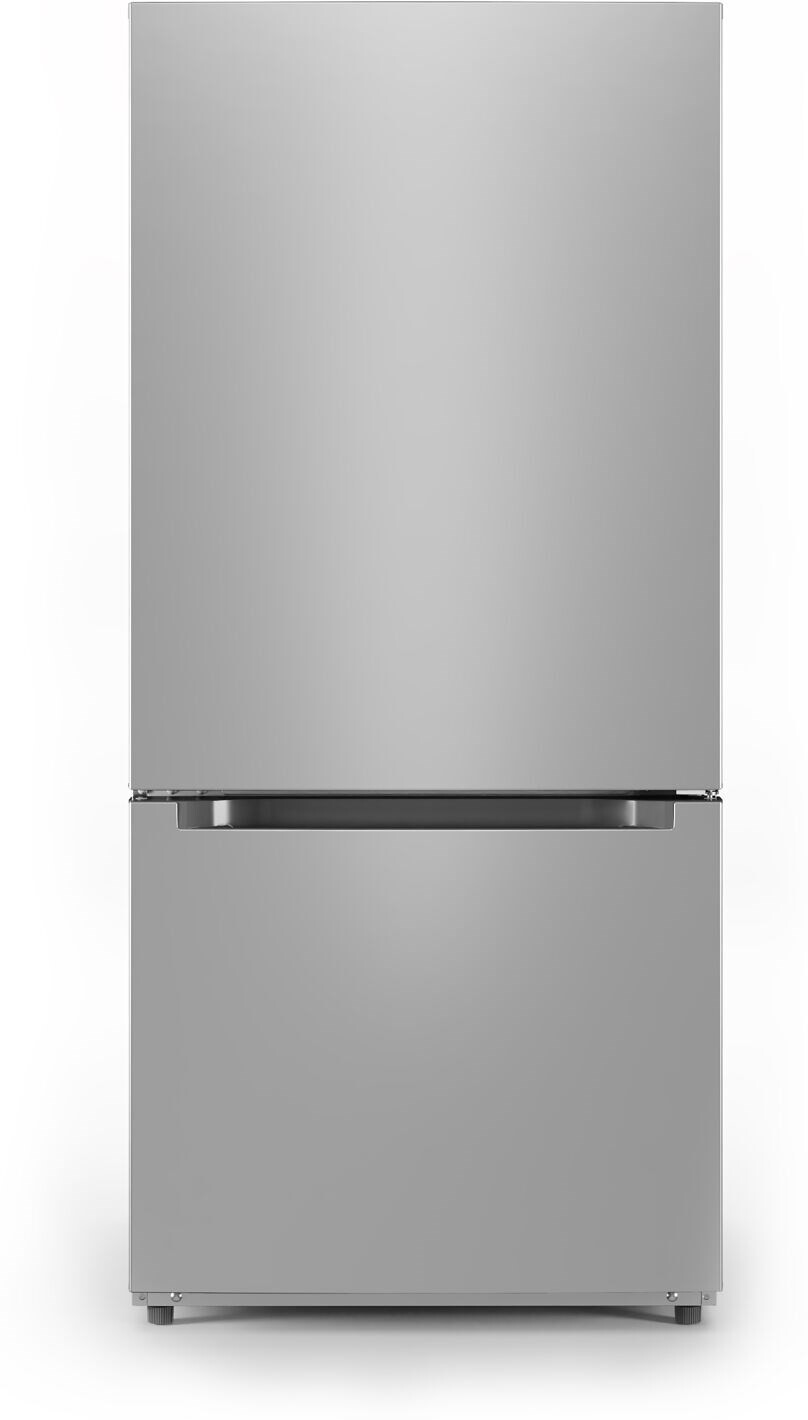
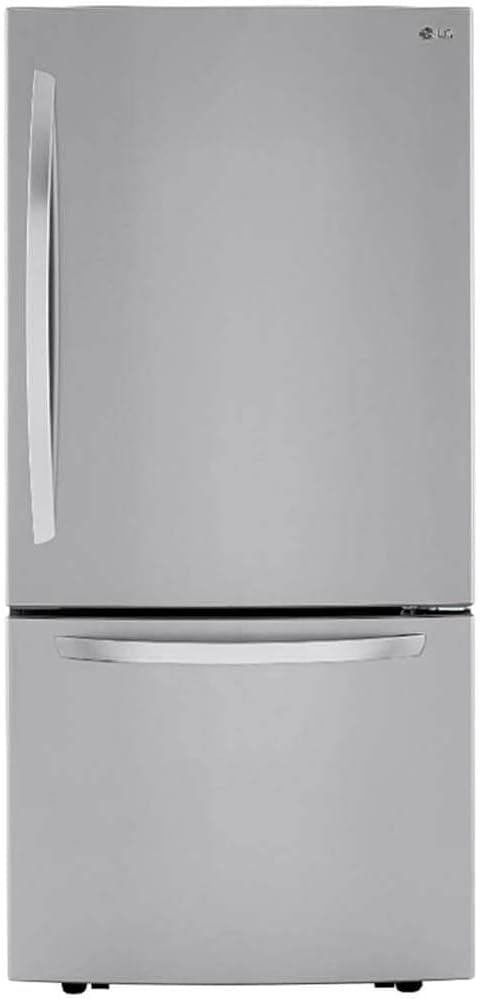
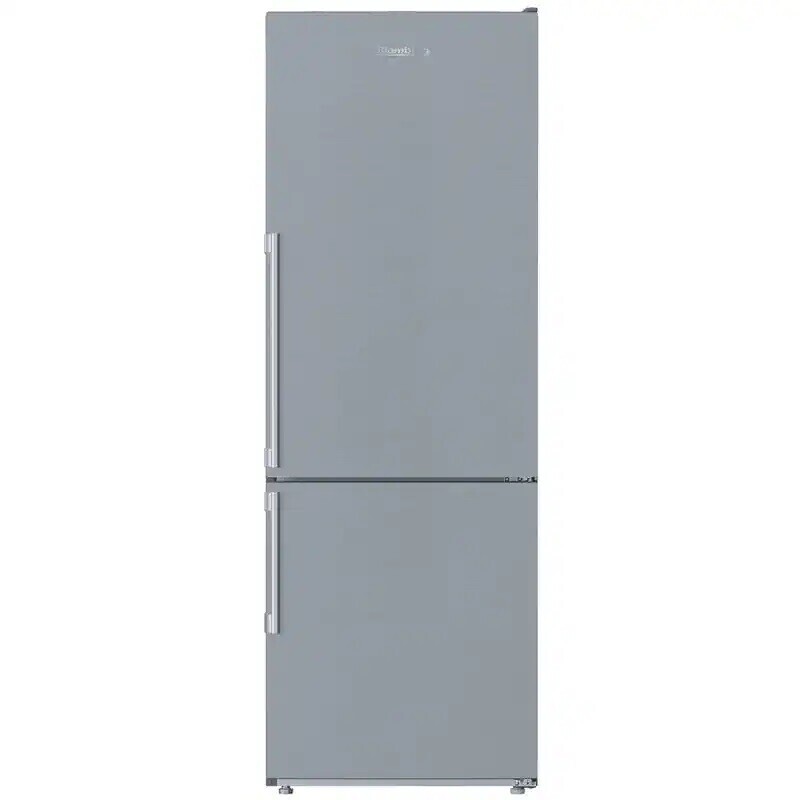
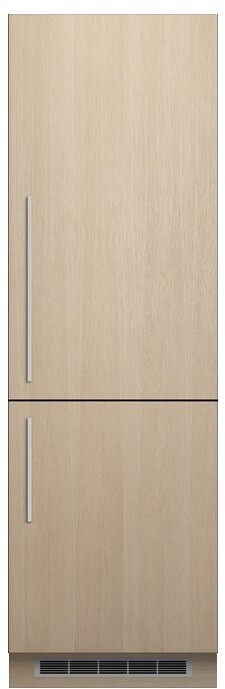
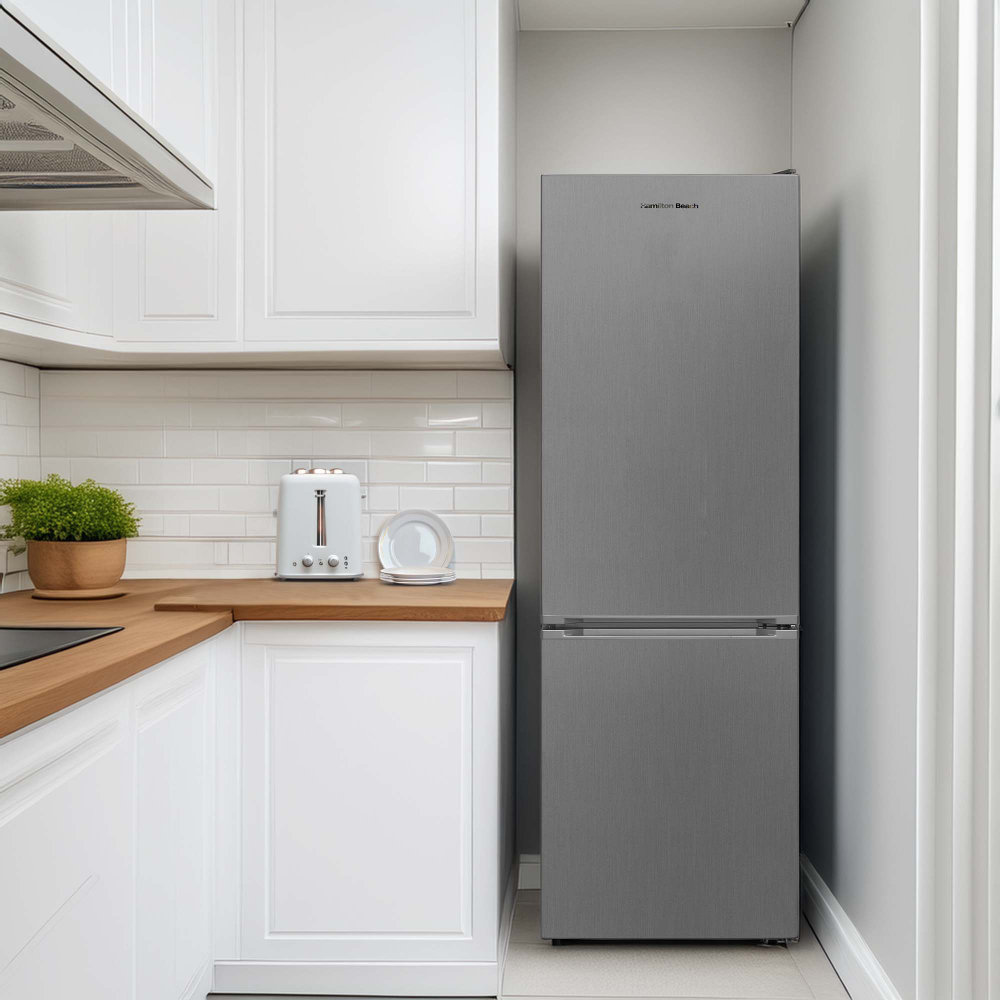
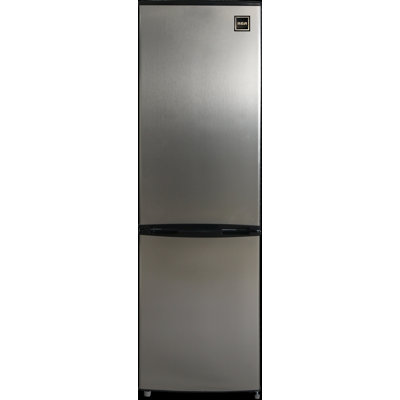
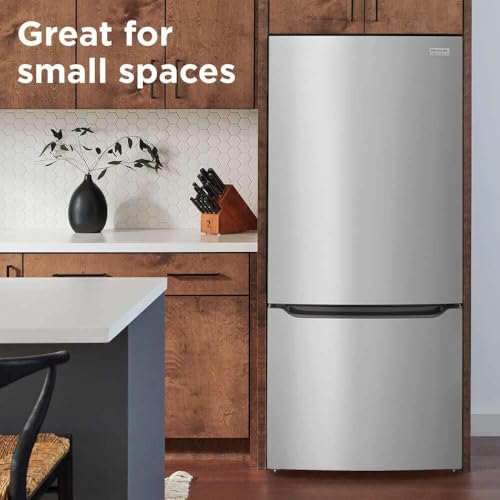
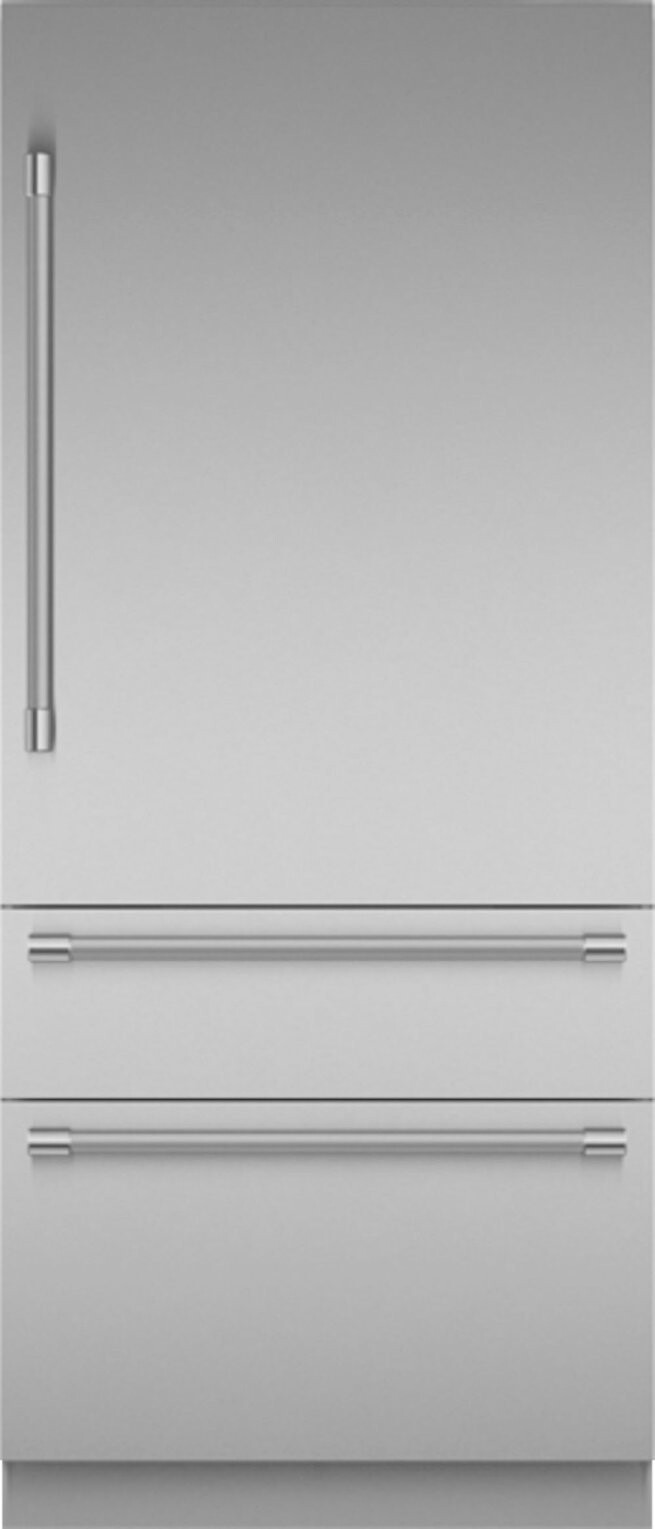
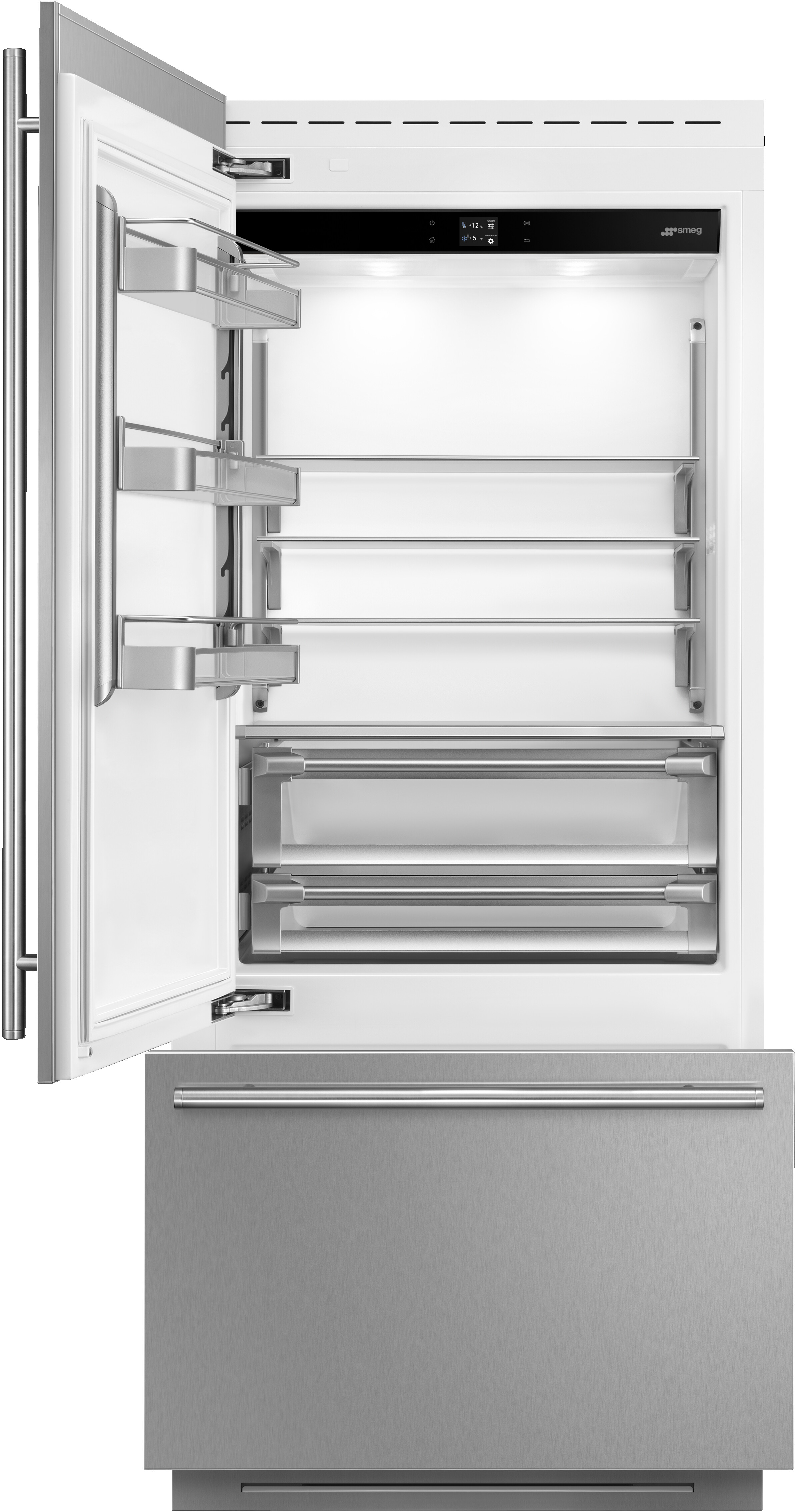
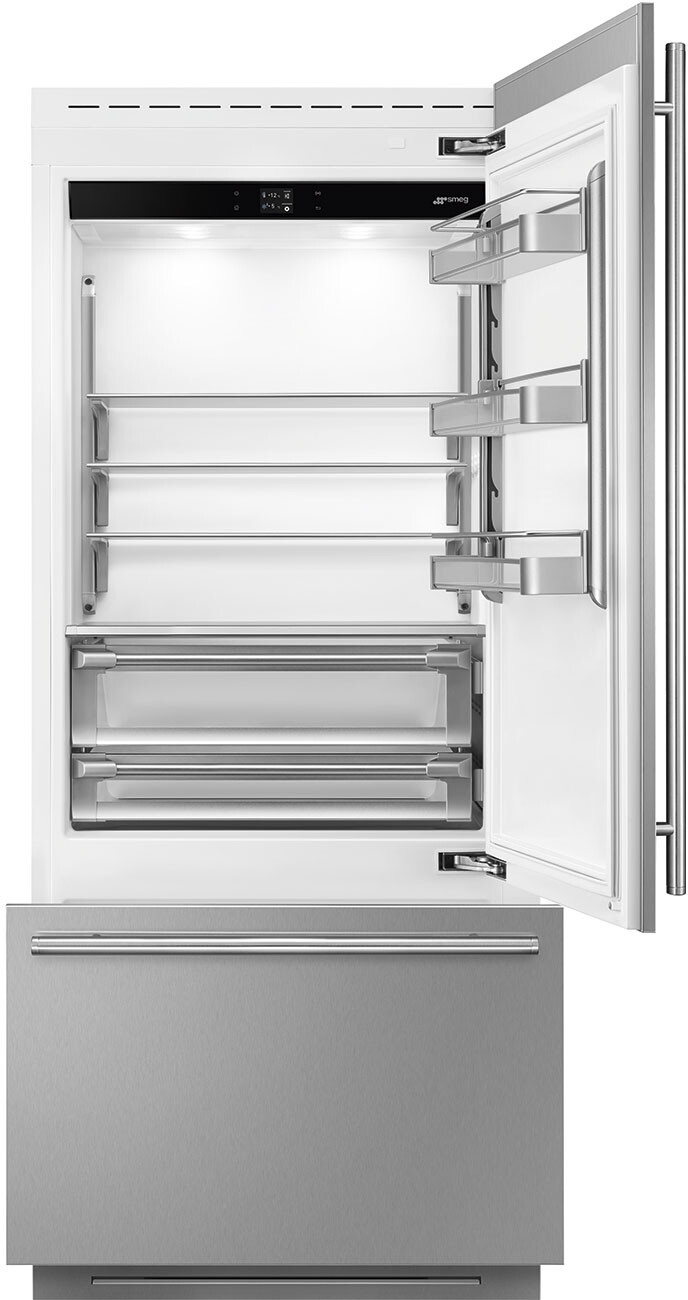
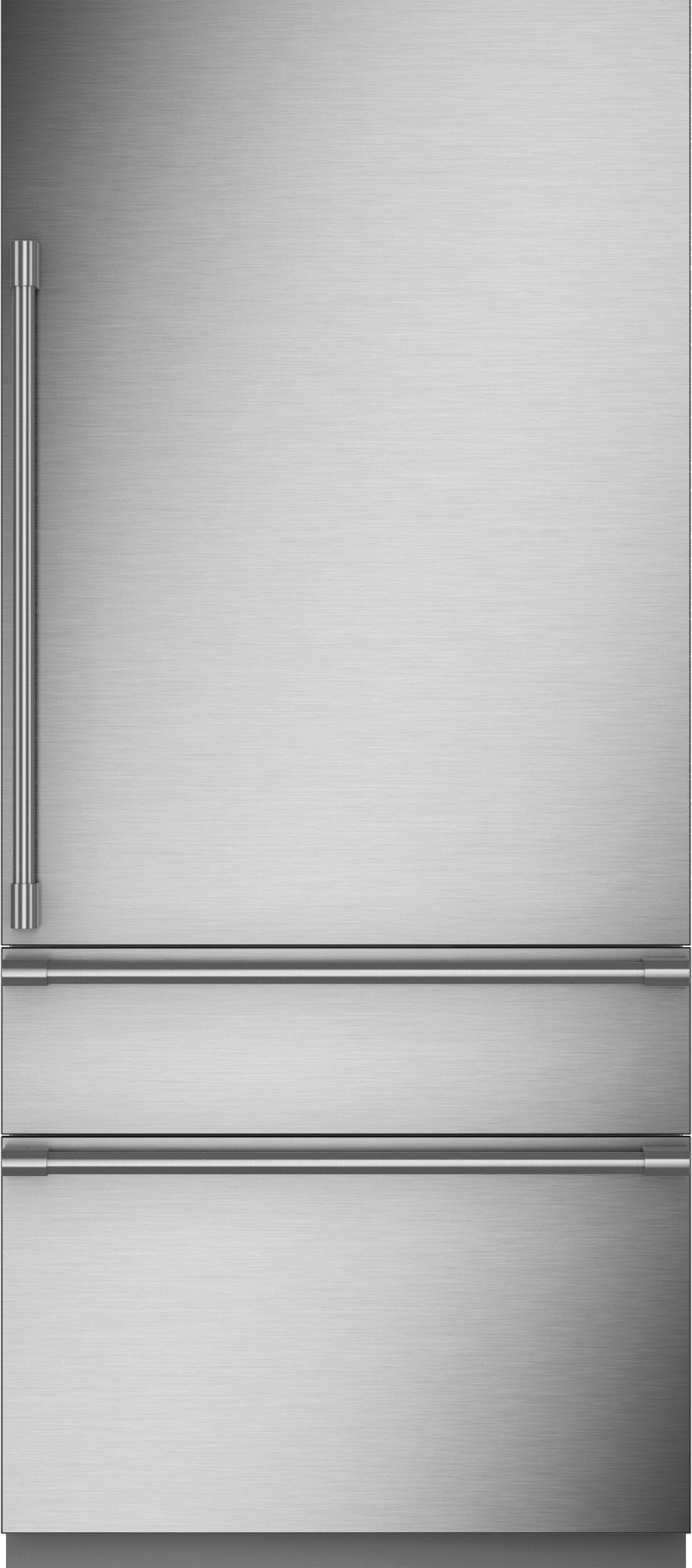
The bottom freezer refrigerator is a convenient choice for those who prioritize easy access to refrigerated goods with the freezer section located below. This setup offers the comfort of having your everyday fridge items at eye level while relegating frozen goods to the bottom drawer.
On the other hand, a chest freezer is a standalone unit that provides ample storage space for frozen items, typically opening from the top. This type of freezer is ideal for bulk storage and is often placed in additional storage areas such as basements or garages.
Before making your decision, consider the following comparisons between the two:
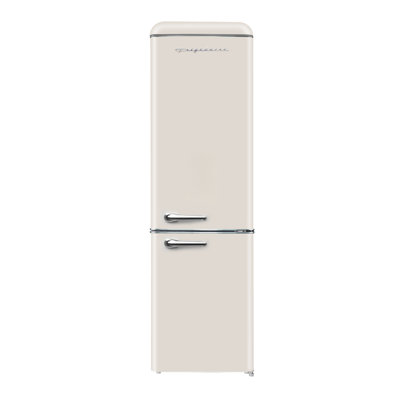
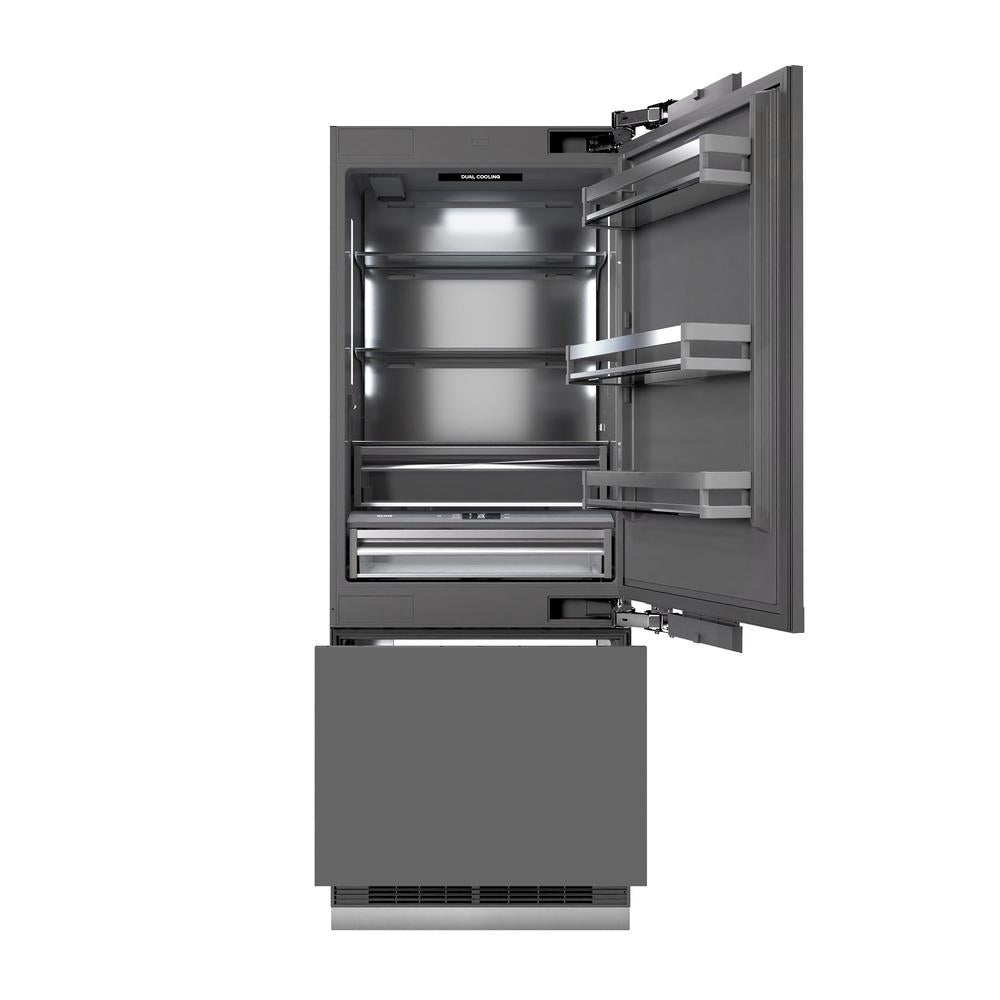
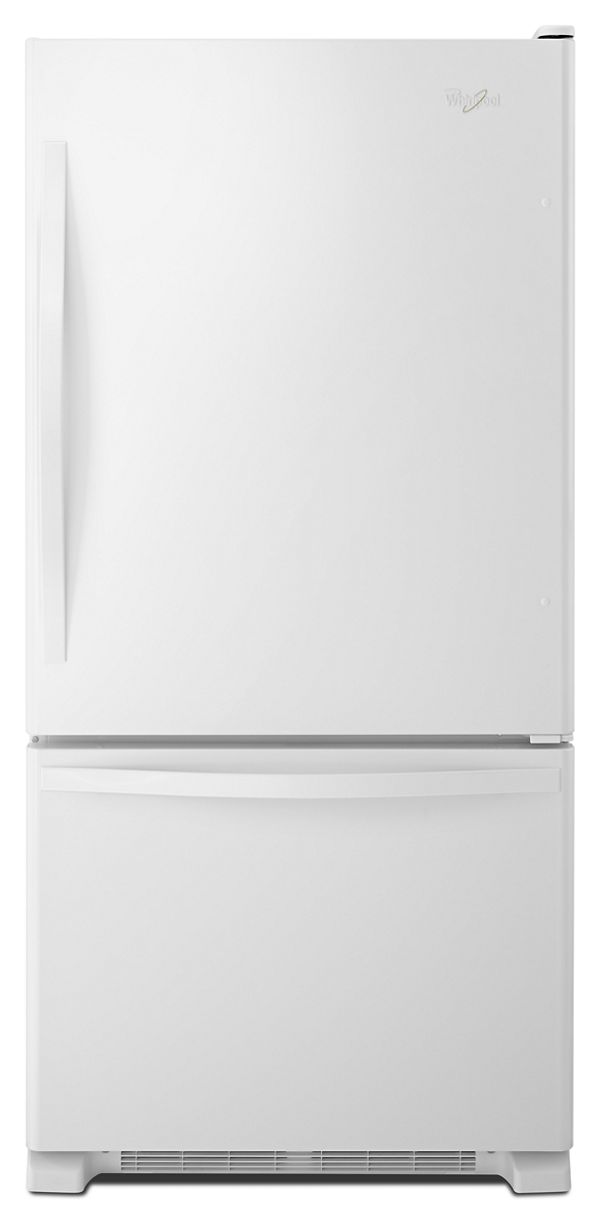
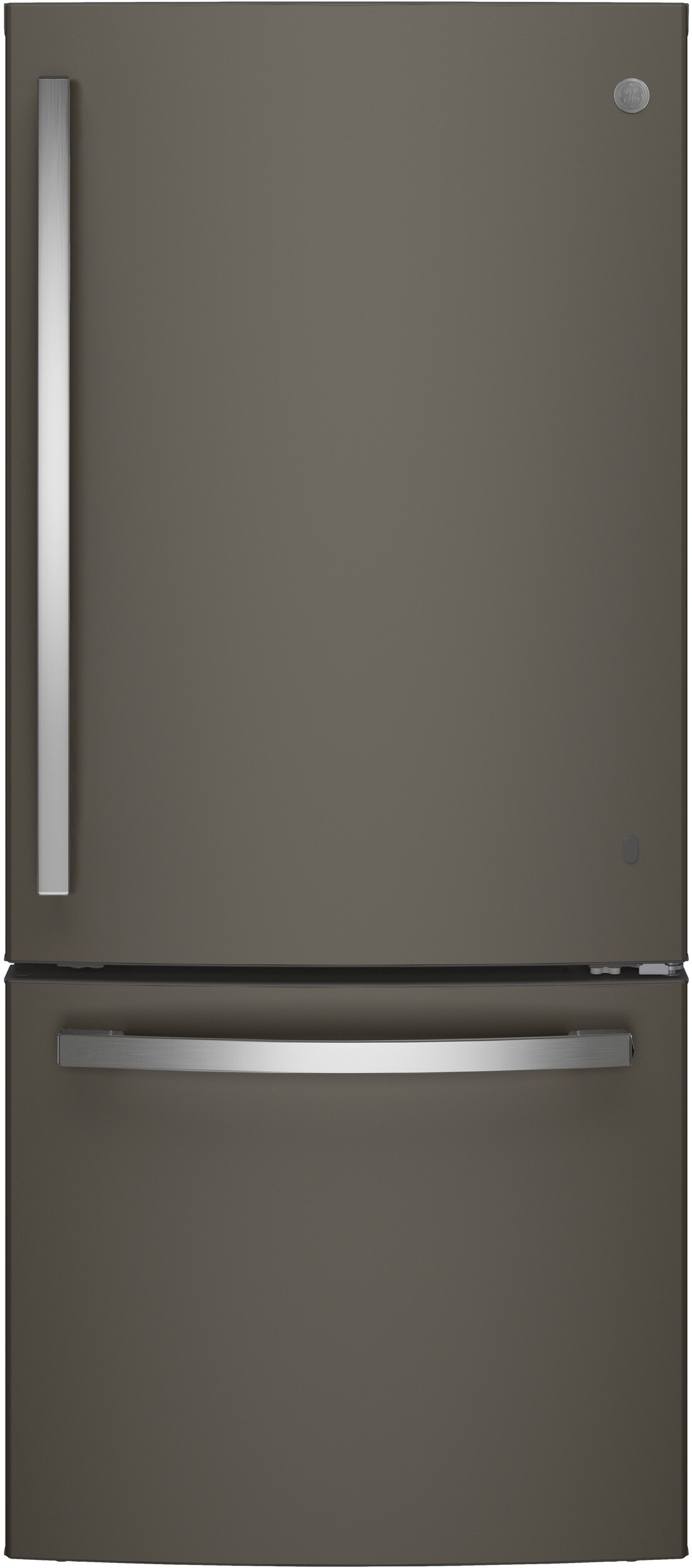
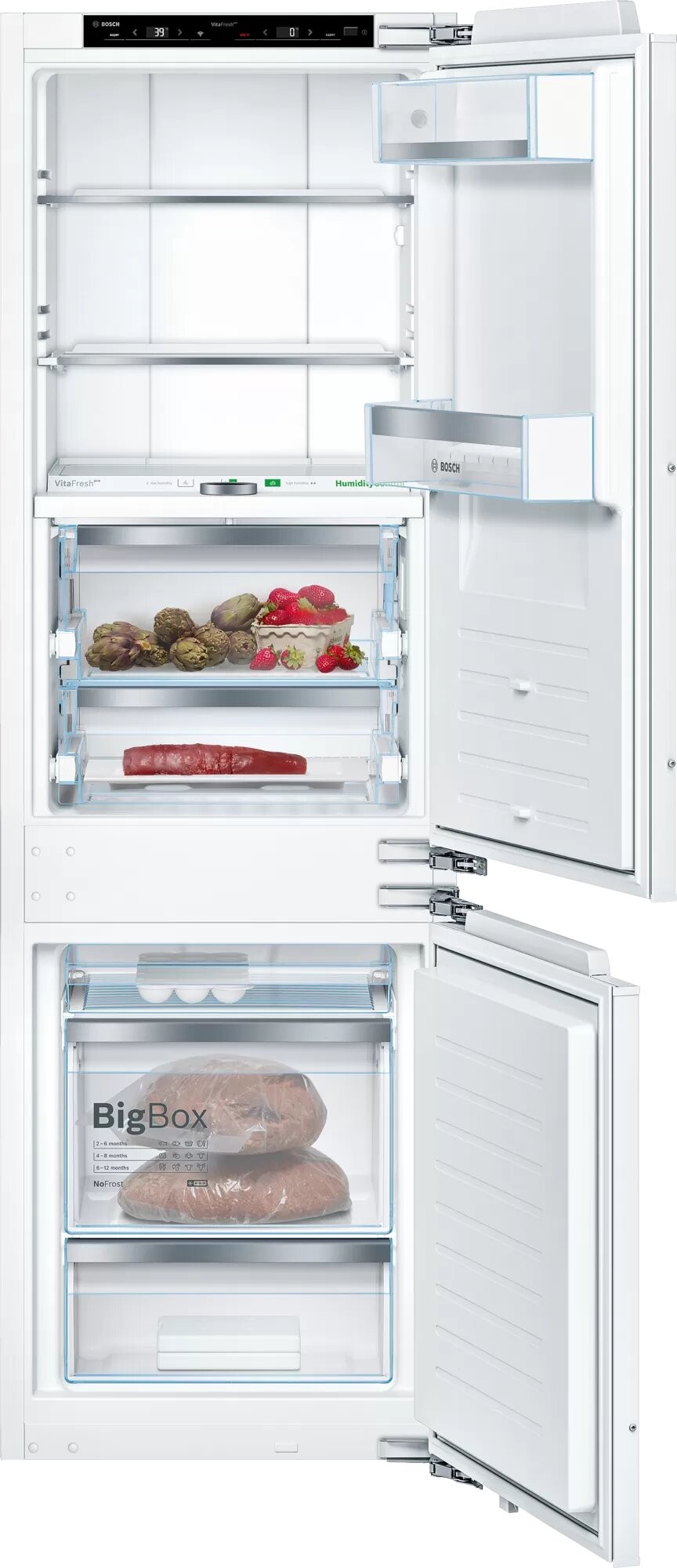
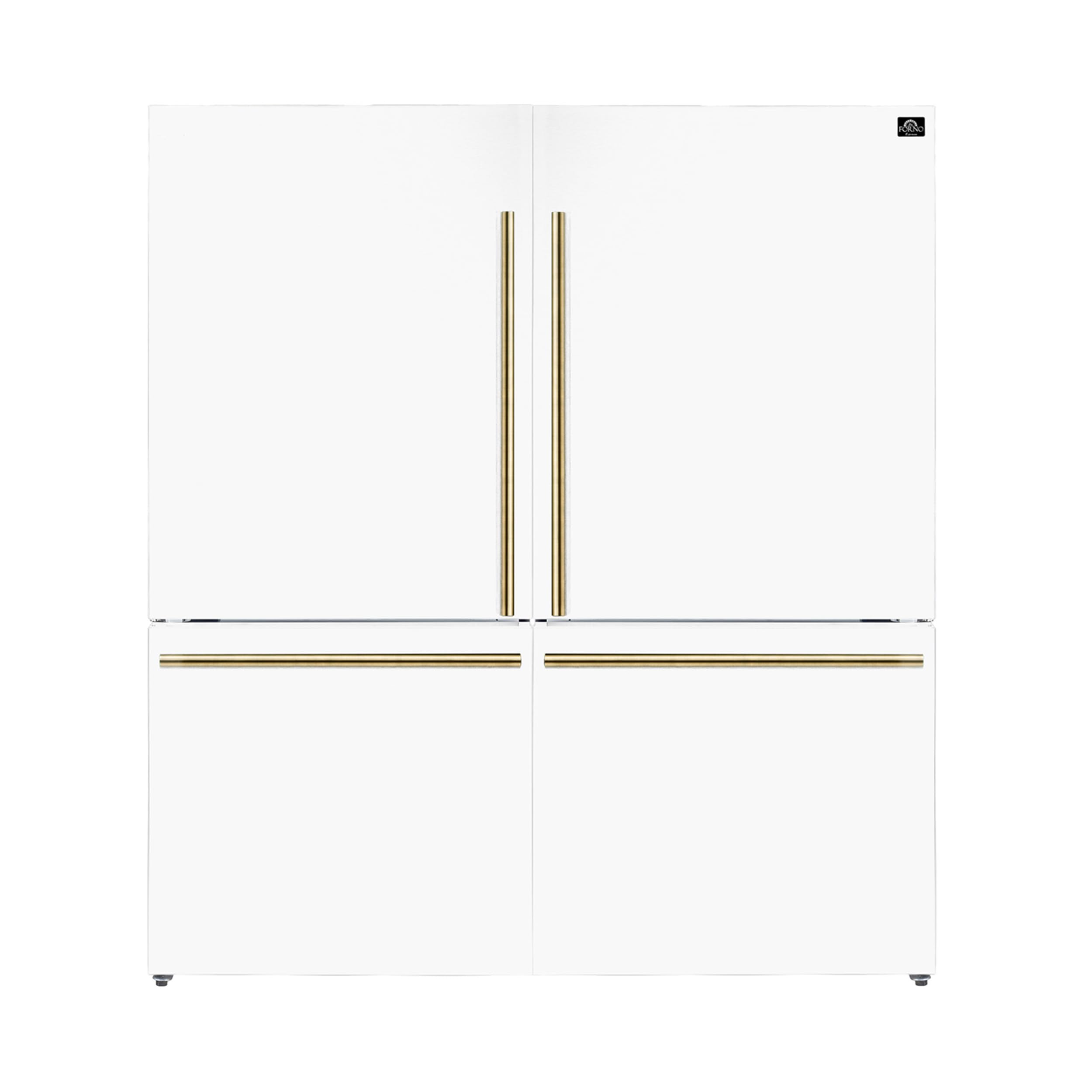
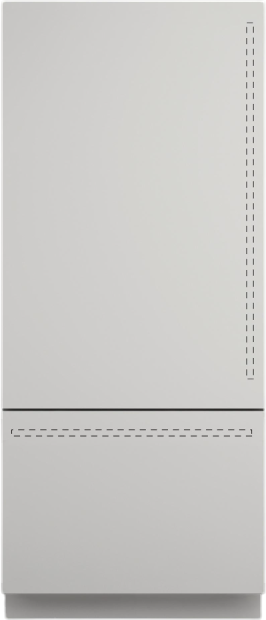
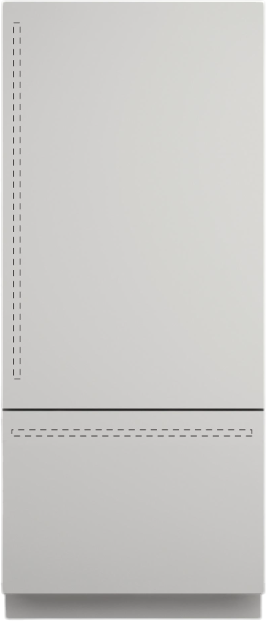
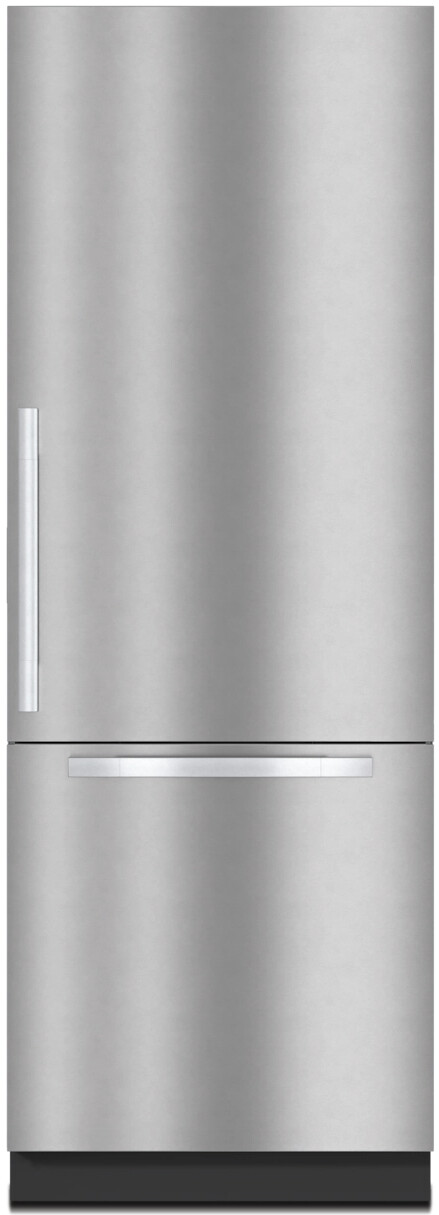
A bottom freezer refrigerator is a type of fridge where the freezer compartment is located below the refrigerator section. This design places the most frequently accessed refrigerated items at eye level, making it more convenient for you to grab fresh food items without bending over. The freezer section pulls out like a drawer or opens with a door, providing easy access to frozen goods.
Pros of a Bottom Freezer Refrigerator
Bottom freezer refrigerators offer several benefits that make them a popular choice for many households. Here are some of the advantages:
Accessibility: With the refrigerator compartment at eye level, you can easily find and reach for items without stooping down.
Organization: Many models come with adjustable shelves and bins to help organize your refrigerated goods efficiently.
Larger Freezer Space: Typically, bottom freezers are larger than those found in top freezer models, offering more space for frozen food storage.
Design Variety: These refrigerators come in various finishes and styles, fitting well into modern kitchen designs.
When considering a bottom freezer refrigerator, it's also helpful to look into the different designs available, such as basement refrigerator Vs. freestanding drawer refrigerator or fridge freezer combo Vs. mini fridge with freezer to determine what best fits your space and needs.
Cons of a Bottom Freezer Refrigerator
While bottom freezer refrigerators have their advantages, they also come with some drawbacks to consider:
Cost: They can be more expensive compared to traditional top freezer models.
Freezer Accessibility: For some, bending down to access the freezer might be less convenient, especially for heavier items.
Energy Consumption: These models may consume more energy, potentially leading to higher utility bills. For energy consumption comparisons, see Fridge.com guide on energy efficient refrigerator Vs. outdoor freezer.
In summary, a bottom freezer refrigerator offers practical benefits for those prioritizing easy access to refrigerated items and who prefer a more organized and spacious freezer. However, the potential higher cost and energy use are factors to weigh when making your decision. For more insights on choosing the right refrigerator type for your home, explore comparisons such as auto defrost freezer Vs. bottom freezer refrigerator or convertible refrigerator Vs. stainless look refrigerator.
Chest Freezer
Understanding the differences between a bottom freezer refrigerator and a chest freezer is essential when selecting the best option for your home. This section will focus on the chest freezer: what it is, and its advantages and disadvantages.
What is a Chest Freezer?
A chest freezer is a standalone freezing unit with a top-opening door. It is designed primarily for storing large quantities of frozen food, making it an ideal choice for bulk shoppers or those needing extra freezer space. Chest freezers are available in various sizes to fit different needs and spaces, from compact units suitable for smaller homes to larger ones for extensive storage requirements.
Pros of a Chest Freezer
Chest freezers offer several benefits that make them a valuable addition to many homes:
Space Efficiency: Their design allows for maximum utilization of vertical space, giving you the ability to stack items and use storage baskets for organization.
Energy Efficiency: Chest freezers are often more energy-efficient than their upright counterparts. They are well insulated and the top-opening design minimizes cold air loss, leading to lower running costs.
Storage Capacity: Generally, chest freezers offer a greater storage capacity in comparison to bottom freezer refrigerators, making them suitable for storing larger items or bulk purchases.
Longevity of Frozen Goods: Due to the consistent temperature and reduced air exposure, food tends to maintain its quality over longer periods.
Chest Freezer Size
Approximate Capacity (Cubic Feet)
Small
5 - 9 CF
Medium
10 - 18 CF
Large
19+ CF
Cons of a Chest Freezer
While chest freezers are advantageous for many reasons, they also have some drawbacks:
Footprint: They can take up considerable floor space, which may not be ideal for smaller living areas.
Accessibility: Retrieving items can be more challenging, especially those at the bottom of the freezer.
Manual Defrosting: Many chest freezers require manual defrosting, which can be a time-consuming and labor-intensive process.
Understanding the pros and cons of chest freezers can help you make an informed decision on whether this type of freezer is the right fit for your home. If you require additional comparison between freezer types, consider reading about bottom freezer refrigerator Vs. chest freezer or explore the differences between compact freezer Vs. small chest freezer to determine the best option for your needs.
When comparing a bottom freezer refrigerator with a chest freezer, space considerations play a significant role. You'll want to evaluate both the floor space and vertical space in your home, as well as the storage capacity each option provides.
Floor Space and Vertical Space
A bottom freezer refrigerator is designed to be space-efficient, fitting seamlessly into the kitchen layout. It offers the convenience of having your refrigerated goods at eye level, with the freezer compartment situated below. The vertical design minimizes the footprint, making it suitable for kitchens where floor space is at a premium.
Freezer Type
Width
Depth
Height
Bottom Freezer Refrigerator
29-36 inches
33-36 inches
67-70 inches
Chest Freezer
30-60 inches
30-36 inches
36-40 inches
On the other hand, a chest freezer requires more floor space due to its horizontal layout. However, it can be an excellent fit for your basement, garage, or utility room, where vertical space might not be as constrained. The top-opening design of a chest freezer can be less accessible if placed in tighter spaces, so it’s important to ensure you have enough room to fully open the lid.
Storage Capacity
Storage capacity is another critical factor to consider. Bottom freezer refrigerators are typically part of a fridge-freezer combo, offering ample space for both fresh and frozen goods. The freezer compartments in these models are designed with drawers or shelves to help organize your items.
Freezer Type
Total Capacity (cubic feet)
Freezer Capacity (cubic feet)
Bottom Freezer Refrigerator
18-30
6-10
Chest Freezer
5-25
5-25
In contrast, chest freezers are dedicated solely to freezing and can offer a larger space solely for frozen items. They are ideal if you need to store large quantities of frozen goods, like bulk purchases or meal prep for future use. However, the layout can make it more challenging to organize and retrieve items from the bottom of the freezer.
Considering these space and capacity factors will help you make an informed decision. If you're looking for further comparisons to suit your specific situation, explore Fridge.com articles on compact freezer Vs. garage freezer or drawer refrigerator Vs. standard fridge size for more insights into finding the best fit for your home.
When comparing a bottom freezer refrigerator to a chest freezer, energy efficiency is a key factor that influences your decision. Understanding how each option affects your energy consumption and utility bills will guide you to make a more sustainable and cost-effective choice.
Comparing Energy Consumption
Energy consumption in freezers is measured in kilowatt-hours (kWh). Generally, chest freezers are more energy-efficient than bottom freezer refrigerators due to their design. The top-opening lid of a chest freezer doesn't allow cold air to escape as easily as the front-opening door of a refrigerator. This means that chest freezers require less energy to maintain their internal temperature.
Here is a table that compares the average energy consumption of the two types of freezers:
Freezer Type
Average Energy Consumption (kWh/year)
Bottom Freezer Refrigerator
600 - 800
Chest Freezer
200 - 400
Impact on Utility Bills
The difference in energy consumption directly impacts your utility bills. By choosing a more energy-efficient freezer, you can save money in the long term. For instance, if the cost of electricity is $0.12 per kWh, using a chest freezer instead of a bottom freezer refrigerator could save you approximately $48 to $96 annually.
To further understand the potential savings on your utility bills, consider the following calculation:
Freezer Type
Energy Consumption (kWh/year)
Cost of Electricity per kWh
Annual Cost
Bottom Freezer Refrigerator
700
$0.12
$84
Chest Freezer
300
$0.12
$36
It's also important to look for the ENERGY STAR label when selecting a freezer, as these models meet energy efficiency guidelines set by the U.S. Environmental Protection Agency. To compare the energy efficiency of other refrigeration options, check out Fridge.com articles on energy efficient refrigerator Vs. outdoor freezer and auto defrost freezer Vs. beverage center.
In conclusion, considering energy consumption and the impact on utility bills is crucial when deciding between a bottom freezer refrigerator and a chest freezer. By evaluating your options and understanding their energy requirements, you can make a choice that aligns with your eco-conscious values and budgetary needs.
Accessibility and Convenience
When choosing between a bottom freezer refrigerator and a chest freezer, you should consider how each appliance fits into your daily routine. Accessibility and convenience are key factors that will influence your satisfaction and ease of use over time.
Retrieving Items
In a bottom freezer refrigerator, frozen items are usually within easy reach. You pull open the drawer or door and retrieve items at waist or chest level. This means less bending and rummaging compared to a chest freezer. If you have mobility issues or prefer not to bend down frequently, a bottom freezer might be more convenient for you.
On the other hand, chest freezers require you to reach down into the unit to access your frozen goods. While this can be less ergonomic, it does allow for storing larger items that wouldn't fit in a drawer. For those who buy in bulk or store large quantities of frozen food, a chest freezer provides ample space, albeit with a bit more effort to retrieve items from the bottom.
Freezer Type
Accessibility
Suitable For
Bottom Freezer Refrigerator
Easier for daily use, less bending
Small families, those with limited mobility
Chest Freezer
Requires bending/reaching, great for bulk storage
Large families, bulk shoppers, those with extra storage space
Organizational Features
Bottom freezer refrigerators often come with built-in organizational systems such as sliding baskets, dividers, and adjustable compartments. These features help keep your frozen items neatly sorted and easy to find. You can quickly locate what you need without having to dig through piles of frozen food.
Chest freezers, while spacious, may require additional baskets or organizers to prevent items from becoming buried under each other. It's advisable to develop a system of organization so that items don't get lost or forgotten in the depths of the freezer. You might categorize your items by type or purchase date to maintain order within the chest freezer.
When considering the best option for your home, it's important to evaluate the level of convenience and ease of access you desire in a freezer. Assess how often you access frozen items and what kind of organizational system suits your lifestyle. Both the bottom freezer refrigerator and the chest freezer have their advantages, and your choice will depend on your personal preferences and needs.
For more insights on choosing the right refrigeration solutions for your home, explore articles on basement refrigerator Vs. freestanding drawer refrigerator, built in freezer Vs. column refrigerator freezer, and compact freezer Vs. garage freezer, which delve into various configurations and their respective benefits.
Proper maintenance of your freezer can extend its lifespan and efficiency, while also ensuring that it remains a reliable appliance in your home. Whether you choose a bottom freezer refrigerator or a chest freezer, understanding the cleaning, defrosting, and repair needs is essential.
Cleaning and Defrosting
Regular cleaning is vital to maintain both bottom freezer refrigerators and chest freezers. However, the approach to cleaning and defrosting can differ due to their distinct designs.
For bottom freezer refrigerators, the cleaning process generally involves wiping down the interior surfaces with a mild detergent, followed by a thorough rinse with water. Defrosting may not be necessary if your model has an auto-defrost feature. If manual defrosting is required, it typically involves turning the appliance off and allowing the ice to melt before cleaning.
Freezer Type
Cleaning Frequency
Defrosting Method
Bottom Freezer Refrigerator
Monthly
Auto-defrost or manual
Chest Freezer
Bi-annual
Manual
Chest freezers often require a more hands-on approach when it comes to defrosting due to the lack of an auto-defrost feature. You'll need to regularly remove the contents, disconnect the power, and allow the ice to melt before cleaning. This process can be time-consuming, but it's crucial to prevent ice buildup and maintain efficiency.
For more tips on how to effectively clean your freezer, you might find Fridge.com articles on auto defrost freezer Vs. beverage center and convertible refrigerator Vs. stainless look refrigerator useful.
Durability and Repair
The durability of your freezer is influenced by the quality of construction and how well you maintain it. Generally, chest freezers are known for their simplicity and longevity, often outlasting other types of freezers. Repairs, when needed, are usually straightforward due to their basic design.
Bottom freezer refrigerators, while convenient, may have more components that can wear out over time, such as the drawer mechanisms and electronic controls. When repairs are needed, they can be more complex and potentially costlier than those for a chest freezer.
Freezer Type
Average Lifespan
Complexity of Repairs
Bottom Freezer Refrigerator
10-15 years
Moderate
Chest Freezer
15-20 years
Low
To explore the differences in repair needs between various freezer types, check out Fridge.com comparisons such as built in freezer Vs. column refrigerator freezer and compact freezer Vs. garage freezer.
When making a decision between a bottom freezer refrigerator and a chest freezer, consider the level of maintenance each requires and how that fits into your lifestyle. By regularly cleaning and defrosting your freezer, and addressing repairs promptly, you'll ensure that your chosen appliance remains functional and energy-efficient for years to come.
Making the Right Choice for Your Needs
When deciding between a bottom freezer refrigerator and a chest freezer, it's essential to consider your space, freezing habits, and budget. These factors will guide you to make the best choice to suit your lifestyle.
Assessing Your Space
The space you have available is a critical factor in determining whether a bottom freezer refrigerator or a chest freezer is right for you. Bottom freezer refrigerators typically fit well in kitchen layouts, integrating seamlessly with your cabinetry and offering easy access to both refrigerated and frozen goods. Chest freezers, on the other hand, require more floor space and are often placed in basements, garages, or utility rooms due to their size and layout.
Freezer Type
Floor Space Required
Vertical Space Required
Bottom Freezer Refrigerator
Moderate
High
Chest Freezer
High
Low
Consider the layout of your home—whether you live in an apartment, condo, or house with ample storage—and the location where the unit will be placed. For more comparisons on fridge and freezer sizes, refer to Fridge.com article on apartment size refrigerator Vs. standard refrigerator size.
Understanding Your Freezing Habits
Your freezing habits are just as important as the physical space when choosing between the two. If you tend to bulk buy or store large quantities of frozen food, a chest freezer might be the better option due to its expansive storage capacity. However, if you prefer the convenience of having your frozen items within easy reach and organized, a bottom freezer refrigerator might suit your needs better.
Reflect on your shopping and cooking patterns. Do you have large family gatherings where you cook in batches, or do you prefer fresh food with occasional frozen items? Each freezer type accommodates different lifestyles, and understanding your habits will help you make an informed decision.
Budgetary Considerations
Lastly, your budget plays a significant role in choosing the appropriate freezer. Generally, chest freezers can be less expensive than their bottom freezer refrigerator counterparts, but there are additional costs to consider, such as energy consumption and longevity.
When setting your budget, factor in not only the initial purchase price but also the long-term costs. Energy-efficient models, while potentially more costly upfront, can save you money on your utility bills in the long run. For a comparison of energy efficiency between freezer types, have a look at Fridge.com article on energy efficient refrigerator Vs. outdoor freezer.
Remember, the best choice for you will balance your space constraints, freezing habits, and financial considerations. Take the time to examine each of these aspects carefully, and you'll find the freezer solution that fits seamlessly into your home and lifestyle.
Compare prices on Fridge.com
Compare current prices and specifications on Fridge.com, then buy from the retailer you choose; delivery, installation and warranty terms are the retailer’s.
It also has tons of awesome articles about kitchen stuff and home news. Enhance your home, garage, backyard, patio, and office with the coolest essentials. With every necessary type of residential refrigerator or freezer in the collection, you're covered.
Frequently Asked Questions
A bottom freezer refrigerator is a type of fridge where the freezer compartment is located below the refrigerator section. This design places the most frequently accessed refrigerated items at eye level, making it more convenient for you to grab fresh food items without bending over. The freezer section pulls out like a drawer or opens with a door, providing easy access to frozen goods.