Adjustable Temperature Range: Beverage fridges typically offer a temperature range from 34°F to 64°F, allowing you to set the perfect environment for various drinks.
These fridges are typically smaller than standard refrigerators, making them ideal for compact spaces like apartments, offices, or entertainment areas.
They typically feature multiple shelves, bins, and compartments for organized storage.
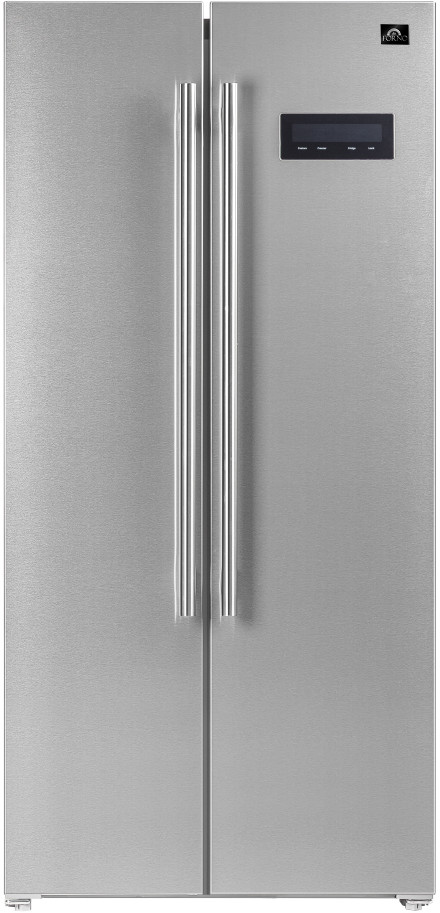
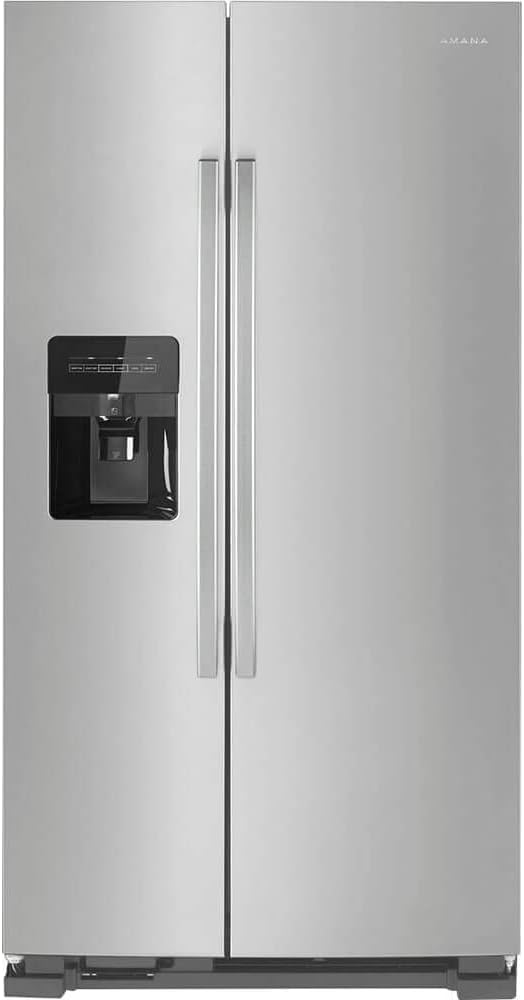
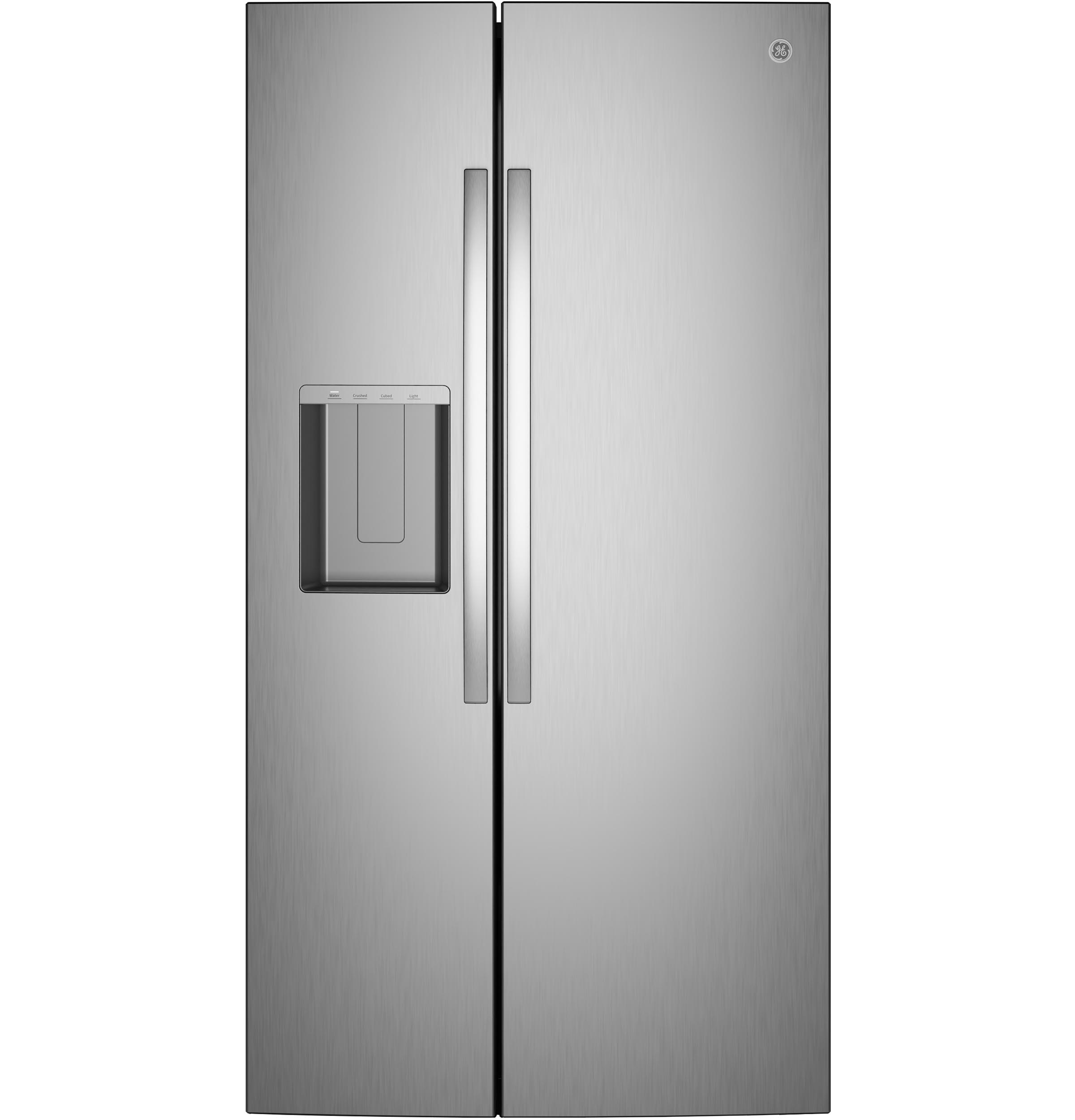
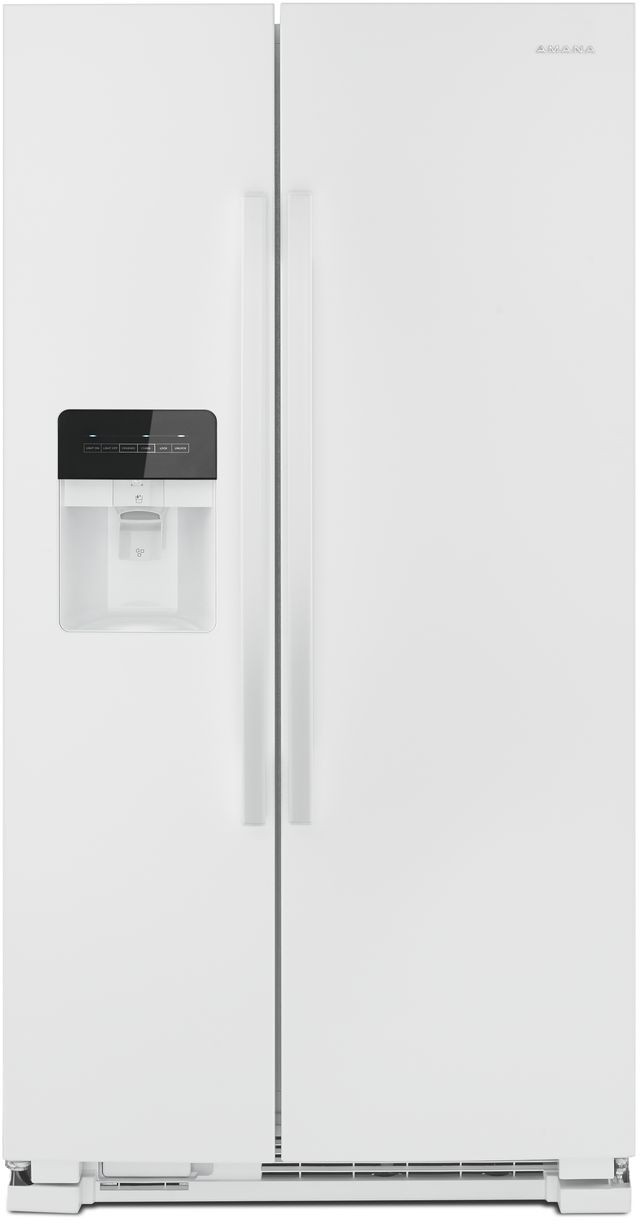
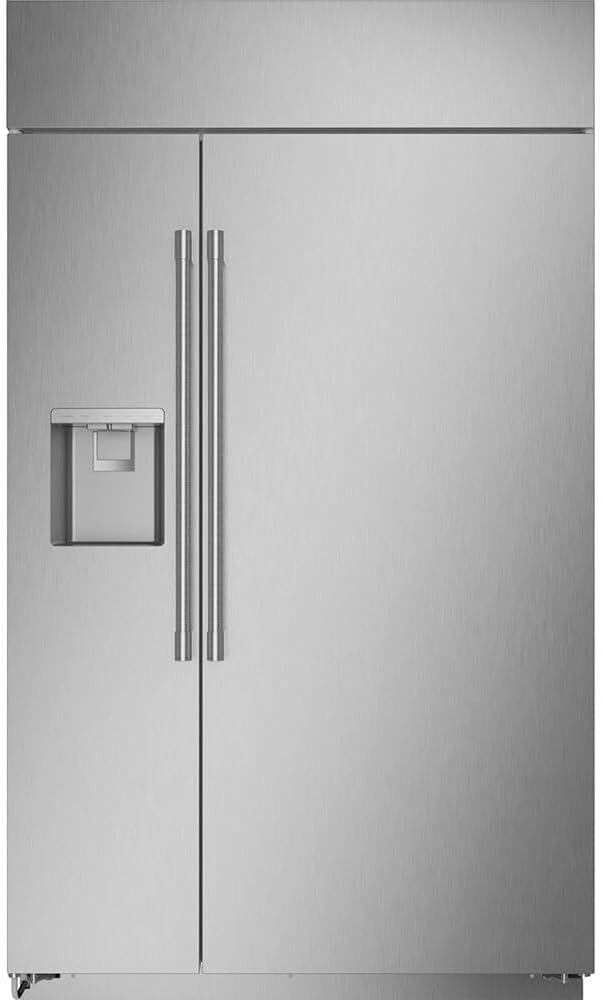
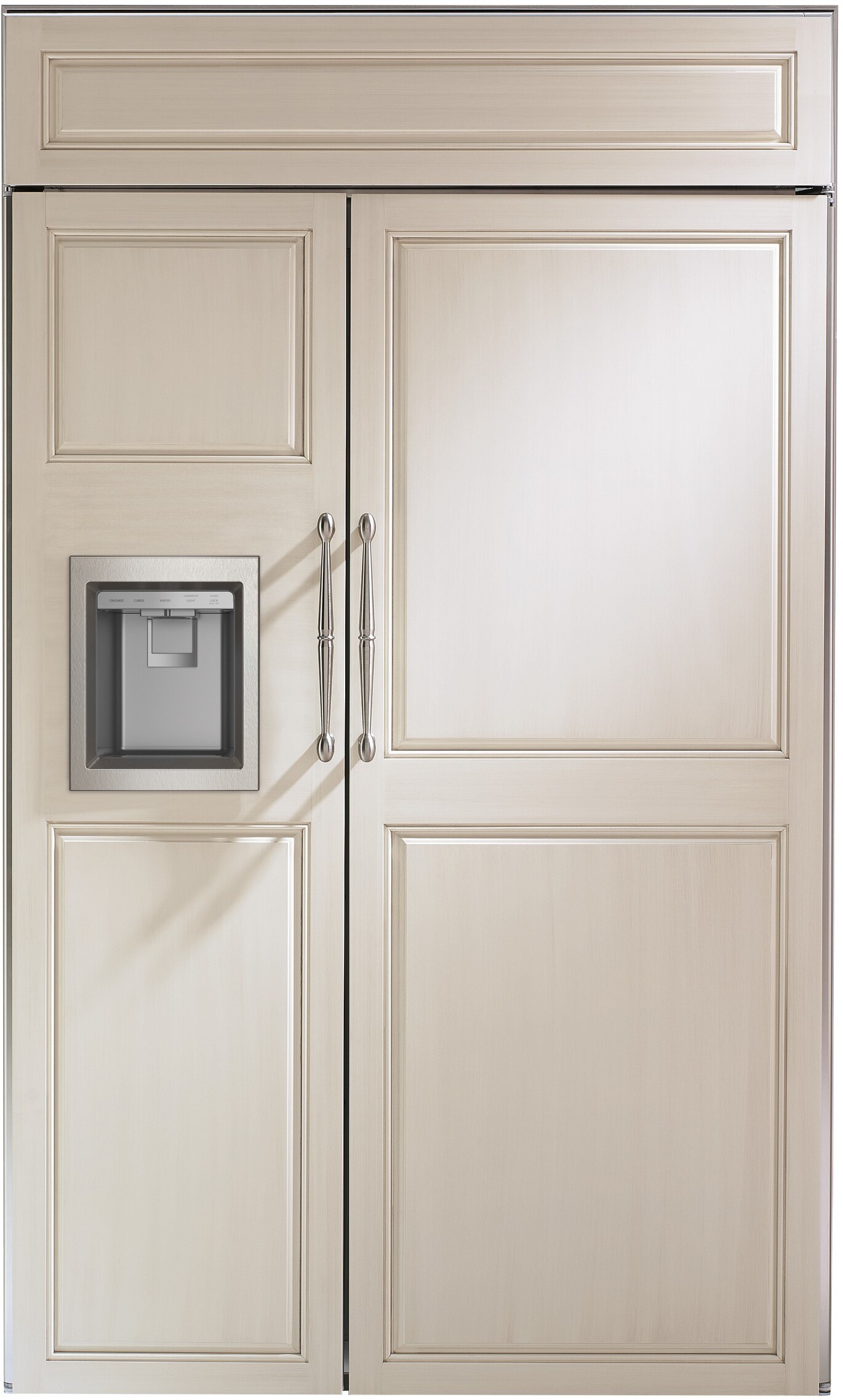
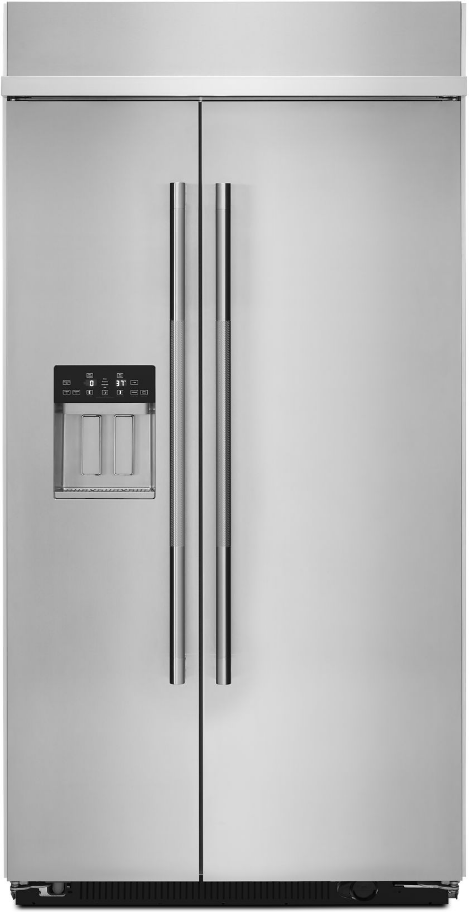
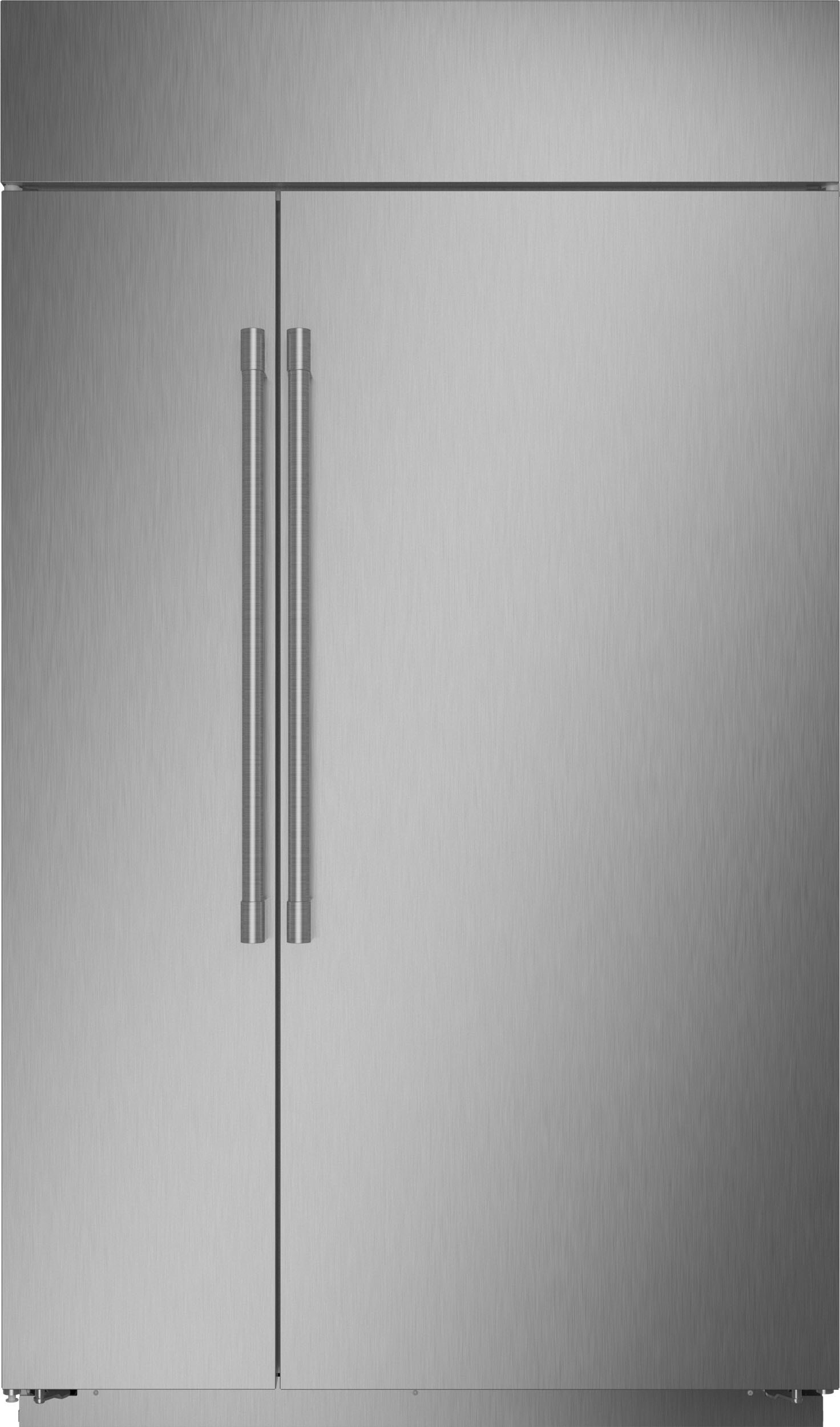
Side by side refrigerators usually have ample door storage, which is ideal for holding condiments, beverages, and smaller items.
When it comes to cooling solutions in your home, you have several options. Two popular choices are beverage fridges and side by side refrigerators. Each serves unique purposes and offers distinct advantages.
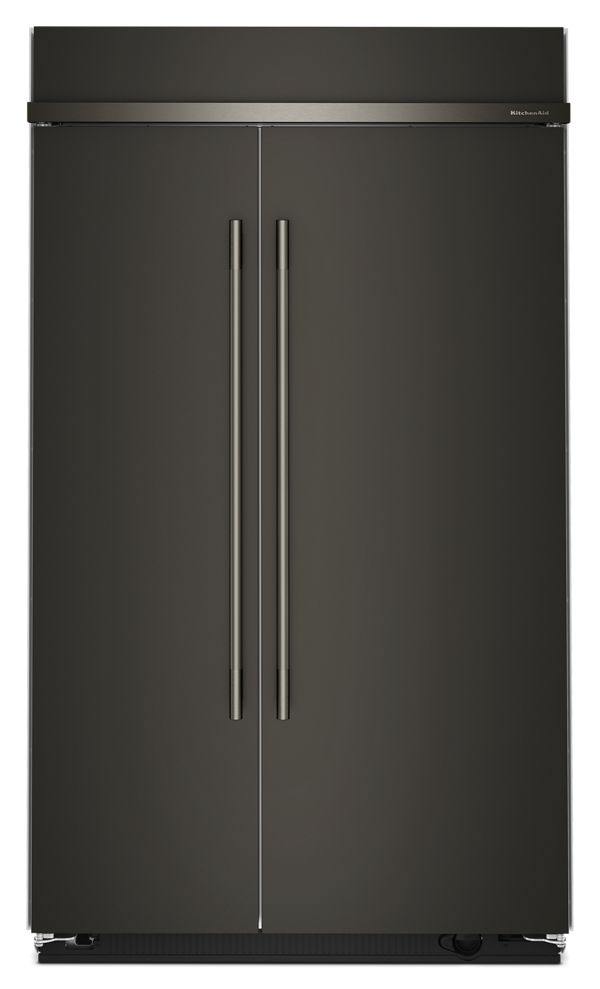
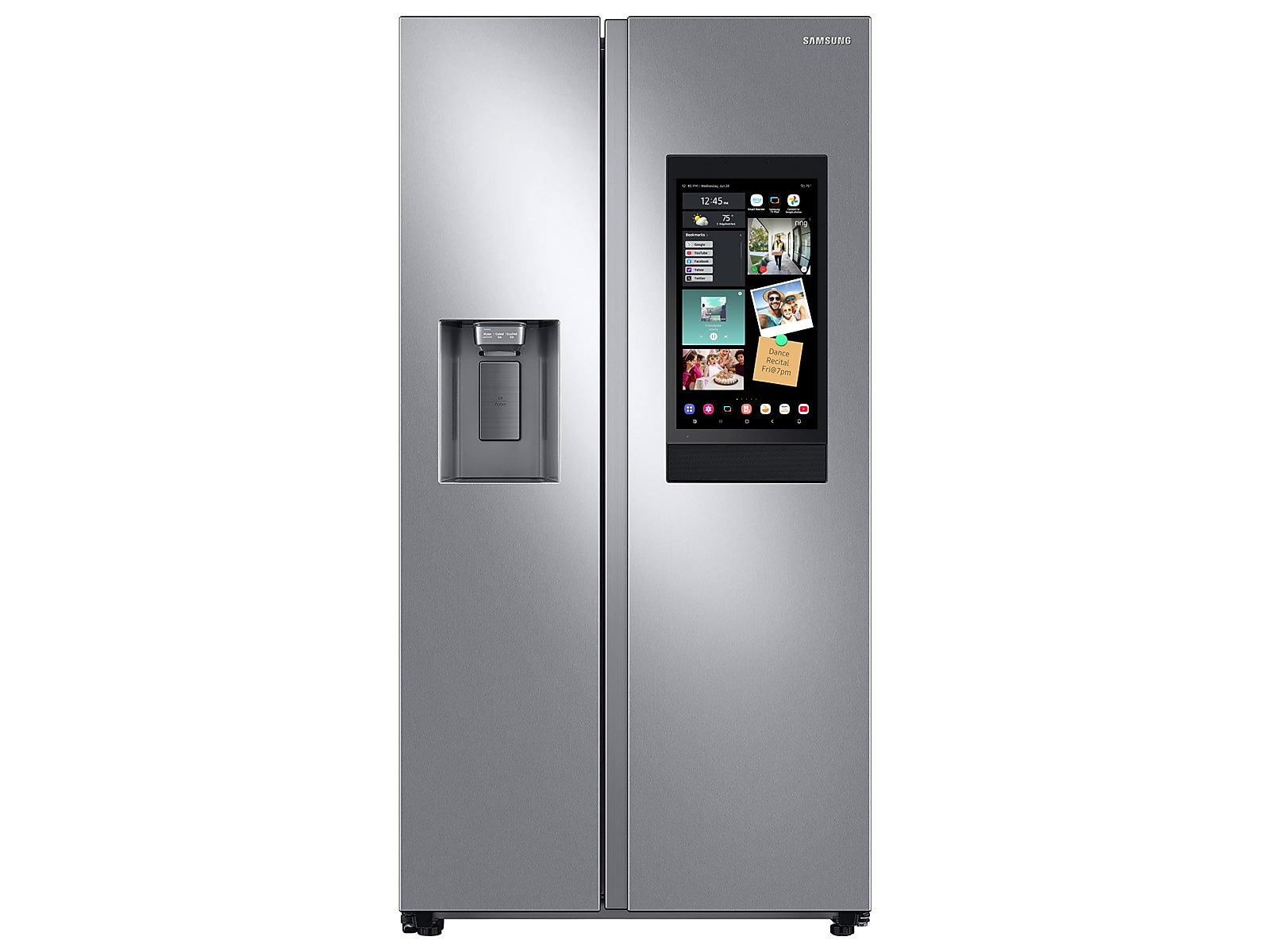
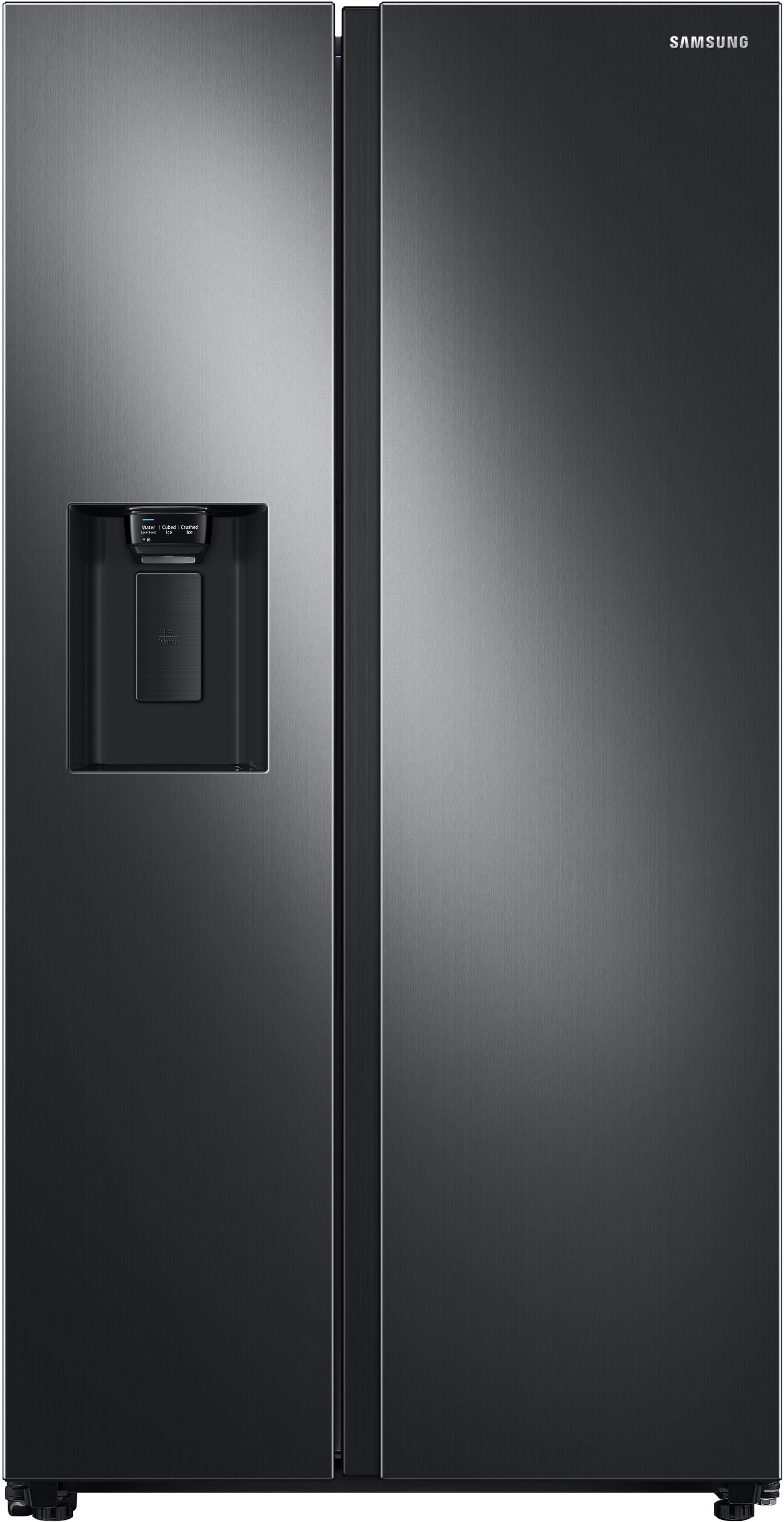
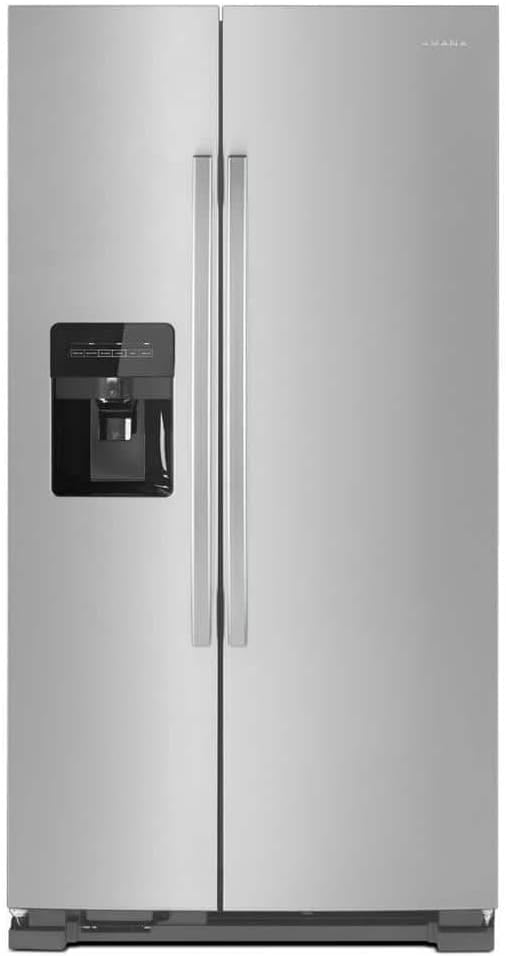
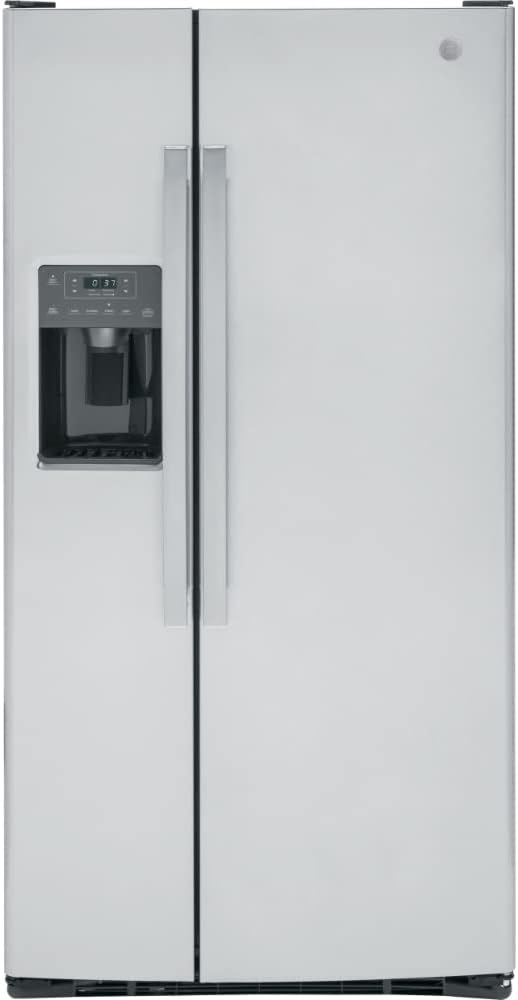
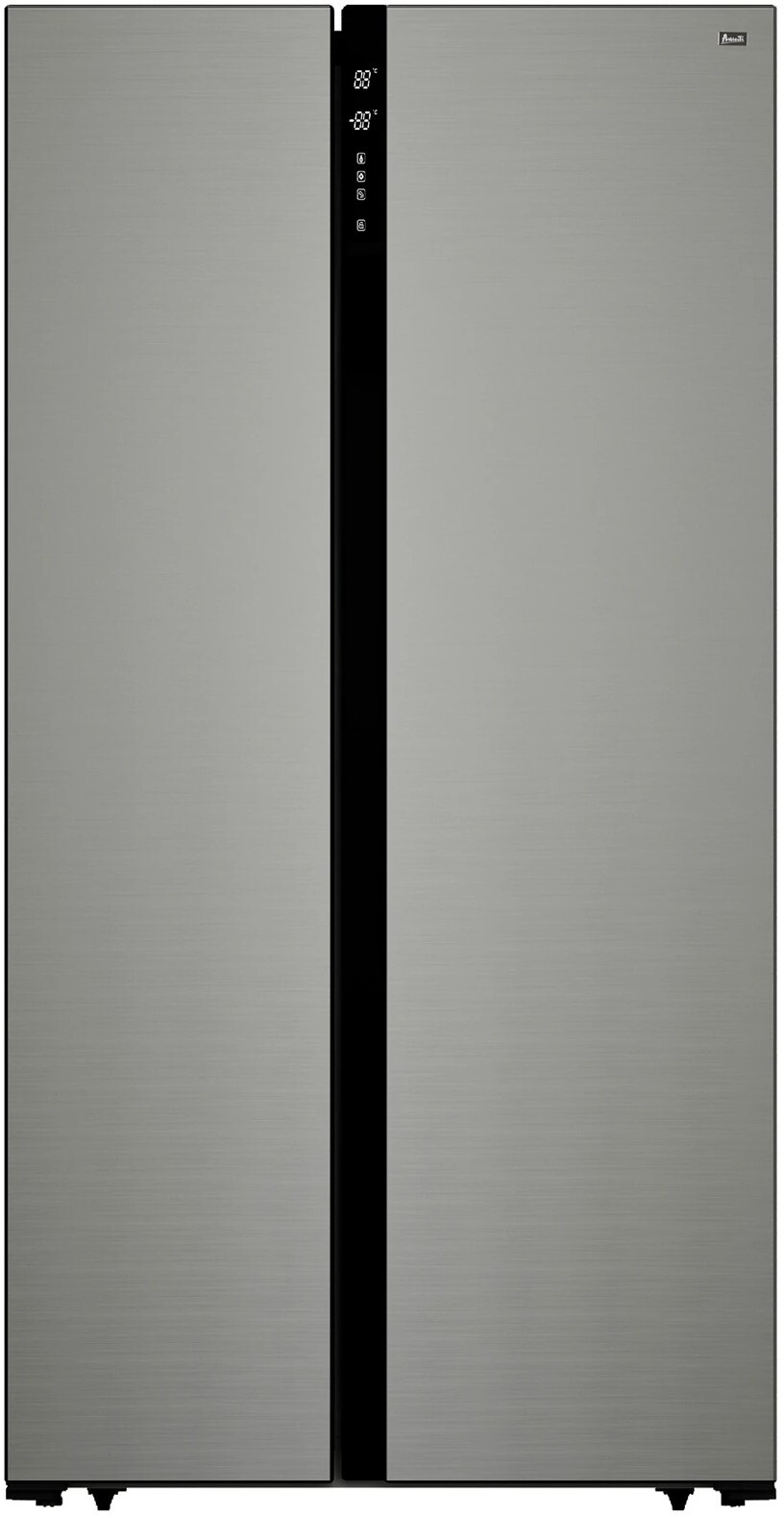
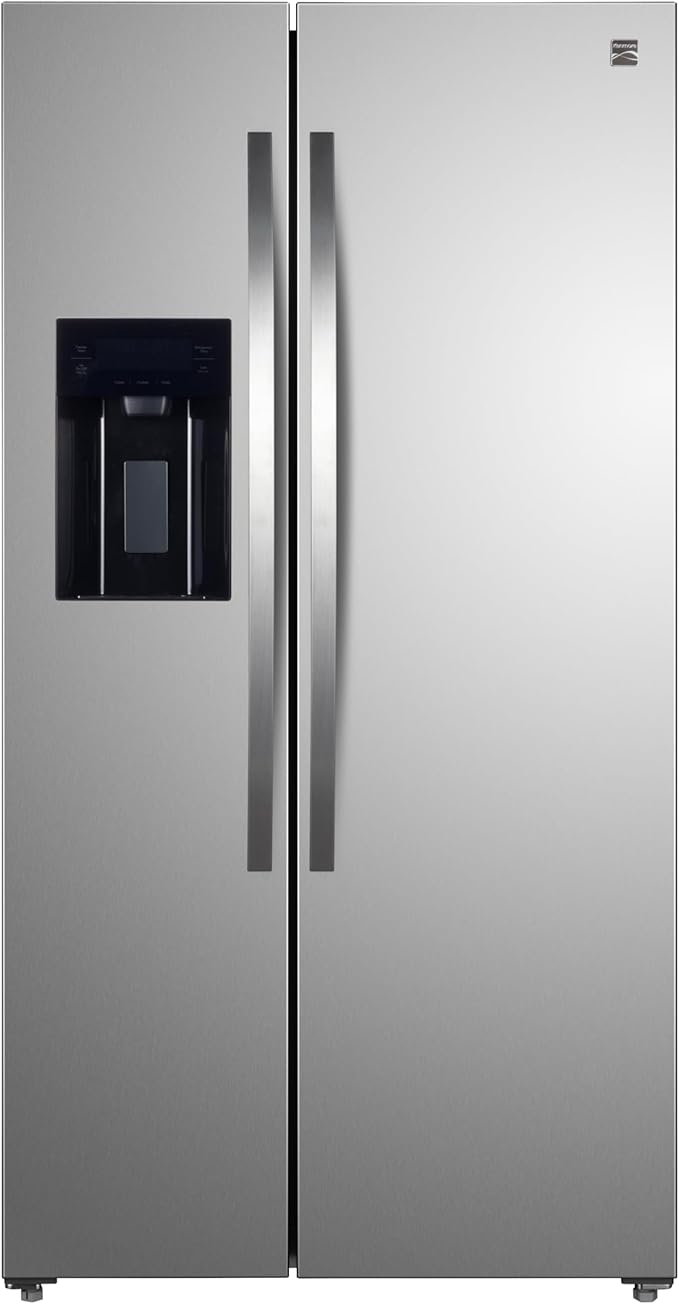
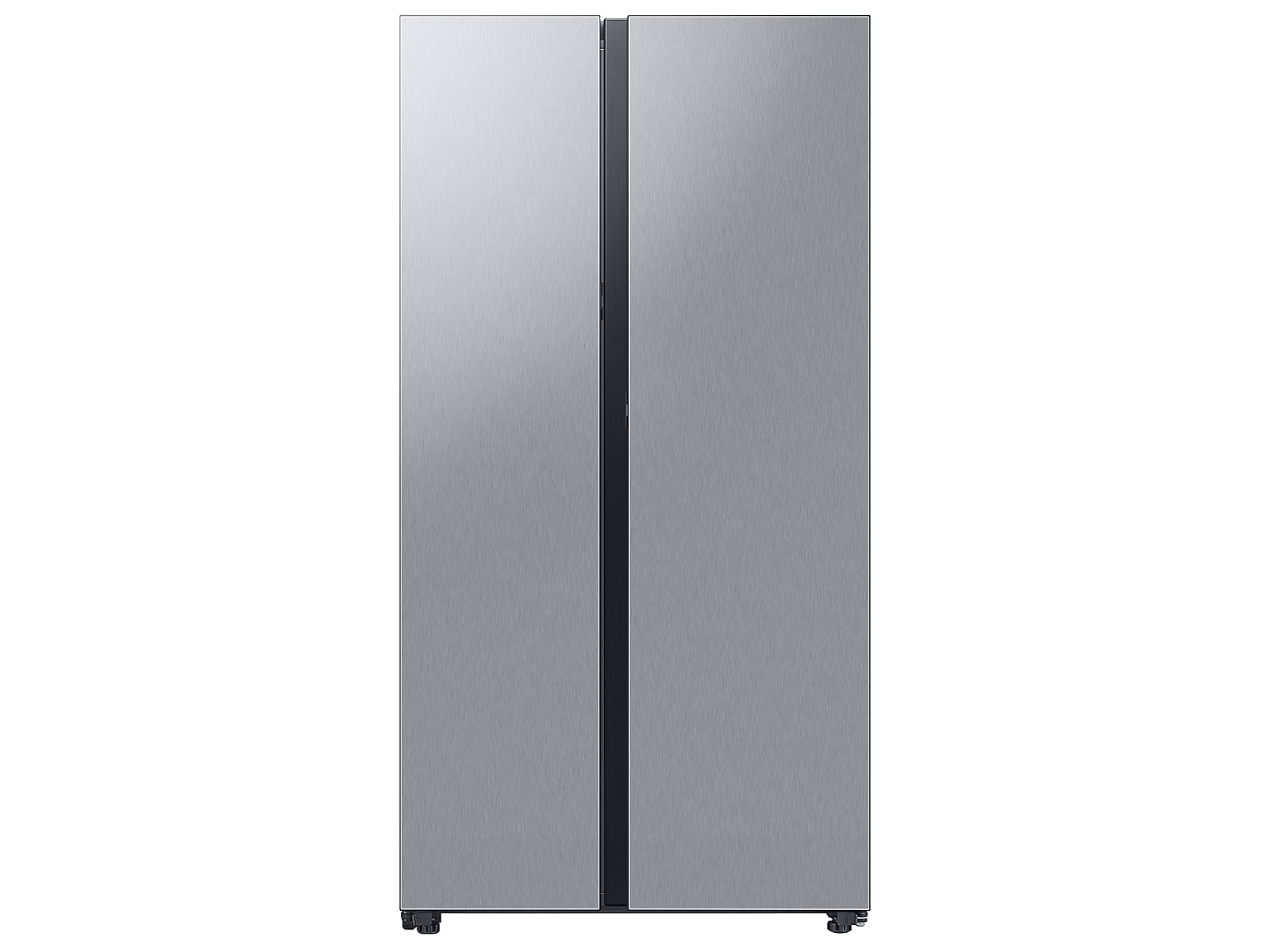
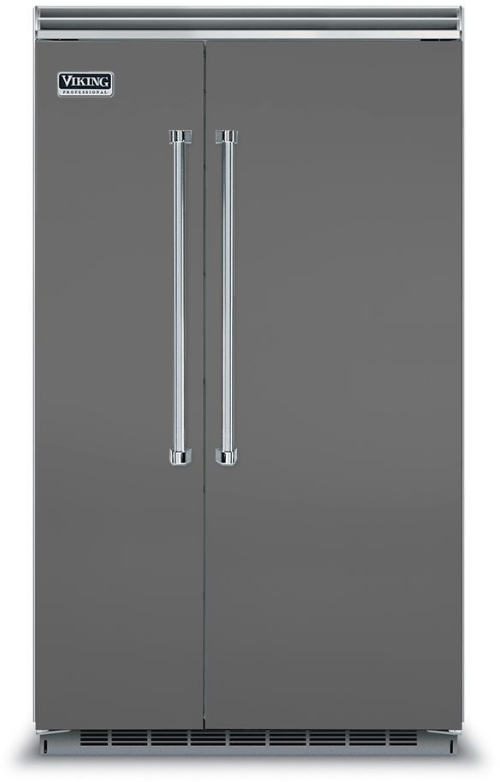
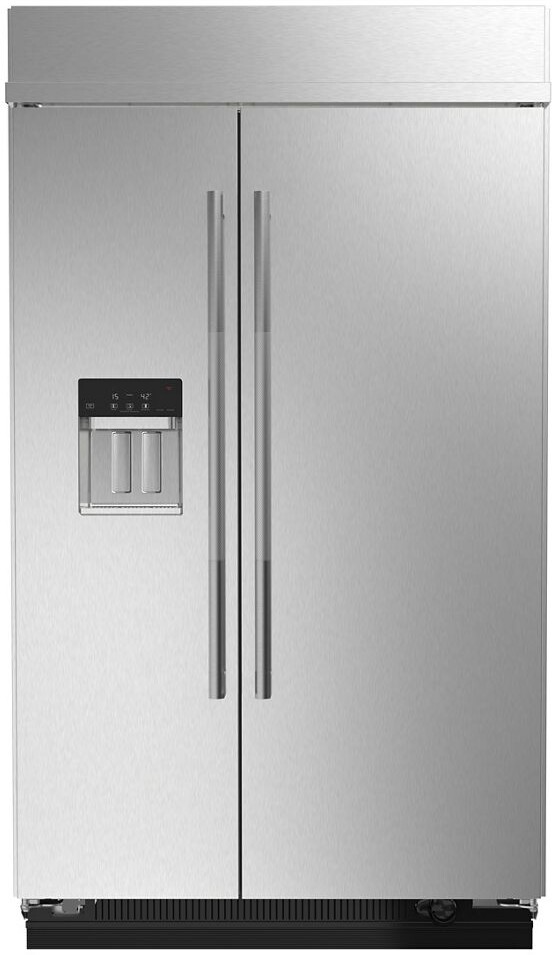
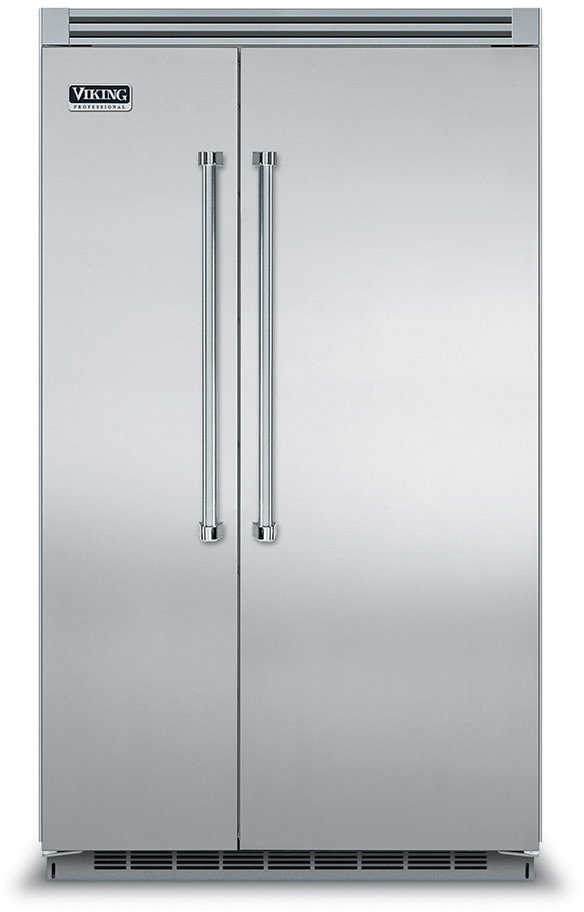
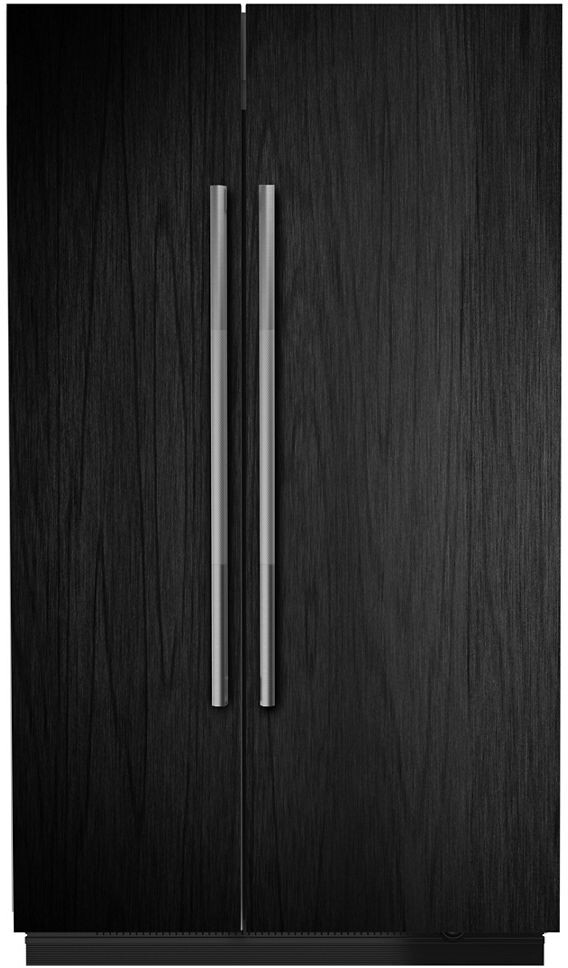
A beverage fridge is specifically designed for storing drinks. It provides a compact, convenient space to keep your beverages chilled and easily accessible. On the other hand, a side by side refrigerator offers a more comprehensive cooling solution. It has two compartments that run vertically, with one dedicated to refrigeration and the other to freezing.
Understanding the Purpose of Beverage Fridges and Side By Side Refrigerators
A beverage fridge is ideal for those who entertain often or have a large household where drinks need their own designated space. It keeps your beverages organized and at the perfect temperature. This type of fridge is commonly used in game rooms, basements, garages, or home bars. For more on specialized fridges, visit Fridge.com article on beverage cooler Vs. freezer drawer.
Feature
Beverage Fridge
Side By Side Refrigerator
Primary Use
Storing Beverages
General Food Storage
Size
Compact
Larger
Temperature Zones
Single Zone
Dual Zone
Side by side refrigerators are designed for versatile food storage. They provide ample space for both fresh and frozen items. With adjustable shelves and bins, you can easily organize your groceries. These refrigerators are suitable for kitchens, offering a balanced approach to food storage and convenience. For a detailed comparison, check out beverage cellar Vs. side by side refrigerator.
Understanding the differences between these cooling options helps you decide which is best for your needs. Whether you require a specific solution for drinks or a versatile unit for all your groceries, there's a refrigerator to match your lifestyle. For more comparisons, visit basement refrigerator Vs. top freezer refrigerator.
Size and Capacity
When deciding between a beverage fridge and a side by side refrigerator, understanding their size and capacity is crucial. This section will help you evaluate which option best meets your needs.
Beverage Fridge Size and Capacity
A beverage fridge is designed to store drinks efficiently. These fridges are typically smaller than standard refrigerators, making them ideal for compact spaces like apartments, offices, or entertainment areas. Their size allows them to fit under counters or in tight spaces.
Beverage Fridge
Size (cubic feet)
Capacity (cans)
Small
2 - 3
60 - 80
Medium
3 - 5
100 - 150
Large
5 - 6
150 - 200
Beverage fridges often come with adjustable shelves, which can be customized to accommodate different bottle and can sizes. For more details on how these fridges compare to other types, see Fridge.com article on beverage cooler Vs. freezer drawer.
Side By Side Refrigerator Size and Capacity
Side by side refrigerators feature two compartments: one for fresh food and one for frozen items. These fridges offer ample storage space, making them suitable for families or anyone needing to store a variety of items.
Side By Side Refrigerator
Size (cubic feet)
Fresh Food Capacity (cubic feet)
Freezer Capacity (cubic feet)
Small
20 - 25
12 - 15
8 - 10
Medium
25 - 30
15 - 18
10 - 12
Large
30 - 35
18 - 20
12 - 15
The side by side design allows for easy access to both fresh and frozen goods, with adjustable shelves and door bins for better organization. If you're considering other refrigerator options, check out Fridge.com comparison of basement refrigerator Vs. top freezer refrigerator.
When evaluating the size and capacity of a beverage fridge versus a side by side refrigerator, consider your storage needs and available space. Whether you prioritize compact design or extensive storage, understanding these details will help you make an informed decision. For more insights, explore Fridge.com article on beverage cellar Vs. side by side refrigerator.
When deciding between a beverage fridge and a side by side refrigerator, understanding the differences in temperature control and zones is essential. Each type offers unique features suited for specific needs.
Beverage Fridge Temperature Control
Beverage fridges are designed with the primary goal of keeping drinks at the optimal temperature. These fridges often come with precise temperature control settings to cater to different types of beverages, such as wine, beer, and soft drinks.
Key features of beverage fridge temperature control include:
Adjustable Temperature Range: Beverage fridges typically offer a temperature range from 34°F to 64°F, allowing you to set the perfect environment for various drinks.
Multiple Temperature Zones: Some beverage fridges come with dual or even triple temperature zones, enabling you to store different types of beverages at their ideal temperatures.
Digital Controls: Many beverage fridges feature digital temperature controls for precise adjustment and easy monitoring.
Beverage Fridge Feature
Temperature Range (°F)
Single Zone
34 - 50
Dual Zone
34 - 64
Triple Zone
34 - 64
For more detailed comparisons, you can check out Fridge.com article on beverage cooler Vs. freezer drawer.
Side By Side Refrigerator Temperature Control
Side by side refrigerators offer comprehensive cooling solutions for both food and beverages. These refrigerators are equipped with advanced temperature control systems to ensure that all compartments maintain the desired temperatures.
Key features of side by side refrigerator temperature control include:
Separate Cooling Systems: Many side by side refrigerators have independent cooling systems for the fridge and freezer sections, providing optimal temperature control for each compartment.
Adjustable Temperature Settings: Users can typically adjust the temperature settings for both the refrigerator and freezer sections, usually ranging from 35°F to 46°F for the fridge and -6°F to 8°F for the freezer.
Humidity Control: Some models offer humidity-controlled drawers for storing fruits and vegetables, helping to keep them fresh for longer periods.
Side By Side Refrigerator Feature
Refrigerator Range (°F)
Freezer Range (°F)
Adjustable Settings
35 - 46
-6 - 8
Humidity Control
Yes
N/A
To explore more about different refrigerator types, see Fridge.com article on basement refrigerator Vs. top freezer refrigerator.
By understanding these temperature control features, you can make an informed decision when choosing between a beverage fridge and a side by side refrigerator. Each offers unique advantages depending on your specific needs and preferences.
When comparing a beverage fridge and a side by side refrigerator, understanding the storage and organization features of each can help you make an informed decision. Here, Fridge.com will explore the storage features that each type of appliance offers to help you decide which is best suited for your needs.
Beverage Fridge Storage Features
Beverage fridges are designed primarily for storing drinks and are typically optimized for this purpose. They often come with adjustable shelves and specialized racks to hold various types of beverages, such as cans, bottles, and wine.
Feature
Beverage Fridge
Shelves
Adjustable, often removable
Racks
Specialized for cans, bottles, and wine
Door Storage
Limited, often absent
Compartments
Few, designed for maximum bottle/can capacity
Beverage fridges usually have a transparent door, allowing you to see the contents without opening the fridge. This feature helps in quickly locating your desired drink and minimizes the loss of cool air. Additionally, many beverage fridges come with LED lighting, enhancing visibility inside the unit.
Side By Side Refrigerator Storage Features
Side by side refrigerators offer more versatile storage solutions, making them suitable for storing a wide range of food items and beverages. They typically feature multiple shelves, bins, and compartments for organized storage.
Feature
Side By Side Refrigerator
Shelves
Adjustable, both in fridge and freezer sections
Racks
General-purpose, less specialized
Door Storage
Ample, with bins for bottles and jars
Compartments
Multiple, including crisper drawers and deli bins
Side by side refrigerators usually have ample door storage, which is ideal for holding condiments, beverages, and smaller items. The multiple compartments, such as crisper drawers for fruits and vegetables and deli bins for meats and cheeses, help in keeping different types of food organized and easily accessible.
By understanding the storage and organization features of both beverage fridges and side by side refrigerators, you can make a better decision on which appliance meets your specific needs. For more comparisons, you might find Fridge.com articles on basement refrigerator Vs. top freezer refrigerator and built in beverage center Vs. freestanding drawer freezer helpful.
When comparing a beverage fridge to a side by side refrigerator, energy efficiency is an important factor to consider. Understanding the energy consumption patterns of each appliance can help you make an informed decision.
Beverage Fridge Energy Consumption
Beverage fridges are designed specifically to store drinks and are typically smaller than side by side refrigerators. Their energy consumption can vary based on several factors, including size, insulation, and the specific model. On average, a beverage fridge consumes less energy compared to a larger side by side refrigerator.
Beverage Fridge Size
Average Energy Consumption (kWh/year)
Small (up to 4 cu. ft.)
150 - 200
Medium (4 - 10 cu. ft.)
200 - 300
Large (over 10 cu. ft.)
300 - 400
Side By Side Refrigerator Energy Consumption
Side by side refrigerators are larger and come with multiple compartments for both frozen and fresh foods. Their energy consumption is generally higher due to their size and the need to maintain multiple temperature zones. These refrigerators offer more storage space but at the cost of higher energy usage.
Side By Side Refrigerator Size
Average Energy Consumption (kWh/year)
Small (up to 20 cu. ft.)
450 - 550
Medium (20 - 30 cu. ft.)
550 - 700
Large (over 30 cu. ft.)
700 - 900
When considering the energy efficiency of a beverage fridge versus a side by side refrigerator, it's essential to look at your specific needs. If you only need to store beverages, a dedicated fridge may be more energy-efficient. For more comprehensive storage, a side by side refrigerator, despite its higher energy consumption, might be the better choice. For additional options, see Fridge.com comparisons like basement refrigerator Vs. countertop refrigerator and beer fridge Vs. black refrigerator.
Installation and Placement
Beverage Fridge Placement Considerations
When planning to install a beverage fridge, consider its compact size and versatile placement options. Beverage fridges are designed to fit in various locations, making them suitable for homes, offices, basements, and even garages. Here are some key placement considerations:
Space Requirements: Measure the area where you plan to install the fridge. Ensure there is enough room for ventilation around the unit.
Accessibility: Place the fridge in a location that is easily accessible for frequent use. Common spots include under countertops, in kitchen islands, or near entertainment areas.
Electrical Outlet: Ensure there is a nearby electrical outlet to power the fridge. Avoid using extension cords to reduce the risk of electrical hazards.
Temperature Stability: Avoid placing the fridge in areas with extreme temperature fluctuations, such as near ovens or in direct sunlight.
Placement Consideration
Importance
Space Requirements
High
Accessibility
High
Electrical Outlet
Medium
Temperature Stability
High
For more information on similar appliances, visit Fridge.com comparison of beer fridge Vs. black refrigerator.
Side By Side Refrigerator Installation Options
Side by side refrigerators are larger and require more planning for installation. These appliances are typically used in kitchens and offer ample storage for both fresh and frozen foods. Consider the following installation options:
Kitchen Layout: Ensure the refrigerator fits within your kitchen layout. Measure the space, including height, width, and depth.
Door Swing: Check the door swing clearance to ensure the doors can open fully without obstruction.
Proximity to Water Line: If your refrigerator has a built-in ice maker or water dispenser, it needs to be near a water line for easy hookup.
Level Flooring: Install the refrigerator on a level surface to ensure proper operation and door alignment.
By understanding these key considerations, you can ensure the optimal placement and installation of your beverage fridge or side by side refrigerator. This will enhance their functionality and longevity in your home or office space.
Proper maintenance and cleaning are essential for both beverage fridges and side by side refrigerators to ensure they function efficiently and last longer. Here are some tips and guidelines for maintaining and cleaning each type.
Beverage Fridge Maintenance Tips
Maintaining a beverage fridge involves several key steps to keep it running smoothly and ensure your drinks remain at the optimal temperature.
Regular Cleaning: Clean the interior of your beverage fridge every three months. Remove all items and wipe down the shelves and walls with a mild detergent and warm water solution.
Defrosting: If your beverage fridge builds up frost, defrost it when the frost reaches a thickness of about 1/4 inch. Unplug the fridge, remove all contents, and let the frost melt. Wipe away any excess water before plugging it back in.
Check Seals: Inspect the door seals regularly for any signs of wear and tear. Clean the seals with a damp cloth to remove any dirt or debris that may prevent a proper seal.
Ventilation: Ensure that the ventilation grills are free from dust and debris. Clean the grills with a vacuum cleaner or a soft brush to maintain proper airflow.
Temperature Monitoring: Regularly check the temperature settings to make sure they are at the desired level for your beverages. Adjust as necessary to maintain optimal cooling.
Side By Side Refrigerator Cleaning Guidelines
Side by side refrigerators require more comprehensive cleaning and maintenance due to their larger size and additional features.
Interior Cleaning: Clean the interior every three to six months. Remove all food items, shelves, and drawers. Wash removable parts with warm, soapy water and wipe down the interior with a mild detergent solution.
Exterior Cleaning: Wipe down the exterior of the fridge with a damp cloth and mild detergent. Pay special attention to handles and areas that are frequently touched.
Defrosting: Most side by side refrigerators are frost-free, but if you notice frost buildup, check the defrost system for issues. If needed, manually defrost by unplugging the unit and allowing the frost to melt.
Check Seals: Inspect the door seals for wear and tear. Clean them with a damp cloth to ensure a tight seal and prevent cold air from escaping.
Ventilation: Keep the ventilation grills and condenser coils clean. Dust and debris can obstruct airflow, causing the refrigerator to work harder and use more energy. Use a vacuum cleaner or a brush to clean these areas.
Water Filter Replacement: If your side by side refrigerator has a water dispenser or ice maker, replace the water filter every six months to ensure clean and fresh water.
Maintenance Task
Beverage Fridge
Side By Side Refrigerator
Interior Cleaning
Every 3 months
Every 3-6 months
Exterior Cleaning
As needed
As needed
Defrosting
When frost builds up
Check defrost system if needed
Door Seal Inspection
Regularly
Regularly
Ventilation Cleaning
Regularly
Regularly
Water Filter Replacement
N/A
Every 6 months
Proper maintenance and cleaning can significantly extend the lifespan of both beverage fridges and side by side refrigerators. For additional tips on maintaining your appliances, visit Fridge.com articles on basement refrigerator Vs. top freezer refrigerator and auto defrost freezer Vs. drawer refrigerator.
Cost Comparison
When deciding between a beverage fridge and a side by side refrigerator, one of the key factors to consider is the initial cost. This section will provide a comparison of the upfront costs associated with each type of appliance.
Initial Cost of Beverage Fridges
Beverage fridges are typically more affordable than side by side refrigerators. They are designed specifically for storing beverages and often come in compact sizes, which contributes to their lower cost. The price of a beverage fridge can vary based on its size, features, and brand.
Side by side refrigerators, on the other hand, are generally more expensive due to their larger size and additional features. They are designed to store a variety of food items along with beverages, making them a versatile option for many households. The cost of a side by side refrigerator can also vary based on its size, features, and brand.
Side By Side Refrigerator Type
Average Cost (USD)
Basic Model
$800 - $1,200
Mid-Range Model
$1,200 - $2,000
High-End Model
$2,000 - $4,000
For a closer look at different refrigerator types and their costs, check out Fridge.com article on basement refrigerator Vs. wine fridge.
Understanding the initial costs of beverage fridges and side by side refrigerators can help you make an informed decision based on your budget and refrigeration needs. For more in-depth comparisons between various fridge and freezer options, visit Fridge.com articles on built in wine cooler Vs. refrigerator freezer combo and beer fridge Vs. freezer cooler.
Compare prices on Fridge.com
Compare current prices and specifications on Fridge.com, then buy from the retailer you choose; delivery, installation and warranty terms are the retailer’s.
It also has tons of awesome articles about kitchen stuff and home news. Enhance your home, garage, backyard, patio, and office with the coolest essentials. With every necessary type of residential refrigerator or freezer in the collection, you're covered.
Free tool
French Door Vs Side By Side Refrigerator
Free interactive tool from Fridge.com — get a quick answer while you read.