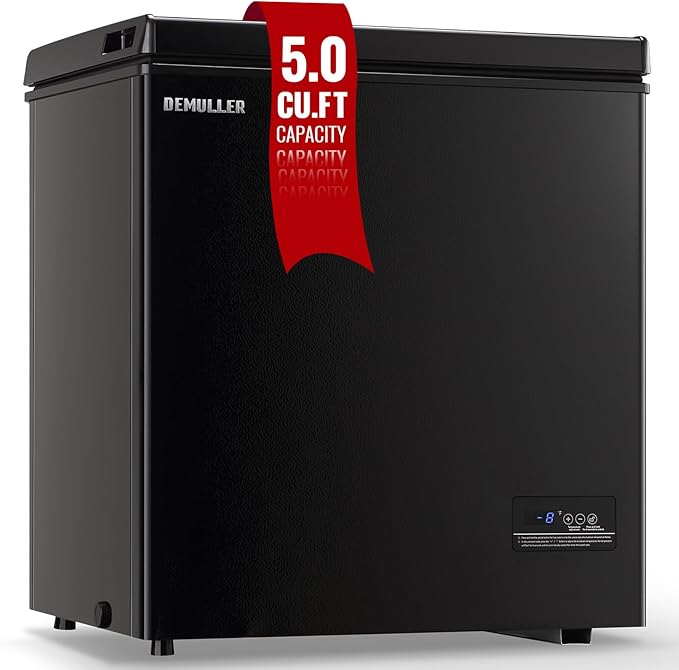
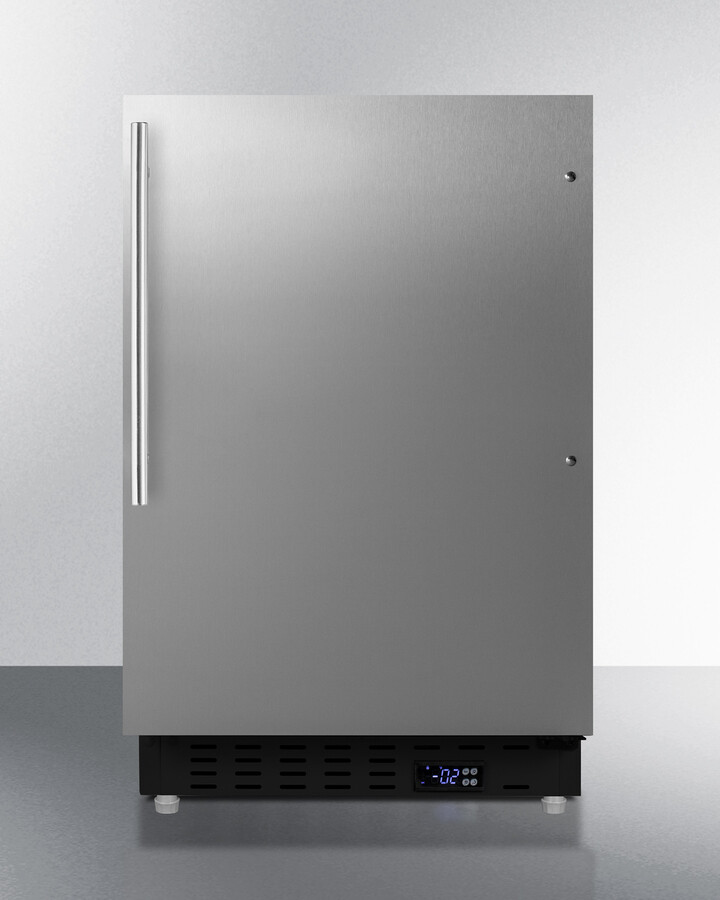
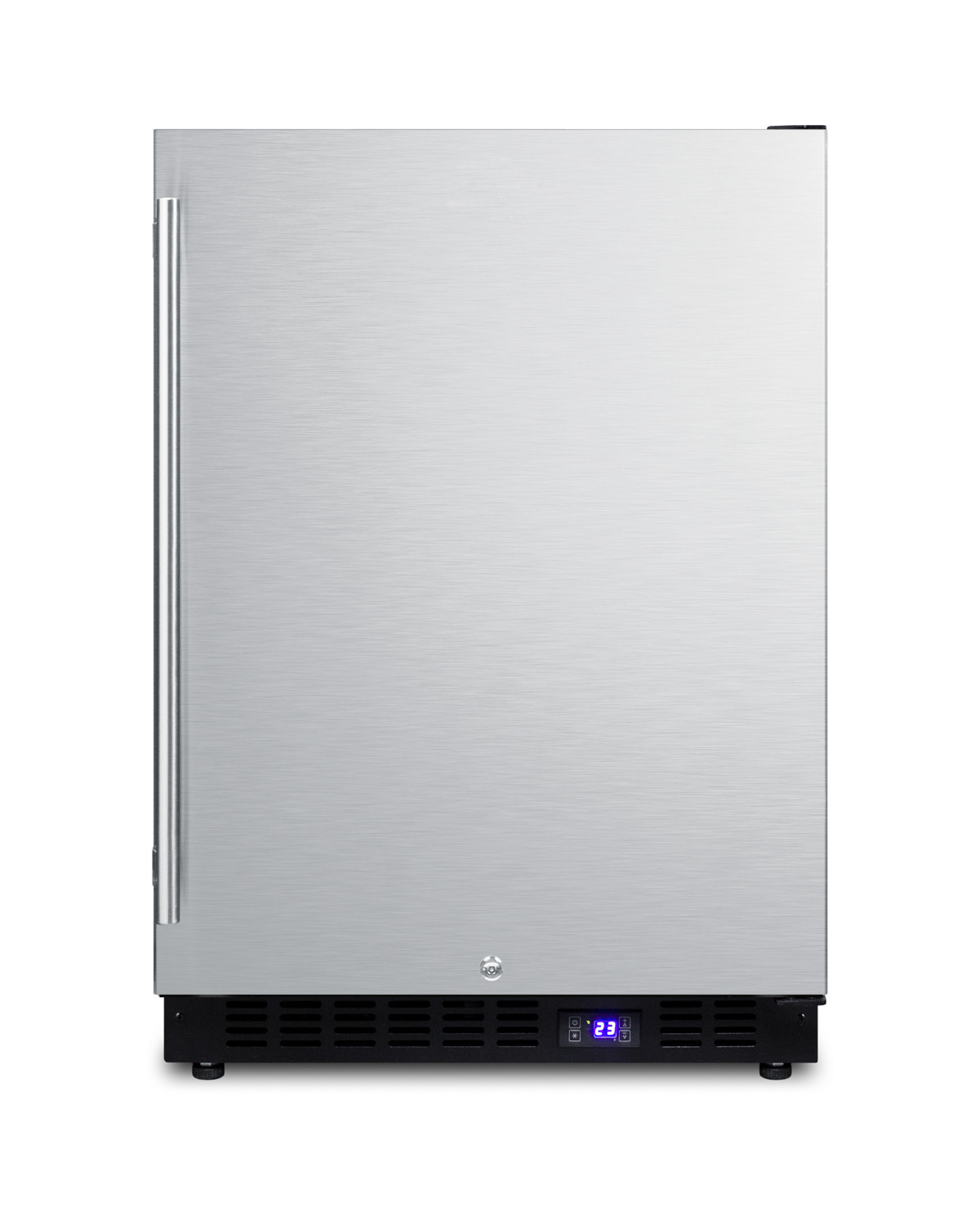
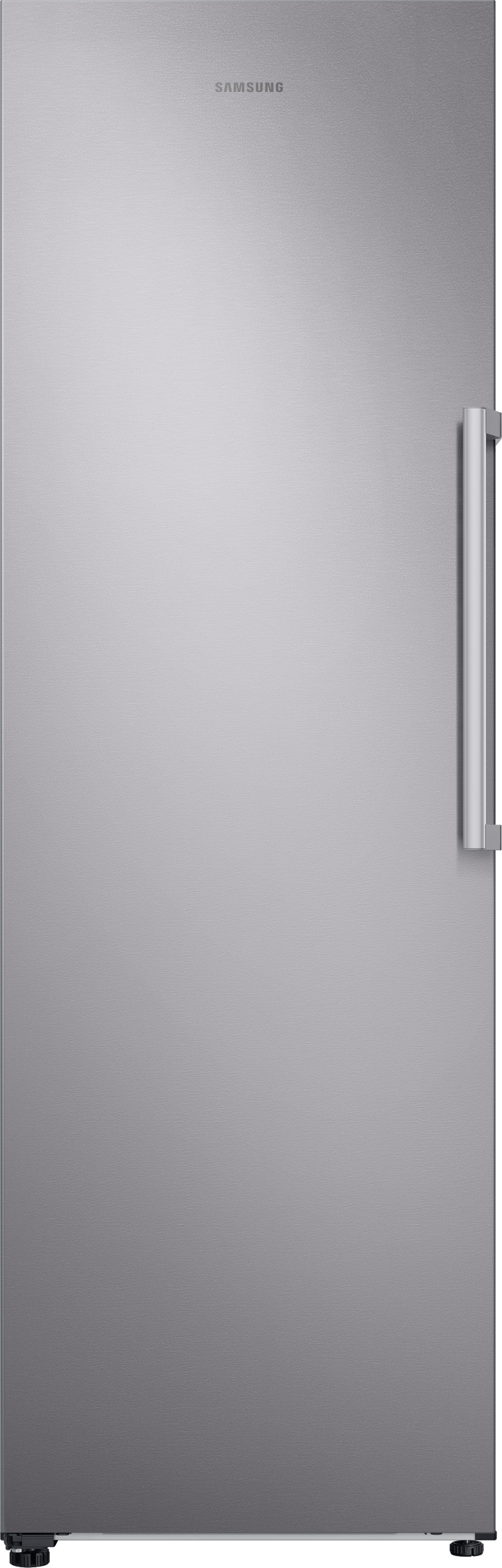
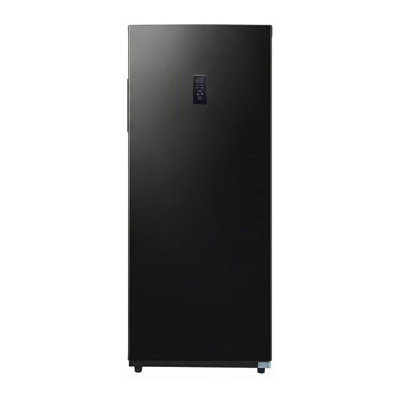
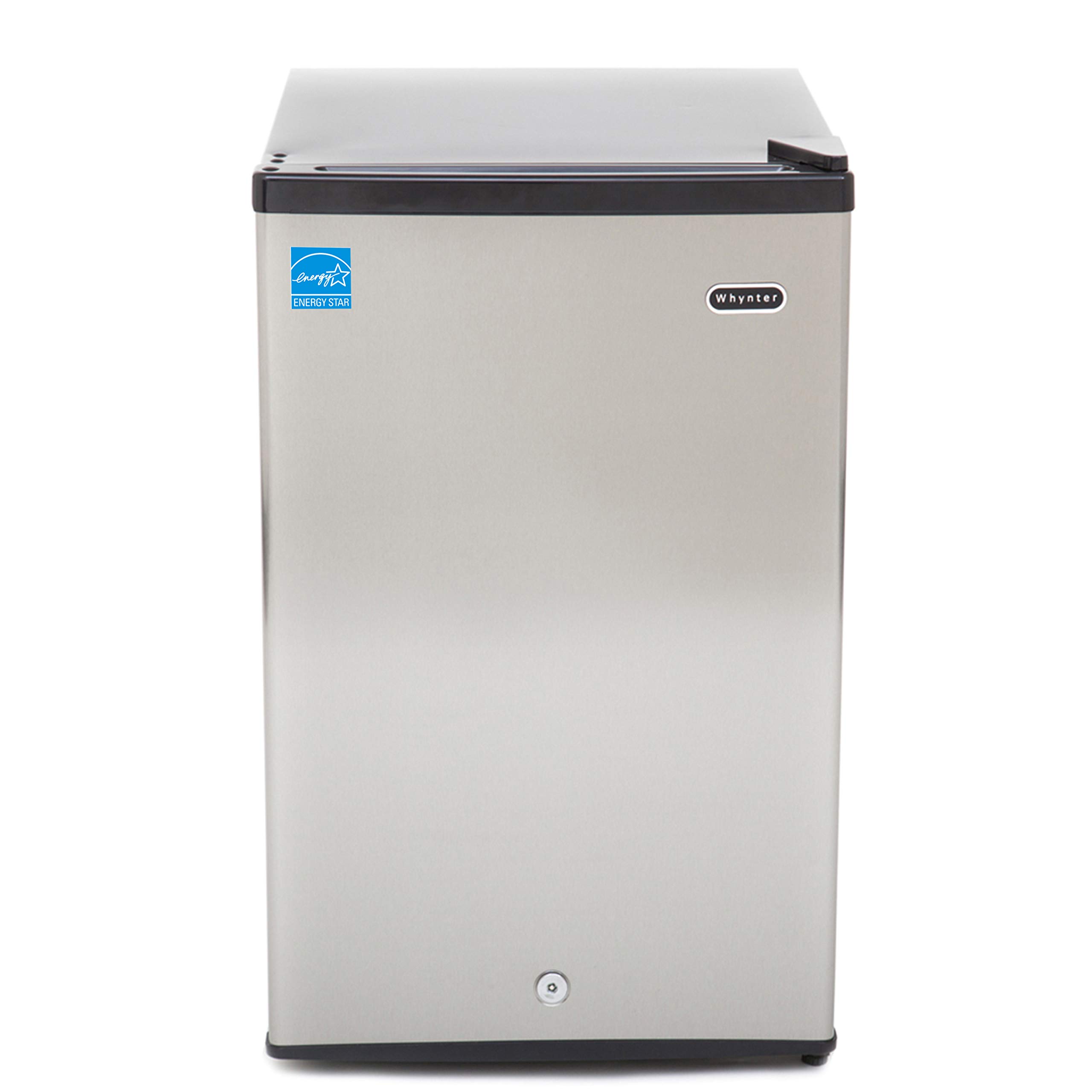
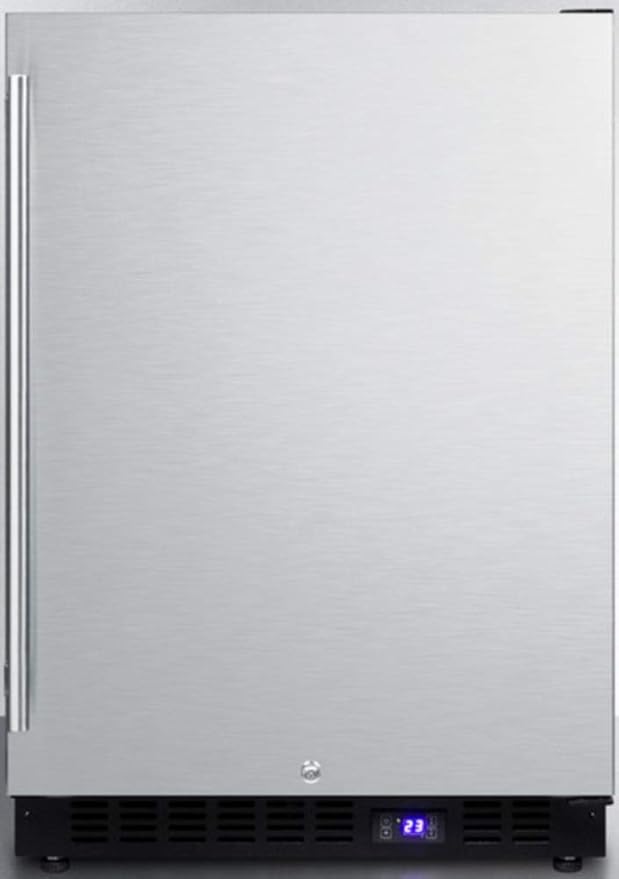
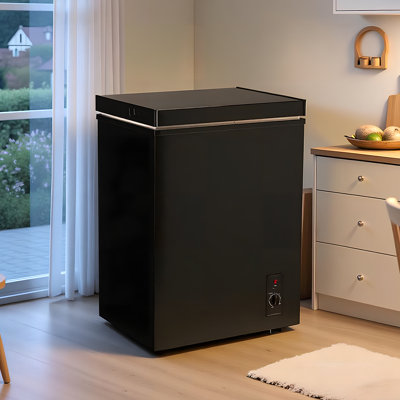
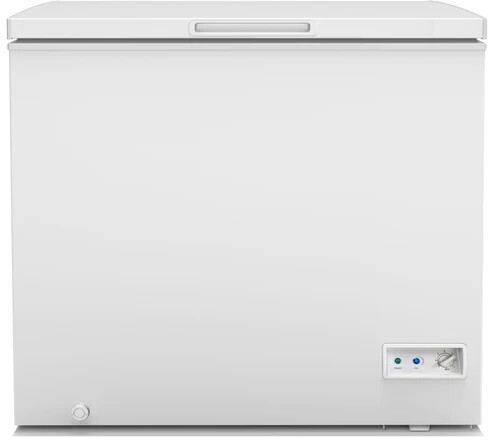
Unlike a standard refrigerator, a beverage cellar typically maintains a higher temperature range that is ideal for wines, craft beers, and soft drinks.
Beverage cellars are designed to keep your drinks at an ideal temperature, typically higher than the freezing point.
Beverage cellars typically feature precise temperature controls that allow you to set the ideal climate for different types of drinks.
Freezer drawers are designed to maintain temperatures at or below 0°F, which is the standard for safe food preservation.
When making a decision between a beverage cellar and a freezer drawer, understanding the primary function of each appliance is crucial. They both serve to preserve and store your consumables, but they do so in different ways and for different items.
Understanding the Purpose of a Beverage Cellar
A beverage cellar, often referred to as a wine cooler or beverage refrigerator, is designed specifically for storing drinks at optimal temperatures. Unlike a standard refrigerator, a beverage cellar typically maintains a higher temperature range that is ideal for wines, craft beers, and soft drinks. This range is crucial for preserving the flavor and quality of your beverages, especially for wine aficionados who understand that proper storage can enhance the aging process.
Beverage cellars are not limited to alcoholic drinks; they can also be the perfect spot for storing specialty sodas, water bottles, and other non-alcoholic beverages that benefit from being kept at consistent temperatures. Some advanced models come with dual-zone temperature controls, allowing you to store different types of beverages at their ideal temperatures within the same unit. Discover more about the distinctions between a beverage cellar and other refrigeration options such as a built-in wine cooler vs. freezer drawer.
Understanding the Purpose of a Freezer Drawer
In contrast, a freezer drawer is built to keep your items frozen, extending their shelf life significantly. This appliance is excellent for storing a variety of foods, from meats and vegetables to pre-prepared meals and ice cream. Freezer drawers often come as part of a larger refrigerator unit but can also be standalone pieces, offering additional frozen storage space that is easily accessible.
One of the key advantages of a freezer drawer over traditional freezers is the convenience it provides. Its drawer design allows for better organization and easier access to items without needing to dig through stacks of frozen goods. The temperature settings are much lower than those of a beverage cellar, designed to keep food safely frozen until needed. For those considering other freezing options, it's helpful to review comparisons such as deep freezer vs. upright freezer and drawer freezer vs. drink fridge.
In summary, while both a beverage cellar and a freezer drawer serve to preserve your consumables, the former is tailored for keeping drinks at their best quality and taste, and the latter is focused on freezing and storing food for the long term. When choosing between the two, consider what items you need to store and the space available in your home, as well as energy efficiency and maintenance requirements.
Temperature Control
Temperature control is a critical aspect when comparing a beverage cellar to a freezer drawer, as each is designed to preserve items at different temperature ranges for optimal freshness and longevity.
Beverage Cellar Temperature Range
Beverage cellars, also known as wine coolers or beverage refrigerators, are specially designed to store drinks at their ideal serving temperatures. For wine enthusiasts, maintaining the right temperature is essential to preserve the flavor and aroma of the wine.
Typically, beverage cellars offer a temperature range that can accommodate various types of beverages, from wines to craft beers. The temperature settings can be adjusted to suit the specific requirements of different drinks. See the table below for common temperature ranges for different beverage types:
Beverage Type
Ideal Temperature Range (°F)
White Wine
45 - 55
Red Wine
55 - 65
Craft Beer
45 - 55
Soft Drinks
35 - 40
It's important to note that non-alcoholic beverages may require cooler temperatures compared to alcoholic ones. For an in-depth look at the nuances of storing different beverages, consider reading about wine chiller comparisons.
Freezer Drawer Temperature Range
Freezer drawers are designed to keep food items frozen and to preserve them for extended periods. The temperature in a freezer drawer is significantly lower than that of a beverage cellar, ensuring that food remains frozen until it is ready to be used.
The temperature range of a freezer drawer is consistent with the requirements for safely storing frozen foods, which is typically well below the freezing point of water. Here's a general guide to the temperature range you can expect from a freezer drawer:
Food Type
Ideal Temperature Range (°F)
Meats
0 or below
Frozen Vegetables
0 or below
Ice Cream
0 to -10
Frozen Meals
0 or below
Maintaining the correct temperature in your freezer drawer is vital for food safety and to prevent spoilage. For a comparison of freezer types and their ideal uses, you might find Fridge.com articles on chest freezer vs. upright freezer and drawer freezer vs. ice cream cooler insightful.
When you choose between a beverage cellar and a freezer drawer, consider what you'll be storing and the temperature requirements for those items. Understanding the distinct temperature controls and ranges of each option will help you make an informed decision that suits your needs, whether you're a homeowner, chef, or simply love to entertain.
When deciding between a beverage cellar and a freezer drawer for your home, understanding the storage capacity of each option is essential. The capacity will determine how much you can store and organize within each unit, impacting your overall convenience and usage.
Beverage Cellar Capacity
Beverage cellars are designed specifically for storing a variety of drinks at optimal temperatures, from wines and beers to sodas and bottled water. The capacity of a beverage cellar can vary widely depending on the model and size. Here is a generalized table to give you an idea of what to expect:
Beverage Cellar Size
Capacity (Bottles/Cans)
Small
20 - 50
Medium
50 - 100
Large
100 - 200+
Keep in mind that bottle size and how you arrange them can affect the total capacity. Some beverage cellars come with adjustable shelving to accommodate different sizes and shapes of bottles and cans. For more comparisons that include beverage cellars, check out built in wine cooler vs. freezer drawer.
Freezer Drawer Capacity
Freezer drawers are a convenient and space-efficient way to store frozen goods, from ice cream and frozen pizzas to bulk meats and vegetables. These drawers are typically part of a larger refrigerator unit but can also be found as standalone appliances. Their capacity is usually measured in cubic feet.
Freezer Drawer Size
Capacity (Cubic Feet)
Small
2 - 3
Medium
3 - 5
Large
5 - 7+
The actual storage capacity will depend on the drawer's design and how well you organize your frozen items. Some freezer drawers offer dividers and baskets to help keep things neat and accessible. For different freezer options, you might want to read about chest refrigerator vs. small freezer or drawer freezer vs. ice cream cooler.
Whether you choose a beverage cellar or a freezer drawer, consider not only the capacity but also how each unit's storage capabilities align with your needs and space. If you entertain frequently and need a variety of drinks on hand, a beverage cellar might be your best bet. However, if you're looking to maximize your frozen food storage in a compact space, a freezer drawer could be the ideal solution.
When considering the choice between a beverage cellar and a freezer drawer, examining their functionality and features is key. Each offers unique benefits tailored to specific storage needs and preferences.
Beverage Cellar Features
A beverage cellar is designed primarily for storing drinks at their optimal temperatures, ensuring that your beverages are perfectly chilled and ready to serve. Here, Fridge.com will highlight some of the standout features that make beverage cellars an attractive option for storing your collection of drinks.
Consistent Temperature: Beverage cellars maintain a stable environment that can be critical for the storage of wines and craft beers, preserving their flavor and quality.
Humidity Control: Some models come with built-in humidity control, which is especially beneficial for wine enthusiasts, as it helps preserve corks and prevents spoilage.
UV Protection: To safeguard the contents from light exposure, many beverage cellars have tinted glass doors or solid doors that block out UV rays.
Shelving Options: Adjustable and sometimes slanted shelves accommodate bottles of various sizes and shapes, maximizing space and providing an appealing display.
Vibration Reduction: Reduced vibration from the cooling system helps to keep sediments in wine undisturbed.
When choosing a beverage cellar, consider how its features align with your needs, whether you're a casual drinker or a connoisseur. For more insights, explore articles like bottom freezer refrigerator vs. wine chiller and built in wine cooler vs. freezer drawer.
Freezer Drawer Features
Freezer drawers, on the other hand, are all about convenience and efficiency for frozen food storage. Below are some of the features that make freezer drawers a practical addition to any kitchen or utility space.
Easy Access: With a drawer design, accessing your frozen goods becomes more convenient, eliminating the need to reach or bend as with traditional freezer models.
Space Efficiency: Freezer drawers can be integrated under countertops or alongside kitchen cabinetry, making them ideal for kitchens with limited space.
Organizational Systems: Built-in dividers and baskets help organize contents, making it easier to find what you're looking for without having to dig through piles of frozen items.
Temperature Control: Advanced models come with precise temperature controls, allowing you to adjust settings for different types of frozen goods, from meats to delicate desserts.
Ice Maker Options: Some freezer drawers include built-in ice makers, providing a steady supply of ice without taking up additional space.
When considering a freezer drawer, think about how often you access frozen foods and what organizational features will best suit your lifestyle. Articles such as drawer freezer vs. ice cream cooler and built in freezer vs. drawer freezer can provide further comparison and information.
In summary, beverage cellars and freezer drawers serve different purposes but are both designed to offer specialized storage solutions. By understanding the features and functionality of each, you can make an informed decision that best suits your home and lifestyle needs.
Placement and Design
The right placement and design of your beverage cellar or freezer drawer can enhance both functionality and aesthetics in your living space. Whether you’re outfitting a kitchen, bar area, or entertainment room, consider these factors to ensure you choose the most suitable location.
Ideal Placement for a Beverage Cellar
A beverage cellar, designed to store drinks at optimal temperatures, should be placed in an area where temperature fluctuations are minimal. The location should also protect the contents from direct sunlight, as UV rays can affect the quality of certain beverages. Commonly, beverage cellars are installed under kitchen counters, within home bars, or in dedicated wine rooms.
Consider proximity to where you'll enjoy your beverages. If you frequently entertain guests in a living room or a den, a beverage cellar within reach can be convenient. It’s also worth noting that beverage cellars can be built-in or freestanding, which will influence where you can place them. Built-in options are often installed under counters, whereas freestanding ones offer more flexibility in placement but may require more space.
For additional insights, explore the comparison between a bottom freezer refrigerator vs. wine chiller or the benefits of a built in wine cooler vs. freezer drawer.
Ideal Placement for a Freezer Drawer
Freezer drawers are typically incorporated into kitchen design for their convenience and space-saving attributes. Ideally, they should be situated near the food preparation area for easy access while cooking. It's also practical to place them adjacent to the main refrigerator to create a cohesive food storage zone.
In addition to kitchen placement, freezer drawers are increasingly popular in outdoor kitchens, especially in places where the climate is conducive to al fresco dining. A freezer drawer within reach can make outdoor entertaining much more effortless.
Another aspect to consider is the overall design theme of your space. Modern and sleek freezer drawers can complement contemporary kitchens, while more traditional designs may be better suited for classic interiors. Also, take into account the energy efficient refrigerator vs. mini fridge comparison to ensure your choice aligns with your energy consumption goals.
When planning the placement and design of your beverage cellar or freezer drawer, keep in mind the accessibility, convenience, and design preferences that will best suit your lifestyle. Whether you choose to install a drawer freezer vs. ice cream cooler or weigh the benefits of a garage refrigerator vs. single door refrigerator, the right choice can make all the difference in your daily routine and entertainment style.
When comparing a beverage cellar to a freezer drawer, energy efficiency is a significant factor that impacts your home's electricity consumption and operating costs. Understanding the energy needs of these appliances can help you make an informed decision that suits your lifestyle and budget.
Beverage Cellar Energy Consumption
Beverage cellars are designed to keep your drinks at an ideal temperature, typically higher than the freezing point. Because they don't need to maintain the extremely low temperatures required by a freezer, they generally consume less energy. However, the energy consumption can vary based on size, insulation quality, and usage frequency. Here's a simple breakdown of the average energy consumption for beverage cellars:
Size (Cubic Feet)
Estimated Energy Use (kWh/year)
Small (Under 5 cu.ft.)
200 - 300
Medium (5 to 10 cu.ft.)
300 - 400
Large (Over 10 cu.ft.)
400 - 500
For more insights into how beverage cellars stack up against other refrigeration options, you may want to read about energy efficient refrigerator vs. mini fridge.
Freezer Drawer Energy Consumption
Freezer drawers, on the other hand, are tasked with keeping their contents frozen. This requires them to operate at much lower temperatures, which can lead to higher energy use. The energy consumption of freezer drawers will also depend on factors such as their defrosting features, insulation, and how full they are kept. Here's an estimated energy usage table for freezer drawers:
Size (Cubic Feet)
Estimated Energy Use (kWh/year)
Small (Under 5 cu.ft.)
300 - 400
Medium (5 to 10 cu.ft.)
400 - 500
Large (Over 10 cu.ft.)
500 - 600
For a comparison of different freezer types and their energy efficiencies, consider exploring chest freezer vs. freezerless refrigerator or deep freezer vs. upright freezer.
In summary, while both beverage cellars and freezer drawers serve distinct purposes, beverage cellars tend to be more energy-efficient due to their less stringent cooling requirements. However, it's crucial to evaluate the specific needs of your household and consider other factors such as size and feature sets, which can influence the overall energy consumption of these appliances.
Maintaining and cleaning your refrigeration units are key to their longevity and performance. Whether you have a beverage cellar or a freezer drawer, regular upkeep is essential.
Cleaning a Beverage Cellar
To keep your beverage cellar in optimal condition, it's important to clean it regularly. Here's a simple guide to help you get started:
Unplug the Unit: Safety first. Ensure the cellar is disconnected from the power source.
Remove Contents: Take out all beverages and shelving.
Clean Interior: Use a mild soap and water solution to wipe down the interior. Avoid harsh chemicals that could damage the surface or leave a residue.
Wash Shelves and Bins: Clean these separately with the same soap solution, and let them dry completely before returning them to the cellar.
Wipe the Exterior: Use a soft cloth to clean the outside of the cellar.
Plug Back In and Restock: Once everything is dry, reconnect the power and return your beverages.
For specific tips on maintaining a beverage cellar, you might be interested in Fridge.com article on built-in wine cooler vs. freezer drawer.
Cleaning a Freezer Drawer
Freezer drawers require a different approach due to their lower temperatures and the potential for ice buildup. Follow these steps to ensure a thorough clean:
Power Down: Turn off or unplug your freezer drawer.
Empty the Drawer: Remove all frozen goods and place them in a cooler to keep them frozen.
Defrost: If there's significant ice buildup, you'll need to let the freezer defrost. Place towels around the unit to absorb any melting ice.
Clean Interior: Once defrosted, clean the inside with a solution of water and mild detergent.
Dry Thoroughly: Before turning the freezer back on, make sure it's completely dry to prevent ice crystals from forming.
Clean the Gasket: Wipe the door seal with a mild soap solution, as it can accumulate crumbs and spills.
Restart and Reload: Turn the freezer drawer back on and replace your items once it reaches the proper temperature.
For further insights into freezer maintenance, including how it compares to other types of freezers, explore Fridge.com comparison chest freezer vs. freezerless refrigerator.
Regular maintenance and cleaning of your beverage cellar and freezer drawer will not only keep them functioning efficiently but also ensure the longevity of your appliances and the safety of your stored items.
When you're considering the best way to chill your drinks or preserve your food, understanding the differences between a beverage cellar and a freezer drawer can guide your decision. Both have their own specific functions and benefits that cater to different needs. Here's a detailed comparison to help you determine which is best suited for your home.
Understanding the Purpose of a Beverage Cellar
A beverage cellar, often referred to as a wine cooler or beverage fridge, is specifically designed to store drinks at optimal temperatures. This ensures that your wines, beers, and sodas are kept at a consistent temperature that's often higher than a regular refrigerator but cooler than room temperature.
Understanding the Purpose of a Freezer Drawer
In contrast, a freezer drawer is designed to keep food frozen. It operates at much lower temperatures to preserve food for longer periods. Freezer drawers are a convenient way to organize and store frozen goods, making them easily accessible without having to open a full-sized freezer door.
Temperature Control
Beverage Cellar Temperature Range
Beverage Type
Ideal Temperature Range (°F)
Red Wine
50-65
White Wine
40-50
Beer
45-55
Soda
35-40
Beverage cellars typically feature precise temperature controls that allow you to set the ideal climate for different types of drinks.
Freezer Drawer Temperature Range
Freezer drawers are designed to maintain temperatures at or below 0°F, which is the standard for safe food preservation.
Beverage cellars come in various sizes, with capacities ranging from a few bottles to several dozen. They are primarily judged by the number of bottles they can hold.
Freezer Drawer Capacity
The capacity of freezer drawers also varies, typically measured in cubic feet. They can range from small, under-counter models to larger, full-size drawers.
Beverage cellars may offer features such as adjustable shelves, dual temperature zones, and UV-protected glass doors. These features enhance the storage and quality of your beverages.
Freezer Drawer Features
Freezer drawers might have features like ice makers, quick-freeze functions, and dividers for organization.
Placement and Design
Ideal Placement for a Beverage Cellar
Beverage cellars can be built-in or freestanding. Ideal placement might be in a kitchen, home bar, or dining room, where they can complement the living space and keep drinks within easy reach.
Ideal Placement for a Freezer Drawer
Freezer drawers are often integrated into kitchen cabinetry or placed under counters for convenient access without taking up additional floor space.
Beverage cellars, being smaller and operating at higher temperatures than a standard refrigerator, can be more energy-efficient.
Freezer Drawer Energy Consumption
Freezer drawers must maintain lower temperatures, which can require more energy. However, newer models are designed to be energy-efficient and may be ENERGY STAR rated.
Maintenance and Cleaning
Cleaning a Beverage Cellar
Regular cleaning of a beverage cellar involves wiping down shelves and ensuring the door seal is free from debris to maintain a consistent temperature.
Cleaning a Freezer Drawer
Freezer drawers require defrosting (if not frost-free), cleaning of storage bins, and checking the door seal to prevent ice buildup and ensure efficiency.
By considering factors like temperature control, capacity, and energy efficiency, you can make an informed decision between a beverage cellar and a freezer drawer. Whether you're a connoisseur of fine wines or someone who prefers their food frozen and organized, understanding these differences will help you choose the right appliance for your lifestyle. For more comparisons on cooling and freezing appliances, check out Fridge.com articles on chest refrigerator vs. small freezer and deep freezer vs. upright freezer.
Compare prices on Fridge.com
Compare current prices and specifications on Fridge.com, then buy from the retailer you choose; delivery, installation and warranty terms are the retailer’s.
It also has tons of awesome articles about kitchen stuff and home news. Enhance your home, garage, backyard, patio, and office with the coolest essentials. With every necessary type of residentialrefrigeratoror freezer in the collection, you're covered.
From Fridge.com research
Figures below come from data Fridge.com builds and maintains. Each links to the record behind it.
Fridge.com Energy Index, built on U.S. EPA and DOE ENERGY STAR records
Across 5,455 ENERGY STAR certified refrigerators and freezers from 263 brands, median use is 360 kWh per year.