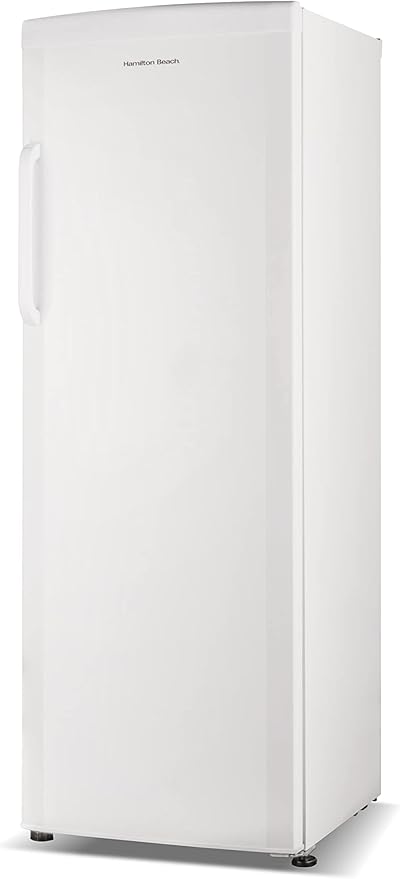
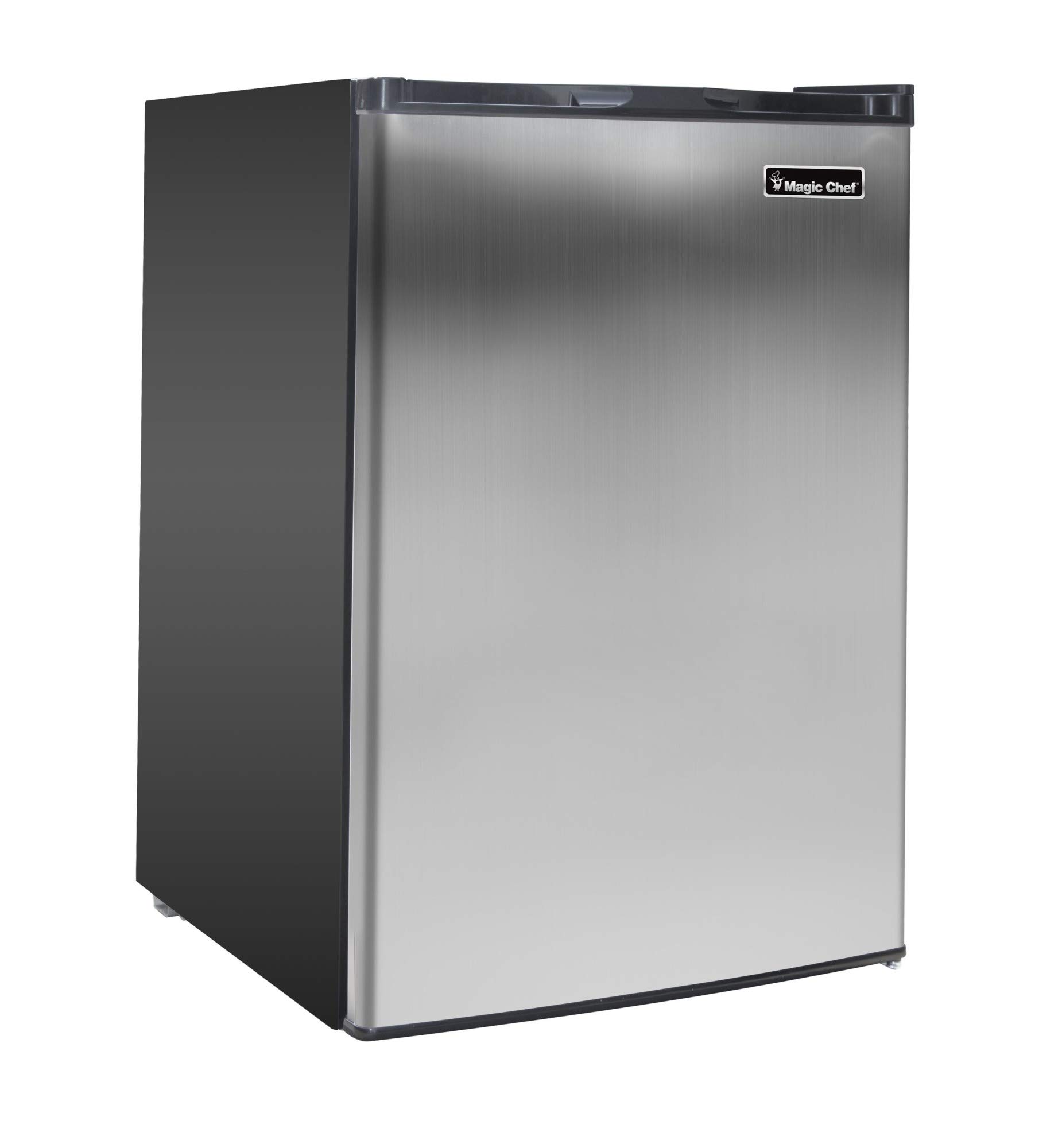
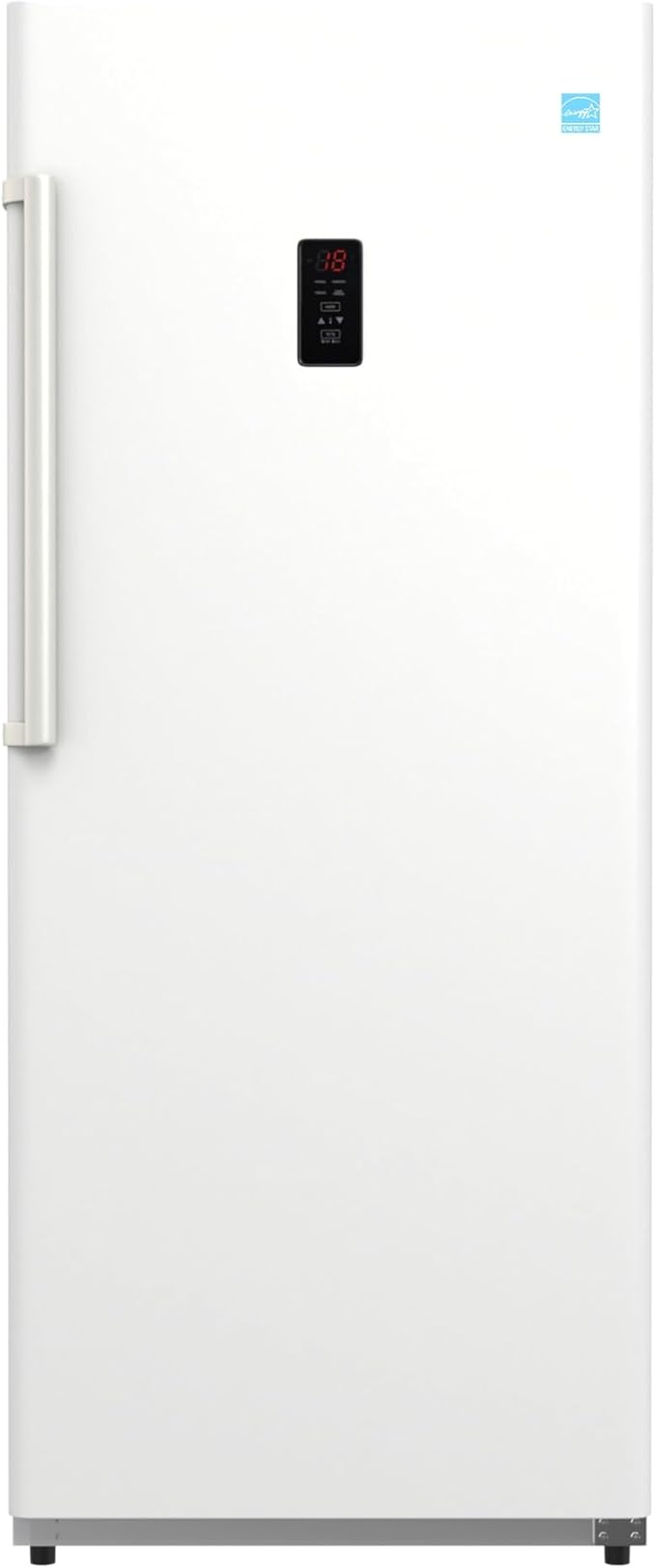
Monitor Temperature Settings: Keep the freezer set at the manufacturer's recommended temperature, usually around 0°F (-18°C).
A minimum clearance of 2-3 inches on the sides and back is recommended.
By opting for an Energy Star-rated compact freezer, you can save up to 100 kWh per year compared to non-rated models.
Reduced Energy Consumption: Low energy compact freezers are specifically engineered to use less electricity, making them an ideal choice for energy-conscious households.
For those living in low energy houses, selecting the right freezer can make a significant difference in energy consumption and efficiency. Compact freezers are particularly beneficial due to their smaller size and lower energy requirements. They fit well in various spaces, such as apartments, condos, and tiny homes, providing a practical solution for food storage without compromising on energy efficiency.
Compact freezers are designed to meet the needs of individuals or small families who require additional freezer space but do not have room for a full-sized unit. They are perfect for storing extra frozen foods, bulk purchases, or seasonal items, complementing the primary refrigerator. When choosing a compact freezer, it's essential to consider energy-efficient models to align with the goals of a low energy house.
Benefits of Choosing a Low Energy Compact Freezer
Opting for a low energy compact freezer offers several advantages, both in terms of cost savings and environmental impact. These freezers are designed to consume less electricity, which can result in lower utility bills and reduced carbon footprint. Here are some benefits of choosing a low energy compact freezer:
Reduced Energy Consumption: Low energy compact freezers are specifically engineered to use less electricity, making them an ideal choice for energy-conscious households.
Cost Savings: Lower energy consumption translates to reduced electricity bills, providing long-term cost savings.
Environmental Impact: By using less energy, these freezers help decrease greenhouse gas emissions, contributing to a greener environment.
Efficient Storage: Despite their compact size, these freezers offer efficient storage solutions, maximizing space while maintaining energy efficiency.
Versatility: Compact freezers can be placed in various locations, including kitchens, basements, garages, and even outdoor areas, providing flexible storage options.
Choosing the best compact freezer for a low energy house involves understanding the specific requirements of your living space and selecting a model that meets those needs while prioritizing energy efficiency. Consider factors such as size, capacity, and additional features to ensure you make an informed decision. For more information on related topics, you can explore Fridge.com articles on the best fridge for stir-up sunday and how long can quinoa last in the fridge?.
By understanding the importance of compact freezers and the benefits they offer, you can make a well-informed choice that not only meets your storage needs but also aligns with your commitment to energy efficiency.
When searching for the best compact freezer for a low energy house, understanding energy efficiency is key. Two critical factors to consider are Energy Star ratings and the insulation and temperature control features of the freezer.
Energy Star Ratings
Energy Star ratings are a reliable indicator of a freezer's energy efficiency. Appliances with this certification meet strict energy performance standards set by the U.S. Environmental Protection Agency (EPA). Choosing a freezer with an Energy Star rating can significantly reduce your electricity consumption and lower your utility bills.
Here's a quick comparison of the energy consumption for different types of freezers with and without Energy Star ratings:
Freezer Type
Energy Star Rated (kWh/year)
Non-Energy Star Rated (kWh/year)
Compact Freezer
300
400
Upright Freezer
350
450
Chest Freezer
250
350
By opting for an Energy Star-rated compact freezer, you can save up to 100 kWh per year compared to non-rated models. This makes a significant difference in a low energy house, where every watt counts.
Insulation and Temperature Control
Insulation and temperature control are essential features that contribute to a freezer's energy efficiency. A well-insulated freezer maintains a consistent internal temperature, reducing the need for the compressor to work harder and use more energy.
When evaluating insulation and temperature control, consider the following aspects:
Insulation Quality: Look for freezers with thick walls and high-quality insulation materials. Better insulation minimizes temperature fluctuations and retains cold air more effectively.
Temperature Control: Freezers with precise temperature control mechanisms allow you to set and maintain the desired temperature with minimal variation. Some models come with digital thermostats and temperature alarms to alert you if the internal temperature deviates from the set range.
Defrost Mechanism: Automatic defrost features can prevent ice buildup, ensuring the freezer operates efficiently. Manual defrost models, while less convenient, can be more energy-efficient if defrosted regularly.
To better understand how insulation and temperature control impact energy consumption, refer to the table below:
Opt for digital thermostats and temperature alarms
Automatic Defrost
Prevents ice buildup, maintaining efficiency
Choose models with automatic or regular manual defrost
By prioritizing Energy Star ratings and evaluating insulation and temperature control features, you can select the best compact freezer for your low energy house. For additional tips on maintaining energy efficiency, check out Fridge.com article on best fridge for national fruit at work day.
Size and Capacity
Selecting the right size and capacity for your compact freezer can significantly impact efficiency and practicality. This section delves into the considerations needed to make an informed decision.
Determining the Right Size for Your Space
When choosing the best compact freezer for a low energy house, it is crucial to consider the available space. Measure the area where you intend to place the freezer and ensure there is adequate ventilation around it. Proper ventilation helps in maintaining energy efficiency and prolonging the lifespan of the appliance.
Balancing capacity and energy efficiency is essential. A freezer that is too large for your needs will consume more energy than necessary, while a freezer that is too small may not provide adequate storage. Consider how much food you typically store and choose a freezer that meets those needs without excess space.
Number of People
Recommended Capacity
1 - 2
3 - 5 cu ft
3 - 4
6 - 8 cu ft
5+
9 - 10 cu ft
While larger freezers offer more storage, they also consume more power. Look for models with high Energy Star Ratings to ensure optimal energy efficiency. For more on balancing capacity with energy needs, see Fridge.com guide on best fridge for national sugar cookie day.
When selecting the best compact freezer for a low energy house, certain features can enhance both the functionality and energy efficiency of your appliance. Here are key features to consider:
Adjustable Shelves and Storage Options
Adjustable shelves and versatile storage options are essential for maximizing the use of your compact freezer. These features allow you to customize the interior layout to accommodate different sizes and shapes of food items. Removable or adjustable shelves can make it easier to organize your freezer and access items without having to dig through layers of frozen goods.
Feature
Description
Adjustable Shelves
Allows customization of space for different items.
Removable Baskets
Provides flexibility and easy access to frequently used items.
Door Storage
Additional compartments for smaller items, maximizing overall storage.
Temperature Control and Alerts
Temperature control is crucial for maintaining the optimal freezing conditions and ensuring energy efficiency. Look for freezers that offer precise temperature settings and digital temperature displays to help you monitor and adjust the internal environment as needed.
Temperature alerts are another valuable feature. These alerts notify you if the temperature inside the freezer rises above or falls below the desired range, helping to prevent food spoilage and energy waste.
Feature
Description
Digital Temperature Control
Ensures precise temperature settings.
Temperature Display
Allows easy monitoring of internal conditions.
Temperature Alerts
Notifies you of any deviations from the set temperature.
For more information on maintaining optimal temperatures and other freezer-related tips, check out Fridge.com article on how long can you defrost meat in the fridge?.
By focusing on these essential features, you can choose a compact freezer that not only meets your storage needs but also aligns with the energy efficiency goals of your low energy house. For more tips on optimizing freezer usage, explore Fridge.com guide on how long is marinated chicken good for in the fridge?.
Proper placement and regular maintenance of your compact freezer are essential for optimizing its energy efficiency and performance. Here are some key considerations to keep in mind.
Ideal Placement for Energy Efficiency
The placement of your compact freezer significantly affects its energy consumption. Here are some tips for ideal placement:
Avoid Direct Sunlight: Place your freezer away from windows and direct sunlight. Excessive heat from the sun can make the compressor work harder, increasing energy usage.
Keep Away from Heat Sources: Do not place your freezer near ovens, stoves, or other heat-emitting appliances. High ambient temperatures can hinder the freezer's efficiency.
Allow Adequate Ventilation: Ensure there is enough space around the freezer for air circulation. This helps dissipate heat generated by the compressor. A minimum clearance of 2-3 inches on the sides and back is recommended.
Level Surface: Place the freezer on a level surface to ensure the door seals properly. An uneven surface can cause the door to remain slightly open, leading to increased energy consumption.
Routine Maintenance to Optimize Performance
Regular maintenance is crucial for keeping your compact freezer running efficiently. Here are some maintenance tips:
Clean the Condenser Coils: Dust and debris on the condenser coils can reduce the freezer's efficiency. Clean the coils every six months using a vacuum or a brush.
Check the Door Seals: Inspect the door seals regularly to ensure they are not cracked or damaged. A loose or damaged seal can cause cold air to escape, forcing the freezer to work harder.
Defrost the Freezer: If your freezer is not frost-free, manually defrost it when the ice buildup exceeds 1/4 inch. Excessive frost reduces the freezer's efficiency.
Monitor Temperature Settings: Keep the freezer set at the manufacturer's recommended temperature, usually around 0°F (-18°C). Avoid setting it too cold, as this increases energy consumption.
Organize Contents Efficiently: Keep the freezer organized to allow proper air circulation inside. Avoid overloading it, as this can strain the compressor.
Maintenance Task
Frequency
Tools Needed
Clean Condenser Coils
Every 6 months
Vacuum, Brush
Check Door Seals
Monthly
Visual Inspection
Defrost Freezer
As needed
Towel, Container
Monitor Temperature
Regularly
Thermometer
Organize Contents
Ongoing
None
For more tips on maintaining your freezer and other appliances, check out Fridge.com articles on best fridge for national papaya month and how long can quinoa last in the fridge?.
By following these placement and maintenance guidelines, you can ensure your compact freezer operates efficiently, saving energy and reducing your utility bills in your low energy house.
Compare freezer prices on Fridge.com
Compare current prices and specifications on Fridge.com, then buy from the retailer you choose; delivery, installation and warranty terms are the retailer’s.
It also has tons of awesome articles about kitchen stuff and home news. Enhance your home, garage, backyard, patio, and office with the coolest essentials. With every necessary type of residential refrigerator or freezer in the collection, you're covered.
From Fridge.com research
Figures below come from data Fridge.com builds and maintains. Each links to the record behind it.
Fridge.com Energy Index, built on U.S. EPA and DOE ENERGY STAR records
Across 5,455 ENERGY STAR certified refrigerators and freezers from 263 brands, median use is 360 kWh per year.