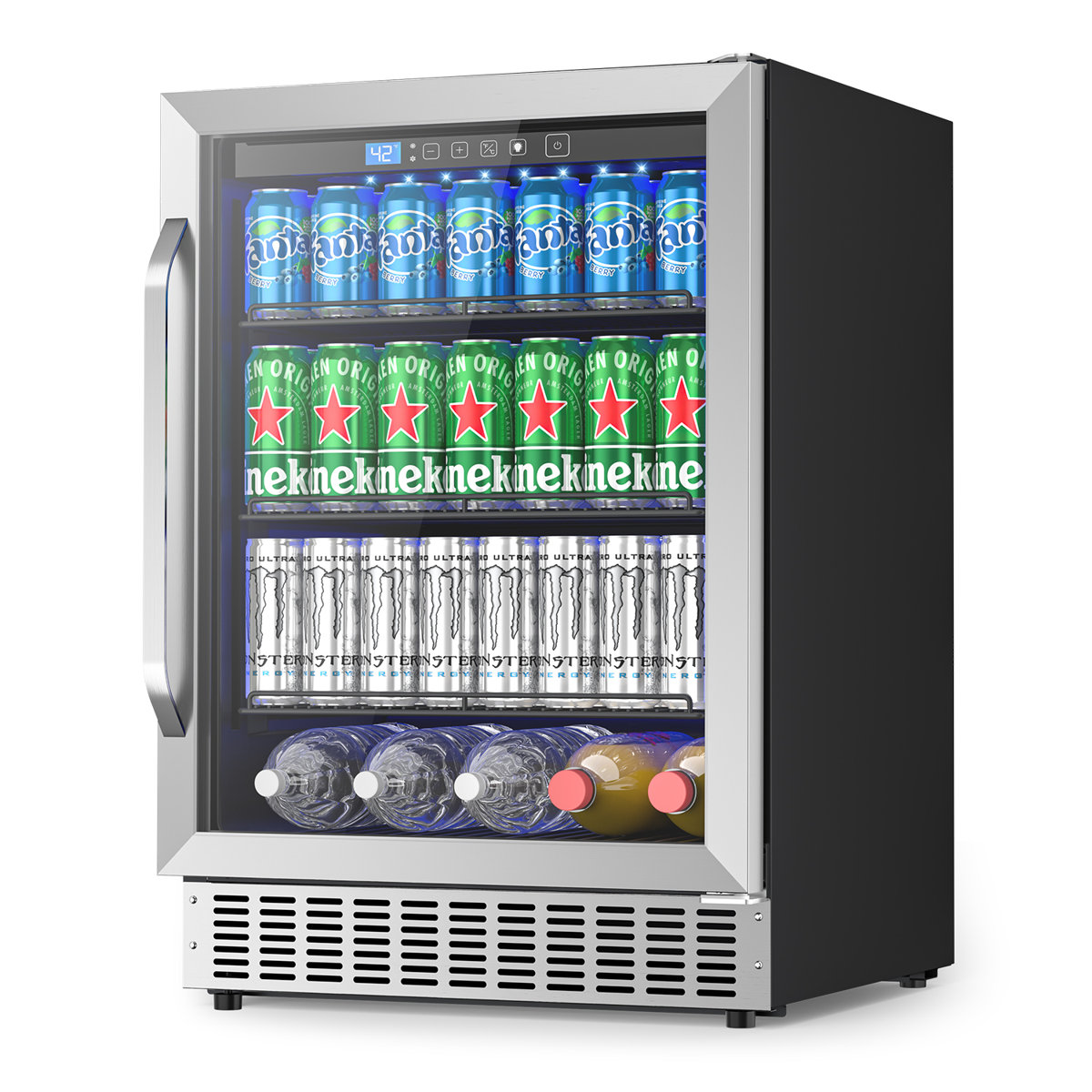
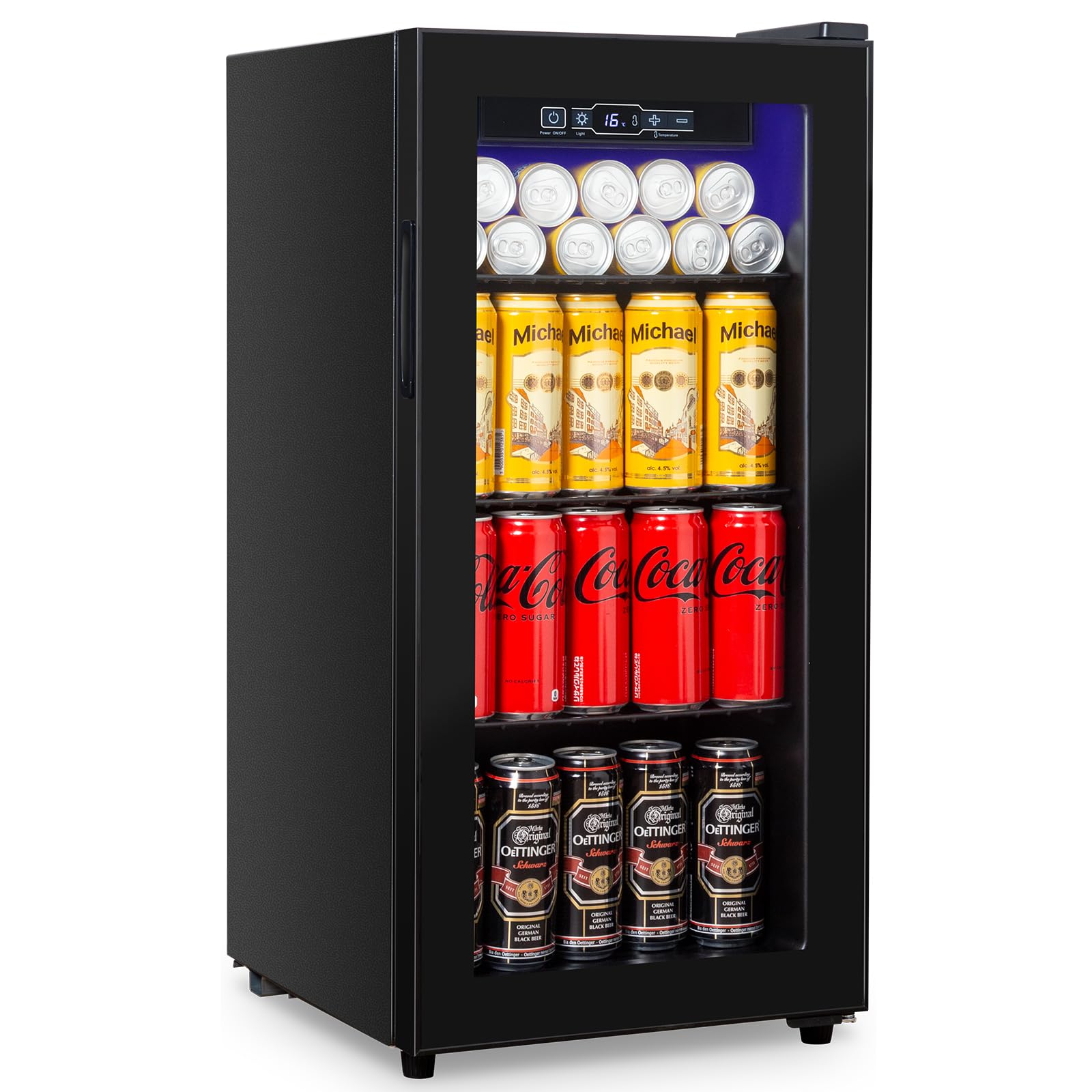
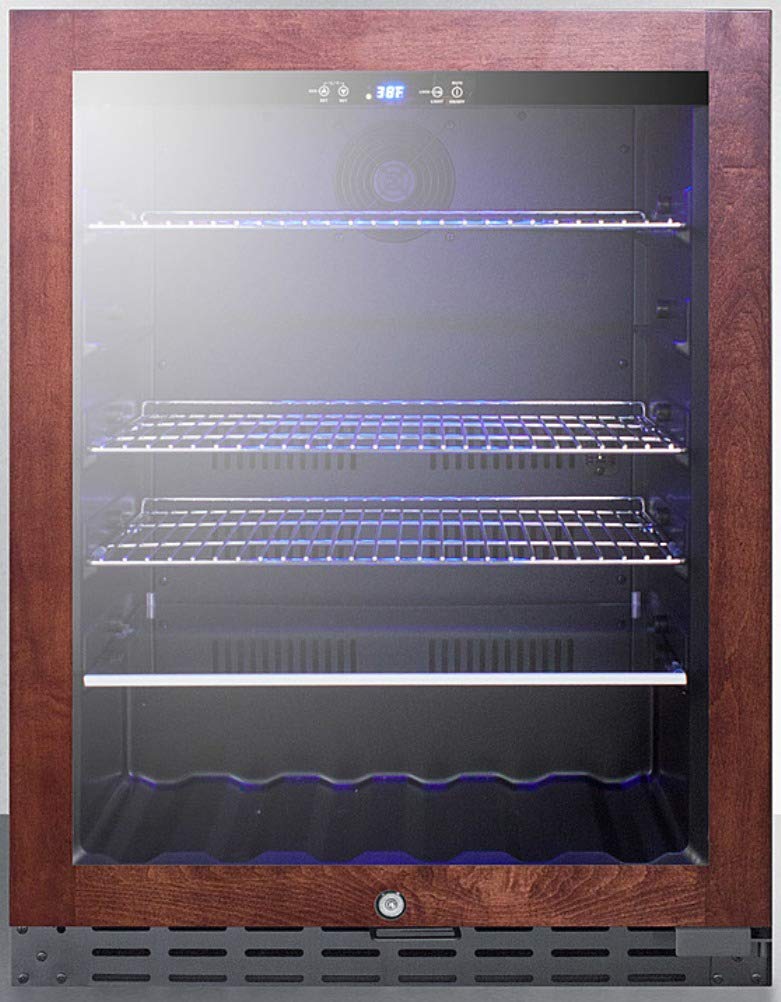
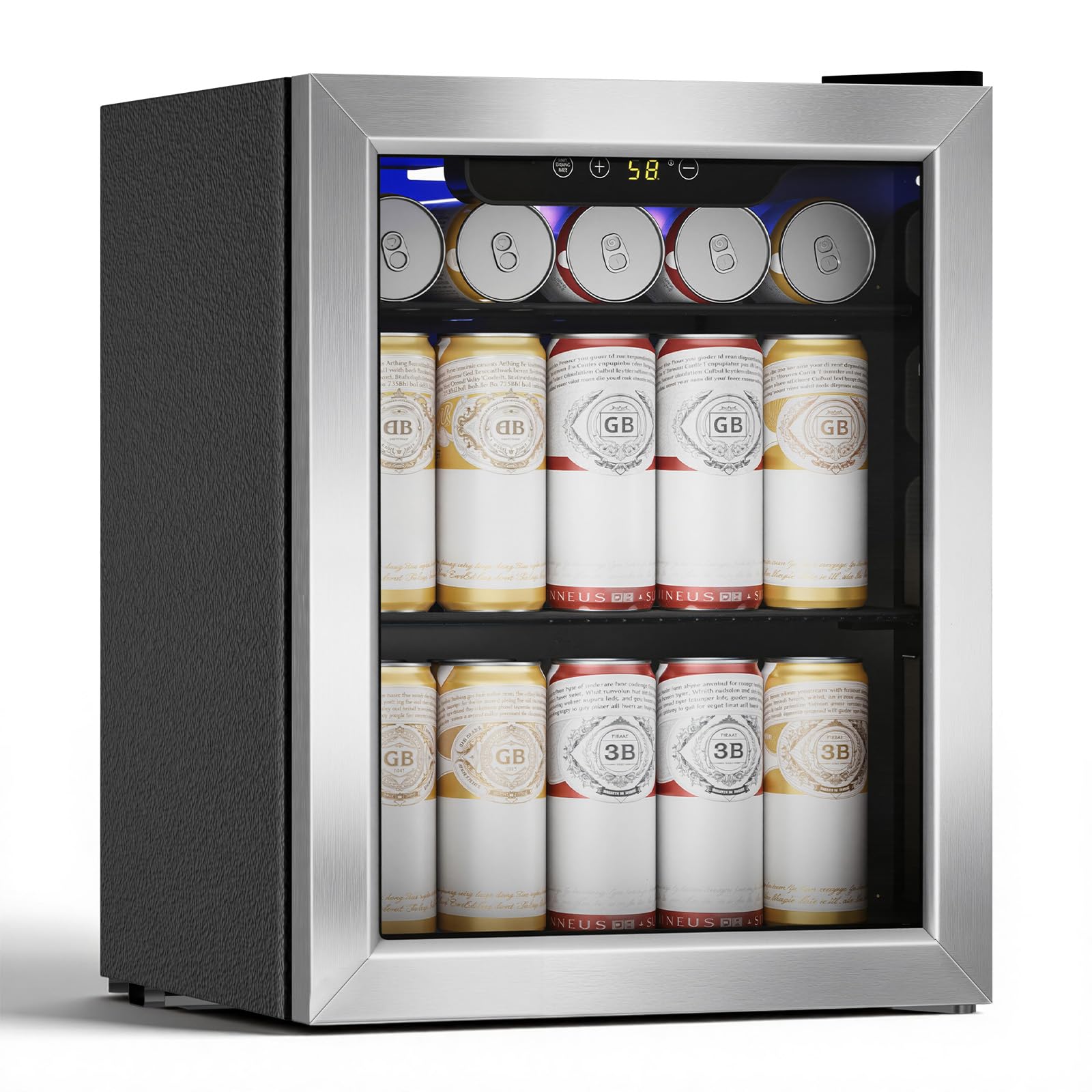
When it comes to selecting the best built-in beverage center, there are several important factors you should consider to ensure you make the right choice for your needs.
Capacity: Typically holds between 50-150 cans.
Capacity: Typically holds 50-150 cans in one zone and 20-50 wine bottles in the other.
They help keep your favorite drinks at the perfect temperature, ensuring that they are always ready to serve.
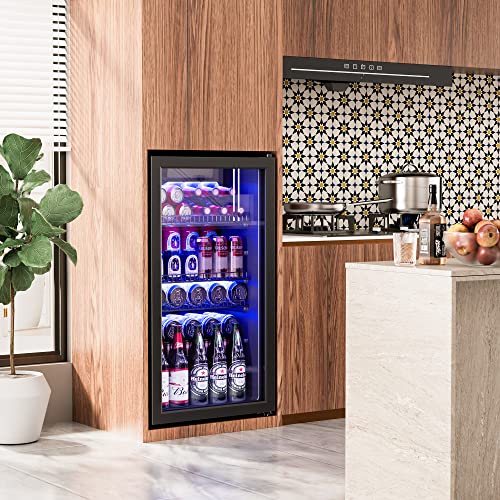
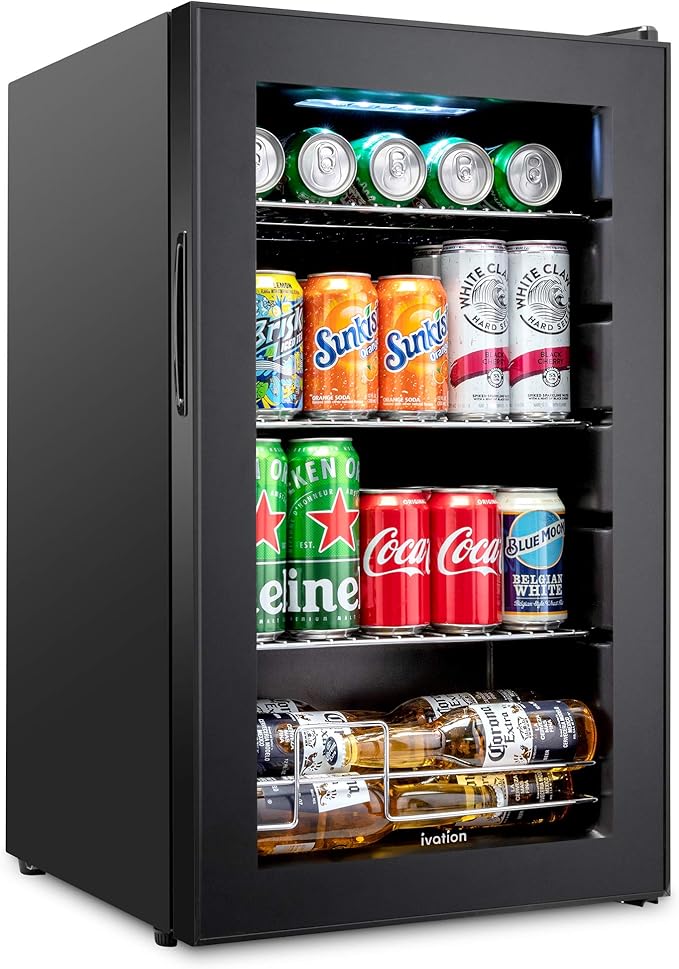
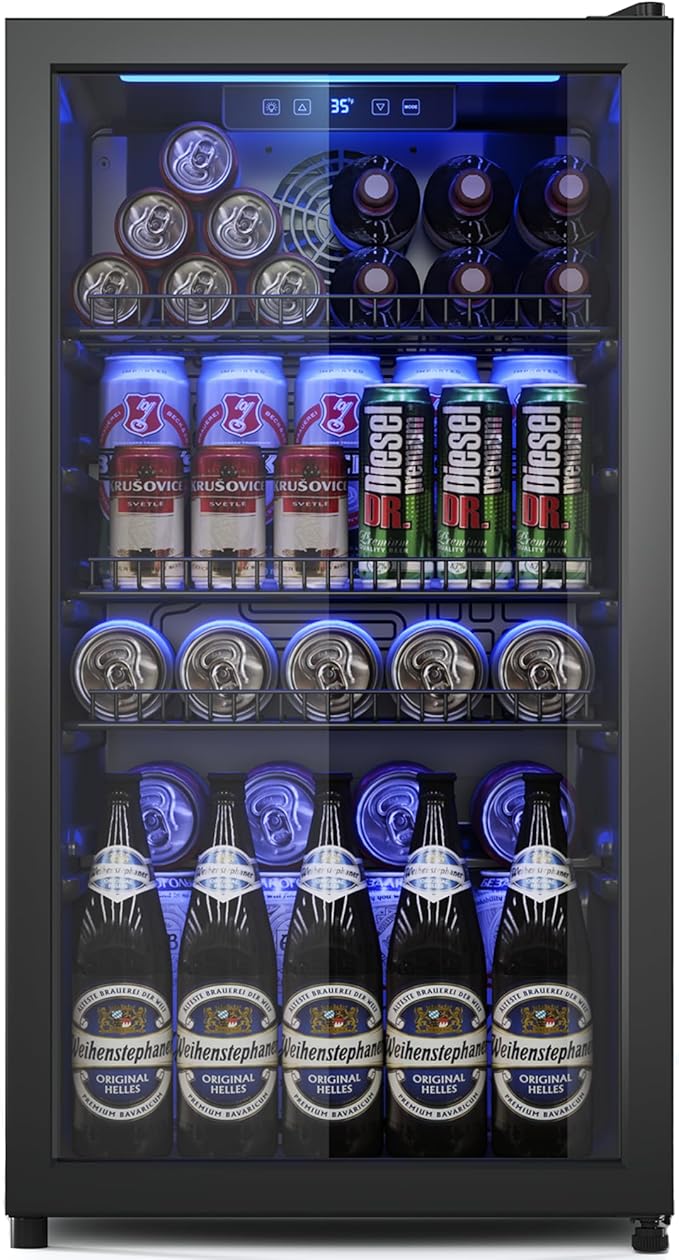
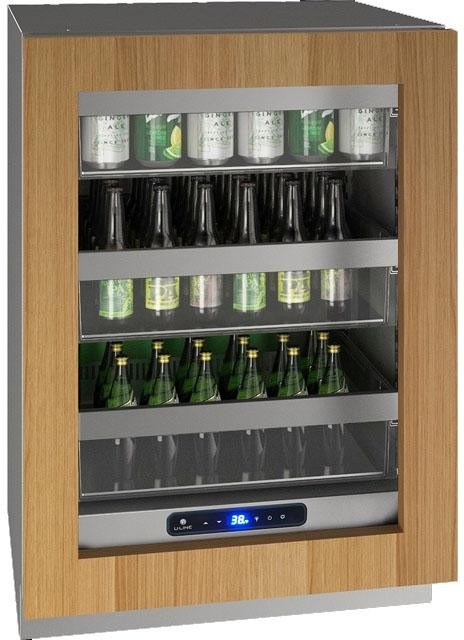
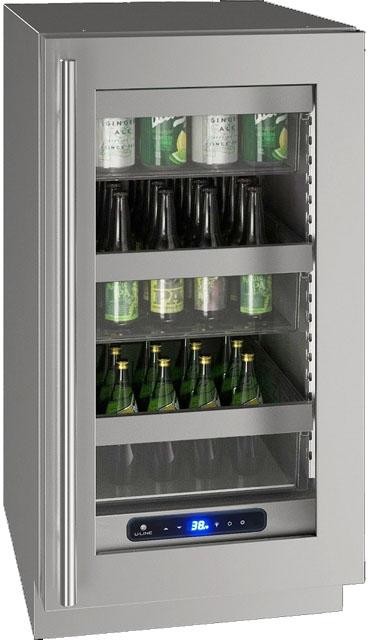
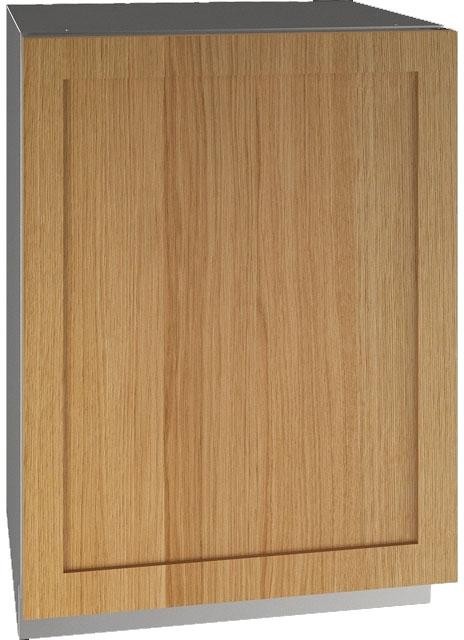
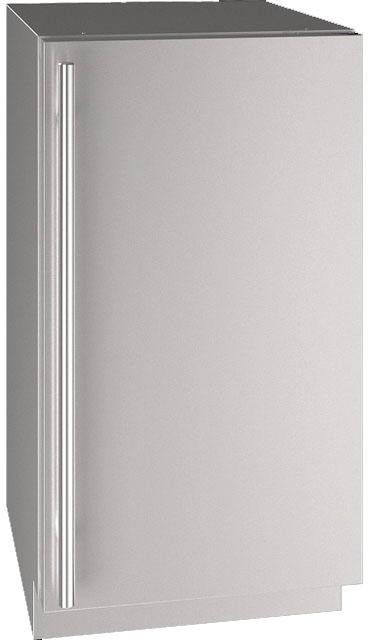
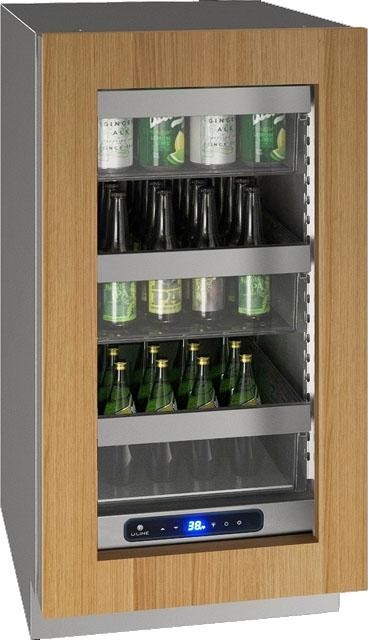
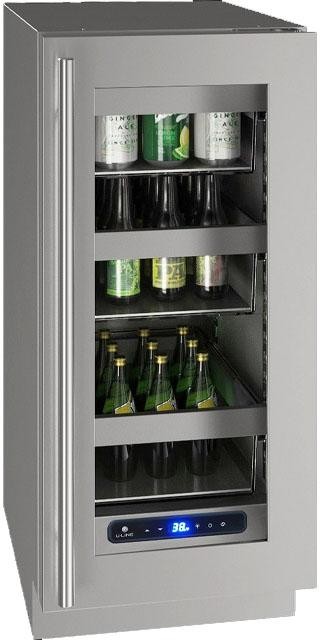
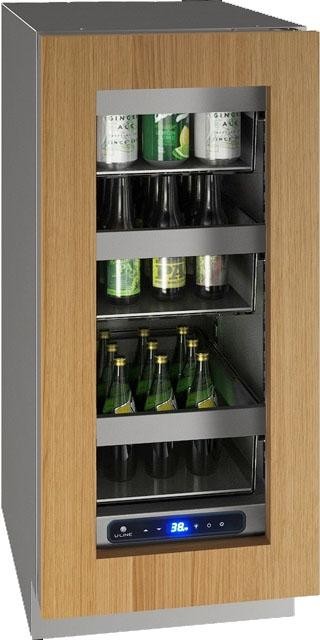
A built-in beverage center is a specialized appliance designed to store and cool beverages. Unlike traditional refrigerators, these centers are specifically made to fit seamlessly into cabinetry, providing a sleek and integrated look. They come in various sizes and configurations to accommodate different types of drinks, from sodas and beers to wines and spirits.
Built-in beverage centers are popular in homes, offices, and entertainment spaces. They help keep your favorite drinks at the perfect temperature, ensuring that they are always ready to serve. By incorporating one into your space, you can enjoy the convenience and efficiency of having a dedicated cooling solution for your beverages.
Benefits of Having a Built-in Beverage Center
Owning a built-in beverage center offers numerous advantages. Here are some key benefits:
Space-Saving Design: Built-in beverage centers are designed to fit seamlessly into your cabinetry, maximizing your available space. This is especially useful in kitchens, home bars, and entertainment areas where space might be limited.
Convenient Access: Having a dedicated beverage center means that your drinks are always within easy reach. No more rummaging through your main refrigerator to find your favorite drink.
Temperature Control: Most built-in beverage centers come with adjustable temperature settings, allowing you to store different types of beverages at their optimal temperatures. For example, you can keep your wines at a different temperature than your sodas.
Enhanced Aesthetics: With their sleek and integrated design, built-in beverage centers can enhance the look and feel of your space. They provide a modern and stylish way to store and display your beverages.
Energy Efficiency: Many built-in beverage centers are designed to be energy-efficient, helping you save on electricity bills while keeping your drinks cool. Look for models with Energy Star ratings for the best performance.
Versatility: Built-in beverage centers can be used in various settings, from kitchens and home bars to offices and entertainment areas. They are also a great addition to basements, garages, and outdoor kitchens.
By considering these benefits, you can determine if a built-in beverage center is the right addition to your space. Whether you are a homeowner, a foodie, or someone who loves to entertain, a beverage center can enhance your lifestyle by providing a convenient and efficient way to store and enjoy your favorite drinks.
When it comes to selecting the best built-in beverage center, there are several important factors you should consider to ensure you make the right choice for your needs.
Size and Capacity
The size and capacity of your beverage center are critical factors to consider. You'll want to ensure it fits seamlessly into your designated space and meets your storage needs.
Capacity (Bottles)
Ideal For
Up to 30
Small households, personal use
30-50
Medium households, small gatherings
50+
Large households, frequent entertaining
Consider how many beverages you typically store and the types of bottles or cans you prefer. A larger capacity may be necessary for those who frequently entertain or have a diverse collection of beverages.
Installation Requirements
Understanding the installation requirements is crucial for a smooth setup process. Built-in beverage centers often have specific requirements regarding ventilation and placement.
Ventilation: Ensure proper ventilation to prevent overheating. Built-in models typically vent through the front, allowing for seamless integration.
Space: Measure your space accurately. Leave some room for airflow and access to the back for maintenance.
Power Source: Verify the location of electrical outlets. Some models may require a dedicated circuit.
Refer to Fridge.com article on best built in ice maker for more insights on installation practices.
Energy Efficiency
Energy efficiency is an important consideration, as it can impact your utility bills and environmental footprint. Look for beverage centers with energy-efficient features.
Energy Star Rating: Models with this rating meet strict energy efficiency guidelines.
LED Lighting: Consumes less energy compared to traditional lighting.
Thermostatic Controls: Maintain consistent temperatures with minimal energy use.
Feature
Benefit
LED Lighting
Reduced energy consumption
Thermostatic Controls
Consistent temperature, energy savings
For more information on energy-efficient appliances, check out Fridge.com article on the best smart fridge.
By considering these factors, you can choose the best built-in beverage center for your needs, ensuring it fits your space, meets your storage requirements, and operates efficiently. For more tips on selecting the right appliance, explore Fridge.com comprehensive guides on best freestanding wine refrigerator and best wine and beer fridge.
Types of Built-in Beverage Centers
When choosing the best built-in beverage center for your home, it's crucial to understand the different types available. Whether you're a homeowner, foodie, or someone who loves to entertain, there's a beverage center tailored to your needs. Here, Fridge.com explores three primary types: undercounter beverage centers, freestanding beverage centers, and dual-zone beverage centers.
Undercounter Beverage Centers
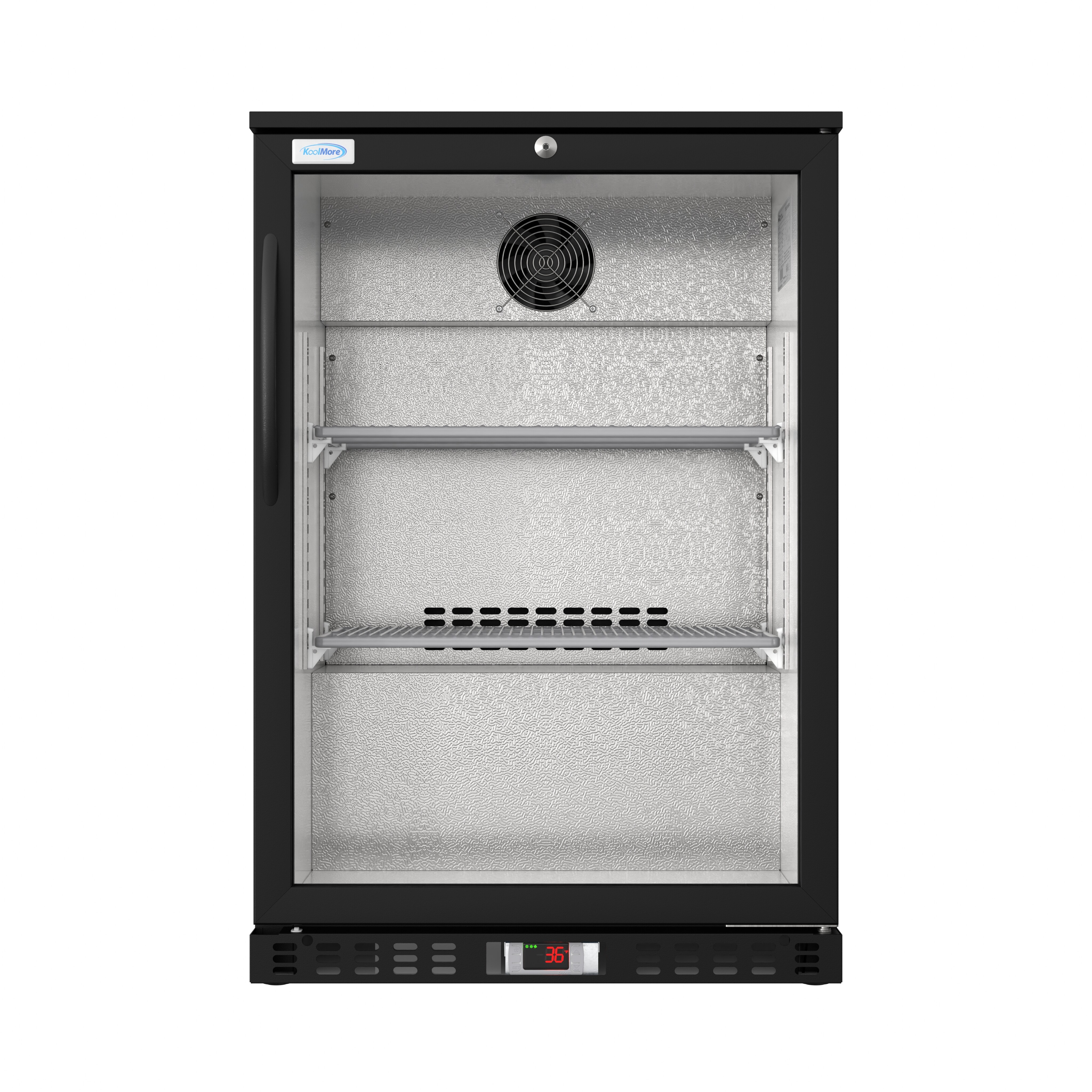
Undercounter beverage centers are designed to fit seamlessly under your kitchen or bar counter. These units are perfect for saving space while keeping your drinks within easy reach. They are typically installed flush with your cabinetry for a built-in look.
Key Features:
Space-saving design: Fits under standard countertops.
Capacity: Typically holds between 50-150 cans.
Installation: Requires proper ventilation and may need professional installation.
Feature
Detail
Capacity (cans)
50-150
Installation
Built-in, requires ventilation
Dimensions (inches)
Varies based on model
For more information on integrating undercounter units, check out Fridge.com guide on best freestanding wine refrigerator.
Freestanding Beverage Centers
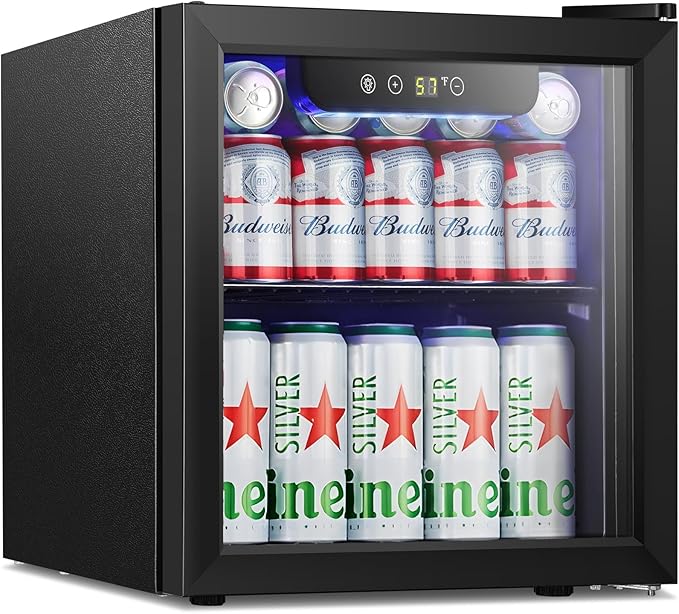
Freestanding beverage centers offer flexibility in placement, making them ideal for various settings such as your garage, basement, or office. These units can stand alone and do not require built-in installation, making them easier to relocate if needed.
Key Features:
Versatility: Can be placed anywhere with a power outlet.
Capacity: Generally holds 100-200 cans.
Installation: No built-in requirements, but adequate ventilation is needed.
Feature
Detail
Capacity (cans)
100-200
Installation
Freestanding, needs ventilation
Dimensions (inches)
Varies based on model
Explore more about freestanding options in Fridge.com article on the best garage freezer.
Dual-Zone Beverage Centers
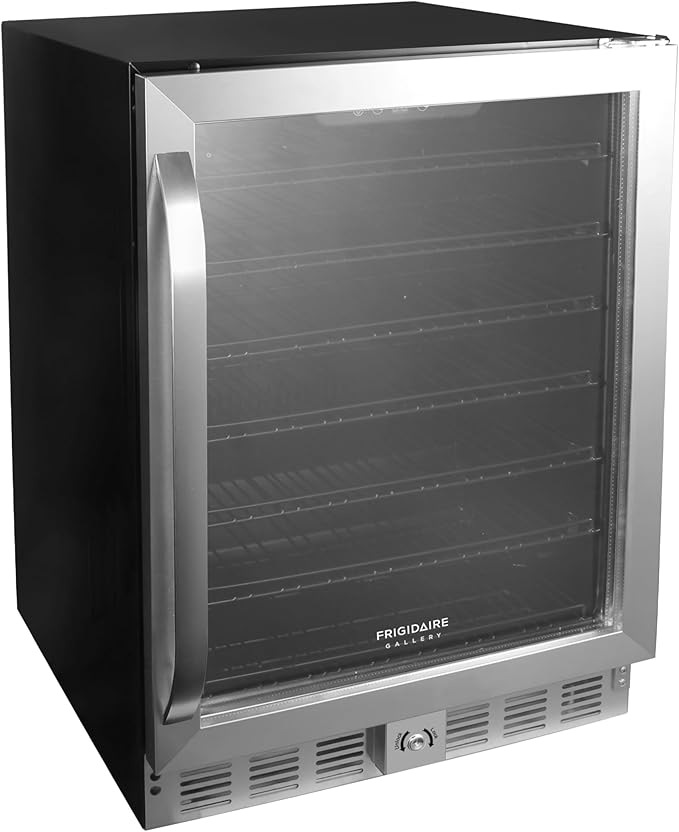
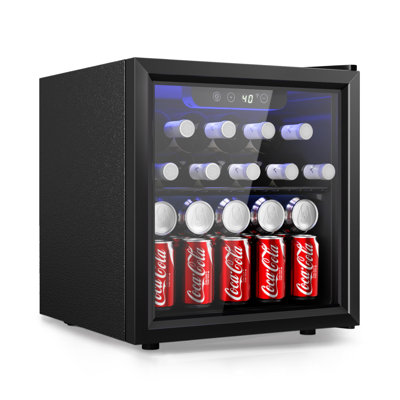
Dual-zone beverage centers are perfect for those who need to store different types of beverages at their ideal temperatures. These units have two separate temperature zones, allowing you to keep your wine and beer at their respective optimal temperatures.
Key Features:
Dual temperature zones: Separate zones for different types of beverages.
Capacity: Typically holds 50-150 cans in one zone and 20-50 wine bottles in the other.
Installation: Available in both built-in and freestanding models.
Feature
Detail
Capacity (cans & bottles)
50-150 cans, 20-50 bottles
Installation
Built-in or freestanding
Dimensions (inches)
Varies based on model
For more insights on dual-zone units, you might find Fridge.com article on the best wine and beer fridge useful.
Understanding the types of built-in beverage centers available will help you make an informed decision. Whether you need an undercounter, freestanding, or dual-zone unit, there's a perfect option to suit your lifestyle and space requirements.
When selecting the best built-in beverage center, consider its design and features to ensure it meets your needs and fits seamlessly into your space.
Interior Layout and Shelving
The interior layout and shelving of a beverage center significantly impact its storage capacity and convenience. Look for adjustable shelves that allow you to customize the interior according to the size and type of beverages you store. Some units offer specialized racks for wine bottles, cans, or even taller items like water bottles.
Feature
Description
Adjustable Shelves
Allows for customization of storage space
Wine Racks
Designed specifically for storing wine bottles securely
Can Holders
Specialized shelves for storing standard-sized cans
Tall Bottle Storage
Space for storing larger bottles such as water or soda
Temperature Control Options
Temperature control is crucial for maintaining your beverages at the ideal serving temperature. Beverage centers often come with various temperature control options, allowing you to set the unit to the desired temperature for different types of drinks.
Temperature Control
Range
Basic Control
Manual knob with limited settings
Digital Control
Precise digital settings, often with a display
Dual-Zone Control
Separate temperature zones for different types of beverages
Dual-zone beverage centers are particularly beneficial if you store a mix of beverages that require different temperatures, such as wine and beer. For more information on storing various beverages, check out Fridge.com article on the best wine and beer fridge.
Additional Features to Look For
Modern beverage centers come with a variety of additional features that enhance their functionality and user experience. Here are some key features to consider:
LED Lighting: Provides clear visibility of the interior without generating heat.
Locking Door: Ensures the safety and security of your beverages.
Reversible Door: Offers flexibility in installation, allowing the door to open from either side.
UV Protection: Some units have UV-protected glass doors to protect your beverages from harmful light.
These features can make a significant difference in the convenience and efficiency of your beverage center. For more details on different types of refrigerators and their features, you might find Fridge.com articles on the best freestanding wine refrigerator and best garage ready refrigerator helpful.
Incorporating these considerations will help you choose the best built-in beverage center that fits your needs and enhances your space.
Choosing the best built-in beverage center involves understanding how it will fit into your space. The integration of your beverage center can have a significant impact on its functionality and aesthetics.
Built-in Vs. Freestanding Options
When selecting a beverage center, you have two primary options: built-in and freestanding. Each type has its advantages and considerations.
Built-In Beverage Centers
Built-in beverage centers are designed to fit seamlessly into your cabinetry. These units are typically more compact and provide a sleek, integrated look. They are perfect for kitchens, basements, and home bars where space efficiency and aesthetics are a priority.
Advantages:
Seamless integration with existing cabinetry
Space-saving design
Enhanced aesthetic appeal
Considerations:
Requires precise measurements for proper fit
Professional installation may be necessary
Limited flexibility in placement
Freestanding Beverage Centers
Freestanding beverage centers offer more flexibility in terms of placement. These units can be placed anywhere there is a power outlet, making them ideal for garages, offices, and other versatile spaces.
Advantages:
Flexible placement options
Easier to move and reposition
Generally less expensive than built-in options
Considerations:
May require additional space
Less integrated appearance
Potential for temperature variations
Placement Considerations in Different Settings
The placement of your beverage center can vary based on the setting. Here are some considerations for different environments:
Kitchen
In the kitchen, a built-in beverage center can be installed under the counter or within cabinetry. Ensure it is easily accessible but does not obstruct foot traffic or workflow. Consider placing it near the dining area or the kitchen island for convenient access during meal prep and entertaining.
Home Bar
A home bar is an ideal location for a built-in beverage center. It can be integrated into the bar cabinetry, providing easy access to drinks while entertaining guests. Ensure that the placement allows for easy reach and complements the overall bar design.
Garage
For a garage, a freestanding beverage center is often the best choice. It provides flexibility in placement and can be moved if needed. Ensure that the unit is placed away from direct sunlight and extreme temperature fluctuations to maintain optimal performance. For more options, check out Fridge.com article on the best beer fridge for garage.
Office
In an office setting, a freestanding beverage center can be placed in a break room or kitchenette. Ensure it is easily accessible to employees but does not take up too much space. Consider models with a lock feature to secure beverages. For additional office solutions, visit Fridge.com guide on the best office freezer.
Outdoor Spaces
For outdoor settings like patios or decks, a built-in beverage center designed for outdoor use can be a great addition. Ensure it is weather-resistant and placed in a shaded area to avoid direct sunlight. Discover more about outdoor options in Fridge.com article on the best outdoor freezer.
Setting
Recommended Type
Considerations
Kitchen
Built-In
Near dining area or kitchen island
Home Bar
Built-In
Integrated into bar cabinetry
Garage
Freestanding
Away from sunlight and temperature extremes
Office
Freestanding
In break room or kitchenette
Outdoor Spaces
Built-In (Outdoor)
Weather-resistant, placed in shaded area
Understanding the differences between built-in and freestanding beverage centers and considering the placement in various settings will help you choose the best built-in beverage center for your needs. For more information on related products, check out Fridge.com articles on the best beverage cooler and best kegerator.
Maintenance and Cleaning Tips
Proper upkeep of your built-in beverage center ensures its longevity and efficiency. Here are essential tips for maintaining and cleaning your unit.
Regular Cleaning and Maintenance
Regular cleaning keeps your beverage center in optimal condition. Follow these steps for effective cleaning:
Unplug the Unit: Always disconnect the power before cleaning.
Remove All Contents: Take out all beverages and shelves.
Clean the Interior: Use a mixture of mild soap and warm water. Avoid abrasive cleaners.
Wipe Down Shelves and Racks: Clean these separately with the same soap solution.
Clean the Exterior: Wipe the exterior with a damp cloth, paying special attention to the door seals.
A table summarizing the cleaning steps:
Cleaning Task
Frequency
Interior cleaning
Monthly
Exterior cleaning
Weekly
Shelf and rack cleaning
Monthly
Door seal inspection
Monthly
For more detailed cleaning instructions, visit Fridge.com guide on the best beverage cooler.
Troubleshooting Common Issues
Even the best built-in beverage center may encounter issues. Here are common problems and their solutions:
Temperature Fluctuations: Ensure the thermostat is set correctly and the door seals are intact.
Excessive Noise: Check for any loose components or uneven placement.
Condensation Inside the Unit: Inspect door seals and ensure the unit is not overfilled.
Unit Not Cooling Properly: Clean the condenser coils and verify the unit has proper ventilation.
A troubleshooting table for quick reference:
Issue
Potential Cause
Solution
Temperature fluctuations
Thermostat setting, door seal
Adjust thermostat, check seals
Excessive noise
Loose parts, uneven placement
Tighten parts, level unit
Condensation
Faulty door seal, overfilling
Inspect seals, reduce contents
Not cooling
Dirty condenser coils, poor ventilation
Clean coils, ensure ventilation
For more tips on troubleshooting, check out Fridge.com article on the best smart fridge.
Regular maintenance and prompt troubleshooting can extend the life of your built-in beverage center, ensuring it remains the centerpiece of your entertaining space.
When selecting the best built-in beverage center, cost is a crucial factor to keep in mind. Understanding the price range and long-term value can help you make an informed decision.
Budget-Friendly Options
If you're looking for budget-friendly options, there are several built-in beverage centers available that offer essential features without breaking the bank. These models typically provide adequate storage space, basic temperature control, and a sleek design to fit seamlessly into your home or office.
Feature
Budget-Friendly Options
Average Cost
$300 - $600
Storage Capacity
50 - 100 cans
Temperature Range
34°F - 50°F
Key Features
Basic temperature control, standard shelving, LED lighting
Budget-friendly models are ideal for those who want a functional beverage center without additional bells and whistles. For more information on budget options, you might also consider looking into the best freestanding frost-free fridge freezer and best beverage cooler.
Long-Term Value and Investment
Investing in a higher-end built-in beverage center can offer long-term benefits such as advanced features, better energy efficiency, and greater storage capacity. These models often come with dual-zone temperature control, flexible shelving, and enhanced insulation to keep beverages at optimal temperatures.
Feature
High-End Options
Average Cost
$700 - $1500+
Storage Capacity
100 - 200+ cans
Temperature Range
32°F - 64°F
Key Features
Dual-zone control, energy efficiency, advanced shelving, smart features
High-end models provide long-term value by offering advanced features that enhance convenience and performance. These models are perfect for individuals who want a reliable and efficient beverage center that integrates seamlessly into their living space. If you're considering high-end options, you might also want to explore the best smart fridge for additional features and connectivity.
When weighing cost considerations, it's essential to balance initial expenditure with long-term benefits. Investing in a quality built-in beverage center can save you money in the long run by offering better energy efficiency and durability. For those looking to maximize their investment, exploring options like the best wine and beer fridge and best built-in ice maker can provide valuable insights into finding the perfect match for your needs.
Compare prices on Fridge.com
Compare current prices and specifications on Fridge.com, then buy from the retailer you choose; delivery, installation and warranty terms are the retailer’s.
It also has tons of awesome articles about kitchen stuff and home news. Enhance your home, garage, backyard, patio, and office with the coolest essentials. With every necessary type of residential refrigerator or freezer in the collection, you're covered.
Frequently Asked Questions
A built-in beverage center is a specialized appliance designed to store and cool beverages. Unlike traditional refrigerators, these centers are specifically made to fit seamlessly into cabinetry, providing a sleek and integrated look. They come in various sizes and configurations to accommodate different types of drinks, from sodas and beers to wines and spirits. Built-in beverage centers are popular in homes, offices, and entertainment spaces. They help keep your favorite drinks at the perfect temperature, ensuring that they are always ready to serve. By incorporating one into your space, you can enjoy the convenience and efficiency of having a dedicated cooling solution for your beverages.