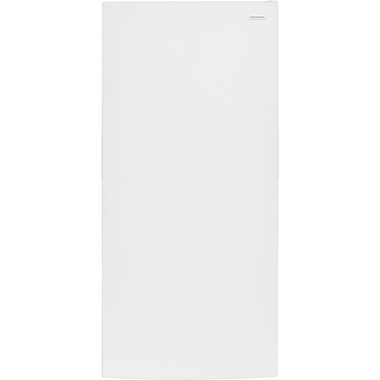
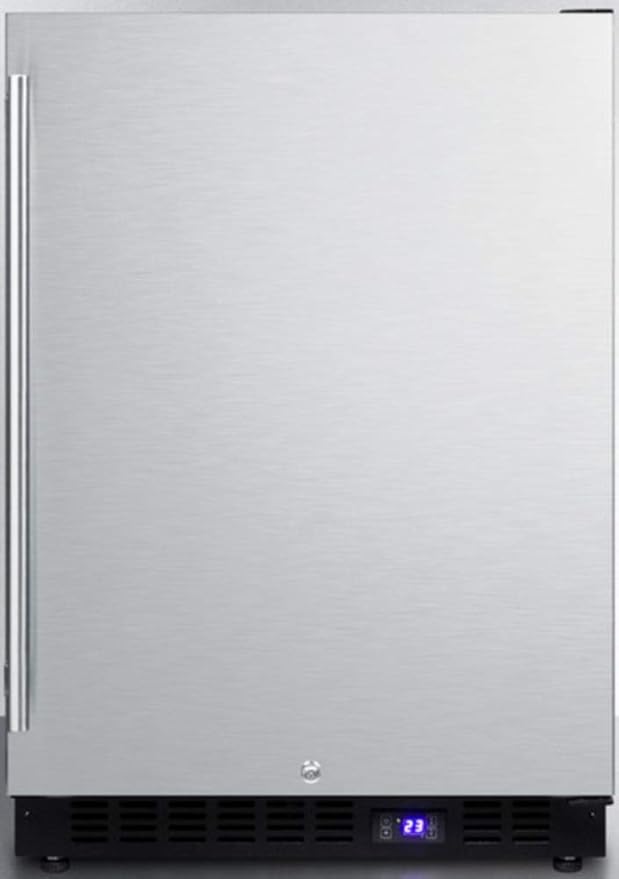
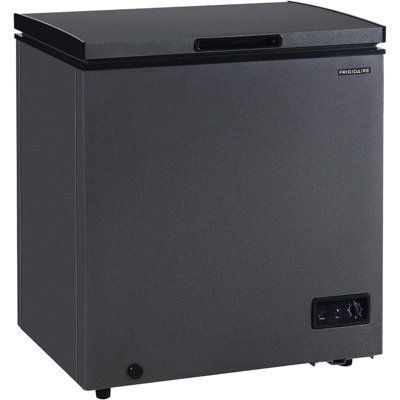
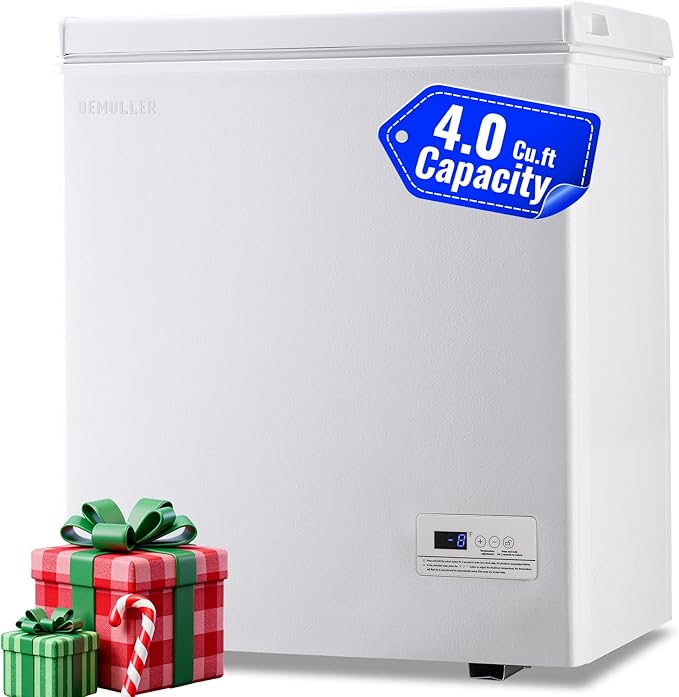
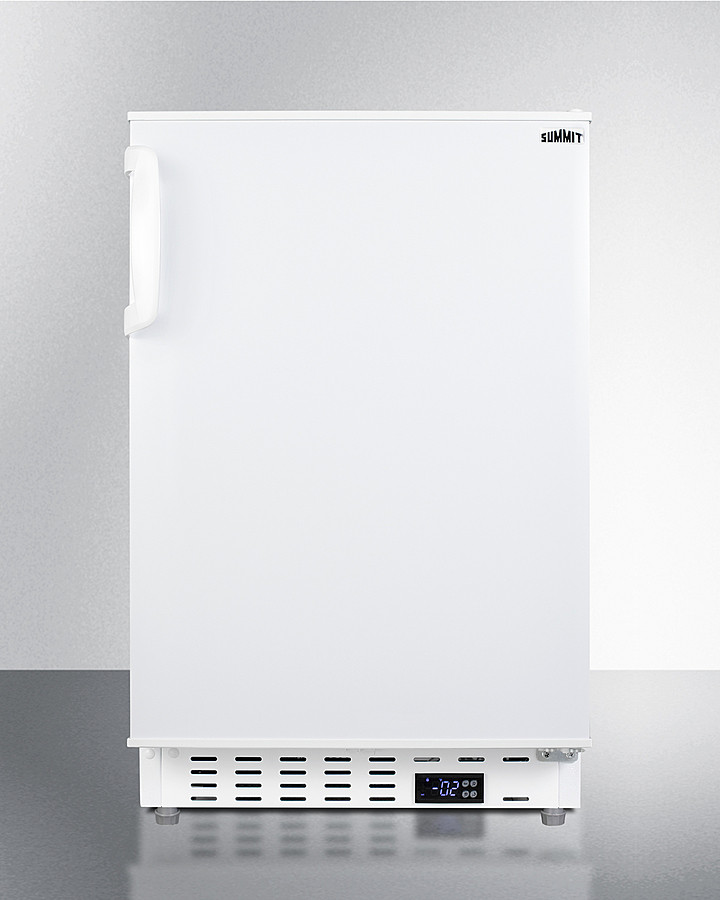
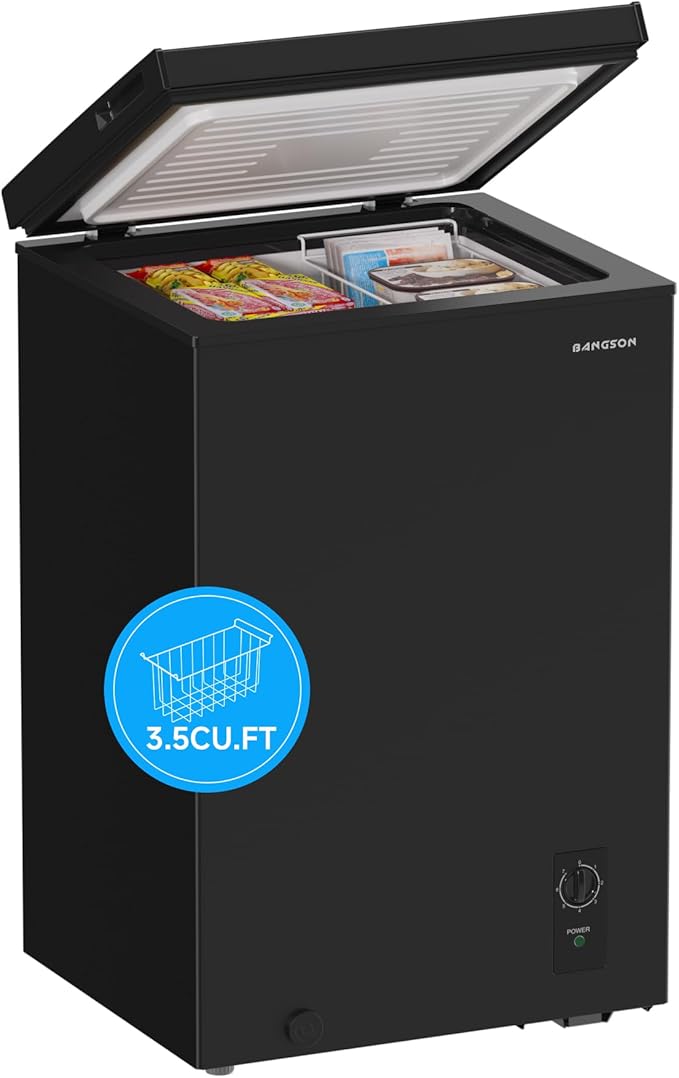
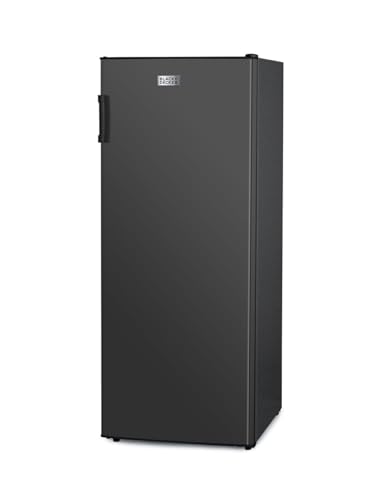
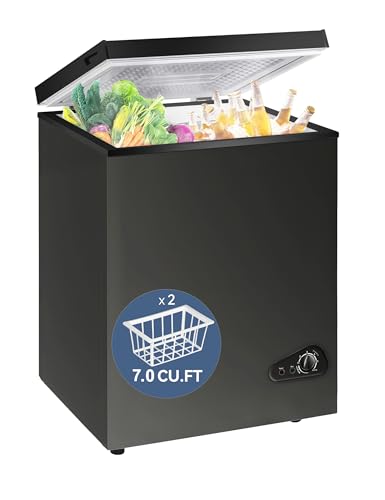
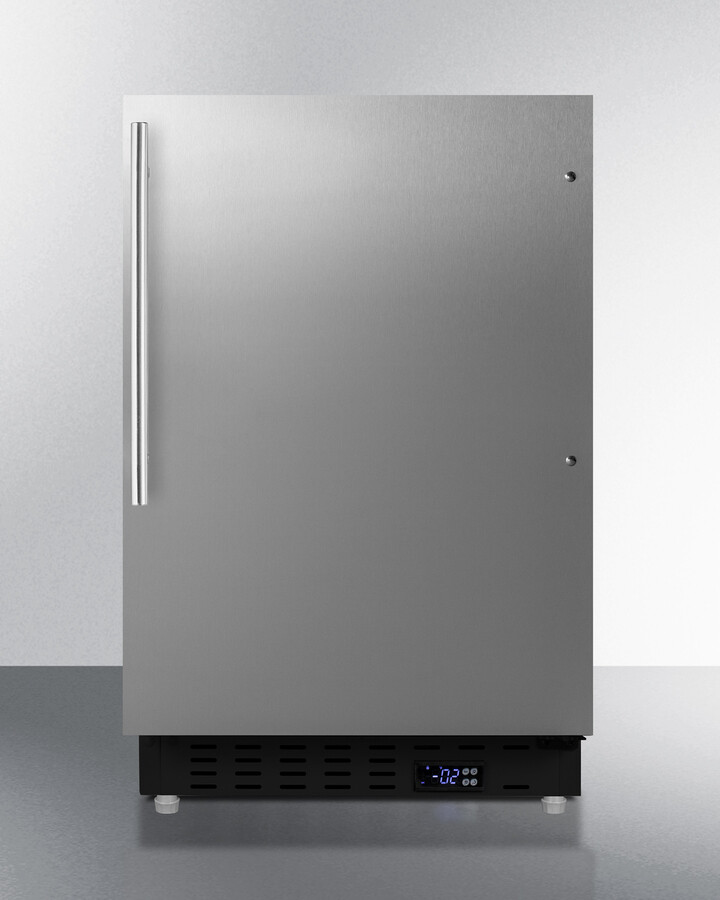
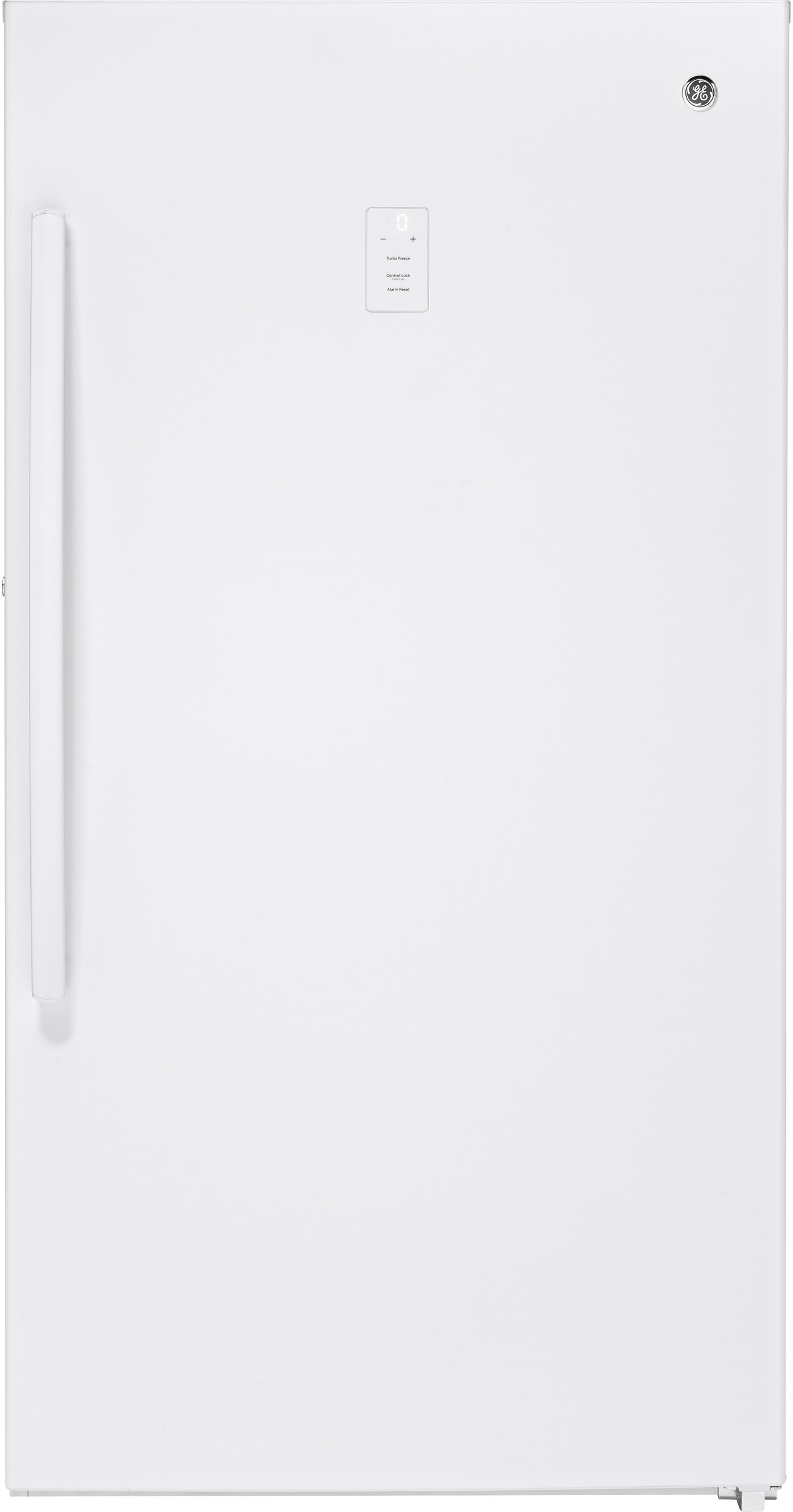
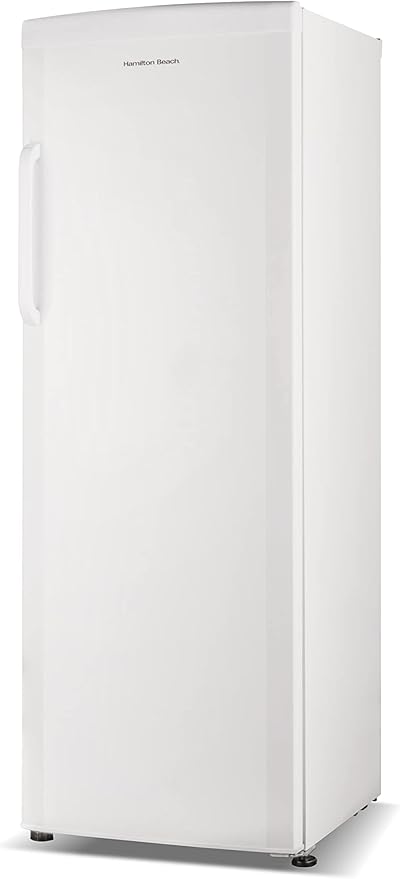
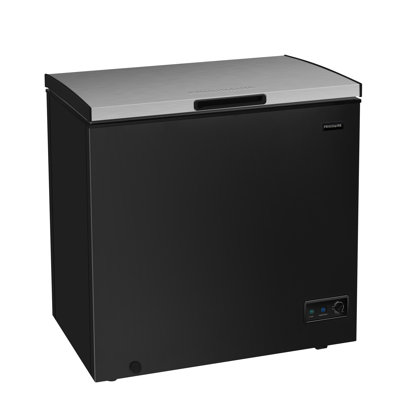
When deciding between a beer fridge and an ice cream freezer chest, it's essential to understand the primary purpose of each appliance. A beer fridge is designed to store and chill beverages, particularly beer, at optimal temperatures for drinking. It's typically used in homes, offices, and entertainment spaces to keep various drinks cold and easily accessible.
An ice cream freezer chest, on the other hand, is specifically designed to store ice cream and other frozen desserts at low temperatures. This type of freezer ensures that ice cream maintains its texture and flavor without melting or becoming too hard.
Key Differences Between a Beer Fridge and Ice Cream Freezer Chest
Several key differences between a beer fridge and an ice cream freezer chest can help you determine which appliance suits your needs best. These differences include temperature control, storage capacity, and design features.
Understanding these differences will help you make an informed decision based on your specific needs, whether you require a dedicated space for beverages or a reliable storage solution for your frozen treats.
Capacity and Storage Options
When comparing a beer fridge and an ice cream freezer chest, understanding their capacity and storage features is crucial. Each appliance is designed with specific purposes and storage capabilities in mind.
Beer Fridge Capacity and Storage Features
A beer fridge is tailored to store and cool beverages efficiently. These refrigerators come in various sizes, ranging from compact units to larger models that can hold numerous cans and bottles. The capacity of a beer fridge is typically measured in cubic feet and can vary based on the model and design.
Beer Fridge Size
Capacity (cubic feet)
Storage Features
Small
1.5 - 2.5
Adjustable shelves, can dispensers
Medium
2.6 - 4.5
Bottle racks, door storage
Large
4.6 - 6.0+
Multiple compartments, specialized zones
Beer fridges often include adjustable shelves, allowing you to customize the interior space to fit various bottle sizes. Some models feature specialized racks for wine or larger bottles, and door storage options for additional convenience. For more on the features of different types of refrigerators, check out Fridge.com comparison on drawer fridge freezer Vs. refrigerator cooler.
Ice Cream Freezer Chest Capacity and Storage Features
An ice cream freezer chest is designed to store and preserve frozen desserts. These chests offer ample space for bulk storage, making them ideal for families or anyone who enjoys stocking up on frozen treats. The capacity of an ice cream freezer chest is also measured in cubic feet and can vary significantly.
Ice Cream Freezer Chest Size
Capacity (cubic feet)
Storage Features
Small
3.5 - 5.0
Basket dividers, stacking options
Medium
5.1 - 7.0
Sliding baskets, adjustable dividers
Large
7.1 - 10.0+
Multiple compartments, deep storage
Ice cream freezer chests often feature basket dividers and compartments that help organize different types of frozen goods. The deep storage space allows for stacking and efficient use of the interior volume. For more on the sizes and features of various freezers, explore Fridge.com article on standard fridge size Vs. upright freezer.
In summary, both beer fridges and ice cream freezer chests offer distinct capacity and storage features tailored to their specific uses. Whether you need a compact solution for beverages or a spacious chest for frozen desserts, understanding these features will help you choose the right appliance for your needs.
Temperature Control and Settings
When comparing a beer fridge to an ice cream freezer chest, understanding the differences in temperature control and settings is essential. Each appliance is designed to maintain optimal temperatures for their respective contents.
Beer Fridge Temperature Control
A beer fridge is specifically designed to keep your beverages at the perfect serving temperature. These fridges typically offer a range of temperature settings, allowing you to adjust the temperature to suit different types of beverages. The ideal temperature for storing beer usually falls between 35°F and 50°F.
Temperature Setting
Purpose
35°F - 38°F
Light lagers, pilsners, and wheat beers
39°F - 45°F
Pale ales, IPAs, and porters
46°F - 50°F
Stouts, Belgian ales, and bocks
Beer fridges often come with digital temperature displays and precise controls, making it easy to set and maintain the desired temperature. For more details on how beer fridges compare to other appliances, check out Fridge.com article on beer fridge Vs. office refrigerator.
Ice Cream Freezer Chest Temperature Control
An ice cream freezer chest, on the other hand, is designed to keep ice cream and other frozen desserts at a consistently low temperature to prevent melting and preserve texture. The optimal temperature for storing ice cream is typically around -10°F to 0°F.
Temperature Setting
Purpose
-10°F
Hard ice cream and frozen desserts
0°F
Soft serve and scoopable ice cream
Ice cream freezer chests usually come with adjustable thermostats, allowing you to set the temperature precisely. Some models also feature rapid freeze functions to quickly bring the freezer to the desired temperature, ensuring that your ice cream stays perfectly frozen. For more information on freezer options and their uses, visit Fridge.com article on chest refrigerator Vs. upright refrigerator.
Understanding the temperature control and settings of both a beer fridge and an ice cream freezer chest helps you make an informed decision when choosing the right appliance for your needs. Whether you're storing beer or ice cream, having the proper temperature control ensures optimal storage conditions for your favorite treats.
Comparing Energy Efficiency of Beer Fridges and Ice Cream Freezer Chests
When considering the energy efficiency of beer fridges versus ice cream freezer chests, it's important to understand how each appliance operates and their respective energy consumption.
Beer Fridge Energy Efficiency
Beer fridges are designed to maintain a specific range of cool temperatures suitable for beverages. These appliances typically consume less energy compared to freezer chests because they do not need to reach sub-zero temperatures.
Appliance
Average Energy Consumption (kWh/year)
Beer Fridge
150 - 250
Ice Cream Freezer Chest Energy Efficiency
Ice cream freezer chests, on the other hand, are designed to keep contents frozen solid, often at temperatures significantly lower than standard freezers. This requires more energy to maintain, particularly in warmer environments or during frequent access.
Appliance
Average Energy Consumption (kWh/year)
Ice Cream Freezer Chest
300 - 500
Key Factors Impacting Energy Efficiency
Insulation Quality: Better insulation in ice cream freezer chests helps maintain low temperatures with less energy, but they still generally consume more power than beer fridges.
Compressor Efficiency: Modern compressors are more energy-efficient, but the demands of freezing versus cooling still make a difference.
Usage Frequency: Frequent opening and closing of the appliance can lead to higher energy consumption as the unit works harder to maintain temperature.
For a deeper dive into similar comparisons, consider reading Fridge.com articles on counter depth refrigerator Vs. portable freezer and chest refrigerator Vs. wine cellar. Understanding these nuances can help you make an informed decision on which appliance best suits your needs while keeping energy consumption in check.
Design and Placement
When comparing a beer fridge and an ice cream freezer chest, it's essential to consider their design and placement options. Understanding these aspects can help you determine which appliance best fits your needs and space.
Beer Fridge Design Considerations
Beer fridges are designed to store and chill beverages at optimal temperatures. They often come in various sizes, styles, and configurations to suit different spaces and preferences. Some key design considerations for beer fridges include:
Size and Capacity: Beer fridges range from compact units, suitable for small apartments or offices, to larger models that can hold several cases of beer. Consider the available space and the amount of storage you need.
Shelving and Layout: Many beer fridges feature adjustable shelves, allowing you to customize the interior to accommodate different bottle and can sizes. Some models also include specialized racks for wine or beer bottles.
Door Design: Beer fridges can have solid or glass doors. Glass doors allow you to see the contents without opening the fridge, which can be convenient for quickly locating your beverages.
Ventilation: Proper ventilation is crucial for maintaining efficient cooling. Ensure that the placement of your beer fridge allows for adequate airflow around the unit.
Feature
Beer Fridge
Size
Compact to large
Shelving
Adjustable shelves, bottle racks
Door Design
Solid or glass
Ventilation Requirement
Requires adequate airflow
For more information on refrigerator design options, check out Fridge.com article on drawer fridge freezer Vs. refrigerator cooler.
Ice Cream Freezer Chest Placement Options
Ice cream freezer chests are designed to store frozen treats at low temperatures. They are typically larger and more spacious than beer fridges, making them ideal for bulk storage. Key placement considerations for ice cream freezer chests include:
Size and Capacity: Ice cream freezer chests come in various sizes, from small units for home use to large commercial models. Consider your storage needs and the available space.
Access and Organization: Freezer chests often have a top-opening lid, which can require more vertical space. Some models include baskets or dividers to help organize the contents.
Temperature Consistency: Ensure the placement of your freezer chest is in a cool, stable environment. Avoid placing it in areas with significant temperature fluctuations, such as near ovens or direct sunlight.
Floor Space: Freezer chests require ample floor space for placement and easy access. Measure the area where you plan to place the freezer to ensure it fits comfortably.
Feature
Ice Cream Freezer Chest
Size
Small to large
Access
Top-opening lid
Organization
Baskets, dividers
Temperature Consistency
Stable environment recommended
For additional insights on freezer placement, refer to Fridge.com article on chest refrigerator Vs. wine cellar.
Choosing between a beer fridge and an ice cream freezer chest depends on your specific needs and available space. Understanding the design and placement requirements of each appliance can help you make an informed decision.
Maintenance and Cleaning
Proper maintenance and cleaning of your beer fridge and ice cream freezer chest are crucial for their longevity and optimal performance. Let's explore the maintenance tips for each appliance.
Beer Fridge Maintenance Tips
Keeping your beer fridge in top condition involves regular cleaning and maintenance practices. Here are some essential tips:
Regular Cleaning: Clean the interior and exterior surfaces of your beer fridge periodically. Use a mild detergent and warm water to wipe down the shelves, door, and walls. Avoid harsh chemicals that could damage the surfaces.
Defrosting: If your beer fridge doesn't have an auto-defrost feature, manually defrost it when ice buildup becomes noticeable. Unplug the fridge, remove all contents, and allow the ice to melt. Wipe down the interior once the ice has melted.
Check Seals: Inspect the door seals regularly to ensure they are airtight. Damaged or loose seals can cause the fridge to work harder, leading to higher energy consumption. Replace any damaged seals promptly.
Temperature Settings: Verify that the temperature settings are appropriate for storing beer. The ideal temperature range is typically between 35°F and 40°F (2°C - 4°C). Adjust the settings as needed to maintain this range.
Condenser Coils: Dust and debris can accumulate on the condenser coils, causing the fridge to operate inefficiently. Clean the coils every six months using a vacuum or a coil brush.
Maintaining your ice cream freezer chest involves regular cleaning and upkeep. Follow these guidelines to keep it in top shape:
Interior Cleaning: Clean the interior of your freezer chest every few months. Remove all ice cream and other items, then use a mixture of baking soda and warm water to scrub the interior surfaces. Rinse with clean water and wipe dry.
Defrosting: Like beer fridges, some ice cream freezer chests may require manual defrosting. When ice buildup reaches about a quarter-inch thick, unplug the unit, remove the contents, and allow the ice to melt. Clean and dry the interior after defrosting.
Gasket Inspection: Check the door gasket for any signs of wear or damage. A tight seal is essential for maintaining the correct temperature and energy efficiency. Replace the gasket if it appears cracked or loose.
Drain Maintenance: Ensure the drain plug is not clogged. This allows melted ice to drain properly during defrosting. Clean the drain regularly to prevent blockages.
Temperature Monitoring: Keep the freezer chest at the recommended temperature for storing ice cream, typically around -10°F to -20°F (-23°C to -29°C). Use a freezer thermometer to monitor the temperature and adjust settings if necessary.
By following these maintenance and cleaning guidelines, you can ensure the longevity and efficient performance of both your beer fridge and ice cream freezer chest.
Initial Cost of Beer Fridges and Ice Cream Freezer Chests
When it comes to the initial purchase, beer fridges and ice cream freezer chests vary significantly in price. The cost depends on factors such as size, features, and brand. Generally, beer fridges tend to be less expensive compared to ice cream freezer chests due to their smaller size and fewer cooling requirements.
Appliance Type
Average Initial Cost (USD)
Beer Fridge
$150 - $500
Ice Cream Freezer Chest
$200 - $800
For a more detailed comparison of different types of fridges and freezers, visit Fridge.com article on drawer fridge freezer Vs. refrigerator cooler.
Long-Term Cost of Ownership and Operation
The long-term cost of owning and operating a beer fridge or an ice cream freezer chest includes energy consumption, maintenance, and potential repairs. Energy efficiency plays a major role in determining the operational cost. Typically, beer fridges consume less energy than ice cream freezer chests due to their lower cooling demands.
Appliance Type
Average Annual Energy Cost (USD)
Beer Fridge
$30 - $60
Ice Cream Freezer Chest
$50 - $100
Additionally, maintenance and cleaning are necessary to ensure the longevity of these appliances. Regular defrosting, cleaning, and checking seals can prevent costly repairs in the future. For maintenance tips, refer to Fridge.com article on freestanding drawer refrigerator Vs. meat refrigerator.
When considering the long-term cost, it's also important to factor in the warranty and potential repair costs. While warranties can cover some repair expenses, older units may require more frequent maintenance and part replacements.
Compare current prices and specifications on Fridge.com, then buy from the retailer you choose; delivery, installation and warranty terms are the retailer’s.
It also has tons of awesome articles about kitchen stuff and home news. Enhance your home, garage, backyard, patio, and office with the coolest essentials. With every necessary type of residential refrigerator or freezer in the collection, you're covered.
Free tool
Freezer BTU Calculator
Free interactive tool from Fridge.com — get a quick answer while you read.